
35,000+ smart investors are already getting financial news, market signals, and macro shifts in the economy that could impact their money next with our FREE weekly newsletter. Get ahead of what the crowd finds out too late. Click Here to Subscribe for FREE.
Big-city life in Canada has started to feel like a calculation that no longer adds up: higher rents, longer commutes, tighter housing supply, and the slow fatigue of paying premium prices for less room. As affordability pressures reshape moving decisions, many households are looking beyond Toronto, Vancouver, Calgary, and Montreal toward smaller centres that offer jobs, services, community, and a more manageable pace.
These 15 places are not escape fantasies. They are practical alternatives where Canadians are weighing housing costs, employment access, outdoor space, family needs, and the possibility of building a steadier life without giving up urban conveniences entirely.
Moncton, New Brunswick
15 Places Canadians Are Quietly Moving to When Big-City Life Stops Making Sense
- Moncton, New Brunswick
- Fredericton, New Brunswick
- Saint John, New Brunswick
- Charlottetown, Prince Edward Island
- Trois-Rivières, Quebec
- Sherbrooke, Quebec
- Quebec City, Quebec
- Thunder Bay, Ontario
- North Bay, Ontario
- Windsor, Ontario
- Regina, Saskatchewan
- Saskatoon, Saskatchewan
- Winnipeg, Manitoba
- Red Deer, Alberta
- Lethbridge, Alberta
- 19 Things Canadians Don’t Realize the CRA Can See About Their Online Income

Moncton has become one of Atlantic Canada’s most watched relocation stories because it combines a lower-cost reputation with real regional momentum. Its position between Halifax, Saint John, and Charlottetown gives it a logistical advantage, while the Moncton–Dieppe–Riverview area has attracted newcomers, entrepreneurs, and remote workers looking for more space than major urban markets typically allow.
The city is no longer a secret bargain, though. New Brunswick’s population gains have increased pressure on housing, and Moncton’s rental demand has been strong enough to surprise longtime residents. Still, for Canadians leaving bigger cities, Moncton can feel like a workable middle ground: big enough for hospitals, schools, shopping, an airport, and employment options, but small enough that daily life is less dominated by congestion and housing sticker shock.
Fredericton, New Brunswick

Fredericton appeals to movers who want a capital-city environment without the scale or cost of Ottawa, Toronto, or Vancouver. The city has a government and university backbone, with public-sector work, education, health care, technology, and professional services shaping its economy. That gives it a steadier feel than many smaller communities that depend heavily on one industry.
Housing pressure has followed the city’s growth, but Fredericton has also seen notable development activity and a higher rental vacancy rate in 2025 than the year before. That matters for households leaving overheated markets because availability can be just as important as price. The city’s trail system, compact downtown, and family-oriented neighbourhoods help explain why some Canadians see it less as a compromise and more as a reset.
Saint John, New Brunswick
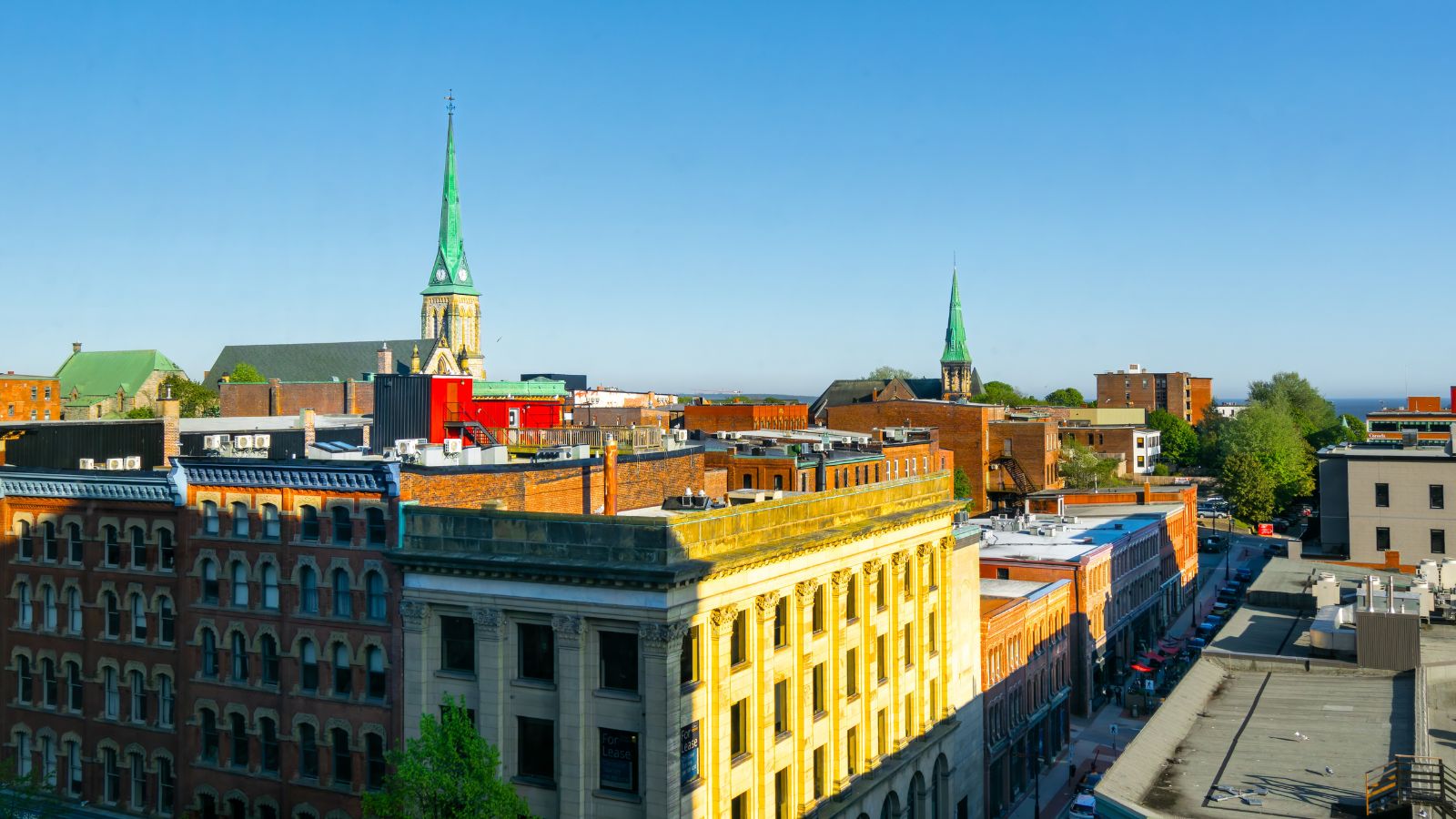
Saint John has a different appeal from faster-growing Atlantic cities: it feels established, coastal, and historically rooted. The city’s port, industrial base, health-care presence, and uptown revival give it more economic texture than its size might suggest. For people priced out elsewhere, Saint John’s older housing stock and neighbourhood variety can make homeownership feel more possible than in larger Canadian markets.
That affordability advantage is not without complications. Local reports point to population growth, tight rental conditions, and affordability challenges, especially for lower-income renters. Still, Canadians moving from expensive cities may find Saint John attractive because it offers a real urban core, ocean access, and a slower daily rhythm. For families, retirees, and remote workers, the draw is not just cheaper housing; it is the chance to live near water without paying a Vancouver-style premium.
Charlottetown, Prince Edward Island

Charlottetown attracts Canadians who want a capital city that still feels human-scaled. It offers government jobs, university life, health services, restaurants, waterfront access, and a strong cultural identity packed into a small urban footprint. For households tired of long commutes, the idea of living in a place where the airport, downtown, schools, and beaches are all relatively close can be powerful.
The challenge is that Charlottetown’s popularity has strained its housing market. Local housing assessments have documented affordability concerns, rising rents, and the need for more diverse housing. That makes it less of a simple “cheap alternative” and more of a lifestyle trade-off. Still, compared with the biggest Canadian metros, many movers see value in its community feel, short distances, and access to island life.
Trois-Rivières, Quebec

Trois-Rivières sits between Montreal and Quebec City, which gives it a strategic advantage for Canadians seeking lower costs without cutting themselves off from larger urban economies. It has universities, cultural institutions, riverfront spaces, manufacturing history, and a compact scale that makes everyday errands less punishing than in major metropolitan areas.
Its appeal has grown as Quebec households look for alternatives to Montreal’s higher prices and tighter rental conditions. Trois-Rivières has also been part of broader provincial efforts to add affordable housing, including targeted projects supported by government investment. For movers, the city’s biggest advantage may be balance: it offers urban services, French-language culture, and access to major highways while remaining more approachable than Quebec’s largest centres.
Sherbrooke, Quebec

Sherbrooke has long benefited from its mix of universities, health care, research, and Eastern Townships scenery. It draws students, professionals, retirees, and families who want a smaller city with strong institutional anchors. The presence of major educational institutions gives the city energy, while nearby lakes, ski areas, and rural communities provide lifestyle appeal.
That popularity has created housing pressure. Recent rental and real estate reporting has shown tightness in the Sherbrooke market, with affordability becoming a more serious concern than it was a decade ago. Even so, many Canadians still see Sherbrooke as a compelling alternative to Montreal. It offers a recognizable city centre, employment depth, and access to nature without the same level of big-city congestion.
Quebec City, Quebec

Quebec City is not tiny, but it functions as a major alternative for Canadians who want urban amenities with a different cost profile from Toronto or Vancouver. The city has a stable public-sector base, universities, tourism, technology, insurance, and health services. Its historic core, neighbourhood cafés, winter culture, and walkable districts give it a strong sense of place.
Housing has become more competitive, especially as Quebec’s broader market has tightened, but Quebec City still attracts people looking for a more manageable urban lifestyle. It offers transit, hospitals, schools, cultural events, and job options while avoiding some of the scale problems of Canada’s largest metros. For bilingual or French-speaking households, it can feel like a full city experience with a calmer pace.
Thunder Bay, Ontario

Thunder Bay appeals to people who want space, lake access, and a northern Ontario lifestyle rather than a suburban extension of the GTA. It has a university, a regional hospital, port activity, mining-related services, and a role as a hub for northwestern Ontario. For outdoors-oriented households, the proximity to Lake Superior, trails, and wilderness is central to the decision.
The city’s growth has been modest compared with faster-expanding Ontario markets, but that can be part of its appeal. Housing affordability remains a concern locally, and reports have identified the need for more homes, yet prices often look different from southern Ontario’s most expensive areas. For movers willing to accept distance from major southern cities, Thunder Bay offers a distinct trade: fewer big-city conveniences, but more room and a strong regional identity.
North Bay, Ontario

North Bay has become more visible for Canadians who want northern access without feeling completely remote. It sits on Lake Nipissing, has a regional airport, post-secondary institutions, health services, and connections to both northern and southern Ontario. The city is often considered by people who want a slower pace but still need basic urban infrastructure.
A notable point is its recent housing construction momentum, with local reporting highlighting a strong year for new dwelling units in 2025. That matters because smaller cities can become frustrating quickly when demand rises but supply does not follow. North Bay still faces affordability and service pressures, but for households leaving pricier metros, it can offer a realistic mix of lake-country lifestyle, regional employment, and a less overwhelming cost structure.
Windsor, Ontario
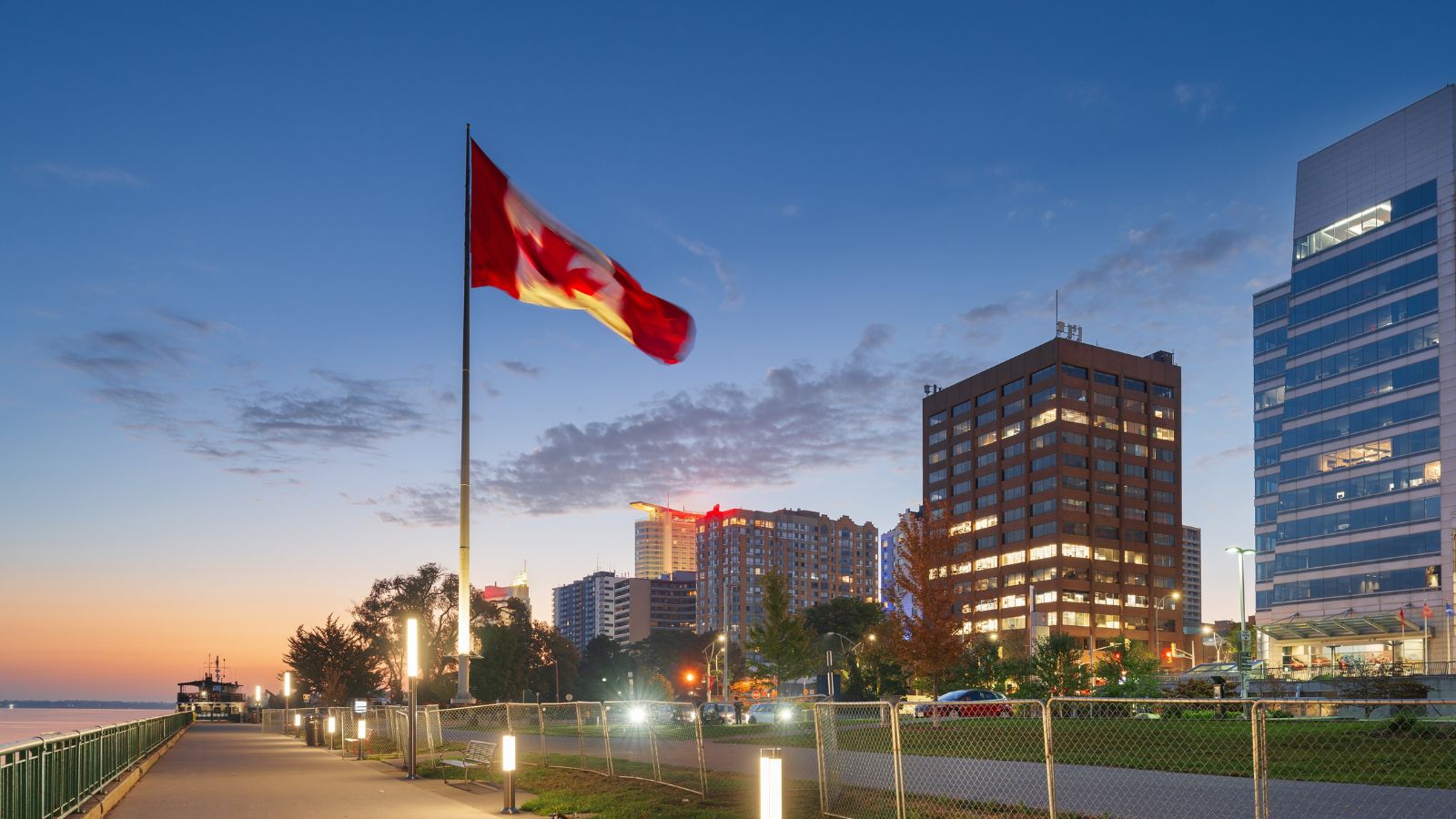
Windsor’s pitch is simple: it offers one of Ontario’s most practical alternatives to the GTA, especially for people who want a larger labour market than a small town can provide. Automotive manufacturing, cross-border trade, health care, education, and the growing battery supply chain give the region economic relevance. Its proximity to Detroit also gives it a unique binational dimension.
Windsor-Essex has been growing, and that growth has put pressure on housing systems, especially for lower- and moderate-income households. Still, the region’s prices have often remained more attainable than the GTA’s, which keeps it on the radar for families and workers. For Canadians tired of Toronto-area costs, Windsor offers urban amenities, waterfront neighbourhoods, and a warmer southern Ontario climate without the same financial entry barrier.
Regina, Saskatchewan

Regina has been quietly appealing to movers who want a provincial capital with relatively approachable housing. Government, agriculture, insurance, transportation, energy services, and education provide a varied employment base. The city also has an airport, hospitals, sports culture, and neighbourhoods where detached homes are still more realistic than in many larger markets.
Recent local reporting has emphasized both growth and affordability, including new housing approvals and affordable units supported by incentives. That does not mean Regina is free from housing pressure, but it remains one of the places where the income-to-housing equation can feel less punishing. For Canadians leaving bigger cities, Regina’s draw is practical: jobs, schools, space, and a cost structure that may allow more room in the monthly budget.
Saskatoon, Saskatchewan

Saskatoon has a younger, more energetic feel than many people expect from a mid-sized prairie city. The University of Saskatchewan, health care, agriculture, mining services, technology, and construction activity all contribute to its economy. Its river valley, restaurants, festivals, and growing neighbourhoods help it feel urban without becoming overwhelming.
The city has posted strong population growth in recent years, and local projections show continued expansion. That growth brings opportunity, but it also raises housing and infrastructure questions. For Canadians priced out of larger metros, Saskatoon can be appealing because it combines employment prospects with relatively better housing access than many coastal or GTA markets. It is not a hidden bargain in the old sense, but it remains a serious option for households wanting a full city at a more manageable scale.
Winnipeg, Manitoba

Winnipeg is larger than many places on this list, but it remains a major affordability alternative for Canadians leaving more expensive metropolitan areas. It has universities, hospitals, a diverse economy, arts institutions, professional sports, and established neighbourhoods with housing types that range from older character homes to newer suburban builds. That depth makes it attractive to people who do not want to give up city life entirely.
Population growth has been strong, and local reports have linked that momentum to renewed housing planning and rising demand. Even so, Winnipeg’s relative affordability compared with Vancouver, Toronto, and Calgary keeps it in the conversation. For movers, the city offers a rare combination: big-city services, cultural diversity, and a housing market that can still feel reachable for middle-income households.
Red Deer, Alberta

Red Deer attracts Canadians who want to be close to Alberta’s two biggest cities without paying directly for Calgary or Edmonton life. Its position along the Queen Elizabeth II Highway makes it practical for workers, business owners, and families who need regional mobility. The city has health services, retail, trades, education, recreation, and a central Alberta identity that is distinct from the province’s larger centres.
Affordability is part of the appeal, especially in comparison with larger western Canadian markets. Local economic materials have highlighted relatively affordable shelter costs, while Alberta’s broader housing construction activity has been strong. Red Deer is not immune to rent growth or demand pressure, but it offers a compelling compromise: access to Alberta’s economy, shorter local commutes, and a housing market that may feel less intimidating than Calgary’s.
Lethbridge, Alberta

Lethbridge has become a serious relocation candidate for people who want Alberta wages and opportunity without the scale of Calgary or Edmonton. It has two post-secondary institutions, a regional health-care role, agriculture and food-processing links, and a distinctive southern Alberta landscape. The coulees, wind, and open sky give the city a strong sense of place.
Housing supply and affordability remain active issues, but Lethbridge benefits from Alberta’s broader push in housing starts and from its reputation as one of the province’s more affordable mid-sized markets. For families and newcomers, the attraction is often practical rather than flashy: schools, work, services, and more space. It is the kind of city that may not dominate national headlines but becomes more attractive when big-city life starts feeling financially stretched.
19 Things Canadians Don’t Realize the CRA Can See About Their Online Income

Earning money online feels simple and informal for many Canadians. Freelancing, selling products, and digital services often start as side projects. The problem appears at tax time. Many people underestimate how much information the CRA can access. Online platforms, banks, and payment processors create detailed records automatically. These records do not disappear once money hits an account. Small gaps in reporting add up quickly.
Here are 19 things Canadians don’t realize the CRA can see about their online income.
This Options Discord Chat is The Real Deal
While the internet is scoured with trading chat rooms, many of which even charge upwards of thousands of dollars to join, this smaller options trading discord chatroom is the real deal and actually providing valuable trade setups, education, and community without the noise and spam of the larger more expensive rooms. With a incredibly low-cost monthly fee, Options Trading Club (click here to see their reviews) requires an application to join ensuring that every member is dedicated and serious about taking their trading to the next level. If you are looking for a change in your trading strategies, then click here to apply for a membership.