
35,000+ smart investors are already getting financial news, market signals, and macro shifts in the economy that could impact their money next with our FREE weekly newsletter. Get ahead of what the crowd finds out too late. Click Here to Subscribe for FREE.
Canadians have become sharper fee-watchers in 2026, partly because small charges now feel harder to justify when household budgets are already stretched. A $4 monthly account charge, a $1.50 transfer fee, a roaming add-on, or a checkout “service fee” may look minor on its own, but repeated across banking, telecom, travel, entertainment, and delivery purchases, the total can feel like a quiet second bill.
This look at 13 bank and service fees highlights the charges Canadians are increasingly questioning, avoiding, negotiating, or refusing outright. The shift is not only about saving money. It reflects a broader frustration with fees that feel unclear, outdated, poorly disclosed, or disconnected from the actual value being provided.
Monthly Chequing Account Fees
13 Bank and Service Fees Canadians Are Starting to Refuse in 2026
- Monthly Chequing Account Fees
- Non-Sufficient Funds Fees
- Overdraft Protection Fees
- Out-of-Network ATM Fees
- Interac e-Transfer Fees
- Paper Statement Fees
- Bank Draft, Certified Cheque, and Cheque Order Fees
- Credit Card Surcharges at Checkout
- Telecom Activation and Plan-Change Fees
- Roaming and Travel Data Charges
- Online Booking and Ticket Service Fees
- Airline Baggage and Seat Selection Fees
- Food Delivery and App Service Fees
- 19 Things Canadians Don’t Realize the CRA Can See About Their Online Income

Monthly chequing fees are among the easiest charges for Canadians to challenge because they appear with predictable regularity. A household paying $15 a month for a basic everyday account is spending $180 a year before making a single transaction. That feels especially dated when digital banks, credit unions, and no-fee accounts have made fee-free day-to-day banking feel normal rather than exceptional.
The pressure grew stronger after the federal push toward low-cost and no-cost banking. Canadians can now compare accounts more easily and point to low-cost options when asking a bank to waive or reduce fees. For newcomers, students, seniors, people receiving certain benefits, and budget-conscious households, the old idea that a chequing account must automatically carry a monthly fee is losing ground fast.
Non-Sufficient Funds Fees

Non-sufficient funds fees became one of the most visible banking flashpoints in 2026. For years, Canadians could be charged a large penalty when a pre-authorized payment bounced because an account was short by only a small amount. That created the frustrating situation where a person already short on cash faced an extra charge that made the next payment even harder.
The new federal cap changed the tone of the conversation. Once Canadians saw that NSF fees could be capped at $10, the older $45 or $50 penalties looked less like an unavoidable banking cost and more like a charge worth resisting. People are also paying closer attention to duplicate fees triggered by closely timed transactions, especially when rent, insurance, subscriptions, and loan payments hit the same account within days.
Overdraft Protection Fees

Overdraft protection can sound helpful, but many Canadians are becoming more skeptical of paying for the privilege of briefly borrowing from their own bank. The fee structure can be confusing because some accounts charge a monthly fee, while others use pay-per-use charges when the account dips below zero. For people with uneven income, that uncertainty can make budgeting harder.
The real frustration comes when overdraft protection turns small timing gaps into repeated costs. A grocery purchase, an automatic insurance payment, and a debit transaction can all land before payday, creating a balance that is negative for only a few days. Canadians are increasingly choosing alerts, linked savings accounts, lower-limit credit lines, or simply opting out rather than paying recurring overdraft-related charges that feel like penalties for timing.
Out-of-Network ATM Fees

ATM fees are especially irritating because they often appear at the exact moment someone needs cash. A person withdrawing $20 from a privately operated machine may face more than one layer of charges: a convenience fee from the ATM operator, a network access fee, and possibly a bank account transaction fee. On a small withdrawal, the percentage cost can be surprisingly high.
This is why more Canadians are planning cash withdrawals in advance or using bank-owned machines, cash back at retailers, or accounts that reimburse ATM charges. The fee feels harder to accept in 2026 because cash is used less often, making each withdrawal more deliberate. When a rare cash need turns into a $3, $4, or higher charge, many people see it as avoidable friction rather than a normal banking expense.
Interac e-Transfer Fees

Interac e-Transfers have become part of everyday life in Canada, used for rent splits, babysitting, marketplace purchases, family support, and small business payments. That everyday role makes per-transfer fees feel increasingly outdated. A $1 or $1.50 fee may not seem large, but someone sending multiple small transfers each month can quickly notice the total.
Consumers are also more aware that many accounts now include e-Transfers, especially as low-cost banking commitments have expanded the types of transactions included in affordable accounts. The fee is easier to refuse because switching accounts does not necessarily mean switching banks. Many Canadians can move to a different plan, ask for a waiver, or choose a digital account where transfers are included, making the standalone e-Transfer charge feel optional rather than inevitable.
Paper Statement Fees

Paper statement fees sit at the awkward intersection of cost-cutting and accessibility. Banks and service providers encourage digital statements, and many customers are comfortable with that. Still, Canadians who prefer paper for recordkeeping, disability-related reasons, elder care, tax files, or limited internet access often see a monthly paper fee as unfair, especially when the statement is tied to an essential service.
The fee has become more controversial because it can punish people who are not fully digital by choice or circumstance. Families helping older relatives often discover small statement charges only after reviewing months of account activity. In 2026, more Canadians are asking providers to waive paper fees, consolidate statements, or provide accessible alternatives, treating the charge as negotiable rather than silently accepting it.
Bank Draft, Certified Cheque, and Cheque Order Fees

Cheque-related fees may seem old-fashioned, but they still appear during major life moments. A landlord may request certified funds, a used-car seller may ask for a bank draft, or a condo transaction may require a specific form of payment. That is when Canadians discover that a single piece of guaranteed paper can come with a noticeable fee.
The frustration is not only the amount. It is the feeling that customers are paying extra to complete a transaction in the format another party demands. Cheque order fees can be equally annoying for people who write only a few cheques a year but must buy far more than they need. Canadians are increasingly asking whether electronic transfers, direct deposits, or lower-cost drafts from another institution can replace these once-routine charges.
Credit Card Surcharges at Checkout
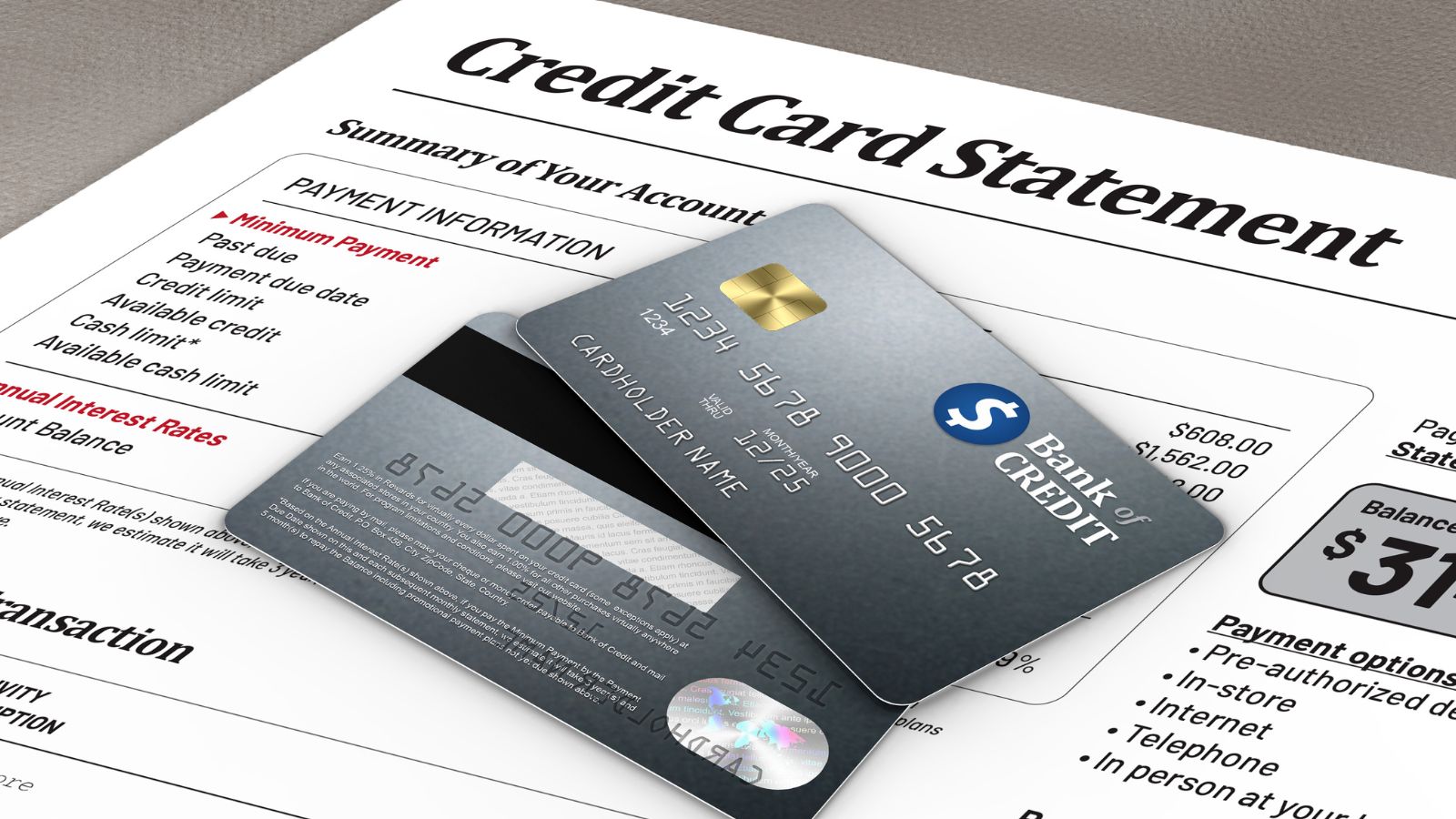
Credit card surcharges have become more visible since merchants gained more room to add extra checkout fees for credit card payments in many parts of Canada. For consumers, the irritation is simple: a displayed price feels less reliable when a card surcharge appears at payment. In Quebec, surcharging rules differ, which adds another layer of confusion for national businesses and shoppers.
The backlash is especially strong when the surcharge appears on everyday purchases rather than large discretionary transactions. Canadians may understand that merchants pay processing fees, but they are increasingly asking for clearer upfront disclosure and cheaper payment alternatives. Some shoppers now keep debit cards ready, use cash for smaller purchases, or abandon a transaction when the fee feels like a surprise add-on rather than a transparent cost.
Telecom Activation and Plan-Change Fees

Telecom activation, modification, and cancellation fees have long annoyed Canadians because they can make switching plans feel expensive even when a better deal is available. A customer may find a cheaper internet or cellphone plan, only to face a charge for changing service or setting up a new plan. In a market where promotions change constantly, that kind of fee can feel like a barrier to competition.
The CRTC’s 2026 moves added weight to consumer resistance. When regulators target fees that discourage switching, Canadians gain confidence to question them directly. Many now treat activation and plan-change fees as negotiable, especially during renewal calls or when comparing offers. The everyday example is familiar: a family discovers a cheaper plan online, then pushes back when the provider tries to charge a fee to access it.
Roaming and Travel Data Charges

Roaming charges remain one of the most disliked service fees because they can build quickly and are often noticed only after travel begins. Daily roaming passes, international data charges, and automatic connection fees can turn a short trip into a surprisingly expensive billing cycle. Even domestic travellers near border regions sometimes worry about accidental roaming.
Canadians are becoming more proactive because travel data alternatives are easier to find. eSIMs, Wi-Fi calling, prepaid travel plans, and manual roaming controls give consumers ways to refuse default roaming rates. The CRTC’s 2026 focus on roaming notifications and charge limits also reflects how sensitive this issue has become. A traveller may accept paying for convenience, but fewer are willing to accept vague data charges that arrive after the fact.
Online Booking and Ticket Service Fees

Online booking fees are a classic example of a charge that feels small until it appears on every ticket. Movie tickets, concerts, sports events, and attractions often involve service, facility, processing, or convenience fees that appear late in checkout. Canadians have become more alert to these charges because the advertised price may not reflect the final total.
The Cineplex drip-pricing case made this issue more concrete for many consumers. The concern was not simply that a fee existed, but that the full price was not shown clearly enough at the start. In 2026, Canadians are more likely to compare in-person purchase options, loyalty discounts, and all-in ticket prices before paying. The fee is increasingly judged by transparency: if it appears late, trust drops quickly.
Airline Baggage and Seat Selection Fees

Airline fees are being questioned more aggressively because the base fare often no longer tells the full cost of flying. A low-priced ticket can become far less attractive once carry-on baggage, checked bags, seat selection, and itinerary changes are added. For families, even a modest per-person fee can multiply quickly on a round trip.
The frustration sharpened after major fare changes made carry-on baggage less automatic on some basic fares. Canadians booking domestic, U.S., Caribbean, or sun-destination trips increasingly run the full-cost calculation before buying. A traveller may reject the cheapest fare if it charges extra for a bag that used to feel standard. The refusal is not always dramatic; sometimes it simply means choosing a fare class or airline that shows a more honest total.
Food Delivery and App Service Fees

Food delivery fees have become easier to refuse because Canadians can see how quickly a simple meal changes price. A menu item may be marked up, then layered with delivery fees, service fees, small-order fees, regulatory fees, and tips. By the time the checkout screen appears, a casual order can feel more like a premium service than a convenience.
The backlash is not only about consumers. Restaurants have also pushed back against platform fees, and some provinces have limited what delivery platforms can charge restaurants for core services. Customers are responding by ordering directly from restaurants, picking up meals themselves, or using delivery apps only when promotions offset the added cost. In 2026, the delivery app fee stack is no longer invisible; it is part of the purchase decision.
19 Things Canadians Don’t Realize the CRA Can See About Their Online Income

Earning money online feels simple and informal for many Canadians. Freelancing, selling products, and digital services often start as side projects. The problem appears at tax time. Many people underestimate how much information the CRA can access. Online platforms, banks, and payment processors create detailed records automatically. These records do not disappear once money hits an account. Small gaps in reporting add up quickly.
Here are 19 things Canadians don’t realize the CRA can see about their online income.
This Options Discord Chat is The Real Deal
While the internet is scoured with trading chat rooms, many of which even charge upwards of thousands of dollars to join, this smaller options trading discord chatroom is the real deal and actually providing valuable trade setups, education, and community without the noise and spam of the larger more expensive rooms. With a incredibly low-cost monthly fee, Options Trading Club (click here to see their reviews) requires an application to join ensuring that every member is dedicated and serious about taking their trading to the next level. If you are looking for a change in your trading strategies, then click here to apply for a membership.