
35,000+ smart investors are already getting financial news, market signals, and macro shifts in the economy that could impact their money next with our FREE weekly newsletter. Get ahead of what the crowd finds out too late. Click Here to Subscribe for FREE.
Canada’s housing conversation is no longer centred only on Toronto, Vancouver, Calgary, or Montreal. As affordability pressures shift and remote or hybrid work reshapes household choices, smaller cities with hospitals, universities, ports, military bases, public-sector jobs, and regional service economies are drawing more attention. The appeal is not just cheaper listings; it is the possibility of finding a community with real infrastructure before the next wave of competition tightens the market again.
Here are 21 smaller Canadian cities that people are increasingly eyeing for their mix of livability, local employment anchors, transportation links, and relative value compared with the country’s most expensive urban centres.
Moncton, New Brunswick
21 Smaller Canadian Cities People Are Eyeing Before Another Housing Squeeze
- Moncton, New Brunswick
- Fredericton, New Brunswick
- Saint John, New Brunswick
- Charlottetown, Prince Edward Island
- Kingston, Ontario
- Belleville, Ontario
- Peterborough, Ontario
- Greater Sudbury, Ontario
- Thunder Bay, Ontario
- Sault Ste. Marie, Ontario
- Trois-Rivières, Quebec
- Sherbrooke, Quebec
- Saguenay, Quebec
- Lévis, Quebec
- Red Deer, Alberta
- Lethbridge, Alberta
- Medicine Hat, Alberta
- Brandon, Manitoba
- Moose Jaw, Saskatchewan
- Prince George, British Columbia
- Nanaimo, British Columbia
- 19 Things Canadians Don’t Realize the CRA Can See About Their Online Income

Moncton has become one of Atlantic Canada’s most watched smaller-city housing stories because it combines growth, logistics, and relative affordability in a way few Maritime markets can match. Long known as the “Hub City,” it sits at a practical crossroads for New Brunswick, Nova Scotia, and Prince Edward Island. That matters to buyers who want more than a quiet place to land; they want access to jobs, services, and regional mobility without carrying the cost structure of a major metro.
The city’s appeal is strengthened by a diversified economy built around health care, retail, public administration, transportation, and business services. Its census metropolitan area recorded 157,717 people in the 2021 Census, and later population estimates show continued regional momentum. A family comparing Moncton with larger Atlantic markets may see a familiar trade-off: prices are no longer “cheap” in the old sense, but the city still offers a scale, commute pattern, and employment base that make it feel reachable.
Fredericton, New Brunswick
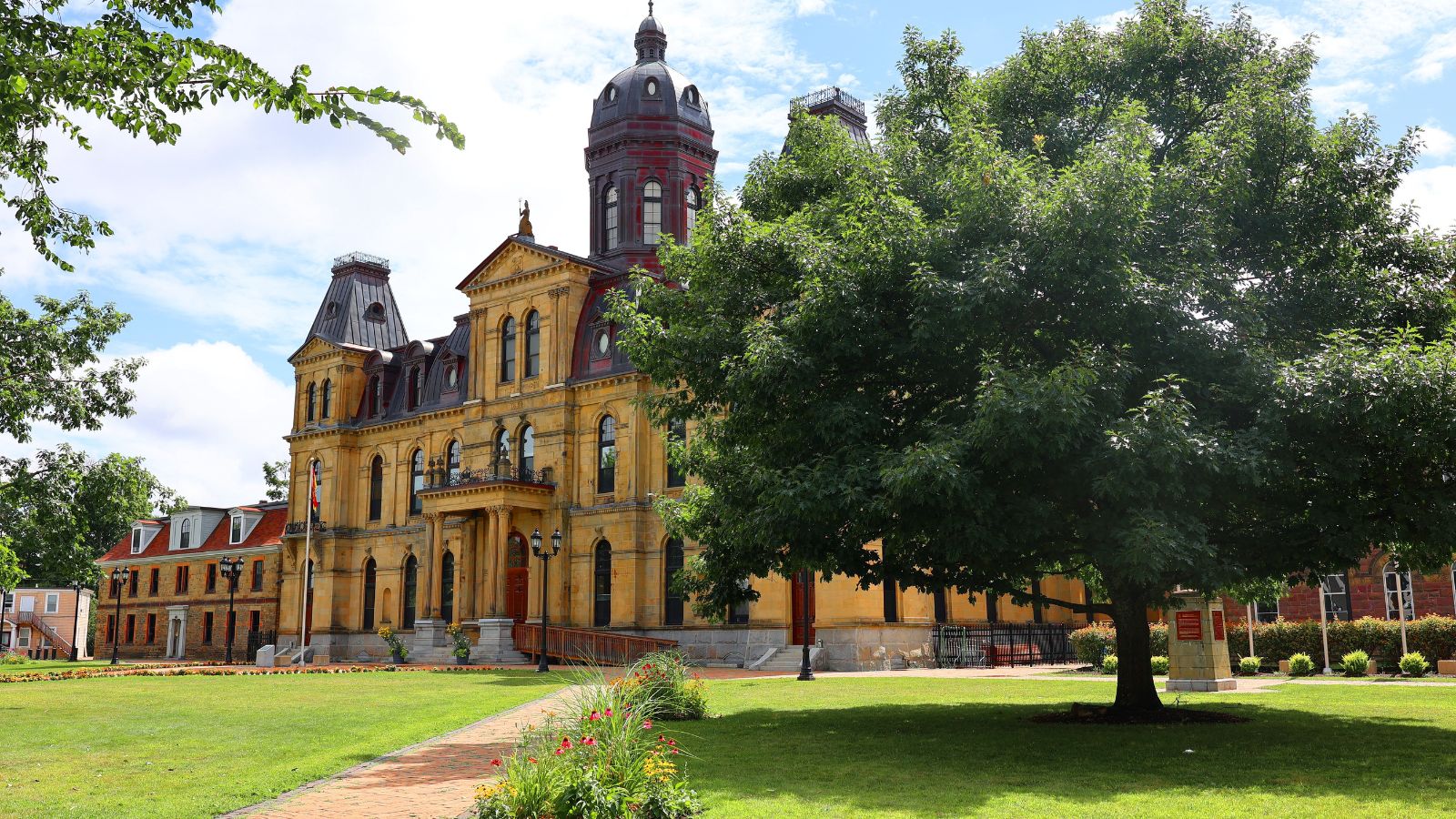
Fredericton attracts attention for a different reason than many fast-growing cities: it feels structured around institutions. As New Brunswick’s capital, it has public administration, education, technology, and research activity woven into everyday life. That makes it appealing to people who are worried about buying into a community that depends too heavily on one industry. A government worker, software employee, student family, or health-care professional may all see a city with stability rather than speculative hype.
The housing draw is also tied to lifestyle. Fredericton’s riverfront, trail network, compact downtown, and university presence give it a more polished feel than its size suggests. City demographic material estimated the Fredericton metro population at 122,500 in 2024, with recent growth linked partly to immigration and regional movement. That is still small enough to keep daily life manageable, but large enough to support restaurants, schools, cultural events, and professional services that buyers increasingly expect outside big-city markets.
Saint John, New Brunswick
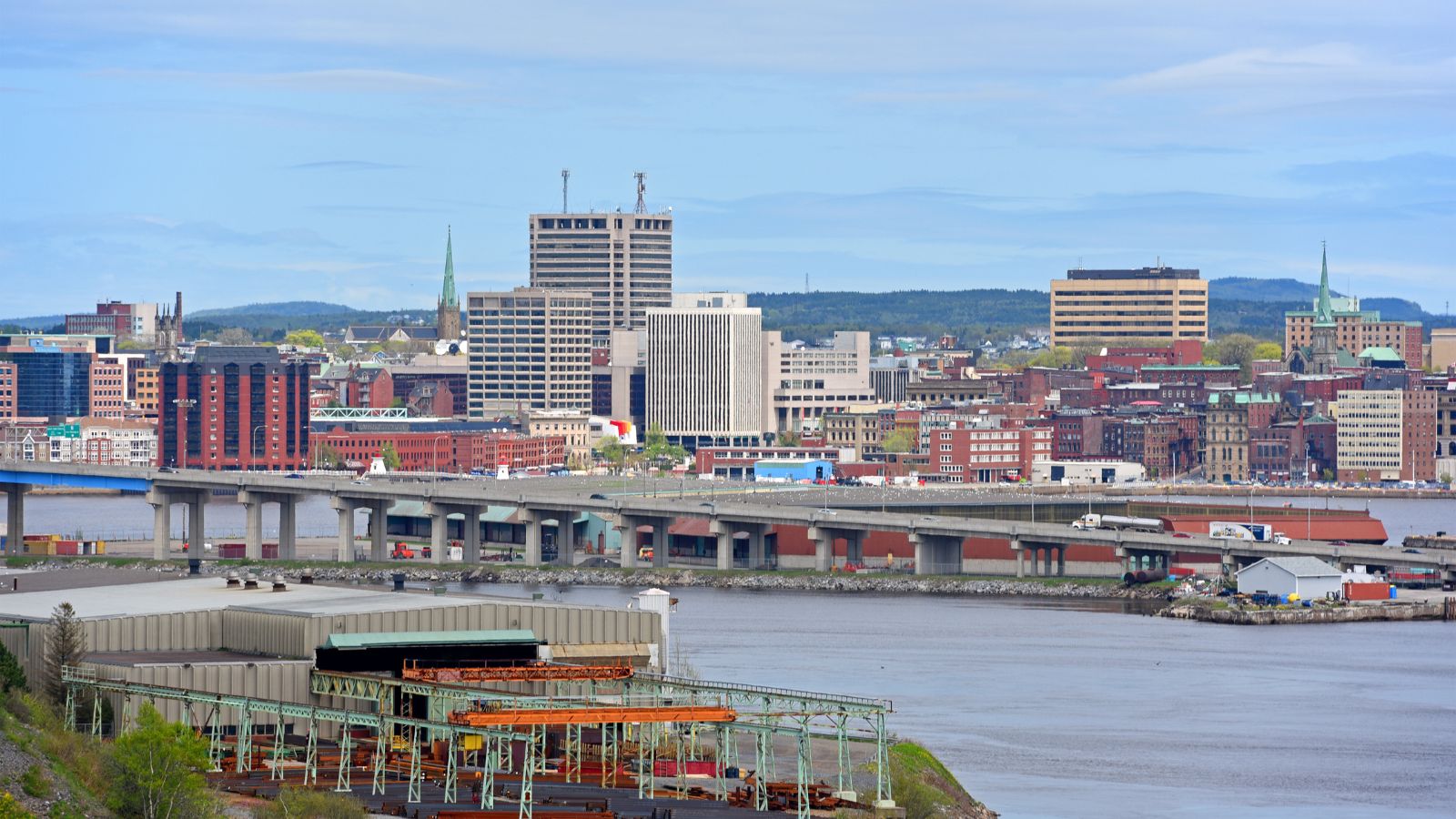
Saint John is gaining a second look from buyers who want an urban setting with a working waterfront, older housing stock, and a stronger sense of history than many newer growth markets. It is Canada’s oldest incorporated city, and that heritage shows in its brick buildings, harbour views, and established neighbourhoods. For people priced out of newer suburban markets, Saint John’s appeal often begins with character homes and a downtown that still feels like a real city centre.
The economic base is not built on scenery alone. The Port of Saint John is a major cargo and cruise gateway, and the broader economy includes energy, manufacturing, health care, education, finance, and tourism. The Saint John CMA had 130,613 people in the 2021 Census. Buyers eyeing the city before another housing squeeze are often betting that infrastructure already in place — port activity, hospitals, schools, and regional services — gives Saint John more staying power than a simple bargain market.
Charlottetown, Prince Edward Island
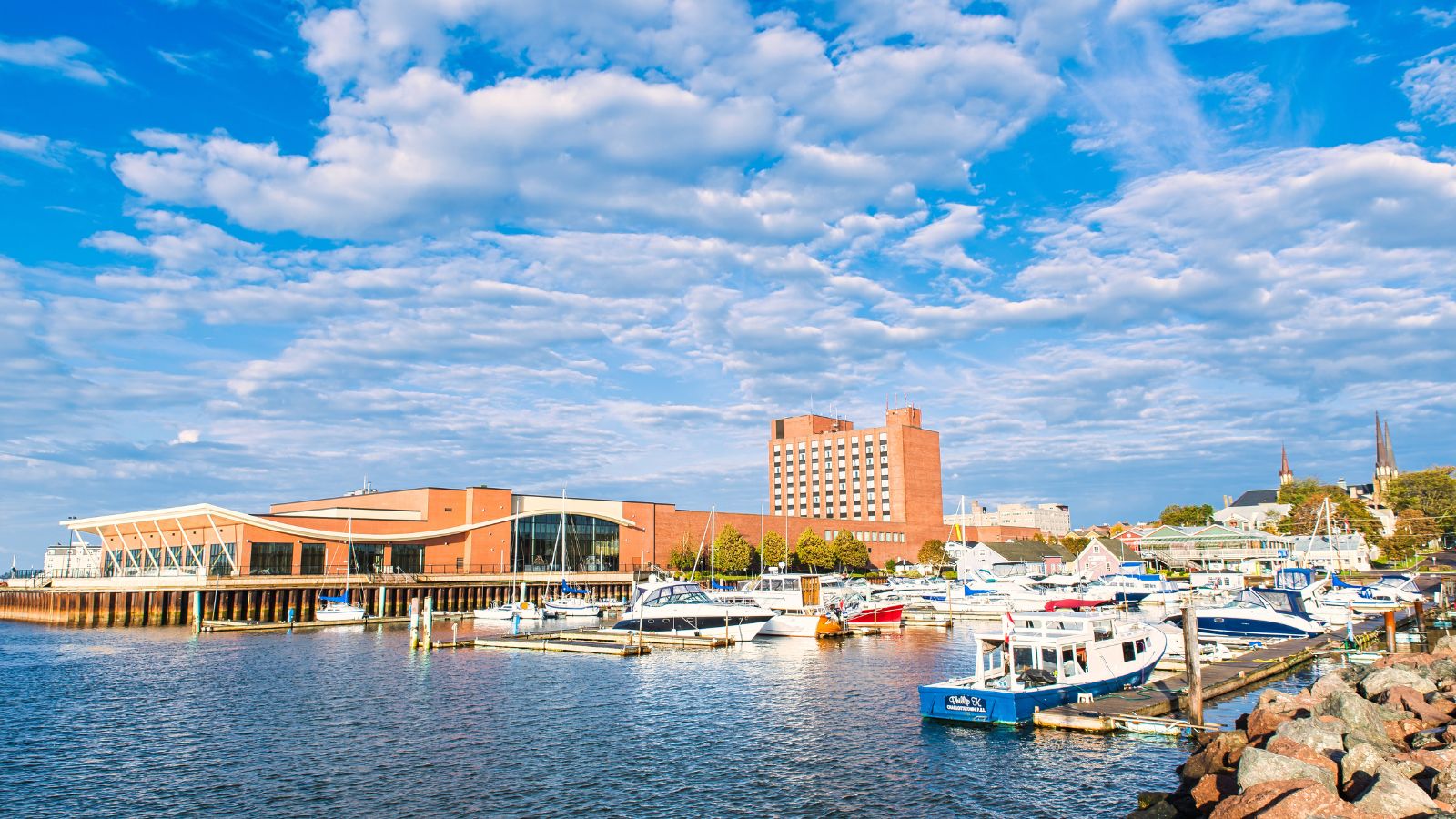
Charlottetown is often viewed through a postcard lens, but its housing appeal is increasingly practical. It is the capital of Prince Edward Island, the province’s main service centre, and home to government offices, health-care institutions, the University of Prince Edward Island, and a tourism economy that gives the city more activity than its population might imply. For buyers leaving larger markets, that combination can feel like a rare blend of small-city scale and provincial importance.
The Charlottetown census agglomeration had 78,858 people in the 2021 Census, while federal economic profile data highlights health care, retail, and public administration as key sectors. The trade-off is that PEI’s small geography can make supply feel tight quickly, especially when newcomers, students, seasonal workers, and retirees are all competing for limited housing. That is why many people watching Charlottetown are not assuming endless affordability; they are looking before another rush makes the island’s main city feel far less accessible.
Kingston, Ontario
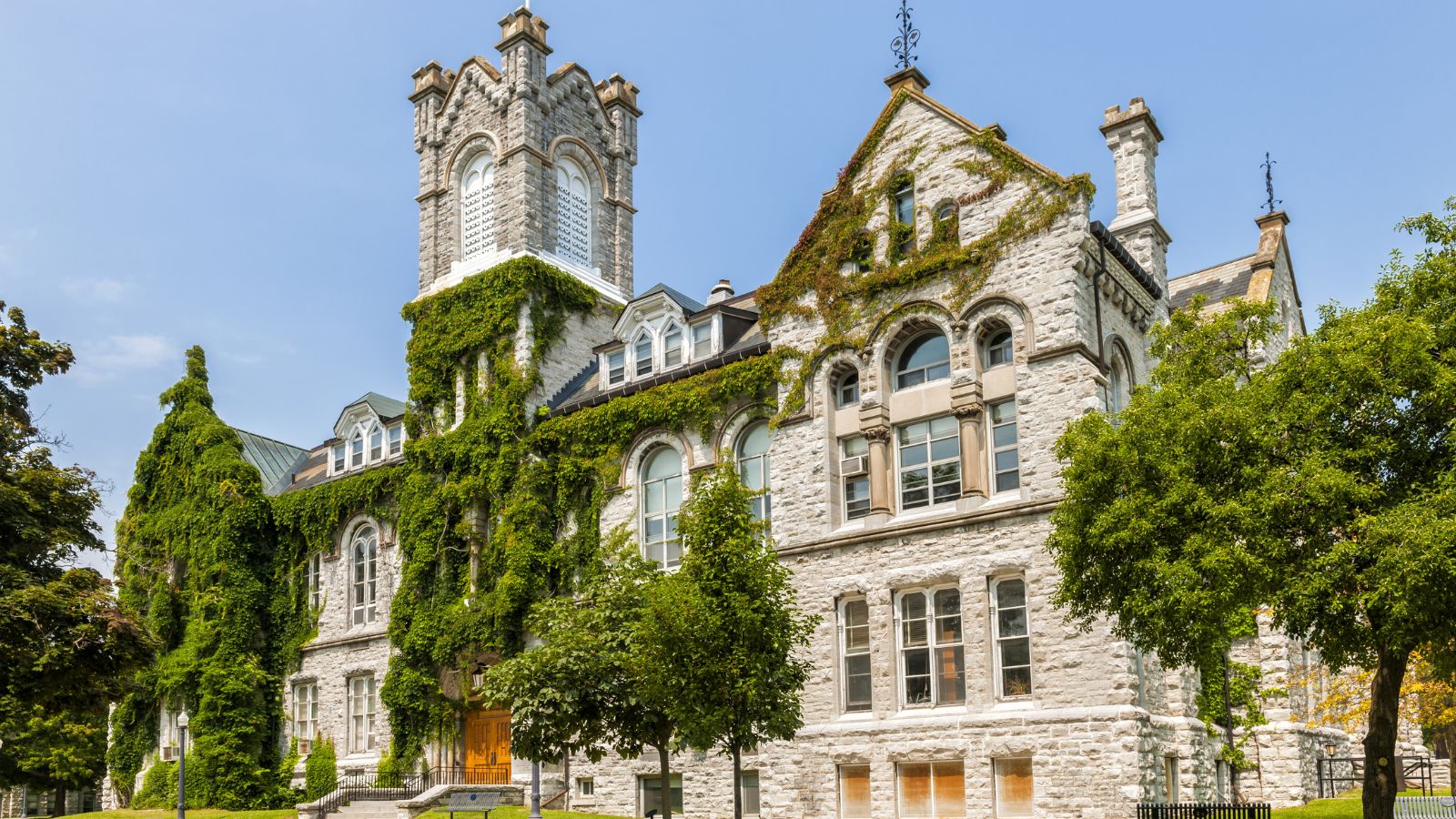
Kingston has long had the ingredients that make a smaller city feel unusually resilient: universities, hospitals, correctional institutions, military activity, tourism, and a waterfront location between Toronto, Ottawa, and Montreal. For housing hunters, that mix is important because it supports year-round demand rather than relying only on commuters or retirees. The city’s limestone architecture and walkable core add to the appeal, but the deeper draw is its institutional backbone.
The Kingston CMA had 172,546 people in the 2021 Census, and federal economic data identifies health care, education, and public administration as major local job sectors. That helps explain why Kingston often feels more expensive than its size alone would suggest. A buyer looking before another housing squeeze may see Kingston as a “pay more, but get more certainty” market: not the cheapest smaller city, but one with durable anchors that can keep rental and ownership demand steady.
Belleville, Ontario
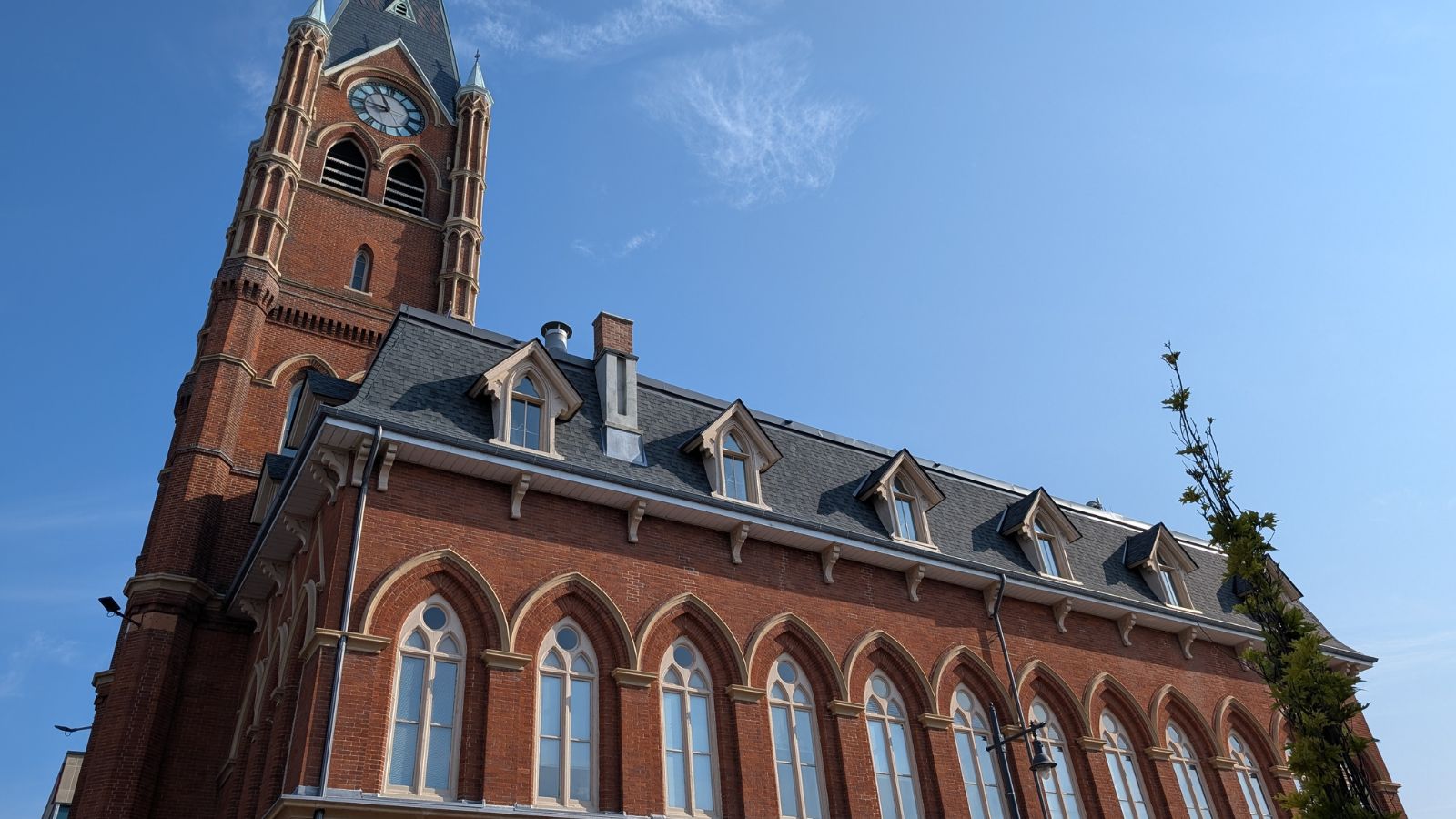
Belleville sits in an interesting middle ground: smaller and calmer than the Greater Toronto Area, but close enough to southern Ontario’s employment and travel corridors to stay relevant. Its location on the Bay of Quinte gives it waterfront appeal, while nearby Quinte West, CFB Trenton, food processing, logistics, and regional health services create a broader economic base than many people expect. For buyers tired of bidding wars, it can feel like a more grounded version of Ontario living.
The City of Belleville lists its 2021 population at 55,071, and regional economic development sources describe the Bay of Quinte area as a two-city region with a larger trade and employment catchment. The key reason people are watching Belleville is not that it is undiscovered; it is that it still offers a different price and pace equation than Toronto’s outer suburbs. As more households look beyond commuter-belt assumptions, Belleville’s mix of services, rail access, and waterfront neighbourhoods becomes harder to ignore.
Peterborough, Ontario

Peterborough appeals to people who want access to the Kawarthas without fully detaching from southern Ontario’s economy. It has a university, a regional hospital, a traditional downtown, manufacturing history, and cottage-country proximity. For buyers leaving the GTA, it can feel familiar enough to function but smaller enough to breathe. The city’s lakes, trails, and cultural scene add a lifestyle layer that many purely suburban markets struggle to offer.
The Peterborough CMA had 128,624 people in the 2021 Census, and federal economic profile data identifies health care, retail, and construction as major sectors. That said, Peterborough is not a simple bargain story. Its popularity with retirees, students, commuters, remote workers, and outdoor-oriented households can put pressure on supply. People eyeing the city before another housing squeeze are often trying to beat the moment when a “reasonable alternative” becomes just another crowded Ontario market with limited listings.
Greater Sudbury, Ontario

Greater Sudbury stands out because it is both a northern city and a major regional centre. Its mining history is well known, but the modern city is also shaped by health care, education, government services, retail, and regional transportation. For households priced out of southern Ontario, Sudbury can look appealing because it offers real urban infrastructure without the same land-cost pressures found around the GTA or Ottawa.
The Sudbury CMA had 170,605 people in the 2021 Census, while the city later cited a Statistics Canada estimate nearing 192,000 for the CMA in 2025. That kind of scale matters in Northern Ontario because it supports hospitals, postsecondary institutions, shopping, and professional services for a wide surrounding area. Buyers considering Sudbury should still weigh winter costs, travel distances, and neighbourhood variation, but its role as a northern anchor gives it a stronger housing story than many casual observers realize.
Thunder Bay, Ontario

Thunder Bay attracts people who want a regional city with space, outdoor access, and a lower-pressure housing market than southern Ontario. Located on Lake Superior, it serves as a major hub for Northwestern Ontario, with health care, education, transportation, government, and resource-related activity supporting the local economy. The city’s appeal is often strongest among people who value nature but still need hospitals, schools, shops, and airport access.
Federal economic profile data puts Thunder Bay’s population at 123,258 and identifies health care, retail, and educational services as key sectors. The city also benefits from its role as a service and logistics centre for a vast region, including mining, forestry, Indigenous communities, and northern infrastructure needs. Buyers eyeing Thunder Bay before another housing squeeze tend to see it as a place where the value proposition is still tied to actual function: jobs, land, services, and room to build a life.
Sault Ste. Marie, Ontario
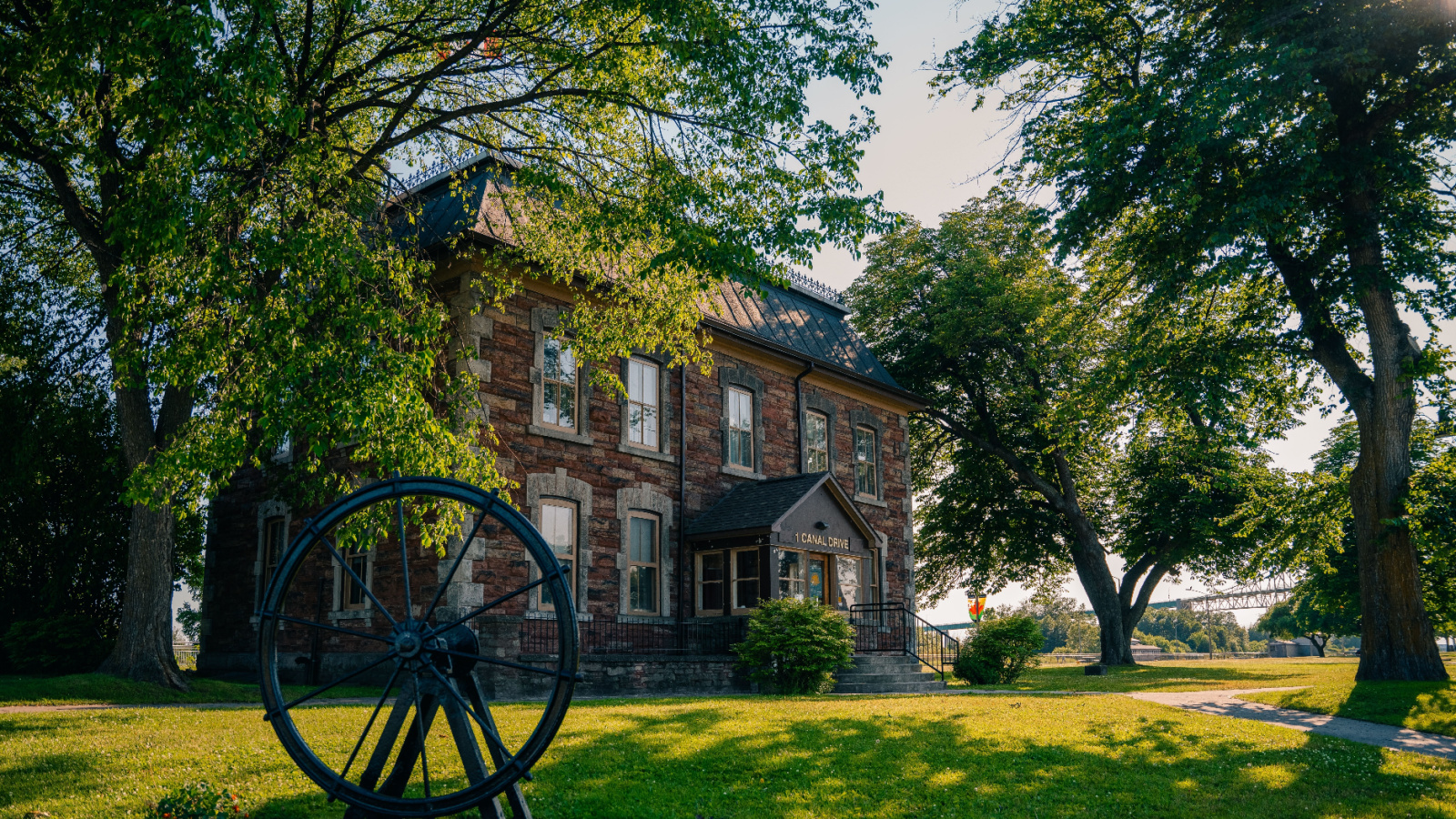
Sault Ste. Marie has the feel of a border city, a steel town, and an outdoor gateway all at once. Sitting on the St. Marys River across from Michigan, it offers access to Great Lakes shipping, cross-border movement, Algoma country, and a strong recreational identity. For housing buyers, the draw is often straightforward: a city with established neighbourhoods, comparatively manageable prices, and a slower pace than southern Ontario.
Federal economic data lists the Sault Ste. Marie census agglomeration population at 76,731, with health care, retail, and manufacturing among the key job sectors. Local community profile material also emphasizes short commutes, learning institutions, cultural assets, and four-season recreation. The city is not immune to aging demographics or industrial shifts, but those same factors can keep it from overheating too quickly. For people looking ahead, Sault Ste. Marie may represent a market where affordability still has some connection to local wages.
Trois-Rivières, Quebec

Trois-Rivières has become more visible as buyers compare Quebec’s smaller urban centres with Montreal and Quebec City. Located between the province’s two largest metropolitan areas, it has a historic core, university presence, riverfront setting, and a long industrial legacy that has been gradually reworked into a service, education, and manufacturing economy. Its appeal lies in being connected without feeling swallowed by a megaregion.
The Trois-Rivières CMA had 161,489 people in the 2021 Census, placing it in the category of cities large enough to provide urban amenities but small enough to keep daily life relatively contained. Buyers watching the city are often drawn to older housing, local culture, and the possibility of finding value before demand spreads farther across Quebec’s mid-sized markets. The key caution is that affordability attracts attention; once enough households identify the same “undervalued” city, the window can narrow quickly.
Sherbrooke, Quebec

Sherbrooke has a strong case as one of Quebec’s most compelling smaller-city markets because it combines universities, hospitals, hills, lakes, and a bilingual regional culture. It serves as the urban centre of the Eastern Townships, which gives it a larger influence than its city limits suggest. For households priced out of Montreal or looking for a calmer academic city, Sherbrooke can feel both practical and distinctive.
The Sherbrooke CMA had 227,398 people in the 2021 Census and grew by 7.2% from 2016, according to Statistics Canada’s geography profile. That makes it larger than many people imagine when they hear “smaller city.” Its student population, health-care employment, regional services, and proximity to outdoor recreation all support housing demand. People eyeing Sherbrooke before another squeeze are often drawn to its balance: not rural, not big-city, and not yet priced like Canada’s most expensive university markets.
Saguenay, Quebec

Saguenay offers a different type of smaller-city appeal: dramatic geography, regional scale, and a cost structure that can still look attractive beside southern Quebec and Ontario. Located along the Saguenay River, the city is known for aluminum, forestry, education, health care, and access to some of Quebec’s most impressive natural landscapes. For buyers seeking space and a strong local identity, it can feel less interchangeable than many suburban markets.
The Saguenay CMA had 161,567 people in the 2021 Census, almost the same scale as Trois-Rivières. Its housing story is tied to regional self-sufficiency: people can live, work, study, and access health services without constantly depending on a larger nearby metropolis. That independence matters when housing pressure pushes buyers to look farther from major cities. Saguenay is not a fit for everyone, especially those tied to southern job markets, but for local and remote workers, it offers a durable alternative.
Lévis, Quebec
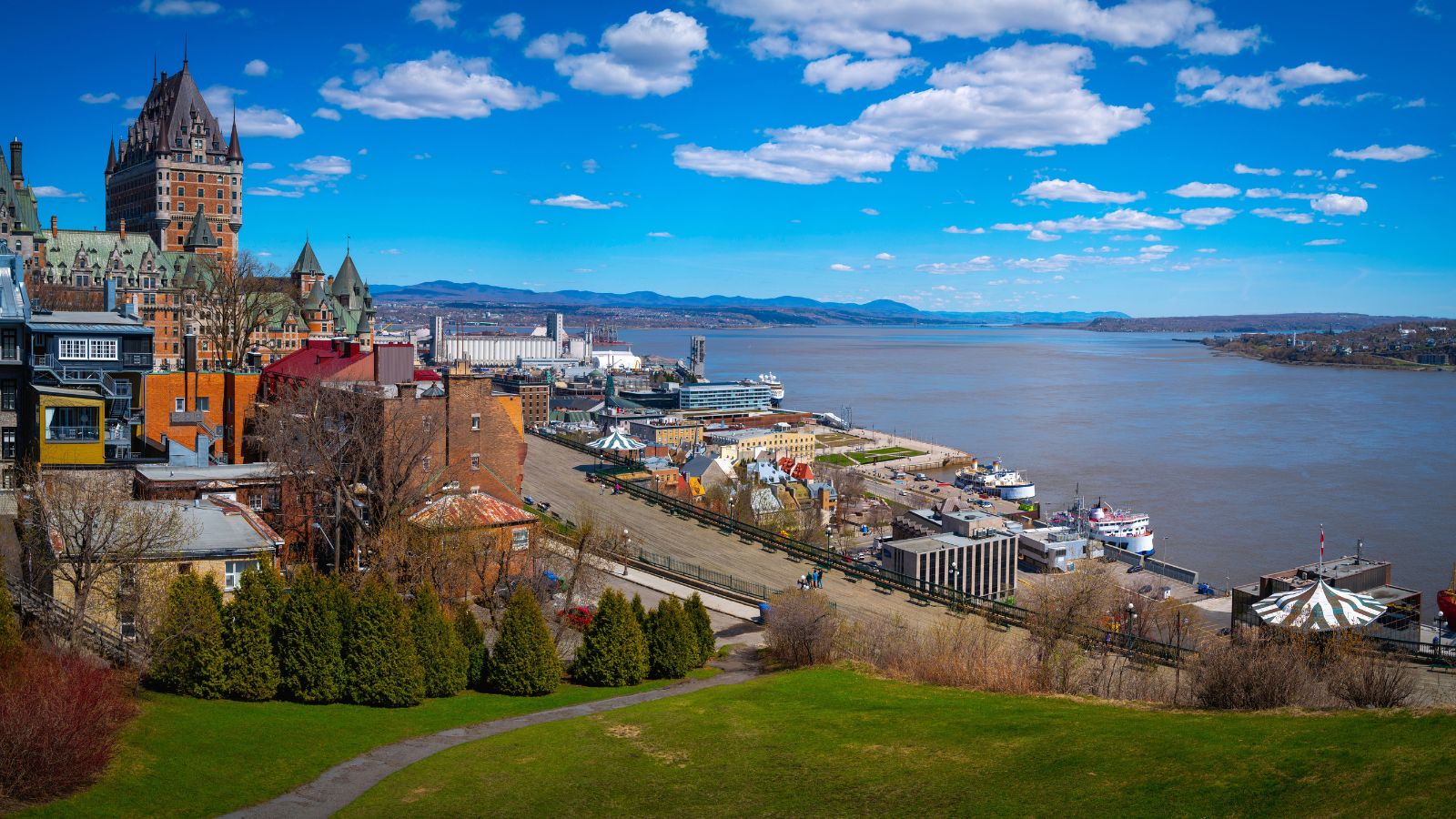
Lévis benefits from something many smaller cities would love to have: direct proximity to a major capital city without being swallowed by it. Sitting across the St. Lawrence River from Quebec City, Lévis offers suburban, semi-urban, and older village-style neighbourhoods within a broader metropolitan economy. For buyers who want access to Quebec City jobs, education, and culture, Lévis can feel like a strategic compromise.
Local statistical profile material emphasizes Lévis as one of Quebec’s larger municipalities with strong work-life appeal, while the city’s location gives residents access to bridges, ferries, highways, and major employment corridors. The housing draw is especially strong for families looking for space, schools, and commute flexibility. The risk is obvious: places adjacent to major cities often stop feeling like “alternatives” once enough buyers arrive. That is why Lévis is being watched before another squeeze, not after prices have fully caught up.
Red Deer, Alberta

Red Deer sits almost exactly between Calgary and Edmonton, which gives it a built-in location advantage. It is not simply a bedroom community for either city; it has its own hospital, college, retail base, construction activity, and regional service economy. For buyers comparing Alberta markets, Red Deer can look like a middle option: more affordable and manageable than the province’s largest cities, but still tied to one of Canada’s strongest growth corridors.
Federal economic profile data lists Red Deer’s population at 100,844 and highlights health care, retail, and construction as key sectors. Alberta regional data estimated the municipality’s population at 115,409 in 2025, with growth over both one-year and five-year periods. That momentum is exactly why buyers are paying attention. Red Deer’s relative affordability could narrow if Alberta continues attracting interprovincial migrants seeking lower housing costs than Ontario or British Columbia.
Lethbridge, Alberta

Lethbridge is drawing interest because it offers a university city, an agricultural service centre, and a southern Alberta lifestyle at a scale many families find manageable. It has postsecondary institutions, health care, retail, public services, and a strong connection to surrounding farming and food-processing activity. Its coulees, high-level bridge, and sunny climate also give it a recognizable identity rather than a generic small-city feel.
The Lethbridge CMA had 123,847 people in the 2021 Census, making it large enough to support a wider range of services than many assume. The local economy benefits from education, agriculture, health care, construction, and regional trade. Buyers watching Lethbridge before another housing squeeze are often looking for Alberta affordability without committing to Calgary or Edmonton. The city’s appeal grows when households want lower prices, shorter commutes, and access to outdoor recreation while staying within a diversified provincial economy.
Medicine Hat, Alberta

Medicine Hat is often appealing to buyers who want Alberta’s tax and income advantages without the intensity of Calgary or Edmonton. Known historically for natural gas, agriculture, and manufacturing, it has been working to broaden its economy through sectors such as aerospace, defence, aviation, food, and small business. Its location near Saskatchewan and the U.S. border also gives it a practical regional role.
Federal economic profile data lists the Medicine Hat census agglomeration population at 76,376, with health care, retail, and construction among the key sectors. Alberta’s regional dashboard separately estimated the municipality at 68,714 people in 2025. For buyers, the attraction is a combination of climate, lower housing costs, and a city that still has enough services to feel complete. The opportunity may be strongest for people who can bring remote work, local trades, health-care skills, or entrepreneurial plans.
Brandon, Manitoba

Brandon is one of the Prairie cities that gets overlooked until housing affordability becomes urgent. As Manitoba’s second-largest city, it has a regional hospital, postsecondary institutions, a major agricultural service economy, retail, manufacturing, and food-processing activity. It is also large enough to serve surrounding rural communities while remaining compact enough for short commutes and lower daily friction.
Federal economic profile data lists Brandon’s population at 54,268 and identifies health care, retail, and manufacturing as key sectors. The city reported that Statistics Canada estimates showed population growth of more than 5,000 people between 2022 and 2024, while dwelling permits grew more slowly over the same period. That imbalance explains why buyers are watching Brandon before the pressure becomes more obvious. It is still more affordable than many larger markets, but rapid population growth can expose supply gaps quickly.
Moose Jaw, Saskatchewan
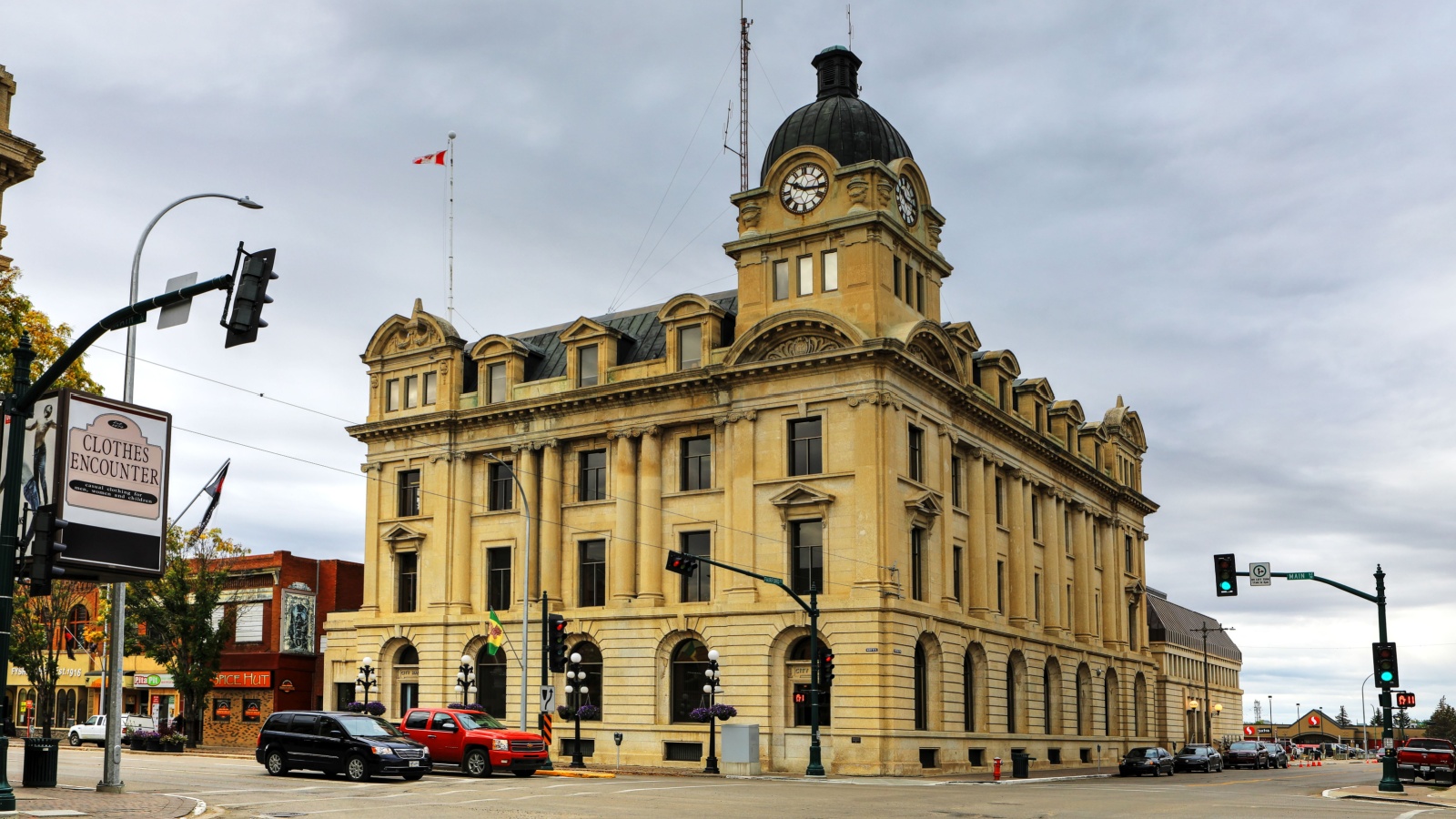
Moose Jaw has a smaller profile than many cities on this list, but that is part of its appeal. Located near Regina, it offers historic architecture, tourism assets, rail and road connections, military aviation activity, agriculture, potash-related regional influence, and a lower-key housing market. For buyers who want Prairie affordability without the full scale of Saskatoon or Regina, Moose Jaw can look surprisingly practical.
Federal economic profile data lists the Moose Jaw census agglomeration population at 34,872, with health care, retail, and accommodation and food services among the major sectors. The city also points to the Regina-Moose Jaw corridor as a larger trade area, with key sectors including agriculture, agri-food processing, potash mining, NATO Flying Training at 15 Wing, transportation, tourism, and health care. The risk is that small markets can tighten quickly because inventory is limited; a modest influx can change conditions faster than expected.
Prince George, British Columbia

Prince George is one of British Columbia’s most important northern anchors. It is a service, health-care, education, transportation, forestry, mining, and logistics centre for a huge region. For buyers priced out of southern British Columbia, the city offers a different equation: colder winters and longer distances, but also more attainable housing and a stronger regional role than its population alone suggests.
Federal economic profile data lists Prince George’s population at 89,490, with health care, retail, and construction among the key sectors. The city’s importance is amplified by the University of Northern British Columbia, regional hospital services, rail and highway connections, and its function as a staging point for northern resource and infrastructure activity. People eyeing Prince George before another squeeze are often betting that northern B.C. will keep needing a full-service urban centre, even as affordability pressures push households away from the Lower Mainland and southern Vancouver Island.
Nanaimo, British Columbia

Nanaimo has become one of the most watched smaller cities in British Columbia because it combines island living with real urban services. It has a harbour, ferry connections, Vancouver Island University, a regional hospital, retail centres, construction activity, and access to beaches, trails, and smaller communities up and down the island. For buyers leaving Vancouver or Victoria, Nanaimo can feel like a more attainable version of coastal B.C.
Federal economic profile data lists Nanaimo’s population at 99,863 and identifies health care, retail, and construction as key sectors. The catch is that “more attainable” does not mean cheap, especially on Vancouver Island where geography limits supply and lifestyle demand can be intense. Nanaimo’s 2025 state-of-the-economy material also noted a recovering housing market and provincial economic stabilization. Buyers watching the city before another squeeze may see it as a place where the window is still open, but visibly narrowing.
19 Things Canadians Don’t Realize the CRA Can See About Their Online Income

Earning money online feels simple and informal for many Canadians. Freelancing, selling products, and digital services often start as side projects. The problem appears at tax time. Many people underestimate how much information the CRA can access. Online platforms, banks, and payment processors create detailed records automatically. These records do not disappear once money hits an account. Small gaps in reporting add up quickly.
Here are 19 things Canadians don’t realize the CRA can see about their online income.
This Options Discord Chat is The Real Deal
While the internet is scoured with trading chat rooms, many of which even charge upwards of thousands of dollars to join, this smaller options trading discord chatroom is the real deal and actually providing valuable trade setups, education, and community without the noise and spam of the larger more expensive rooms. With a incredibly low-cost monthly fee, Options Trading Club (click here to see their reviews) requires an application to join ensuring that every member is dedicated and serious about taking their trading to the next level. If you are looking for a change in your trading strategies, then click here to apply for a membership.