
35,000+ smart investors are already getting financial news, market signals, and macro shifts in the economy that could impact their money next with our FREE weekly newsletter. Get ahead of what the crowd finds out too late. Click Here to Subscribe for FREE.
Tax season already makes people nervous. Refunds, deadlines, and paperwork create just enough stress for scammers to sneak in. Across Canada, fraudsters are posing as government agents, tax preparers, and even banks. They use texts, emails, phone calls, and social media messages. Some sound convincing. Others rely on panic and urgency. Many mention refunds or threats of arrest. The goal is always the same. They want your money or personal information. Knowing what these scams look like can stop you from reacting too quickly. Here are 16 tax scams targeting Canadians right now (fake CRA texts & calls).
Fake CRA Text Message Refund Alerts
16 Tax Scams Targeting Canadians Right Now (Fake CRA Texts & Calls)
- Fake CRA Text Message Refund Alerts
- Automated CRA Arrest Threat Calls
- Phishing Emails with CRA Logos
- Fake E-Transfer Refund Notices
- Ghost Tax Preparers
- Social Media CRA Impersonators
- Tax Debt Relief Scams
- Fake CERB Repayment Messages
- Caller ID Spoofing
- Refund Recalculation Scams
- Cryptocurrency Tax Payment Requests
- Fake Tax Court Summons Emails
- SIN Suspension Scams
- Tax Installment Reminder Fraud
- Fake Charity Tax Receipt Offers
- Account Lockout Verification Scams
- 22 Groceries to Grab Now—Before another Price Shock Hits Canada
Many Canadians receive texts claiming they qualify for a tax refund. The message includes a link and urges quick action. It may use official-sounding language and a CRA logo. The link leads to a fake website that asks for banking details. Once entered, the money disappears from your account. The Canada Revenue Agency does not send refunds by text message. They also do not ask for personal information through random links. If you receive one, delete it immediately. Do not click anything. Check your official CRA account directly instead of trusting unexpected messages.
Automated CRA Arrest Threat Calls
Some scammers use robocalls claiming you owe back taxes. The recording often says police will arrest you within hours. It may mention a warrant or legal action. The goal is panic. People who feel scared often act without thinking. The caller may demand payment through gift cards or wire transfers. The CRA does not threaten arrest over the phone. They do not request payment through gift cards. If you receive such a call, hang up immediately. Report it to the Canadian Anti-Fraud Centre. Real tax issues are handled through formal written communication.
Phishing Emails with CRA Logos

Email scams often look polished. They copy official fonts, colors, and branding. The message may say your return needs verification. A link directs you to a fake login page. When you enter your username and password, criminals gain access. Some emails contain attachments that install malware. The CRA does not send unexpected links asking for passwords. Always check the sender’s address carefully. Slight spelling changes are common warning signs. Avoid downloading attachments from unknown sources. Log in through the official government website instead of clicking email links.
Fake E-Transfer Refund Notices
Scammers sometimes claim your refund is ready through Interac. The message instructs you to accept an e-transfer. It may appear to come from a financial institution. When you click accept, you are redirected to a fake banking site. Your login details are captured instantly. Soon after, money is withdrawn from your account. The CRA does not issue refunds through surprise e-transfers. Refunds go through direct deposit if you set it up. Otherwise, they mail a cheque. Contact your bank immediately if you accidentally share information.
Ghost Tax Preparers
Some scammers pose as freelance tax preparers online. They promise large refunds and quick filing. After collecting your personal information, they disappear. In other cases, they file false claims in your name. You may not discover the issue until months later. Always verify credentials before sharing documents. Legitimate tax professionals have registration numbers. Ask for written agreements and receipts. Avoid paying in cash only. Filing with an unknown preparer can create long-term problems. Take time to research before trusting anyone with sensitive details.
Social Media CRA Impersonators
Fake accounts on Facebook and Instagram sometimes claim to represent the CRA. They send private messages offering help with refunds. Some even reply to public comments to appear real. They may ask for your Social Insurance Number. Others request small fees to release a payment. The CRA does not conduct business via direct messages on social media. Verified government accounts do not ask for personal information in chats. Report suspicious profiles immediately. Block the account to prevent further contact. Never share financial details over social platforms.
Tax Debt Relief Scams

Ads sometimes promise to reduce or erase your tax debt. These services claim special access to government programs. They request upfront fees before reviewing your case. In many situations, they provide little real help. Some disappear after payment. Others offer generic advice you could access for free. The CRA does have payment arrangements for genuine hardship. You can contact them directly to discuss options. Be cautious of companies guaranteeing results. No one can promise full debt forgiveness without carefully reviewing your specific situation.
Fake CERB Repayment Messages
Scammers still use pandemic benefit confusion. Messages claim you must repay emergency benefits immediately. They threaten penalties if payment is delayed. Links in the message lead to fake portals. These portals collect banking information. Real government repayment notices come through official channels. They do not demand instant payment by text. If you are unsure about your benefit status, log in to your CRA account directly. Avoid responding to unexpected repayment messages. Scammers rely on leftover confusion from previous programs to pressure quick decisions.
Caller ID Spoofing
Some scammers manipulate the caller ID to display real government numbers. Your phone may show a legitimate-looking CRA contact. This creates a false sense of trust. The caller then requests personal details or payment. Caller ID can be faked easily. Do not rely on the displayed number alone. If you feel unsure, hang up. Then call the official CRA number listed on their website. Confirm whether the call was genuine. Taking this extra step can prevent serious financial loss.
Refund Recalculation Scams
Emails sometimes claim your tax return was recalculated. The message says you are owed additional money. It includes a form asking for banking updates. The excitement of extra funds makes people act quickly. In reality, the form collects your financial details. The CRA does issue reassessments. However, they notify you through your secure account or mail. They do not ask for sensitive data through random forms. Always verify through official channels before responding to refund claims.
Cryptocurrency Tax Payment Requests
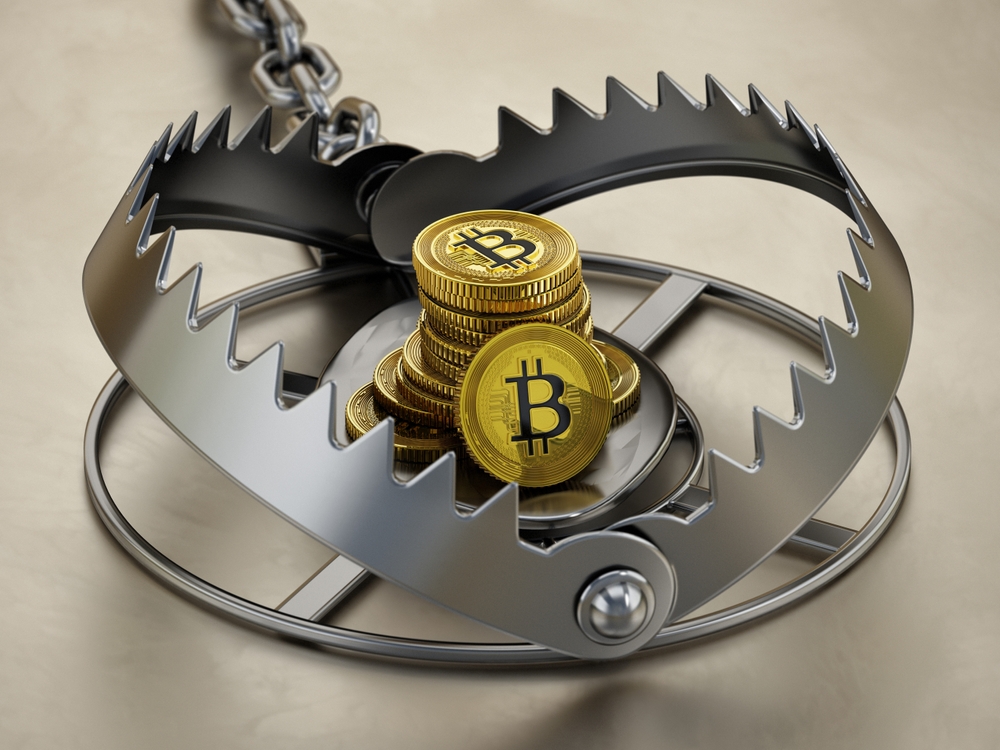
A newer tactic involves cryptocurrency payments. Scammers claim taxes must be paid using Bitcoin or similar assets. They say this method prevents penalties. This is false. The CRA does not accept cryptocurrency for tax payments. Fraudsters prefer crypto because transactions are difficult to reverse. Once sent, funds cannot be recovered easily. Any demand for crypto payment should raise immediate concern. Contact authorities if someone insists on this method. Legitimate tax payments occur through recognized financial systems.
Fake Tax Court Summons Emails

Some Canadians receive emails claiming they are summoned to tax court. The message may include a case number and legal language. It often pressures immediate contact. A phone number is provided for urgent action. When called, the scammer requests payment to avoid court. Real legal notices arrive through official mail. They do not demand instant phone payments. Never send money because of a threatening email. Verify legal matters through government websites or legal professionals.
SIN Suspension Scams
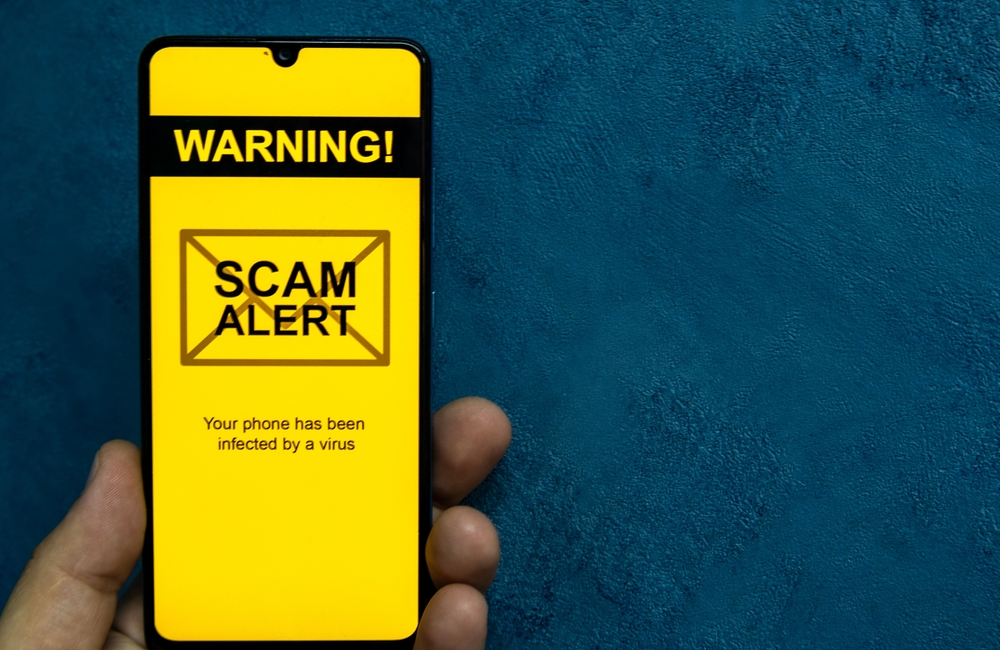
This scam claims your Social Insurance Number is suspended. The caller states it was linked to criminal activity. They may demand identity verification or payment. The story sounds serious and intimidating. The government does not suspend SIN numbers by phone call. They also do not threaten immediate arrest in such cases. Hang up and do not provide any details. If concerned, contact Service Canada directly. Protecting your SIN is essential to prevent identity theft.
Tax Installment Reminder Fraud
Some scammers send fake installment reminders. They claim you missed a quarterly tax payment. The message includes a payment link. Many self-employed Canadians make installments, so the scam feels believable. The link leads to a counterfeit payment portal. Always confirm installment notices through your CRA account. Official reminders appear there securely. Avoid clicking payment links in unexpected messages. Fraudsters often use these scams around common installment deadlines.
Fake Charity Tax Receipt Offers

Scammers sometimes offer inflated donation receipts. They promise a large tax deduction for a small contribution. After payment, the charity does not exist. Filing false receipts can trigger audits. You could face penalties for claiming fraudulent deductions. Always research charities before donating. Confirm they are registered with the Canada Revenue Agency. Genuine charities provide proper documentation. If an offer sounds too generous, step back. Saving a little tax is never worth legal trouble.
Account Lockout Verification Scams
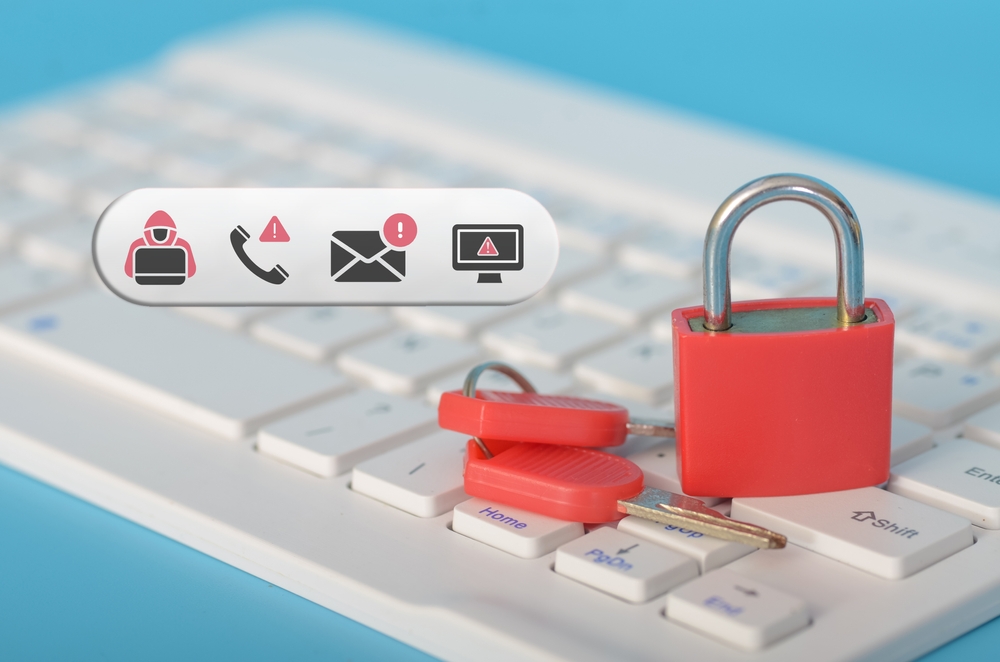
Some emails claim your CRA account was locked. They say suspicious activity was detected. A verification link is included to restore access. Clicking leads to a fake login page. Your credentials are captured instantly. Shortly after, scammers may change your account details. The CRA will not send lockout notices with clickable login links. Access your account by typing the official address yourself. If locked out, contact the agency directly. Quick caution can prevent long-term identity issues.
22 Groceries to Grab Now—Before another Price Shock Hits Canada

Food prices in Canada have been steadily climbing, and another spike could make your grocery bill feel like a mortgage payment. According to Statistics Canada, food inflation remains about 3.7% higher than last year, with essentials like bread, dairy, and fresh produce leading the surge. Some items are expected to rise even further due to transportation costs, droughts, and import tariffs. Here are 22 groceries to grab now before another price shock hits Canada.
22 Groceries to Grab Now—Before another Price Shock Hits Canada
This Options Discord Chat is The Real Deal
While the internet is scoured with trading chat rooms, many of which even charge upwards of thousands of dollars to join, this smaller options trading discord chatroom is the real deal and actually providing valuable trade setups, education, and community without the noise and spam of the larger more expensive rooms. With a incredibly low-cost monthly fee, Options Trading Club (click here to see their reviews) requires an application to join ensuring that every member is dedicated and serious about taking their trading to the next level. If you are looking for a change in your trading strategies, then click here to apply for a membership.