
35,000+ smart investors are already getting financial news, market signals, and macro shifts in the economy that could impact their money next with our FREE weekly newsletter. Get ahead of what the crowd finds out too late. Click Here to Subscribe for FREE.
Tax refund season can feel like a small win after a long winter. That deposit lands, and suddenly, plans start forming. A trip sounds tempting. So does new tech. But a refund can quietly reset your finances for the rest of the year. Used well, it lowers stress, trims debt, and builds options. Used poorly, it disappears by May. Before you decide, pause and map it out. There is a smart order that makes each dollar work harder. Here are 20 things Canadians should do with their tax refund in 2026 (smart order).
Cover Any Overdue Bills
20 What Canadians Should Do with Their Tax Refund in 2026 (Smart Order)
- Cover Any Overdue Bills
- Build a Starter Emergency Fund
- Pay Down High-Interest Credit Card Debt
- Top Up Your Emergency Fund to Three Months
- Contribute to a TFSA
- Catch Up on RRSP Contributions
- Pay Down a Line of Credit
- Prepay Your Mortgage
- Set Up a RESP for Your Child
- Invest in a Low-Cost Index Fund
- Upgrade Essential Insurance Coverage
- Fund Needed for Home Repairs
- Invest in Skills or Certification
- Replace High-Cost Appliances
- Create a Sinking Fund for Annual Expenses
- Boost Retirement Investments Outside RRSP
- Pay Down Auto Loans
- Review and Adjust Your Budget
- Support a Cause You Care About
- Set Aside a Small Amount for Enjoyment
- 22 Groceries to Grab Now—Before another Price Shock Hits Canada
Start with anything past due. Late utility payments, credit cards, or property taxes should come first. Overdue accounts often carry penalties and higher interest. Clearing them stops extra charges from piling up. It also protects your credit score. A clean slate gives breathing room. If the refund does not cover everything, target the account with the highest interest rate. Even a partial payment reduces pressure. Getting current may not feel exciting. Still, it prevents small problems from growing. Stability always beats a short-term splurge. Think of this as closing open tabs before ordering something new.
Build a Starter Emergency Fund
If you lack savings, set aside at least one month of expenses. Many Canadians live paycheque to paycheque. A small emergency fund changes that. It covers car repairs, dental bills, or a broken appliance. Without savings, those costs land on credit cards. Interest then stretches the damage for months. Open a high-interest savings account and park the money there. Keep it separate from daily spending. The goal is quick access, not big returns. Once started, you can add to it later. That first cushion matters more than any short-term purchase.
Pay Down High-Interest Credit Card Debt
Credit card interest rates often sit above 19 percent. Some are even higher. Few investments beat that guaranteed return. Paying off high-interest balances is like earning that rate instantly. Focus on the card with the highest rate first. Continue minimum payments on others. When one is cleared, move to the next. This approach reduces total interest paid. It also improves your credit utilization ratio. That can lift your score over time. Freedom from revolving debt feels steady, not flashy. Still, it may be the smartest move your refund makes.
Top Up Your Emergency Fund to Three Months
If you already have one month saved, aim for three. Three months of expenses offer stronger protection. Job markets shift. Contracts end. Hours get cut. With three months saved, you can search calmly instead of scrambling. Keep these funds in a safe, liquid account. Avoid tying them up in volatile investments. This money exists for stability. You hope not to use it. Yet knowing it is there lowers stress. Financial calm has value. It helps you make clear decisions when life throws something unexpected at you.
Contribute to a TFSA
A Tax Free Savings Account grows without tax on gains. Withdrawals are also tax-free. That flexibility makes it useful for many goals. You can invest in travel, a car, or retirement. Check your contribution room before depositing. If an unused room exists, a refund fits well here. Choose investments that match your time frame. Short-term goals may suit safer options. Long-term goals can handle more risk. Growth inside a TFSA compounds quietly. Years later, you will be glad you started when you did.
Catch Up on RRSP Contributions
An RRSP can reduce future tax bills. It may also create a refund next year. If your income is higher now than in retirement, this account helps. Contributions lower taxable income today. Investments grow tax-deferred. Withdrawals later are taxed as income. Review your contribution room on your notice of assessment. A refund can close unused gaps. Think about your long-term plan before depositing. An RRSP works best for retirement, not quick withdrawals. Used wisely, it becomes a steady pillar in your financial life.
Pay Down a Line of Credit

Lines of credit often carry lower rates than credit cards. Still, interest adds up. If you carry a balance, reduce it with part of your refund. Lower balances improve monthly cash flow. You will pay less interest each cycle. That freed-up money can go toward savings later. If the rate is variable, reducing debt protects you from future increases. Debt tied to home renovations or tuition still costs money. Clearing it faster creates flexibility. A refund can shorten the repayment timeline by months.
Prepay Your Mortgage
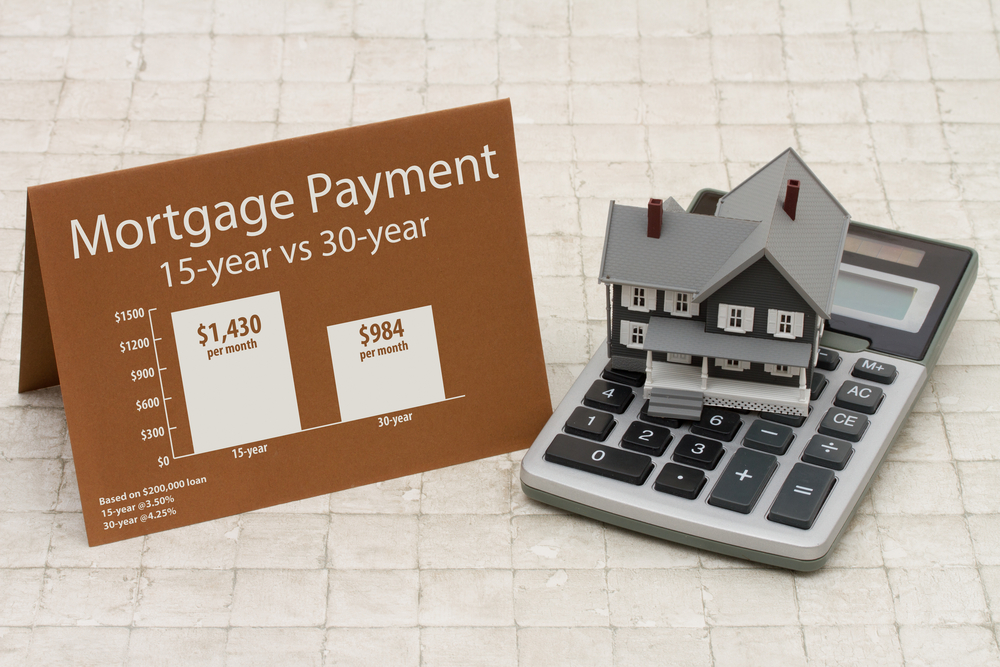
If your mortgage allows prepayments without penalty, consider using your refund here. Even one extra payment reduces long-term interest. Early payments go straight to principal. That shrinks the balance faster. Over the years, savings can be significant. Check your mortgage terms first. Some lenders limit annual prepayments. Make sure this move fits your broader goals. Once paid into the mortgage, funds are less accessible. Still, for many homeowners, lowering housing debt brings steady peace of mind. It also builds equity sooner.
Set Up a RESP for Your Child
Education costs continue to rise. A Registered Education Savings Plan helps families prepare. Contributions may qualify for government grants. The Canada Education Savings Grant adds money based on your deposit. That is hard to ignore. Funds grow tax-deferred until withdrawn for school. Starting early matters. Even small contributions compound over time. If you already have a RESP, use your refund to top it up. Education savings rarely feel urgent. Yet the earlier you begin, the lighter the future burden becomes.
Invest in a Low-Cost Index Fund

Once high-interest debt and basic savings are covered, consider investing. Low-cost index funds track broad markets. Fees stay minimal. Over time, markets have historically grown. Returns are not guaranteed, but long-term investors often benefit from staying invested. Open a brokerage account if needed. Choose funds aligned with your risk tolerance. Avoid chasing trends. Steady investing usually wins over short bursts of speculation. A refund can act as a lump sum boost. Leave it alone and let time do the heavy lifting.
Upgrade Essential Insurance Coverage

Insurance gaps can undo years of progress. Review life, disability, and tenant or homeowner policies. Premiums may have changed. Coverage might no longer match your needs. Use part of your refund to adjust coverage if required. Increasing protection now can prevent larger losses later. For families with dependents, this step is especially relevant. Insurance rarely feels urgent until something happens. Paying for solid coverage is quieter than buying something new. Still, it protects what you have built.
Fund Needed for Home Repairs
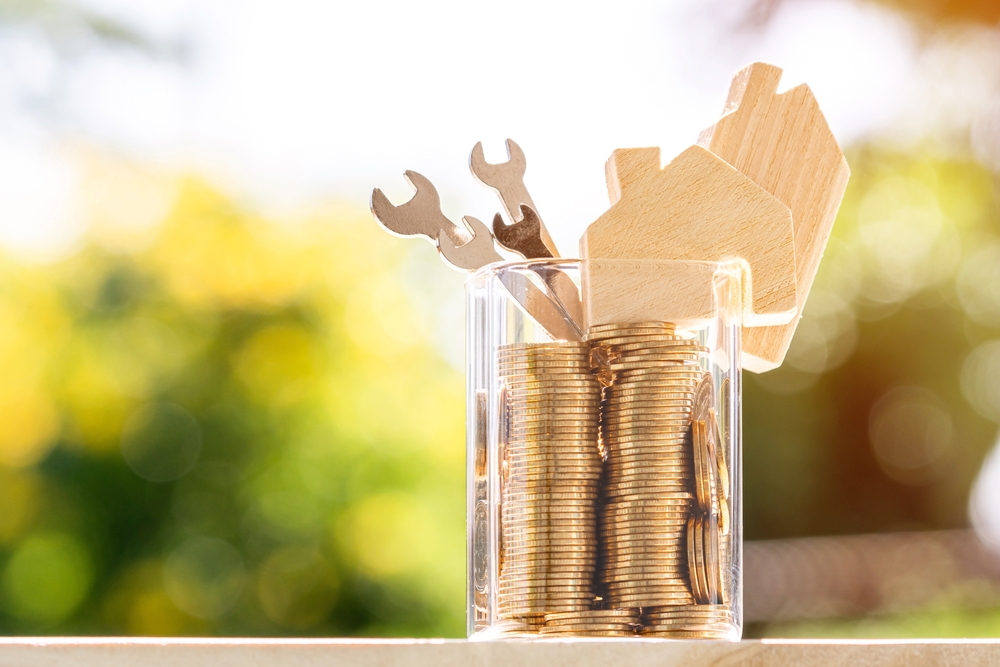
Delayed repairs often become expensive emergencies. Roof leaks, furnace issues, or plumbing problems should not wait. Use your refund to handle essential maintenance. Preventive work extends the life of major systems. It also protects property value. Get quotes before committing. Compare options and timelines. Avoid cosmetic upgrades if basics need attention. A well-maintained home reduces surprise expenses. It also makes daily life smoother. Addressing practical repairs now keeps bigger bills from landing later.
Invest in Skills or Certification

Training can increase earning power. A course, certification, or workshop may open new roles. Before spending, confirm demand in your field. Look at job postings and salary ranges. Choose programs with clear outcomes. Some employers reimburse education costs. Check your benefits first. Using a refund for skills is different from buying gadgets. The return may show up in higher income or new opportunities. Career growth often compounds over time. That makes education a strategic use of extra funds.
Replace High-Cost Appliances

Old appliances use more electricity and water. They also break down at inconvenient times. If a fridge or washer is near the end of its life, plan. Energy-efficient models may lower monthly bills. Look for rebates through provincial programs. Avoid financing if possible. Paying up front saves interest. Keep receipts for warranty claims. Replacing essentials on your timeline beats scrambling during a breakdown. Practical upgrades rarely feel exciting. Still, they reduce stress and future costs.
Create a Sinking Fund for Annual Expenses
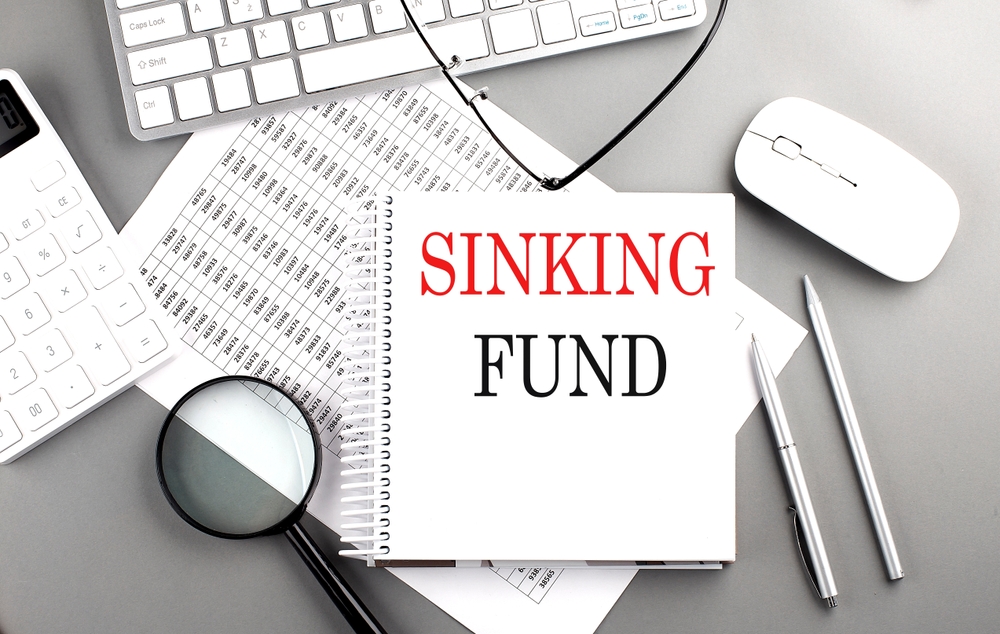
Some expenses show up once a year. Property taxes, car insurance, and holiday travel can strain budgets. A sinking fund spreads those costs monthly. Use your refund to seed that account. Divide expected annual bills by twelve. Set aside that amount each month going forward. When the bill arrives, money is waiting. This system prevents reliance on credit. It also makes large payments feel routine. Planning removes the shock factor from predictable expenses.
Boost Retirement Investments Outside RRSP
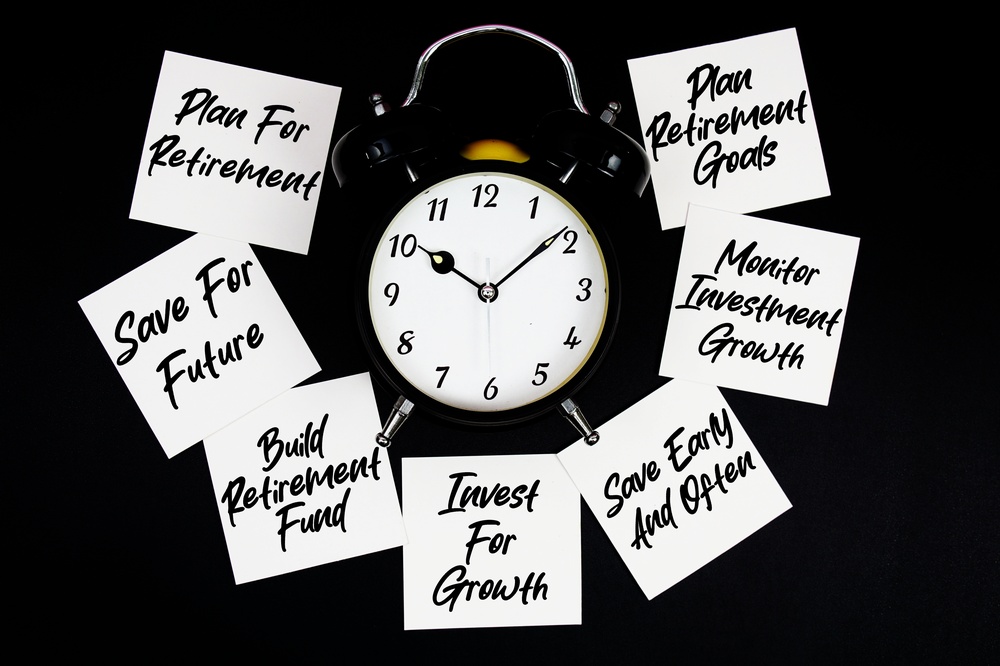
If RRSP room is limited, consider other investment accounts. Non-registered accounts allow continued investing. Gains may be taxed, but growth still matters. Diversify across asset classes. Think long-term rather than short-term swings. Automatic contributions can keep momentum going. A refund can act as a starting boost. Investing outside registered accounts provides flexibility. Funds are accessible without retirement restrictions. Balanced planning spreads money across multiple buckets.
Pay Down Auto Loans

Car loans often carry moderate interest. Paying extra toward the principal reduces the total cost. Check your loan agreement for penalties. Most allow additional payments without fees. Even a small lump sum shortens the term. That lowers interest paid overall. Once cleared, redirect former payments to savings. Vehicles lose value each year. Clearing the loan faster means owning the asset outright sooner. Less debt tied to a depreciating item strengthens your position.
Review and Adjust Your Budget

Use your refund as a reset point. Look at spending over the past year. Identify categories that crept up. Adjust limits where needed. Set realistic goals for saving and investing. A refund can fund new targets. Budgeting does not mean restriction. It provides clarity. When you know where money goes, decisions improve. Consider using budgeting apps or simple spreadsheets. Reviewing numbers once a year is rarely enough. Use this moment to realign your plan.
Support a Cause You Care About

After securing basics, consider giving. Donations to registered charities may qualify for tax credits. More importantly, they support work you value. Choose organizations carefully. Research impact and transparency. Giving does not need to be large. Even modest amounts matter. A refund can provide room to contribute without strain. Align spending with personal values. That connection often feels more lasting than a short-term purchase.
Set Aside a Small Amount for Enjoyment

Once priorities are covered, allow a modest treat. Denying all enjoyment can backfire. Set a clear amount. Spend it intentionally. A weekend trip, dinner out, or hobby purchase works well. Avoid blowing the entire refund. Balance matters. Rewarding yourself after disciplined choices feels different from impulse spending. The key is proportion. Let most of the refund strengthen your finances. Let a small part remind you why good planning matters.
22 Groceries to Grab Now—Before another Price Shock Hits Canada

Food prices in Canada have been steadily climbing, and another spike could make your grocery bill feel like a mortgage payment. According to Statistics Canada, food inflation remains about 3.7% higher than last year, with essentials like bread, dairy, and fresh produce leading the surge. Some items are expected to rise even further due to transportation costs, droughts, and import tariffs. Here are 22 groceries to grab now before another price shock hits Canada.
22 Groceries to Grab Now—Before another Price Shock Hits Canada
This Options Discord Chat is The Real Deal
While the internet is scoured with trading chat rooms, many of which even charge upwards of thousands of dollars to join, this smaller options trading discord chatroom is the real deal and actually providing valuable trade setups, education, and community without the noise and spam of the larger more expensive rooms. With a incredibly low-cost monthly fee, Options Trading Club (click here to see their reviews) requires an application to join ensuring that every member is dedicated and serious about taking their trading to the next level. If you are looking for a change in your trading strategies, then click here to apply for a membership.