
35,000+ smart investors are already getting financial news, market signals, and macro shifts in the economy that could impact their money next with our FREE weekly newsletter. Get ahead of what the crowd finds out too late. Click Here to Subscribe for FREE.
Electric vehicle incentives in Canada often appear straightforward at first glance. Advertisements highlight federal rebates, while provinces promote additional savings. However, the details vary widely depending on location, vehicle type, and buyer category. Canadians frequently assume eligibility rules are consistent across the country. In reality, funding limits, price caps, and application processes differ province by province. Misunderstandings can affect budgeting and purchasing decisions. Buyers who rely on general information risk overestimating available support. Reviewing official program guidelines before placing a deposit is essential. Here are 14 EV incentive myths Canadians believe, driven largely by province-by-province confusion.
EV Incentives Are the Same Across All Provinces
14 EV Incentive Myths Canadians Believe (Province-by-Province Confusion)
- EV Incentives Are the Same Across All Provinces
- Every Electric Vehicle Qualifies for the Full Rebate
- Federal and Provincial Rebates Apply Automatically
- Used EVs Always Qualify for Incentives
- Luxury EV Models Still Receive Full Rebates
- Incentives Cover the Cost of Home Charging Installation
- Lease Customers Receive the Same Rebate as Buyers
- Income Does Not Affect EV Incentive Eligibility
- Plug-In Hybrids Qualify for the Same Amount as Fully Electric Vehicles
- EV Incentives Last All Year Without Funding Limits
- Dealerships Always Handle the Rebate Paperwork
- Out-of-Province Purchases Still Qualify for Local Rebates
- Businesses and Individuals Receive Identical Incentives
- Incentives Apply Even If the Vehicle Price Increases After Order
- 22 Groceries to Grab Now—Before another Price Shock Hits Canada

Many Canadians assume electric vehicle incentives work the same nationwide. In reality, programs differ significantly by province. The federal government offers rebates under national guidelines, but provinces add or remove their own incentives. Some provinces provide additional rebates, while others offer none. Eligibility rules, funding limits, and application processes vary. A vehicle qualifying in one province may not receive the same benefit elsewhere. Moving between provinces can also affect eligibility. Buyers who rely on general assumptions risk disappointment. Checking official provincial program details before purchase prevents confusion. Incentive structures reflect regional policy decisions rather than a uniform national approach.
Every Electric Vehicle Qualifies for the Full Rebate

Not all electric vehicles qualify for maximum rebates. Federal incentives apply only to eligible models within price caps. Vehicles exceeding the set manufacturer-suggested retail price do not qualify. Certain trims within the same model may also be excluded. Provincial programs often apply additional restrictions. Canadians sometimes assume that any battery electric vehicle qualifies automatically. Plug-in hybrids may receive lower incentives than fully electric models. Eligibility lists are updated regularly. Buyers must confirm qualification before placing deposits. Assuming universal eligibility can lead to unexpected financial gaps during purchase planning.
Federal and Provincial Rebates Apply Automatically

Many buyers believe rebates are deducted automatically in every case. While federal incentives are usually applied at the point of sale, provincial programs differ. Some provinces require separate applications after purchase. Missing deadlines can result in lost rebates. Documentation such as proof of registration is often required. Dealers may assist, but responsibility remains with the buyer. Canadians who assume full automation risk delays or denial. Reviewing program steps carefully ensures compliance. Processing times also vary by province. Understanding application procedures prevents misunderstandings about when and how funds are received.
Used EVs Always Qualify for Incentives
Incentives for used electric vehicles are not universal. Federal rebates currently apply only to new eligible vehicles. Some provinces have limited programs for used EVs, but funding and conditions differ. Canadians purchasing second-hand electric models may not receive the same benefits as new buyers. Eligibility often depends on purchase price and vehicle age. Availability of used incentives can change without notice. Buyers should verify current rules before committing. Assuming automatic eligibility may affect budgeting decisions. Careful research prevents overestimating potential savings.
Luxury EV Models Still Receive Full Rebates
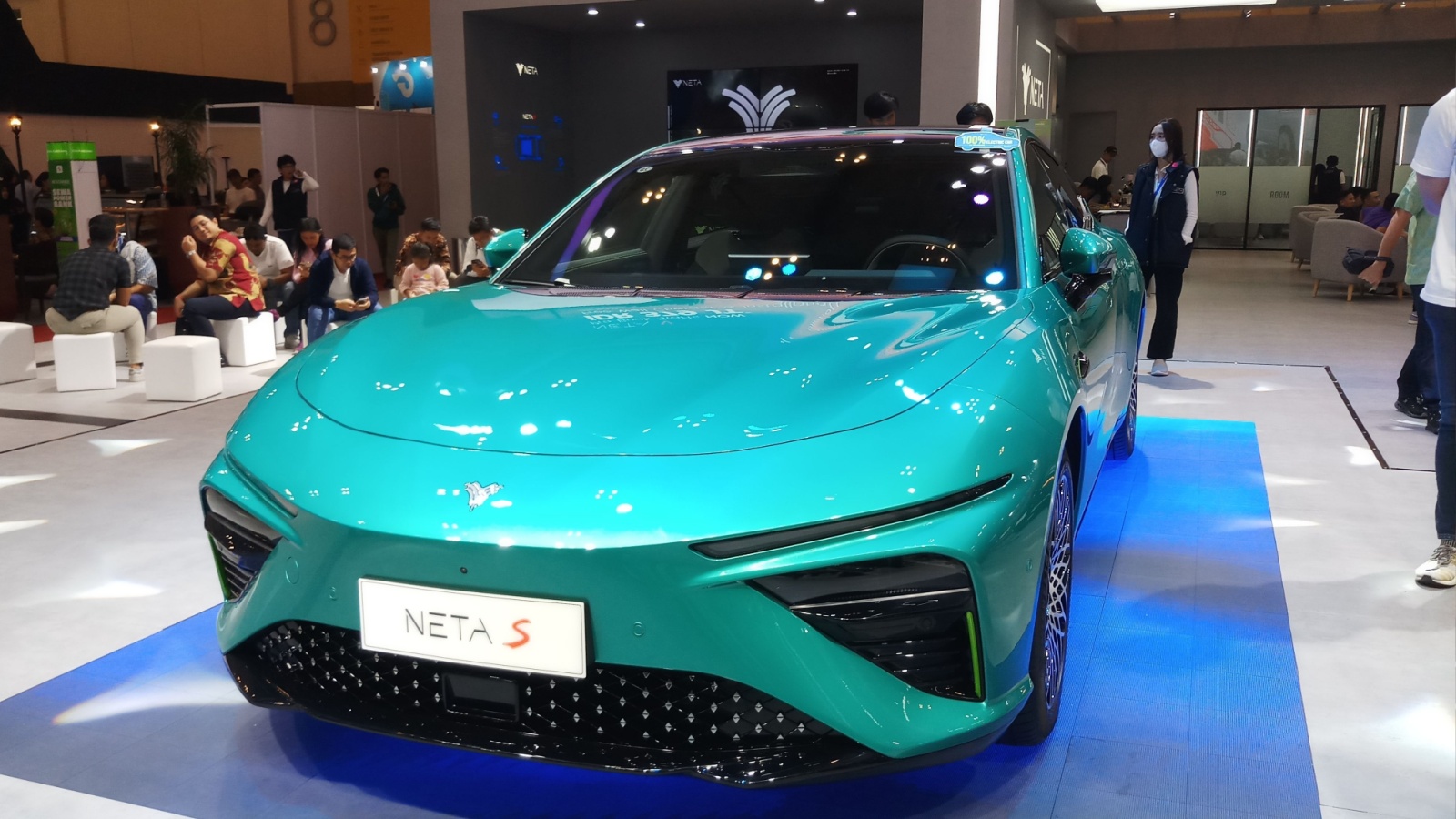
High-end electric vehicles often exceed price thresholds for incentives. Federal programs set maximum price limits to qualify. Canadians considering premium models may discover rebates do not apply. Even within a single model line, higher trims can disqualify eligibility. Provincial incentives may follow similar pricing caps. Buyers sometimes assume electric status alone guarantees support. Reviewing the suggested retail price against eligibility lists is essential. Financing plans may change if rebates are unavailable. Understanding price caps helps avoid disappointment during final payment calculations.
Incentives Cover the Cost of Home Charging Installation

Vehicle purchase rebates do not automatically include home charger installation costs. Federal EV incentives apply to eligible vehicles only. Some provinces offer separate programs for charging equipment, but funding varies. Canadians may assume installation expenses are bundled with vehicle rebates. In reality, separate applications are often required. Eligibility for charger rebates may depend on property type and electrical capacity. Funding amounts can differ significantly by province. Confirming availability before installation prevents financial surprises. Home charging incentives are distinct from vehicle purchase programs and must be evaluated independently.
Lease Customers Receive the Same Rebate as Buyers

Many Canadians believe leasing an electric vehicle guarantees the same rebate as purchasing. Federal incentives can apply to leases, but only if the lease term meets minimum requirements. Short-term leases may receive reduced amounts. The rebate is often calculated based on lease duration. Provincial programs may have additional conditions. Some incentives apply only to purchase agreements. Buyers who assume identical treatment risk budgeting errors. Confirming eligibility before signing prevents confusion. Lease structures vary between dealerships. Reviewing official guidelines clarifies how rebate amounts differ between leasing and buying options.
Income Does Not Affect EV Incentive Eligibility
Some Canadians assume income never influences electric vehicle rebates. While many federal incentives are not income-based, certain provincial programs may consider household income. New programs introduced in specific regions target lower-income buyers. Eligibility thresholds can change as policies evolve. Assuming universal access may lead to unexpected ineligibility. Buyers should verify the current criteria before purchase. Incentive structures reflect policy goals that vary by province. Checking official program details ensures an accurate understanding. Income considerations may not apply everywhere, but ignoring potential limits creates financial uncertainty during planning.
Plug-In Hybrids Qualify for the Same Amount as Fully Electric Vehicles
Plug-in hybrid vehicles do not always qualify for the same rebate as fully electric models. Federal incentives often provide lower amounts for hybrids with shorter electric ranges. Battery capacity and driving range influence eligibility. Provincial programs may follow similar distinctions. Canadians sometimes assume partial electrification earns full benefits. Reviewing official vehicle eligibility lists clarifies differences. Incentive amounts are tied to environmental impact criteria. Selecting a model without checking range requirements may reduce expected savings. Clear comparison prevents disappointment at the dealership.
EV Incentives Last All Year Without Funding Limits
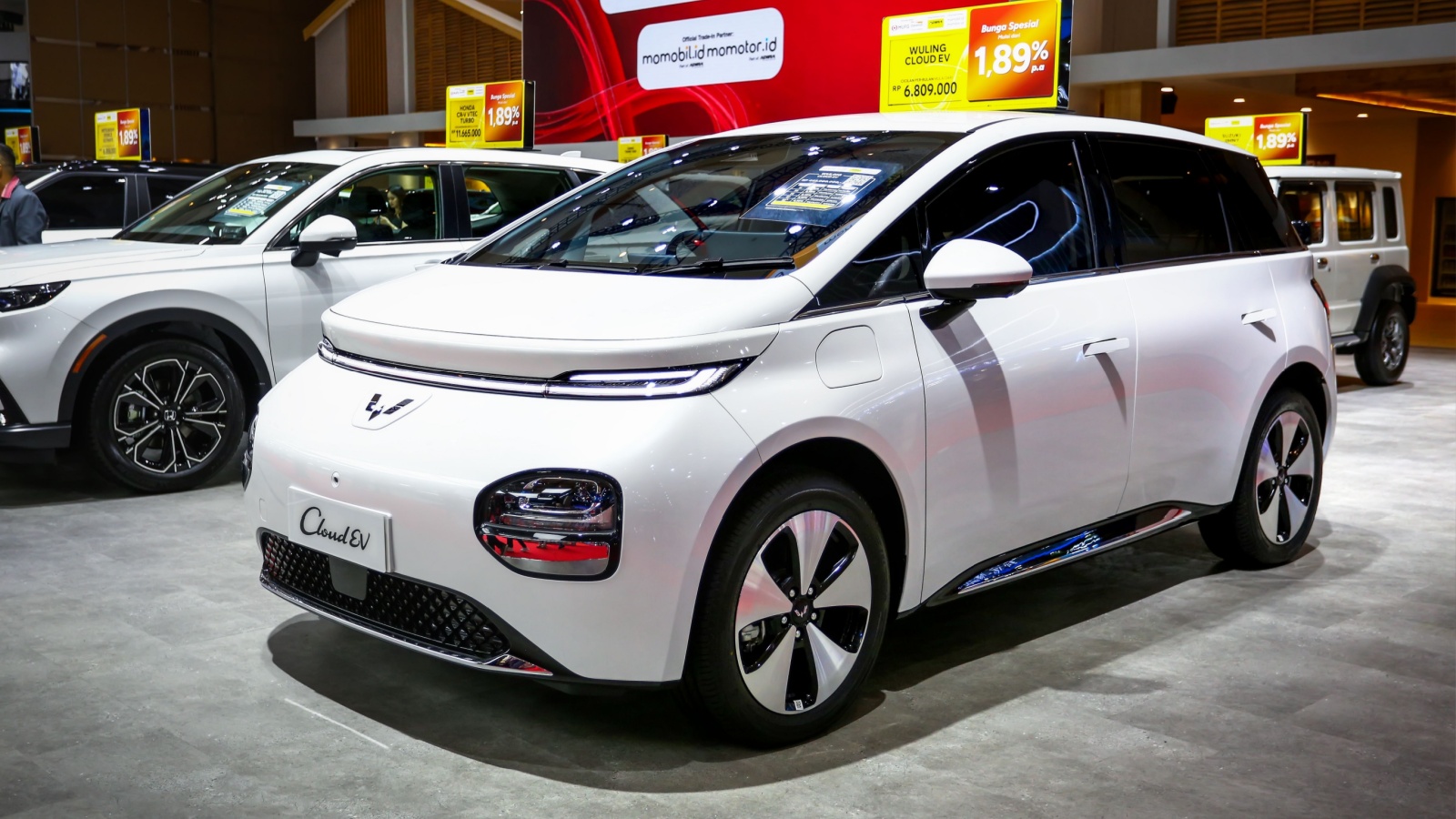
Rebate programs operate within allocated budgets. Canadians may assume incentives remain available throughout the calendar year. However, funding can run out earlier than expected. Some provincial programs pause when budgets are exhausted. Federal incentives have also faced temporary suspensions in past years. High demand increases the risk of depleted funds. Relying on availability without confirmation creates uncertainty. Monitoring official announcements helps buyers plan timing carefully. Incentives are not guaranteed indefinitely. Acting without verifying the current funding status may result in missed opportunities.
Dealerships Always Handle the Rebate Paperwork
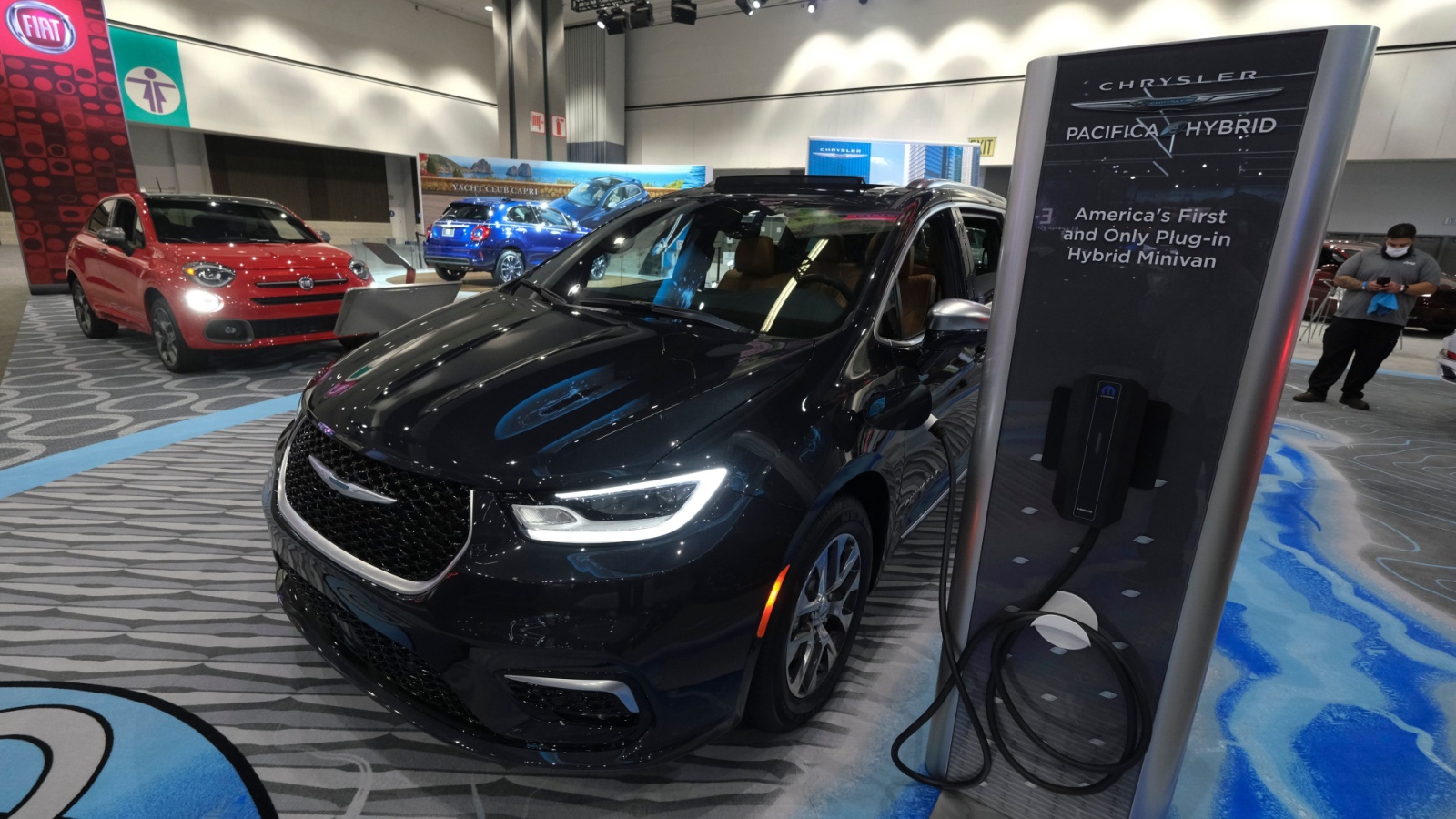
Dealerships often assist with incentive applications, but responsibility does not always rest entirely with them. Federal rebates are typically applied at the point of sale. Provincial programs may require separate online submissions. Canadians who assume paperwork is fully handled may miss required steps. Deadlines and documentation requirements vary. Buyers must confirm which forms are completed by the dealer. Keeping copies of purchase agreements supports applications. Misunderstandings can delay rebate processing. Verifying responsibilities prevents administrative complications. Clear communication ensures all requirements are met.
Out-of-Province Purchases Still Qualify for Local Rebates

Purchasing a vehicle in another province does not guarantee eligibility for home province incentives. Many programs require vehicle registration within the issuing province. Canadians shopping for better inventory elsewhere may overlook this condition. Proof of residency is often mandatory. Incentives are tied to provincial tax systems and registration rules. Assuming a provincial qualification can affect financial planning. Confirming requirements before signing prevents loss of expected rebates. Incentive programs reflect local policy objectives. Understanding residency conditions protects buyers from unexpected disqualification.
Businesses and Individuals Receive Identical Incentives

Many Canadians assume businesses and private buyers receive the same EV incentives. In practice, programs often separate commercial and personal eligibility. The federal iZEV program applies mainly to individuals and certain fleets, but conditions differ. Some provinces offer additional incentives specifically for businesses or fleet operators. Commercial buyers may access tax write-offs instead of direct rebates. Incentive caps and vehicle eligibility can also vary. Assuming identical treatment can lead to budgeting errors. Business registrations and documentation requirements add another layer. Reviewing program rules carefully ensures the correct category is applied. Incentives depend on buyer type, not just the vehicle.
Incentives Apply Even If the Vehicle Price Increases After Order

Some buyers believe incentives remain guaranteed once a vehicle is ordered. However, eligibility often depends on the final purchase price at delivery. If manufacturer price increases push the vehicle above program caps, rebates may no longer apply. Canadians waiting months for delivery may face this risk. Incentive rules reference the manufacturer-suggested retail price at the time of sale. Trim upgrades can also affect qualification. Assuming protection from price changes creates uncertainty. Confirming eligibility again before final paperwork prevents surprises. Incentive approval depends on meeting all price conditions at completion, not just at initial deposit.
22 Groceries to Grab Now—Before another Price Shock Hits Canada

Food prices in Canada have been steadily climbing, and another spike could make your grocery bill feel like a mortgage payment. According to Statistics Canada, food inflation remains about 3.7% higher than last year, with essentials like bread, dairy, and fresh produce leading the surge. Some items are expected to rise even further due to transportation costs, droughts, and import tariffs. Here are 22 groceries to grab now before another price shock hits Canada.
22 Groceries to Grab Now—Before another Price Shock Hits Canada
This Options Discord Chat is The Real Deal
While the internet is scoured with trading chat rooms, many of which even charge upwards of thousands of dollars to join, this smaller options trading discord chatroom is the real deal and actually providing valuable trade setups, education, and community without the noise and spam of the larger more expensive rooms. With a incredibly low-cost monthly fee, Options Trading Club (click here to see their reviews) requires an application to join ensuring that every member is dedicated and serious about taking their trading to the next level. If you are looking for a change in your trading strategies, then click here to apply for a membership.