
35,000+ smart investors are already getting financial news, market signals, and macro shifts in the economy that could impact their money next with our FREE weekly newsletter. Get ahead of what the crowd finds out too late. Click Here to Subscribe for FREE.
Tax season feels easier now that most Canadians file online. Software walks you through each step. Refund estimates pop up in real time. It can feel almost foolproof. Yet small mistakes still shrink refunds every year. A missed slip or unchecked box can quietly cost hundreds. Some errors even delay payments for weeks. Filing online saves time, but it does not replace attention to detail. If you want the full refund you earned, accuracy matters. Here are 14 refund-killing errors Canadians make when filing online.
Entering Personal Information Incorrectly
14 Refund-Killing Errors Canadians Make When Filing Online
- Entering Personal Information Incorrectly
- Forgetting a T4 or Other Income Slip
- Claiming Deductions Without Proper Eligibility
- Ignoring RRSP Contribution Deadlines
- Overlooking Tuition and Education Credits
- Filing Before Receiving All Tax Documents
- Misreporting Investment Income
- Missing Eligible Medical Expenses
- Failing to Update Marital Status
- Entering Child Care Expenses Incorrectly
- Ignoring Carryforward Amounts
- Relying Blindly on Auto-Fill Features
- Forgetting to Sign and Submit Properly
- Not Reviewing the Final Summary Screen
- 22 Groceries to Grab Now—Before another Price Shock Hits Canada
A simple typo can trigger problems fast. Misspelling your name or entering the wrong birth date may not seem serious. The Canada Revenue Agency matches your return to its records. If details do not line up, processing can stall. Refunds often get delayed while information is reviewed. Even a wrong direct deposit number can send money to the wrong account. Double-check your Social Insurance Number before submitting. Review your address and banking details carefully. Online software cannot fix the incorrect data you provide. A few extra minutes reviewing personal information can protect your refund from unnecessary delays or reductions later.
Forgetting a T4 or Other Income Slip
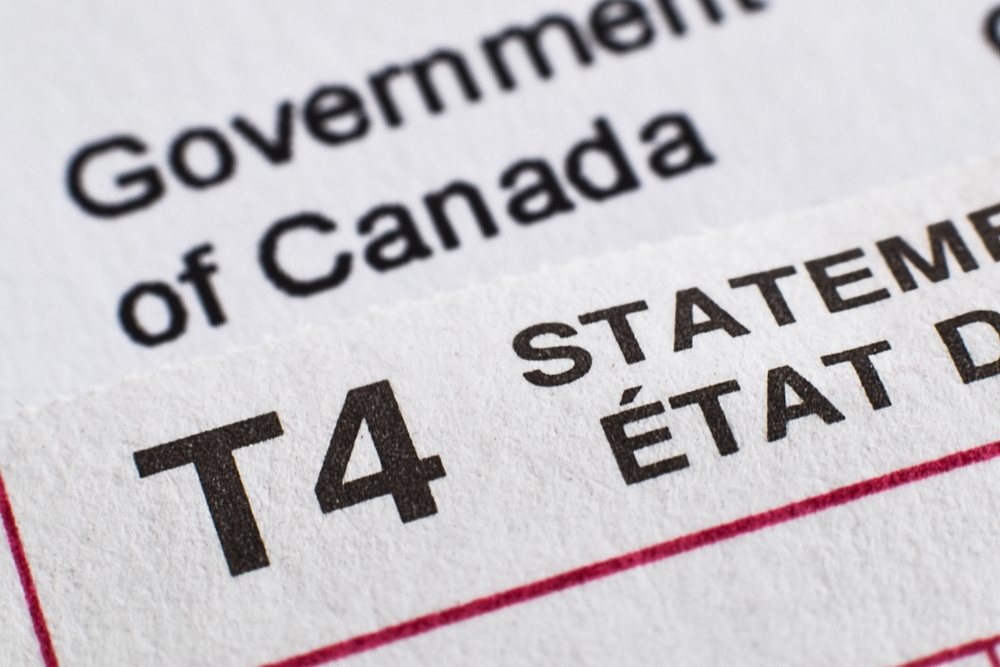
Many Canadians work multiple jobs during the year. Some also collect gig income or contract payments. Each source usually issues a slip, such as a T4 or T4A. Missing even one can change your refund amount. The CRA receives copies of these slips directly. If your return does not match their records, reassessment may follow. That often means paying back part of your refund. Use Auto-fill My Return if available, but still verify entries. Check email and online payroll portals for digital slips. Filing before gathering every document can shrink your refund later.
Claiming Deductions Without Proper Eligibility

Online tax software lists many credits and deductions. Seeing them all can be tempting. Some filers click boxes without confirming eligibility. For example, moving expenses or home office deductions have strict conditions. Claiming amounts you do not qualify for can reduce your refund later. The CRA may review and remove unsupported claims. That can also lead to penalties or interest charges. Read the description of each deduction carefully. Keep supporting documents in case questions arise. Guessing your way through credits rarely works out. Filing accurately protects both your refund and your peace of mind.
Ignoring RRSP Contribution Deadlines
RRSP contributions can lower taxable income significantly. However, timing matters. Contributions made in the first 60 days of the year apply to the previous tax year. Some Canadians forget to report these amounts. Others report contributions already claimed in earlier years. Either mistake can change your refund total. Check your RRSP receipts and prior notices of assessment. Confirm how much contribution room you actually have. Overcontributing can trigger penalties. Underreporting may mean missing a larger refund. Enter contribution details exactly as shown on official receipts. Accuracy here can make a noticeable difference in refund size.
Overlooking Tuition and Education Credits

Students often carry forward unused tuition amounts. These credits can reduce taxes owed in future years. Many forget to enter them when filing online. If the software does not automatically import carry-forward amounts, you must add them manually. Check your last notice of assessment for available balances. Even part-time studies may qualify. Missing these credits means leaving money unclaimed. That directly reduces your refund. Confirm all T2202 slips are included. Education credits can be transferred in certain cases as well. Reviewing your tuition history can prevent a smaller refund than expected.
Filing Before Receiving All Tax Documents
It feels satisfying to file early. Many Canadians rush to submit as soon as the software opens. Filing too soon can backfire. Employers, banks, and investment firms issue slips at different times. If you file before receiving everything, you may miss income or deductions. The CRA will compare your return against their records. Differences often trigger reassessment. That can reduce your refund weeks later. Waiting until late March helps in most cases. Use a checklist of expected slips before clicking submit. Filing later with complete information often protects your refund better than filing first.
Misreporting Investment Income
Investment income comes in several forms. Dividends, interest, and capital gains each have different tax treatment. Entering them incorrectly can change your refund calculation. Some taxpayers confuse capital gains with total sale proceeds. Only half of a capital gain is taxable. Reporting the full sale amount inflates income unfairly. Others forget to include small interest amounts from savings accounts. The CRA receives T5 and T3 slips directly from institutions. Mismatches may lead to adjustments. Review each slip carefully before entering numbers. Accurate reporting of investment income keeps your refund calculation honest and stable.
Missing Eligible Medical Expenses

Medical expenses can add up quickly. Prescription drugs, dental care, and certain travel costs may qualify. Many Canadians forget smaller receipts throughout the year. Others assume insurance-covered amounts cannot be claimed. Only unreimbursed expenses are eligible. Online software will ask for totals, but it cannot track your receipts. Gather pharmacy printouts and dental statements before filing. Combine expenses for yourself and eligible dependants. There is a minimum threshold before credits apply. Even so, qualifying expenses can reduce taxes owed. Careful tracking of medical costs can prevent losing part of your refund.
Failing to Update Marital Status

Marital status affects several tax benefits. Getting married, separating, or divorcing changes how certain credits are calculated. Some Canadians forget to update this information when filing online. An incorrect status can impact the GST credit or Canada Child Benefit. It may also affect spousal amounts. The CRA uses marital information to calculate benefits beyond your tax refund. Leaving outdated details in your profile can reduce payments or cause overpayments. Update changes as soon as they happen. Confirm your status before submitting your return. Keeping this information current protects both refunds and future benefit amounts.
Entering Child Care Expenses Incorrectly
Child care expenses can provide meaningful tax relief. However, they must be claimed properly. Usually, the lower-income spouse claims the deduction. Some couples overlook this rule when filing separately online. Entering the expense under the wrong person can reduce the overall refund. Receipts must include the caregiver’s name and identification number. Not all payments qualify. Summer camps and certain programs have specific rules. Review guidelines before entering totals. Splitting expenses incorrectly may trigger reassessment. Careful reporting of child care costs helps families receive the full benefit available to them.
Ignoring Carryforward Amounts
Losses and credits from previous years can carry forward. Capital losses, tuition credits, and charitable donation balances often apply later. Many taxpayers forget these amounts exist. Your notice of assessment lists available carryforwards clearly. Failing to enter them means paying more tax than necessary. Online software sometimes imports data automatically, but not always. Review prior year documents before filing. Even small carry-forward amounts can affect refund totals. Checking records takes little time. Using credits you already earned is one of the simplest ways to avoid shrinking your refund unnecessarily.
Relying Blindly on Auto-Fill Features

Auto-fill My Return saves time by importing slips directly from the CRA. It works well in many cases. Still, it is not perfect. Some slips may not appear immediately. Others may contain errors from the issuer. Assuming everything is complete can lead to missing income or deductions. Always compare imported data with your own documents. Confirm each number before submitting. Treat auto-fill as a starting point, not a final answer. Reviewing entries line by line helps catch discrepancies early. Careful verification keeps your refund calculation accurate and reduces the risk of later adjustments.
Forgetting to Sign and Submit Properly

Online filing feels automatic, but final steps still matter. Some filers complete forms but forget to hit submit. Others skip required electronic signatures. Without proper authorization, the return is not officially filed. That can delay refunds significantly. If you owe money, interest may start accumulating. Confirm that you receive a confirmation number after submission. Save or print this record. Check your CRA account to verify receipt. Filing online does not mean the system finishes everything for you. A missed final step can undo all your careful work and hold up your refund.
Not Reviewing the Final Summary Screen

Before submission, most software shows a summary page. It outlines income, deductions, and refund totals. Many users skim past this screen quickly. That is a missed opportunity. Look for unusual numbers or sudden changes from last year. Compare refund amounts with your expectations. If something looks off, revisit earlier sections. A few extra minutes here can catch overlooked slips or incorrect entries. Once submitted, corrections take more time. Reviewing the summary carefully acts as a final safety net. That simple pause can protect the refund you worked hard to earn.
22 Groceries to Grab Now—Before another Price Shock Hits Canada

Food prices in Canada have been steadily climbing, and another spike could make your grocery bill feel like a mortgage payment. According to Statistics Canada, food inflation remains about 3.7% higher than last year, with essentials like bread, dairy, and fresh produce leading the surge. Some items are expected to rise even further due to transportation costs, droughts, and import tariffs. Here are 22 groceries to grab now before another price shock hits Canada.
22 Groceries to Grab Now—Before another Price Shock Hits Canada
This Options Discord Chat is The Real Deal
While the internet is scoured with trading chat rooms, many of which even charge upwards of thousands of dollars to join, this smaller options trading discord chatroom is the real deal and actually providing valuable trade setups, education, and community without the noise and spam of the larger more expensive rooms. With a incredibly low-cost monthly fee, Options Trading Club (click here to see their reviews) requires an application to join ensuring that every member is dedicated and serious about taking their trading to the next level. If you are looking for a change in your trading strategies, then click here to apply for a membership.