
35,000+ smart investors are already getting financial news, market signals, and macro shifts in the economy that could impact their money next with our FREE weekly newsletter. Get ahead of what the crowd finds out too late. Click Here to Subscribe for FREE.
Tax season in Canada brings hope for a bigger refund. It also brings confusion. Many Canadians assume certain expenses automatically qualify as tax deductions. Friends say it works. Social media agrees. A quick search seems to confirm it. Then the Canada Revenue Agency disagrees. The result can be reassessments, penalties, or a smaller refund than expected. Understanding what you cannot claim is just as important as knowing what you can. Before you file, it helps to clear up common myths. Here are 18 tax deductions Canadians assume they can claim (but usually can’t).
Commuting Costs to Your Regular Job
18 Tax Deductions Canadians Assume They Can Claim (But Usually Can’t)
- Commuting Costs to Your Regular Job
- Regular Work Clothes
- Mortgage Payments on Your Home
- Personal Groceries
- Childcare Paid to a Spouse
- Medical Expenses Without Receipts
- Gym Memberships for General Fitness
- Internet Without a Work Requirement
- Home Renovations for Comfort
- Fines and Traffic Tickets
- Personal Legal Fees
- Vacations Labeled as Business Trips
- Credit Card Interest on Personal Purchases
- Moving Expenses Without Meeting Criteria
- Pet Expenses for Companionship
- Cosmetic Procedures for Appearance
- Student Loan Payments Themselves
- Hobby Expenses Without Business Income
- 22 Groceries to Grab Now—Before another Price Shock Hits Canada

Many Canadians believe gas, transit passes, and parking fees are deductible. They assume getting to work counts as a business expense. For most employees, it does not. The cost of traveling from home to a regular workplace is considered personal. That includes daily driving, subway fares, and tolls. Even rising fuel prices do not change that rule. There are exceptions for certain commissioned employees or those with required travel. Most salaried workers do not qualify. Claiming routine commuting costs can trigger questions from the CRA. It feels work-related, but it remains a personal expense.
Regular Work Clothes

Buying clothes for work feels necessary. Many assume that makes them deductible. In most cases, it does not. Suits, dresses, shoes, and business casual outfits are considered everyday clothing. Even if you only wear them at work, they are still personal. The CRA allows deductions for specialized uniforms or protective gear. Think steel-toed boots or safety helmets. Branded uniforms may qualify in some cases. Regular office attire does not. A new blazer for client meetings will not lower your tax bill. If it can be worn outside work, it usually is not deductible.
Mortgage Payments on Your Home

Homeowners often think mortgage payments reduce taxable income. They hear about tax breaks in other countries. In Canada, your principal residence does not work that way. You cannot deduct mortgage payments simply because you own a home. Interest is also not deductible for a primary residence. There are exceptions for rental properties or business use. Those situations follow strict rules. For most Canadians, mortgage costs remain personal expenses. Owning a home has benefits, but an income tax deduction is not one of them. Confusing foreign tax rules with Canadian ones leads to disappointment.
Personal Groceries

Food is essential. That does not make it deductible. Many people wonder if groceries count when working from home. They usually do not. Regular meals are personal living expenses. Even if you eat while answering emails, the rule stays the same. Only certain business travel situations allow meal deductions. Those must meet specific conditions. Stocking your fridge does not qualify. Claiming weekly grocery bills as work expenses is risky. The CRA sees food as a normal cost of living. Working remotely does not change that basic principle.
Childcare Paid to a Spouse

Childcare expenses can be deductible in Canada. That creates confusion about who can receive payment. Some assume paying a spouse makes it deductible. It does not. You cannot claim childcare expenses paid to your spouse or common-law partner. Payments to certain relatives are also restricted. The rules aim to prevent income splitting within households. To qualify, you must pay an eligible caregiver. That person must report the income. Attempting to route childcare payments through a partner can cause reassessment. The deduction exists, but the recipient must meet CRA guidelines.
Medical Expenses Without Receipts

Medical expenses can provide tax relief. Many people assume estimates are acceptable. They are not. The CRA requires proper documentation. Receipts must show the provider, service, and amount paid. Bank statements alone may not be enough. Guessing totals can create problems later. If audited, you must prove the expense. That includes prescriptions, dental work, and therapy. Without paperwork, the claim may be denied. Keeping records may feel tedious, but it protects your refund. Hoping the numbers look reasonable is not a safe approach.
Gym Memberships for General Fitness

Staying healthy supports your ability to work. That logic feels reasonable. Unfortunately, gym memberships are usually personal expenses. Even if your job is demanding, general fitness does not qualify. The CRA only allows certain medical-related fitness costs. A doctor’s note alone does not make a regular gym deductible. Professional athletes may face different rules. Most Canadians do not qualify. Claiming a monthly fitness subscription can lead to disallowed expenses. Physical health matters, but it rarely reduces your taxable income directly.
Internet Without a Work Requirement

Internet service is common in most households. Many remote workers assume the full bill is deductible. That is rarely true. If your employer does not require you to work from home, you may not qualify. Even when eligible, only the employment-related portion can be claimed. Personal streaming and browsing are not deductible. You must calculate a reasonable percentage. Claiming the entire annual bill often raises concerns. Documentation from your employer may also be needed. Internet access feels work-related, but it remains partly personal in most cases.
Home Renovations for Comfort

Upgrading your kitchen or adding a deck can increase home value. It does not usually create a tax deduction. Personal home renovations are not deductible expenses. Some people assume any improvement linked to remote work qualifies. That is incorrect. Only certain expenses tied directly to a designated workspace may count. Even then, structural changes are often excluded. Installing luxury features for comfort will not reduce income taxes. There are separate credits for accessibility or energy upgrades. General remodeling remains a personal cost, not a deduction.
Fines and Traffic Tickets

If you drive for work, tickets may feel business-related. They are not deductible. Parking fines, speeding tickets, and other penalties remain personal expenses. The CRA does not allow deductions for breaking the law. Even if the ticket happened during work hours, the rule applies. Businesses cannot deduct fines either. Attempting to include them as travel expenses can create problems. Safe driving may protect more than your record. It also protects your tax return from scrutiny.
Personal Legal Fees

Legal fees sometimes qualify as deductions. That creates confusion. Fees related to personal matters are not deductible. Divorce proceedings, custody disputes, and personal lawsuits usually do not qualify. There are limited exceptions, such as collecting taxable income. Those are specific situations. Assuming all legal bills reduce taxable income is risky. The purpose of the expense matters. Personal disputes remain personal for tax purposes. Before claiming legal fees, review the CRA guidelines carefully. Not every invoice from a lawyer belongs on your return.
Vacations Labeled as Business Trips
Mixing work and travel is common. Some assume that turns a vacation into a deduction. The CRA looks at the primary purpose of the trip. If it is mainly personal, most costs are not deductible. Adding a short meeting does not change the overall nature. Only genuine business travel expenses may qualify. Even then, personal portions must be separated. Claiming an entire family vacation as a work expense can attract attention. Travel photos do not prove business intent. Clear documentation matters.
Credit Card Interest on Personal Purchases
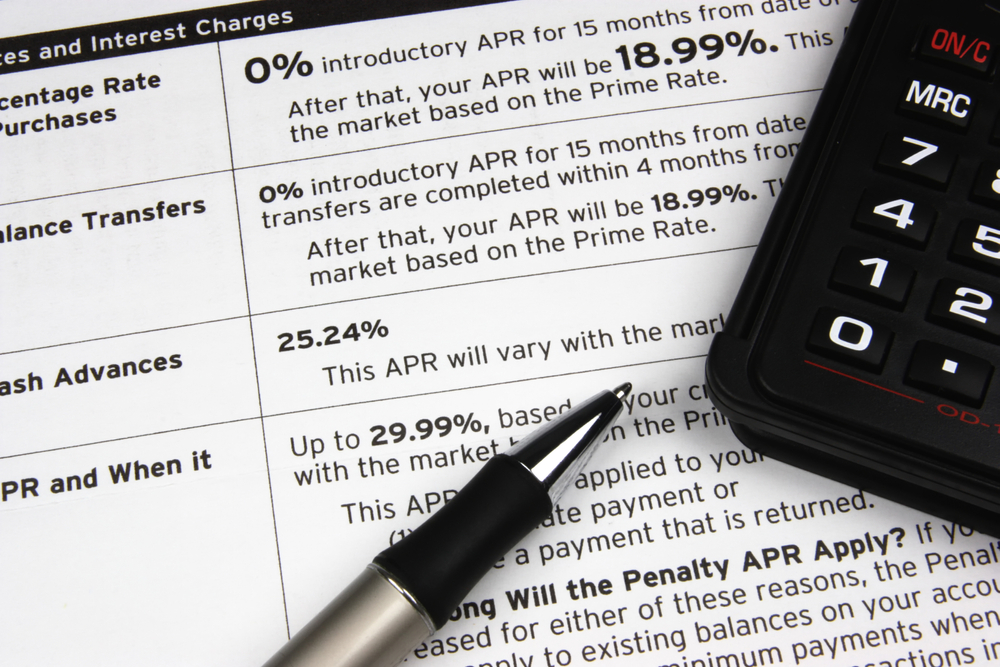
Credit card statements list interest charges each month. Some assume those charges are deductible. They usually are not. Interest on personal purchases does not qualify. That includes retail shopping, dining, and travel. There are different rules for business expenses or investments. Mixing personal and business spending complicates claims. Simply paying interest does not create a deduction. Keeping finances separate can prevent confusion. If the underlying purchase is personal, the interest remains personal as well.
Moving Expenses Without Meeting Criteria

Moving expenses can be deductible in Canada. That leads many to assume any relocation qualifies. It does not. You must move at least 40 kilometers closer to a new job or school. The move must meet strict conditions. Voluntary lifestyle changes often do not qualify. Moving across town for convenience will not count. Documentation is required for transportation and temporary lodging. Assuming all moving costs are reduced, taxes can lead to denied claims. The distance and purpose of the move matter.
Pet Expenses for Companionship

Pets provide comfort and companionship. Some people try to claim pet food and vet bills. In most cases, that is not allowed. Household pets are considered personal. There are rare exceptions for service animals. Those must meet specific medical criteria. Therapy animals also face strict rules. Owning a dog while working from home does not create a deduction. Emotional support does not equal tax relief. Before listing pet costs, review eligibility carefully. Most pet owners cannot deduct everyday expenses.
Cosmetic Procedures for Appearance

Medical expenses can be deductible. Cosmetic procedures usually are not. Treatments done purely for appearance do not qualify. Teeth whitening, elective surgery, and similar services are excluded. The CRA focuses on medical necessity. If a procedure is required for health reasons, rules may differ. Personal choice for aesthetic reasons does not create a deduction. Confusing cosmetic and medical treatment leads to errors. Always confirm whether the service is recognized under medical expense guidelines.
Student Loan Payments Themselves

Students often assume loan payments are deductible. They are not. You cannot deduct the principal portion of a student loan. However, the interest paid may qualify for a tax credit. That difference matters. Confusing a credit with a deduction can change your expectations. Only interest reported on official statements counts. Paying down debt is responsible, but it does not reduce taxable income directly. Review your loan documents carefully. Do not assume every payment lowers your tax bill.
Hobby Expenses Without Business Income

Turning a hobby into a side project is common. Some assume expenses automatically become deductible. The CRA distinguishes between hobbies and businesses. If there is no reasonable expectation of profit, deductions may be denied. Selling a few items occasionally may not qualify as business activity. Expenses cannot exceed income year after year without scrutiny. Proper records and intent to earn profit matter. Treating a pastime as a tax shelter can lead to reassessment. Income must support the claim.
22 Groceries to Grab Now—Before another Price Shock Hits Canada

Food prices in Canada have been steadily climbing, and another spike could make your grocery bill feel like a mortgage payment. According to Statistics Canada, food inflation remains about 3.7% higher than last year, with essentials like bread, dairy, and fresh produce leading the surge. Some items are expected to rise even further due to transportation costs, droughts, and import tariffs. Here are 22 groceries to grab now before another price shock hits Canada.
22 Groceries to Grab Now—Before another Price Shock Hits Canada
This Options Discord Chat is The Real Deal
While the internet is scoured with trading chat rooms, many of which even charge upwards of thousands of dollars to join, this smaller options trading discord chatroom is the real deal and actually providing valuable trade setups, education, and community without the noise and spam of the larger more expensive rooms. With a incredibly low-cost monthly fee, Options Trading Club (click here to see their reviews) requires an application to join ensuring that every member is dedicated and serious about taking their trading to the next level. If you are looking for a change in your trading strategies, then click here to apply for a membership.