
35,000+ smart investors are already getting financial news, market signals, and macro shifts in the economy that could impact their money next with our FREE weekly newsletter. Get ahead of what the crowd finds out too late. Click Here to Subscribe for FREE.
Filing taxes in Canada is routine for most people. Still, many worry about being audited. The truth is that audits are not random lightning strikes. The Canada Revenue Agency uses data, patterns, and comparisons to flag returns. Most reviews are simple requests for receipts or clarification. Knowing what draws attention can help you file with more confidence. You do not need to fear, just better awareness. A few small habits can lower your chances of extra scrutiny. Here are 21 CRA audit triggers Canadians should know (without paranoia).
Large Changes in Income from One Year to the Next
21 CRA Audit Triggers Canadians Should Know (Without Paranoia)
- Large Changes in Income from One Year to the Next
- Claiming Very High Charitable Donations
- Repeated Business Losses
- Home Office Deductions That Seem Too Large
- Vehicle Expenses That Exceed Income
- Unreported Income From Side Gigs
- Rental Income That Does Not Match Market Rates
- Claiming 100 Percent Business Use of Assets
- Large Medical Expense Claims
- Foreign Income or Assets Not Properly Reported
- Excessive Child Care Expense Claims
- Frequent Adjustments to Past Returns
- Claiming Personal Expenses as Business Costs
- High Income with Unusually Low Tax Payable
- Cash-Heavy Businesses Reporting Low Revenue
- Significant Capital Gains Without Supporting Documents
- Repeated Late Filings
- Large Refunds That Seem Unusual
- Claiming Disability Credits Without Proper Certification
- Reporting Round Numbers Across the Return
- Inconsistent Information Between Slips and Return
- 22 Groceries to Grab Now—Before another Price Shock Hits Canada

A sharp jump or drop in income can catch the CRA’s eye. This often happens with commission work, bonuses, or self-employment. Life changes also play a role, such as maternity leave or job loss. The issue is not the change itself. The concern is whether the numbers match the supporting slips. If your T4s and T5s align, there is little to worry about. Problems arise when reported income does not match what employers or banks filed. Keep clear records if your income swings widely. Add notes for unusual situations when filing. Documentation makes sudden shifts easier to explain.
Claiming Very High Charitable Donations

Charitable donations are common deductions. Extremely high claims compared to income can prompt questions. For example, donating half your income may look unusual. The CRA compares donation patterns across similar taxpayers. If your claim stands out, expect a request for receipts. Registered charities issue official tax receipts with required details. Keep those on file. Problems occur when people misplace paperwork or claim non-eligible gifts. Political donations follow different rules from charitable ones. Mixing them up can cause delays. Claim what you truly donated and keep proof. Generosity is fine. Unsupported numbers are not.
Repeated Business Losses

Many small businesses take time to turn a profit. Losses are common in early years. Ongoing losses over several years can trigger a review. The CRA may question whether the activity is a hobby. To qualify as a business, there must be an intent to earn profit. That means a business plan and reasonable efforts. Separate bank accounts help show structure. Advertising and proper invoices also matter. If your side hustle never makes money, scrutiny increases. Keep organized records that show effort and strategy. Losses alone do not cause audits. Lack of business evidence does.
Home Office Deductions That Seem Too Large

Home office claims grew during the remote work years. The CRA allows reasonable expenses tied to the workspace. Claiming most of your home as office space can raise flags. The calculation must reflect the actual square footage used for work. Shared areas need proportional adjustments. Utilities, rent, and internet must be allocated fairly. Overstating percentages can trigger a review. Keep measurements and expense breakdowns on file. If you worked from home briefly, use the simplified method if eligible. Accurate math matters more than ambition. A modest claim backed by records is safer than a bold estimate.
Vehicle Expenses That Exceed Income

Self-employed Canadians often deduct vehicle costs. The CRA expects a reasonable ratio between driving expenses and income. Claiming high mileage with low revenue can look suspicious. A detailed mileage log is essential. It should include dates, destinations, and business purposes. Personal trips cannot be deducted. Gas, maintenance, insurance, and lease payments need receipts. Estimating after the fact invites trouble. Use an app or notebook to track trips throughout the year. Large claims without documentation often trigger requests for proof. Organized logs make those reviews shorter and less stressful.
Unreported Income From Side Gigs

The gig economy expanded rapidly. Ride share driving, freelancing, and online sales generate taxable income. The CRA receives data from platforms and payment processors. Failing to report side earnings is risky. Even small amounts can be flagged if third-party slips exist. Many people assume casual income goes unnoticed. That assumption is wrong. Report all earnings, even if no slip arrives. Keep records of payments received. Deduct related expenses honestly. Transparency reduces stress later. Missing income often leads to reassessments with interest added. A complete return avoids that surprise.
Rental Income That Does Not Match Market Rates
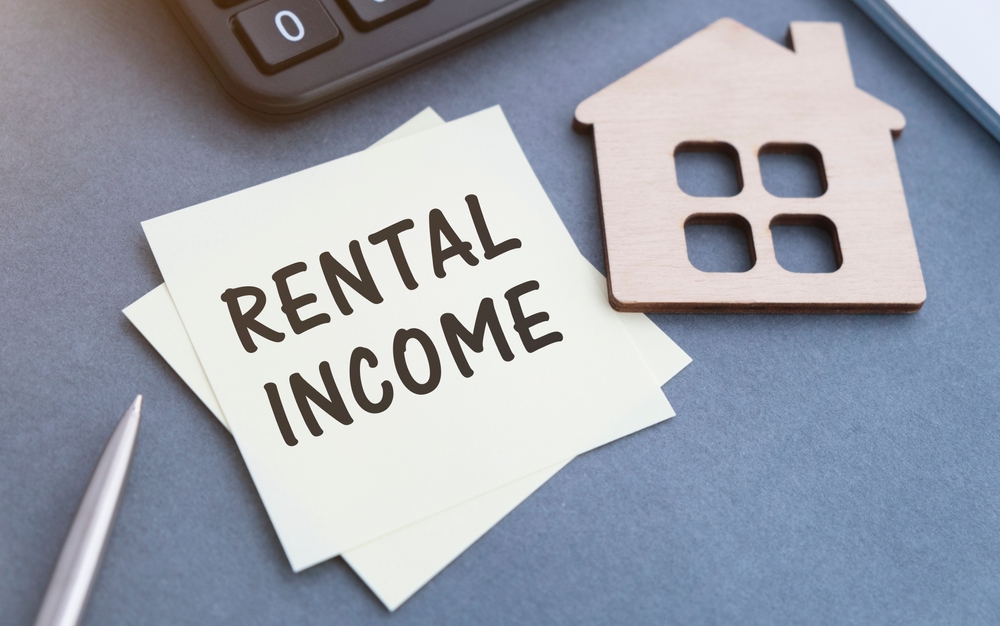
Reporting rental income below the typical market value can trigger questions. This often happens when renting to family or friends. Charging reduced rent is allowed. Problems arise when expenses exceed reported income year after year. The CRA may question whether the property is run for profit. Keep lease agreements and payment records. Show how rent was determined. Claim only legitimate expenses tied to rental activity. Personal costs should not be mixed in. Consistency between income, expenses, and market context matters. Clear documentation reduces follow-up letters and reassessments.
Claiming 100 Percent Business Use of Assets

Very few assets are used entirely for business. Claiming full use of a vehicle, phone, or laptop can attract scrutiny. The CRA expects a reasonable personal portion. If you claim full business use, be ready to justify it. Detailed usage logs help support your position. Mixed-use assets need proportional calculations. Overstating business percentages increases audit risk. Conservative estimates backed by records are safer. Keep contracts, invoices, and usage data. Clear separation between personal and business use strengthens your file. Precision helps avoid extended reviews later.
Large Medical Expense Claims

Medical expenses can add up quickly. Major surgeries, dental work, or fertility treatments increase totals. Large claims relative to income can prompt verification. The CRA may request receipts and proof of payment. Only eligible expenses qualify. Cosmetic procedures are usually excluded. Travel costs for treatment must meet distance rules. Keep detailed invoices and prescription records. Track dates and providers carefully. Claim only what fits CRA guidelines. Honest reporting supported by paperwork reduces delays. Big numbers alone are not the problem. Missing proof often is.
Foreign Income or Assets Not Properly Reported

Canadians must report worldwide income. That includes foreign bank accounts and investments. If foreign assets exceed reporting thresholds, additional forms apply. The CRA shares data with other countries through agreements. Omitting foreign income increases audit risk. Even small overseas earnings must be declared. Keep statements from foreign institutions. Convert amounts to Canadian dollars using accepted rates. Filing required forms on time avoids penalties. Transparency matters when cross-border money is involved. Proper reporting prevents costly reassessments later.
Excessive Child Care Expense Claims
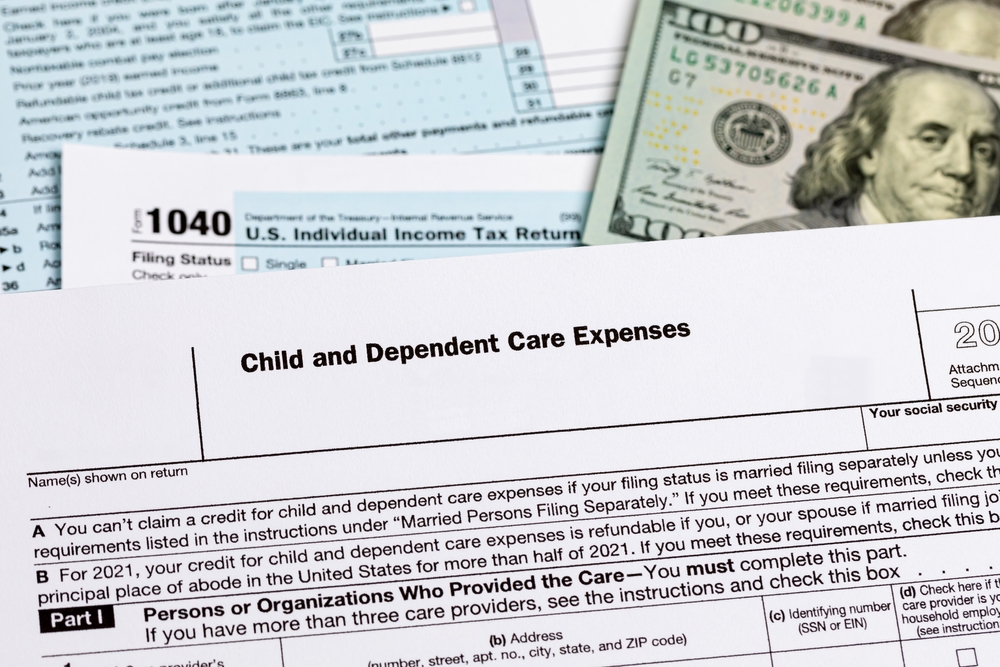
Child care deductions help many families. Claiming amounts far above typical costs may trigger review. Expenses must relate to earning income or attending school. Payments to relatives require proper documentation. Receipts should list the caregiver’s information and the amount paid. Only eligible children qualify. Splitting claims between spouses incorrectly can cause reassessment. Double-check limits based on child age. Keep contracts and payment records. Large claims without proof invite letters from the CRA. Organized paperwork keeps the process smooth.
Frequent Adjustments to Past Returns

Amending returns is allowed. Repeated changes over multiple years can attract attention. The CRA may question why errors keep appearing. Honest mistakes happen. Patterns suggest carelessness or manipulation. Review your return carefully before filing. Use reliable software or a qualified preparer. Keep records for each change requested. Clear explanations reduce suspicion. Occasional corrections are normal. Ongoing revisions increase scrutiny. Accurate initial filings save time and stress later.
Claiming Personal Expenses as Business Costs

Mixing personal and business spending is common among new entrepreneurs. Deducting groceries, clothing, or vacations as business costs raises red flags. The CRA looks for expenses that directly relate to earning income. Keep separate bank accounts for business activity. Save receipts with clear descriptions. Ask whether the expense was necessary for work. If the answer is unclear, reconsider the claim. Personal spending disguised as business use often triggers a review. Clean bookkeeping protects you during audits.
High Income with Unusually Low Tax Payable

Some taxpayers reduce taxable income through deductions and credits. Extremely low tax payable relative to income may draw review. The CRA compares similar income brackets. If your result looks inconsistent, questions follow. Legitimate credits such as RRSP contributions are allowed. Problems arise when deductions lack support. Keep contribution receipts and documentation. Review calculations before submission. Balanced reporting aligned with records reduces concern. Outlier numbers attract attention.
Cash-Heavy Businesses Reporting Low Revenue
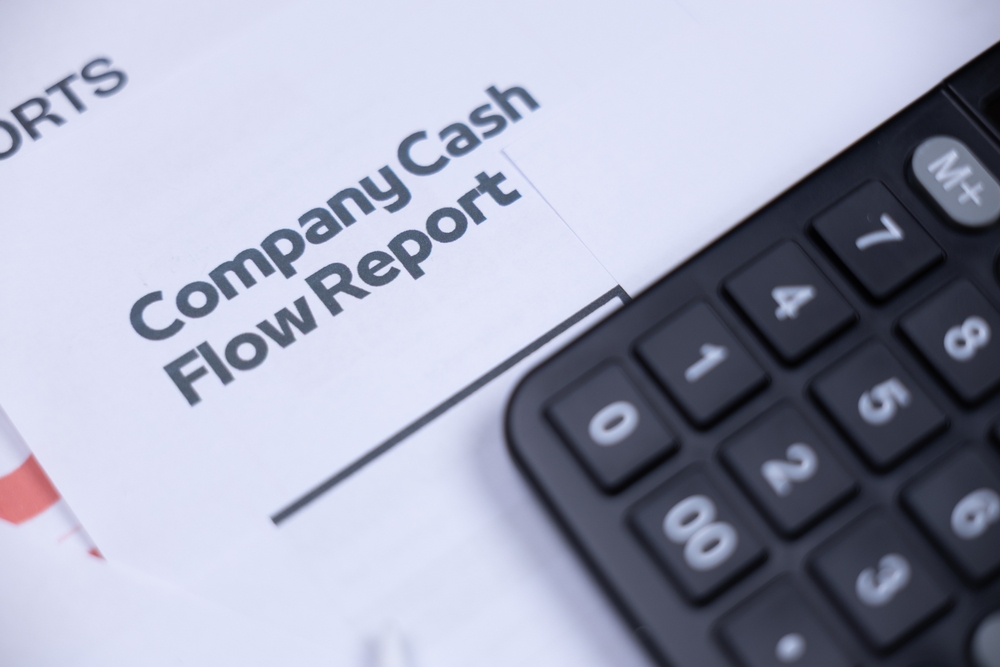
Businesses that handle a lot of cash often face closer attention. Restaurants, salons, food trucks, and contractors fall into this group. The CRA compares your reported revenue to industry averages. If your numbers look far below those of similar businesses, questions may follow. Keep daily sales records and reconcile deposits regularly. Separate personal and business banking to avoid confusion. Record every payment, even small cash jobs. Underreporting income can lead to penalties and interest. Clear books and consistent reporting reduce the chance of deeper review. Accuracy protects both your income and reputation.
Significant Capital Gains Without Supporting Documents

Selling real estate, stocks, or other investments can create large capital gains. When the numbers are high, the CRA may request proof. You need records showing the original purchase price and related costs. Improvements to the property must also be documented. Without those details, your adjusted cost base may be questioned. Keep closing statements, trade confirmations, and renovation receipts. Report principal residence sales correctly, even if no tax is owing. Missing paperwork can delay processing or lead to reassessment. Organized records make large transactions easier to defend.
Repeated Late Filings

Filing after the deadline once may result in a penalty. Filing late for several years in a row raises more concern. The CRA may view ongoing delays as a compliance issue. Even if you cannot pay immediately, submit your return on time. Interest grows quickly on unpaid balances. Set reminders well before the deadline. Gather slips early and avoid last-minute stress. Consistent late filing can increase the chance of review. Building a pattern of timely returns lowers scrutiny. Reliable habits matter more than perfect timing.
Large Refunds That Seem Unusual

A large refund is not automatically a problem. However, a refund far bigger than in past years can draw attention. The CRA may check for entry errors or inflated credits. Review all slips carefully before submitting your return. Confirm that deductions are supported by receipts. One-time events such as parental leave can explain changes. Keep documents that show why your refund increased. Double-check banking information to avoid delays. Big refunds are fine when calculations are correct. Careful review before filing prevents unwanted follow-up.
Claiming Disability Credits Without Proper Certification
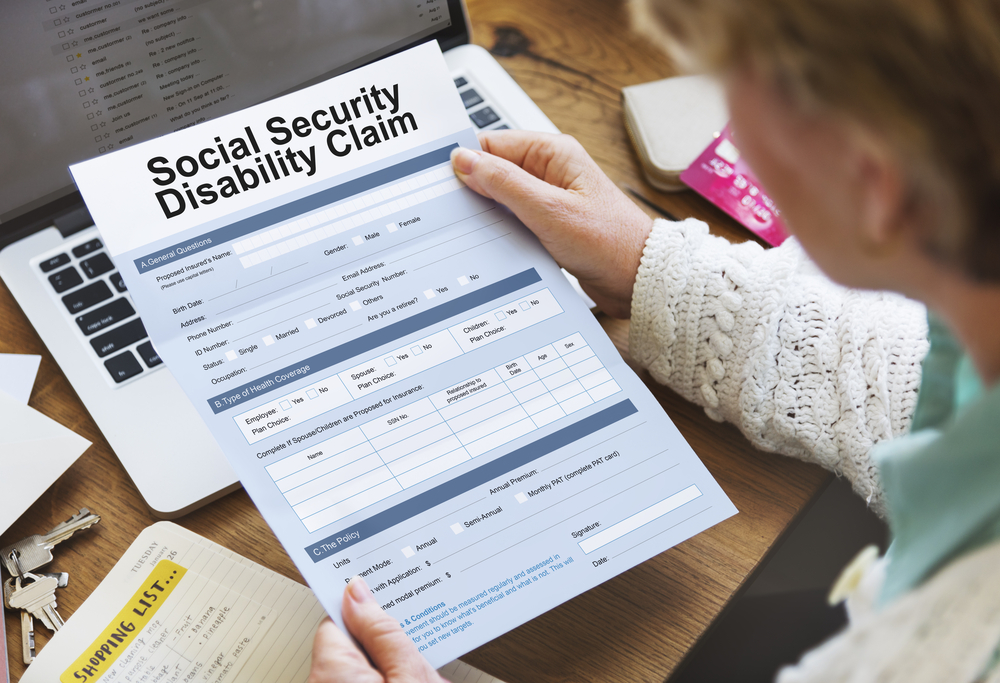
The disability tax credit has strict eligibility rules. A qualified medical practitioner must complete and sign the required form. Filing without an approved certification often leads to denial. The CRA reviews these claims closely because of their value. Keep copies of medical forms and correspondence. Renew documentation if your approval period expires. Only claim the credit once official confirmation is received. Errors in paperwork can delay processing for months. Accurate forms and complete records make approval smoother. Proper certification protects you from reassessment and frustration.
Reporting Round Numbers Across the Return
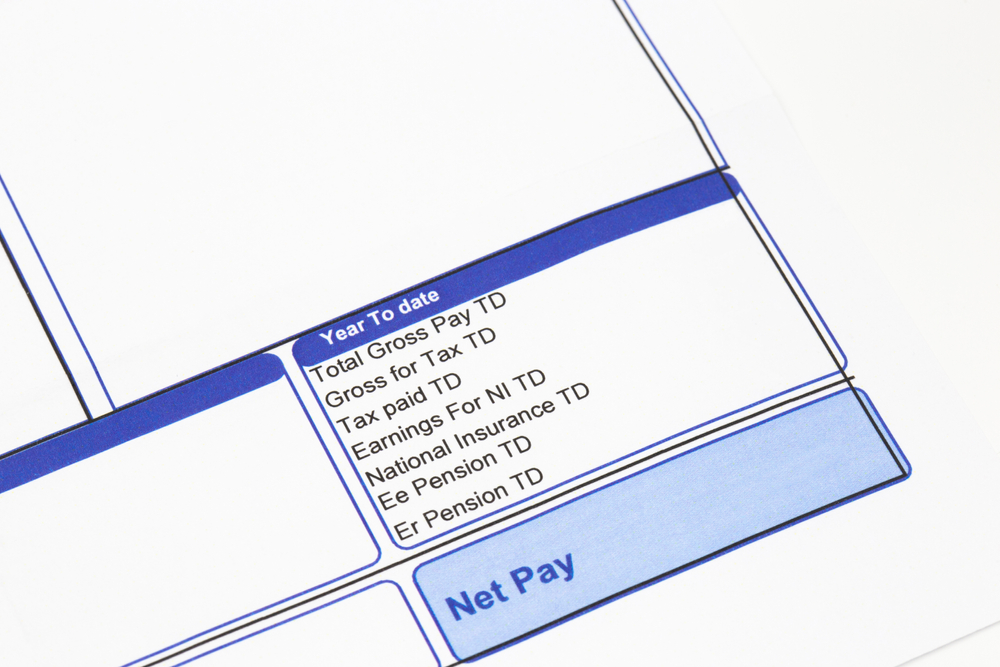
Tax slips rarely show perfectly round numbers. If many entries end in zeros, the return may appear estimated. The CRA’s systems compare reported amounts to submitted slips. Rounded figures can suggest guesswork instead of precise reporting. Use exact amounts from T4s, T5s, and other documents. Track expenses carefully throughout the year. Avoid estimating totals at filing time. Small inconsistencies can trigger automated reviews. Accurate data entry builds credibility with tax authorities. Precision signals care and reduces the chance of follow-up questions.
Inconsistent Information Between Slips and Return
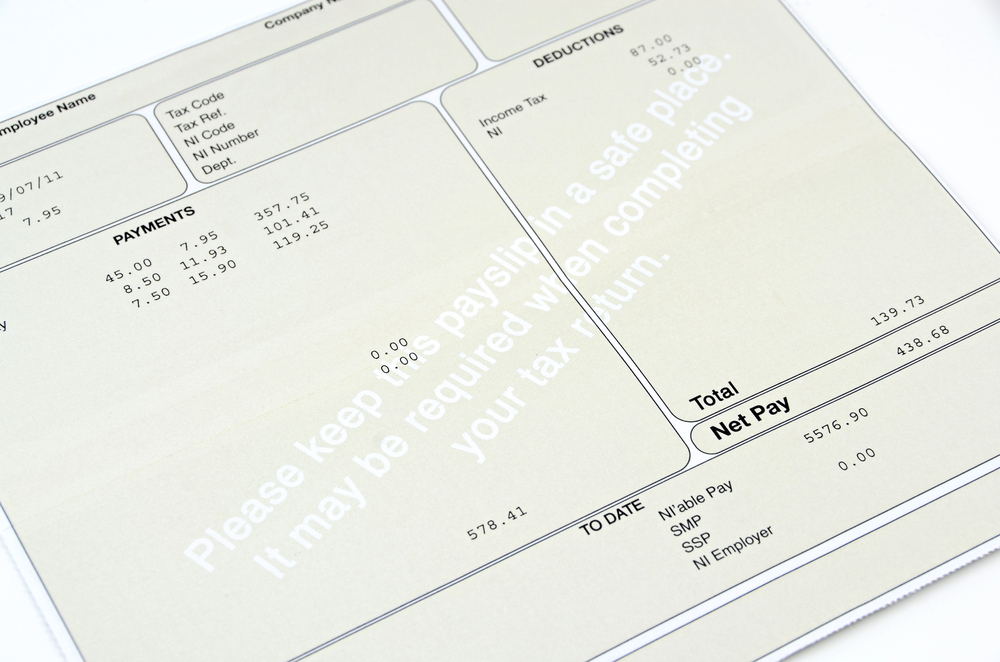
Employers, banks, and investment firms send copies of tax slips directly to the CRA. If the numbers on your return do not match those on your slips, a reassessment is likely. Even small differences can create delays. Review each form before entering amounts. Confirm that you included all income sources. Watch for duplicate entries or missed slips. Tax software can help, but manual checks still matter. Consistency across documents keeps your file clean. Careful comparison before filing reduces notices and unwanted corrections later.
22 Groceries to Grab Now—Before another Price Shock Hits Canada

Food prices in Canada have been steadily climbing, and another spike could make your grocery bill feel like a mortgage payment. According to Statistics Canada, food inflation remains about 3.7% higher than last year, with essentials like bread, dairy, and fresh produce leading the surge. Some items are expected to rise even further due to transportation costs, droughts, and import tariffs. Here are 22 groceries to grab now before another price shock hits Canada.
22 Groceries to Grab Now—Before another Price Shock Hits Canada
This Options Discord Chat is The Real Deal
While the internet is scoured with trading chat rooms, many of which even charge upwards of thousands of dollars to join, this smaller options trading discord chatroom is the real deal and actually providing valuable trade setups, education, and community without the noise and spam of the larger more expensive rooms. With a incredibly low-cost monthly fee, Options Trading Club (click here to see their reviews) requires an application to join ensuring that every member is dedicated and serious about taking their trading to the next level. If you are looking for a change in your trading strategies, then click here to apply for a membership.