35,000+ smart investors are already getting financial news, market signals, and macro shifts in the economy that could impact their money next with our FREE weekly newsletter. Get ahead of what the crowd finds out too late. Click Here to Subscribe for FREE.
Canada is known for wide open spaces, but not every stunning landscape is open to the public. Some areas protect fragile ecosystems. Others sit on military land or Indigenous territory. A few are restricted for safety or scientific research. That does not mean they are impossible to visit. It simply means access takes planning, paperwork, and patience. From Arctic parks to abandoned islands, these locations require special approval before you go. Here are 14 ‘forbidden’ Canadian spots you can only visit with a permit.
Sable Island, Nova Scotia
14 ‘Forbidden’ Canadian Spots You Can Only Visit with a Permit (And How People Get Access)
- Sable Island, Nova Scotia
- Nahanni National Park Reserve Backcountry, Northwest Territories
- Torngat Mountains National Park, Labrador
- Canadian Forces Base Suffield National Wildlife Area, Alberta
- Oak Island, Nova Scotia
- Ellesmere Island’s Quttinirpaaq National Park, Nunavut
- Machias Seal Island, New Brunswick
- The Queen Charlotte Islands’ SGang Gwaay, British Columbia
- The McLean Creek Off-Highway Vehicle Area, Alberta Restricted Zones
- Prince Edward Point National Wildlife Area, Ontario Restricted Sections
- Churchill Northern Studies Centre Research Areas, Manitoba
- Grasslands National Park Ecological Reserves, Saskatchewan
- Grosse Île and the Irish Memorial National Historic Site, Quebec Restricted Areas
- Banff National Park Research Zones, Alberta
- 22 Groceries to Grab Now—Before another Price Shock Hits Canada
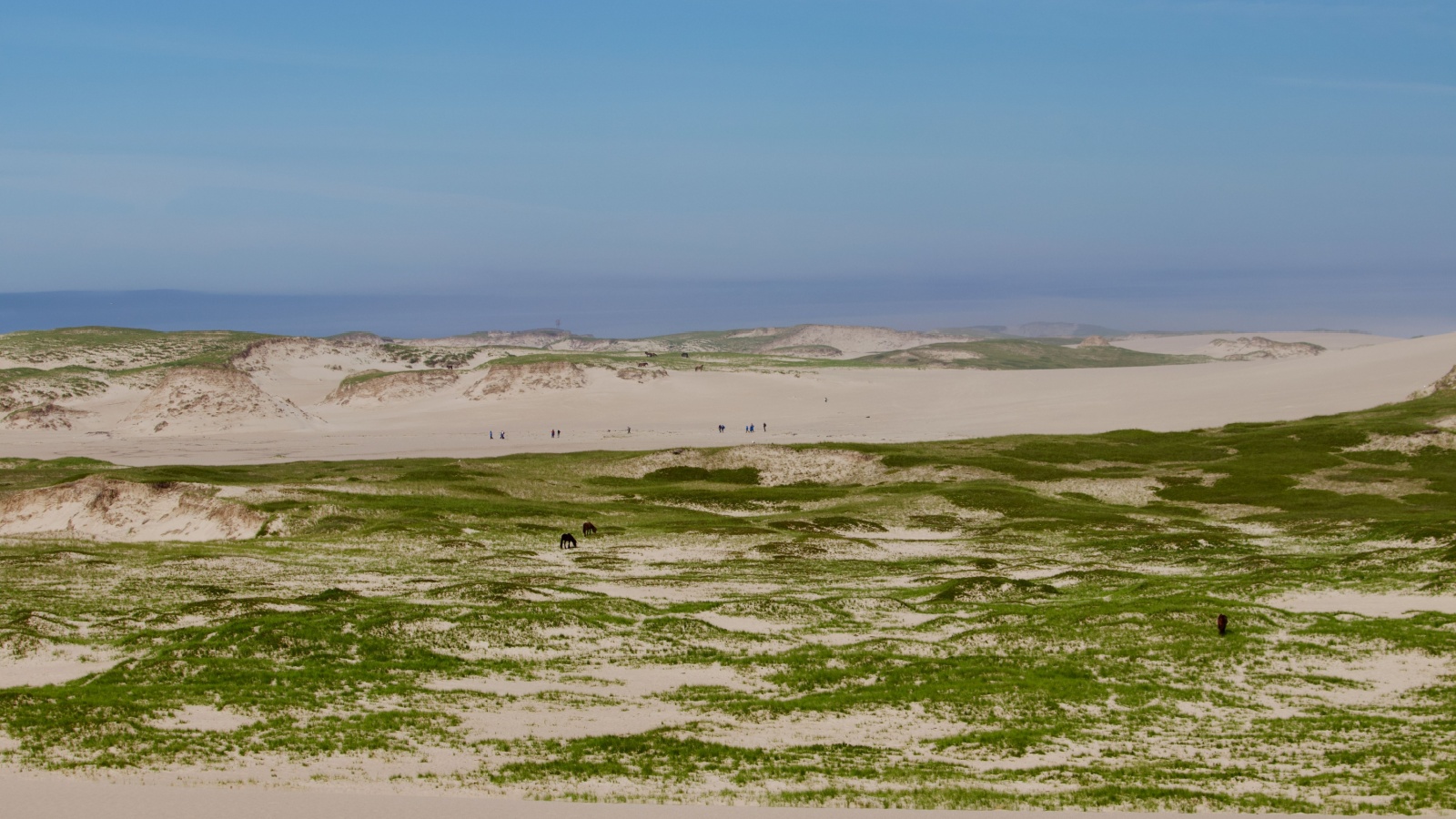
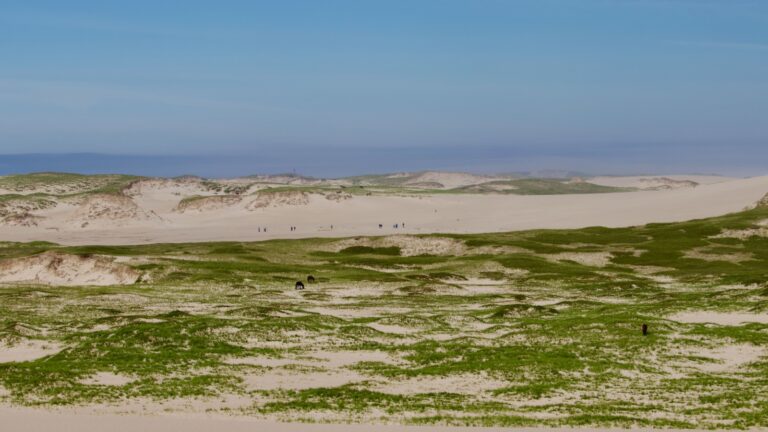
Sable Island sits about 300 kilometers off Nova Scotia’s coast. It is famous for wild horses and shifting sand dunes. The island is protected as a national park reserve. Visitor numbers stay tightly controlled each year. Most people arrive by chartered plane or boat. Access requires advance approval from Parks Canada. You must show proof of travel arrangements and safety planning. Independent trips are rare and expensive. Guided tours operate during specific months. Researchers also apply for permits tied to conservation work. Approval often depends on environmental impact and seasonal wildlife concerns.
Nahanni National Park Reserve Backcountry, Northwest Territories

Nahanni National Park Reserve covers vast wilderness in the Northwest Territories. Much of it remains roadless and remote. Backcountry travel requires a permit from Parks Canada. Visitors must register their route and emergency plan. River trips along the South Nahanni River are popular. Outfitters often handle paperwork for guided groups. Independent paddlers apply months in advance. Park staff limit numbers to protect wildlife habitats. Helicopter access requires extra coordination. Weather changes quickly in this region. Applicants must show experience in remote travel. Permits help manage risk and preserve sensitive landscapes.
Torngat Mountains National Park, Labrador
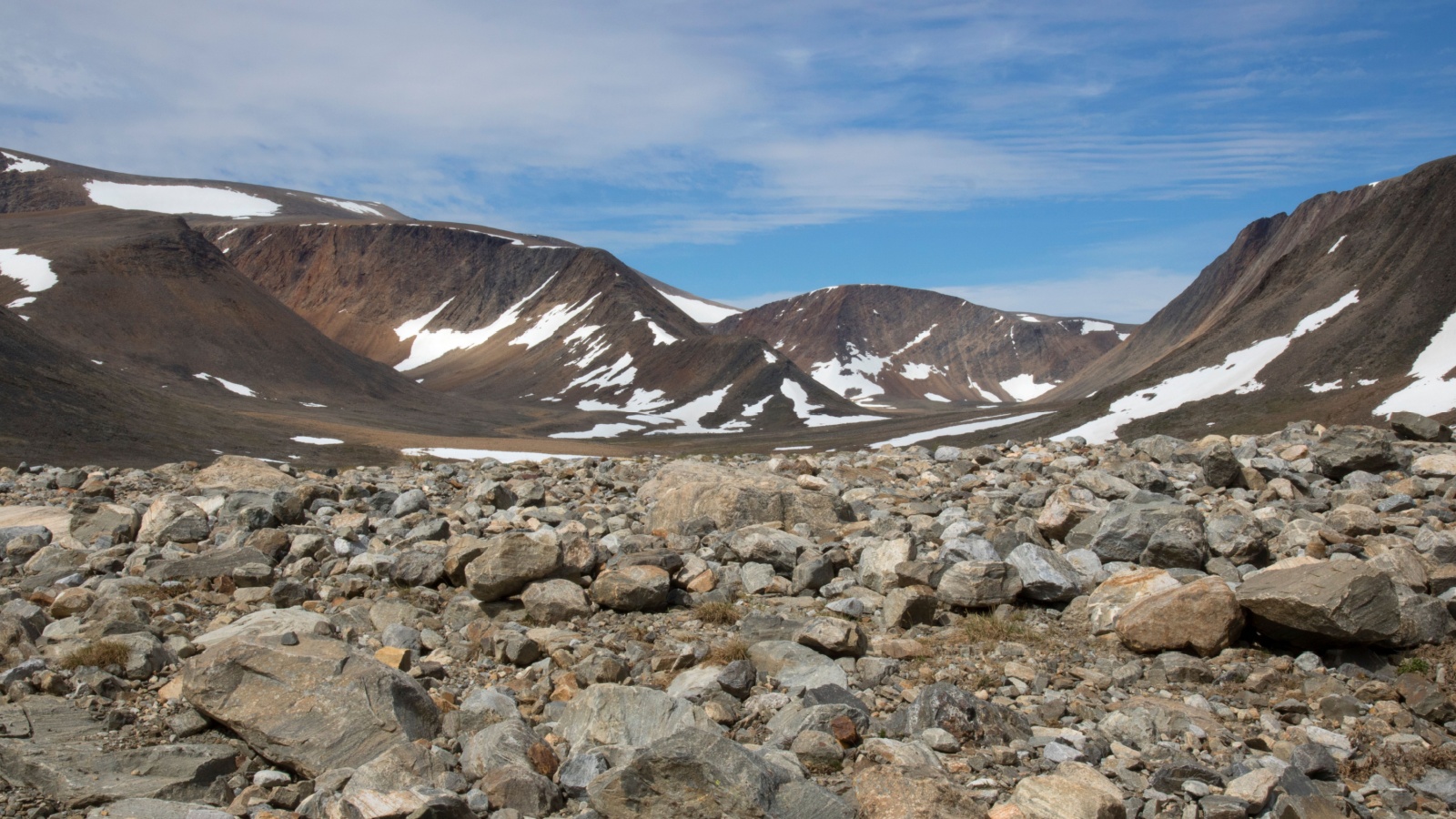
The Torngat Mountains lie in northern Labrador. The park has no public roads or casual access. Visitors must book through Parks Canada’s base camp program. Travel usually involves charter flights from nearby communities. Inuit guides lead most excursions. Permits include safety briefings and wildlife awareness training. Polar bears roam the coastline. Cultural respect also shapes the approval process. Local Inuit organizations play a key role in management. Visitors register their itineraries and emergency contacts. Trips operate in short summer windows. Access depends on logistics, cost, and community coordination.
Canadian Forces Base Suffield National Wildlife Area, Alberta
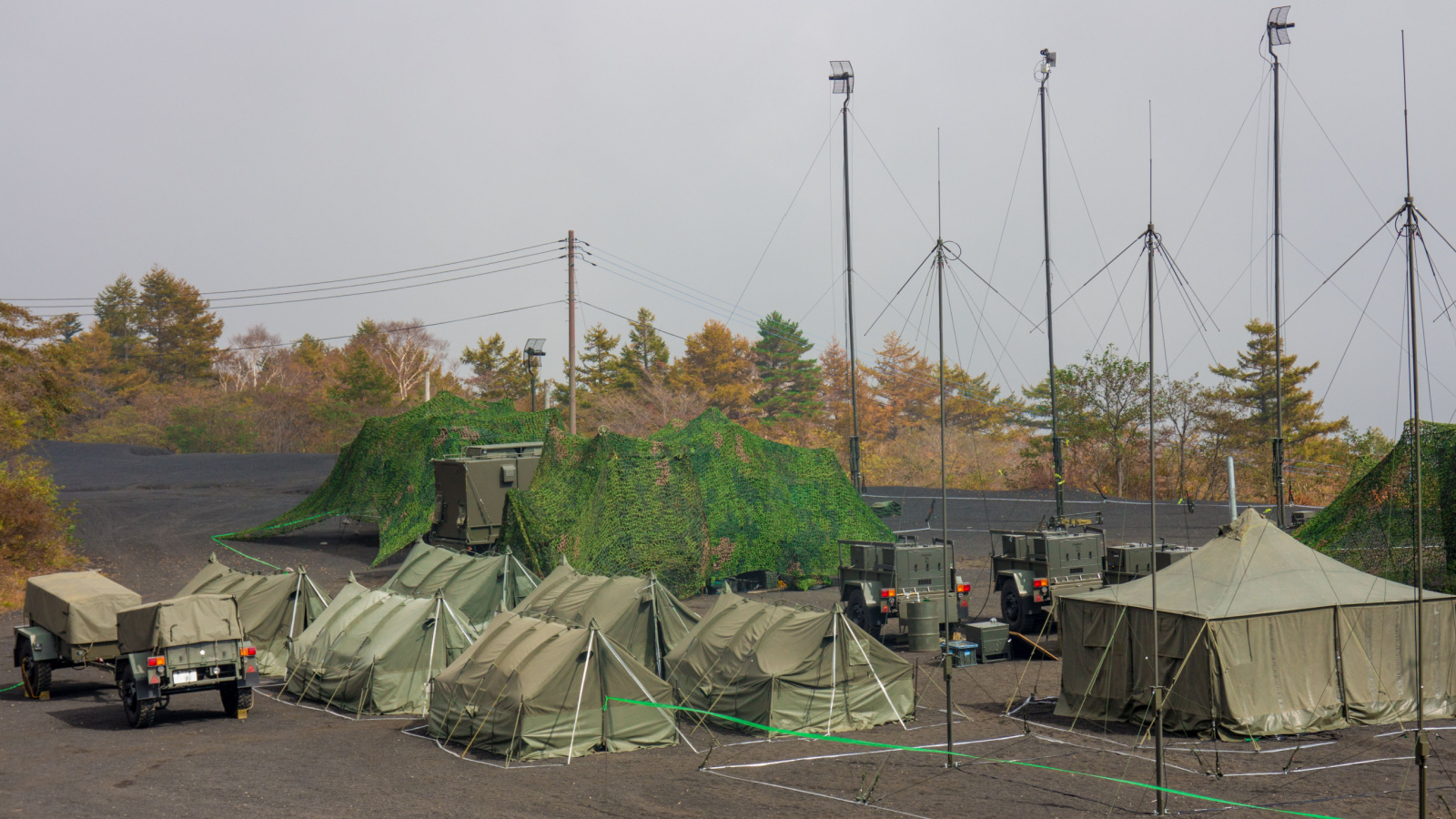
This restricted wildlife area sits inside a military base in Alberta. The landscape supports rare prairie species. Public access is limited to guided tours and research visits. Visitors apply through Environment and Climate Change Canada. Security checks may be required. Tours run only on certain dates. Photography rules can apply in specific zones. Researchers submit formal proposals outlining their work. Military operations take priority at all times. Permit approval depends on safety clearance and environmental impact. Casual visits are not allowed without prior authorization and coordination.
Oak Island, Nova Scotia
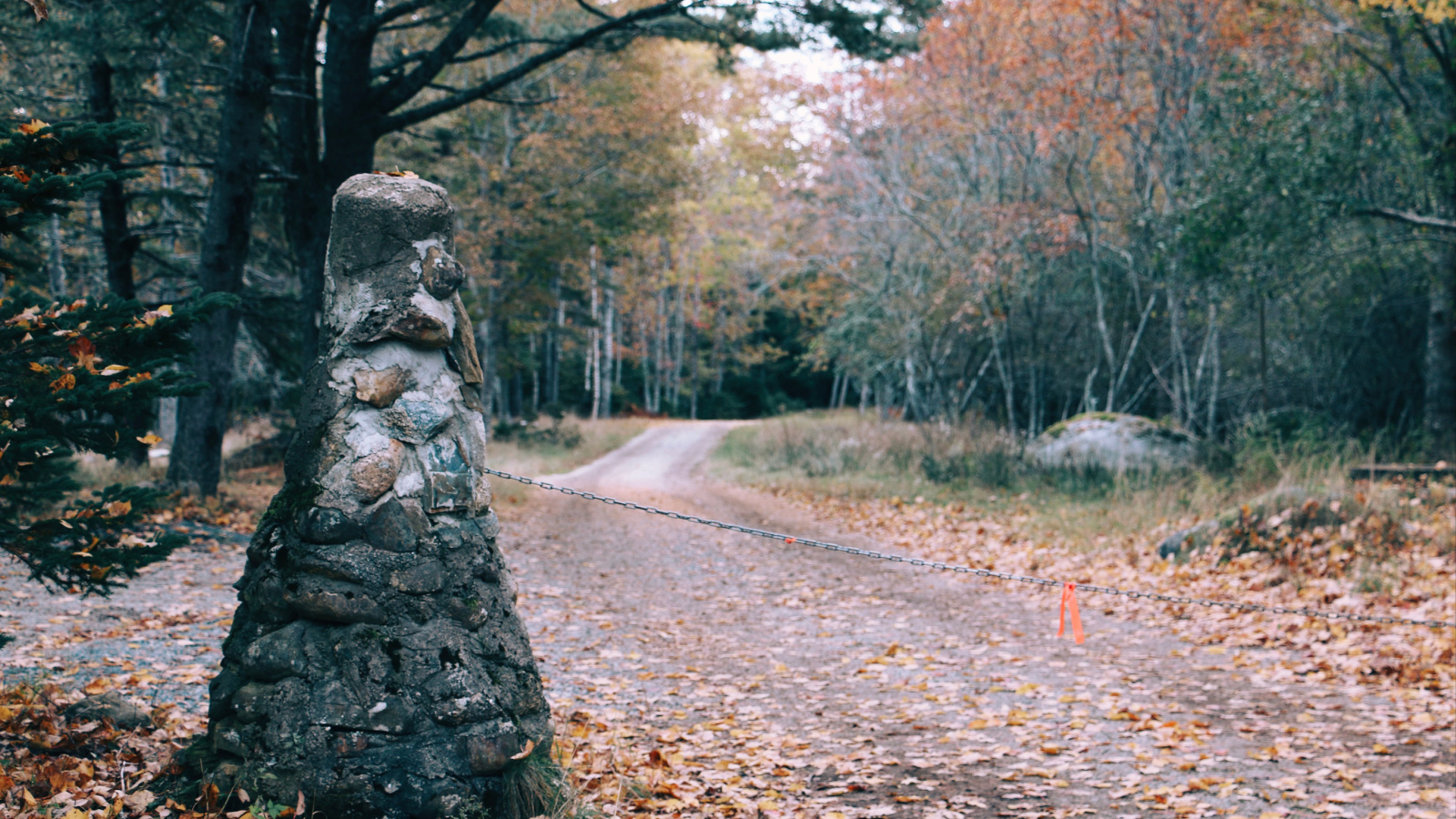
Oak Island is known for long-running treasure hunts. The island is privately owned. Access is controlled by the current property holders. Casual visitors cannot wander freely. Guided tours operate during select seasons. Tickets often sell out quickly. Anyone seeking extended access must contact the owners directly. Researchers and media teams request permission in writing. Liability waivers usually form part of the approval. Some areas remain off limits due to ongoing excavation. Permit access depends on scheduling and site safety. Curiosity alone does not grant entry.

Quttinirpaaq National Park sits near the northern tip of Canada. It is one of the least-visited parks in the country. Travelers must obtain a Parks Canada permit. Flights to Resolute Bay form the first step. From there, charter planes reach the park. Visitors submit detailed travel plans. Bear safety equipment is mandatory. Weather delays are common in this region. Independent hikers often hire local outfitters. Permits limit the number of seasonal visitors. Access focuses on protecting Arctic ecosystems. Preparation and cost discourage spontaneous travel.
Machias Seal Island, New Brunswick
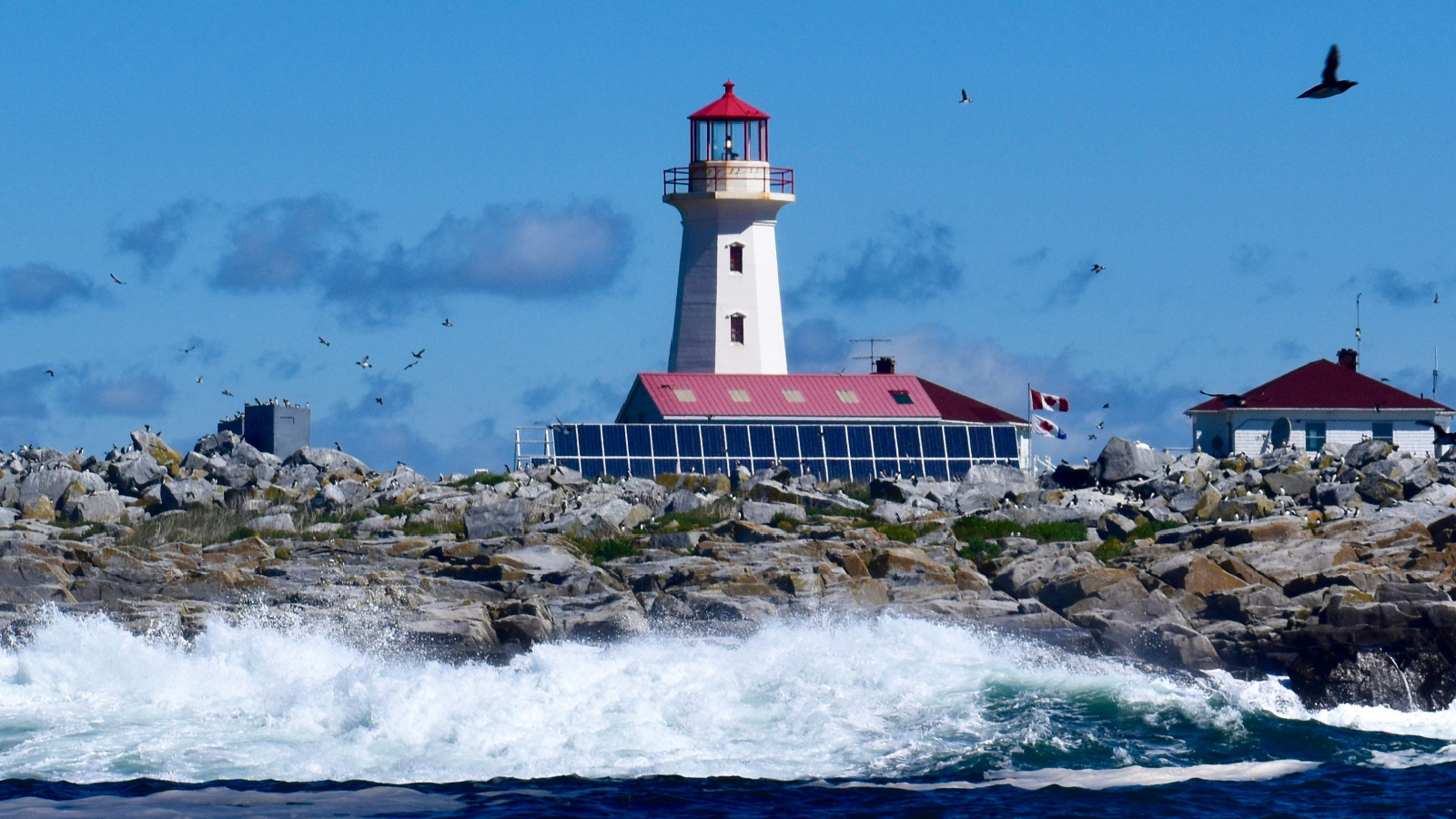
Machias Seal Island lies in disputed waters between Canada and the United States. It hosts a large puffin colony. Access requires booking through licensed tour operators. The island falls under Canadian administration. Visitors cannot explore without an approved guide. Trips run during nesting season only. Time ashore is brief and supervised. Conservation rules restrict movement near bird habitats. The government permits limit daily visitors. Researchers apply separately for extended stays. Approval balances tourism and wildlife protection. Walk-on visits are not permitted under any circumstances.
The Queen Charlotte Islands’ SGang Gwaay, British Columbia
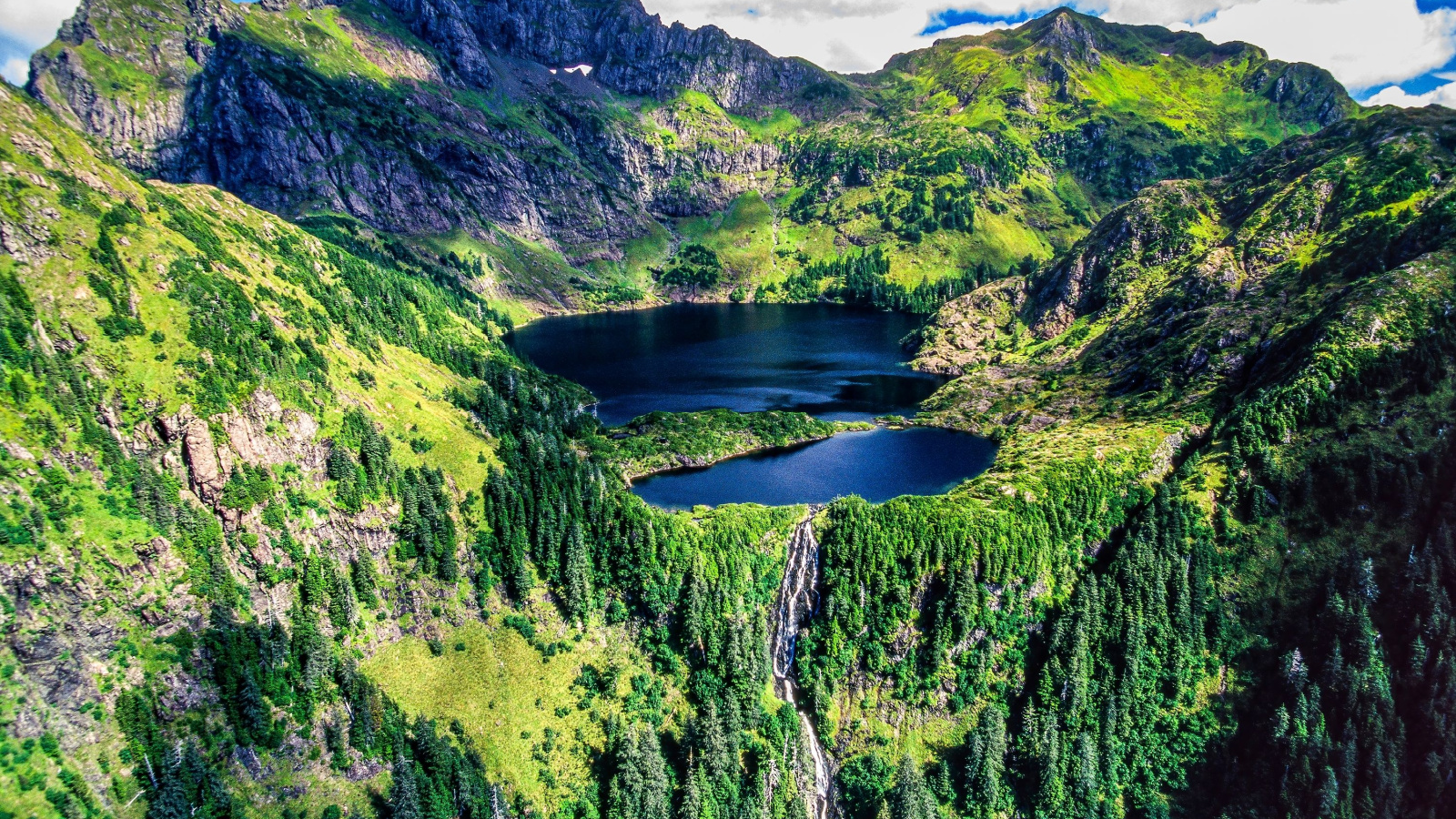
SGang Gwaay sits within Gwaii Haanas National Park Reserve. The site preserves Haida village remains. Access requires a Parks Canada permit. Visitors must arrive by boat or floatplane. Certified guides accompany all groups. Numbers are capped each day. Cultural protocols shape the visitor experience. Fees support conservation and monitoring. Tour companies often secure permits in advance. Independent travelers apply through official channels. Overnight stays face strict limits. Approval depends on seasonal quotas and weather conditions. The goal is long-term preservation of heritage structures.
The McLean Creek Off-Highway Vehicle Area, Alberta Restricted Zones
McLean Creek allows off-highway vehicle recreation in Alberta. Certain sections close seasonally for wildlife protection. Riders must follow provincial permit systems. Registration with Alberta Parks may apply. Enforcement officers monitor compliance. Access to restricted zones depends on current conditions. Notices are updated throughout the year. Some areas reopen after environmental assessments. Violations can lead to fines or bans. Organized events require special authorization. Participants submit safety and environmental plans. Permits help manage erosion and habitat damage. Entry rules change based on conservation priorities.
Prince Edward Point National Wildlife Area, Ontario Restricted Sections

Prince Edward Point supports migratory birds along Lake Ontario. Some areas close during nesting season. Public entry beyond marked trails requires permits. Environment and Climate Change Canada manages approvals. Researchers and bird banding teams apply regularly. Applications outline the purpose and duration of visits. Visitor access may be denied during sensitive periods. Guided programs operate under supervision. Fines apply for unauthorized entry. Seasonal closures protect fragile habitats. Permits allow controlled research and monitoring work. Casual exploration beyond public zones is not allowed.
Churchill Northern Studies Centre Research Areas, Manitoba

The Churchill Northern Studies Centre supports Arctic research. Surrounding lands host polar bears and rare species. Public tours are limited and scheduled. Extended access requires research permits. Applicants submit proposals explaining scientific goals. Approval depends on available space and safety planning. Wildlife training forms part of orientation. Some zones remain restricted year-round. Researchers coordinate with provincial authorities. Visitors follow strict environmental guidelines. Numbers remain small to reduce impact. Access depends on research value and logistical support capacity.
Grasslands National Park Ecological Reserves, Saskatchewan

Grasslands National Park protects prairie ecosystems. Certain ecological reserves remain closed to general visitors. Scientists study rare plants and reptiles there. Entry requires Parks Canada authorization. Applicants describe research methods and timelines. Access may involve guided supervision. Seasonal closures protect breeding species. Park officials review environmental impact carefully. Permits often limit group size. Visitors must follow strict Leave No Trace practices. Casual hiking outside designated trails is prohibited. Controlled access helps preserve fragile prairie landscapes for long-term study.
Grosse Île and the Irish Memorial National Historic Site, Quebec Restricted Areas
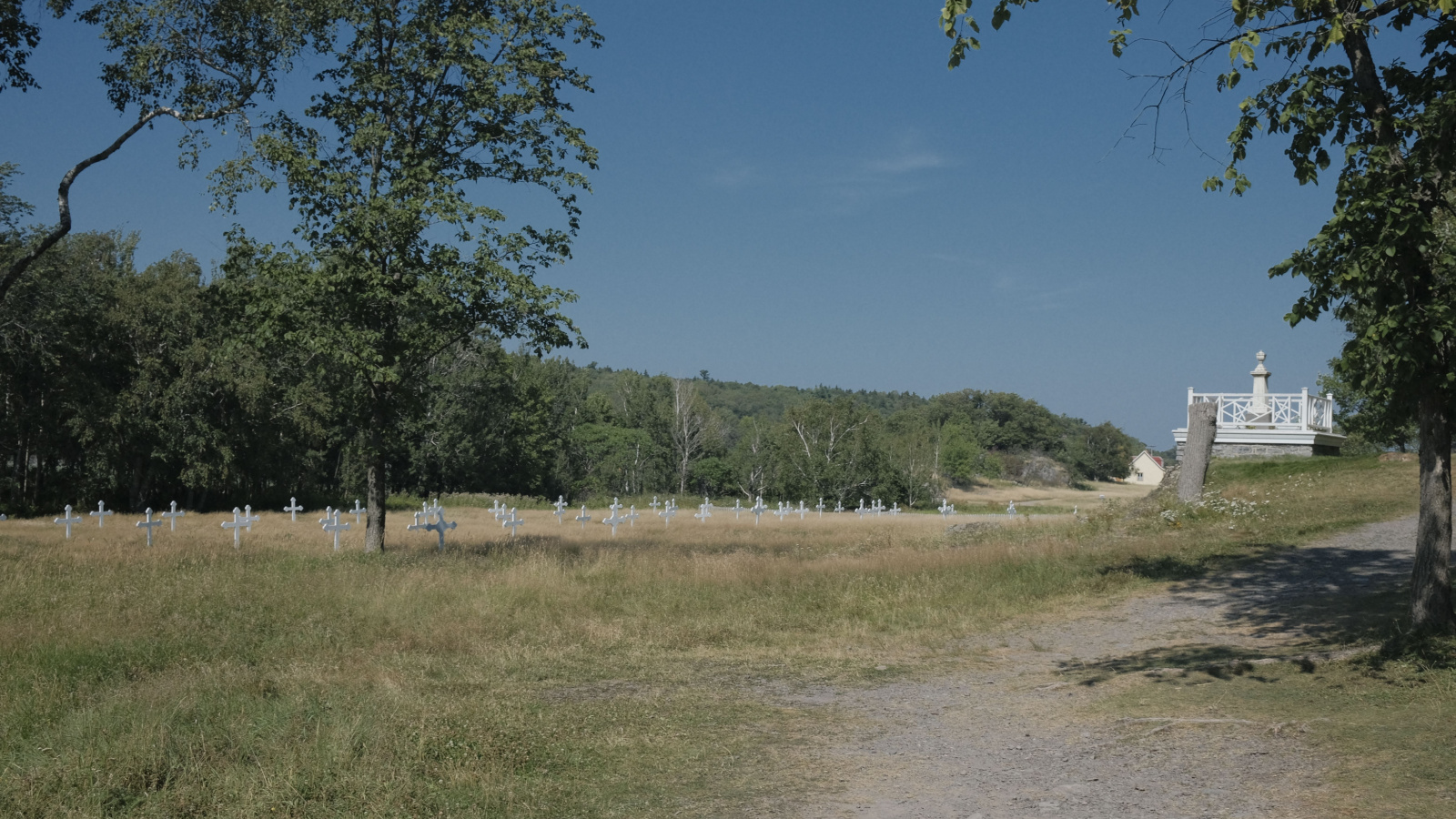
Grosse Île served as an immigration quarantine station. The island now operates as a historic site. Some buildings remain closed to the public. Access to restricted sections requires special permission. Parks Canada reviews requests on a case-by-case basis. Researchers studying medical history apply formal methods. Structural safety limits open areas. Guided tours operate in designated zones. Overnight stays are not permitted. Permits depend on restoration work schedules. Safety rules shape visitor movement. Approval focuses on preserving and protecting aging structures.
Banff National Park Research Zones, Alberta

Banff National Park includes research and wildlife corridors. These zones restrict public access. Scientists monitor animal movement and vegetation recovery in the area. Entry requires Parks Canada permits. Applications explain research goals and methods. Filmmakers sometimes request special authorization. Approval depends on environmental impact reviews. Seasonal wildlife activity affects decisions. Visitors must follow strict guidelines. Violations can lead to fines. General tourists cannot enter without clearance. Permits protect sensitive habitats from disturbance. Controlled access supports long-term conservation efforts.
22 Groceries to Grab Now—Before another Price Shock Hits Canada

Food prices in Canada have been steadily climbing, and another spike could make your grocery bill feel like a mortgage payment. According to Statistics Canada, food inflation remains about 3.7% higher than last year, with essentials like bread, dairy, and fresh produce leading the surge. Some items are expected to rise even further due to transportation costs, droughts, and import tariffs. Here are 22 groceries to grab now before another price shock hits Canada.
22 Groceries to Grab Now—Before another Price Shock Hits Canada
This Options Discord Chat is The Real Deal
While the internet is scoured with trading chat rooms, many of which even charge upwards of thousands of dollars to join, this smaller options trading discord chatroom is the real deal and actually providing valuable trade setups, education, and community without the noise and spam of the larger more expensive rooms. With a incredibly low-cost monthly fee, Options Trading Club (click here to see their reviews) requires an application to join ensuring that every member is dedicated and serious about taking their trading to the next level. If you are looking for a change in your trading strategies, then click here to apply for a membership.