35,000+ smart investors are already getting financial news, market signals, and macro shifts in the economy that could impact their money next with our FREE weekly newsletter. Get ahead of what the crowd finds out too late. Click Here to Subscribe for FREE.
Food recalls in Canada happen more often than many people realize. Some involve undeclared allergens. Others relate to bacterial contamination or foreign materials. The Canadian Food Inspection Agency regularly posts alerts, but most people only hear about major cases. Smaller recalls can still affect items sitting in your fridge or pantry. Checking product names, lot codes, and best-before dates matters. Here are 18 recent food recalls in Canada: What to check at home right now.
Frozen Strawberries Linked to Hepatitis A
18 Recent Food Recalls in Canada: What to Check at Home Right Now
- Frozen Strawberries Linked to Hepatitis A
- Bagged Salads Due to Listeria Risk
- Ground Beef for E. coli Concerns
- Peanut Butter with Undeclared Allergens
- Infant Formula Powder Contamination
- Deli Meats for Listeria Presence
- Frozen Chicken Nuggets Recall
- Chocolate Bars with Undeclared Milk
- Soft Cheeses for E. coli Risk
- Smoked Salmon with Listeria
- Flour for E. coli Contamination
- Ready-to-Eat Sandwiches Recall
- Plant-Based Burgers for Allergen Issues
- Imported Spices with Salmonella
- Energy Drinks with Excess Caffeine
- Frozen Vegetables for Listeria
- Protein Bars with Undeclared Peanuts
- Canned Soup for Foreign Material
- 22 Groceries to Grab Now—Before another Price Shock Hits Canada

Several brands of frozen strawberries were recalled due to possible hepatitis A contamination. These berries were sold in large bags at major grocery chains. The recall affected specific lot codes and best-before dates. Many people use frozen fruit in smoothies, making this a common household item. Hepatitis A can cause fatigue, nausea, and jaundice. The virus survives freezing temperatures. Check your freezer for unopened or partially used bags. Compare product codes with recall notices on the Canadian Food Inspection Agency website. Discard affected products immediately. Clean surfaces that may have touched the fruit.
Bagged Salads Due to Listeria Risk
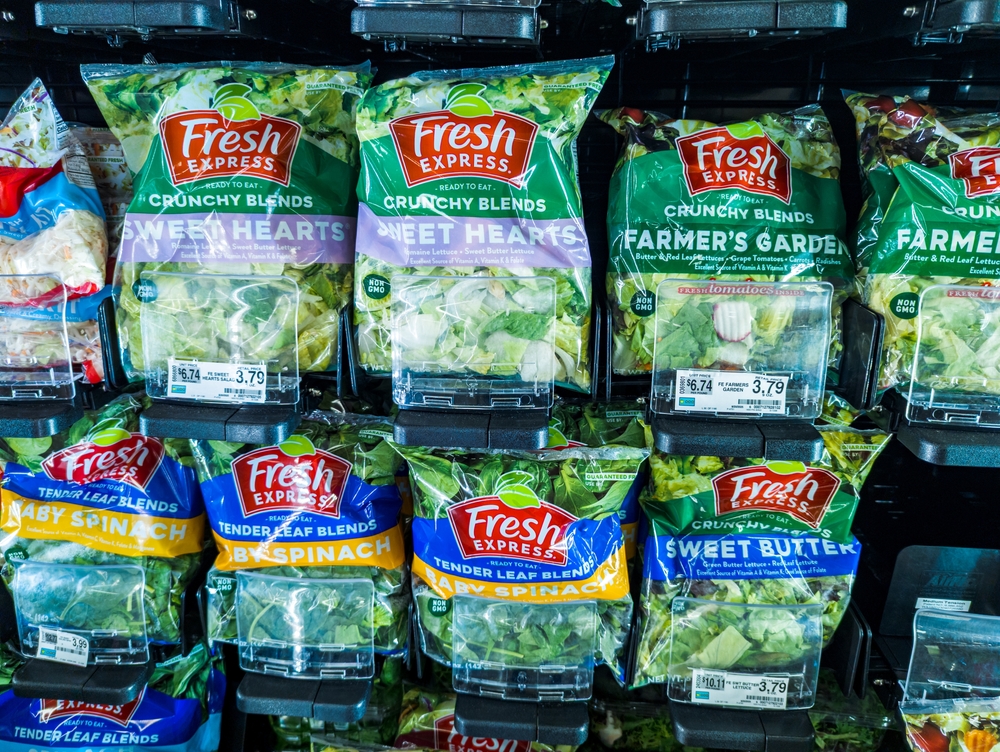
Pre-packaged salad kits were pulled after possible Listeria contamination. The affected products included Caesar and mixed greens varieties. Listeria can grow even in refrigerated conditions. Pregnant women, seniors, and people with weak immune systems face a higher risk. Symptoms may include fever and muscle aches. Check brand names and production dates on your salad packaging. Some products were distributed nationwide. Even unopened bags should not be consumed if recalled. Throw them out in sealed garbage bags. Wash refrigerator shelves where the salad may have been stored.
Ground Beef for E. coli Concerns
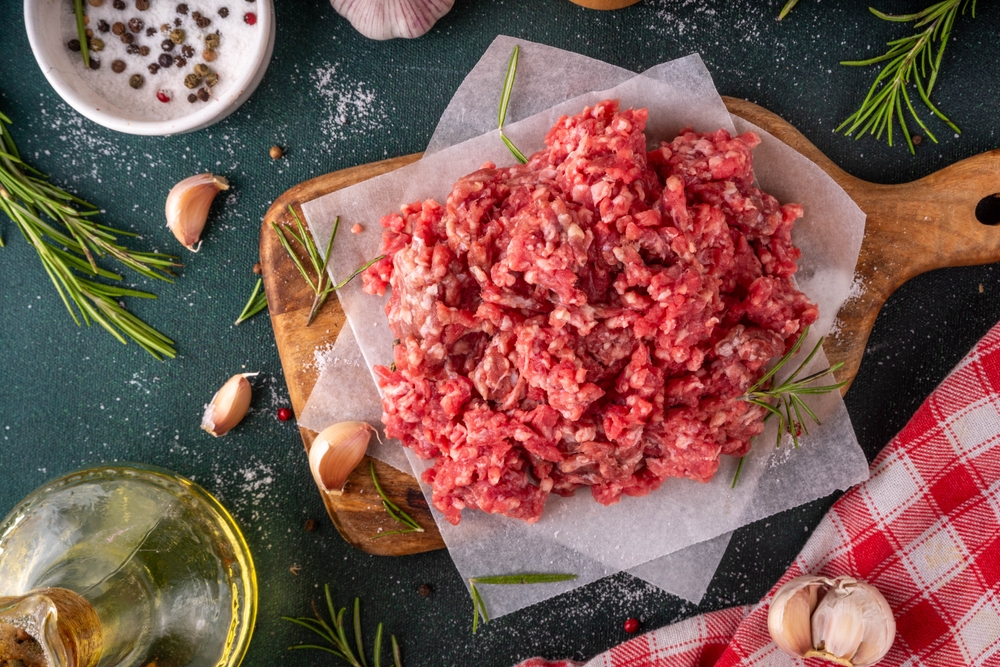
Fresh and frozen ground beef products were recalled due to E. coli O157:H7. This strain can cause severe stomach cramps and bloody diarrhea. Some cases lead to kidney complications. The recall included family-sized packs sold at regional grocery stores. Check your freezer for wrapped portions bought in bulk. Compare establishment numbers and packaging dates. Cooking beef thoroughly reduces risk, but contaminated products should still be discarded. Clean cutting boards and utensils used for raw meat. Watch for symptoms if the beef was consumed recently.
Peanut Butter with Undeclared Allergens
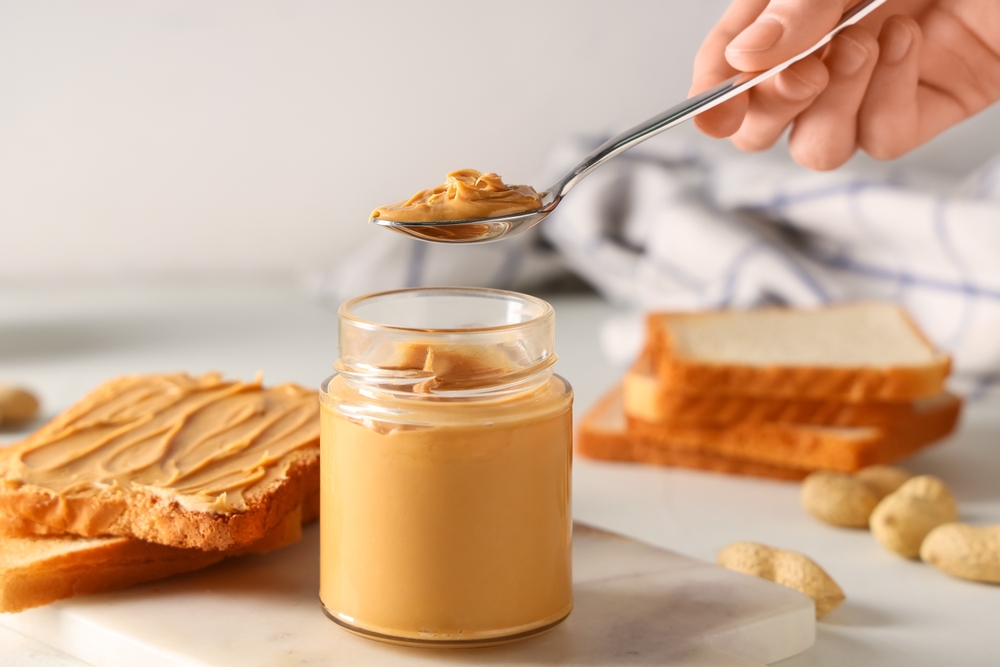
Certain peanut butter brands were recalled for undeclared tree nuts. This poses a serious risk to people with allergies. Labels did not list almonds processed on shared equipment. Cross-contamination can trigger severe reactions. Check jar size, brand name, and production codes printed near the lid. Many jars remain in cupboards for months. Even small amounts can cause anaphylaxis. Return recalled jars to the store for a refund if possible. Wipe down pantry shelves to remove residue. Always review updated allergy alerts online.
Infant Formula Powder Contamination
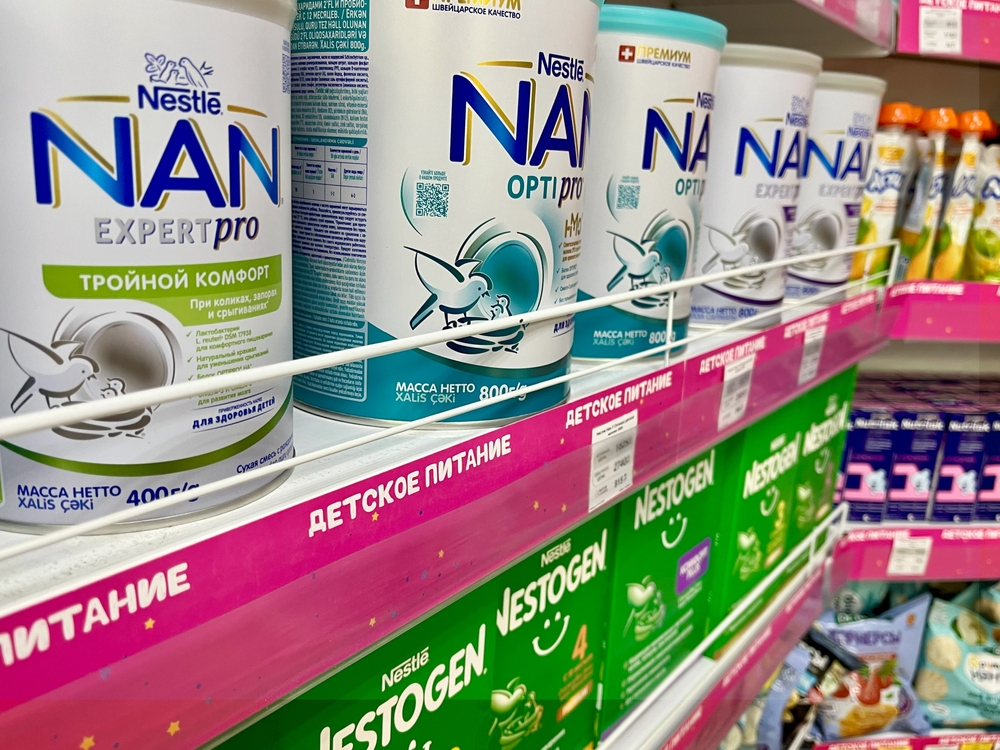
Specific batches of powdered infant formula were recalled after possible bacterial contamination. Cronobacter infections are rare but dangerous for infants. Symptoms can include fever and poor feeding. Parents should verify the lot numbers printed on the bottom of containers. The affected formula was sold both online and in stores. If you have an unopened container from the listed batch, do not use it. Contact the manufacturer for replacement instructions. Sterilize bottles and feeding equipment if the recalled formula was prepared at home. Monitor infants closely for signs of illness.
Deli Meats for Listeria Presence

Packaged deli meats were recalled following positive tests for Listeria. The products included sliced turkey and ham. These meats are often used in sandwiches without further cooking. Listeria can cause serious infection in vulnerable individuals. Check best-before dates and plant codes printed on labels. Many packages look similar across brands. Even if the smell seems normal, do not rely on appearance. Discard recalled meats promptly. Clean refrigerator drawers and surfaces. Watch for flu-like symptoms if consumed recently.
Frozen Chicken Nuggets Recall
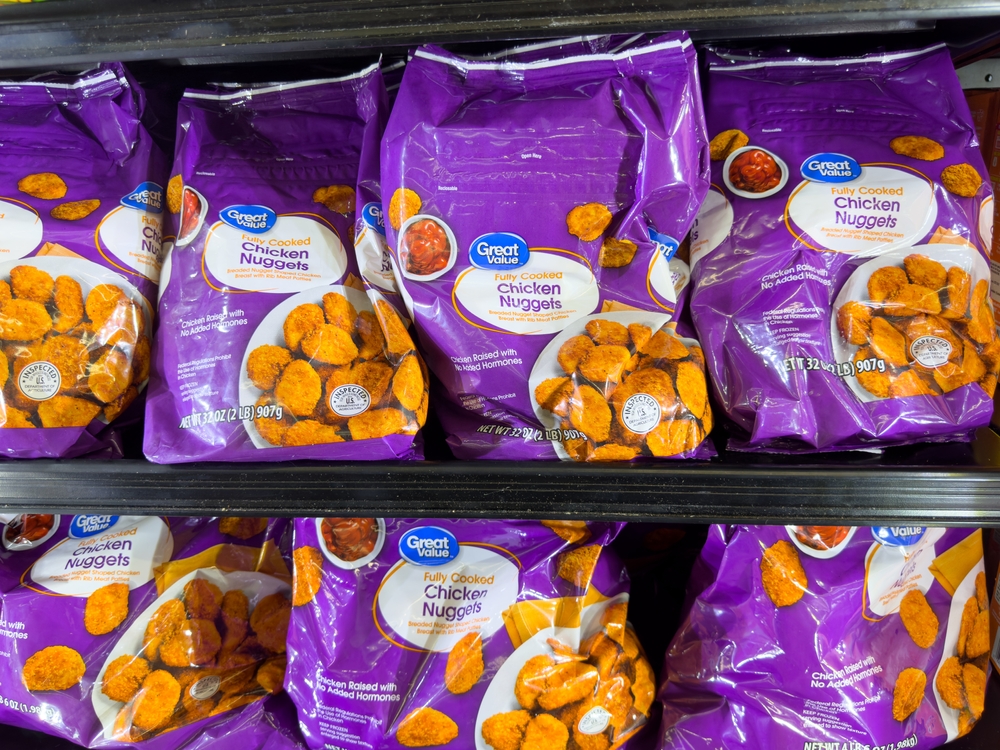
Several frozen chicken nugget products were removed due to possible Salmonella contamination. These items were sold in family-sized boxes. Salmonella can cause diarrhea, fever, and cramps. Young children face a higher risk of dehydration. Check brand names and lot numbers printed on box flaps. Freezers often store these products for weeks. Do not taste test partially cooked nuggets. Throw away affected packages immediately. Wash your hands after handling packaging. Sanitize freezer surfaces where boxes were stored.
Chocolate Bars with Undeclared Milk

Certain imported chocolate bars were recalled for undeclared milk ingredients. This poses a danger to people with dairy allergies. The labels failed to mention milk solids in the recipe. These bars were sold in specialty stores and online shops. Check packaging for country of origin and production codes. Even small snack items can trigger reactions. If you purchased these bars recently, review recall notices carefully. Return unopened products if possible. Dispose of opened bars safely. Inform anyone in your household with allergies.
Soft Cheeses for E. coli Risk
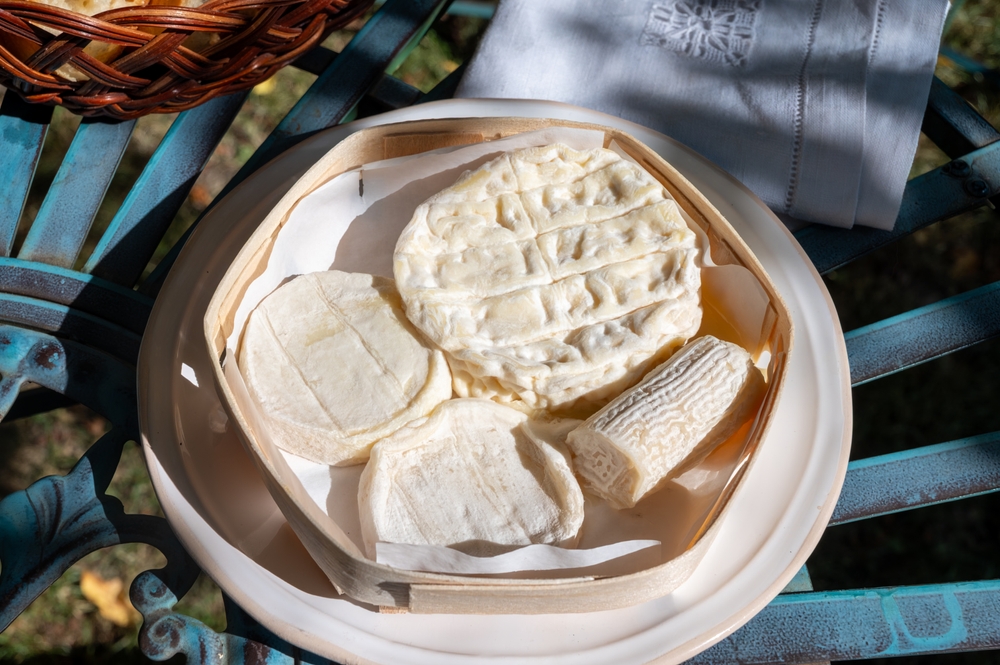
Soft cheeses made from raw milk were recalled after E. coli contamination was detected. These cheeses were sold at farmers’ markets and boutique stores. Raw milk products carry a higher bacterial risk. Symptoms include stomach pain and vomiting. Check packaging labels or receipts for product names. Some cheeses were sold without detailed labeling. Contact the vendor if unsure. Do not consume any remaining portions. Clean cutting boards and knives used with the cheese. Refrigerate similar products properly.
Smoked Salmon with Listeria

Pre-sliced smoked salmon products were recalled due to possible Listeria contamination. These products were sold refrigerated and vacuum sealed. Smoked fish is often eaten without additional cooking. Listeria survives cold storage conditions. Check the lot codes printed near the seal edge. The affected products were distributed in several provinces. If found in your fridge, do not taste test. Discard immediately and wash your hands thoroughly. Clean refrigerator shelves. Pregnant individuals should be especially cautious.
Flour for E. coli Contamination
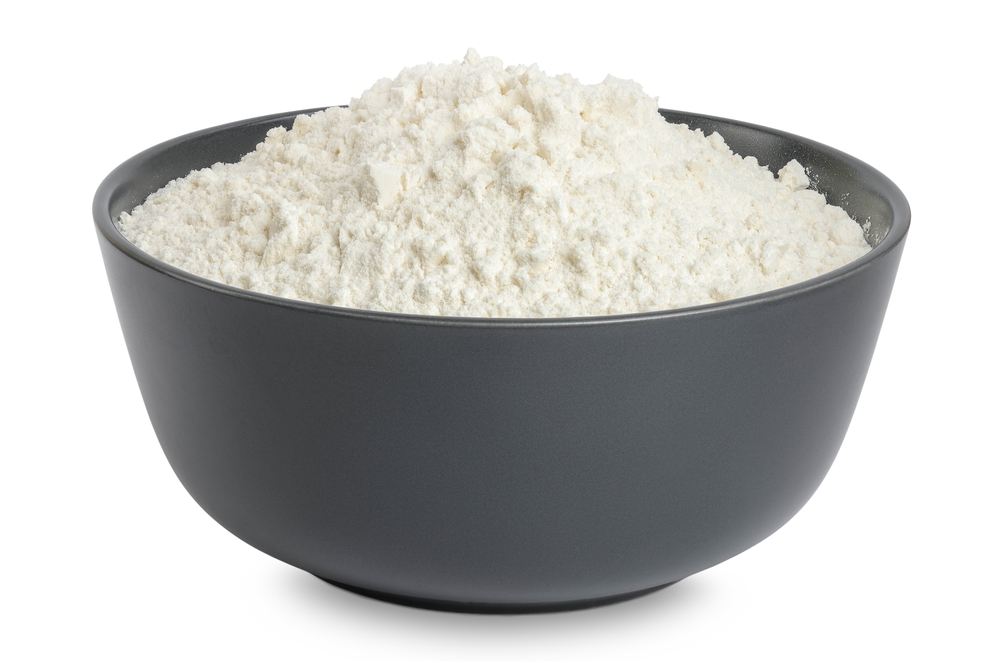
All-purpose flour brands were recalled after E. coli was detected during testing. Raw flour can carry bacteria because it is not heat-treated. Many people taste raw dough, increasing the risk. Check your pantry for specific lot codes and package sizes. Flour often stays unopened for months. Discard recalled bags in sealed garbage. Wipe down shelves to remove loose particles. Wash your hands after handling. Avoid eating raw dough or batter made with flour.
Ready-to-Eat Sandwiches Recall
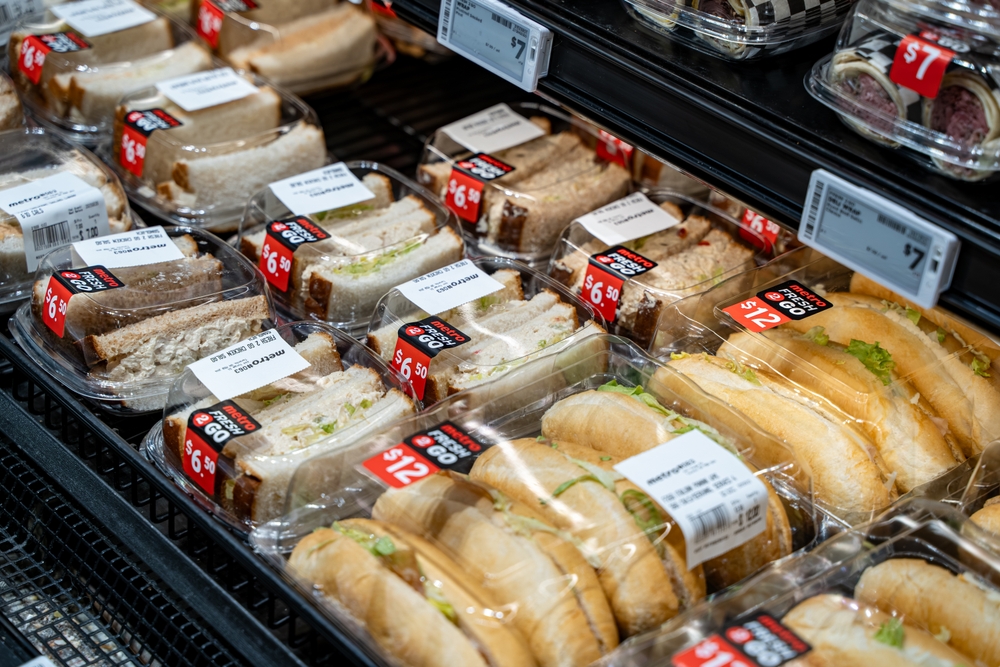
Pre-made sandwiches sold at convenience stores were recalled due to Listeria risk. These included chicken salad and egg salad varieties. Ready-to-eat foods require no reheating, increasing exposure risk. Check sell-by dates on packaging. Many sandwiches were distributed through vending machines. Discard any remaining products immediately. Clean surfaces that may have contacted packaging. Watch for symptoms such as fever or nausea. Report illness to healthcare providers.
Plant-Based Burgers for Allergen Issues
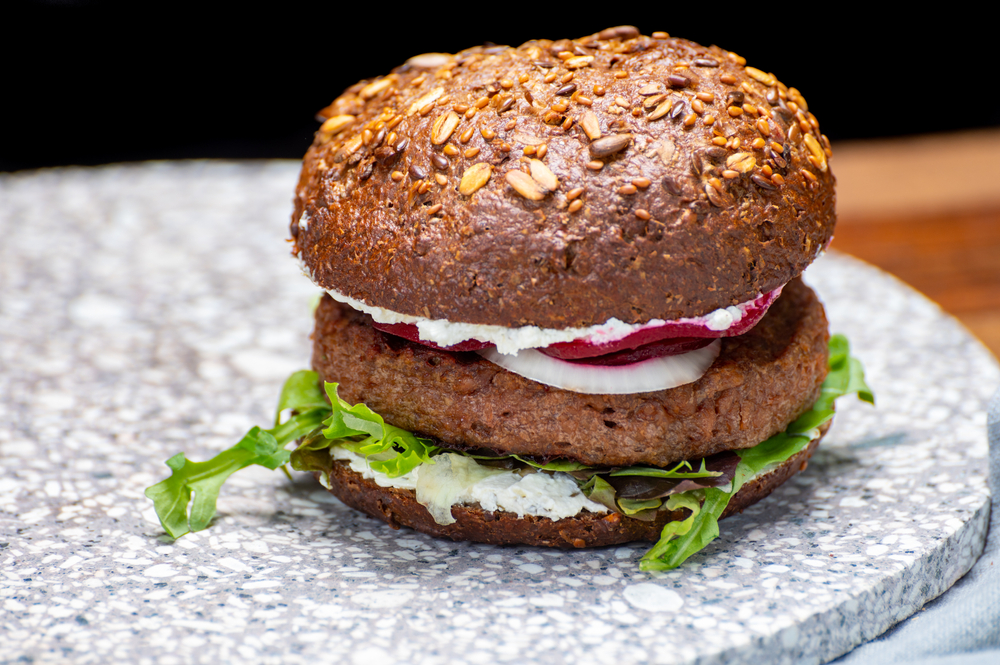
Certain plant-based burger patties were recalled for undeclared soy. Soy allergies can trigger severe reactions. Labels did not clearly list soy protein in the ingredient panel. These products were marketed as gluten-free alternatives. Check freezer packaging for brand and production codes. Do not assume plant-based means allergen-free. Return products to the retailer if possible. Inform family members with allergies. Review ingredient lists on similar items before purchase.
Imported Spices with Salmonella
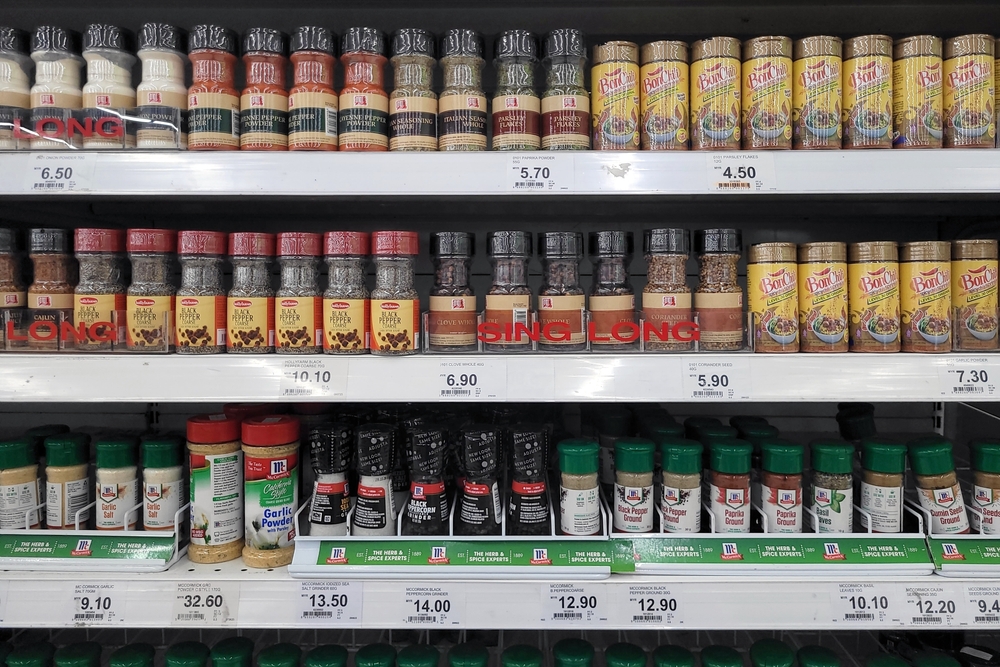
Ground spices imported from overseas were recalled due to Salmonella contamination. Spices can carry bacteria for long periods. They are often sprinkled directly onto food without cooking. Check jars for brand name and batch numbers. Many households store spices for years. Discard affected jars safely. Clean spice racks to remove loose powder. Wash your hands after handling recalled items. Consider replacing old spices periodically.
Energy Drinks with Excess Caffeine
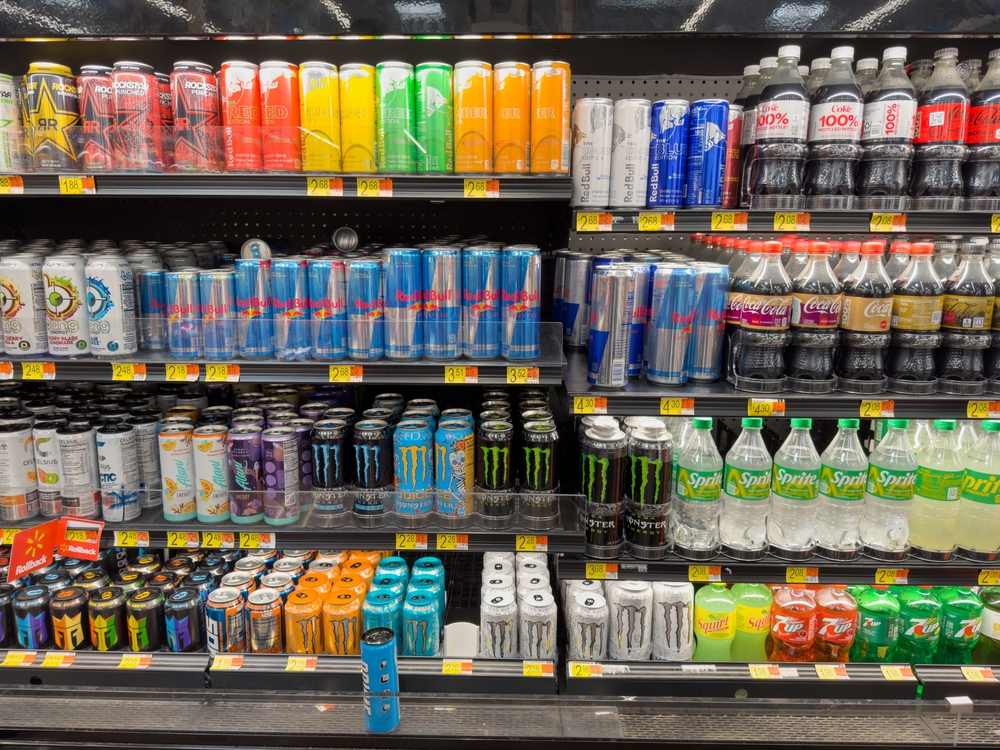
Some energy drinks were recalled due to caffeine levels exceeding permitted limits. Excess caffeine can cause a rapid heartbeat and anxiety. These drinks were sold in convenience stores nationwide. Check the labels for specific lot codes. Teens and children are especially sensitive to caffeine. Do not consume recalled cans. Return them for a refund if possible. Monitor anyone who recently drank them for symptoms. Store similar beverages safely out of reach of children.
Frozen Vegetables for Listeria
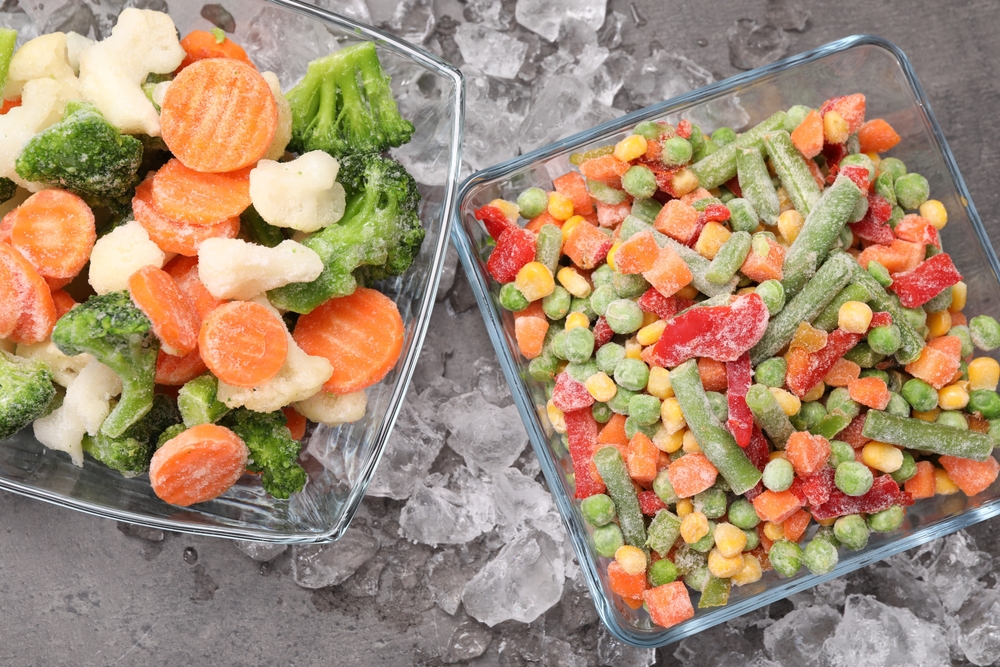
Mixed frozen vegetable blends were recalled after Listeria was found during routine testing. These products were sold in large family packs. Frozen vegetables are often added directly to meals. Check packaging dates and brand names. Listeria can survive freezing temperatures. Discard recalled products promptly. Clean freezer drawers and containers. Cook vegetables thoroughly in general. Seek medical advice if symptoms develop after consumption.
Protein Bars with Undeclared Peanuts
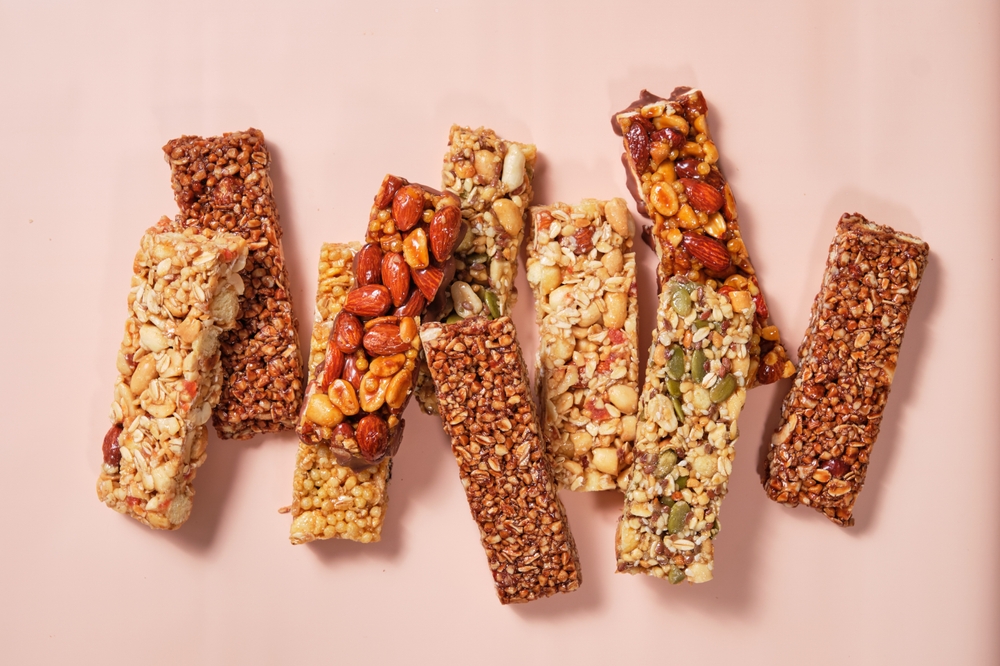
Specific protein bar brands were recalled for undeclared peanuts. Peanut allergies can cause life-threatening reactions. Labels failed to warn consumers clearly. These bars were sold in gyms and grocery stores. Check wrappers for product codes and expiration dates. Dispose of affected bars immediately. Inform schools or workplaces if bars were shared. Keep epinephrine auto-injectors readily available for individuals with allergies. Review allergy alerts regularly.
Canned Soup for Foreign Material
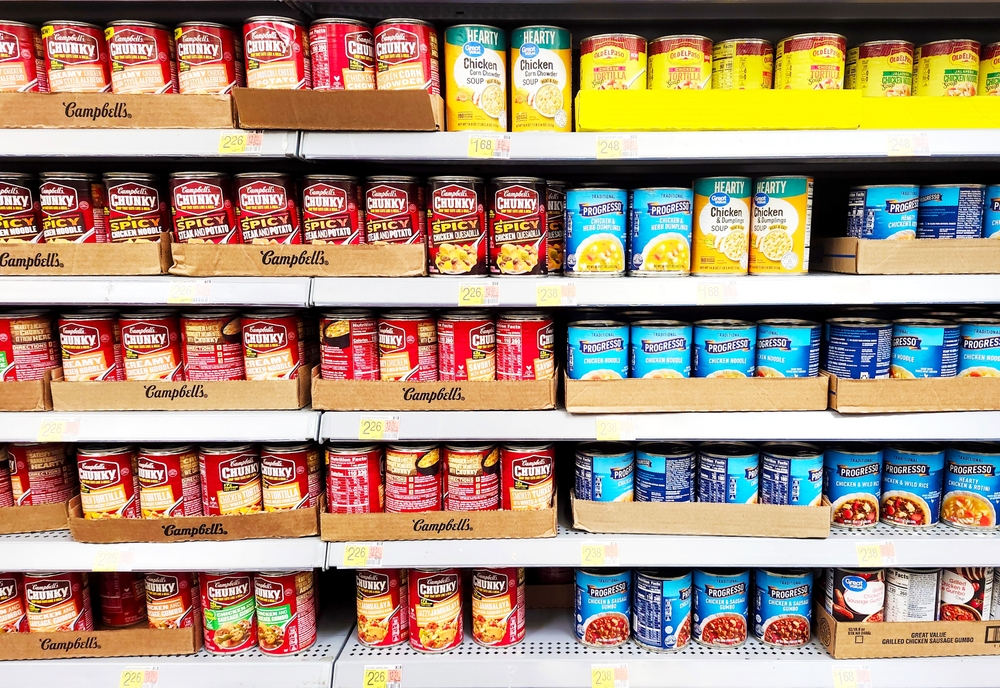
Certain canned soup products were recalled due to possible metal fragments. Foreign materials can cause injury if swallowed. These soups were sold in standard-size cans. Check production codes stamped on the can bottom. Do not consume recalled soup even if it looks normal. Return unopened cans to the retailer. Discard opened cans safely. Inspect other canned goods for damage.
22 Groceries to Grab Now—Before another Price Shock Hits Canada
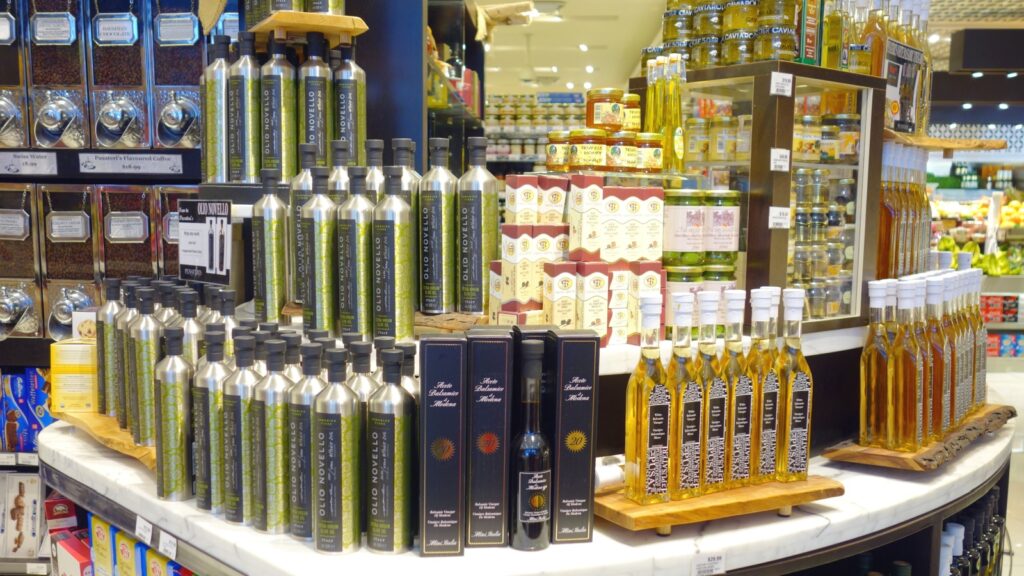
Food prices in Canada have been steadily climbing, and another spike could make your grocery bill feel like a mortgage payment. According to Statistics Canada, food inflation remains about 3.7% higher than last year, with essentials like bread, dairy, and fresh produce leading the surge. Some items are expected to rise even further due to transportation costs, droughts, and import tariffs. Here are 22 groceries to grab now before another price shock hits Canada.
22 Groceries to Grab Now—Before another Price Shock Hits Canada
This Options Discord Chat is The Real Deal
While the internet is scoured with trading chat rooms, many of which even charge upwards of thousands of dollars to join, this smaller options trading discord chatroom is the real deal and actually providing valuable trade setups, education, and community without the noise and spam of the larger more expensive rooms. With a incredibly low-cost monthly fee, Options Trading Club (click here to see their reviews) requires an application to join ensuring that every member is dedicated and serious about taking their trading to the next level. If you are looking for a change in your trading strategies, then click here to apply for a membership.