
35,000+ smart investors are already getting financial news, market signals, and macro shifts in the economy that could impact their money next with our FREE weekly newsletter. Get ahead of what the crowd finds out too late. Click Here to Subscribe for FREE.
Traveling with pets from Canada can seem simple until it suddenly becomes complicated. Airlines, border officers, and foreign veterinarians follow different rules. Many travelers assume their pet passport or vaccine card covers everything. It rarely does. Small paperwork gaps can delay trips, force quarantine, or cancel travel entirely. Requirements change by destination and even airline. Some rules depend on breed, age, or microchip type. Here are 12 pet travel rules Canadians miss (and the documents you need).
Microchip Standards Are Country Specific
12 Pet Travel Rules Canadians Miss (And the Documents You Need)
- Microchip Standards Are Country Specific
- Rabies Vaccination Timing Matters More Than You Think
- Rabies Titer Tests Are Not Optional for Some Countries
- Health Certificates Have Short Validity Windows
- Airline Pet Policies Are Separate from Country Rules
- Breed Restrictions Apply Even with Proper Documents
- Puppies And Kittens Face Extra Restrictions
- Parasite Treatments Must Follow Exact Protocols
- Import Permits Are Sometimes Required in Advance
- Transit Countries Can Trigger Extra Requirements
- Paperwork Errors Cause More Issues Than Missing Documents
- Rules Change Without Much Public Notice
- 22 Groceries to Grab Now—Before another Price Shock Hits Canada
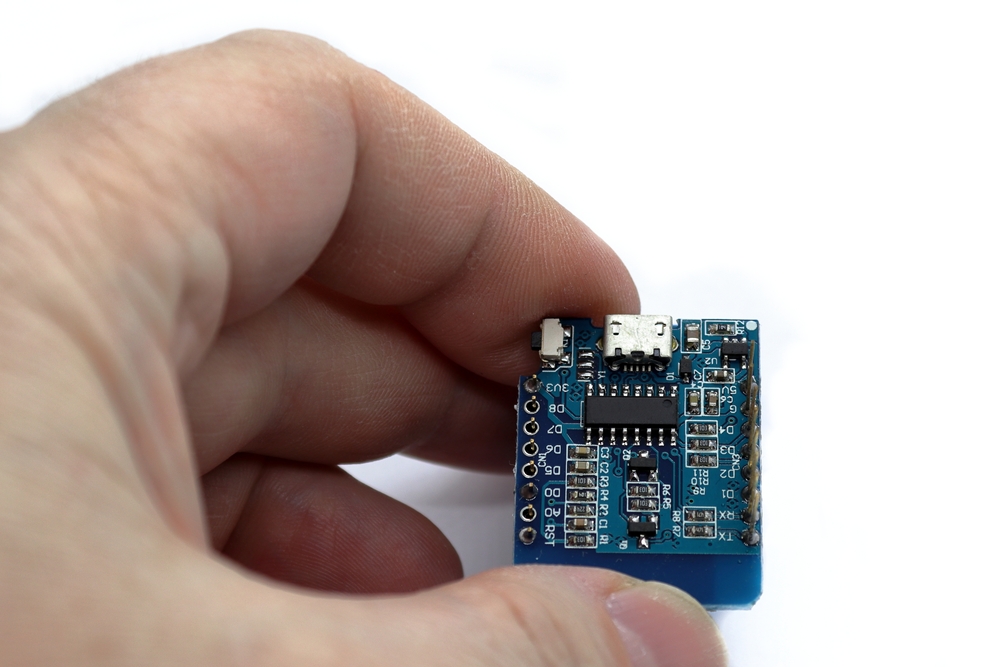
Many Canadians assume any microchip works internationally. That is not always true. Several countries require ISO 11784 or 11785 compliant microchips. Older chips implanted in Canada may not meet those standards. If the chip cannot be scanned overseas, your pet may be treated as unidentifiable. That can trigger quarantine or entry refusal. Some countries allow non-ISO chips only if you have a compatible scanner. Most travelers do not. Always confirm chip standards before booking flights. The microchip must be implanted before the rabies vaccination. Documents should clearly list the chip number and exactly match each certificate.
Rabies Vaccination Timing Matters More Than You Think
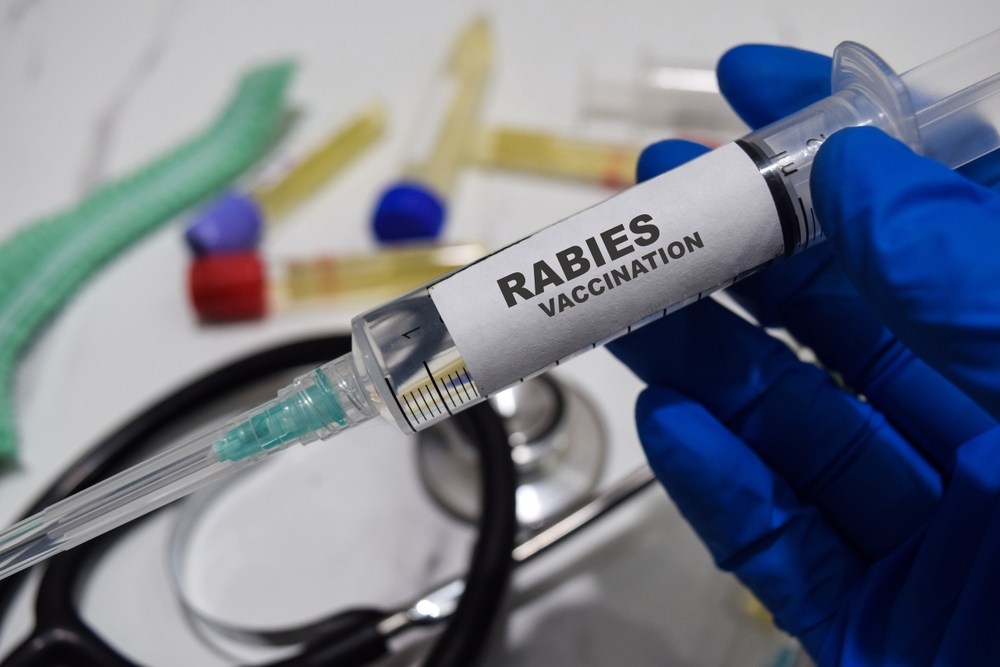
Having a rabies vaccine is not enough for international travel. Timing is tightly regulated. Many countries require the vaccine to be administered after microchipping. Vaccines given before implantation may be rejected. First-time vaccinations usually require a 21- to 30-day waiting period. Booster rules vary and are often misunderstood. Early boosters may reset waiting periods. Expired vaccines invalidate health certificates. Some destinations require rabies titers after vaccination. Always check the sequence and timing rules. Your rabies certificate must list the dates, manufacturer, batch number, and the veterinarian’s signature without errors.
Rabies Titer Tests Are Not Optional for Some Countries

Several countries require rabies antibody titer tests, especially in Europe and certain island nations. Canadians often learn this too late. The blood test must be done at an approved laboratory. Results must meet a minimum antibody level. After testing, a waiting period applies before travel is allowed. This waiting period can last months. Short-notice trips become impossible. Titer results must exactly match your pet’s microchip number. Any mismatch invalidates the test. Original lab reports are often required at entry. Copies may not be accepted. Planning is the only way to avoid delays.
Health Certificates Have Short Validity Windows
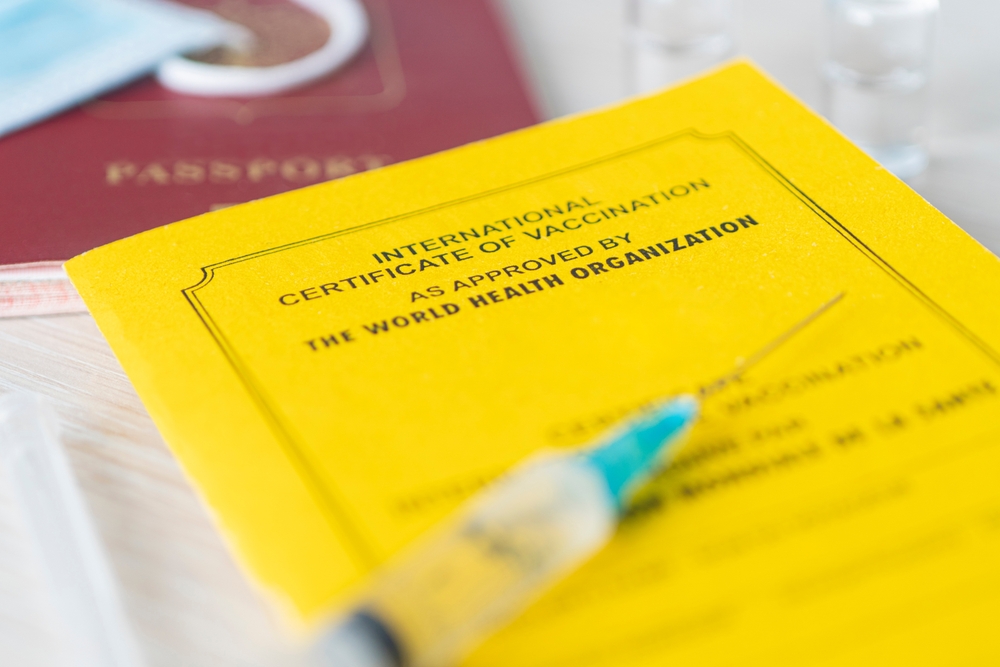
Many travelers assume veterinary health certificates last for months. Most do not. Some are valid for ten days. Others expire after five days. Airlines and border authorities count calendar days strictly. A single weekend can cause expiry. Certificates often require endorsement by the Canadian Food Inspection Agency. CFIA appointments can book out quickly. If the endorsement is missed, the certificate becomes invalid. Dates must align perfectly with departure, arrival, and endorsements. One mismatch can cancel boarding. Always build buffer days into your schedule. Confirm validity windows for both the airline and destination country before finalizing travel.
Airline Pet Policies Are Separate from Country Rules
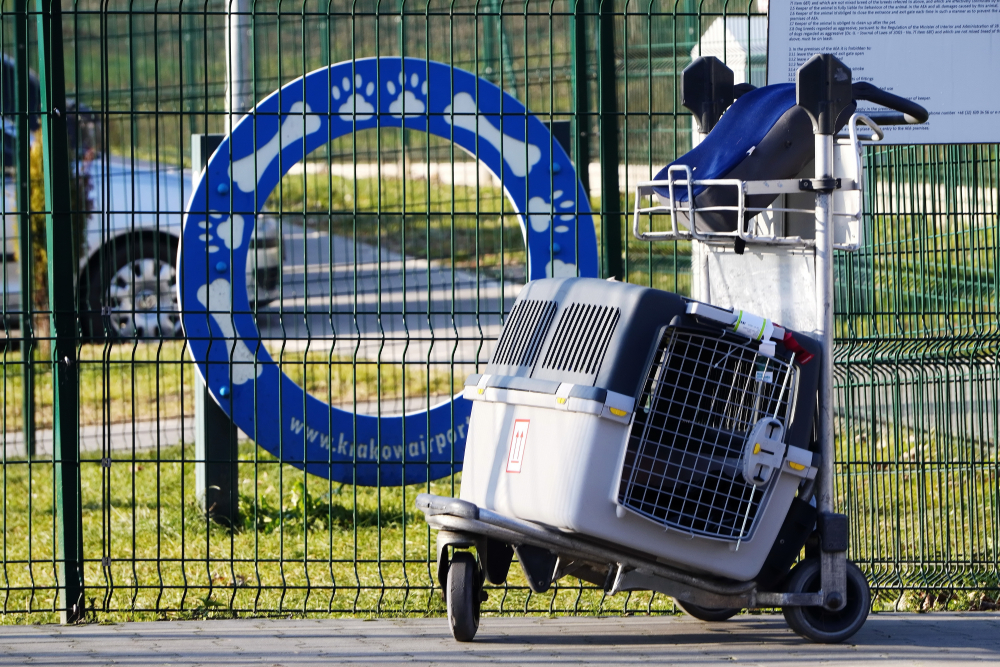
Airline requirements are not the same as government rules. Canadians often confuse the two. Even if a country permits pet entry, an airline may refuse to transport pets. Airlines set limits on breed, weight, crate size, and seasonal temperatures. Some airlines ban snub-nosed breeds entirely. Others restrict cargo travel during the summer months. Cabin rules also differ. Documents must be presented at check-in, not arrival. Missing airline paperwork can stop travel before security. Always review airline pet policies independently. Contact the airline directly and obtain written confirmation. Do not rely on third-party booking platforms.
Breed Restrictions Apply Even with Proper Documents
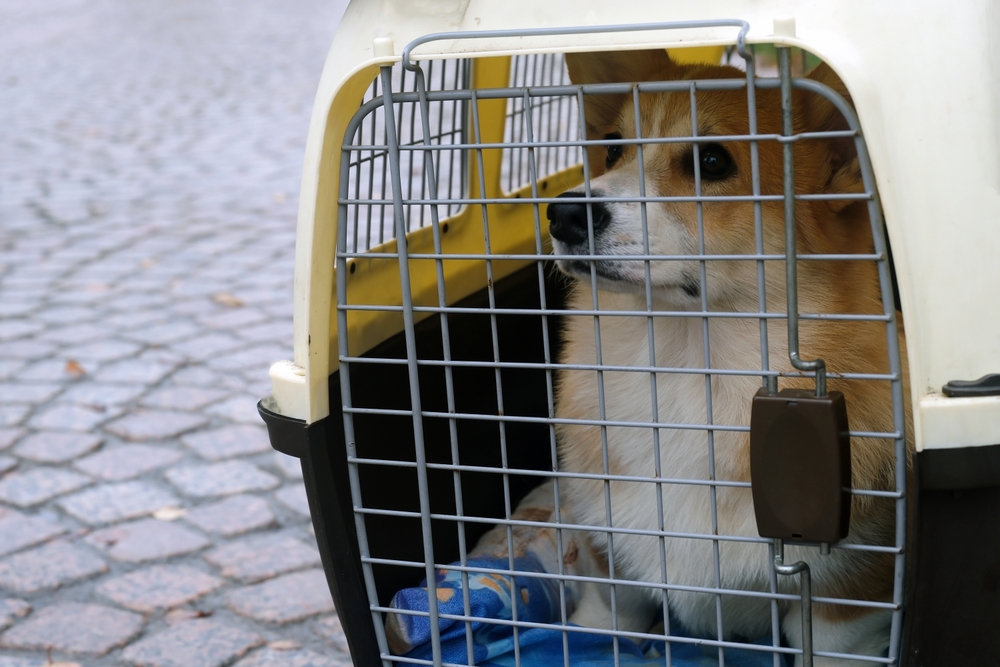
Breed-specific rules apply in many destinations. These rules override health documentation. Certain dog breeds are banned or restricted regardless of vaccination status. Some countries allow entry only with permits or muzzle requirements. Airlines may enforce additional breed rules beyond national laws. Mixed breeds resembling restricted types may also be denied entry. Visual assessments at airports are common. Documents alone may not be enough. Research destination laws carefully. Carry breed documentation from a veterinarian when applicable. Photographs and prior travel records can help, but are not guarantees. Planning alternative routes or destinations may be necessary for restricted breeds.
Puppies And Kittens Face Extra Restrictions

Young pets face stricter rules. Many countries do not allow entry under a certain age. Rabies vaccination minimum ages apply. Waiting periods still count after vaccination. This makes early travel difficult. Some airlines refuse pets under specific age limits. Others require additional health checks. Canadians often book travel assuming age exemptions apply. They rarely do. Breeders sometimes provide incorrect advice. Border officers enforce official regulations only. Always verify age requirements with official sources. Birth certificates or breeder letters are not substitutes for vaccination records. Plan timelines carefully if traveling with young animals.
Parasite Treatments Must Follow Exact Protocols
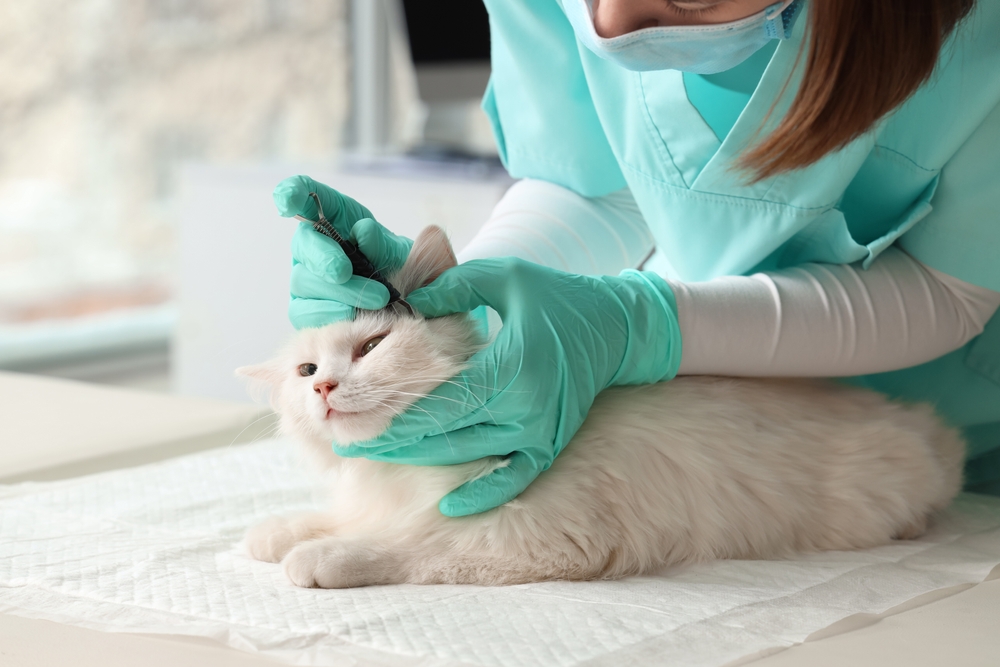
Some destinations require parasite treatments before entry. Timing is strict. Treatments may need to be administered within specific hours before arrival. The medication type, dosage, and administration time must be recorded. Verbal confirmation is not enough. Missing one detail invalidates the treatment. Canadians often assume routine flea or tick prevention qualifies. It may not. Only approved medications are accepted. Veterinary records must clearly list treatment names and dates. Handwritten notes can cause problems. Always ask your veterinarian to follow destination-specific instructions exactly. Double-check spelling and dates before leaving the clinic.
Import Permits Are Sometimes Required in Advance

Certain countries require import permits before travel. These permits must be approved before arrival. Showing up without one can result in denial of entry. Processing times vary widely. Some permits take weeks. Others require supporting documents submitted in advance. Canadians often overlook this step when planning trips. Airlines may ask for permits at check-in. Border officials will always ask on arrival. Carry printed copies of approved permits. Digital versions may not be accepted everywhere. Confirm permit requirements early. Never assume permits are optional just because other travelers skipped them previously.
Transit Countries Can Trigger Extra Requirements

Transit rules matter even if you never leave the airport. Some countries treat transit as entry. This can trigger additional documentation requirements. Rabies titers, permits, or parasite treatments may apply. Canadians often book flights with multiple connections without checking transit regulations. Airlines may not flag this issue during booking. Border officials will enforce it on arrival. Even short layovers can cause problems. Always review transit country pet rules. Choose routes carefully. Direct flights reduce risk. If transit is unavoidable, confirm documentation requirements for every country involved. Planning routes around pet rules saves stress and money.
Paperwork Errors Cause More Issues Than Missing Documents

Small errors cause major delays. Misspelled names, incorrect dates, or mismatched microchip numbers invalidate documents. Canadians often overlook this risk. Border officers check details closely. Corrections cannot usually be made at the airport. Even minor discrepancies can trigger quarantine. Always review paperwork line by line. Compare documents against your pet’s microchip record. Ask your veterinarian to reprint certificates if any errors are found. Do not rely on handwritten corrections. They are rarely accepted. Keeping clean, accurate paperwork reduces the risk of refusal. Double-checking details is one of the most effective steps in travel preparation.
Rules Change Without Much Public Notice

Pet travel rules change frequently. Updates are not always widely announced. Canadians often rely on outdated blog posts or forums. This leads to incorrect assumptions. Government websites may update quietly. Airlines adjust policies seasonally. What worked last year may not work now. Always verify information close to travel dates. Check official government sources and airline pages. Calling authorities directly can help clarify grey areas. Build flexibility into your plans. Avoid booking non-refundable tickets early. Staying updated reduces surprises. Pet travel requires ongoing checks, not one-time research. Treat every trip as a new process.
22 Groceries to Grab Now—Before another Price Shock Hits Canada

Food prices in Canada have been steadily climbing, and another spike could make your grocery bill feel like a mortgage payment. According to Statistics Canada, food inflation remains about 3.7% higher than last year, with essentials like bread, dairy, and fresh produce leading the surge. Some items are expected to rise even further due to transportation costs, droughts, and import tariffs. Here are 22 groceries to grab now before another price shock hits Canada.
22 Groceries to Grab Now—Before another Price Shock Hits Canada
This Options Discord Chat is The Real Deal
While the internet is scoured with trading chat rooms, many of which even charge upwards of thousands of dollars to join, this smaller options trading discord chatroom is the real deal and actually providing valuable trade setups, education, and community without the noise and spam of the larger more expensive rooms. With a incredibly low-cost monthly fee, Options Trading Club (click here to see their reviews) requires an application to join ensuring that every member is dedicated and serious about taking their trading to the next level. If you are looking for a change in your trading strategies, then click here to apply for a membership.