
35,000+ smart investors are already getting financial news, market signals, and macro shifts in the economy that could impact their money next with our FREE weekly newsletter. Get ahead of what the crowd finds out too late. Click Here to Subscribe for FREE.
Kitchens feel safe. They are where we cook, gather, and grab late-night snacks. Yet many common tools quietly pose risks. Some carry hidden bacteria. Others release chemicals when heated. A few have been recalled in Canada without much publicity. Over time, wear and tear make everyday items less safe than they seem. Small cracks, chips, and scratches can turn useful tools into health hazards. Here are 21 kitchen items Canadians should throw out (safety warnings you missed).
Scratched Nonstick Pans
21 Kitchen Items Canadians Should Throw Out (Safety Warnings You Missed)
- Scratched Nonstick Pans
- Plastic Cutting Boards with Deep Grooves
- Old Sponges
- Chipped Ceramic Mugs and Plates
- Expired Fire Extinguishers
- Damaged Power Bars
- Rusted Can Openers
- Worn Out Oven Mitts
- Old Plastic Food Containers
- Damaged Knife Handles
- Old Meat Thermometers
- Peeling Nonstick Bakeware
- Cracked Glass Cookware
- Old Water Filters
- Warped Plastic Utensils
- Loose Blender Seals
- Old Dish Towels
- Expired Cleaning Sprays
- Dull Vegetable Peelers
- Recalled Small Appliances
- Loose Gas Stove Knobs
- 22 Groceries to Grab Now—Before another Price Shock Hits Canada
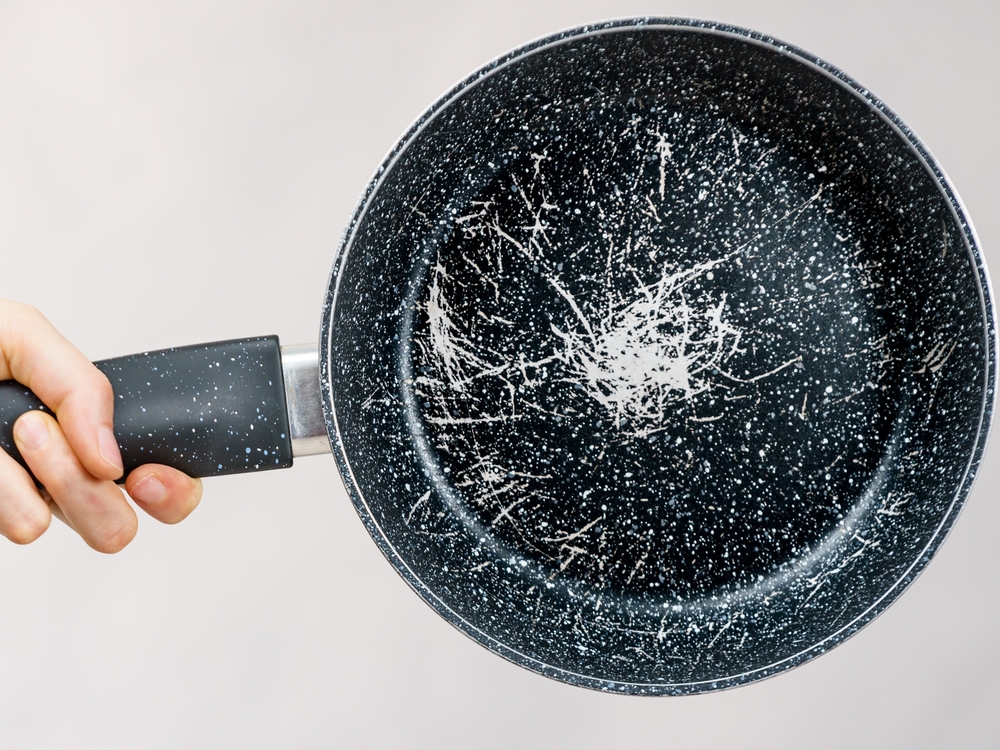
Nonstick pans are easy to love. They also wear out faster than most people expect. When the surface scratches, tiny particles can mix with food. Older coatings may release fumes if overheated. Health Canada has issued recalls in the past years for certain models. Even newer pans degrade after heavy use. If you see flaking or deep scratches, replace the pan. Cooking at high heat makes the damage worse. Metal utensils speed up the process. A worn coating no longer performs safely. If food sticks more than usual, that is another sign. Toss it and switch to stainless steel or cast iron.
Plastic Cutting Boards with Deep Grooves
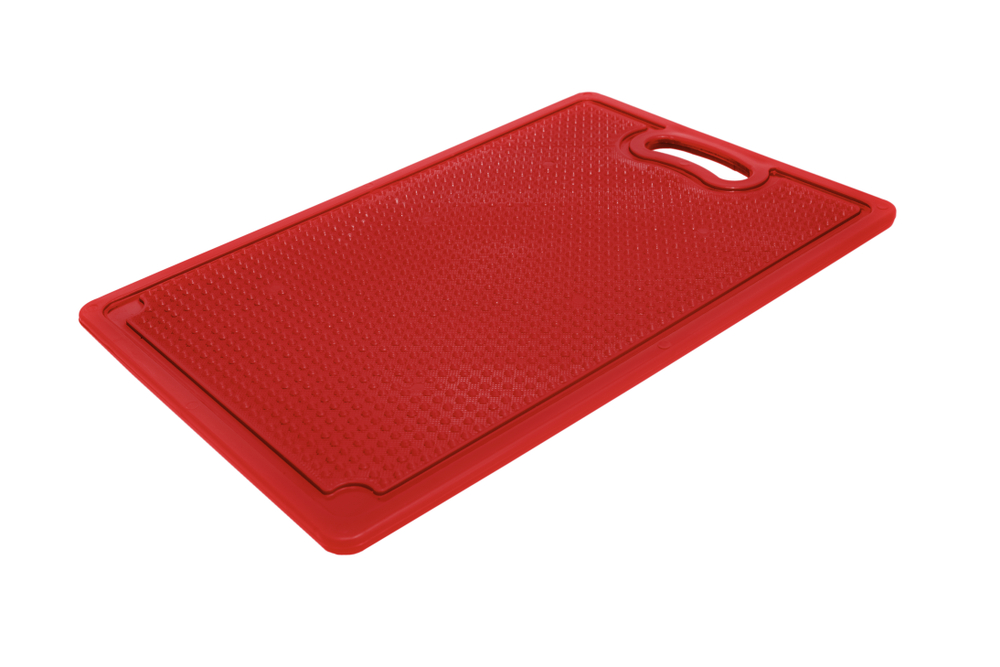
Plastic boards look clean after washing. Deep knife marks tell a different story. Those grooves trap moisture and bacteria. Even hot water cannot reach inside every cut. Over time, the surface becomes harder to sanitize. Cross-contamination becomes more likely. Raw meat juices can linger unnoticed. Some boards also warp in dishwashers. Warping creates tiny gaps where germs hide. If the board feels rough or stained, replace it. Smooth surfaces are easier to keep safe. Wood boards can last longer if maintained well. Either way, heavy scarring means it is time to let it go.
Old Sponges
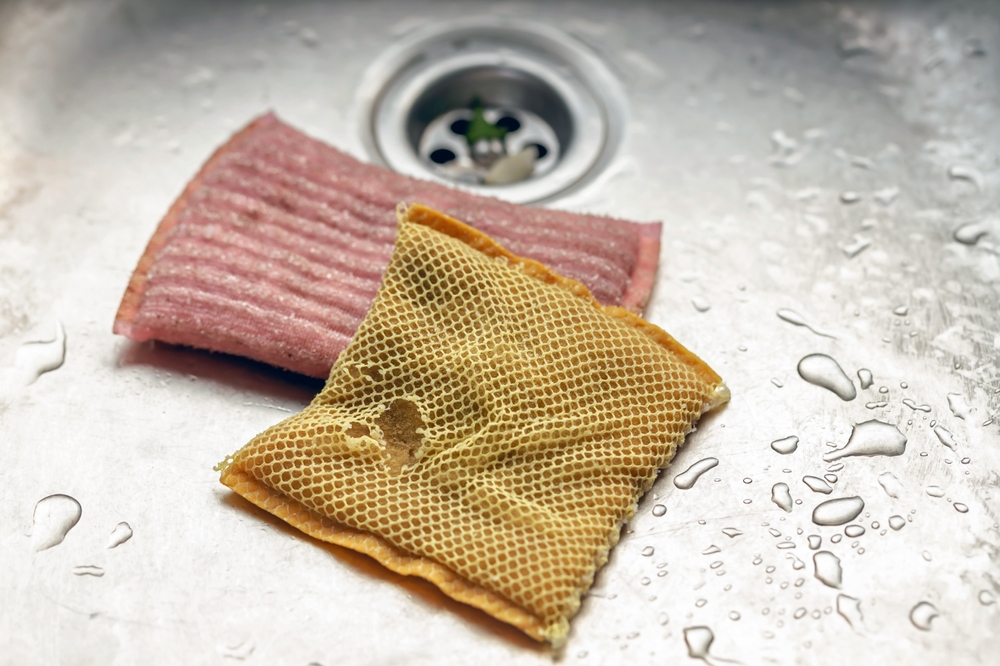
Kitchen sponges do not age well. Studies often rank them among the dirtiest items in a home. Warm, damp conditions help bacteria multiply fast. Microwaving or boiling may reduce germs, but it does not solve everything. Sponges also break down and shed bits into sinks. Many Canadians keep them for months. That habit raises food safety risks. If a sponge smells sour, it is already overdue. Replace them every one or two weeks. Consider washable cloths instead. Let them dry fully between uses. A fresh sponge costs little compared to a stomach bug.
Chipped Ceramic Mugs and Plates

A small chip seems harmless. It rarely is. Cracks and chips can harbor bacteria. They also weaken the structure of the dish. Hot liquids can widen hairline fractures. Some older ceramic pieces may contain unsafe glazes. Imported items sometimes face recalls for lead concerns. Health Canada regularly posts such alerts. If a mug feels rough along the rim, stop using it. Chips near the edge pose cutting risks. Decorative pieces not meant for food should stay that way. When dishes show damage, replace them. Keeping them for sentimental reasons belongs on a shelf, not the table.
Expired Fire Extinguishers

Many kitchens have a fire extinguisher. Few people check the gauge. These devices lose pressure over time. An expired unit may fail during an emergency. Grease fires spread fast. A faulty extinguisher leaves little room for error. Check the expiration date printed on the label. Inspect the pressure indicator monthly. If it sits outside the green zone, replace it. Canadian safety agencies recommend regular inspections. Dust and grease can clog nozzles as well. Store it in an accessible spot. A working extinguisher matters far more than an old one collecting dust.
Damaged Power Bars
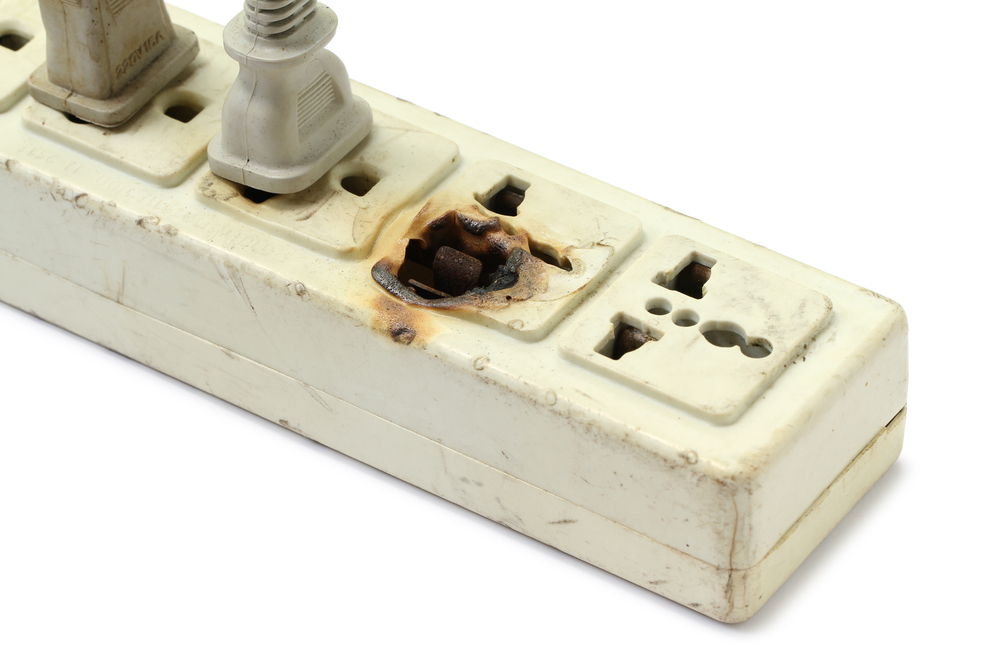
Kitchens often need extra outlets. Power bars handle coffee makers, kettles, and toasters. Heat and moisture create stress on cords. Frayed wires increase fire risks. Overloaded bars can overheat without warning. Some have been recalled in Canada for faulty wiring. If the plastic casing feels warm, unplug it. Burn marks are a serious warning sign. Extension cords are not long-term solutions. Appliances that draw high wattage need direct outlets. Replace damaged bars immediately. Electrical fires cause significant home damage each year. Do not wait for sparks to make the decision.
Rusted Can Openers
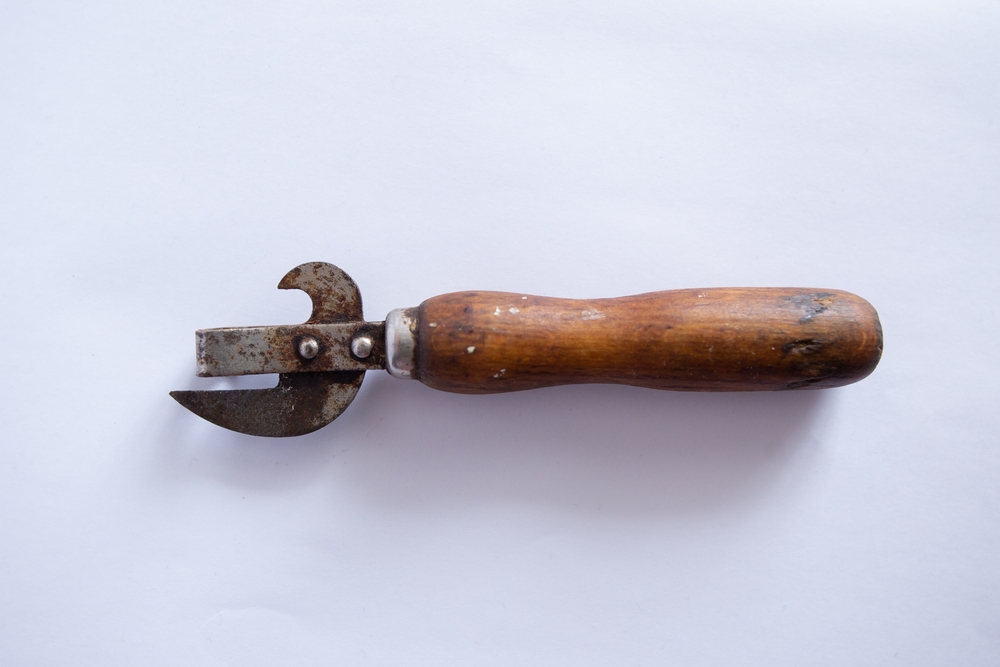
Can openers touch food directly. Rust forms when moisture sits on metal parts. That rust can flake into food. Old openers also collect residue along the cutting wheel. Cleaning those tight spaces is difficult. Bacteria can linger unseen. If the turning mechanism sticks, it may leave jagged edges on cans. Sharp edges increase injury risks. A new opener is inexpensive and safer. Stainless steel models resist rust better. Dry the tool fully after washing. If corrosion appears, replace it without hesitation. Food safety should not depend on a rusty hinge.
Worn Out Oven Mitts
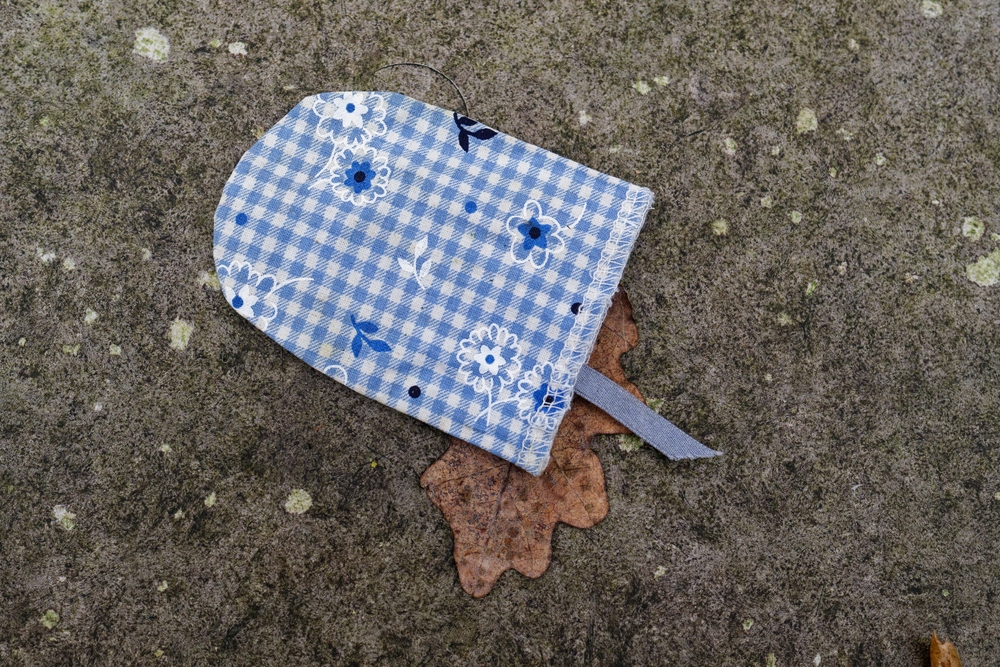
Oven mitts protect hands from burns. Over time, padding thins out. Small holes reduce insulation. Steam can seep through fabric quickly. That leads to painful burns. Grease stains also make fabric more flammable. Many people keep mitts for years. They rarely test the thickness. If you feel the heat faster than before, it is time to replace them. Silicone options resist stains better. Check seams for fraying threads. Even minor wear weakens protection. Burns happen in seconds. Fresh mitts offer better grip and heat resistance.
Old Plastic Food Containers
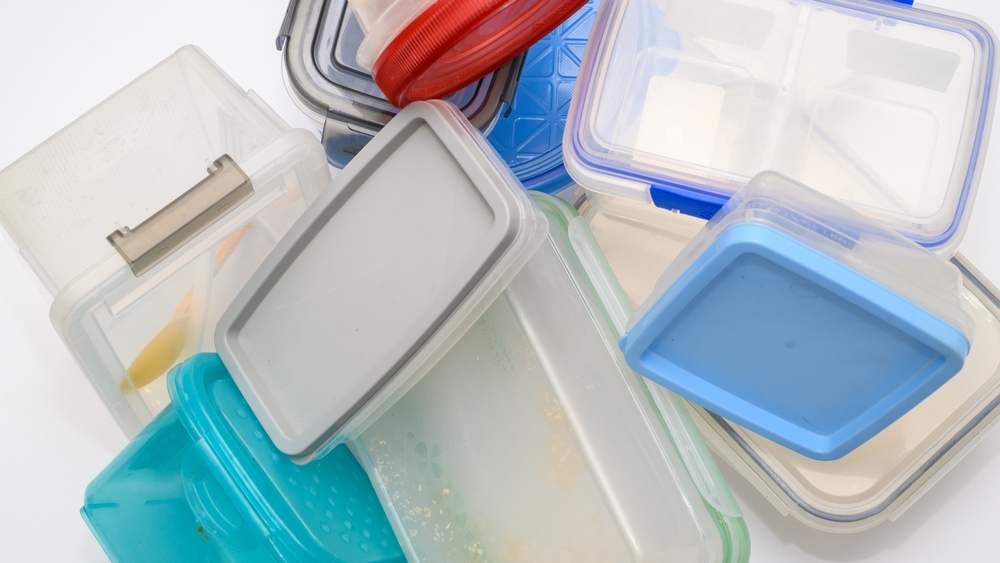
Plastic containers seem sturdy. Age changes that. Repeated heating can weaken the material. Cracks and cloudy surfaces signal breakdown. Some older plastics may contain chemicals no longer approved. Scratches trap food residue. Stains often mean oils have seeped in. Lids that no longer seal allow bacteria to grow. Health Canada has issued recalls on certain containers. If a container smells odd after washing, discard it. Glass alternatives last longer and resist staining. Keep only containers in good condition. Storage should protect food, not compromise it.
Damaged Knife Handles
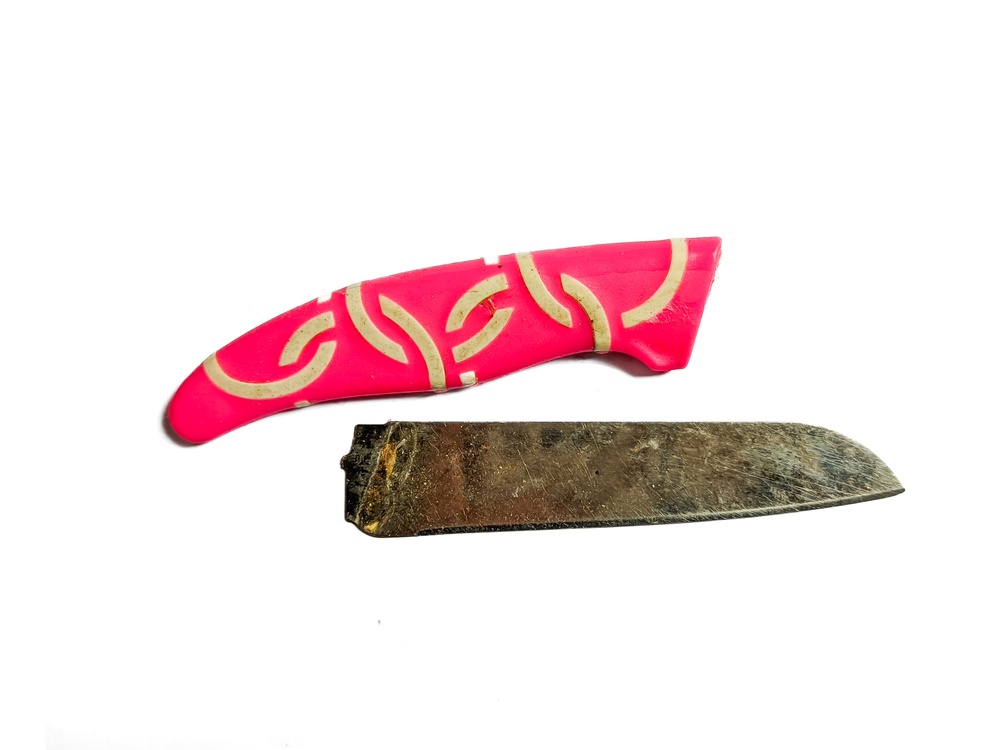
Knives work best when secure. Loose handles create real danger. Moisture can seep into cracks. That weakens the bond between blade and handle. Sudden slips cause deep cuts. Wooden handles may split over time. Plastic grips can become brittle. If the knife wobbles, stop using it. Tightening screws rarely fixes internal damage. Invest in a solid replacement. Store knives properly to prevent wear. A stable grip matters more than a sharp edge alone. Injuries often happen when tools fail unexpectedly.
Old Meat Thermometers
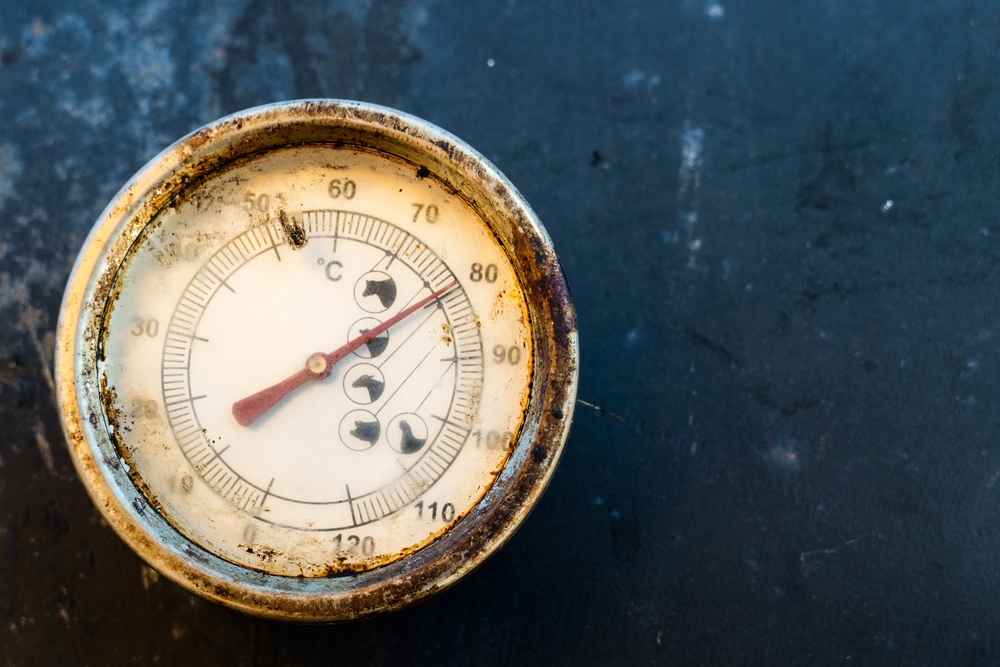
Meat thermometers protect against foodborne illness. Accuracy matters. Over time, sensors drift out of calibration. Dropping the device worsens the issue. A faulty reading can leave poultry undercooked. That raises risks of Salmonella or Campylobacter. If the display flickers, replace it. Analog versions may lose precision over the years. Test with ice water occasionally. If readings seem off, buy a new one. Reliable temperature checks prevent serious illness. This small tool plays a big role in food safety.
Peeling Nonstick Bakeware
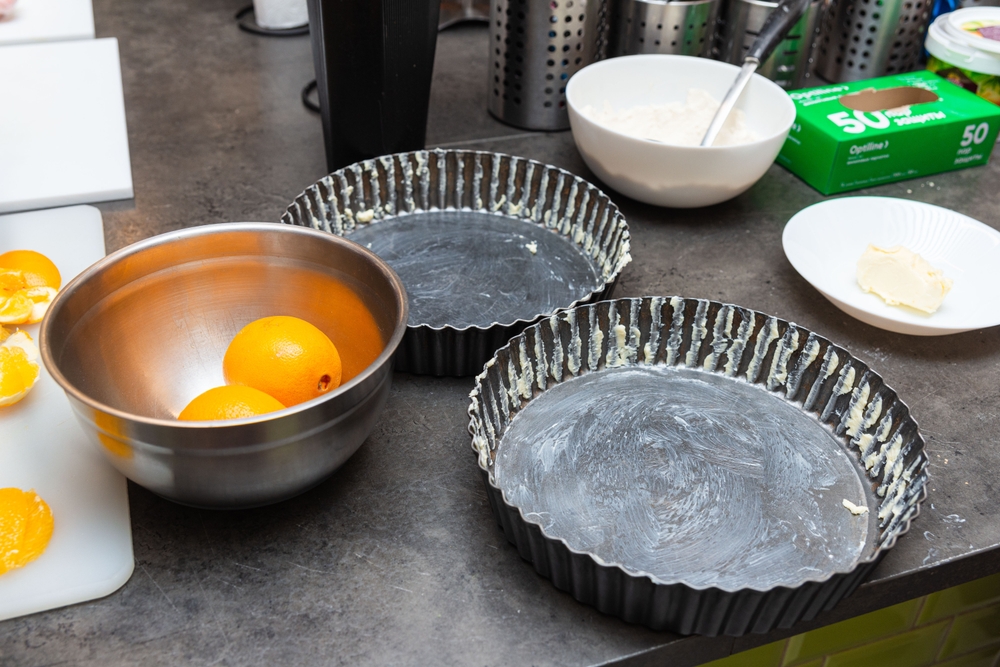
Bakeware coatings break down as pans do. Peeling surfaces releases flakes into food. High oven temperatures speed up damage. Darkened patches signal wear. Once the coating lifts, it will not recover. Scratches worsen with metal spatulas. Baking sheets may also warp. Warped pans heat unevenly. Uneven heat affects food safety and texture. Replace items that show peeling. Consider uncoated aluminum or stainless steel. Proper care extends life, but not forever. When the surface fails, toss it.
Cracked Glass Cookware
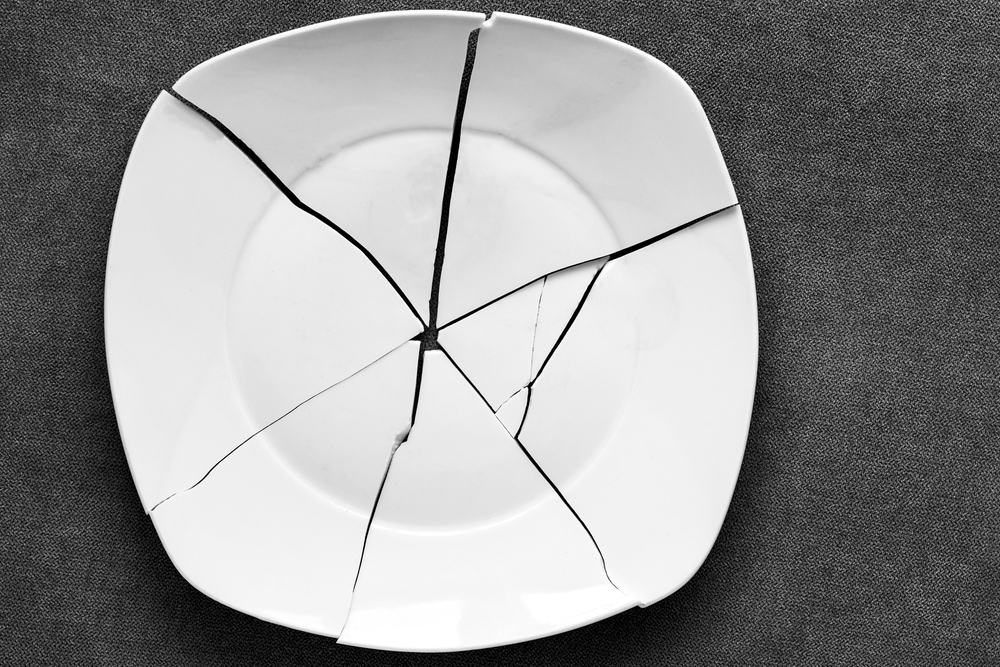
Glass dishes handle heat well. Cracks change that equation. Tiny fractures expand quickly in the oven. Thermal shock can shatter the dish. Shards pose serious injury risks. Many Canadians reuse old baking dishes for years. Inspect for chips along edges. Even small damage weakens strength. Do not move glass directly from the freezer to the oven. If cracks appear, discard the item. Replacement costs less than a trip to emergency care. Safe cookware should not feel like a gamble.
Old Water Filters
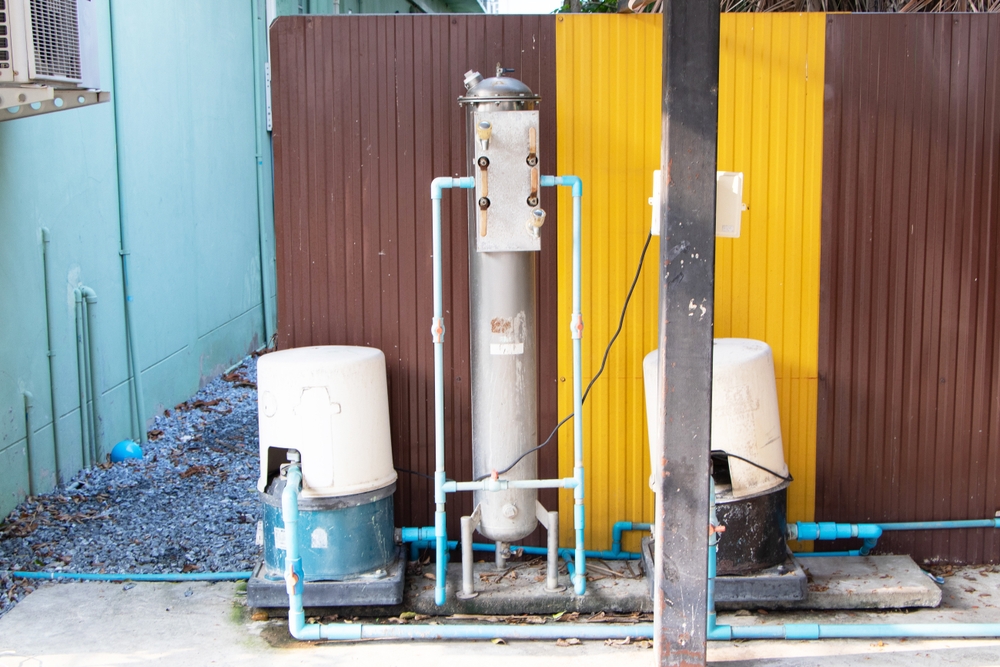
Fridge and pitcher filters have limits. After a certain period, they stop trapping contaminants. Some may even release trapped particles back into the water. Manufacturers list replacement timelines clearly. Ignoring them defeats the purpose. Taste changes can signal expired filters. Mark replacement dates on a calendar. Health Canada advises following the manufacturer’s guidance. Using an old filter does not improve safety. It only creates false confidence. Fresh filters maintain performance and water quality.
Warped Plastic Utensils
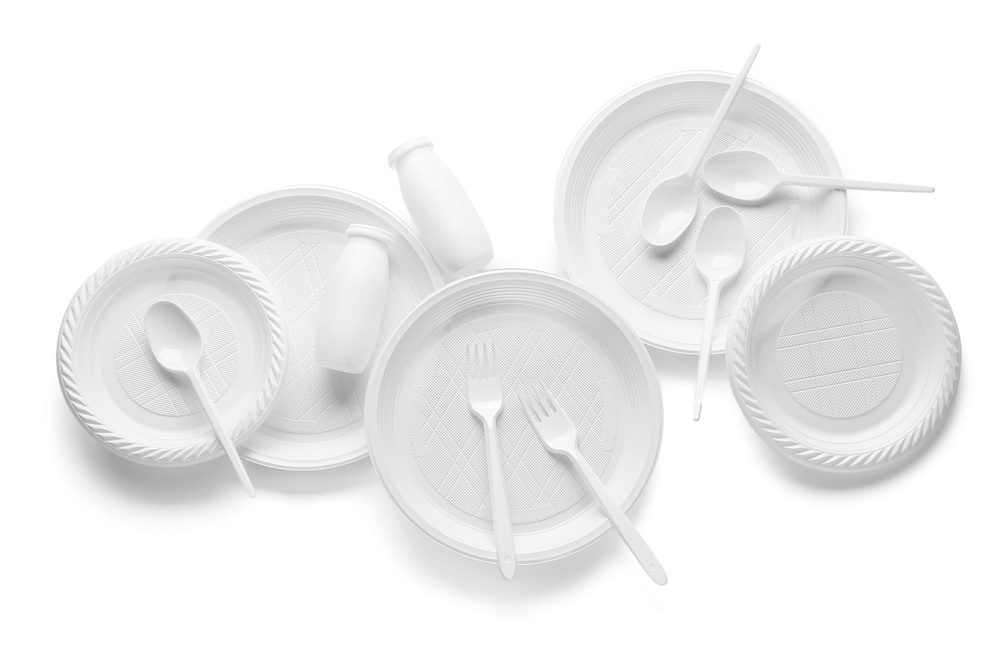
Plastic spoons and spatulas soften over time. High heat worsens the problem. Warped edges may melt slightly. Melted plastic can mix with food. Older utensils may not tolerate modern stovetop temperatures. If edges feel sticky or uneven, replace them. Silicone options resist heat better. Inspect utensils regularly. Discoloration also signals breakdown. Cooking tools should remain stable. When shape changes, safety changes too. Toss worn pieces promptly.
Loose Blender Seals
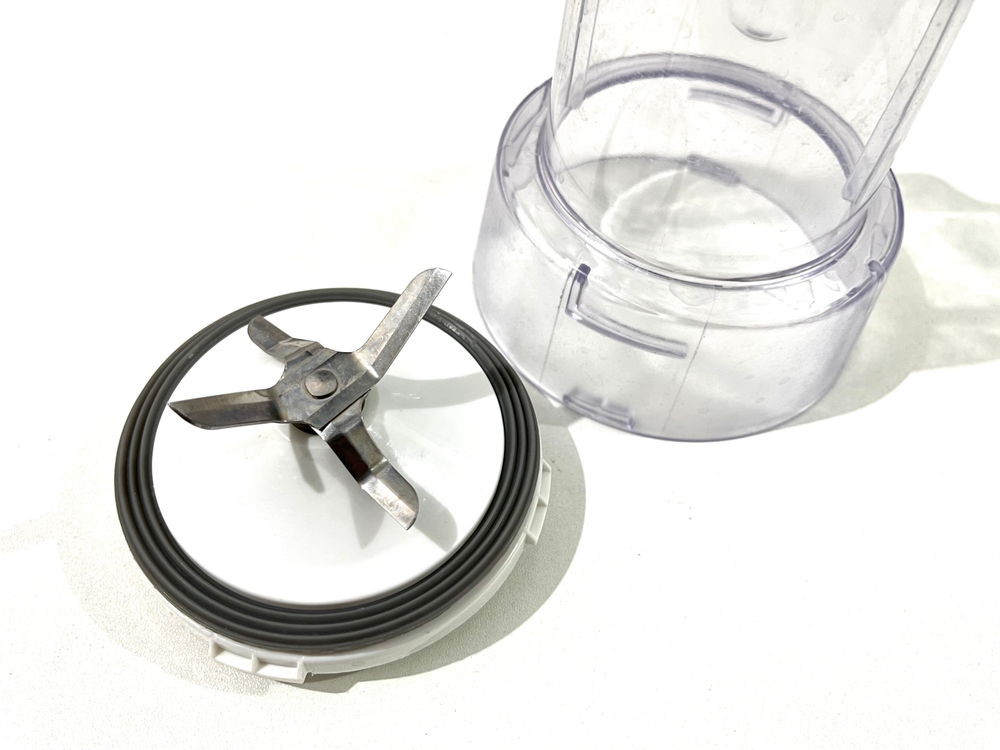
Blenders rely on tight rubber seals to contain liquids during use. Over time, those gaskets dry out, crack, or stretch. Even small gaps can allow leaks under pressure. Liquid may seep into the motor housing. That creates electrical hazards and short circuits. Moisture trapped under worn seals can also cause mold growth. You might notice a sour smell after blending smoothies. If the base feels sticky, check immediately. Many brands sell replacement gaskets separately. If parts are unavailable, replace the blender. Secure seals protect both food safety and electrical safety.
Old Dish Towels
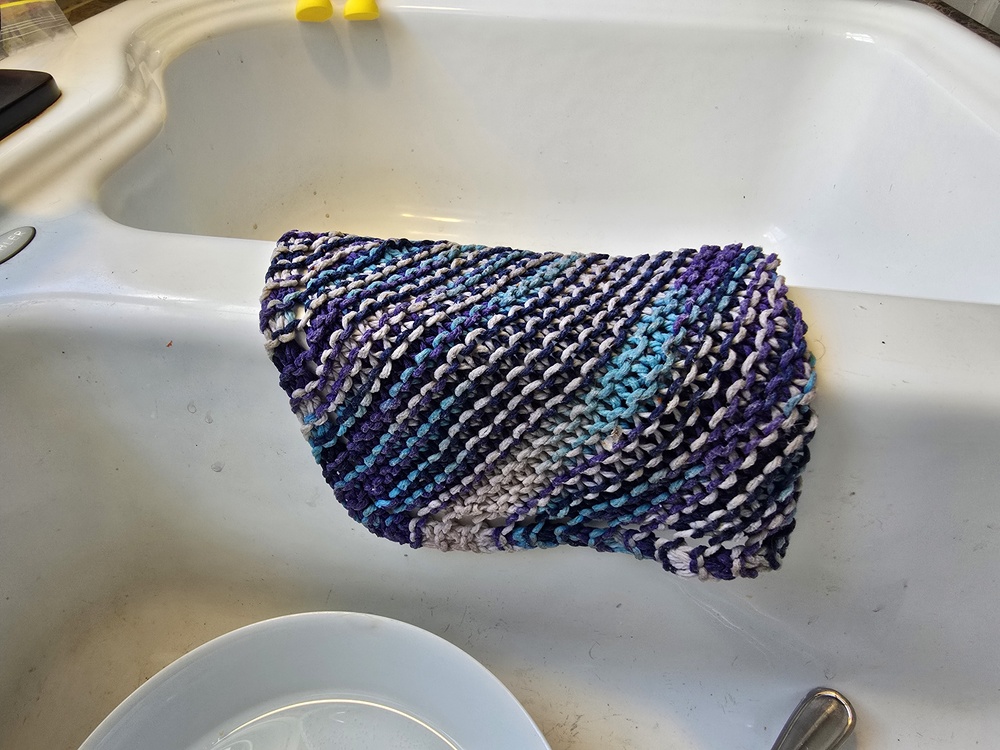
Dish towels appear harmless, but they quickly absorb moisture and harbor bacteria. When left damp, they become breeding grounds for germs. Using the same towel for days spreads contamination across counters and dishes. Frequent washing helps, yet fabric weakens over time. Frayed fibers trap dirt and dry more slowly. Musty odors signal bacterial growth. Towels used for hands should stay separate from those used for dishes. Rotate clean towels daily in busy kitchens. If stains remain after washing, replace them. Fresh, dry towels support safer food preparation every day.
Expired Cleaning Sprays
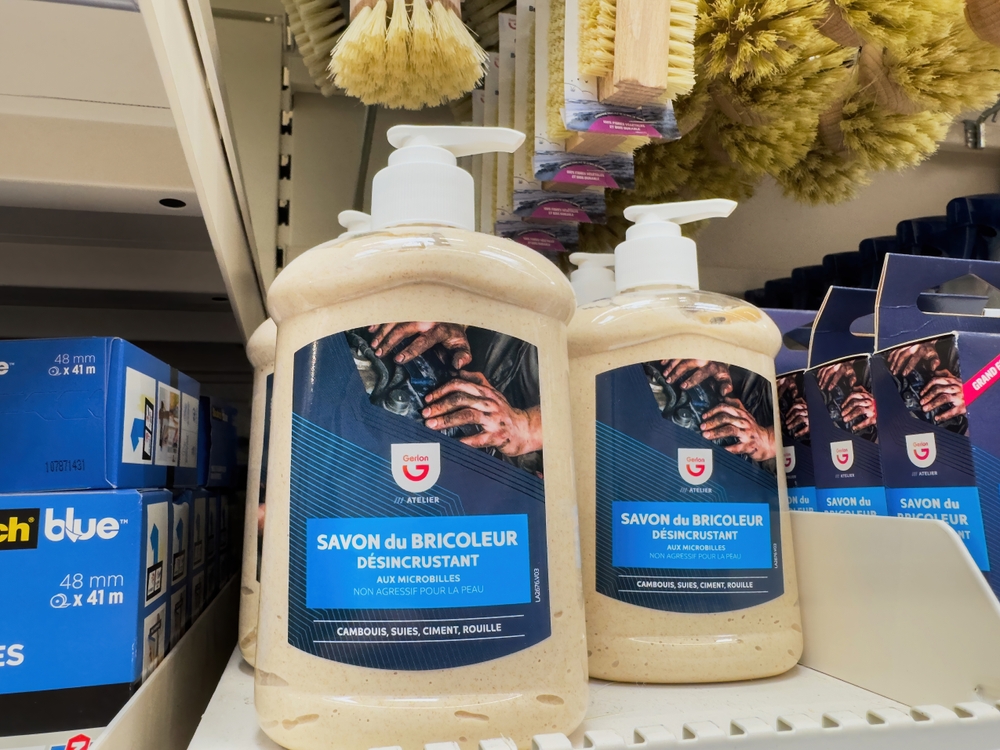
Cleaning sprays lose effectiveness over time. Active ingredients break down gradually. Once weakened, they may not disinfect properly. That leaves harmful microbes on kitchen surfaces. Labels often include expiration dates, though many people ignore them. Heat and sunlight speed up chemical breakdown. If the liquid separates or smells unusual, discard it. Never mix leftover cleaning products. Mixing chemicals can create dangerous fumes. Store new bottles in cool, dark areas. Replace outdated sprays regularly. Effective disinfectants play a direct role in preventing foodborne illness at home.
Dull Vegetable Peelers

Vegetable peelers wear out quietly. Blades lose sharpness after repeated use. A dull edge requires more pressure. Extra force increases the chance of slipping. Slips often lead to painful cuts. Rust can also form around the blade joint. Moisture trapped in tight spaces encourages corrosion. If peeling feels uneven or slow, inspect the tool. Cleaning between the blade and frame becomes harder with age. Replace peelers that show rust or wobble. Sharp tools offer better control and reduce injury risk. Simple upgrades improve both safety and efficiency.
Recalled Small Appliances
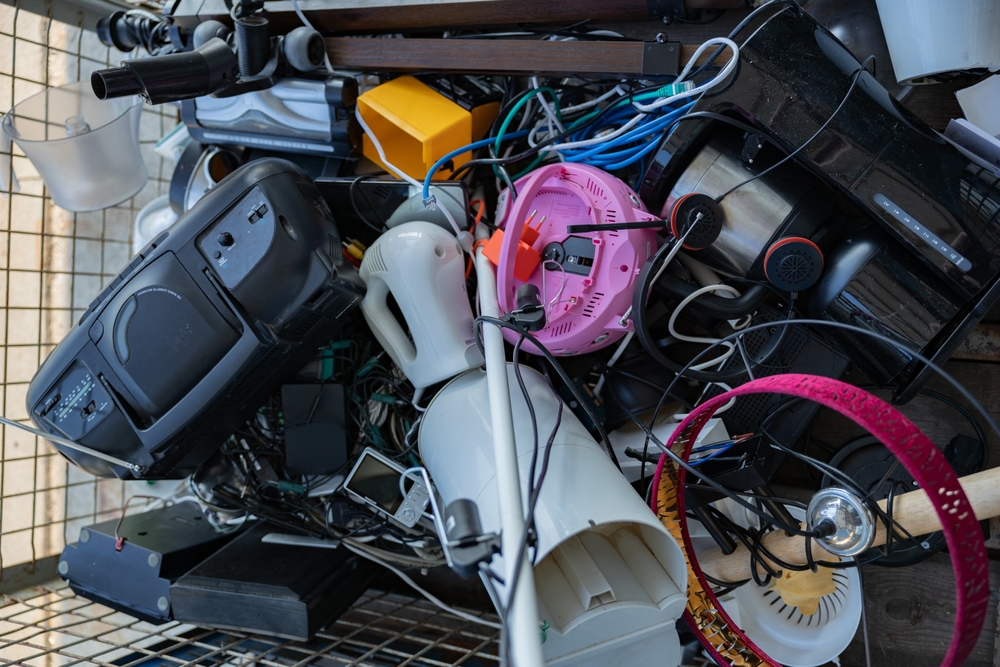
Small appliances occasionally face safety recalls in Canada. Faulty wiring, overheating parts, or defective batteries often trigger these notices. Many households never check recall databases. That leaves hazardous items in daily use. Health Canada maintains an online recall system. Searching for your appliance model takes only minutes. If your product appears, stop using it immediately. Follow instructions for repair, refund, or replacement. Ignoring recall warnings increases fire and injury risks. Keep purchase receipts when possible. Staying informed helps protect your home and prevent avoidable accidents.
Loose Gas Stove Knobs
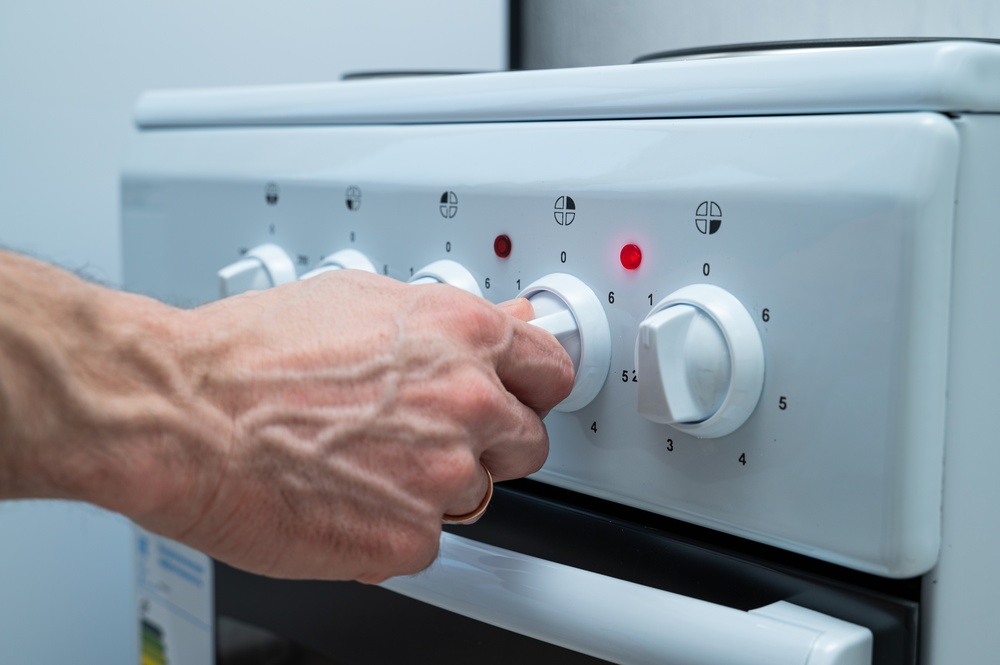
Gas stove knobs directly control fuel flow. When they loosen or crack, they may not shut fully. A small leak can release gas slowly into the kitchen. Gas buildup increases fire risk and health concerns. If you smell gas, ventilate the area and turn off the supply. Do not ignore faint odors. Inspect knobs regularly for wobbling or resistance changes. Replace damaged controls promptly. Professional servicing adds extra peace of mind. Secure fittings reduce the chance of leaks. Small mechanical faults should never be overlooked.
22 Groceries to Grab Now—Before another Price Shock Hits Canada

Food prices in Canada have been steadily climbing, and another spike could make your grocery bill feel like a mortgage payment. According to Statistics Canada, food inflation remains about 3.7% higher than last year, with essentials like bread, dairy, and fresh produce leading the surge. Some items are expected to rise even further due to transportation costs, droughts, and import tariffs. Here are 22 groceries to grab now before another price shock hits Canada.
22 Groceries to Grab Now—Before another Price Shock Hits Canada
This Options Discord Chat is The Real Deal
While the internet is scoured with trading chat rooms, many of which even charge upwards of thousands of dollars to join, this smaller options trading discord chatroom is the real deal and actually providing valuable trade setups, education, and community without the noise and spam of the larger more expensive rooms. With a incredibly low-cost monthly fee, Options Trading Club (click here to see their reviews) requires an application to join ensuring that every member is dedicated and serious about taking their trading to the next level. If you are looking for a change in your trading strategies, then click here to apply for a membership.