35,000+ smart investors are already getting financial news, market signals, and macro shifts in the economy that could impact their money next with our FREE weekly newsletter. Get ahead of what the crowd finds out too late. Click Here to Subscribe for FREE.
Many Canadians try to support local brands whenever possible. Product labels often make that harder than expected. Words like “designed in Canada” or maple-leaf packaging can create false confidence. Some companies rely on branding cues that suggest local production without stating it clearly. Others once manufactured domestically but quietly moved operations elsewhere. The result is confusion at checkout and disappointment after purchase. Knowing where products are actually made helps consumers spend with intention. Here are 21 products Canadians thought were ‘Made in Canada’ but aren’t.
Roots Leather Bags
21 Products Canadians Thought Were ‘Made in Canada’ But Aren’t
- Roots Leather Bags
- Canada Goose Accessories
- Herschel Backpacks
- Lululemon Apparel
- Tim Hortons Retail Coffee
- Canadian Tire Mastercraft Tools
- Hudson’s Bay Blankets
- Joe Fresh Clothing
- Roots Cotton Apparel
- Arc’teryx Jackets
- Sleep Country Mattresses
- Chapman’s Ice Cream Novelties
- Roots Cabin Home Goods
- MEC Branded Apparel
- Aritzia Clothing Lines
- Dollarama Private Label Goods
- Home Hardware House Brands
- Indigo Branded Stationery
- Canadian Club Merchandise
- Sport Chek House Brands
- Roots Accessories Beyond Leather
- 22 Groceries to Grab Now—Before another Price Shock Hits Canada
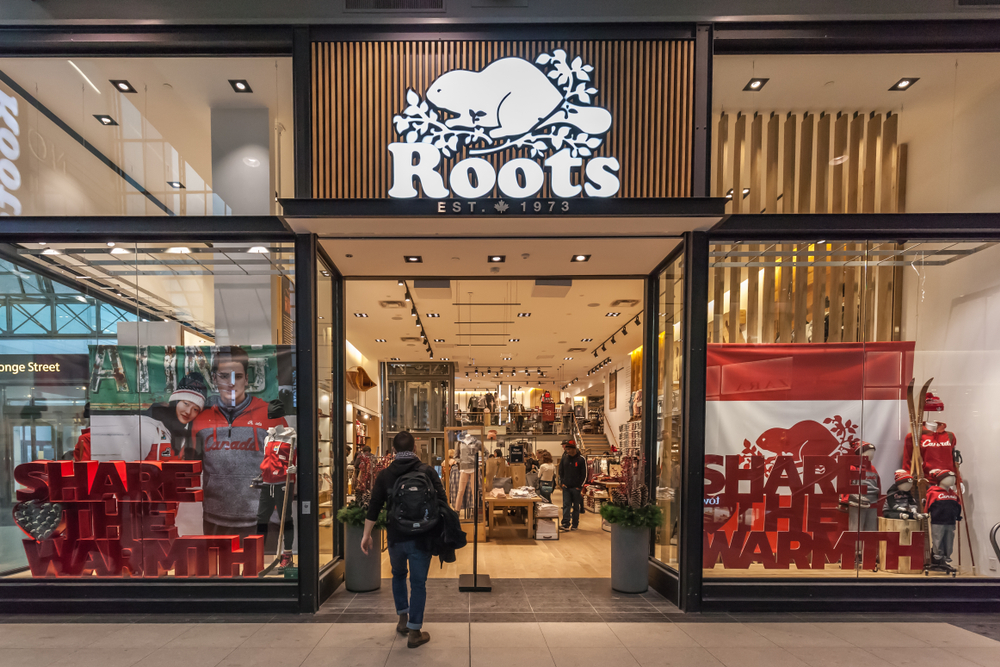
Roots feels deeply Canadian, from cabin aesthetics to Olympic partnerships. Many shoppers assume its leather goods are locally produced. Most bags are now manufactured overseas, primarily in Asia. Design work still happens in Canada. Marketing highlights heritage rather than factory location. Labels usually state imported materials or foreign assembly in small print. Older products were once made domestically, adding to confusion. The shift happened gradually over decades. Prices still reflect premium positioning. Buyers often discover the origin only after purchase. The brand remains Canadian-owned. Manufacturing location, however, no longer matches common assumptions.
Canada Goose Accessories
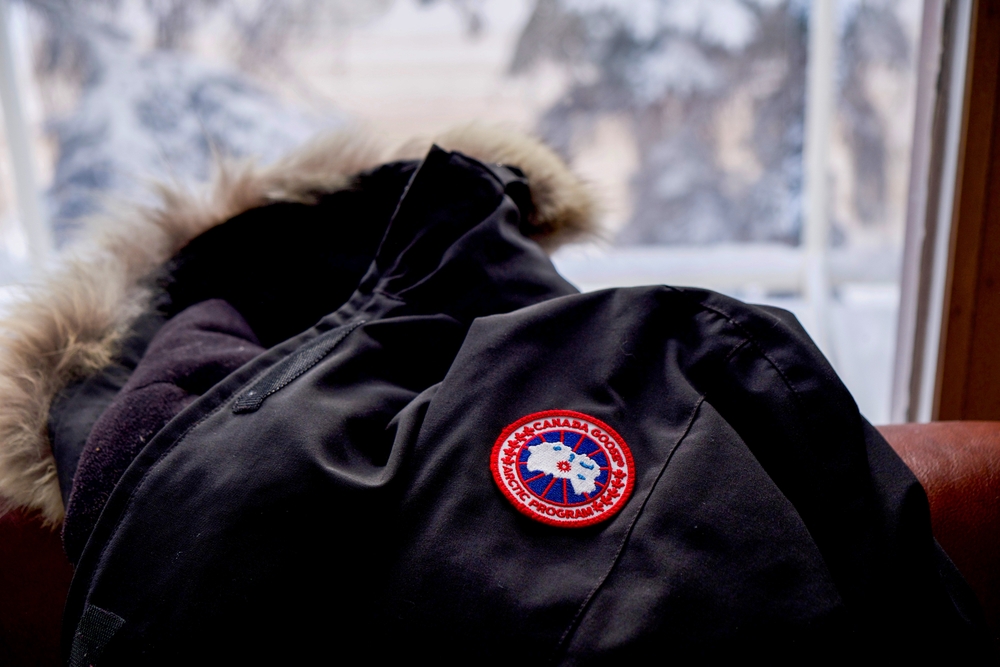
Canada Goose jackets are famously made in Canada. Accessories create more confusion. Hats, gloves, and scarves are often produced outside the country. Manufacturing varies by product line and year. Some items come from Europe or Asia. Labels list origin clearly, though many shoppers skip reading them. Brand reputation does the heavy lifting. Retail staff sometimes assume Canadian production applies to everything. It does not. Jackets remain domestic for now. Accessories follow global supply chains. The distinction matters for buyers focused on local manufacturing. Brand nationality does not guarantee production location.
Herschel Backpacks
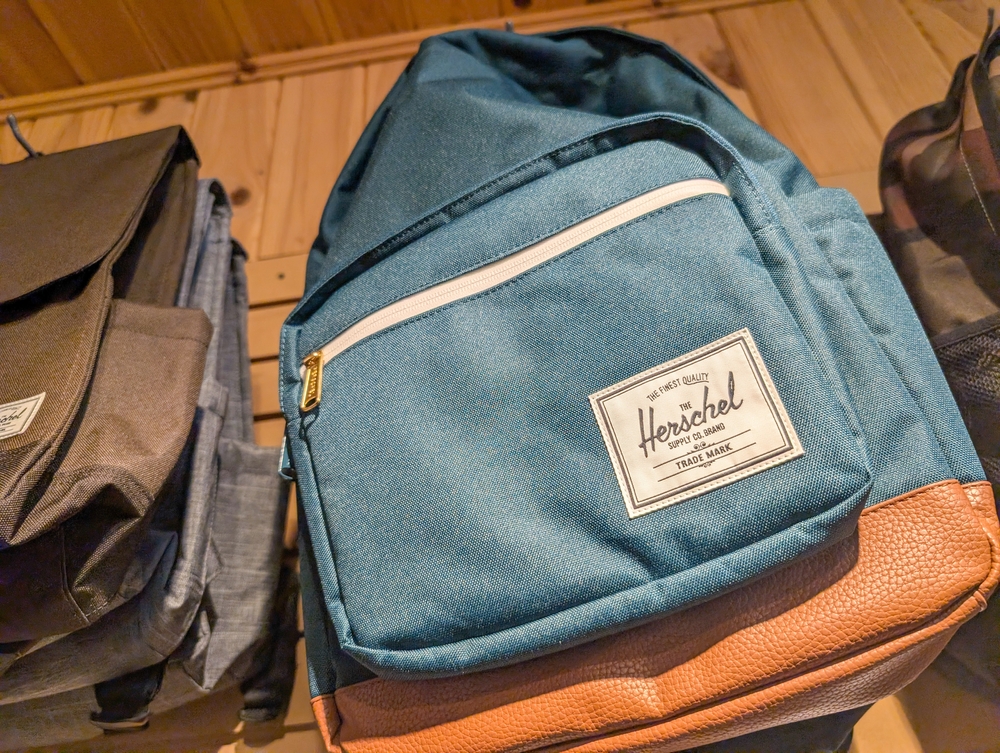
Herschel’s Vancouver roots shape its brand image. Many assume the backpacks are Canadian-made. Manufacturing is done overseas, mainly in China and Vietnam. Design and branding teams operate from Canada. Packaging emphasizes origin stories rather than factories. Price points suggest mass production efficiency. Quality control is consistent but not domestic. This surprises shoppers who discover the label later. The brand has never produced bags in Canada. Its name and aesthetic still signal local identity. Ownership remains Canadian. Production decisions follow global retail economics, not geography.
Lululemon Apparel
Lululemon started in Vancouver. Clothing is not made in Canada. Manufacturing occurs across Asia and parts of Europe. Fabric sourcing and factories vary by item. Design and testing remain Canadian-based. Many buyers assume yoga pants are locally produced. Tags list foreign origins clearly. Marketing focuses on community, not factories. High prices reinforce false assumptions. The brand shifted overseas early in its growth. This is standard for large apparel companies. Canadian ownership does not equal Canadian manufacturing.
Tim Hortons Retail Coffee
Tim Hortons is tightly linked to Canadian identity. Retail coffee sold in stores is not grown or roasted domestically. Coffee beans come from international sources. Much processing happens outside Canada. Packaging may show Canadian imagery. That branding creates emotional association. Coffee agriculture is impossible in Canada’s climate. Roasting locations vary by supplier. Some processing occurs domestically, and others abroad. Many shoppers assume full Canadian production. The brand’s cultural role overshadows supply chain reality. National identity and product origin are separate concepts.
Canadian Tire Mastercraft Tools
Mastercraft sounds like a domestic manufacturing line. Most tools are produced overseas. China and Taiwan are common sources. Design specifications are set in Canada. Quality standards differ by price tier. Older generations recall more local production. Manufacturing moved decades ago. Packaging lists the origin clearly. Brand trust leads many to assume otherwise. The Maple Leaf Association reinforces belief. These tools are still widely used and reliable. Domestic ownership does not dictate factory location. Retail brands often separate design from production.
Hudson’s Bay Blankets
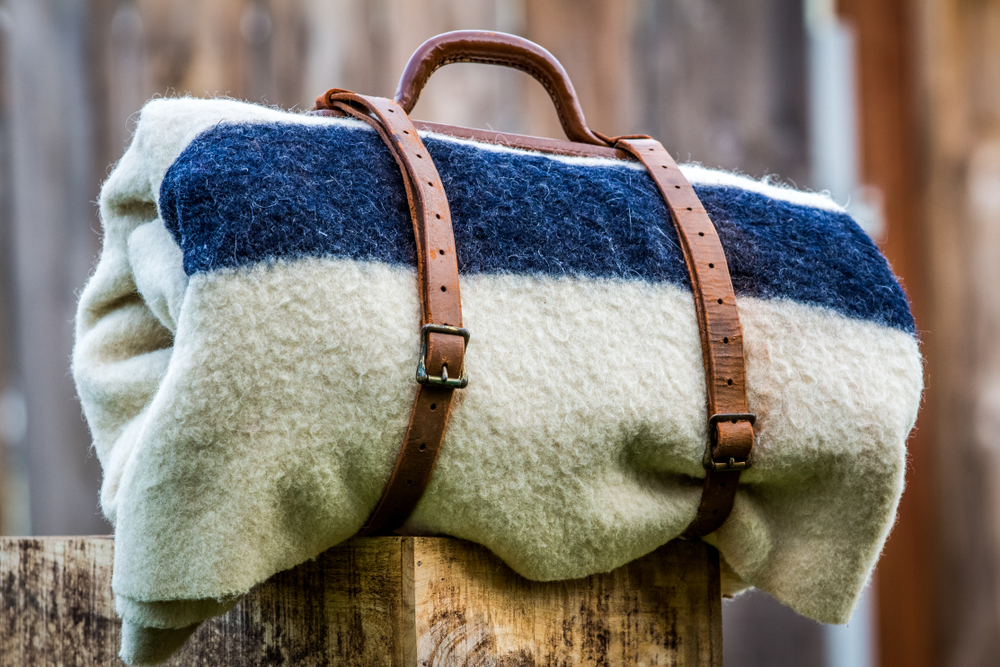
Hudson’s Bay blankets carry deep historical weight. Original versions were made in England, not Canada. Today’s blankets are produced in various countries. Manufacturing locations have changed over time. The brand predates the Canadian Confederation. Many associate it with Canadian trade history. That history involved imports, not local factories. Labels disclose origin accurately. The myth persists through symbolism. Blanket prices suggest heritage craftsmanship. Production reality reflects global textile manufacturing. History and geography are often confused in consumer memory.
Joe Fresh Clothing
Joe Fresh is a Canadian retail staple. Clothing production happens outside Canada. Manufacturing largely occurs in Asia. Design and merchandising teams operate domestically. Low prices rely on global supply chains. Shoppers sometimes expect local production due to store presence. Labels list the country of origin clearly. Fast fashion economics drive sourcing decisions. The brand never positioned itself as locally made. Canadian retail ownership still creates confusion. Familiar store environments influence assumptions. Apparel production is rarely domestic at this scale.
Roots Cotton Apparel
Roots leather once had domestic roots. Cotton apparel is mostly imported. T-shirts and hoodies come from overseas factories. Design remains Canadian. Branding emphasizes heritage and comfort. Price points suggest premium quality. Many expect Canadian sewing and assembly. Tags usually state foreign manufacture. The transition happened quietly. Some specialty items may differ. Most everyday clothing is not domestic. Shoppers often conflate brand origin with factory location. Apparel supply chains follow cost and capacity realities.
Arc’teryx Jackets
Arc’teryx began in British Columbia. Some specialty items are still made in Canada. Most jackets are produced overseas. Manufacturing shifted as the brand expanded. Technical complexity required specialized factories. Design and testing remain Canadian. Labels distinguish between domestic and imported pieces. Prices remain high across all lines. Buyers often assume Canadian production by default. That applies only to limited collections. The brand communicates this quietly. Outdoor heritage does not guarantee local manufacturing across all products.
Sleep Country Mattresses
Sleep Country is a Canadian retailer. Many mattresses sold are not made in Canada. Manufacturing varies by brand and model. Some are domestic, many are imported. Shoppers often assume local production due to advertising. In-store branding emphasizes comfort, not origin. Tags disclose manufacturing location. Sales staff may not highlight differences. Price does not reliably indicate origin. Retailers source from multiple suppliers. Store nationality does not equal product nationality. Mattress production is highly regionalized globally.
Chapman’s Ice Cream Novelties
Chapman’s core ice cream is made in Canada. Licensed novelties can differ. Some specialty products are produced elsewhere. Manufacturing depends on ingredient sourcing and packaging needs. Consumers assume full domestic production. Core lines remain Canadian. Limited releases may not be. Labels clarify the origin of the product. Brand reputation drives assumptions. Transparency varies across SKUs. The distinction often goes unnoticed. This creates partial misconceptions rather than full myths. Even trusted brands can have mixed production footprints.
Roots Cabin Home Goods
Cabin decor feels distinctly Canadian. Many items are imported. Manufacturing occurs mainly in Asia. Design themes reflect Canadian landscapes. Shoppers expect local craftsmanship. Price points suggest boutique production. Labels state otherwise. Home goods rarely share apparel factories. Separate supply chains drive sourcing. Brand cohesion masks differences. Consumers often overlook fine print. Canadian aesthetic does not equal Canadian factory work. Home decor production follows global trends.
MEC Branded Apparel
MEC has strong Canadian roots. Branded apparel is largely made overseas. Manufacturing locations include Asia. Technical fabrics require specialized facilities. Design and testing are Canadian. Members often assume domestic production. Older MEC items were once locally made. Growth changed sourcing needs. The labels list the origin clearly. Brand trust shapes expectations. Outdoor co-ops are not immune to globalization. Ownership and values differ from factory geography.
Aritzia Clothing Lines
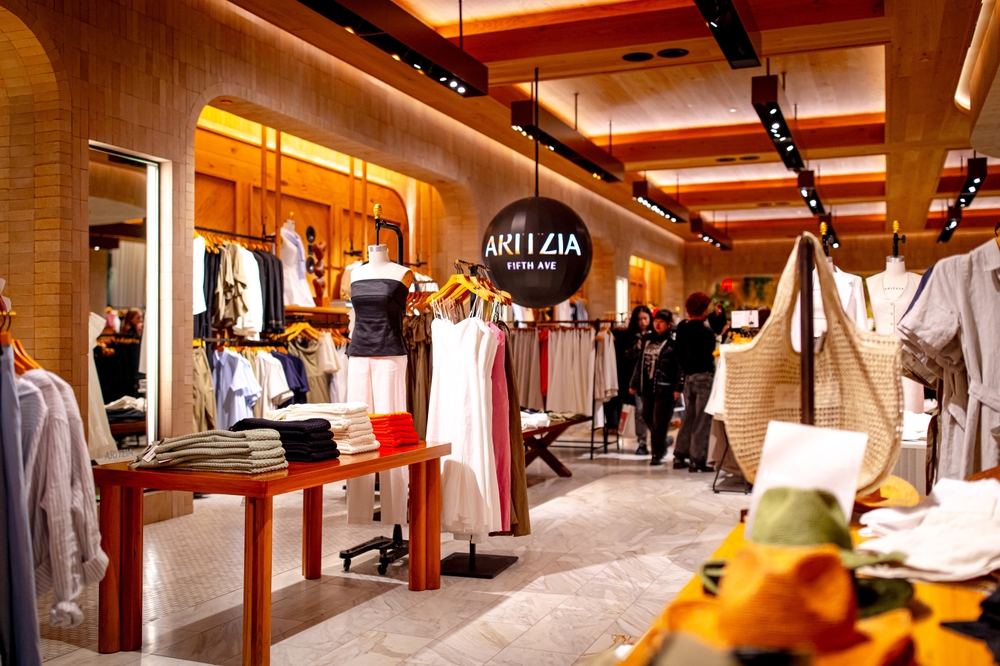
Aritzia markets minimalist Canadian style. Clothing production is offshore. Factories are located internationally. Design teams operate in Canada. High prices suggest local manufacturing. That assumption is common. Tags clarify the origin accurately. The brand never claimed domestic production. Marketing focuses on fashion, not factories. Retail experience influences belief. Many premium brands source globally. Canadian fashion identity does not require Canadian factories.
Dollarama Private Label Goods
Dollarama is a Canadian company. Private label products are imported. Manufacturing happens mainly in Asia. Low prices depend on scale sourcing. Shoppers may not consider the origin. Canadian ownership creates subconscious assumptions. Packaging often minimizes factory details. Labels still comply with regulations. Household goods dominate these lines. Domestic production would raise prices sharply. The model relies on imports. Retail nationality and product origin remain separate.
Home Hardware House Brands
Home Hardware is Canadian-owned. Many house-brand items are imported. Tools, hardware, and fixtures vary widely. Some suppliers are domestic. Many are not. Store branding suggests local sourcing. Individual product tags reveal origin. Buyers often assume consistency. Supply chains differ by category. Price tiers influence sourcing decisions. Local ownership supports communities. Manufacturing location still depends on supplier capability and cost.
Indigo Branded Stationery
Indigo is a Canadian bookstore chain. Stationery and lifestyle items are imported. Manufacturing occurs overseas. Design and curation are Canadian. Shoppers associate bookstores with local goods. Packaging emphasizes aesthetic appeal. Origin details are easy to miss. Prices suggest boutique sourcing. Mass production enables those prices. Brand trust drives assumptions. Retail environment shapes expectations. Stationery production is rarely domestic at scale.
Canadian Club Merchandise
Canadian Club whiskey is Canadian-made. Branded merchandise often is not. Apparel and accessories are produced elsewhere. Promotional items follow global sourcing norms. Consumers assume consistency across products. Labels specify manufacturing location. Brand name influences belief strongly. Merchandise is handled by third parties. Production choices focus on cost. The liquid and the lifestyle items differ. Brand identity does not apply uniformly across categories.
Sport Chek House Brands
Sport Chek is a Canadian retailer. House brands are manufactured overseas. Apparel and equipment come from global suppliers. Design work happens domestically. Price competitiveness drives sourcing. Shoppers may assume local production. Labels disclose origin. Retail presence influences perception. Sporting goods production is specialized. Factories cluster internationally. Canadian ownership does not change that reality. Store branding often outweighs label reading.
Roots Accessories Beyond Leather
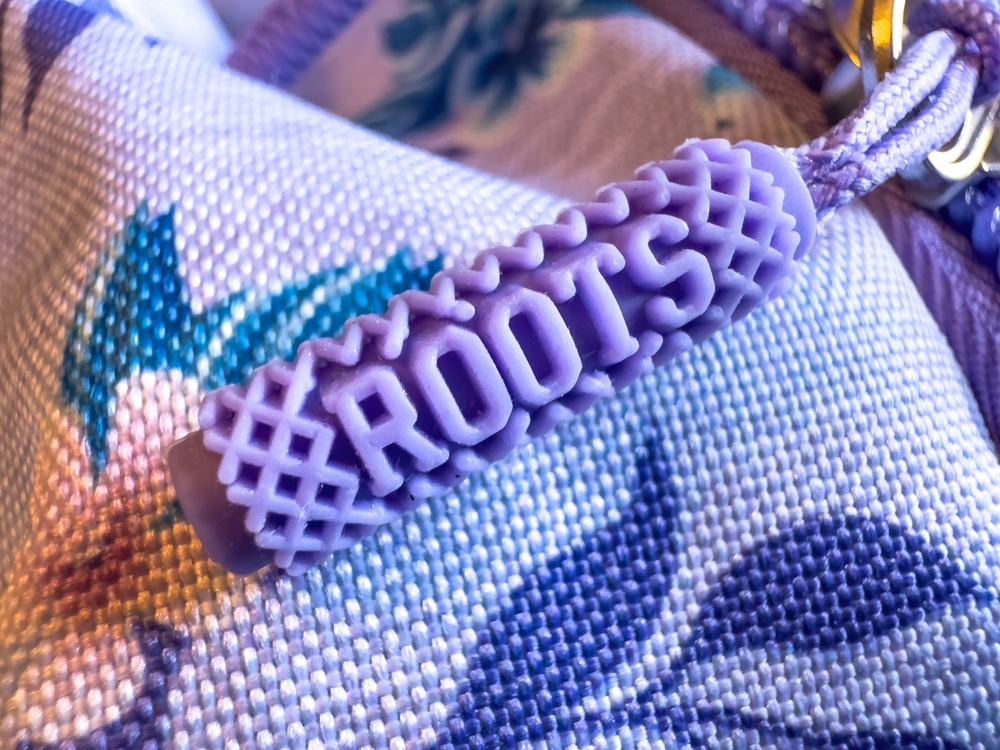
Roots leather has historic ties to Canada. Accessories like hats and scarves differ. Many are imported. Manufacturing depends on materials and suppliers. Brand messaging remains consistent. Consumers apply leather assumptions broadly. Tags clarify the origin of each item. The mix creates confusion. Premium pricing reinforces belief. Accessories follow different supply chains. Domestic production is limited. Understanding product categories matters when evaluating origin.
22 Groceries to Grab Now—Before another Price Shock Hits Canada
Food prices in Canada have been steadily climbing, and another spike could make your grocery bill feel like a mortgage payment. According to Statistics Canada, food inflation remains about 3.7% higher than last year, with essentials like bread, dairy, and fresh produce leading the surge. Some items are expected to rise even further due to transportation costs, droughts, and import tariffs. Here are 22 groceries to grab now before another price shock hits Canada.
22 Groceries to Grab Now—Before another Price Shock Hits Canada
This Options Discord Chat is The Real Deal
While the internet is scoured with trading chat rooms, many of which even charge upwards of thousands of dollars to join, this smaller options trading discord chatroom is the real deal and actually providing valuable trade setups, education, and community without the noise and spam of the larger more expensive rooms. With a incredibly low-cost monthly fee, Options Trading Club (click here to see their reviews) requires an application to join ensuring that every member is dedicated and serious about taking their trading to the next level. If you are looking for a change in your trading strategies, then click here to apply for a membership.