
35,000+ smart investors are already getting financial news, market signals, and macro shifts in the economy that could impact their money next with our FREE weekly newsletter. Get ahead of what the crowd finds out too late. Click Here to Subscribe for FREE.
35,000+ smart investors are already getting financial news, market signals, and macro shifts in the economy that could impact their money next with our FREE weekly newsletter. Get ahead of what the crowd finds out too late. Click Here to Subscribe for FREE.
Canadians are loyal shoppers. When a brand earns trust, people stick with it for decades. That is why disappointment cuts deeper when something familiar no longer feels the same. Rising prices, quieter cost-cutting, ownership changes, and faster growth have altered many well-known names. Some shifts were gradual. Others felt sudden and obvious. Consumers noticed smaller portions, thinner materials, weaker service, or higher prices with fewer perks. Here are 18 Canadian brands people swear used to be better (what changed).
Tim Hortons
18 Canadian Brands People Swear Used to Be Better (What Changed)
Tim Hortons once felt proudly local and personal. Many customers say food quality declined after international ownership changes. Fresh-baked items became more processed over time. Coffee recipes changed, upsetting long-time regulars. Stores multiplied quickly, leading to inconsistent service. Some locations feel understaffed during peak hours. Menu expansion added complexity without improving taste. Prices increased faster than portion size. The brand shifted focus toward speed and scale. Loyal customers miss the simpler experience. Convenience remains strong, but emotional attachment weakened. Many still visit out of habit. Fewer see it as a point of pride today.
Hudson’s Bay
Hudson’s Bay once defined Canadian retail. Shoppers remember better service and stronger product selection. Stores now feel dated in many cities. Foot traffic dropped as malls declined. Private label quality slipped compared to past decades. Pricing often feels confusing and inflated. Heavy discounting trains customers to wait. Staff numbers dropped, resulting in store help. Online shopping never fully matched its competitors. Inventory variety narrowed over time. The brand struggled to modernize without losing identity. Many shoppers feel the magic faded quietly. Nostalgia keeps it relevant, but excitement is limited.
Roots
Roots built its reputation on durable basics. Earlier products felt thicker and longer-lasting. Customers now report thinner materials and faster wear. Prices remain premium despite perceived quality shifts. Manufacturing moved more overseas over time. Sizing consistency also became an issue for some shoppers. Logo-heavy styles replaced understated classics. Sales expanded, but exclusivity faded. Stores feel more commercial than cozy. The brand still looks Canadian, but feels less handcrafted. Loyal buyers now inspect items more carefully. Trust eroded slowly, not suddenly.
Canadian Tire
Canadian Tire was once a one-stop solution. Shoppers appreciated knowledgeable staff and solid house brands. Many stores now feel cluttered and inconsistent. Product quality varies widely by category. Some tools and parts feel less durable. Store layouts changed frequently, confusing regulars. Staffing shortages reduced floor assistance. Prices increased, reducing value perception. Loyalty rewards feel harder to use. Online inventory accuracy frustrates shoppers. The brand still serves many needs. Confidence in reliability is lower than before.
The Brick
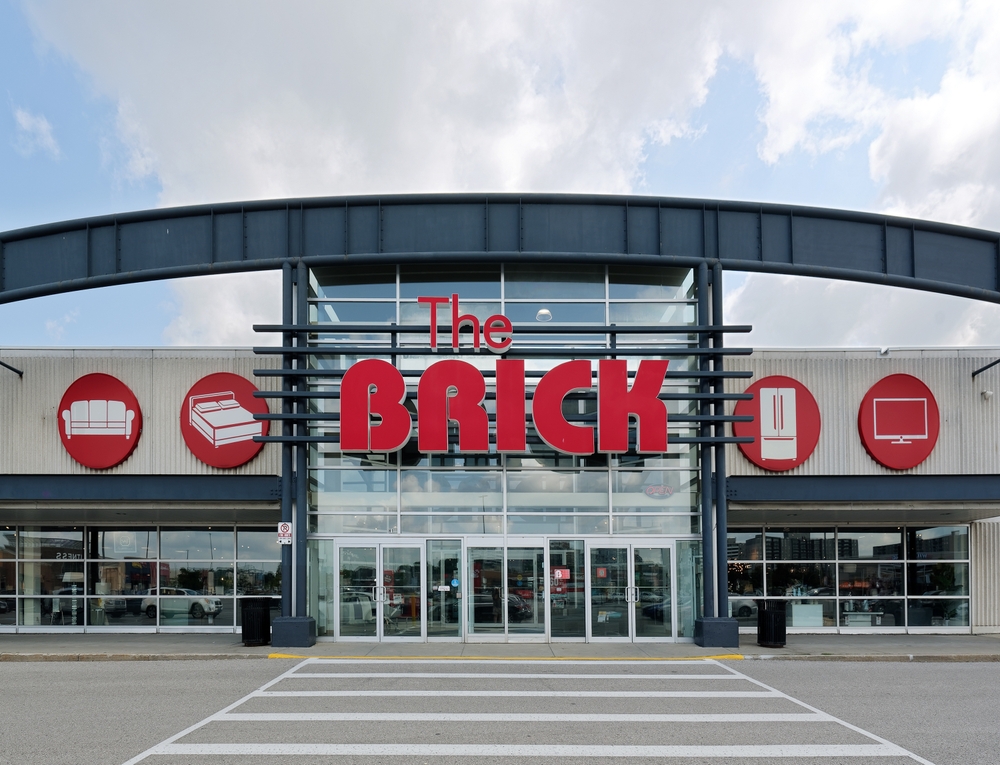
The Brick built its name on affordability and selection. Customers now complain about declining furniture durability. Delivery delays became more common. Assembly quality varies by location. Warranty experiences feel inconsistent. Prices rose while materials feel cheaper. Sales tactics remain aggressive and repetitive. Showrooms feel crowded with similar designs. Customer service reviews declined steadily. Many buyers feel rushed during purchases. The brand still competes on price. Satisfaction after delivery feels less certain.
Aritzia
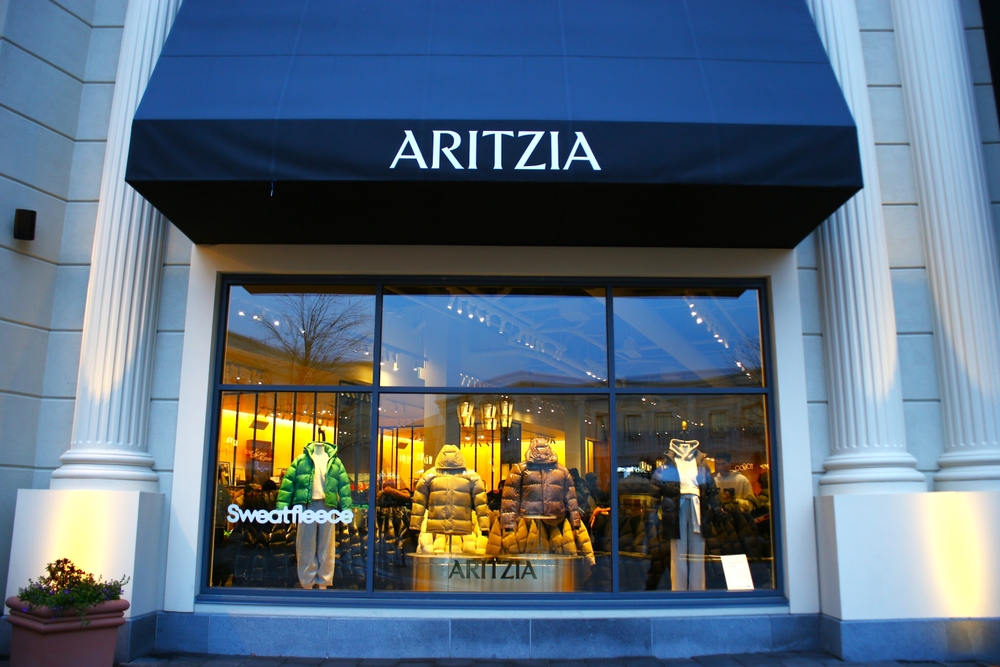
Aritzia gained fame for flattering fits and fabrics. Shoppers now report thinner materials. Price increases outpaced perceived improvements. Return policies tightened, frustrating buyers. Online sizing inconsistencies increased complaints. Trend chasing replaced timeless staples. Stores feel busier but less personal. Sales associates face heavier pressure targets. Quality control varies between collections. The brand remains stylish and influential. Long-time fans feel cautious before buying. Expectations rose faster than results.
Lululemon

Lululemon built loyalty through premium performance wear. Early leggings felt thicker and lasted longer. Customers report pilling issues sooner now. Prices climbed steadily across categories. Style turnover increased, reducing consistency. Manufacturing scaled rapidly to meet demand. Quality control complaints became more common online. Return experiences feel stricter than before. Brand culture shifted from community to growth. Athletes still like the fit. Many miss the original durability promise.
RONA

RONA once felt locally focused and helpful. Ownership changes altered store identity. Product selection shifted toward mass market items. Service levels vary greatly by location. Contractor-focused expertise declined in some stores. Pricing often mirrors larger competitors. Store layouts lost regional character. Staff turnover affected experience consistency. DIY customers feel less supported. Online tools lag behind rivals. The brand remains useful. Personal connection feels weaker.
Air Canada

Air Canada improved its safety and reach over time. Passenger comfort became more compressed. Fees expanded across baggage and seating. Service consistency varies by route. Delays feel more frequent to travelers. Loyalty perks changed, frustrating frequent flyers. Cabin upgrades feel uneven across fleets. Food quality declined on shorter flights. Staffing pressures affect onboard experience. Prices rose sharply during peak travel. The airline remains essential. Customer patience grew thinner.
Shoppers Drug Mart

Shoppers Drug Mart once felt convenient and affordable. Prices now surprise many customers. Front store items cost more than competitors’. Sales cycles became complex and confusing. Staffing shortages slowed pharmacy service. Loyalty rewards feel harder to maximize. Private label products expanded rapidly. Store layouts changed frequently. Personalized service declined in busy locations. Pharmacy wait times increased. Convenience remains a draw. Value perception dropped noticeably.
Sleep Country Canada
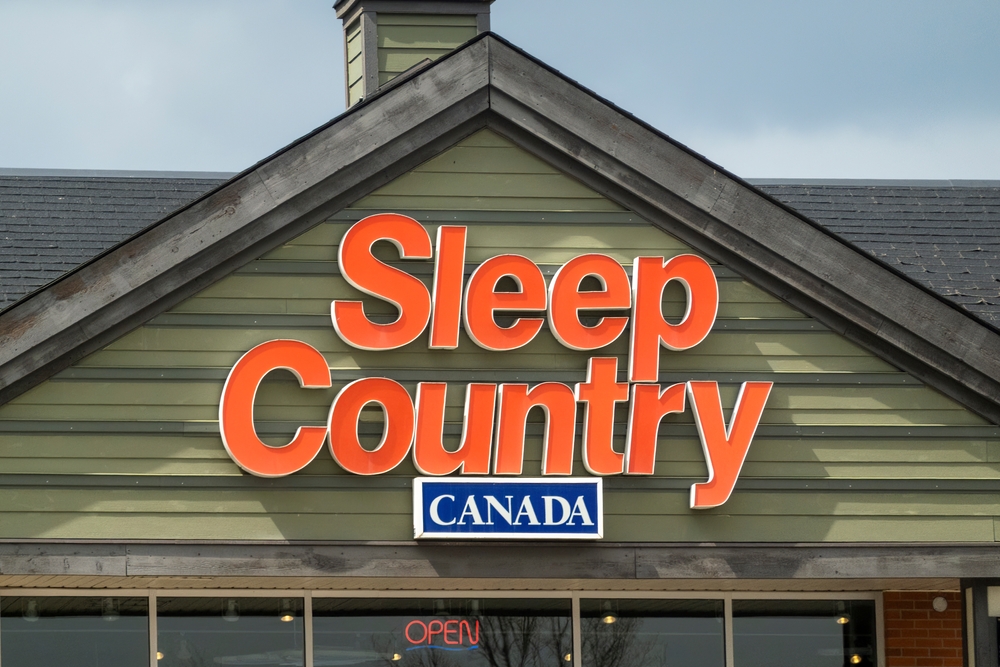
Sleep Country built trust through comfort guarantees. Mattress prices increased significantly over time. Sales pressure intensified in stores. Product transparency feels reduced for shoppers. Delivery scheduling complaints increased. Return processes feel more restrictive. House brands replaced recognizable names. Warranty fine print confuses. In-store experiences vary by associate. Advertising remains memorable and loud. Customer confidence depends heavily on the salesperson. Reputation feels less straightforward.
Second Cup
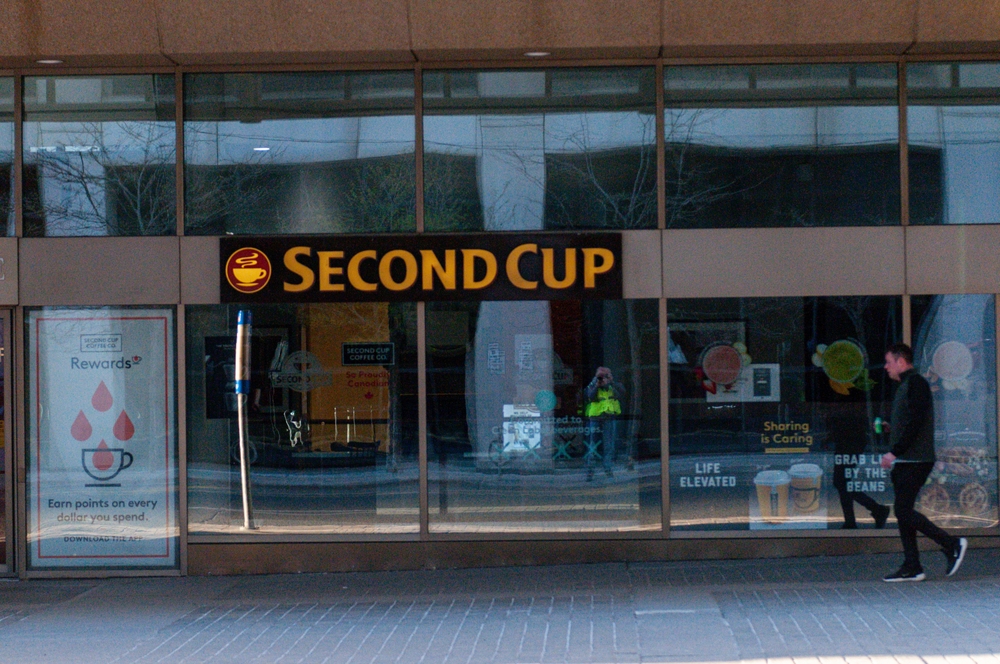
Second Cup once rivaled major coffee chains. Store closures reduced visibility across cities. Menu innovation slowed compared to competitors. Coffee quality feels inconsistent by location. The atmosphere varies widely between franchises. Loyalty programs lag behind rivals. Pricing competes poorly with larger chains. Brand identity feels unclear today. Expansion stalled while others grew. Remaining locations feel dated. Fans remember better consistency. Market relevance faded gradually.
Indigo
Indigo transformed bookstores into lifestyle spaces. Book selection shrank in many stores. Non-book items dominate floor space. Prices increased across gift categories. Staff expertise feels thinner than before. Local author focus declined in some regions. Stores feel more like general retailers. Online competition reduced foot traffic. Reading culture feels secondary now. The brand still draws browsers. Book lovers feel less prioritized.
Joe Fresh
Joe Fresh earned praise for affordable fashion. Early collections felt well-made for the price. Fabric quality declined across categories. Fit consistency varies more than before. Price increases reduced bargain appeal. Trend-driven designs replaced basics. In-store inventory turnover feels rushed. Durability complaints appear more frequently online. Collaboration hype overshadowed core products. Shoppers now check labels closely. The brand remains accessible. Expectations have lowered noticeably.
Pizza Pizza
Pizza Pizza built popularity through convenience. Customers recall better taste in earlier years. Ingredient quality feels cheaper now. Prices rose faster than portion size. Promotions became more complicated. Franchise quality varies widely by location. Delivery consistency declined in busy areas. Menu expansion diluted core offerings. Late-night demand keeps traffic steady. Loyalty is habit-based today. Few call it their favorite. Satisfaction feels conditional.
Home Hardware
Home Hardware thrived on knowledgeable local staff. Staffing challenges reduced expertise in some stores. Product quality varies more by location now. Pricing competes poorly with big box rivals. Store layouts feel inconsistent nationwide. Online ordering tools lag behind competitors. Local ownership remains a strength. Service depends heavily on individual stores. Selection can feel limited for large projects. Loyal customers still prefer it. Expectations vary widely today.
Roots Canada
Roots Canada expanded rapidly beyond core markets. Product lines widened without a clear focus. Material thickness declined across categories. Prices stayed premium despite quality concerns. Overseas manufacturing increased quietly. Logo emphasis replaced the subtle design. Store experience feels more corporate now. Seasonal sales became more frequent. Long-term durability feels uncertain. Brand pride softened among loyal buyers. Many still love the look. Fewer trust longevity claims fully.
Canada Goose
Canada Goose built its status on extreme-weather gear. Prices rose far beyond functional needs. Quality complaints increased as production scaled. Urban fashion focus changed brand perception. Product lines expanded beyond core parkas. Counterfeit concerns hurt trust. Warranty experiences feel more complex. Marketing overshadowed performance messaging. Materials feel similar despite higher costs. The brand remains prestigious globally. Canadian buyers feel priced out. Practical appeal declined at home.
22 Groceries to Grab Now—Before another Price Shock Hits Canada
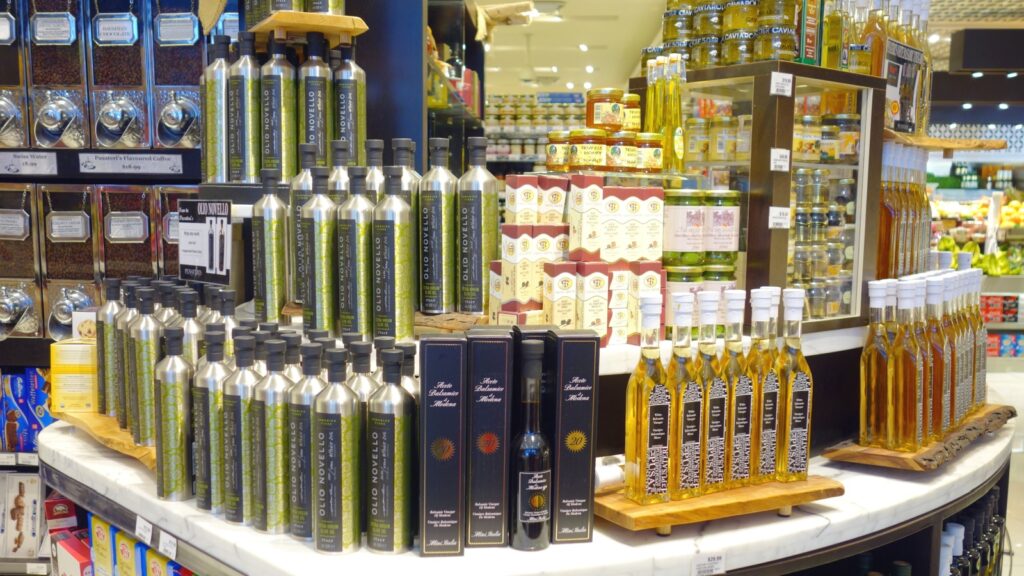
Food prices in Canada have been steadily climbing, and another spike could make your grocery bill feel like a mortgage payment. According to Statistics Canada, food inflation remains about 3.7% higher than last year, with essentials like bread, dairy, and fresh produce leading the surge. Some items are expected to rise even further due to transportation costs, droughts, and import tariffs. Here are 22 groceries to grab now before another price shock hits Canada.
22 Groceries to Grab Now—Before another Price Shock Hits Canada
This Options Discord Chat is The Real Deal
While the internet is scoured with trading chat rooms, many of which even charge upwards of thousands of dollars to join, this smaller options trading discord chatroom is the real deal and actually providing valuable trade setups, education, and community without the noise and spam of the larger more expensive rooms. With a incredibly low-cost monthly fee, Options Trading Club (click here to see their reviews) requires an application to join ensuring that every member is dedicated and serious about taking their trading to the next level. If you are looking for a change in your trading strategies, then click here to apply for a membership.