35,000+ smart investors are already getting financial news, market signals, and macro shifts in the economy that could impact their money next with our FREE weekly newsletter. Get ahead of what the crowd finds out too late. Click Here to Subscribe for FREE.
Electric vehicles are no longer rare in Canada, but confusion still surrounds how they actually work. Charging myths spread through group chats, dealership chatter, and outdated headlines. Some of these ideas were once true. Many are now wrong. As charging networks expand and battery technology improves, old assumptions persist. These myths affect buying decisions, winter confidence, and long-term costs. Clearing them up matters for drivers who want facts. Here are 18 EV charging myths Canadians still believe (and what’s actually true).
EVs Take All Night to Charge Every Time
18 EV Charging Myths Canadians Still Believe (And What’s Actually True)
- EVs Take All Night to Charge Every Time
- You cannot charge an EV in Winter
- Public Chargers Are Always Broken
- Fast Charging Destroys the Battery
- You Need a Charger Installed Before Buying an EV
- Charging Costs More Than Gas
- All Chargers Work the Same Way
- EVs Cannot Be Charged in Apartments
- You Must Fully Charge Every Time
- Charging an EV Overloads the Power Grid
- Chargers Are Impossible to Find on Road Trips
- Charging Is Too Complicated for Regular Drivers
- EVs Cannot Handle Frequent Short Charges
- Charging at Home Is Unsafe
- EVs Lose All Range While Parked
- Fast Chargers Are Only for Emergencies
- Older Homes Cannot Support EV Charging
- EV Charging Will Always Be Inconvenient
- 22 Groceries to Grab Now—Before another Price Shock Hits Canada
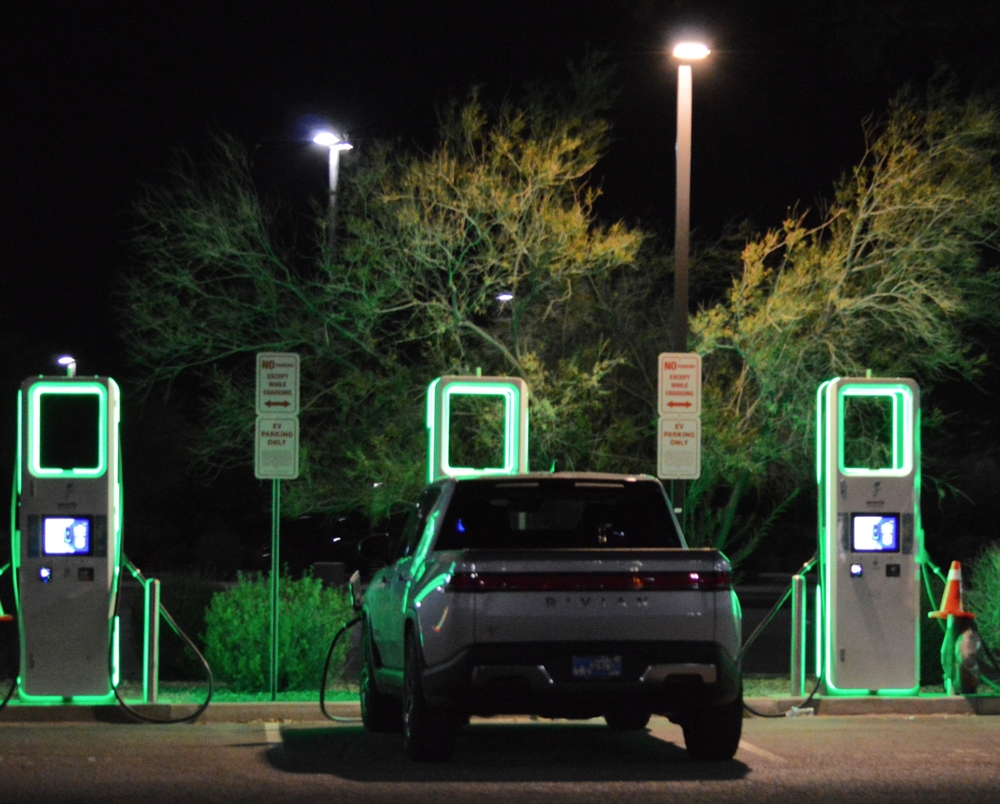
Many Canadians think every EV needs overnight charging for basic use. That idea mixes home charging with empty batteries. Most drivers recharge from partial levels, not zero. Level 2 home chargers usually add 30 to 40 kilometres per hour. Many daily commutes need only two hours. Public fast chargers operate differently and can add hundreds of kilometres in a short time. Charging time also depends on battery size and temperature. You rarely wait from empty to full. Most owners plug in occasionally rather than daily. Charging fits into routines like parking or sleeping. It feels slower only when compared to gas pumps.
You cannot charge an EV in Winter
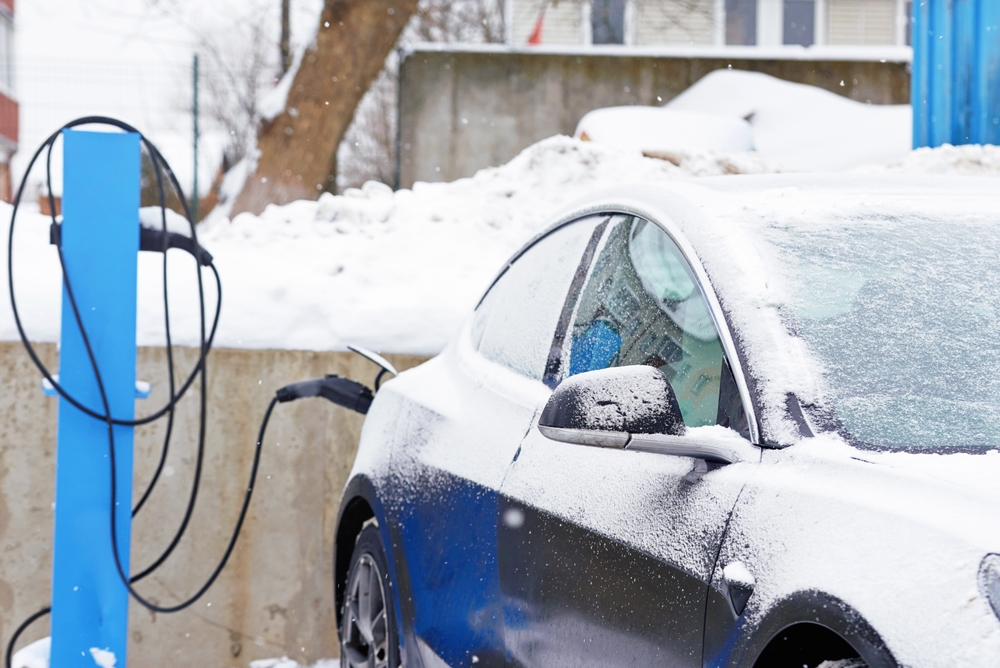
Cold weather reduces charging speed but does not stop charging. Batteries warm themselves before accepting power. Many EVs precondition while plugged in. This protects charging performance. Charging stations operate year-round across Canada. Snow does not disable chargers. Drivers often notice slower speeds, not failures. Home garages help maintain battery temperature. Outdoor chargers still work reliably. Range loss in winter is real but manageable. Charging simply takes planning. Plugging in overnight offsets winter losses. Cold weather changes behavior, not feasibility. EV charging continues through Canadian winters without special equipment or tricks.
Public Chargers Are Always Broken
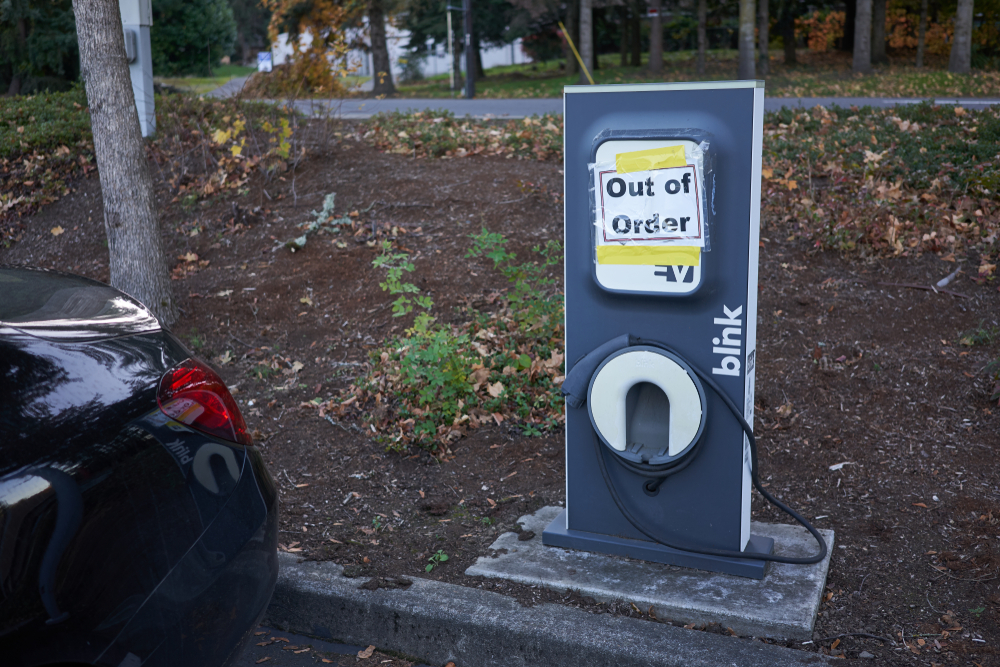
This myth comes from early infrastructure problems. Charging networks have improved sharply. Many stations now show live status updates. Apps display availability before arrival. Broken chargers still exist but are less common. Urban areas offer multiple backup locations. High traffic routes receive faster maintenance. Newer stations use more reliable hardware. Payment systems also improved. Most failures involve older installations. Drivers quickly learn which locations work best. The idea of constant breakdowns is outdated. Reliability still varies by provider and region. Overall, uptime has improved enough for regular use and longer trips.
Fast Charging Destroys the Battery
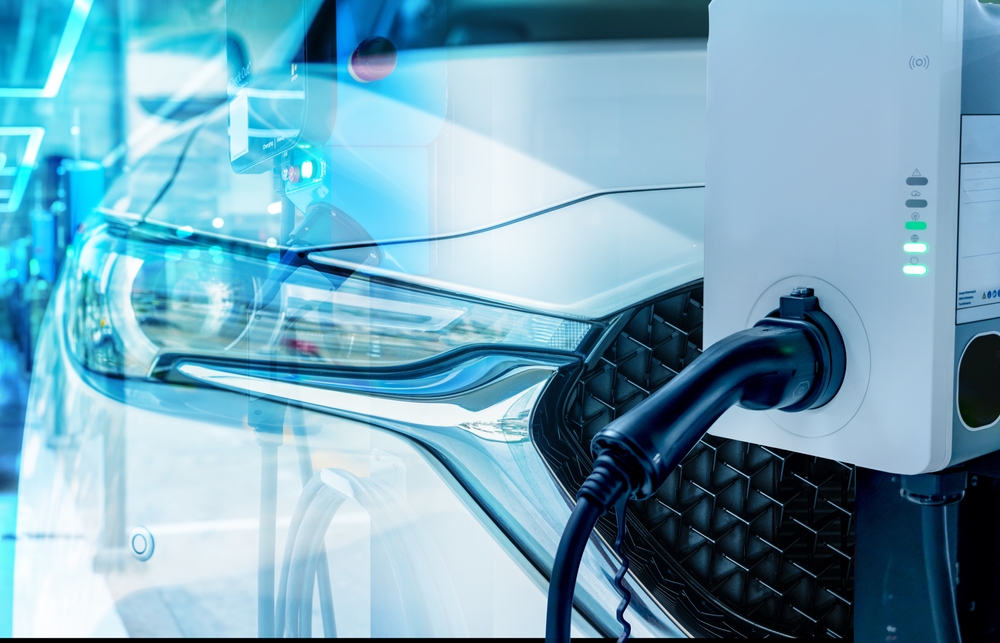
Fast charging does increase battery stress, but within safe limits. EV systems automatically manage heat and power. Occasional fast charging causes minimal long-term damage. Problems arise only with constant fast charging. Most drivers mix home and public charging. Battery warranties cover normal fast-charger use. Manufacturers design packs to handle high power safely. Charging slows near full to protect cells. Studies show modest degradation over many years. Normal use does not ruin batteries. Fast charging is a tool, not a threat. Used occasionally, it has little impact on battery health.
You Need a Charger Installed Before Buying an EV
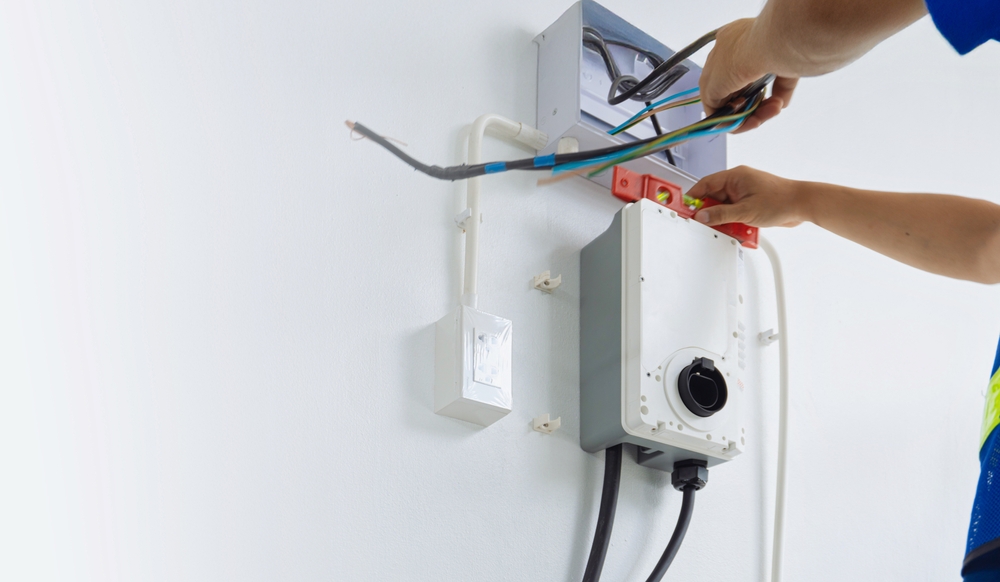
Many people think home charging is mandatory. Standard wall outlets can charge EVs slowly. This works for low daily driving. Installing a Level 2 charger improves convenience but is optional. Renters can use workplace or public chargers. Some condos already offer shared stations. Installation depends on lifestyle, not ownership. Many buyers install chargers after purchase. Some never install one. Planning matters more than equipment. EV ownership does not require upfront electrical upgrades. Charging options exist across cities and suburbs. Home chargers add comfort, not eligibility.
Charging Costs More Than Gas
Charging often costs less than gasoline in Canada. Home electricity rates remain relatively stable. Overnight charging uses cheaper off-peak power. Public fast-charging costs more but is used less frequently. Fuel prices fluctuate daily. Electricity pricing changes slowly. Even paid charging often beats gas on a cost-per-kilometre basis. Maintenance savings add further value. Cold weather reduces efficiency, but not enough to erase savings. Urban drivers benefit most. Cost depends on driving habits and location. For many Canadians, charging remains cheaper than filling a tank regularly.
All Chargers Work the Same Way
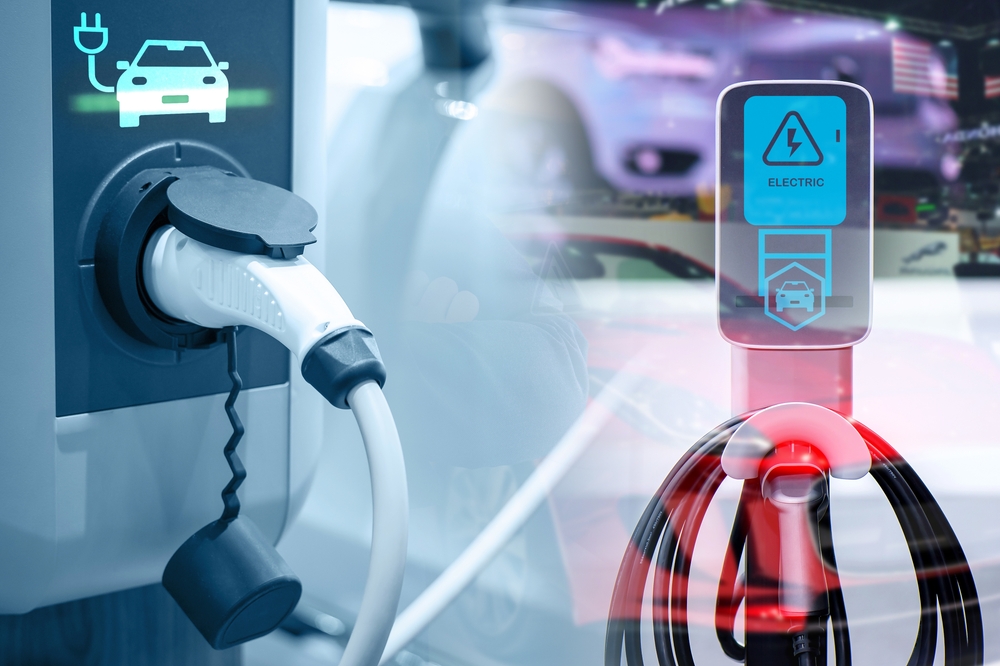
Charging speeds vary widely. Level 1 uses standard outlets and charges slowly. Level 2 chargers are common in homes and parking lots. DC fast chargers deliver much higher power. Not all EVs accept the same maximum speeds. Connector types also differ by brand. Some stations support multiple standards. Apps help identify compatible chargers. Confusion comes from assuming uniform performance. Charging experience depends on the hardware and the vehicle. Learning the basics removes frustration. Once understood, the variety of chargers feels manageable. Different chargers serve different needs, not flaws in the system.
EVs Cannot Be Charged in Apartments
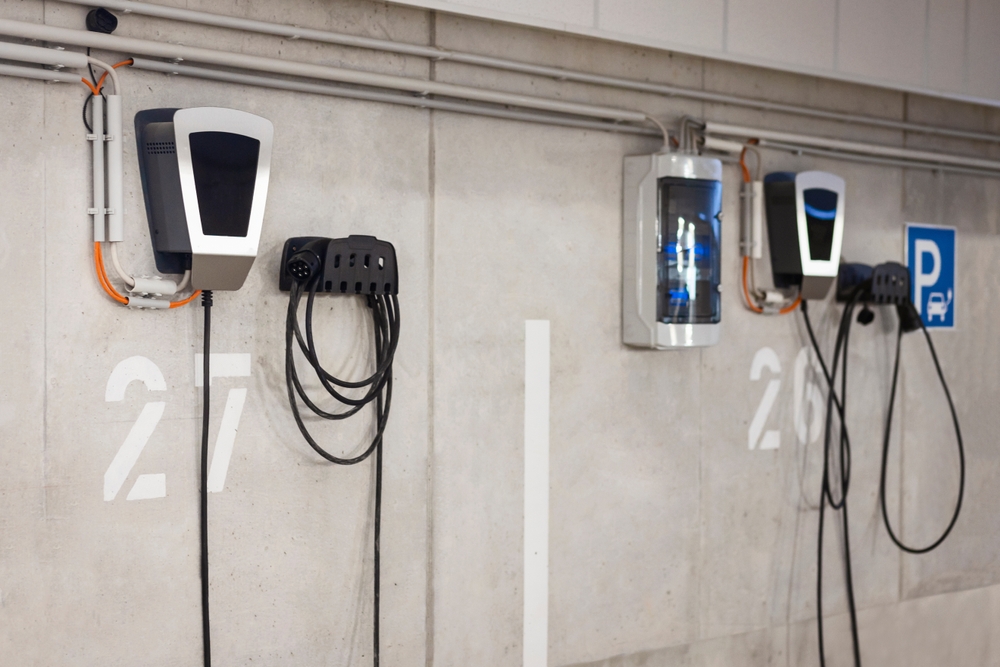
Apartment charging is possible but varies by building. Some properties already provide chargers. Others allow installations in assigned parking. Portable charging from outlets may be permitted. Workplace charging fills gaps for many renters. Cities increasingly require EV readiness in new buildings. Incentives support retrofits in older complexes. Charging networks near apartments help bridge access. Apartment living does not exclude EV ownership. Planning matters more than housing type. Many renters successfully rely on public infrastructure. The lack of a private garage is a challenge, not a deal-breaker.
You Must Fully Charge Every Time
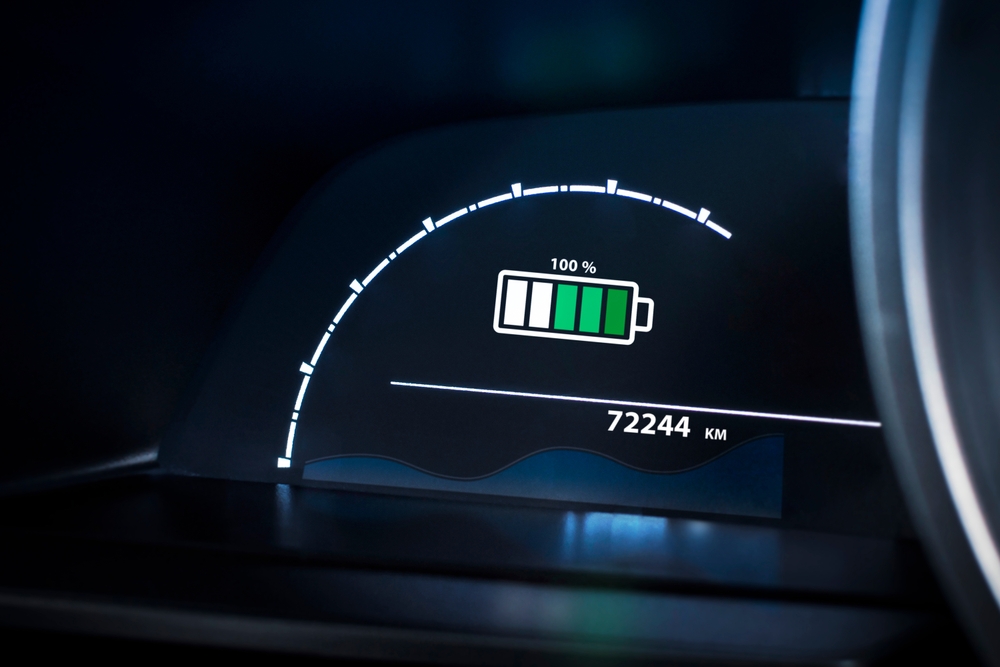
EV batteries prefer partial charging. Charging to 80 percent often preserves battery health. Full charges are useful before long trips. Daily charging rarely needs 100 percent. Vehicles allow charge limits through settings. This helps manage longevity. Drivers choose charging levels based on plans. The habit of full refueling originated with gas-powered cars. EVs work differently. Topping up frequently is normal. Partial charging reduces time spent plugged in. It also lowers stress on the battery. Charging behavior adapts quickly once drivers understand this difference.
Charging an EV Overloads the Power Grid
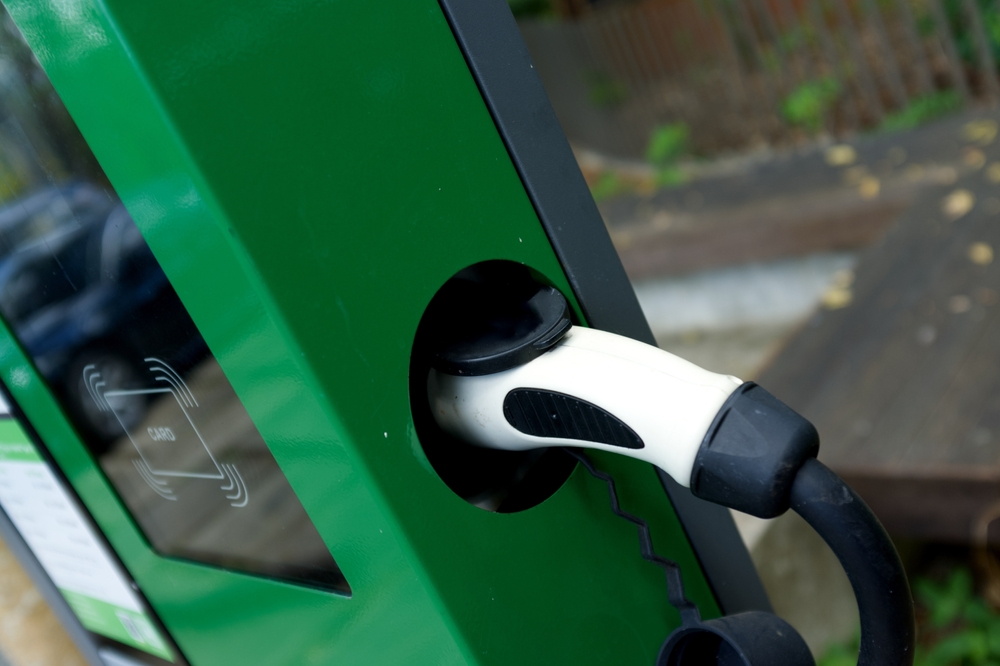
EV charging adds demand but remains manageable. Most charging happens overnight during low-demand hours. Utilities plan for gradual adoption. Smart chargers shift loads automatically. Grid upgrades occur alongside growth. Compared to heating and cooling loads, EVs are modest. Studies show no immediate overload risks. Regional planning spreads demand effectively. Home chargers draw less power than many appliances. Coordinated charging smooths spikes. The grid already handles seasonal surges. EV charging becomes part of normal electricity use, not a breaking point.
Chargers Are Impossible to Find on Road Trips

Long-distance charging has improved significantly. Major highways now feature fast charging corridors. Navigation systems route trips through charging stops. Apps display distance and availability. Planning replaces spontaneity, not travel itself. Rural gaps still exist but are shrinking. Charging stops often align with meals or breaks. Most trips require short charging sessions. Drivers adjust expectations, not destinations. Road trips remain practical with preparation. Early planning reduces stress. The myth persists because early adopters faced limited options that no longer reflect current coverage.
Charging Is Too Complicated for Regular Drivers
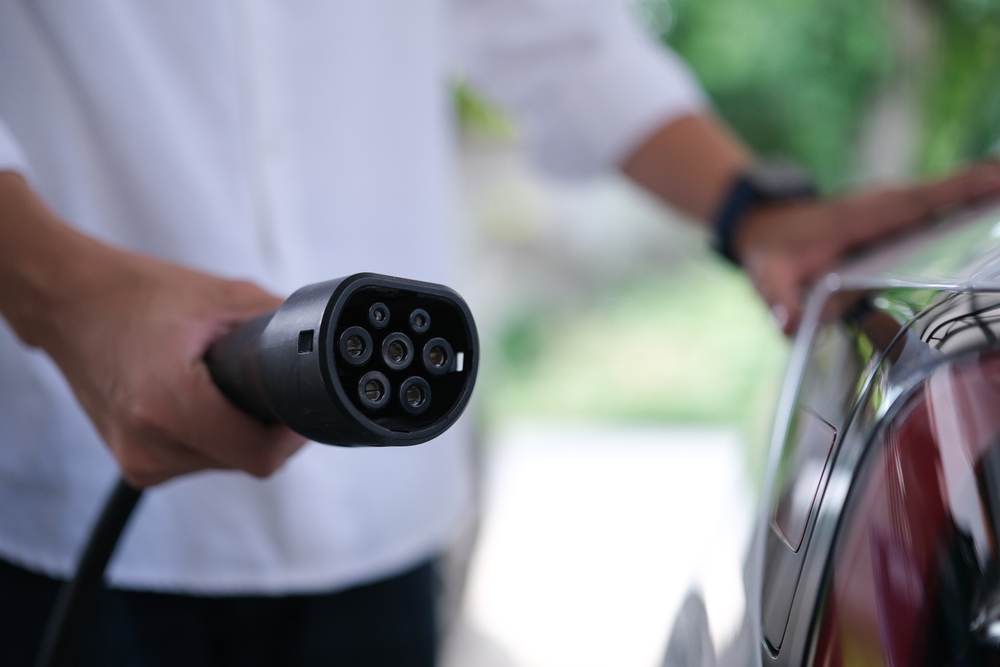
Charging appears complex before experience. After a few sessions, it becomes routine. Apps guide payment and activation. Vehicles show charging status clearly. Most drivers charge at familiar locations. Complexity comes from unfamiliar terms. Gas stations also have rules, but they feel normal. EV charging simply requires learning once. Clear signage and standardized connectors help. Problems are rare during normal use. Drivers adapt quickly without technical knowledge. Charging becomes background behavior like plugging in a phone. Complexity fades with repetition and basic understanding.
EVs Cannot Handle Frequent Short Charges
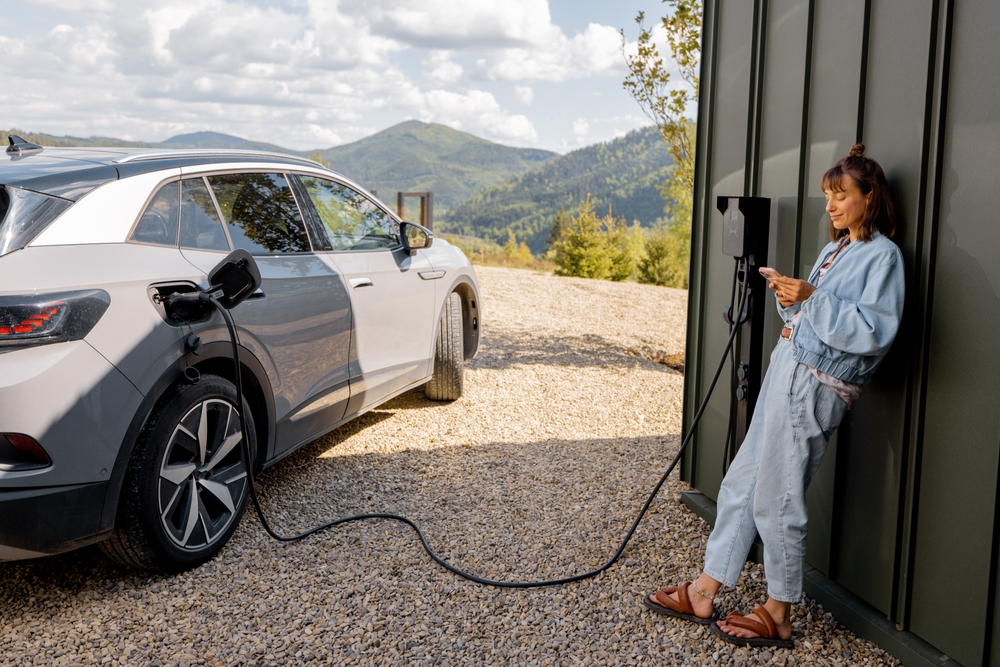
Short charging sessions do not harm batteries. Lithium batteries prefer frequent partial charging. This reduces deep discharge cycles. Many drivers top up during errands. Vehicles manage charging automatically. Battery systems track temperature and voltage. Short sessions add flexibility, not damage. This behavior suits urban driving patterns. The myth comes from older battery types. Modern EVs are designed for this use. Short charges increase convenience. They do not reduce lifespan. Frequent small charges align with how most Canadians actually drive.
Charging at Home Is Unsafe
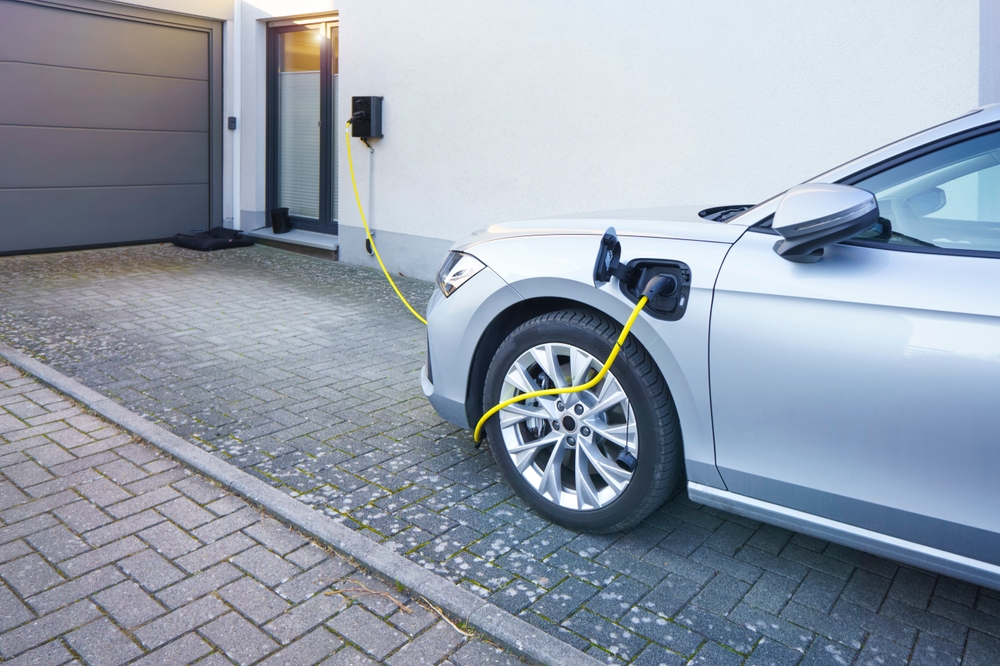
Home charging systems meet strict safety standards. Certified chargers include protection features. Electrical inspections reduce risk further. Most issues come from improper installations. Licensed electricians follow code requirements. Chargers shut down automatically if a problem occurs. Cables are weather-rated and insulated. Home charging is safer than many appliances. Fire incidents are rare and investigated thoroughly. Insurance data does not show elevated risk. Plugging in an EV is controlled and monitored. With proper installation, home charging remains a low-risk daily activity.
EVs Lose All Range While Parked
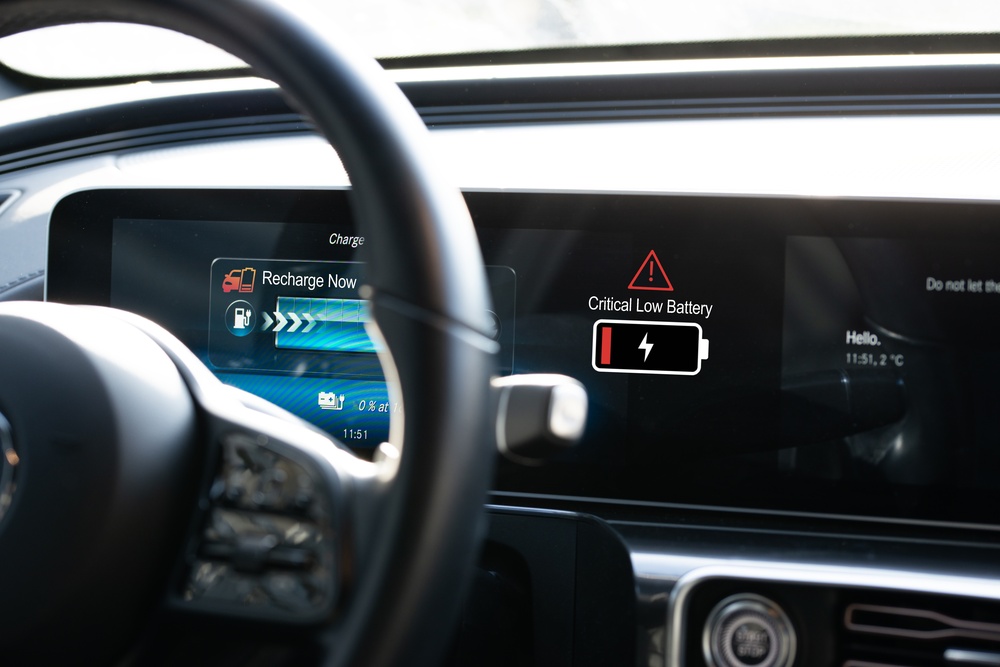
Battery drain while parked is minimal. Modern EVs manage background systems efficiently. Cold weather increases idle use slightly. Parking for days rarely causes major loss. Drivers report small percentage drops over time. Vehicles enter sleep modes automatically. Apps allow monitoring. Long-term parking may need occasional charging. Compared to fuel evaporation concerns, EV losses are small. The idea of rapid drain is exaggerated. Most parked EVs retain usable charge for extended periods without intervention.
Fast Chargers Are Only for Emergencies
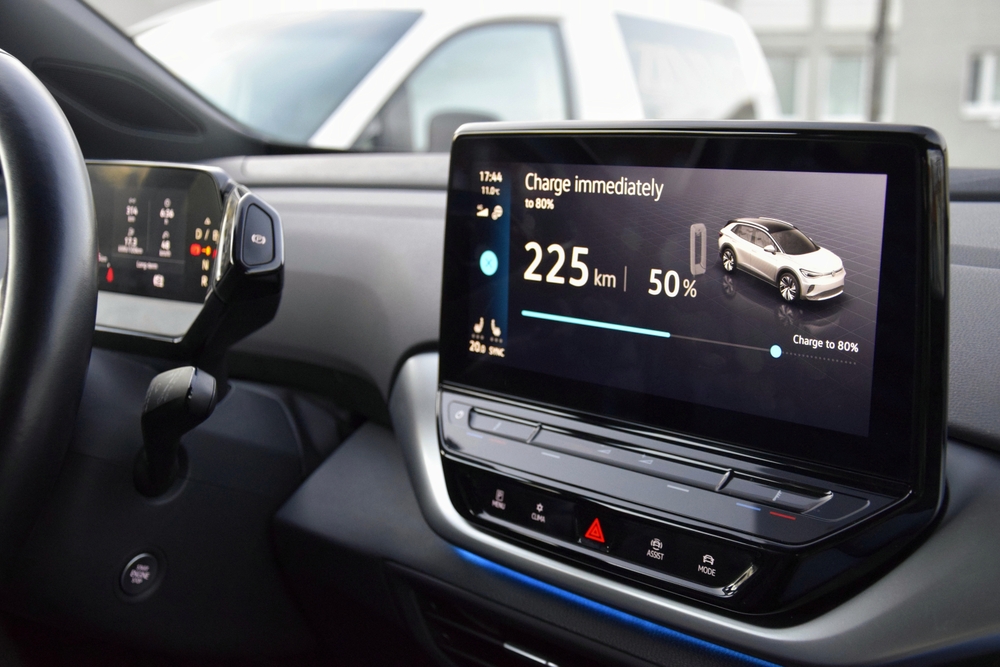
Fast chargers serve convenience, not desperation. Many drivers use them during travel or on busy days. They save time when schedules are tight. Pricing reflects speed and location. Using fast charging occasionally fits normal ownership. Drivers choose based on need. Emergency framing creates unnecessary fear. Fast chargers are tools within the system. They complement home charging. Balanced use supports flexibility. The network exists for real-world demands, not rare situations. Viewing fast charging as forbidden limits practical EV use.
Older Homes Cannot Support EV Charging

Older homes can support EV charging with upgrades. Many panels already handle Level 2 chargers. Load calculations determine capacity accurately. Electricians install solutions like load sharing. Some homes use lower power chargers effectively. Age does not equal incompatibility. Electrical systems adapt with planning. Incentives help cover upgrade costs. Charging does not require rebuilding a house. Assessments replace assumptions. Many older Canadian homes charge EVs daily without issues. Proper evaluation matters more than the construction year.
EV Charging Will Always Be Inconvenient
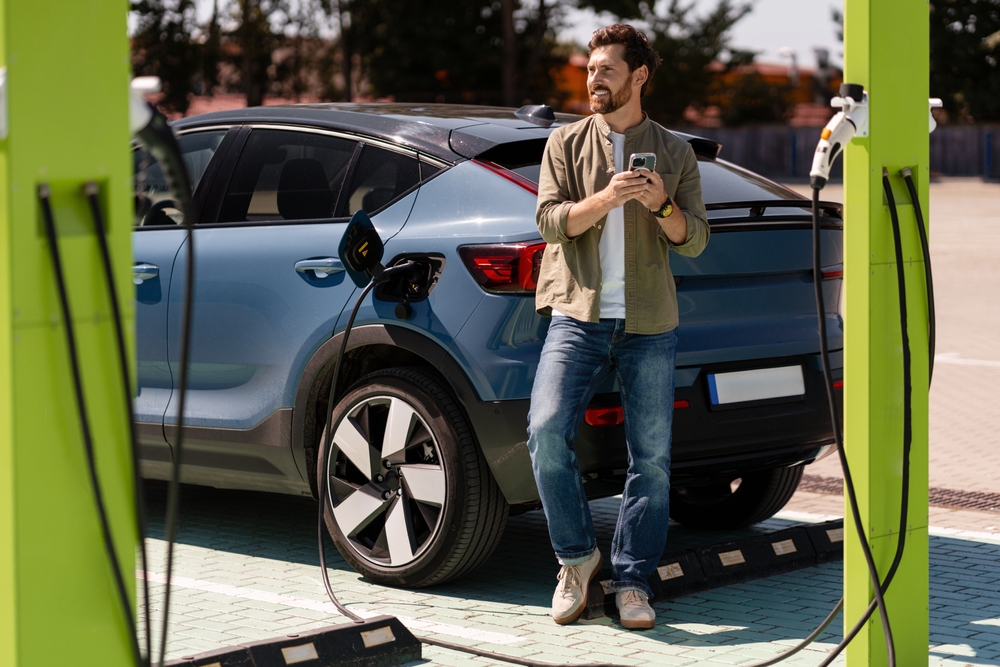
Inconvenience decreases with familiarity. Early habits feel unfamiliar but stabilize quickly. Home charging replaces station visits. Planning replaces impulse refueling. Apps simplify location decisions. Infrastructure continues expanding steadily. Charging integrates into daily routines. The inconvenience narrative ignores adaptation. Many owners report less effort overall. Time spent charging overlaps with rest or sleep. Convenience looks different from gasoline. Once adjusted, charging feels predictable. The belief persists mainly among non-owners who have not experienced routine EV charging firsthand.
22 Groceries to Grab Now—Before another Price Shock Hits Canada

Food prices in Canada have been steadily climbing, and another spike could make your grocery bill feel like a mortgage payment. According to Statistics Canada, food inflation remains about 3.7% higher than last year, with essentials like bread, dairy, and fresh produce leading the surge. Some items are expected to rise even further due to transportation costs, droughts, and import tariffs. Here are 22 groceries to grab now before another price shock hits Canada.
22 Groceries to Grab Now—Before another Price Shock Hits Canada
This Options Discord Chat is The Real Deal
While the internet is scoured with trading chat rooms, many of which even charge upwards of thousands of dollars to join, this smaller options trading discord chatroom is the real deal and actually providing valuable trade setups, education, and community without the noise and spam of the larger more expensive rooms. With a incredibly low-cost monthly fee, Options Trading Club (click here to see their reviews) requires an application to join ensuring that every member is dedicated and serious about taking their trading to the next level. If you are looking for a change in your trading strategies, then click here to apply for a membership.