
35,000+ smart investors are already getting financial news, market signals, and macro shifts in the economy that could impact their money next with our FREE weekly newsletter. Get ahead of what the crowd finds out too late. Click Here to Subscribe for FREE.
Canada’s housing market in 2025 has been a story of divergence. Nationally, home prices have softened; the MLS® Home Price Index (HPI) was down about 4 percent year-over-year by the end of December 2025, and the national composite HPI declined modestly toward the close of the year, reflecting broad price pressure across major markets. But while some cities are seeing meaningful price erosion, other regions continue to show strength or even growth amid shifting demand, affordability constraints, and changing interest rates. Here are 18 Canadian cities where home prices are falling fastest (and where they aren’t).
Greater Toronto Area (GTA), Ontario — Steep Decline
18 Canadian Cities Where Home Prices Are Falling Fastest (And Where They Aren’t)
- Greater Toronto Area (GTA), Ontario — Steep Decline
- Greater Vancouver, British Columbia — Notable Softness
- Kitchener–Waterloo, Ontario — Measured Decline
- Calgary, Alberta — Mixed Signals
- Ottawa–Gatineau, Ontario/Quebec — Stability with Slight Weakness
- Edmonton, Alberta — Flattening Trend
- Halifax, Nova Scotia — Mild Price Pressure
- London, Ontario — Cooling Compared to Past Gains
- Winnipeg, Manitoba — Small Net Price Change
- Regina, Saskatchewan — Modest Softness
- Quebec City, Quebec — Outperformance
- Trois-Rivières, Quebec — Strong Growth
- Sherbrooke, Quebec — Rising Values
- St. John’s, Newfoundland and Labrador — Balanced Conditions
- Victoria, British Columbia — Softened But Still High
- Abbotsford-Mission, British Columbia — Price Pullback
- Moncton, New Brunswick — Stability with Mild Growth
- Saskatoon, Saskatchewan — Price Moderation
- 22 Groceries to Grab Now—Before another Price Shock Hits Canada
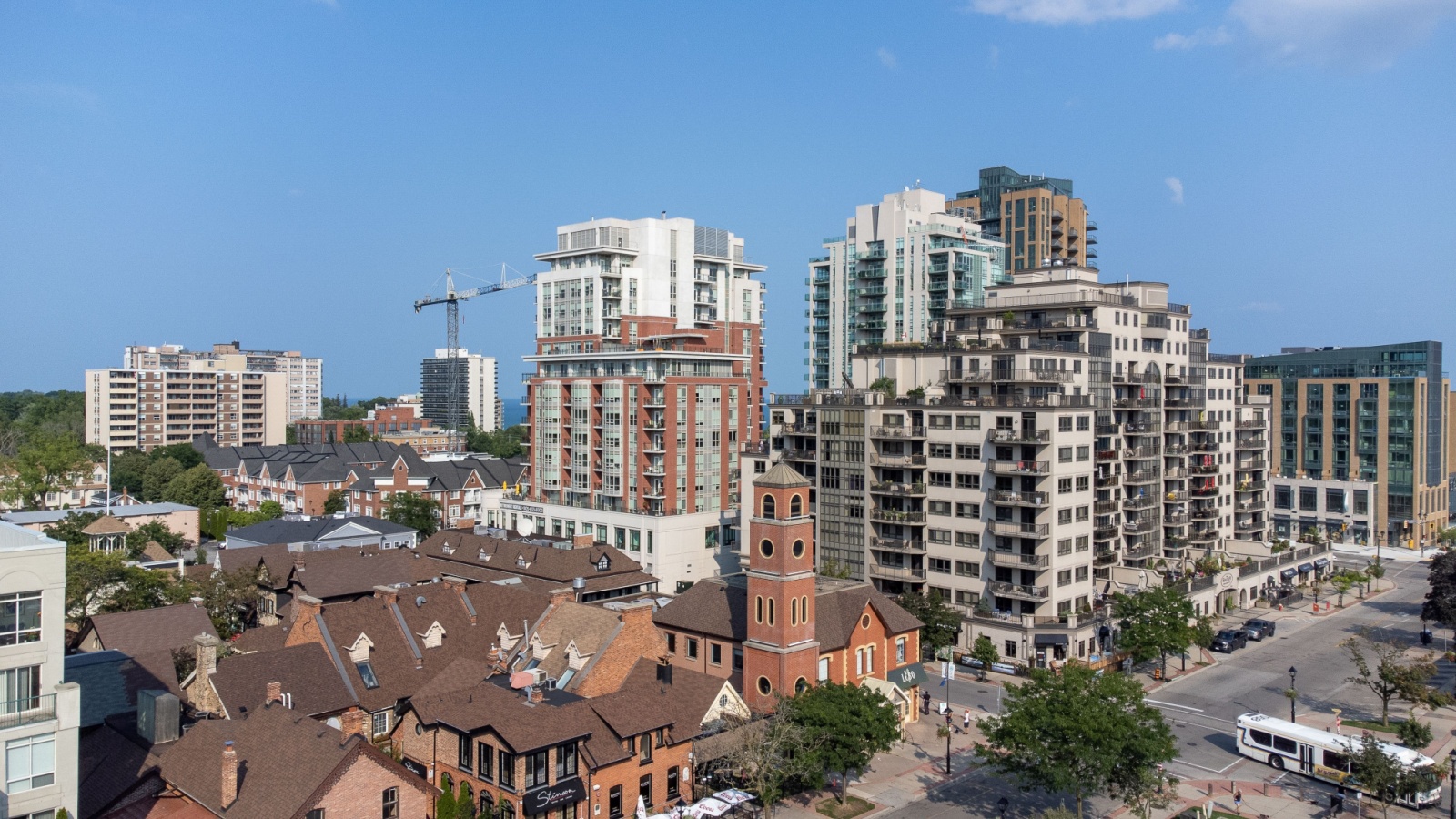
In Canada’s largest metro, the Greater Toronto Area has experienced some of the most pronounced price weakness in 2025. According to market forecasts, GTA home values slid about 5.7 percent year-over-year in the final quarter of 2025, making it one of the country’s fastest cooling major markets. This decline reflects persistent affordability challenges, a buildup of inventory, and buyer caution amid economic uncertainty. High borrowing costs have contributed to slower demand, while ample listings have given buyers more negotiating power and pressured sellers to lower asking prices on both detached homes and condominiums.
Greater Vancouver, British Columbia — Notable Softness
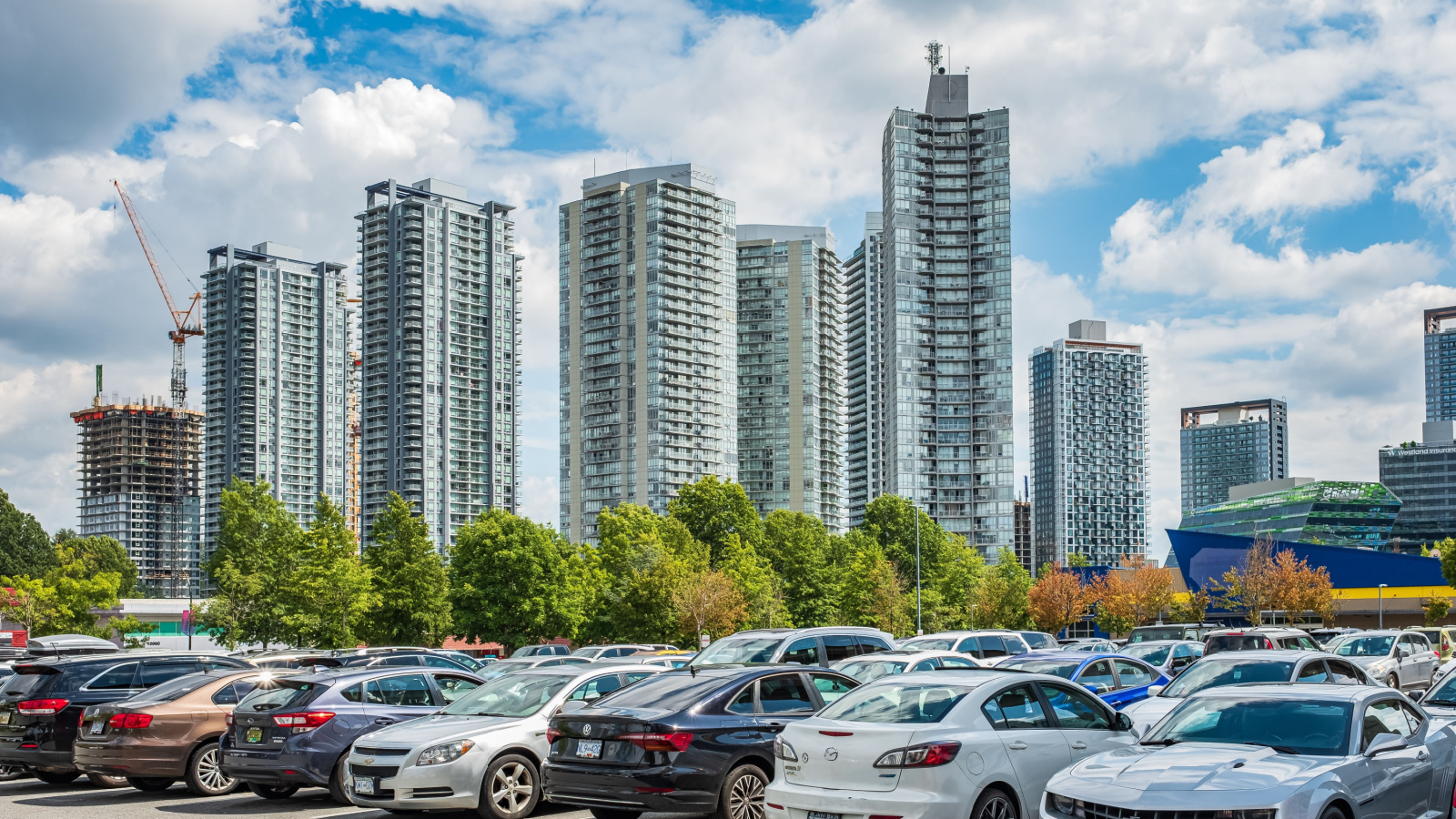
Greater Vancouver saw home prices fall significantly through 2025, with reductions near 4.1 percent year-over-year in late 2025 reported by major real estate surveys. While this market has historically been among Canada’s most expensive, the combination of tighter policy measures, elevated mortgage rates, and relatively weak demand has softened values broadly. Local boards reported average prices in the region dipping compared to the previous year, reversing much of the pandemic-era price growth. The cooling trend spanned detached houses, townhomes, and condos, dragging down regional benchmarks.
Kitchener–Waterloo, Ontario — Measured Decline

In the Kitchener–Waterloo area, housing prices also moderated through 2025. CREA data and regional reports indicated that some mid-sized Ontario markets saw price pullbacks as inventory accumulated and buyer affordability pressures mounted. This area, historically buoyed by tech sector growth and interprovincial migration, lost some momentum as buyers paused in response to elevated borrowing costs. While still relatively high compared with long-term historical averages, benchmark prices in Kitchener–Waterloo showed slower growth or small annual declines compared to earlier years, making it one of the cooler markets in Ontario outside the biggest cities.
Calgary, Alberta — Mixed Signals

Although some forecasts early in the year suggested Calgary might outperform national averages with modest price gains in 2025, regional data into late 2025 showed softness in resale values. CREA and local analysts reported that greater inventory and cautious buyer sentiment dragged average prices lower in parts of the Calgary CMA, despite the city’s strong labor market and population growth. While price declines here were not as steep as in Ontario or B.C., weaker resale activity nonetheless marked Calgary as a market with cooling conditions relative to earlier highs.
Ottawa–Gatineau, Ontario/Quebec — Stability with Slight Weakness

Ottawa–Gatineau’s housing market in 2025 straddled the line between stability and mild downward pressure. Teranet-National Bank House Price Index data showed month-over-month gains in some months but overall softness in resale activity late in the year, as borrowing costs weighed on buyer demand and inventory ticked up. Combined with broader national mixed signals, this translated into a market that was less booming than in past years and more balanced or slightly price-constrained by year-end, with modest net declines in benchmark prices over the course of 2025.
Edmonton, Alberta — Flattening Trend

Edmonton’s housing market showed signs of flattening in 2025 after stronger gains in previous years. While still relatively stable compared to other major cities, resale prices softened as inventory increased and demand cooled under economic headwinds. Alberta’s largest city faced moderate downward pressure in the latter half of the year, with some property types recording slight year-over-year declines. This mid-cycle adjustment reflected broader trends in the Prairie provinces, where some markets showed resilience but without robust price growth.
Halifax, Nova Scotia — Mild Price Pressure

In Atlantic Canada, Halifax began 2025 with strong activity, but by late year, the pace of price increases slowed. CREA’s national price snapshot indicated that Atlantic markets had generally steadier fundamentals, yet softening demand and evolving regional employment dynamics contributed to some price moderation. While Halifax didn’t see dramatic declines like parts of Ontario and British Columbia, its relative lack of strong growth and modest downward adjustments in some property segments placed it among the list of markets with mild price easing in 2025.
London, Ontario — Cooling Compared to Past Gains

London’s housing market cooled in 2025 compared to the rapid gains seen in prior years, as inventory rose and buyers faced tighter conditions. While local boards reported continued interest in the region for its relative affordability compared with Toronto, average resale prices stagnated or dipped slightly. This reflected regional patterns across southwestern Ontario, where pandemic-era growth gave way to more balanced conditions amid broader national price moderation, contributing to modest softness in what had been a red-hot market.
Winnipeg, Manitoba — Small Net Price Change

In Winnipeg, average prices exhibited only slight net movement over 2025. CREA’s analysis of multiple markets found that while Winnipeg’s benchmark price remained relatively steady, it did not see significant gains like some Quebec cities. This made Winnipeg one of the more balanced markets in Canada in terms of price stability, but the absence of strong growth also meant it ranked among cities that did not outperform national trends, placing it among cooler markets in relative terms.
Regina, Saskatchewan — Modest Softness

Similar to Winnipeg, Regina experienced only modest changes in average prices over the course of 2025. CREA’s assessment of markets across Canada showed limited strength in some Prairie provinces compared with Quebec or parts of Atlantic Canada. While Regina’s prices remained supported by local demand fundamentals, the overall softness in resale activity and balanced conditions kept benchmark values largely flat or slightly lower year-over-year, aligning the city with those where price momentum was weak or subdued.
Quebec City, Quebec — Outperformance

Quebec City bucked the broader national trend with notable price resilience in 2025. According to Royal LePage data, Quebec City recorded one of the highest aggregate price increases among major regions, with double-digit year-over-year growth. This was driven by solid demand, balanced inventory, and strong regional economic indicators, making Quebec City one of the few major centres where prices did not fall and instead grew meaningfully relative to national averages.
Trois-Rivières, Quebec — Strong Growth

Trois-Rivières was another Quebec market that outperformed many other Canadian cities. In mid-2025, average home prices in this area showed strong double-digit gains compared with year-ago values, reflecting persistent demand and affordability relative to larger metropolitan areas. These dynamics positioned Trois-Rivières well above the national average, making it one of the markets where home prices held firm and even rose significantly while many other cities experienced cooling or declines.
Sherbrooke, Quebec — Rising Values

Sherbrooke’s real estate market also demonstrated resilience through 2025, with price growth that defied broader softening trends seen elsewhere in Canada. CREA and regional boards reported year-over-year increases in local average prices, thanks to strong demand and reasonable affordability in comparison with larger urban cores. This made Sherbrooke one of the cities where prices remained buoyant, joining other Quebec markets in outpacing national benchmarks.
St. John’s, Newfoundland and Labrador — Balanced Conditions

In St. John’s, home prices held stable through 2025. CREA’s national data suggested that while price growth was not particularly strong, the market also didn’t experience significant declines, with values roughly tracking long-term trends. This placed St. John’s among Canada’s more balanced housing markets in 2025: not sharply rising like some Quebec CMAs, but also not among the steepest decliners, reflecting steady local demand amid moderate inventory levels.
Victoria, British Columbia — Softened But Still High

Victoria saw price moderation in 2025 as part of broader British Columbia trends. While values remained high compared with many other regions, the pace of price growth eased, and some property segments recorded lower annual benchmarks. This was consistent with provincial-level data showing softer prices overall. Victoria’s cooling, while less dramatic than Vancouver’s, nonetheless placed it among markets experiencing lower upward momentum or mild price erosion relative to the previous year.
Abbotsford-Mission, British Columbia — Price Pullback

Like other parts of B.C., Abbotsford-Mission experienced downward pressure on prices in 2025. Teranet data indicated that while some cities showed month-over-month variability, several major B.C. markets faced soft conditions as elevated interest rates and robust inventory weighed on buyer demand. Combined with regional cooling trends, this put Abbotsford-Mission in the group of Canadian cities where home values declined or flattened rather than rose markedly in 2025.
Moncton, New Brunswick — Stability with Mild Growth

Moncton’s housing market illustrated a trend toward balanced pricing in 2025. CREA’s national snapshot suggests Atlantic Canadian markets had steadier fundamentals compared with some Ontario and B.C. cities, with modest growth or flat prices rather than outright declines. While not a rapid growth market like certain Quebec regions, Moncton’s stability made it resilient in a cooling national context, with prices maintaining ground rather than slipping significantly.
Saskatoon, Saskatchewan — Price Moderation

Saskatoon’s market was similar to other Prairie cities in 2025, with modest price movement and limited net growth. CREA analyses showed that Saskatoon did not see the robust growth seen in some Atlantic or Quebec markets, but it also avoided steep declines, making its pricing trend more balanced. In relative terms, this placed Saskatoon among Canadian cities where home values were stable or slightly softer but not sharply falling, reflecting a market with measured buyer interest and moderated inventory levels.
22 Groceries to Grab Now—Before another Price Shock Hits Canada

Food prices in Canada have been steadily climbing, and another spike could make your grocery bill feel like a mortgage payment. According to Statistics Canada, food inflation remains about 3.7% higher than last year, with essentials like bread, dairy, and fresh produce leading the surge. Some items are expected to rise even further due to transportation costs, droughts, and import tariffs. Here are 22 groceries to grab now before another price shock hits Canada.
22 Groceries to Grab Now—Before another Price Shock Hits Canada
This Options Discord Chat is The Real Deal
While the internet is scoured with trading chat rooms, many of which even charge upwards of thousands of dollars to join, this smaller options trading discord chatroom is the real deal and actually providing valuable trade setups, education, and community without the noise and spam of the larger more expensive rooms. With a incredibly low-cost monthly fee, Options Trading Club (click here to see their reviews) requires an application to join ensuring that every member is dedicated and serious about taking their trading to the next level. If you are looking for a change in your trading strategies, then click here to apply for a membership.