
35,000+ smart investors are already getting financial news, market signals, and macro shifts in the economy that could impact their money next with our FREE weekly newsletter. Get ahead of what the crowd finds out too late. Click Here to Subscribe for FREE.
Tax season already comes with enough stress. Deadlines, forms, refunds, and confusing rules make people rush decisions. Scammers know this. Every year, they flood phones and inboxes with messages that look urgent and official. Many pretend to represent the Canada Revenue Agency. Others pose as banks, accountants, or refund services. These scams feel convincing because they arrive when Canadians expect tax communication. A single click or reply can expose personal details or drain accounts. Here are 12 tax-time scams targeting Canadians right now (texts, calls, fake CRA).
Fake CRA Text Messages About Urgent Refunds
12 Tax-Time Scams Targeting Canadians Right Now (Texts, Calls, Fake CRA)
- Fake CRA Text Messages About Urgent Refunds
- Automated Phone Calls Threatening Legal Action
- Emails Pretending to Be From Tax Preparation Services
- Fake CRA Letters Delivered by Email Attachment
- Social Media Messages Offering Tax Help
- Fake CRA Phone Agents Requesting Verification
- Refund Interception Scams After Filing
- Fake Charity Donation Requests Using Tax Credits
- Account Takeover Emails Claiming Security Issues
- Fake Tax Debt Settlement Offers
- Phony Employment Expense Refund Scams
- Fake CRA Website Ads on Search Engines
- 22 Groceries to Grab Now—Before another Price Shock Hits Canada

This scam starts with a short text claiming you have a pending tax refund. The message urges immediate action to receive funds. Links often look official and include words like CRA (Canada Revenue Agency) or refund. Clicking redirects you to a fake website requesting personal details. Social insurance numbers and banking data are common targets. These texts often arrive during peak filing weeks. The urgency pushes people to act without checking sources. The CRA does not send refund links by text. Any unexpected message requesting verification should raise concern. Deleting the message is safer than replying. Never click links from unknown tax messages.
Automated Phone Calls Threatening Legal Action

Robocalls claiming to be from the CRA remain common. The message warns of legal action or arrest. It may mention outstanding taxes or suspicious activity. Callers use serious language to create fear. Some demand immediate payment using gift cards or transfers. These payment methods are never used by the CRA. Caller ID numbers are often spoofed to appear official. The goal is panic, not accuracy. Hanging up immediately is the safest response. Reporting the call helps prevent further attempts. Legitimate tax agencies do not threaten arrest over automated calls.
Emails Pretending to Be From Tax Preparation Services

Scammers often mimic well-known tax filing platforms. Emails may claim an issue with your submitted return. Logos and layouts are copied to look familiar. Links lead to fake login pages designed to steal credentials. Once accessed, scammers can view tax data or reroute refunds. These emails often appear close to filing deadlines. Pressure tactics push quick responses. Check sender addresses carefully before clicking. Official services do not request passwords by email. Access your account directly through saved bookmarks instead of links.
Fake CRA Letters Delivered by Email Attachment

Some scams arrive as PDF attachments claiming to be CRA notices. The email may look formal and detailed. Opening the file can install malicious software. Others request payment or updated personal information. The language often sounds official but contains subtle errors. The CRA rarely sends attachments by unsolicited email. Any unexpected document should be treated carefully. Avoid opening files from unknown senders. Confirm communication through official CRA channels. Deleting suspicious attachments prevents further risk. Malware from these files can compromise multiple accounts quickly.
Social Media Messages Offering Tax Help

Scammers increasingly use social platforms during tax season. Messages may offer help securing refunds or reducing tax bills. Profiles often look legitimate and well-maintained. Conversations move quickly toward sharing personal details. Some request upfront fees or documents. Others ask for identity information to file returns. Legitimate tax professionals do not solicit clients through random messages. Reporting these profiles helps protect others. Avoid discussing finances on social platforms. Trusted tax help comes from verified professionals, not unsolicited messages.
Fake CRA Phone Agents Requesting Verification

These scams involve live callers posing as CRA agents. They may know your name or partial details. This creates a sense of legitimacy. The caller asks to verify identity information. Requests often include social insurance numbers or banking details. The tone sounds professional and calm. This lowers suspicion. The CRA does not ask for sensitive data by phone without prior notice. Ending the call protects your information. Always verify communication independently. Call the official numbers listed on the CRA website instead.
Refund Interception Scams After Filing
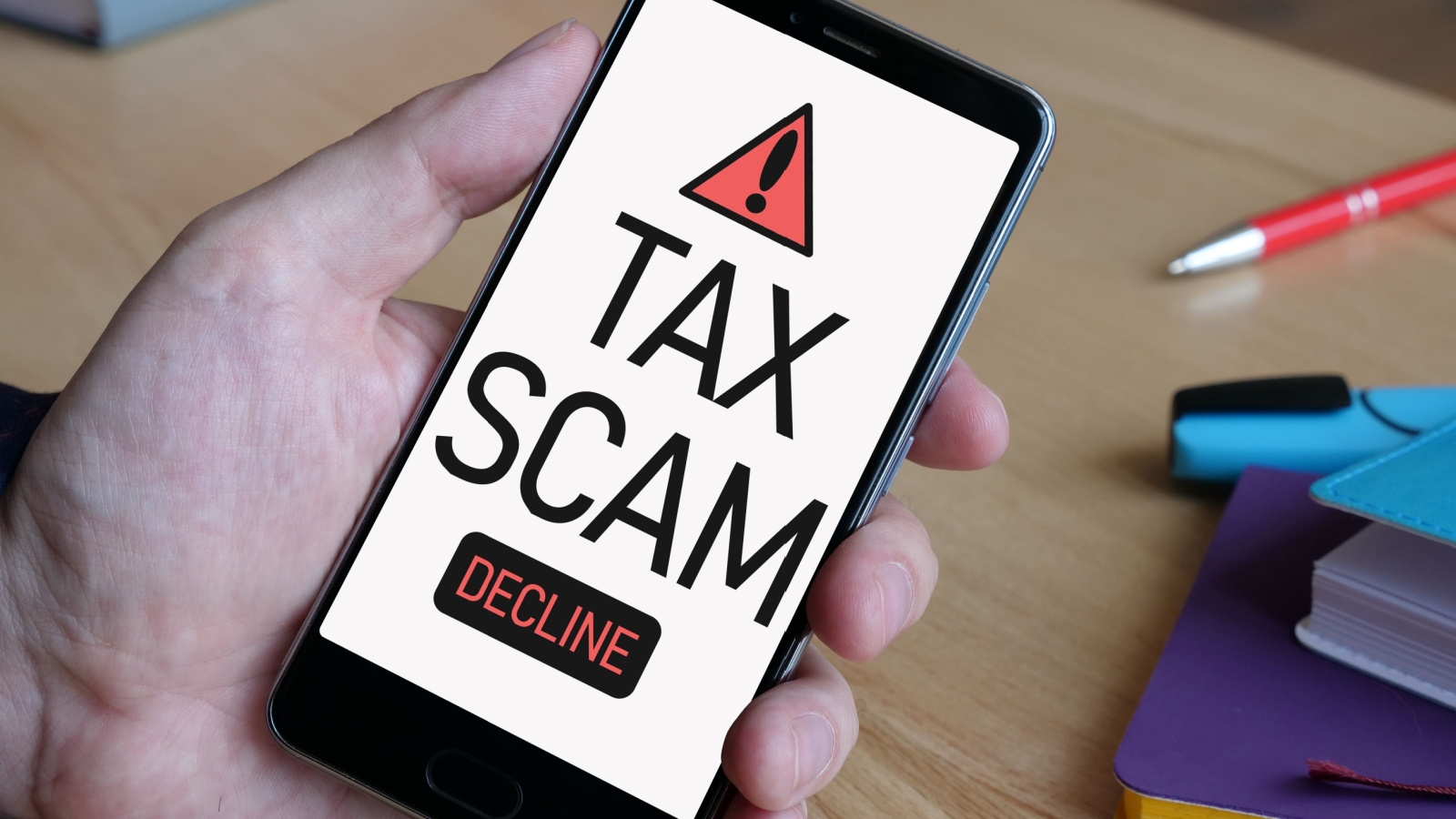
Some scams target people who have already filed returns. Messages claim issues with direct deposit details. They request confirmation to release refunds. Links redirect to fake banking portals. Once entered, refund deposits can be redirected. Timing makes these messages believable. Many expect updates after filing. The CRA communicates refund status through official accounts. Never update banking details through links. Log in directly to check information. Refund delays should be confirmed through official channels only.
Fake Charity Donation Requests Using Tax Credits

Scammers exploit charitable giving rules during tax season. Messages claim donations will increase tax credits. Fake charities may appear registered. Requests often come through email or social media. Donors receive fake receipts for tax claims. Using these receipts can cause issues later. Verify charities through official registries. Avoid pressure to donate quickly. Legitimate organizations welcome questions. Tax benefits should never drive rushed decisions. Confirm registration before donating any amount.
Account Takeover Emails Claiming Security Issues

These emails warn of suspicious activity on your tax account. They urge immediate login to secure access. Links lead to fake portals capturing credentials. Once accessed, scammers control personal tax information. This can impact future filings. The language often includes security warnings. Fear drives quick action. Avoid clicking links in security emails. Access accounts directly through official websites. Change passwords if you suspect exposure. Monitoring accounts regularly reduces long-term damage.
Fake Tax Debt Settlement Offers

Some scams promise to settle tax debt for reduced amounts. Messages claim special programs or limited-time offers. Fees are requested upfront. Scammers often disappear after payment. These offers appeal to those worried about balances. Legitimate tax relief programs follow strict rules. They do not guarantee results. Research any service thoroughly. Avoid unsolicited offers. Confirm programs through government sources. Paying fees without verification increases financial loss.
Phony Employment Expense Refund Scams

This scam targets workers claiming job-related deductions. Messages claim eligibility for additional refunds. They request employment details and documents. Fake forms collect personal data. Some request processing fees. These scams exploit common deduction confusion. The CRA does not contact individuals offering extra deductions. Eligibility depends on the field information. Consult trusted tax professionals instead. Sharing employment details with unknown contacts risks identity theft. Verification matters before responding to deduction claims.
Fake CRA Website Ads on Search Engines

Scammers often run paid ads during tax season. These ads mimic official CRA pages. Clicking leads to fake websites. Information entered is captured immediately. These sites may appear at the top of search results. Always check website addresses carefully. Official CRA sites use trusted domains. Avoid clicking ads for government services. Bookmark official pages for repeated use. Small details help distinguish real sites from fake ones.
22 Groceries to Grab Now—Before another Price Shock Hits Canada

Food prices in Canada have been steadily climbing, and another spike could make your grocery bill feel like a mortgage payment. According to Statistics Canada, food inflation remains about 3.7% higher than last year, with essentials like bread, dairy, and fresh produce leading the surge. Some items are expected to rise even further due to transportation costs, droughts, and import tariffs. Here are 22 groceries to grab now before another price shock hits Canada.
22 Groceries to Grab Now—Before another Price Shock Hits Canada
This Options Discord Chat is The Real Deal
While the internet is scoured with trading chat rooms, many of which even charge upwards of thousands of dollars to join, this smaller options trading discord chatroom is the real deal and actually providing valuable trade setups, education, and community without the noise and spam of the larger more expensive rooms. With a incredibly low-cost monthly fee, Options Trading Club (click here to see their reviews) requires an application to join ensuring that every member is dedicated and serious about taking their trading to the next level. If you are looking for a change in your trading strategies, then click here to apply for a membership.