
35,000+ smart investors are already getting financial news, market signals, and macro shifts in the economy that could impact their money next with our FREE weekly newsletter. Get ahead of what the crowd finds out too late. Click Here to Subscribe for FREE.
Housing costs in Canada rarely rise loudly. They creep up through paperwork, fine print, and quiet policy shifts. In 2026, many Canadians are discovering new mortgage and rent surprises after signing leases or renewing loans. These changes do not always appear as higher rent or interest rates. Instead, they show up as added fees, stricter rules, and unexpected limits. Renters and homeowners alike are feeling squeezed, often without clear explanations. Understanding these issues matters before signing anything new or renewing old agreements. Here are 23 Mortgage and Rent “Gotchas” Canadians Are Getting Hit With in 2026.
Higher Mortgage Renewal Rates Than Expected
23 Mortgage and Rent “Gotchas” Canadians Are Getting Hit With in 2026
- Higher Mortgage Renewal Rates Than Expected
- Fixed Rate Penalties Growing Larger
- Variable Rate Payments No Longer Staying Static
- Mortgage Porting Rules Tightening
- Increased CMHC Insurance Costs
- Appraisal Values Falling Short
- Rent Increases After Renovations
- Additional Rent Fees Beyond Base Rent
- Shorter Lease Terms Becoming Standard
- Stricter Rental Application Screening
- Rent Payment Method Fees
- Property Tax Pass-Throughs in Rentals
- Insurance Requirements for Tenants Rising
- Condo Fees Affecting Mortgage Qualification
- Special Assessments Catching Owners Off Guard
- Mortgage Prepayment Limits Feeling Restrictive
- Rental Deposit Rules Changing
- Mortgage Amortization Extensions Becoming Permanent
- Lender Fees Added at Renewal
- Rent Control Exceptions Expanding
- Mortgage Stress Test Still Limiting Options
- Rental Supply Shortages Driving Competition
- Communication Gaps Creating Costly Misunderstandings
- 22 Groceries to Grab Now—Before another Price Shock Hits Canada

Many homeowners assumed rates would fall faster by renewal time. Instead, renewals in 2026 are arriving with higher payments than planned. Lenders are offering rates above posted expectations, especially for shorter terms. Some borrowers feel cornered due to tight qualification rules. Switching lenders is harder than advertised. Stress tests still apply, even for renewals in many cases. This limits negotiation power. Monthly payments jump without warning. Household budgets feel the strain immediately. The surprise often comes late in the process. By then, options feel limited and rushed.
Fixed Rate Penalties Growing Larger

Breaking a fixed mortgage in 2026 can cost far more than expected. Interest rate differential calculations have changed quietly. Penalties now reflect larger spreads between contract and posted rates. Some homeowners face fees in the tens of thousands. Many assumed penalties would shrink as rates stabilized. That assumption no longer holds. Life changes still happen. Job moves, separations, or downsizing trigger exits. The math feels punishing. Lenders rarely explain penalty risk upfront. Borrowers only learn when it is too late to adjust plans.
Variable Rate Payments No Longer Staying Static

Some variable mortgages once kept payments steady during rate changes. In 2026, that protection is disappearing. More lenders now adjust payments immediately when rates move. Borrowers feel increases faster than before. Monthly costs jump with little notice. Budgeting becomes harder. The appeal of variable rates fades quickly. Many borrowers expected flexibility. Instead, they face constant recalculation. Mortgage statements look different month to month. The psychological stress adds up. Stability feels lost, even without dramatic rate hikes.
Mortgage Porting Rules Tightening

Porting a mortgage used to feel simple. In 2026, lenders apply stricter rules. Property types must match more closely. Timelines are shorter. Appraisal gaps can void approvals. Borrowers who sell and buy face unexpected rejections. Temporary financing bridges cost more. The porting promise often breaks under scrutiny. Homeowners expecting seamless moves feel stuck. Missing deadlines can trigger penalties. The fine print matters more than before. Many learn these rules only during stressful transitions.
Increased CMHC Insurance Costs

High-ratio borrowers continue paying mortgage insurance. In 2026, premiums feel heavier. Insured borrowers pay more over time than expected. Some renewal terms include higher insurance impacts. Others face limited refinancing options. CMHC rules remain strict. Home equity growth does not always help. Many assumed insurance fades quietly. Instead, it influences approvals and rates years later. The cost feels hidden. First-time buyers feel the weight the longest. The surprise often comes at renewal, not purchase.
Appraisal Values Falling Short
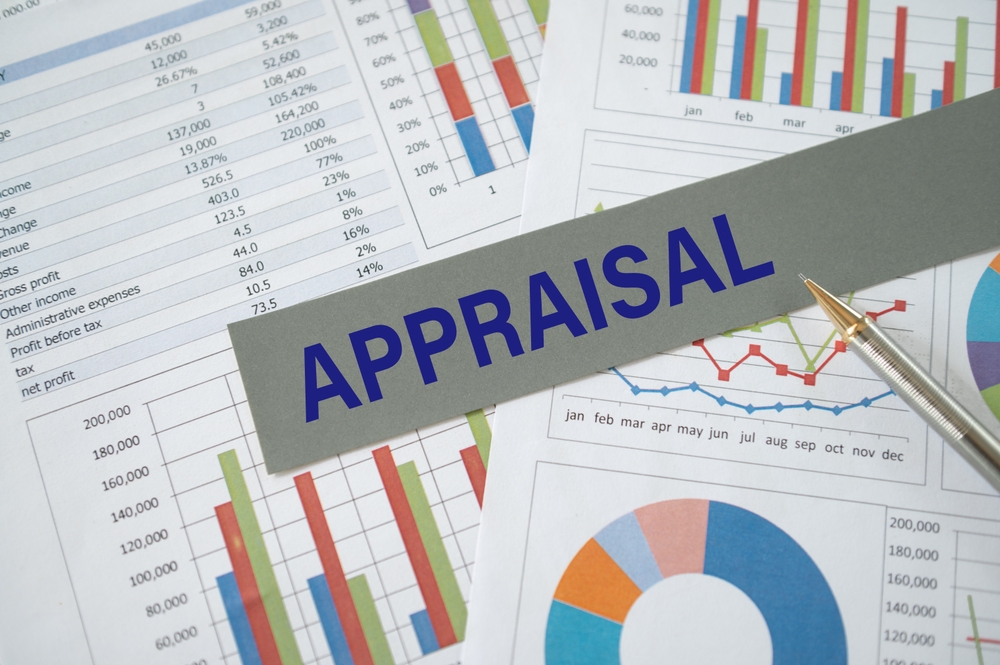
Homeowners rely on appraisals for refinancing. In 2026, appraisals come in lower than expected. Conservative valuation trends are common. Rising taxes and market uncertainty affect numbers. Borrowers lose access to equity. Renovation plans stall. Debt consolidation options shrink. Lenders stick firmly to appraisal results. Appeals rarely succeed. Expectations clash with reality. Online estimates feel misleading. The gap creates frustration during already stressful financial decisions.
Rent Increases After Renovations
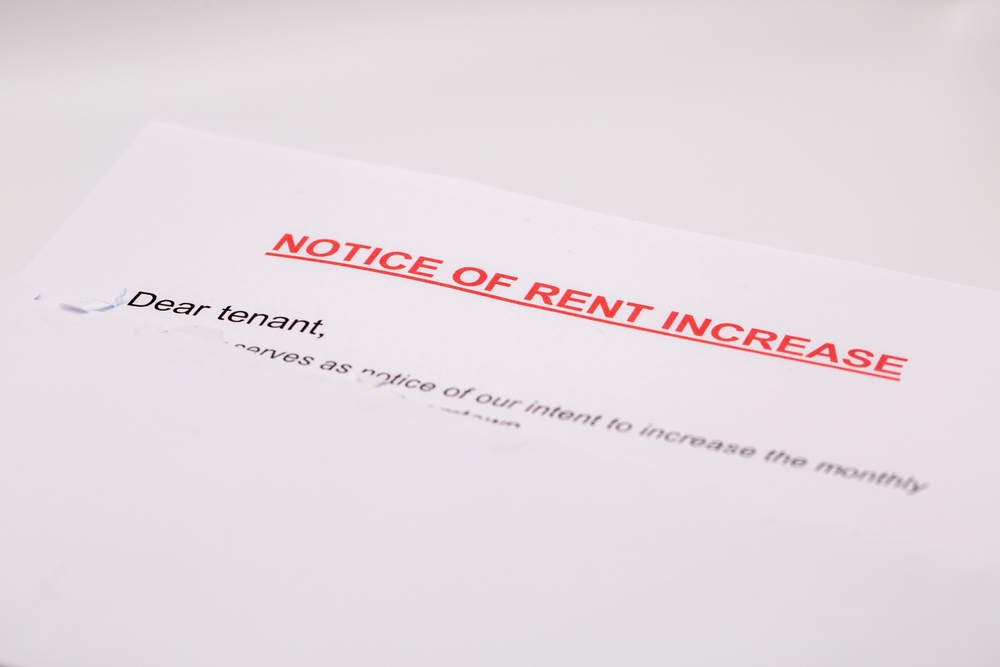
Renovations have become one of the most common rent shock triggers in 2026. Some landlords use upgrades to justify higher rents after tenants leave. These upgrades may include flooring, appliances, or cosmetic changes. Tenants often receive notices framed as lawful improvement work. In reality, the goal is often to reset rent levels. Legal protections vary by province, and enforcement can be slow. Many renters lack the resources to challenge claims. Units return to the market priced much higher. Long-term tenants feel displaced. The practice reshapes neighborhoods quickly and quietly.
Additional Rent Fees Beyond Base Rent

Advertised rent rarely tells the full story anymore. In 2026, renters encounter extra monthly charges added after signing. Fees appear for parking, garbage, storage, bike rooms, and amenities. Some buildings unbundle services previously included. Rent control rules often do not apply to these add-ons. That allows landlords to raise costs without raising rent officially. Tenants only discover the total expense later. Budgeting becomes difficult. What looked affordable on paper becomes strained in reality. These fees feel small individually, but they accumulate fast over a year.
Shorter Lease Terms Becoming Standard
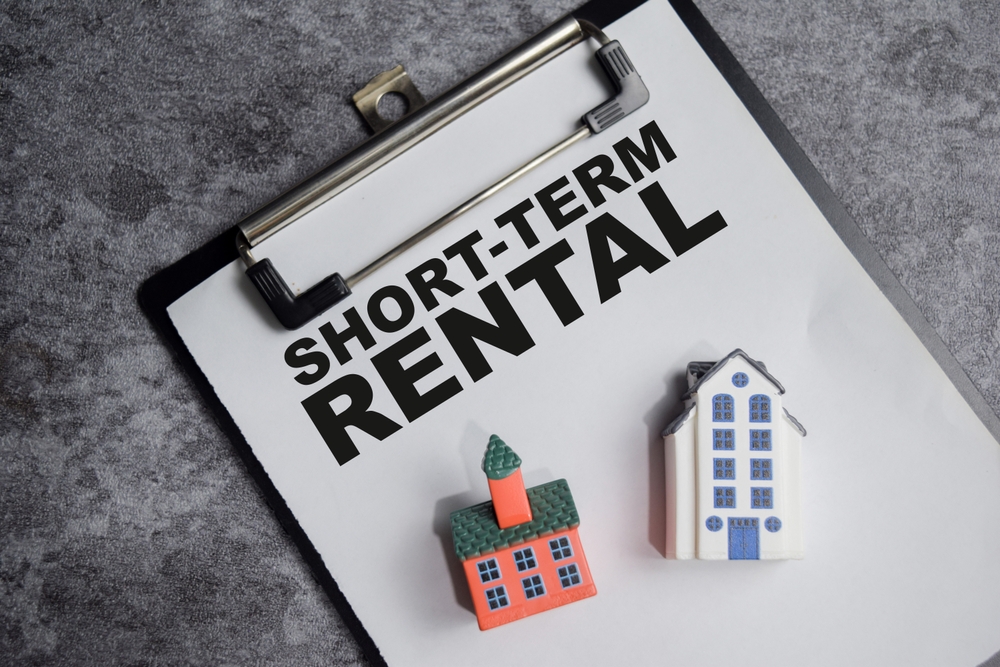
Lease stability is fading across Canada. In 2026, many landlords prefer shorter lease terms. Six-month or month-to-month agreements are increasingly common. This allows faster rent adjustments and easier tenant turnover. Renters lose long-term certainty. Planning expenses becomes stressful. Moving more often adds cost and disruption. Short leases also reduce bargaining power. Tenants hesitate to request repairs or improvements. Housing begins to feel temporary even when renters want permanence. Frequent renewals create anxiety. The shift benefits property owners but leaves renters exposed to constant uncertainty.
Stricter Rental Application Screening

Rental competition has pushed screening standards higher. In 2026, landlords request extensive documentation. Credit checks, employment letters, and bank statements are common. Some applications resemble loan approvals. Privacy concerns rise. Rejections often come without explanation. Even renters with stable income face denials. The process feels invasive and discouraging. Time pressure forces quick compliance. Many applicants apply to multiple units simultaneously. Housing searches become emotionally draining. The screening process now filters aggressively. Finding a place requires persistence, organization, and sometimes luck rather than stability alone.
Rent Payment Method Fees
How rent is paid now affects the cost. In 2026, many landlords require digital payment platforms. These systems may charge transaction or processing fees. Credit card payments often cost extra. Bank transfers can delay posting dates. Tenants absorb the cost regardless of the method. Alternatives are limited or unavailable. Refusing platforms risks losing housing. Monthly fees seem minor, but they add up yearly. Few renters notice this detail before signing. Convenience is marketed heavily. The extra cost rarely appears in rent advertisements but becomes unavoidable once tenancy begins.
Property Tax Pass-Throughs in Rentals

Some rental agreements allow landlords to pass tax increases onto tenants. In 2026, rising municipal property taxes make this more common. Notices often cite legal clauses buried in leases. Tenants may see mid-year adjustments. Understanding whether charges are legal takes effort. Disputes can take months. Many renters pay rather than risk conflict. The connection between local taxes and rent becomes direct. Budgeting grows unpredictable. Even rent-controlled units may feel pressure. These pass-throughs blur responsibility and quietly shift ownership costs onto tenants.
Insurance Requirements for Tenants Rising

Tenant insurance is no longer optional in many buildings. In 2026, landlords often require higher coverage limits. Proof must be submitted regularly. Some leases specify approved insurers. Missing documentation can trigger warnings or penalties. Premiums rise alongside coverage demands. Renters often underestimate the ongoing cost. Policy details confuse first-time tenants. The requirement protects landlords more than renters. Another monthly expense becomes standard. What once felt optional now feels mandatory. The financial burden increases subtly but consistently for households already stretched thin.
Condo Fees Affecting Mortgage Qualification

Condo ownership comes with hidden affordability challenges. In 2026, lenders weigh condo fees more heavily. Higher fees reduce borrowing power. Buyers qualify for smaller mortgages than expected. Aging buildings raise concerns during approval. Reserve fund studies influence decisions. Monthly housing costs grow beyond the mortgage payment. Some buyers walk away late in the process. Condo listings appear affordable until fees are added. This surprise hits first-time buyers hardest. Ownership feels less predictable. Condo fees now shape eligibility as much as interest rates do.
Special Assessments Catching Owners Off Guard

Special assessments are becoming more frequent. In 2026, many condo buildings face delayed maintenance. Repair costs get passed to owners suddenly. Assessments can reach thousands or more per unit. Payment deadlines are tight. Financing options are limited. Mortgages rarely help with these charges. Owners scramble to cover costs. Selling becomes harder mid-assessment. Stress follows quickly. Even financially stable owners feel pressured. These assessments often arrive with little warning. The financial shock lingers long after repairs are complete.
Mortgage Prepayment Limits Feeling Restrictive

Many borrowers plan to pay down mortgages faster. In 2026, the prepayment limits block that goal. Annual caps restrict lump sum payments. Timing rules complicate strategy. Exceeding limits triggers penalties. Flexibility feels overstated in marketing. Borrowers discover limits only when acting. Paying off debt becomes frustrating. Extra income cannot always reduce balances. Fine print governs every option. Those trying to regain control feel constrained. The desire to reduce long-term interest clashes with strict contractual boundaries set by lenders.
Rental Deposit Rules Changing

Deposit rules differ across provinces. In 2026, confusion increases. Some landlords request extra deposits under new labels. Cleaning deposits, key deposits, or damage deposits appear. Legal limits exist, but enforcement varies. Renters struggle to know what is allowed. Challenging deposit risks losing housing. Moving costs rise significantly. Lower-income renters face barriers. The upfront price of securing a home increases. These changes feel subtle but meaningful. Deposits quietly shift more financial risk onto tenants before they even move in.
Mortgage Amortization Extensions Becoming Permanent

Temporary relief measures are lasting longer than expected. In 2026, extended amortizations feel permanent. Monthly payments stay manageable, but total interest grows. Borrowers pay far more over time. Many did not plan for decades of debt. Equity builds slowly. Retirement timelines shift. The mortgage feels endless. Relief today creates a burden tomorrow. Borrowers rarely see the long-term math clearly. What started as short-term support now reshapes financial futures. The trade-off becomes clear only after years pass.
Lender Fees Added at Renewal

Mortgage renewals are no longer cost-free. In 2026, lenders add administrative fees quietly. Charges cover paperwork and processing. Amounts seem modest individually. Together, they increase costs meaningfully. Borrowers often overlook them. Renewal statements list fees vaguely. Questioning them feels awkward. Staying with the same lender still costs money. Automatic renewal feels less simple. Transparency is limited. Even loyalty carries a price. These fees add friction to a process many assumed would remain straightforward.
Rent Control Exceptions Expanding
Rent control protections are uneven. In 2026, more exceptions apply. Newer buildings often fall outside caps. Tenants assume protection incorrectly. Legal rent increases exceed expectations. Notices arrive with proper documentation. Appeals rarely succeed. Understanding eligibility requires research. Many renters learn too late. Rent jumps feel sudden but lawful. Stability depends heavily on building age. The rulebook feels inconsistent. Rent control exists, but does not apply universally. These exceptions create sharp differences between similar-looking properties.
Mortgage Stress Test Still Limiting Options

Despite market changes, stress tests remain strict. In 2026, borrowers still qualify at higher rates. Renewing homeowners feel trapped. Switching lenders becomes difficult. Lower advertised rates feel unreachable. Payment history carries little weight. Even responsible borrowers fail qualification thresholds. Financial mobility suffers. Choices shrink at renewal. The test prioritizes caution over flexibility. Many feel punished for market timing. The rules remain unchanged while realities shift. Stress tests continue shaping outcomes more than actual affordability.
Rental Supply Shortages Driving Competition
Low supply magnifies every housing problem. In 2026, rental demand remains intense. Competition empowers landlords. Renters accept unfavorable terms quickly. Reading leases carefully becomes harder. Fear of losing units drives decisions. Hidden fees slip through. Negotiation disappears. Mistakes follow rushed choices. Even flawed units attract interest. The shortage amplifies every gotcha listed. Housing feels transactional and stressful. Scarcity changes behavior. When options are limited, renters tolerate costs they would otherwise reject.
Communication Gaps Creating Costly Misunderstandings

Poor communication causes many housing disputes. In 2026, clarity remains rare. Verbal promises conflict with written agreements. Emails go unanswered. Assumptions replace confirmation. Mistakes cost money. Tenants and homeowners feel ignored. Asking questions feels intimidating. Silence often benefits the other party. Misunderstandings escalate quickly. Documentation matters more than trust. Many issues could be avoided with clearer explanations. Instead, gaps persist. These gaps turn manageable situations into expensive problems that linger longer than necessary.
22 Groceries to Grab Now—Before another Price Shock Hits Canada

Food prices in Canada have been steadily climbing, and another spike could make your grocery bill feel like a mortgage payment. According to Statistics Canada, food inflation remains about 3.7% higher than last year, with essentials like bread, dairy, and fresh produce leading the surge. Some items are expected to rise even further due to transportation costs, droughts, and import tariffs. Here are 22 groceries to grab now before another price shock hits Canada.
22 Groceries to Grab Now—Before another Price Shock Hits Canada
This Options Discord Chat is The Real Deal
While the internet is scoured with trading chat rooms, many of which even charge upwards of thousands of dollars to join, this smaller options trading discord chatroom is the real deal and actually providing valuable trade setups, education, and community without the noise and spam of the larger more expensive rooms. With a incredibly low-cost monthly fee, Options Trading Club (click here to see their reviews) requires an application to join ensuring that every member is dedicated and serious about taking their trading to the next level. If you are looking for a change in your trading strategies, then click here to apply for a membership.