
35,000+ smart investors are already getting financial news, market signals, and macro shifts in the economy that could impact their money next with our FREE weekly newsletter. Get ahead of what the crowd finds out too late. Click Here to Subscribe for FREE.
Canada’s electric vehicle (EV) market is evolving rapidly, driven by climate commitments and consumer demand for affordable green transportation. As Chinese EV manufacturers seek to enter the Canadian market, policymakers and consumers face a complex decision. Chinese automakers, such as BYD and NIO, offer cost-effective, technologically advanced vehicles that could accelerate Canada’s EV transition. However, this move also raises concerns about local industry competitiveness, national security, and fair trade practices. Here are 20 pros and cons of allowing Chinese EVs in Canada.
Pros of Allowing Chinese EVs in Canada
20 Pros and Cons of Allowing Chinese EVs in Canada
- Pros of Allowing Chinese EVs in Canada
- Lower Vehicle Prices for Consumers
- Increased EV Adoption Rates Nationwide
- Boost to Canada’s Green Transition Goals
- Expanded Consumer Choice in the EV Market
- Potential for Joint Ventures with Canadian Firms
- Encouragement for Domestic Automakers to Innovate
- Access to Advanced Battery Technology
- Strengthened Trade Relations with China
- Job Creation in Distribution and Retail Sectors
- Acceleration of EV Infrastructure Development
- Cons of Allowing Chinese EVs in Canada
- Risk to Canadian and North American Auto Manufacturers
- Potential National Security and Data Privacy Concerns
- Dependence on Chinese Supply Chains
- Negative Impact on Domestic EV Startups
- Trade Tensions with the U.S. and EU Partners
- Quality and Safety Standard Discrepancies
- Environmental Concerns Over Manufacturing Practices
- Unfair Subsidy Competition from Chinese State Support
- Limited Local Economic Benefits Without Domestic Assembly
- Potential Backlash from Labor Unions and Policymakers
- 21 Products Canadians Should Stockpile Before Tariffs Hit
Lower Vehicle Prices for Consumers

Allowing Chinese electric vehicles (EVs) into Canada could significantly reduce the average price of electric cars. Chinese automakers such as BYD and NIO have developed cost-efficient production models, enabling them to sell EVs at prices often 20–30% lower than North American brands. This affordability would make EV ownership accessible to middle-income Canadians, helping bridge the gap between demand and affordability. Lower costs could also stimulate sales in rural and suburban regions, where EV adoption has lagged due to high entry prices. Ultimately, competition from China would benefit consumers by driving prices down across the market.
Increased EV Adoption Rates Nationwide

Affordable Chinese EVs could dramatically accelerate Canada’s transition toward electric mobility. As price barriers fall, more consumers would shift from gasoline vehicles to EVs, supporting the federal goal of achieving 100% zero-emission vehicle sales by 2035. Widespread adoption would also encourage the expansion of charging infrastructure across provinces, creating a positive feedback loop for sustainable transportation. Regions like Alberta and Saskatchewan—where EV uptake remains low—could see faster growth if cost-effective Chinese models are introduced. This wider access aligns with Canada’s climate targets and helps close the adoption gap between urban and rural communities.
Boost to Canada’s Green Transition Goals

Introducing Chinese EVs could complement Canada’s environmental and emissions-reduction objectives. Affordable electric cars would enable more Canadians to transition away from fossil fuel–based transportation, reducing national carbon emissions. Furthermore, collaboration with Chinese firms experienced in battery innovation and large-scale renewable integration could help Canada develop a more resilient green technology ecosystem. The move would also accelerate fleet electrification in public transit, municipal vehicles, and delivery services. By embracing these imports strategically, Canada could advance toward its 2050 net-zero goals without overburdening consumers or domestic manufacturers.
Expanded Consumer Choice in the EV Market

Competition from Chinese EV manufacturers would diversify Canada’s electric vehicle market, giving buyers more choices across price, performance, and design categories. Currently, the Canadian EV landscape is dominated by a handful of brands, often with long wait times and limited inventory. Entry from Chinese automakers would expand options in compact, mid-range, and luxury segments alike. Increased variety would also spur innovation among established manufacturers like Tesla, Hyundai, and GM to stay competitive in pricing and technology. For consumers, this means better vehicles, improved features, and faster access to electric mobility.
Potential for Joint Ventures with Canadian Firms

Allowing Chinese EVs could pave the way for strategic partnerships between Chinese automakers and Canadian companies. Joint ventures in battery manufacturing, R&D, or vehicle assembly could bring advanced technology and capital into Canada’s growing EV ecosystem. Canadian firms could benefit from China’s expertise in lithium-ion batteries and supply chain efficiency, while Chinese manufacturers gain local credibility and North American market access. Such collaborations could also generate new high-tech jobs, promote sustainable manufacturing practices, and strengthen Canada’s position in the global EV value chain.
Encouragement for Domestic Automakers to Innovate
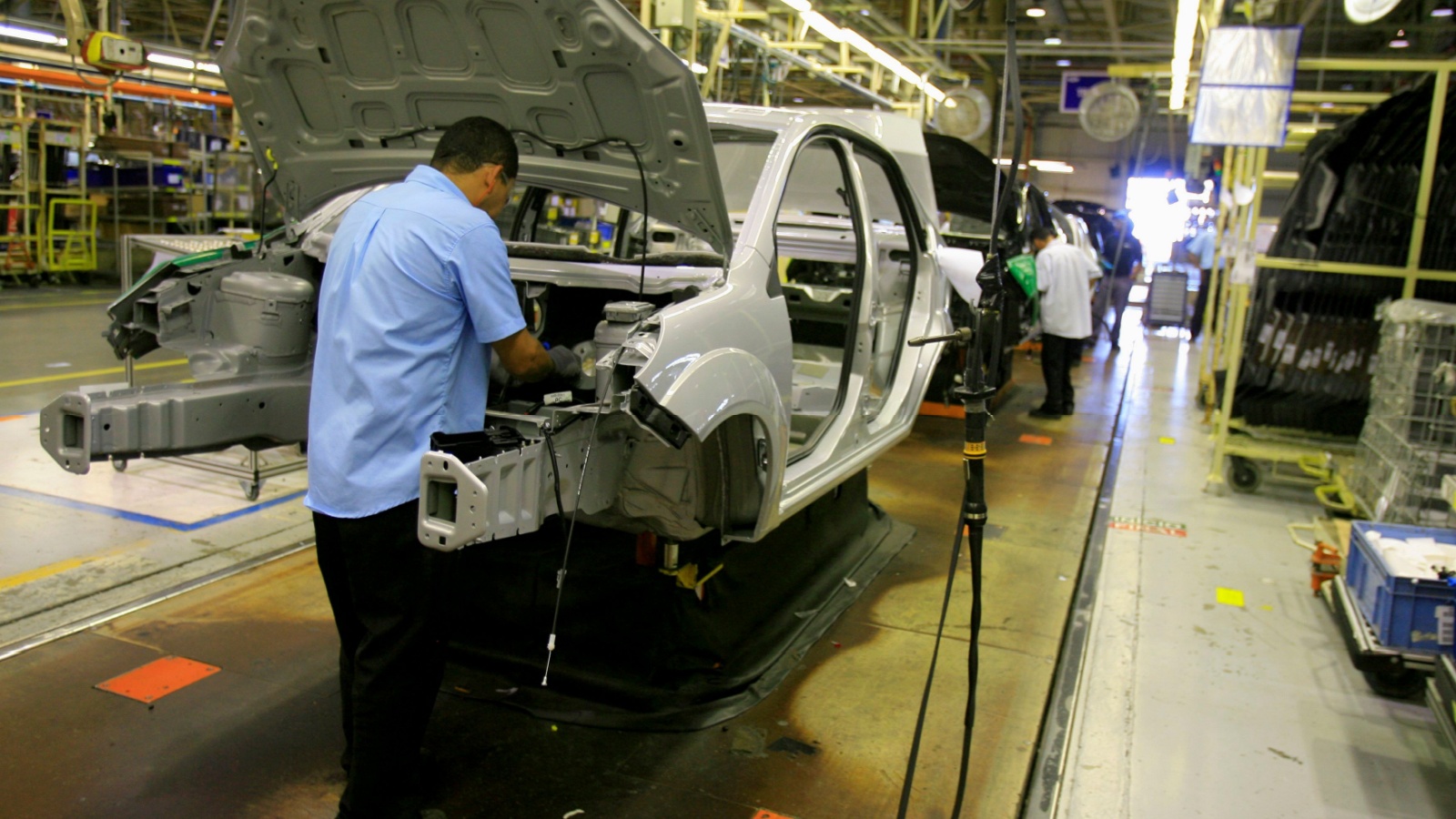
The arrival of Chinese EVs in Canada could push domestic automakers to accelerate their innovation cycles. Competition often drives technological improvement, and exposure to Chinese efficiency and design could motivate Canadian-based manufacturers and North American brands to enhance range, battery life, and affordability. This healthy pressure might also encourage greater investment in local R&D, green manufacturing, and supply chain optimization. Ultimately, rather than weakening the domestic industry, it could lead to a more dynamic and future-ready Canadian automotive ecosystem capable of competing globally in the clean mobility era.
Access to Advanced Battery Technology

China leads the world in EV battery innovation, particularly in lithium iron phosphate (LFP) and solid-state battery development. Allowing Chinese EVs into Canada would give local researchers, engineers, and suppliers access to cutting-edge technologies that could reduce costs and improve vehicle performance. Partnerships or licensing agreements with Chinese battery firms like CATL or BYD could benefit Canadian clean-tech manufacturers and help accelerate domestic battery production initiatives. This exchange of technology and expertise would enhance Canada’s competitiveness in global EV manufacturing and reduce reliance on traditional fossil fuel industries.
Strengthened Trade Relations with China

Permitting the entry of Chinese EVs could serve as a catalyst for deeper economic ties between Canada and China, particularly in the renewable energy and advanced manufacturing sectors. A mutually beneficial automotive trade relationship could open new opportunities for Canadian exports such as critical minerals, battery materials, and clean technology. Balanced trade engagement in the EV sector would help diversify Canada’s economic partnerships, reducing overdependence on U.S. markets. In turn, it could position Canada as a global intermediary in the emerging green economy, capable of collaborating with both Asian and Western partners.
Job Creation in Distribution and Retail Sectors

Importing and selling Chinese EVs across Canada could stimulate local job creation, particularly in sales, logistics, distribution, and maintenance. Establishing dealerships, parts networks, and service centres for these new brands would create employment opportunities in multiple provinces. Beyond traditional roles, new jobs would also emerge in EV diagnostics, software maintenance, and charging infrastructure installation. This ripple effect would benefit both urban and regional economies while helping small businesses enter the growing electric mobility ecosystem through franchising and service partnerships.
Acceleration of EV Infrastructure Development

A surge in affordable EV ownership would drive demand for better charging networks across Canada. To support growing adoption, both public and private sectors would need to expand infrastructure, including high-speed charging stations, battery recycling facilities, and grid modernization projects. This accelerated infrastructure rollout would benefit all EV users—domestic and imported alike—and align with federal sustainability initiatives. Moreover, new infrastructure investment would create construction and engineering jobs while ensuring Canada keeps pace with global electrification standards. In the long run, this would solidify the country’s readiness for a fully electric transportation future.
Cons of Allowing Chinese EVs in Canada
Risk to Canadian and North American Auto Manufacturers

Allowing Chinese EVs into Canada could threaten domestic and North American automakers already facing rising production costs. Chinese firms often benefit from state subsidies, giving them a pricing advantage that Canadian and U.S. companies struggle to match. This could result in reduced market share for established brands such as GM, Ford, and Stellantis, as well as local assembly plants. Over time, a price war could erode profits, discourage investment in Canadian production facilities, and lead to job losses in the automotive manufacturing and supply sectors, weakening the region’s industrial competitiveness.
Potential National Security and Data Privacy Concerns

Modern EVs are deeply integrated with digital systems that collect user data for navigation, performance, and connectivity. Chinese-made EVs could raise concerns over data privacy, cybersecurity, and potential misuse of sensitive information. Given rising geopolitical tensions and global scrutiny of Chinese technology companies, Canadian regulators might face challenges in ensuring compliance with data protection laws. There’s also the broader concern of embedded technology being exploited for surveillance or unauthorized access, creating national security vulnerabilities that require stringent oversight and testing before market entry.
Dependence on Chinese Supply Chains

China currently dominates global EV component manufacturing, including batteries, semiconductors, and rare earth materials. Opening the Canadian market to Chinese EVs could increase reliance on these supply chains, undermining efforts to build domestic production capacity. This dependency may expose Canada to future trade disruptions, export restrictions, or geopolitical leverage. While short-term benefits include lower costs and faster adoption, long-term risks could include weakened economic sovereignty and limited control over critical clean-tech inputs essential for national energy and transportation security.
Negative Impact on Domestic EV Startups

Emerging Canadian EV startups could face overwhelming competition from established Chinese manufacturers with vast production capacity and aggressive pricing. Companies like VinFast, BYD, and NIO operate on scales that smaller Canadian innovators can’t match. This imbalance could discourage venture capital investment in local clean-tech firms and limit opportunities for domestic innovation. Without protective policies or targeted incentives, Canada’s homegrown EV ecosystem could stagnate, leading to talent migration abroad and the loss of strategic opportunities to build a strong domestic electric mobility sector.
Trade Tensions with the U.S. and EU Partners

Canada’s close trade relationships with the U.S. and the EU could come under strain if it embraces Chinese EV imports. Both partners have shown growing skepticism toward Chinese automotive products, citing unfair subsidies and potential security risks. Allowing large-scale Chinese EV imports could complicate cross-border regulatory alignment and threaten Canada’s participation in joint North American EV initiatives. This move might even trigger retaliatory tariffs or restrictions from allies, reducing cooperation in other critical sectors like defense, energy, or technology innovation.
Quality and Safety Standard Discrepancies
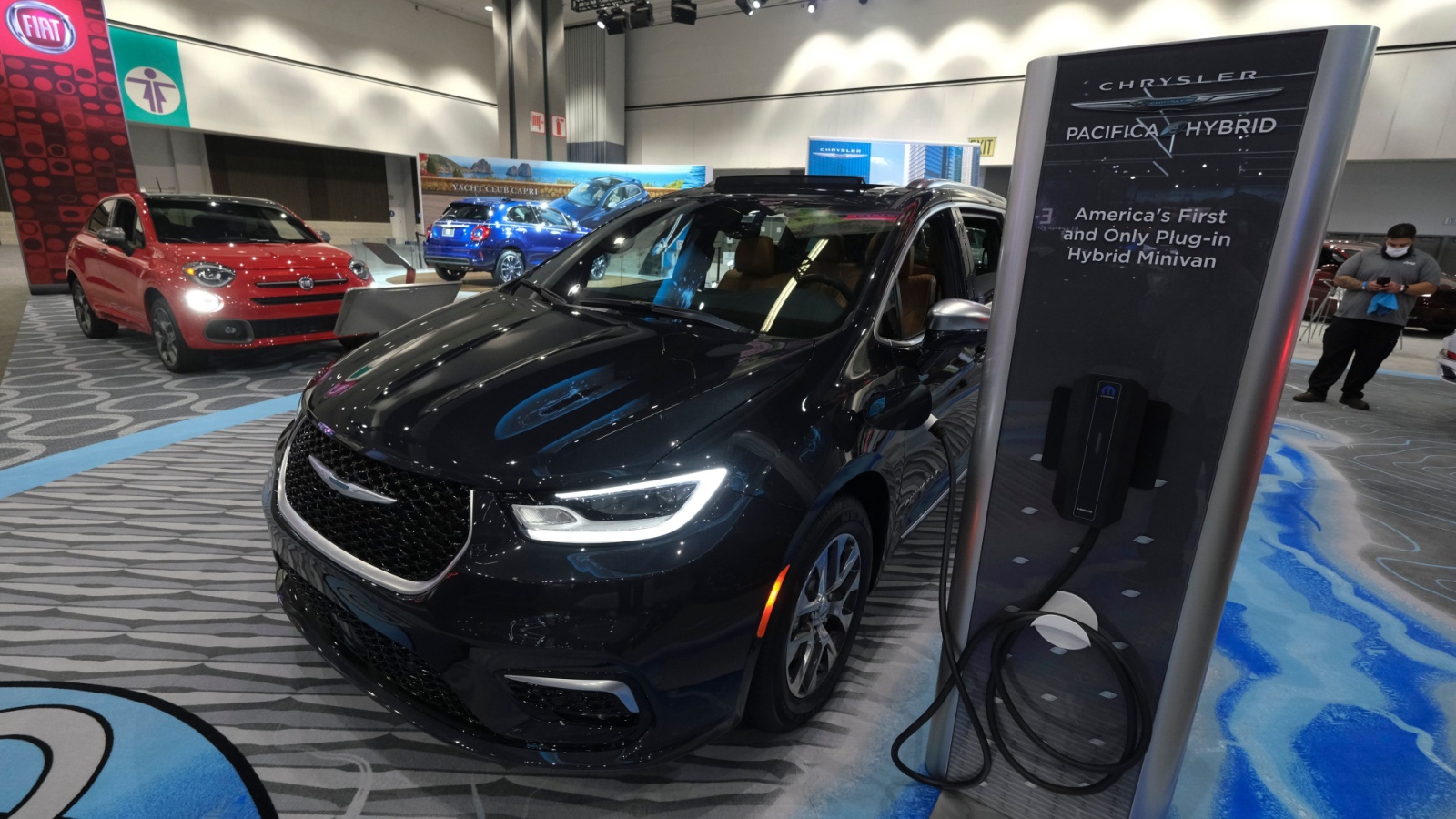
Despite improvements, not all Chinese EV models meet North American safety and performance standards. Differences in crash testing, emission certifications, and quality assurance could pose risks for Canadian consumers. Some vehicles may require additional modifications to comply with Transport Canada regulations, raising costs and delays. Moreover, concerns over long-term reliability, after-sales support, and availability of spare parts could undermine consumer confidence. Without rigorous oversight and clear certification frameworks, the influx of lower-cost EVs could compromise overall product quality in Canada’s automotive market.
Environmental Concerns Over Manufacturing Practices

While EVs contribute to lower emissions during use, the environmental impact of their production—especially in China—remains a concern. Many Chinese factories rely heavily on coal-based energy, resulting in higher carbon emissions during battery and vehicle manufacturing. Weak enforcement of environmental regulations in certain regions also raises questions about sustainability claims. Importing these EVs without considering their lifecycle carbon footprint could undermine Canada’s climate goals. To ensure consistency with Canada’s environmental policies, strict verification of sourcing practices and cleaner production standards would be necessary before market entry.
Unfair Subsidy Competition from Chinese State Support

Chinese automakers receive significant government support through subsidies, tax incentives, and low-cost financing, allowing them to sell EVs at prices far below production cost. This creates an uneven playing field for Canadian and Western automakers that operate under stricter market-based systems. The resulting price disparity could distort competition and threaten jobs in Canada’s auto and parts sectors. Unless Canada introduces countermeasures or trade safeguards, domestic producers may find it nearly impossible to compete, leading to reduced innovation and weaker industrial resilience over time.
Limited Local Economic Benefits Without Domestic Assembly

If Chinese EVs are imported fully assembled, the Canadian economy gains little beyond retail and servicing revenue. Without local assembly plants or parts manufacturing, job creation and technology transfer remain minimal. This undermines opportunities to strengthen Canada’s own EV supply chain, from battery production to component innovation. Moreover, profits largely flow overseas rather than being reinvested in Canadian communities. Encouraging domestic assembly partnerships or local sourcing agreements would be essential to ensure tangible economic gains and prevent hollowing out of Canada’s auto industry base.
Potential Backlash from Labor Unions and Policymakers

The arrival of low-cost Chinese EVs could spark political and labor opposition across Canada’s manufacturing regions. Unions representing auto workers may view such imports as a direct threat to domestic jobs and production stability. Policymakers, particularly in provinces with strong automotive roots like Ontario, could face pressure to impose tariffs or restrictions. This backlash could delay policy decisions and create uncertainty in the market. Without careful consultation with industry stakeholders, the introduction of Chinese EVs might fuel socio-economic tensions and weaken public support for the broader EV transition.
21 Products Canadians Should Stockpile Before Tariffs Hit

If trade tensions escalate between Canada and the U.S., everyday essentials can suddenly disappear or skyrocket in price. Products like pantry basics and tech must-haves that depend on are deeply tied to cross-border supply chains and are likely to face various kinds of disruptions
21 Products Canadians Should Stockpile Before Tariffs Hit
This Options Discord Chat is The Real Deal
While the internet is scoured with trading chat rooms, many of which even charge upwards of thousands of dollars to join, this smaller options trading discord chatroom is the real deal and actually providing valuable trade setups, education, and community without the noise and spam of the larger more expensive rooms. With a incredibly low-cost monthly fee, Options Trading Club (click here to see their reviews) requires an application to join ensuring that every member is dedicated and serious about taking their trading to the next level. If you are looking for a change in your trading strategies, then click here to apply for a membership.