
35,000+ smart investors are already getting financial news, market signals, and macro shifts in the economy that could impact their money next with our FREE weekly newsletter. Get ahead of what the crowd finds out too late. Click Here to Subscribe for FREE.
As global trade patterns evolve, Canada faces a critical choice between relying on traditional U.S. markets and building stronger economic ties with China. With its vast consumer base, growing demand for clean energy, and rapidly expanding technology sectors, China presents an unmatched opportunity for Canadian exporters and investors. Here are 20 reasons why Canada is better off trading with China than America.
Expanding Access to Asia’s Largest Consumer Market
20 Reasons Why Canada is Better Off with Trading With China than U.S
- Expanding Access to Asia’s Largest Consumer Market
- Strong Demand for Canadian Natural Resources
- Growing Opportunities in Clean Energy Collaboration
- Increased Agricultural Exports to China
- Rising Demand for Canadian Education Services
- Broader Market Diversification Beyond the U.S.
- Strategic Alignment with Global Supply Chain Shifts
- Access to Advanced Manufacturing Partnerships
- Growth in Canadian Technology and Innovation Exports
- Strengthened Bilateral Investment Opportunities
- Competitive Advantage Through Lower Tariff Barriers
- Collaboration in Green Technology and EV Development
- Expanding Tourism and Cultural Exchange
- Increased Market Stability Through Long-Term Agreements
- Greater Role in Asia-Pacific Trade Networks
- New Avenues for Infrastructure and Construction Contracts
- Potential for Joint Ventures in Health and Biotechnology
- Enhanced Logistics and Shipping Connectivity
- Stronger Diplomatic and Economic Leverage in Asia
- Reduced Overdependence on the U.S. Economy
- 21 Products Canadians Should Stockpile Before Tariffs Hit

China is home to more than 1.4 billion consumers, offering Canadian exporters access to a market far larger than the United States. With rising incomes and a growing middle class, demand for premium products such as Canadian seafood, healthcare goods, and lifestyle brands continues to surge. This consumer shift gives Canadian businesses a powerful opportunity to expand beyond North America. By engaging more deeply with China’s domestic markets, Canada can secure long-term growth, diversify export revenue streams, and reduce economic vulnerability tied to U.S. consumer spending patterns.
Strong Demand for Canadian Natural Resources

China’s industrial expansion has created consistent demand for natural resources, including lumber, potash, oil, and critical minerals. Canada’s abundant resource base and strong environmental standards make it a reliable supplier for these materials. As China continues its infrastructure and manufacturing growth, this demand remains steady and strategic. Long-term supply agreements can strengthen Canada’s export economy while positioning it as a dependable global energy and resource partner, reducing dependence on U.S. commodity markets that often fluctuate with domestic policy and pricing pressures.
Growing Opportunities in Clean Energy Collaboration

Canada and China share mutual goals in advancing renewable energy technology and reducing carbon emissions. Collaborations in wind, solar, and hydroelectric development present valuable trade and research opportunities. Canadian companies can benefit from China’s large-scale clean energy manufacturing capacity, while Chinese firms gain from Canada’s innovation in environmental regulation and resource management. Such partnerships can help Canada expand its global green technology footprint, promote sustainable exports, and attract investment into its growing clean energy sector, reinforcing both nations’ commitment to climate progress.
Increased Agricultural Exports to China

Canadian agriculture enjoys a strong reputation for quality and safety, making it highly appealing to Chinese consumers. From canola and soybeans to pork and seafood, demand from China continues to drive significant export growth. Establishing deeper trade relations in agriculture ensures stable income for Canadian farmers and reduces dependency on volatile U.S. markets. With ongoing population growth and dietary diversification in China, this agricultural trade relationship offers sustainable, long-term potential for Canada’s farming and food processing industries.
Rising Demand for Canadian Education Services

Chinese students form one of the largest international student populations in Canada, contributing billions annually to the education sector and local economies. As demand for Western education continues to grow, Canadian universities and colleges benefit from academic exchanges, tuition revenue, and cultural collaboration. This educational partnership strengthens people-to-people ties and reinforces Canada’s global reputation for quality education. Expanding educational access and student recruitment from China can further boost economic gains while fostering mutual understanding between both nations.
Broader Market Diversification Beyond the U.S.

Relying too heavily on U.S. trade exposes Canada to economic risks tied to American political and policy shifts. Expanding trade with China allows Canada to diversify its markets, reducing vulnerability to external shocks such as tariffs or trade disputes. China’s demand spans multiple sectors, from agriculture to high-tech goods, providing balanced opportunities for Canadian exporters. Diversification not only enhances economic resilience but also supports sustainable growth across provinces that depend on international commerce for long-term stability.
Strategic Alignment with Global Supply Chain Shifts

As global supply chains evolve, Canada can benefit from integrating with Asia’s growing manufacturing networks. China’s role as a production and logistics hub offers Canadian businesses improved access to components, technology, and materials. This alignment supports competitiveness for Canadian industries like automotive parts, electronics, and clean technology. By collaborating with Chinese partners, Canada can strengthen its position in global supply chains and attract new investment that reinforces its manufacturing and export capacity.
Access to Advanced Manufacturing Partnerships

China leads in high-efficiency manufacturing and advanced production technologies, including robotics, semiconductors, and electric vehicles. Partnering with Chinese manufacturers gives Canadian firms access to advanced processes and scalable production models. These collaborations can enhance the efficiency and innovation potential of Canadian industries, particularly in sectors such as aerospace, automotive, and renewable energy. By leveraging Chinese industrial expertise, Canada can accelerate its technological growth and increase competitiveness in international markets without relying solely on U.S. production networks.
Growth in Canadian Technology and Innovation Exports

Canada’s growing technology sector—spanning AI, software, and biotechnology—has found eager markets in China. As China transitions toward a knowledge-based economy, demand for Canadian innovation, research expertise, and intellectual property continues to expand. Collaborative ventures between Canadian startups and Chinese firms enable faster commercialization and access to funding. This flow of technology exports enhances Canada’s international competitiveness and fosters mutual growth in innovation ecosystems, positioning Canada as a leading partner in Asia’s expanding tech landscape.
Strengthened Bilateral Investment Opportunities

Trade expansion with China opens new channels for two-way investment. Canadian firms gain access to capital from Chinese investors, while Canadian pension funds and corporations invest in Chinese infrastructure, real estate, and technology ventures. This reciprocal investment deepens financial integration and stimulates growth across sectors such as clean energy, agriculture, and logistics. Strengthened investment ties create a more balanced and diversified economic partnership, allowing both nations to benefit from shared prosperity and reduced exposure to U.S.-centric financial systems.
Competitive Advantage Through Lower Tariff Barriers

By negotiating favorable trade arrangements with China, Canada can gain an edge in accessing key markets at reduced tariff rates. Lower trade barriers make Canadian goods—like agricultural products, natural resources, and machinery—more cost-competitive in Asia. This advantage improves export margins, strengthens Canada’s trade balance, and enhances global competitiveness. As the U.S. faces ongoing trade frictions with China, Canada’s ability to maintain stable, tariff-friendly relations could give its exporters a clear strategic and financial edge in global trade.
Collaboration in Green Technology and EV Development

Both Canada and China are investing heavily in sustainability and electric vehicle (EV) innovation. Joint ventures between Canadian mining and battery technology firms and Chinese EV manufacturers can accelerate progress toward decarbonization goals. Canada’s critical minerals sector complements China’s large-scale manufacturing capacity, creating a mutually beneficial partnership in the green economy. These collaborations not only promote cleaner energy adoption but also create jobs and research opportunities that solidify Canada’s role as a sustainable technology leader.
Expanding Tourism and Cultural Exchange

Tourism between Canada and China continues to grow, supported by cultural exchange programs and direct flight routes. Chinese tourists are among the highest-spending international visitors to Canada, benefiting local economies and hospitality sectors. At the same time, increased Canadian tourism to China strengthens bilateral ties and enhances cultural understanding. This exchange promotes goodwill, boosts service industries, and fosters a positive environment for long-term trade and diplomatic cooperation beyond purely economic metrics.
Increased Market Stability Through Long-Term Agreements

China’s long-term economic planning aligns with Canada’s interest in stable, predictable trade relationships. Multi-year contracts in sectors like energy, agriculture, and natural resources create consistency for Canadian exporters and investors. Unlike the frequent policy volatility associated with U.S. trade relations, China’s approach to structured agreements offers stability and growth potential. These enduring partnerships enable Canada to plan strategically for future exports, ensuring steady revenue streams and strengthening national economic resilience.
Greater Role in Asia-Pacific Trade Networks

Expanding trade with China positions Canada as an active participant in the Asia-Pacific’s fast-growing economic ecosystem. By aligning with initiatives like the Regional Comprehensive Economic Partnership (RCEP) and deepening bilateral ties, Canada can gain greater access to regional supply chains and investment flows. This engagement enhances Canada’s global trade relevance, allowing it to benefit from Asia’s expanding middle class and technological innovation, while reducing reliance on traditional Western markets.
New Avenues for Infrastructure and Construction Contracts

Canada’s engineering and construction firms stand to benefit from China’s large-scale infrastructure investments abroad. Through collaborations under the Belt and Road Initiative and regional development programs, Canadian companies can secure contracts for transportation, energy, and urban projects across Asia. These ventures not only create export opportunities for Canadian expertise but also support sustainable growth initiatives in partner nations, strengthening Canada’s international reputation as a trusted, high-quality infrastructure provider.
Potential for Joint Ventures in Health and Biotechnology

Canada’s advanced healthcare research and China’s large-scale pharmaceutical production offer a foundation for powerful joint ventures. Collaboration in biotechnology, vaccine development, and medical research can accelerate innovation while expanding access to healthcare solutions across Asia. These partnerships also attract investment into Canada’s life sciences sector, generating skilled jobs and supporting global health initiatives. As both countries prioritize post-pandemic resilience, the health sector represents one of the most promising areas for bilateral cooperation.
Enhanced Logistics and Shipping Connectivity

Canada’s Pacific ports, particularly Vancouver and Prince Rupert, play a crucial role in facilitating trade with China and the broader Asia-Pacific. Strengthening maritime, rail, and air logistics networks enhances Canada’s export efficiency and competitiveness. Increased collaboration with Chinese logistics companies can improve supply chain integration, reduce costs, and expand Canada’s global trade footprint. This connectivity cements Canada’s status as a critical trans-Pacific hub for goods movement between North America and Asia.
Stronger Diplomatic and Economic Leverage in Asia

Deepening trade and investment ties with China enhances Canada’s diplomatic influence in the Asia-Pacific region. By building balanced relationships with multiple Asian economies, Canada gains greater leverage in international forums and negotiations. This diversified presence helps Canada assert its interests on issues such as climate change, trade regulation, and technology governance. A stronger role in Asia supports Canada’s broader goal of being a middle power capable of bridging global economic and policy divides.
Reduced Overdependence on the U.S. Economy
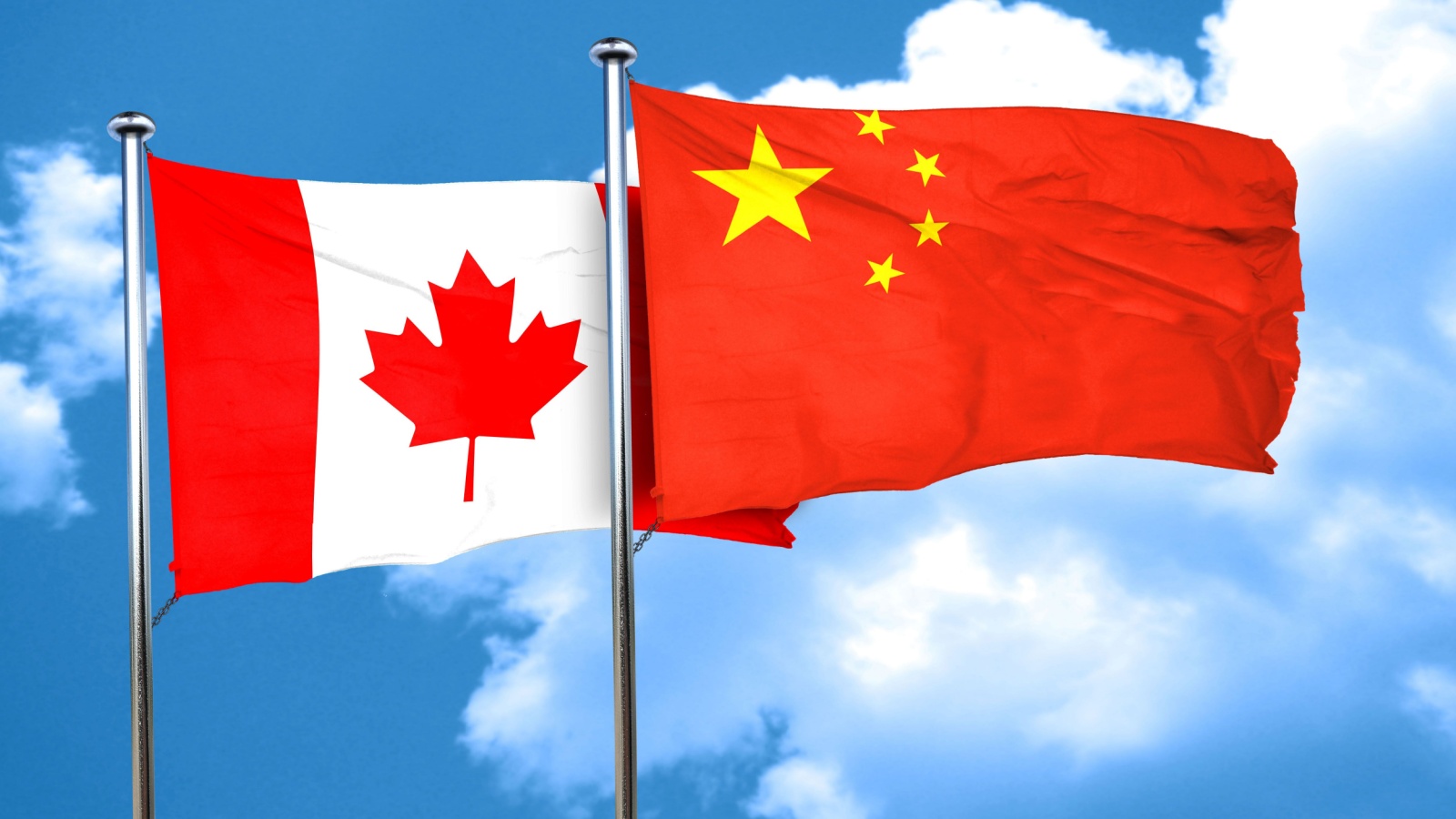
Trading more with China allows Canada to rebalance its economic dependence away from the U.S., which still accounts for the majority of its exports. By diversifying into Asia’s rapidly growing markets, Canada reduces vulnerability to American policy shifts, tariffs, or recessions. This diversification provides greater economic stability, shields key sectors from trade disruptions, and encourages long-term resilience. A stronger Asia-focused trade strategy positions Canada for sustainable, independent growth in an increasingly multipolar global economy.
21 Products Canadians Should Stockpile Before Tariffs Hit

If trade tensions escalate between Canada and the U.S., everyday essentials can suddenly disappear or skyrocket in price. Products like pantry basics and tech must-haves that depend on are deeply tied to cross-border supply chains and are likely to face various kinds of disruptions
21 Products Canadians Should Stockpile Before Tariffs Hit
This Options Discord Chat is The Real Deal
While the internet is scoured with trading chat rooms, many of which even charge upwards of thousands of dollars to join, this smaller options trading discord chatroom is the real deal and actually providing valuable trade setups, education, and community without the noise and spam of the larger more expensive rooms. With a incredibly low-cost monthly fee, Options Trading Club (click here to see their reviews) requires an application to join ensuring that every member is dedicated and serious about taking their trading to the next level. If you are looking for a change in your trading strategies, then click here to apply for a membership.