
35,000+ smart investors are already getting financial news, market signals, and macro shifts in the economy that could impact their money next with our FREE weekly newsletter. Get ahead of what the crowd finds out too late. Click Here to Subscribe for FREE.
Government payments often arrive quietly, tucked into bank statements under familiar acronyms that many households barely notice until money is tight. Spring can be an especially important window because tax filing, benefit recalculations, and scheduled May or June deposits all overlap. For Canadians juggling groceries, rent, childcare, disability costs, or retirement income, missing a form, a tax return, or a direct-deposit update can mean leaving real money unclaimed.
Here are 15 government payments Canadians could still receive before summer, many of which are missed every year because people assume they earn too much, forget to apply, move provinces, miss a tax filing deadline, or do not realize a benefit is automatic only after the right paperwork is in place.
Canada Child Benefit
15 Government Payments Canadians Could Still Get Before Summer — and Miss Every Year
- Canada Child Benefit
- Child Disability Benefit
- One-Time GST/HST Credit Top-Up
- Ontario Trillium Benefit
- Ontario Child Benefit
- B.C. Family Benefit
- Alberta Child and Family Benefit
- Québec Family Allowance
- Canada Pension Plan Retirement Pension
- CPP Disability Benefit
- Old Age Security Pension
- Guaranteed Income Supplement
- Canada Disability Benefit
- Veterans Disability Benefits
- Newfoundland and Labrador Disability Benefit
- Income Tax Refunds and Refundable Credits
- 19 Things Canadians Don’t Realize the CRA Can See About Their Online Income

The Canada Child Benefit remains one of the most important household payments for families raising children under 18. It is tax-free, paid monthly, and based mainly on adjusted family net income, the number of children in the home, and the children’s ages. For 2026, spring payments are scheduled for May 20 and June 19, which makes it one of the easiest supports to overlook during the busy end-of-school period.
Many families miss or delay this payment after a birth, separation, custody change, or move to Canada because they assume filing a tax return is enough in every situation. A newcomer parent, for example, may qualify before filing a first Canadian tax return, but still needs to apply through the CRA. Shared custody can also change the payment structure, so a family that does not update its information may receive less than expected or face a later adjustment.
Child Disability Benefit

The Child Disability Benefit is an extra tax-free payment for families who care for a child under 18 who is eligible for the disability tax credit. It is paid with the Canada Child Benefit, so it can arrive on the same May 20 or June 19 schedule when a household qualifies. This makes it easy to miss because it does not always appear as a separate, obvious program in day-to-day budgeting.
The biggest hurdle is usually not the payment date, but the disability tax credit approval. A family may be paying for therapies, medical travel, specialized equipment, or extra caregiving time without realizing that a qualifying disability tax credit certificate can unlock the monthly child disability amount. In practical terms, a parent whose child has a severe and prolonged impairment may need to start with the medical certification process before this money can flow automatically through the benefit system.
One-Time GST/HST Credit Top-Up

The one-time GST/HST credit top-up tied to the transition toward the Canada Groceries and Essentials Benefit is especially relevant before summer 2026 because it is scheduled to begin on June 5. It is designed for people who were entitled to the January 2026 GST/HST credit payment, and it comes at a time when food and basic household costs remain a major pressure point for low- and modest-income Canadians.
This is exactly the kind of payment people miss because they do not think of tax filing as a benefits application. The GST/HST credit is automatic only after the CRA has the necessary tax information. A student who turned 19, a low-income worker with no tax owing, or a senior who assumes there is no reason to file may still need to submit a return to be assessed. The payment may not be huge for everyone, but for households covering groceries, transit, or utilities, a June deposit can matter.
Ontario Trillium Benefit

The Ontario Trillium Benefit combines three Ontario credits: the Ontario energy and property tax credit, the Northern Ontario energy credit, and the Ontario sales tax credit. It is generally paid monthly, with spring 2026 payments listed for May 8 and June 10. For renters and lower-income homeowners, it can help offset costs that feel especially heavy before summer electricity use begins climbing.
This benefit is often missed because residents forget that rent, property tax, long-term care accommodation, and northern residency details can affect eligibility. A Toronto renter, for example, may assume there is no property-related credit available because they do not own a home, while a northern household may overlook the separate northern component. Filing a tax return is essential, but so is completing the relevant Ontario credit information correctly. A small skipped box can mean a missed monthly payment.
Ontario Child Benefit

The Ontario Child Benefit supports low- to moderate-income families with children and is usually paid with the Canada Child Benefit. Because it piggybacks on the federal child benefit system, many families receive it without thinking of it as a separate Ontario payment. That also means families may miss it if their CRA child benefit file is incomplete, outdated, or delayed.
The payment can be particularly meaningful for single parents or families with more than one child, because regular monthly support can help with school lunches, transit, clothing, or childcare gaps. The mistake some households make is assuming a provincial child benefit requires a separate provincial application. In most cases, the key is filing an annual income tax return and making sure the CRA has the correct child, custody, marital-status, and residency information. When those details are wrong, the payment may stop or be recalculated later.
B.C. Family Benefit

The B.C. Family Benefit is a provincial payment for eligible families with children and is administered through the federal child benefit system. For the July 2025 to June 2026 benefit period, British Columbia returned to regular benefit amounts after temporary bonus payments ended. Families receiving the Canada Child Benefit may see the B.C. amount included in the same monthly flow, which makes May and June important months to check.
This payment is easy to miss when families move into B.C., separate, welcome a new child, or fail to file taxes because they had little or no income. A parent in Surrey or Prince George may not think of provincial benefits when checking a CRA deposit, but the provincial portion can still be part of the household’s total support. The practical lesson is simple: if family income fell, household structure changed, or a child was added, the CRA account details should match reality.
Alberta Child and Family Benefit

The Alberta Child and Family Benefit is a tax-free payment for eligible Alberta families with children under 18. It has both a base component and a working component, which means families with employment income may qualify differently than those with little or no earnings. For 2026, scheduled payments include May 27, making it one of the spring deposits that can arrive just before summer expenses rise.
The benefit is frequently missed because Alberta families may think the Canada Child Benefit is the only child-related support available. A working parent in Calgary, Edmonton, or a smaller Alberta community may qualify for an added provincial amount without submitting a separate application, as long as the family files taxes and is registered for the federal child benefit. Late filing, outdated marital status, or incorrect banking information can delay a payment that might otherwise help cover groceries, sports fees, or summer childcare deposits.
Québec Family Allowance

Québec’s Family Allowance is administered by Retraite Québec and is separate from the Canada Child Benefit. It is generally paid quarterly in January, April, July, and October, although families can request monthly payments. For households using the monthly option, spring deposits can still arrive before summer, and parents with a new baby or changed custody situation should pay close attention to whether their file is current.
The payment is often missed by families who move, separate, or do not realize frequency can be changed. A family that prefers monthly budgeting may find the monthly option more useful than waiting for quarterly deposits, especially when school-year expenses overlap with early summer planning. Québec also has its own administrative system, so relying only on CRA account information may not be enough. Parents should ensure Retraite Québec has the correct custody, banking, and family details.
Canada Pension Plan Retirement Pension
The Canada Pension Plan retirement pension is a monthly taxable payment based on a person’s contributions, earnings history, and the age they start collecting. In 2026, CPP payments are scheduled for May 27 and June 26 during the late-spring period. For retirees who depend on predictable cash flow, those dates can shape everything from rent payments to prescription renewals.
CPP is not automatic for everyone in the way some people assume. Canadians generally need to apply, and the decision about when to start can affect the monthly amount. Someone who worked for decades but delayed applying because they were still doing part-time work may be missing income they are ready to claim. Others miss post-retirement benefit opportunities if they keep working while receiving CPP and do not understand how continued contributions can increase future monthly income.
CPP Disability Benefit

The CPP Disability Benefit is intended for eligible contributors who have a severe and prolonged disability that prevents them from regularly working. Like other CPP-related payments, 2026 deposits are scheduled for May 27 and June 26. It can be a crucial bridge for people who are too ill or injured to maintain employment but have not yet reached retirement age.
This benefit is commonly missed because the application process feels intimidating, especially for people already dealing with medical appointments, reduced income, or employer paperwork. A tradesperson with a degenerative condition, for instance, may leave work gradually and rely on savings before realizing CPP disability could apply. The evidence must show both contribution eligibility and medical severity, so incomplete medical documentation can delay approval. Still, for qualifying Canadians, it is one of the most important federal disability payments available before retirement.
Old Age Security Pension

Old Age Security is a monthly taxable pension available to eligible seniors aged 65 and older, with eligibility based largely on age, legal status, and residence history in Canada rather than employment contributions. For spring 2026, OAS payments are scheduled for May 27 and June 26. Maximum monthly amounts for April to June 2026 differ for ages 65 to 74 and 75 and older, reflecting the higher amount available after age 75.
Some seniors miss OAS because they assume all retirement benefits start automatically. While many people are automatically enrolled, others must apply, especially if Service Canada does not have enough information. This can affect immigrants, people with gaps in Canadian residence, and seniors who moved frequently. OAS can also be affected by higher income through the recovery tax, so retirees with variable income should understand that payments may change year to year.
Guaranteed Income Supplement
The Guaranteed Income Supplement is a non-taxable monthly payment for low-income seniors who receive Old Age Security. It is paid with OAS, so May 27 and June 26 are key spring 2026 dates. For a single senior with very low income, the GIS can be larger than the basic OAS pension itself, which makes missing it especially costly.
GIS is missed every year because it depends on annual income information. Seniors who do not file a tax return, file late, or fail to provide required income details may see payments interrupted. A widowed senior whose income dropped after a spouse died may not realize they should update Service Canada quickly, while another may assume a small workplace pension disqualifies them. The benefit is income-tested, not reserved only for people with no income at all, so checking eligibility matters.
Canada Disability Benefit

The Canada Disability Benefit provides direct monthly support to eligible working-age adults with disabilities. It is for people aged 18 to 64 who meet the program’s requirements, including disability tax credit approval and annual tax filing. Payments are sent on the third Thursday of each month, which places spring 2026 dates around May 21 and June 18 for eligible recipients.
This payment is still new enough that many people may not know how it works. The maximum amount for the July 2025 to June 2026 period is $2,400 annually, or $200 per month, but actual amounts can vary with income. A person who already has disability-related costs may miss out simply because their disability tax credit certificate expired or their 2025 return was not filed. For younger adults living independently, that monthly amount can help cover transportation, medication, or accessibility expenses.
Veterans Disability Benefits
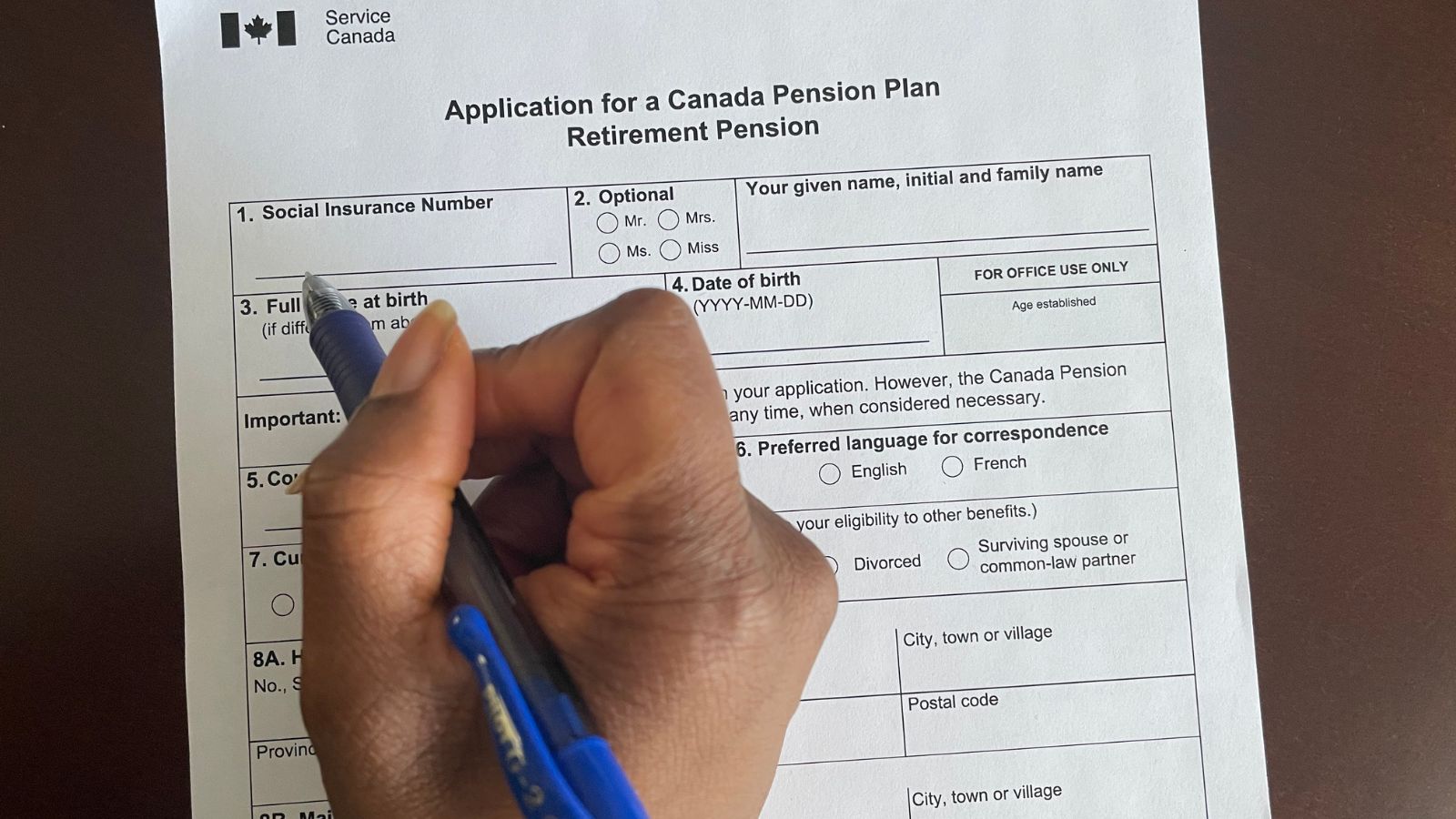
Veterans Affairs Canada disability benefits support eligible veterans and, in some cases, RCMP members whose service-related illness or injury affects daily life. Monthly 2026 payment dates include May 28 and June 29. Depending on the program and assessment, compensation may be paid as a monthly amount or, in some cases, as a lump sum.
These benefits are often missed because former service members may minimize old injuries or assume too much time has passed since service. A veteran with hearing loss, chronic pain, post-traumatic stress, or a physical injury linked to service may not connect those issues to a formal disability benefit. Documentation matters, but so does persistence: Veterans Affairs provides review and appeal options when applicants disagree with a decision. For households carrying medical or caregiving costs, a recognized service-related disability can change the financial picture.
Newfoundland and Labrador Disability Benefit

The Newfoundland and Labrador Disability Benefit provides monthly support for qualifying residents aged 18 to 64 who have the federal disability tax credit. Payments are normally issued on the 25th of each month, with May 25 and June 25 listed for 2026. The province describes the benefit as worth up to $400 per month for those who qualify.
This payment is a clear example of how provincial benefits can be missed even when a person is aware of federal programs. A resident may know about the Canada Disability Benefit but not realize Newfoundland and Labrador has its own additional monthly support. The main barriers are familiar: filing taxes, maintaining DTC eligibility, responding to CRA letters, and keeping provincial residency information current. For a person with disability-related transportation, food, or housing costs, the combined federal and provincial support can be significant.
Income Tax Refunds and Refundable Credits

A tax refund is not always thought of as a government payment, but for many Canadians it is the largest deposit they receive before summer. The CRA’s goal is to issue refunds within two weeks for online returns and within eight weeks for paper returns when returns are filed on time. That means a return filed in spring can still produce money before summer, especially when direct deposit is active.
The bigger issue is that filing a return also unlocks refundable credits and keeps benefit payments moving. People with low income, students, seniors, newcomers, and part-time workers sometimes skip filing because they do not owe tax. That can be expensive. A person may miss a refund, GST/HST credit eligibility, child benefits, provincial credits, or future benefit recalculations. Even a simple return can act like a key that opens several payment doors at once.
19 Things Canadians Don’t Realize the CRA Can See About Their Online Income

Earning money online feels simple and informal for many Canadians. Freelancing, selling products, and digital services often start as side projects. The problem appears at tax time. Many people underestimate how much information the CRA can access. Online platforms, banks, and payment processors create detailed records automatically. These records do not disappear once money hits an account. Small gaps in reporting add up quickly.
Here are 19 things Canadians don’t realize the CRA can see about their online income.
This Options Discord Chat is The Real Deal
While the internet is scoured with trading chat rooms, many of which even charge upwards of thousands of dollars to join, this smaller options trading discord chatroom is the real deal and actually providing valuable trade setups, education, and community without the noise and spam of the larger more expensive rooms. With a incredibly low-cost monthly fee, Options Trading Club (click here to see their reviews) requires an application to join ensuring that every member is dedicated and serious about taking their trading to the next level. If you are looking for a change in your trading strategies, then click here to apply for a membership.