
35,000+ smart investors are already getting financial news, market signals, and macro shifts in the economy that could impact their money next with our FREE weekly newsletter. Get ahead of what the crowd finds out too late. Click Here to Subscribe for FREE.
As global power dynamics shift eastward, Canada is redefining its economic and strategic focus—looking beyond its traditional reliance on the United States. Asia’s rapidly growing economies, expanding middle class, and rising demand are drawing Canadian industries toward new opportunities. Here are 22 proof points that Canada’s future lies in Asia, not America.
Rising Canadian Exports to Japan
22 Proof Points That Canada’s Future Lies in Asia, Not America
- Rising Canadian Exports to Japan
- Growing Trade Partnerships with India
- Expanding Energy Exports to South Korea
- Strengthened Investment Ties with Singapore
- Increased Agricultural Sales to China
- Canadian Universities Attracting More Asian Students
- Technology Collaborations with Taiwan and Japan
- Canadian Fintech Firms Expanding into Southeast Asia
- Vancouver’s Role as a Pacific Trade Gateway
- Canadian Infrastructure Firms Winning Asian Contracts
- Canadian Mining Companies Operating in Indonesia and the Philippines
- Cultural and Tourism Exchanges with Asian Nations
- Growing Canadian Pension Fund Investments in Asia
- Asian Demand for Canadian Clean Energy Technologies
- Bilateral Free Trade Agreements Boosting Economic Access
- Canadian Food and Beverage Brands Gaining Popularity in Asia
- Asian Venture Capital Funding Canadian Startups
- Expansion of Canadian Logistics and Shipping in Pacific Routes
- Rising Demand for Canadian Education and Training Services
- Asian Partnerships in Artificial Intelligence and Research
- Diversification Away from U.S. Dependence in Global Trade
- Strengthening Diplomatic and Strategic Relations with Indo-Pacific Nations
- 21 Products Canadians Should Stockpile Before Tariffs Hit

Canada’s trade relationship with Japan has grown steadily under the Comprehensive and Progressive Agreement for Trans-Pacific Partnership (CPTPP). Canadian exports of beef, seafood, and canola oil to Japan have increased significantly in recent years. Japan values Canada’s high-quality agricultural and energy products, while Canadian businesses benefit from reduced tariffs and simplified trade procedures. This strengthening export relationship highlights Japan’s role as a key Asian market for Canada’s economic diversification. With expanding cooperation in clean energy and technology, Japan continues to be one of Canada’s most stable and promising trading partners in Asia.
Growing Trade Partnerships with India

India has become one of Canada’s fastest-growing trade partners, driven by strong demand for Canadian lentils, fertilizers, and renewable energy technologies. The ongoing discussions around a Comprehensive Economic Partnership Agreement (CEPA) aim to further open bilateral trade and investment. Canada’s clean technology expertise and India’s expanding energy and agricultural sectors create a strong foundation for collaboration. Educational, digital, and infrastructure ties also continue to deepen. As India’s economy rapidly grows, Canada’s diversified engagement ensures access to one of the world’s largest and most dynamic consumer markets beyond North America.
Expanding Energy Exports to South Korea
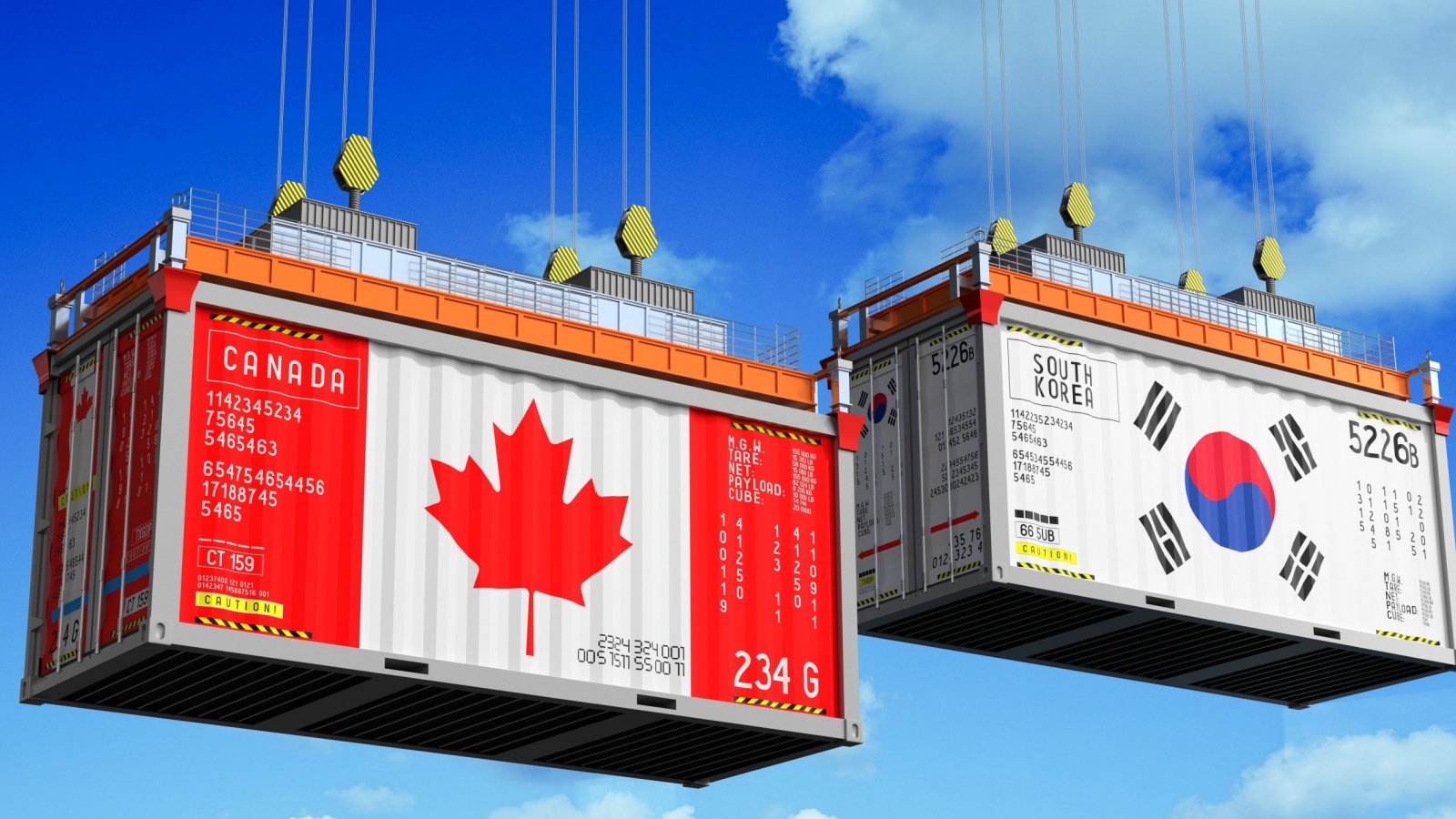
Canada’s energy exports to South Korea have increased, particularly in liquefied natural gas (LNG) and clean hydrogen. South Korea’s commitment to reducing carbon emissions aligns closely with Canada’s clean energy goals. New projects in British Columbia are strengthening LNG supply routes to South Korean buyers, offering reliable and sustainable alternatives to traditional energy sources. The two nations are also exploring collaboration in critical minerals used for electric vehicles and batteries. This growing partnership in sustainable energy trade positions Canada as a key supplier in Asia’s green transition.
Strengthened Investment Ties with Singapore

Singapore has emerged as a major investment hub for Canadian businesses in Asia. Canadian pension funds, financial institutions, and tech companies increasingly use Singapore as a regional base due to its strong governance, transparent regulations, and connectivity. Bilateral investments span fintech, renewable energy, and logistics. Singapore’s sovereign wealth funds have also increased investments in Canadian infrastructure and green projects. The partnership strengthens Canada’s financial and innovation presence in Southeast Asia, reflecting a shift toward deeper economic integration and mutual long-term growth between both nations.
Increased Agricultural Sales to China
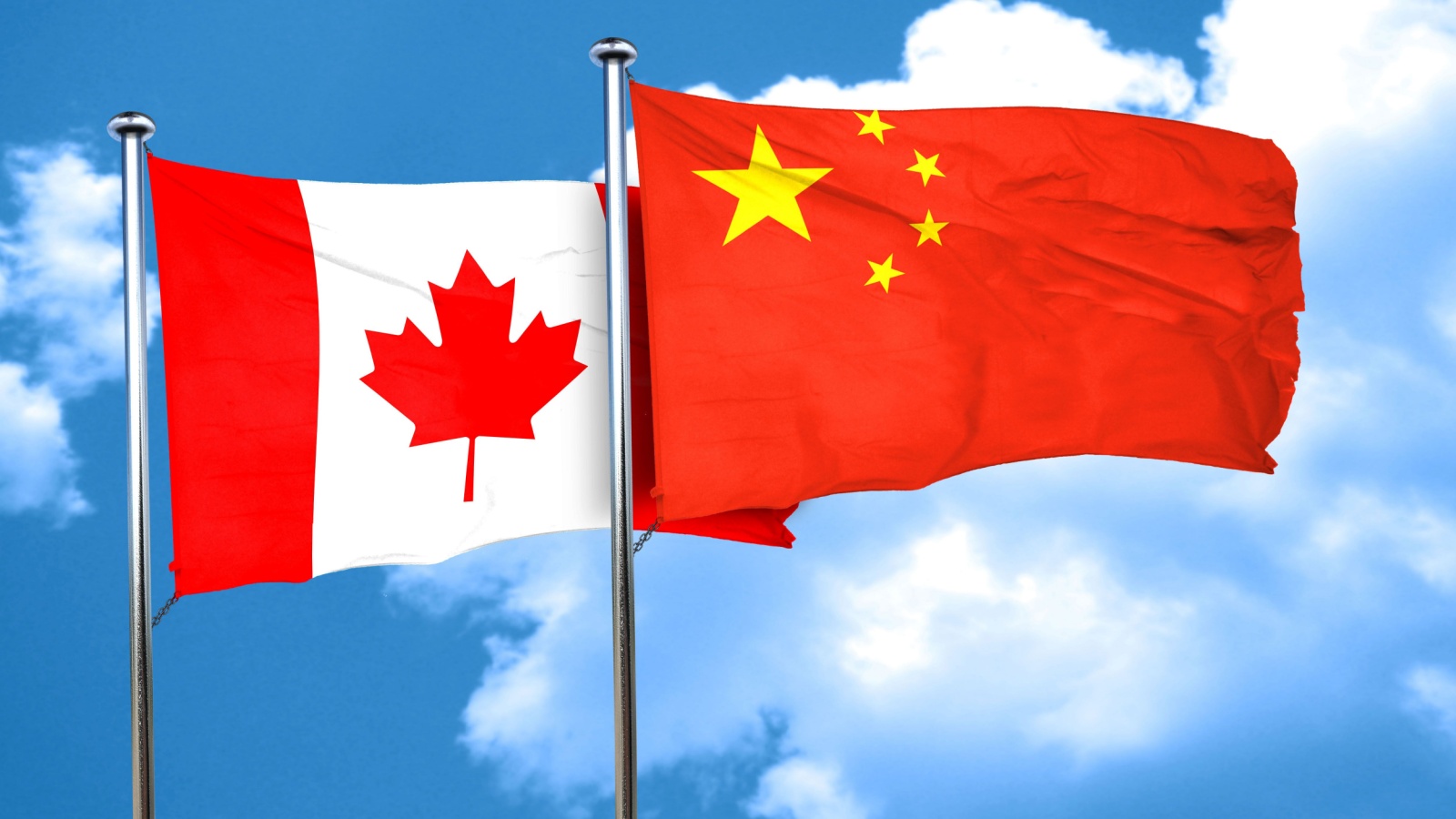
Despite complex geopolitical relations, agricultural trade between Canada and China remains robust. Canadian exports of barley, peas, and seafood to China have continued to rise as Chinese consumers seek high-quality, safe food products. China is one of the largest markets for Canadian canola and wheat, while growing middle-class demand boosts premium product sales. Canada’s reliable agricultural supply chain and strong food safety standards make it a preferred supplier. The sustained trade momentum reinforces China’s importance in Canada’s agricultural export strategy beyond U.S.-centric markets.
Canadian Universities Attracting More Asian Students

Canada has become one of the top education destinations for students from China, India, South Korea, and Vietnam. Canadian universities are expanding recruitment, research partnerships, and exchange programs across Asia. International students contribute billions annually to the Canadian economy and enrich academic diversity. The government’s streamlined visa and post-graduation work programs have strengthened Canada’s reputation as a global education leader. By building lasting academic and professional connections with Asia, Canada ensures long-term economic and cultural ties that extend well beyond traditional trade partnerships.
Technology Collaborations with Taiwan and Japan

Canada’s growing collaborations with Taiwan and Japan in semiconductors, artificial intelligence, and advanced manufacturing reflect a strategic shift toward high-tech cooperation. Both nations are major players in the global tech supply chain, and Canada’s strengths in research and clean technology complement their industrial expertise. Joint ventures and research initiatives are advancing innovation in quantum computing, green batteries, and precision engineering. These partnerships not only strengthen Canada’s position in Asia’s technology ecosystem but also enhance its global competitiveness in next-generation industries.
Canadian Fintech Firms Expanding into Southeast Asia

Canadian fintech companies are expanding rapidly into Southeast Asia, targeting markets such as Singapore, Malaysia, and Indonesia. With rising digital adoption and financial inclusion initiatives, the region offers immense potential for Canadian payment processors, digital banks, and blockchain innovators. Firms like Nuvei and Wealthsimple are exploring strategic partnerships to bring secure and scalable financial solutions to underserved populations. Canada’s regulatory expertise and focus on transparency make its fintech firms highly attractive to Asian investors and clients. This expansion strengthens Canada’s role as a trusted global player in digital finance innovation.
Vancouver’s Role as a Pacific Trade Gateway
Vancouver serves as Canada’s key Pacific gateway for trade with Asia. Its strategic location and advanced port infrastructure enable efficient shipping routes to major markets such as Japan, China, and South Korea. Investments in container terminals, rail connectivity, and green port technologies have enhanced capacity and sustainability. Vancouver’s multicultural workforce and business ecosystem also facilitate strong commercial and cultural ties with Asian partners. As trade volumes continue to grow, Vancouver’s position solidifies Canada’s role as a central logistics hub in the Asia-Pacific economy.
Canadian Infrastructure Firms Winning Asian Contracts

Canadian infrastructure companies have been increasingly successful in securing major contracts across Asia. Firms like WSP Global and SNC-Lavalin are contributing to transportation, water, and energy projects in countries including India, Vietnam, and the Philippines. Their reputation for engineering excellence, sustainability, and project management aligns with Asia’s growing need for modern infrastructure. Through public-private partnerships and development collaborations, Canadian companies are enhancing connectivity while supporting regional growth. These international ventures help Canada showcase its technical expertise and global leadership in infrastructure innovation.
Canadian Mining Companies Operating in Indonesia and the Philippines

Canadian mining companies have established strong operations in Indonesia and the Philippines, focusing on critical minerals such as nickel, copper, and gold. These resources are vital for clean energy technologies and electric vehicle production. Canadian firms are recognized for their responsible mining practices, community engagement, and environmental standards. Partnerships with local governments and regional mining organizations promote sustainable extraction and long-term economic benefits. This collaboration highlights Canada’s expanding role in Asia’s mineral supply chain and its contribution to the global energy transition.
Cultural and Tourism Exchanges with Asian Nations

Cultural and tourism exchanges between Canada and Asian nations have grown rapidly in recent years. Direct flight routes, cultural festivals, and film collaborations have strengthened people-to-people connections. Asian tourists now represent one of the fastest-growing visitor groups to Canada, contributing significantly to local economies. Similarly, Canadian travelers are increasingly exploring destinations like Japan, Thailand, and South Korea. These exchanges foster deeper cultural understanding and open opportunities in creative industries, education, and hospitality. Such mutual engagement reinforces Canada’s soft power influence across the Asia-Pacific region.
Growing Canadian Pension Fund Investments in Asia

Canadian pension funds, including CPP Investments and Ontario Teachers’ Pension Plan, have expanded their investments across Asia, targeting sectors such as infrastructure, real estate, and renewable energy. Countries like India, Singapore, and Vietnam offer high-growth potential and long-term stability. These investments diversify Canada’s financial exposure and ensure consistent returns independent of U.S. market fluctuations. By focusing on sustainable and technology-driven assets, Canadian pension funds are helping shape Asia’s economic development while securing value for Canadian retirees and strengthening bilateral financial relations.
Asian Demand for Canadian Clean Energy Technologies

Asian countries are increasingly turning to Canadian clean energy solutions to support their transition toward low-carbon economies. Canadian companies specializing in hydrogen, carbon capture, and renewable power technologies are forming strategic partnerships across Japan, South Korea, and China. These collaborations include pilot projects and technology exports that leverage Canada’s leadership in sustainable energy innovation. As Asia intensifies its climate commitments, demand for Canadian expertise continues to rise. This growing technological exchange not only benefits Canada’s clean tech industry but also advances global environmental goals.
Bilateral Free Trade Agreements Boosting Economic Access

Canada’s network of bilateral and multilateral trade agreements with Asian nations has opened significant new markets for Canadian goods and services. Agreements like the CPTPP and ongoing trade negotiations with India and ASEAN members reduce tariffs, enhance investment protections, and simplify market entry. These partnerships allow Canadian exporters to diversify beyond North American dependence, gaining stronger footholds in growing economies. With Asia’s expanding middle class driving consumer demand, Canada’s strategic trade diplomacy is positioning the country for long-term economic resilience and access to dynamic regional markets.
Canadian Food and Beverage Brands Gaining Popularity in Asia

Canadian food and beverage products—from maple syrup and seafood to premium dairy and plant-based foods—are increasingly popular across Asian markets. Rising incomes and demand for high-quality, traceable products have made “Made in Canada” a trusted label in countries such as Japan, South Korea, and Singapore. Canadian brands benefit from strong safety standards and sustainability credentials, aligning well with Asia’s health-conscious consumers. This growing recognition is helping Canadian producers expand retail and e-commerce channels across Asia, further solidifying Canada’s global reputation for quality and reliability.
Asian Venture Capital Funding Canadian Startups

Asian venture capital firms are investing heavily in Canadian startups, particularly in sectors like fintech, artificial intelligence, and clean technology. Investors from Japan, South Korea, and Singapore are drawn to Canada’s innovation-friendly ecosystem, skilled workforce, and stable regulatory environment. These partnerships not only provide critical funding but also open gateways to Asian markets for Canadian innovators. The growing cross-border collaboration underscores Asia’s confidence in Canada’s startup potential and strengthens technological ties that benefit both regions’ long-term economic growth.
Expansion of Canadian Logistics and Shipping in Pacific Routes
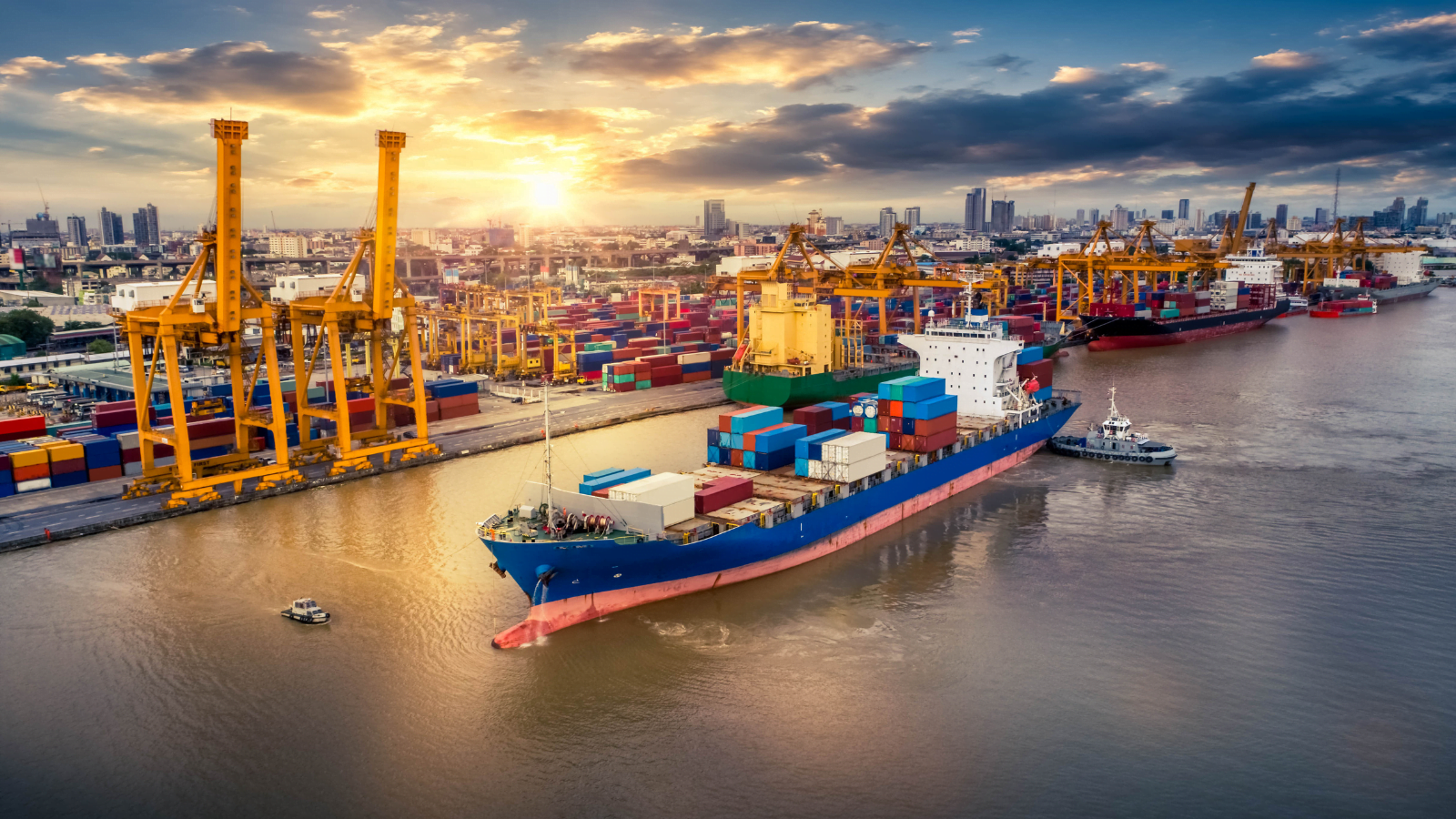
Canada is significantly expanding its logistics and shipping infrastructure along Pacific routes to meet rising trade demand with Asia. Investments in ports such as Vancouver and Prince Rupert are increasing capacity and reducing transit times. Canadian shipping firms are also adopting digital and green logistics solutions to enhance efficiency and sustainability. These developments make Canada a reliable hub for trans-Pacific commerce, facilitating smoother export operations and stronger trade connectivity. Enhanced logistics readiness ensures Canada remains competitive as Asia solidifies its position as the world’s trade engine.
Rising Demand for Canadian Education and Training Services

Asian students continue to choose Canada for its high-quality education system, multicultural environment, and post-graduation opportunities. Universities, colleges, and vocational programs across Canada have deepened partnerships with institutions in India, China, and Vietnam. Additionally, Canadian training programs in healthcare, technology, and environmental management are increasingly sought after in Asia. These educational exchanges not only boost Canada’s economy but also create long-term diplomatic and professional networks. The trend underscores how education has become a vital bridge connecting Canada to Asia’s future workforce.
Asian Partnerships in Artificial Intelligence and Research

Canada’s global leadership in artificial intelligence research has led to deep collaborations with Asian nations such as Japan, Singapore, and South Korea. Joint projects in machine learning, robotics, and data science are advancing innovation across both regions. Canadian institutions like Mila and the Vector Institute are attracting Asian research partners and investments to co-develop ethical AI applications. These partnerships enhance Canada’s research ecosystem while opening access to Asia’s rapidly growing tech markets. This strengthens both Canada’s innovation economy and its strategic scientific alliances in the Indo-Pacific.
Diversification Away from U.S. Dependence in Global Trade

Canada’s increasing engagement with Asia reflects a deliberate strategy to reduce overreliance on the U.S. market. By diversifying exports and investment flows, Canada is building economic resilience against geopolitical uncertainty and trade volatility. Asian economies now represent major growth opportunities across energy, technology, and agriculture sectors. This shift also aligns with Canada’s Indo-Pacific Strategy, which prioritizes balanced and sustainable global engagement. Through stronger Asian partnerships, Canada is ensuring long-term stability and asserting greater independence in global trade relations.
Strengthening Diplomatic and Strategic Relations with Indo-Pacific Nations

Canada has intensified diplomatic and strategic engagement with Indo-Pacific nations to secure its future in the region. Initiatives under Canada’s Indo-Pacific Strategy emphasize defense cooperation, trade facilitation, and environmental collaboration. Strengthened relationships with key partners like Japan, South Korea, and India are enhancing Canada’s geopolitical presence and ensuring active participation in shaping regional policies. These efforts not only promote mutual prosperity but also reinforce Canada’s commitment to a free, open, and rules-based Indo-Pacific—underscoring that the country’s future lies firmly within Asia’s expanding orbit.
21 Products Canadians Should Stockpile Before Tariffs Hit

If trade tensions escalate between Canada and the U.S., everyday essentials can suddenly disappear or skyrocket in price. Products like pantry basics and tech must-haves that depend on are deeply tied to cross-border supply chains and are likely to face various kinds of disruptions
21 Products Canadians Should Stockpile Before Tariffs Hit
This Options Discord Chat is The Real Deal
While the internet is scoured with trading chat rooms, many of which even charge upwards of thousands of dollars to join, this smaller options trading discord chatroom is the real deal and actually providing valuable trade setups, education, and community without the noise and spam of the larger more expensive rooms. With a incredibly low-cost monthly fee, Options Trading Club (click here to see their reviews) requires an application to join ensuring that every member is dedicated and serious about taking their trading to the next level. If you are looking for a change in your trading strategies, then click here to apply for a membership.