
35,000+ smart investors are already getting financial news, market signals, and macro shifts in the economy that could impact their money next with our FREE weekly newsletter. Get ahead of what the crowd finds out too late. Click Here to Subscribe for FREE.
Canada’s economy stands on stronger and more stable ground than its southern neighbor in several key areas. From rigorous banking oversight to universal healthcare and balanced fiscal management, Canada’s economic framework is built to minimize volatility and promote long-term security. The country’s approach to regulation, social welfare, and innovation ensures resilience even during global downturns. Here are 25 reasons Canada’s economy is safer than America’s right now.
Stronger Banking Regulations
25 Reasons Canada’s Economy Is Safer Than America’s Right Now
- Stronger Banking Regulations
- Lower Household Debt-to-Income Ratio
- Stable Real Estate Lending Practices
- Higher Capital Requirements for Banks
- Government-Controlled Mortgage Insurance System
- Universal Healthcare Reducing Economic Burden
- Lower Income Inequality
- Diversified Export Markets Beyond the U.S.
- Robust Natural Resource Sector
- Conservative Fiscal Policy Management
- Independent and Reliable Central Banking
- High Immigration Driving Workforce Growth
- Resilient Labor Market and Low Unemployment Volatility
- Balanced Trade Agreements with Global Partners
- Strong Pension and Retirement Systems
- Emphasis on Green Energy and Sustainability
- Public Investment in Education and Skills Development
- Sound Corporate Governance Standards
- Lower Healthcare Costs for Businesses and Consumers
- Effective Consumer Protection Laws
- Political Stability and Low Corruption Levels
- Well-Regulated Financial Technology Sector
- Affordable Higher Education Supporting Economic Mobility
- Steady Population Growth Through Immigration Policies
- Proven Economic Resilience During Global Crises
- 21 Products Canadians Should Stockpile Before Tariffs Hit

Canada’s banking system is recognized globally for its strict regulatory standards and prudent risk management. The Office of the Superintendent of Financial Institutions (OSFI) oversees financial institutions to ensure they maintain stability and adequate liquidity. Unlike the U.S., where deregulation has led to several banking crises, Canada enforces tighter controls on lending, capital ratios, and stress testing. This consistent oversight helps prevent bank collapses and protects consumer savings. The country’s strong regulatory framework has allowed it to weather global financial shocks with minimal disruption to domestic financial stability.
Lower Household Debt-to-Income Ratio

While household debt remains a concern globally, Canada’s ratio is more sustainable than that of many developed economies. Canadians typically manage debt with fixed-rate mortgages, predictable repayment structures, and lower default rates. Regulatory stress tests ensure that borrowers can handle higher interest rates before loans are approved. In contrast, many U.S. households rely on variable-rate loans and higher consumer credit use. This cautious approach to lending has helped Canadian households maintain greater financial resilience during inflationary and recessionary periods.
Stable Real Estate Lending Practices

Canada’s real estate market operates under strict lending and appraisal standards, ensuring that property values remain supported by real income and credit checks. Financial institutions follow federal guidelines that prevent speculative or high-risk mortgage lending. Borrowers must qualify under rigorous mortgage stress tests, and loan-to-value ratios are tightly regulated. These safeguards reduce the risk of housing bubbles or mass foreclosures like those seen in the U.S. during the 2008 crisis. As a result, Canada’s housing finance system remains stable even amid global market volatility.
Higher Capital Requirements for Banks

Canadian banks are required to hold higher levels of capital reserves compared to many international counterparts. These capital buffers, mandated by the OSFI and aligned with Basel III standards, protect financial institutions against unexpected losses. The country’s “Big Five” banks consistently maintain some of the strongest balance sheets in the world. Higher capital requirements not only enhance investor confidence but also ensure that Canadian banks can continue lending during economic downturns. This approach minimizes systemic risk and supports long-term economic security.
Government-Controlled Mortgage Insurance System

Canada’s mortgage market is supported by a government-backed insurance framework led by the Canada Mortgage and Housing Corporation (CMHC). This system protects lenders from losses if borrowers default, ensuring stability within the housing sector. Unlike the largely privatized U.S. mortgage market, Canada’s government oversight prevents risky lending practices and speculative financing. The CMHC’s conservative underwriting standards maintain credit discipline and protect taxpayers from financial exposure. This government involvement is a key reason Canada avoided a housing-led financial crisis when the U.S. market collapsed in 2008.
Universal Healthcare Reducing Economic Burden

Canada’s universal healthcare system significantly reduces the financial strain on households and employers. Citizens are not burdened by high medical bills or private insurance premiums, which helps maintain consumer spending and economic stability. Businesses benefit from lower healthcare costs, allowing them to reinvest in growth and innovation. In contrast, U.S. healthcare expenses often lead to higher debt and reduced disposable income. By ensuring equitable access to healthcare, Canada creates a healthier, more financially secure population that supports long-term economic resilience.
Lower Income Inequality

Canada maintains a more balanced income distribution compared to the U.S., largely due to progressive taxation, strong social safety nets, and public services. Government transfers and employment benefits help reduce poverty and stabilize consumer demand during downturns. This balanced income structure prevents extreme wealth concentration, which can lead to social and economic instability. With a stronger middle class and accessible public programs, Canada’s economy benefits from steady consumption, improved social cohesion, and reduced vulnerability to recessionary shocks.
Diversified Export Markets Beyond the U.S.

Canada has steadily reduced its trade dependence on the U.S. by expanding export relationships with Europe, Asia, and emerging markets. Agreements such as the CPTPP, CETA, and partnerships with countries like South Korea and India have broadened trade opportunities. This diversification shields the economy from fluctuations in U.S. demand and tariffs. Key exports—energy, minerals, and agri-food—are now shipped to multiple global destinations. By expanding its trade reach, Canada strengthens its global position and ensures greater economic stability in uncertain geopolitical conditions.
Robust Natural Resource Sector

Canada’s economy benefits from one of the world’s most diversified and secure natural resource bases. With abundant reserves of oil, natural gas, minerals, and forestry products, Canada enjoys a steady stream of export revenue even during global economic slowdowns. The country’s strong regulatory environment ensures sustainable extraction and responsible environmental practices. This combination of rich resources and careful governance supports energy independence, regional employment, and fiscal stability. Unlike economies heavily reliant on imports, Canada’s self-sufficiency in key resources strengthens its long-term economic resilience.
Conservative Fiscal Policy Management

Canada’s federal and provincial governments maintain cautious fiscal policies that prioritize balanced budgets and manageable debt levels. Historically, Canada has demonstrated discipline in public spending, even during economic crises. The country’s debt-to-GDP ratio remains lower than that of the U.S., providing greater flexibility for future investments and social programs. Strong fiscal management allows Canada to respond effectively to economic downturns without excessive borrowing. This prudent approach has earned Canada high credit ratings and investor confidence, making its economy safer and more predictable.
Independent and Reliable Central Banking

The Bank of Canada operates with a high degree of independence, ensuring that monetary policy decisions are guided by economic data rather than political pressure. Its consistent focus on inflation control and financial stability helps maintain confidence in the Canadian dollar. The Bank’s transparent communication and gradual policy adjustments reduce market volatility. By avoiding abrupt or politically motivated rate changes—common in some other economies—Canada ensures that its monetary environment remains stable and predictable, which is crucial for sustainable growth.
High Immigration Driving Workforce Growth

Canada’s pro-immigration policies contribute significantly to labor market stability and long-term economic expansion. Skilled newcomers fill workforce gaps in healthcare, technology, and construction, while also stimulating housing and consumer demand. The country’s selective immigration system prioritizes education and skill levels, ensuring that new residents integrate effectively into the economy. Unlike the U.S., where immigration policy often faces political gridlock, Canada’s approach strengthens population growth and productivity, making its economy more adaptable to demographic and technological shifts.
Resilient Labor Market and Low Unemployment Volatility

Canada’s employment landscape remains steady even during global downturns, thanks to diverse industries and robust labor protections. The mix of unionized and regulated employment sectors prevents extreme job loss during recessions. Government programs such as Employment Insurance (EI) and workforce training initiatives help Canadians transition between jobs more smoothly. Moreover, the country’s service, technology, and natural resource sectors create balanced employment opportunities across regions. This combination ensures that unemployment rates remain comparatively stable and consumer spending resilient.
Balanced Trade Agreements with Global Partners
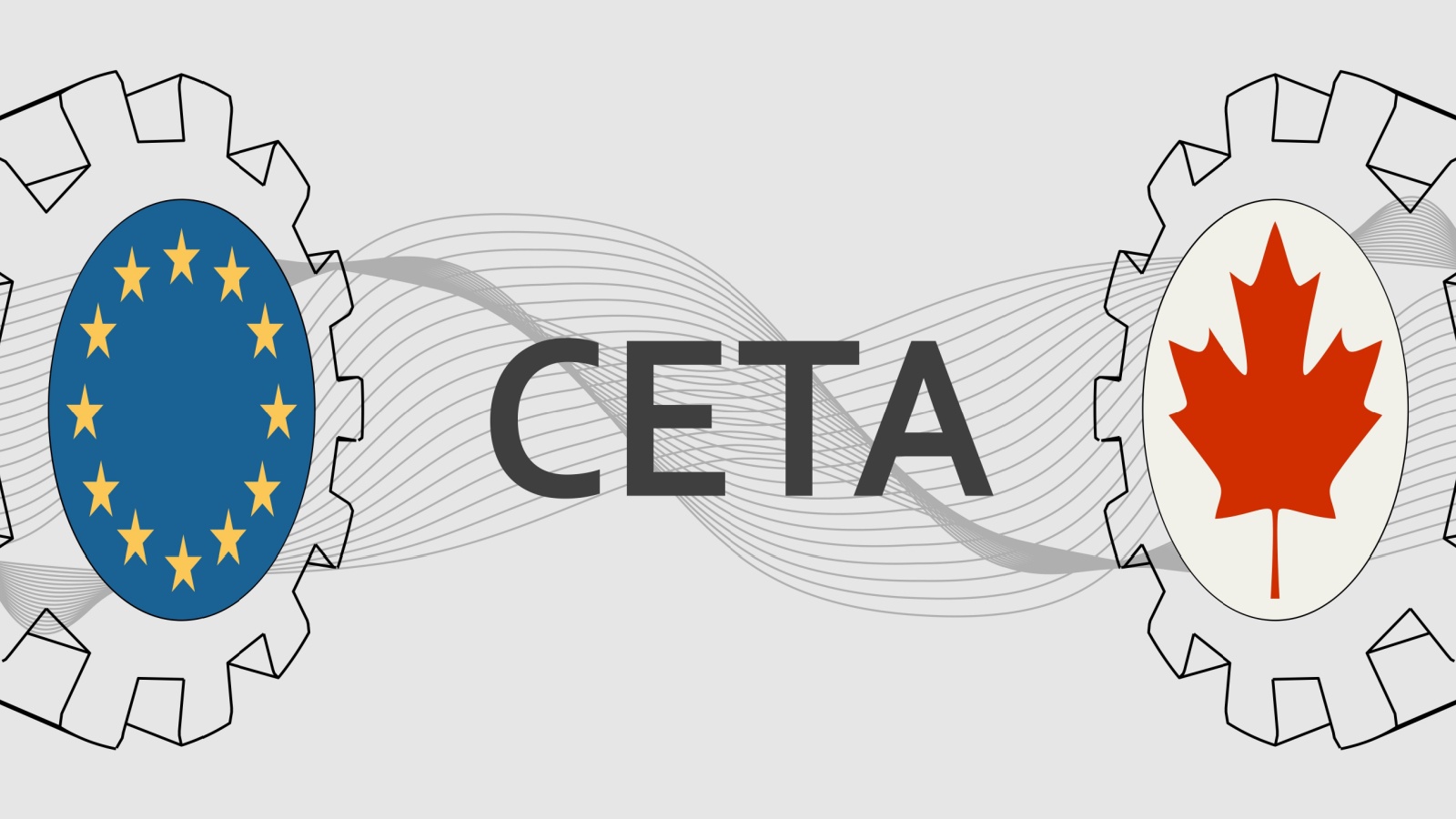
Canada’s extensive network of trade deals ensures diversified access to global markets. Agreements like CETA (with the EU), CPTPP (Asia-Pacific), and bilateral partnerships with South Korea, the U.K., and others reduce dependency on any single trading partner. These deals secure favorable conditions for Canadian goods and services while promoting investment and innovation. The balanced approach also shields the economy from protectionist policies or trade disruptions. By maintaining multiple trade corridors, Canada enhances both export stability and long-term economic security.
Strong Pension and Retirement Systems

Canada’s public and private pension systems are among the most stable globally, anchored by the Canada Pension Plan (CPP) and provincial investment boards. The CPP Investment Board’s prudent management of diversified global assets ensures consistent returns, reducing the burden on taxpayers. Combined with private retirement savings plans, these systems provide financial stability for aging populations. Unlike the U.S. Social Security system, which faces sustainability challenges, Canada’s pension framework is well-funded and adaptable, reinforcing both consumer confidence and fiscal health.
Emphasis on Green Energy and Sustainability

Canada’s commitment to clean energy and environmental sustainability is reshaping its industrial landscape. With substantial investments in hydroelectric, wind, and solar energy, the country is reducing reliance on fossil fuels while creating new economic opportunities. Government initiatives encourage green innovation, attracting investment from global sustainability-focused funds. These policies not only align with global climate goals but also insulate the economy from future carbon tariffs and energy shocks. Canada’s leadership in sustainability supports long-term competitiveness in the global energy transition.
Public Investment in Education and Skills Development

Canada prioritizes education as a cornerstone of its economic resilience. Substantial public funding for schools, universities, and vocational programs ensures that the workforce remains skilled, adaptable, and competitive. High-quality education attracts international students, contributing billions in revenue annually. Continuous investments in digital literacy and technical training prepare Canadians for emerging sectors such as AI, biotechnology, and clean tech. This focus on education strengthens productivity, fosters innovation, and secures long-term prosperity independent of external economic pressures.
Sound Corporate Governance Standards

Canada maintains some of the world’s most transparent and accountable corporate governance frameworks. Public companies are required to adhere to rigorous disclosure, auditing, and board oversight standards, ensuring investor confidence and ethical business conduct. Regulatory bodies such as the Ontario Securities Commission (OSC) and federal financial watchdogs enforce compliance effectively. This environment reduces fraud, protects shareholders, and promotes fair market competition. As a result, both domestic and international investors view Canada as a reliable and low-risk business environment.
Lower Healthcare Costs for Businesses and Consumers

Canada’s publicly funded healthcare system significantly reduces financial pressure on both employers and households. Unlike in the U.S., businesses in Canada do not need to provide costly private health insurance, resulting in lower operating expenses and more predictable labor costs. Consumers also avoid crippling medical debt, freeing up disposable income for spending and investment. This structure enhances workforce productivity and overall economic stability. Universal healthcare thus acts as both a social and financial safeguard, supporting sustained economic health.
Effective Consumer Protection Laws

Canadian consumers benefit from comprehensive protection laws that promote fairness, transparency, and accountability in the marketplace. Agencies such as the Financial Consumer Agency of Canada (FCAC) and the Competition Bureau enforce regulations covering credit practices, product safety, and advertising standards. These laws build public trust and ensure that economic growth benefits individuals as well as corporations. By maintaining strong oversight and clear recourse mechanisms, Canada reduces systemic risk and fosters a more stable, confidence-driven economy.
Political Stability and Low Corruption Levels

Canada consistently ranks among the world’s most politically stable and least corrupt nations. Transparent governance, independent institutions, and a strong rule of law ensure predictable policy environments for businesses and investors. The country’s peaceful democratic processes and consistent fiscal policies minimize uncertainty and economic disruption. This stability contrasts with the growing political polarization and regulatory volatility seen in other major economies, making Canada a preferred destination for long-term investment and international partnerships.
Well-Regulated Financial Technology Sector

Canada’s fintech industry operates under a carefully designed regulatory framework that balances innovation with consumer protection. The Office of the Superintendent of Financial Institutions (OSFI) and the Financial Transactions and Reports Analysis Centre (FINTRAC) oversee compliance to prevent fraud and maintain systemic integrity. This oversight builds public trust while allowing startups and established banks to innovate safely. With expanding digital banking, blockchain applications, and AI-driven finance, Canada’s fintech landscape continues to grow securely and sustainably.
Affordable Higher Education Supporting Economic Mobility

Canadian post-secondary education remains more affordable and accessible than in the U.S., enabling greater economic mobility and a better-trained workforce. Public universities receive substantial government support, keeping tuition rates manageable for domestic students. Programs promoting financial aid and scholarships further widen access to education. The result is a highly educated labor force that drives productivity, entrepreneurship, and innovation. This accessibility also attracts international students, generating significant revenue and reinforcing Canada’s long-term economic competitiveness.
Steady Population Growth Through Immigration Policies

Canada’s steady and well-managed population growth stems from one of the world’s most strategic immigration systems. By focusing on skilled workers, entrepreneurs, and family reunification, Canada ensures demographic balance and sustainable labor market expansion. Population growth supports housing demand, consumer spending, and regional development. Unlike the U.S., where immigration remains politically divisive, Canada’s consensus-driven approach keeps population trends stable and economically beneficial, helping offset the challenges of an aging population.
Proven Economic Resilience During Global Crises

Canada’s economy has repeatedly demonstrated resilience in the face of global shocks—from the 2008 financial crisis to the COVID-19 pandemic. Prudent banking oversight, diversified exports, and strong social support systems helped the nation recover faster than many peers. Government stimulus programs and fiscal discipline provided balanced responses to protect both households and businesses. This proven ability to withstand and rebound from crises reinforces Canada’s global reputation as one of the safest, most stable economies in the world.
21 Products Canadians Should Stockpile Before Tariffs Hit

If trade tensions escalate between Canada and the U.S., everyday essentials can suddenly disappear or skyrocket in price. Products like pantry basics and tech must-haves that depend on are deeply tied to cross-border supply chains and are likely to face various kinds of disruptions
21 Products Canadians Should Stockpile Before Tariffs Hit
This Options Discord Chat is The Real Deal
While the internet is scoured with trading chat rooms, many of which even charge upwards of thousands of dollars to join, this smaller options trading discord chatroom is the real deal and actually providing valuable trade setups, education, and community without the noise and spam of the larger more expensive rooms. With a incredibly low-cost monthly fee, Options Trading Club (click here to see their reviews) requires an application to join ensuring that every member is dedicated and serious about taking their trading to the next level. If you are looking for a change in your trading strategies, then click here to apply for a membership.