
35,000+ smart investors are already getting financial news, market signals, and macro shifts in the economy that could impact their money next with our FREE weekly newsletter. Get ahead of what the crowd finds out too late. Click Here to Subscribe for FREE.
Canada’s global trade strategy has evolved far beyond its traditional reliance on the United States. With an increasingly interconnected world economy, Canada has built strong partnerships with markets across Europe, Asia, Latin America, and the Middle East. These trade agreements open access to billions of consumers, new industries, and emerging technologies. Here are 21 trade deals that could make Canada richer than ever without the U.S.
Comprehensive and Progressive Agreement for Trans-Pacific Partnership (CPTPP)
21 Trade Deals That Could Make Canada Richer Than Ever Without the U.S.
- Comprehensive and Progressive Agreement for Trans-Pacific Partnership (CPTPP)
- Canada–European Union Comprehensive Economic and Trade Agreement (CETA)
- Canada–United Kingdom Trade Continuity Agreement
- Canada–Korea Free Trade Agreement
- Canada–Japan Economic Partnership
- Canada–India Comprehensive Economic Partnership Agreement (CEPA)
- Canada–ASEAN Free Trade Agreement
- Canada–Australia Trade Partnership
- Canada–New Zealand Trade Relations
- Canada–Switzerland Bilateral Trade Agreement
- Canada–Norway Trade Cooperation
- Canada–Singapore Digital Economy Partnership
- Canada–Vietnam Trade Agreement
- Canada–Brazil Economic Cooperation Framework
- Canada–Mexico Bilateral Investment Partnership
- Canada–Saudi Arabia Trade Expansion Framework
- Canada–South Africa Economic Collaboration
- Canada–Chile Free Trade Agreement
- Canada–Israel Free Trade Modernization Agreement
- Canada–Taiwan Bilateral Investment and Trade Relations
- Canada–United Arab Emirates Strategic Economic Partnership
- 21 Products Canadians Should Stockpile Before Tariffs Hit
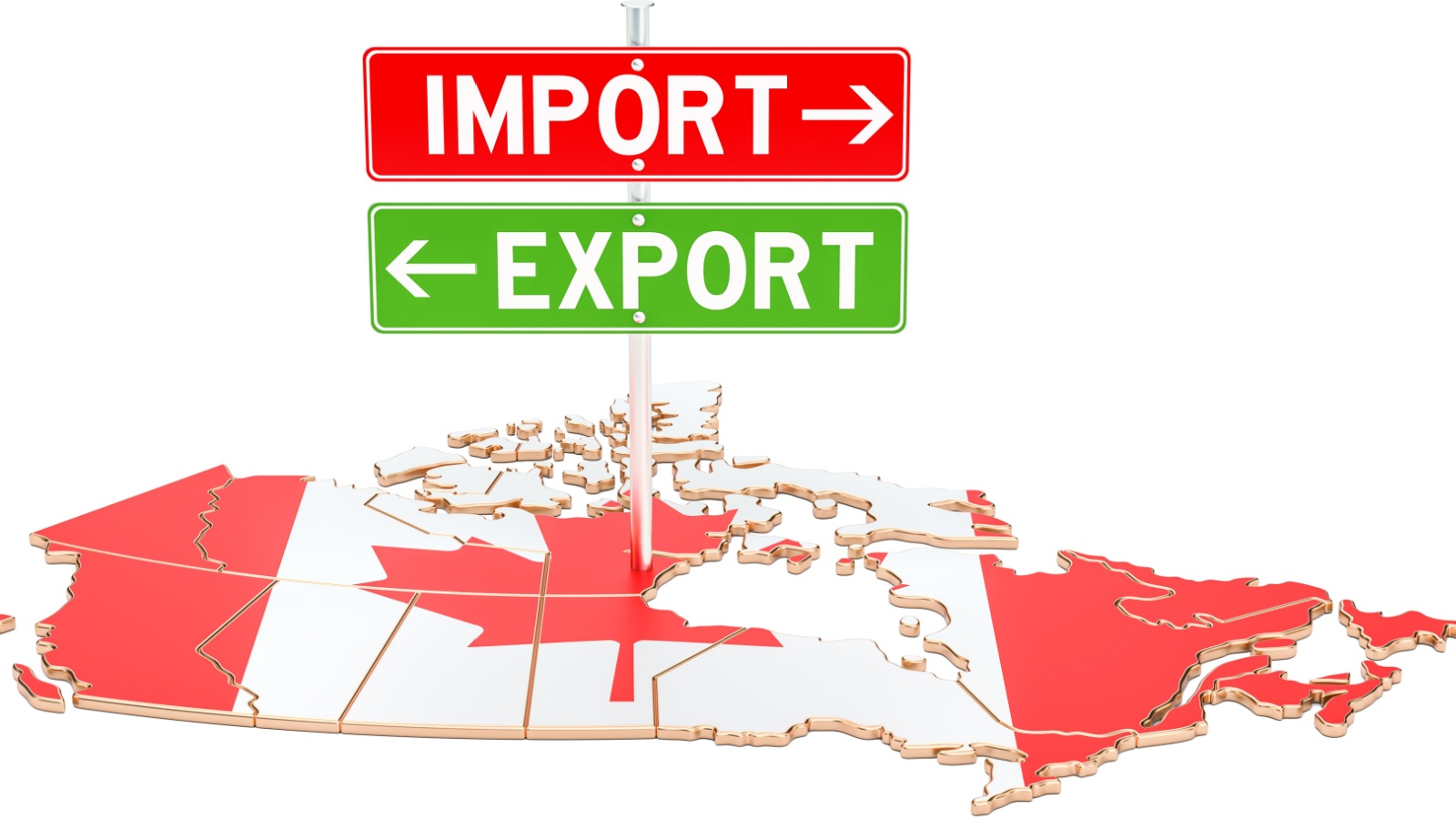
The CPTPP links Canada with 10 Asia-Pacific nations, including Japan, Australia, and Vietnam. It opens access to over 500 million consumers and removes tariffs on Canadian exports such as beef, pork, seafood, and forestry goods. This agreement diversifies trade routes and reduces reliance on the U.S. market. It also strengthens Canada’s role in global supply chains and encourages investment in sectors like agriculture and manufacturing. The CPTPP enhances Canada’s competitiveness across Asia and the Pacific, allowing Canadian businesses to grow in some of the world’s fastest-expanding economies.
Canada–European Union Comprehensive Economic and Trade Agreement (CETA)

CETA provides Canadian businesses with preferential access to the European Union’s 27-member market, eliminating tariffs on nearly 98% of products. It benefits exporters in agriculture, seafood, automotive, and technology sectors. The agreement improves transparency, streamlines regulations, and encourages collaboration in clean energy and innovation. It also opens opportunities for professional mobility and investment across Europe. CETA strengthens Canada’s global trade presence, diversifies export destinations, and positions Canadian industries to compete effectively in one of the world’s largest economic zones.
Canada–United Kingdom Trade Continuity Agreement

Following Brexit, this agreement ensured continued trade between Canada and the U.K. under similar terms to CETA. It secures market access for Canadian goods, including agri-food, seafood, and manufactured products. The deal supports over CA$29 billion in annual trade and provides stability for businesses navigating post-Brexit economic conditions. It also lays the foundation for a future, more comprehensive bilateral agreement focused on innovation, clean technology, and digital trade. This partnership reinforces Canada’s strong economic relationship with one of its most important European trading allies.
Canada–Korea Free Trade Agreement
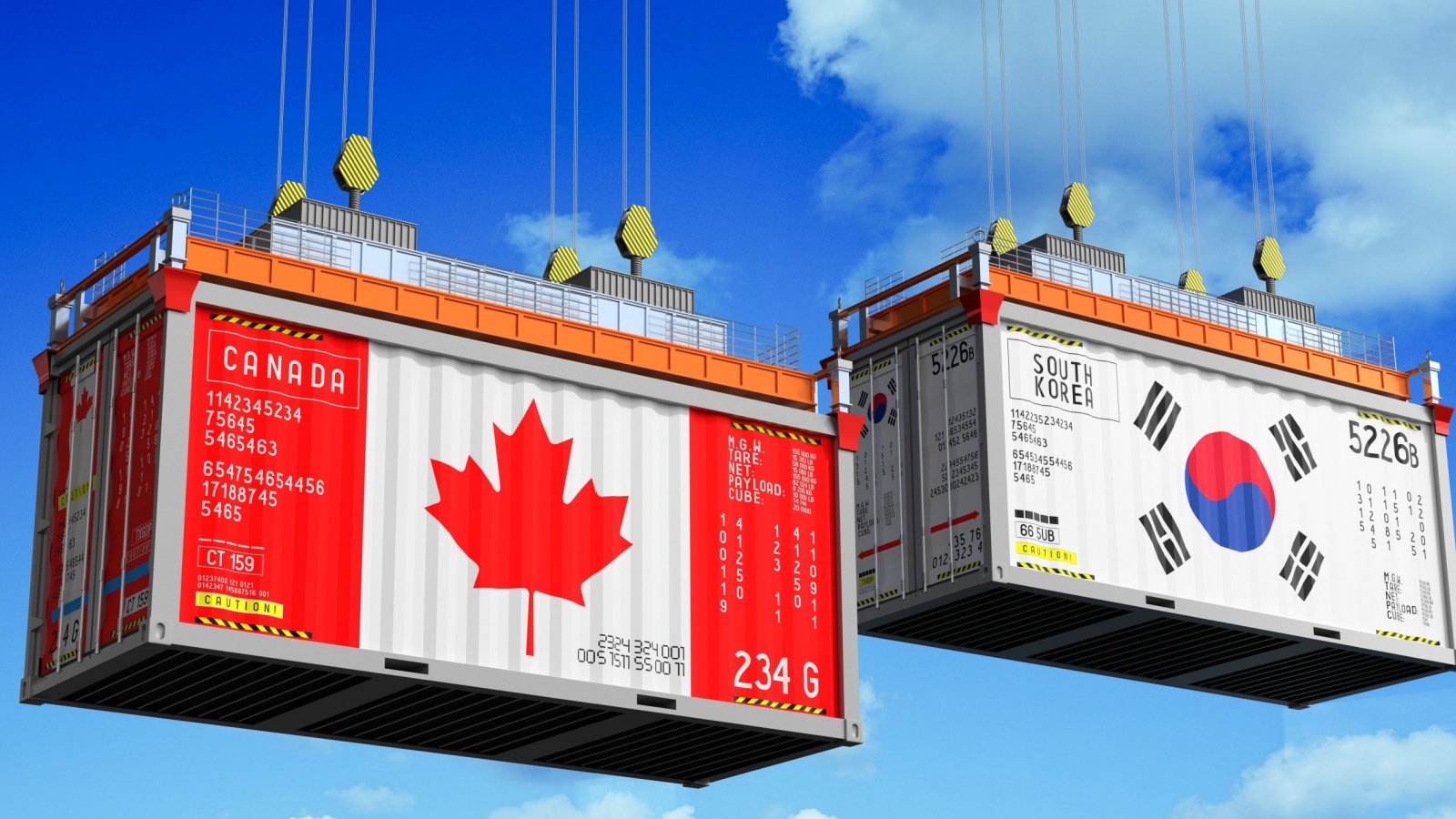
The Canada–Korea Free Trade Agreement, implemented in 2015, was Canada’s first trade deal in Asia. It removed tariffs on nearly 90% of Canadian exports, benefiting industries like agriculture, seafood, forestry, and automotive manufacturing. The agreement supports stronger business ties, increased exports, and job creation. It also provides Canada with a strategic foothold in the East Asian market, encouraging innovation in green technology and energy. This trade partnership showcases how Canada can thrive in Asia’s competitive environment without depending on U.S. trade flows.
Canada–Japan Economic Partnership

Japan remains one of Canada’s most valuable trading partners, strengthened through the CPTPP and separate bilateral cooperation agreements. This partnership promotes trade in agricultural products, machinery, clean energy, and technology. Japan’s demand for Canadian natural resources, seafood, and advanced materials supports consistent export growth. The relationship is built on mutual innovation and sustainability goals, particularly in hydrogen energy and climate initiatives. As Japan continues to expand its renewable infrastructure, Canada’s exports and investment opportunities are expected to rise steadily under this partnership.
Canada–India Comprehensive Economic Partnership Agreement (CEPA)

The CEPA, currently under negotiation, aims to strengthen trade ties between Canada and India—two Commonwealth nations with rapidly expanding markets. Once completed, it will open vast opportunities in sectors such as agriculture, energy, education, and technology. The agreement seeks to remove tariff barriers and enhance investment protection, supporting small and medium-sized enterprises. India’s growing middle class offers strong demand for Canadian goods and services. A finalized CEPA would diversify Canada’s trade network across Asia and significantly reduce dependency on North American markets.
Canada–ASEAN Free Trade Agreement

Canada’s negotiations with the Association of Southeast Asian Nations (ASEAN) aim to open trade access to a region of over 650 million consumers. The deal will improve export opportunities in agriculture, manufacturing, and clean technology. It will also enhance cooperation in digital trade, sustainable development, and education. ASEAN’s rapidly developing economies—such as Indonesia, Malaysia, and the Philippines—provide diverse markets for Canadian products. This agreement is crucial for expanding Canada’s trade influence across Asia and strengthening its economic independence from traditional Western markets.
Canada–Australia Trade Partnership

Canada and Australia maintain a strong bilateral trade relationship supported by shared membership in the CPTPP and other multilateral agreements. This partnership emphasizes cooperation in mining, agriculture, clean energy, and education. Both countries benefit from complementary economies and similar regulatory frameworks, making trade efficient and mutually profitable. Canadian exports such as machinery, fertilizers, and services find consistent demand in Australia. The relationship also promotes collaboration in research, renewable energy, and defense technology, reinforcing both nations’ positions as global middle powers in diversified trade networks.
Canada–New Zealand Trade Relations
Canada and New Zealand share a longstanding trade relationship built on agricultural, food, and technology exchanges. Both are members of the CPTPP, which removes most tariffs between the two nations. Canada exports machinery, fertilizers, and processed foods, while importing dairy and wine from New Zealand. The partnership promotes innovation in sustainable farming, clean energy, and environmental research. With shared values in fair trade and environmental standards, this relationship demonstrates how two mid-sized economies can strengthen each other’s industries without dependence on U.S. trade networks.
Canada–Switzerland Bilateral Trade Agreement

Switzerland is one of Canada’s most important European partners outside the EU, supported by the Canada–EFTA Free Trade Agreement. This agreement covers trade in goods, services, and investments, benefiting Canada’s pharmaceutical, mining, and financial sectors. Switzerland’s stable economy and demand for raw materials make it an ideal market for Canadian exports. In return, Canada benefits from Swiss innovation in biotechnology and precision manufacturing. The partnership fosters high-value economic exchanges and supports research collaborations, ensuring both nations maintain strong, diversified global trade positions.
Canada–Norway Trade Cooperation

Canada’s trade relationship with Norway is guided by shared interests in energy, fisheries, and advanced manufacturing. As fellow Arctic nations and EFTA members, both countries collaborate on clean technology, oil and gas exploration, and marine resource management. The trade agreement facilitates duty-free access for several goods and enhances investment opportunities in green energy and infrastructure. With Norway’s expertise in sustainability and Canada’s vast natural resources, this partnership strengthens environmental innovation while reducing economic reliance on North American trade.
Canada–Singapore Digital Economy Partnership

Canada and Singapore have developed a forward-looking trade relationship centered on technology and digital commerce. The partnership supports innovation in fintech, cybersecurity, and smart cities while promoting data flow and digital infrastructure development. Both nations are exploring frameworks that simplify e-commerce and reduce barriers for small and medium-sized enterprises. Singapore serves as a gateway for Canadian businesses entering Southeast Asia, providing access to major regional markets. This collaboration enhances Canada’s position in digital trade and diversifies its economic relationships across Asia.
Canada–Vietnam Trade Agreement

Vietnam has become one of Canada’s fastest-growing trading partners, primarily under the CPTPP framework. The agreement eliminates tariffs on most agricultural, seafood, and industrial exports. Canada exports grains, fertilizers, and technology solutions, while importing electronics, textiles, and furniture. Vietnam’s expanding manufacturing base provides opportunities for Canadian investors, particularly in clean energy and logistics. The relationship supports balanced growth, sustainable development, and regional economic cooperation, highlighting Vietnam’s role as a key Southeast Asian partner in Canada’s trade diversification strategy.
Canada–Brazil Economic Cooperation Framework

Canada and Brazil maintain strong trade relations focused on energy, aerospace, agriculture, and infrastructure. Both countries collaborate on research and innovation, particularly in aviation and biotechnology. Canadian companies like Bombardier and Embraer have shared interests in aircraft production and engineering expertise. The economic cooperation framework promotes mutual investments and reduces trade barriers. As Latin America’s largest economy, Brazil offers Canada significant potential for long-term growth, reinforcing Canada’s diversification beyond traditional North American and European markets.
Canada–Mexico Bilateral Investment Partnership

Although both countries are members of the USMCA, Canada and Mexico also maintain independent investment partnerships that go beyond North American trade terms. These collaborations encourage joint ventures in energy, manufacturing, and technology. Canadian firms benefit from Mexico’s industrial capabilities, while Mexico gains from Canada’s expertise in finance and resource development. The partnership promotes cross-border innovation and resilience in supply chains. Strengthened economic ties ensure mutual growth, even in a post-U.S.-centric trade landscape.
Canada–Saudi Arabia Trade Expansion Framework

The trade framework between Canada and Saudi Arabia focuses on sectors such as clean technology, energy, education, and healthcare. While oil trade remains significant, new cooperation areas are emerging under Saudi Arabia’s Vision 2030 initiative. Canadian firms contribute expertise in renewable energy, mining, and infrastructure development. The framework promotes mutual investment and sustainable growth, expanding opportunities in non-oil industries. By strengthening this partnership, Canada diversifies its trade in the Middle East and positions itself as a key player in global energy transition efforts.
Canada–South Africa Economic Collaboration

Canada and South Africa share a strong economic partnership rooted in mining, education, and renewable energy cooperation. Both nations are members of the Commonwealth, fostering collaboration through shared governance and trade principles. Canadian investments in South Africa’s mining and infrastructure sectors have expanded over the years, while South African exports of minerals, wine, and machinery continue to grow. The relationship also emphasizes skill development and sustainability. This partnership strengthens Canada’s role across Africa’s emerging markets and reduces reliance on traditional Western trade corridors.
Canada–Chile Free Trade Agreement

Signed in 1997, the Canada–Chile Free Trade Agreement was Canada’s first trade deal with a South American nation. It eliminated tariffs on most goods and services and has since been modernized to include areas like environmental protection and gender equality in trade. Canada exports machinery, fertilizers, and financial services to Chile, while importing fruit, wine, and copper. The agreement’s success highlights the benefits of long-term trade cooperation between two resource-rich economies committed to sustainability, innovation, and open market access.
Canada–Israel Free Trade Modernization Agreement

The Canada–Israel Free Trade Agreement, updated in 2019, modernized earlier trade terms to include new chapters on e-commerce, labor, and environmental cooperation. It eliminates tariffs on industrial and agricultural goods, promoting balanced trade between both nations. Canada exports agricultural technology, machinery, and medical equipment, while importing pharmaceuticals and high-tech products from Israel. The agreement encourages collaboration in innovation and research, particularly in cybersecurity and clean energy. It strengthens bilateral relations and showcases Canada’s commitment to global technological advancement.
Canada–Taiwan Bilateral Investment and Trade Relations
Canada’s trade with Taiwan continues to grow, supported by shared democratic values and complementary industries. Taiwan imports Canadian agricultural products, minerals, and wood, while exporting electronics and semiconductors. Both nations are exploring new agreements to expand investment protection and reduce trade barriers. Cooperation extends into technology, education, and green energy sectors. Taiwan’s advanced manufacturing capabilities align with Canada’s innovation goals, making this partnership strategically important for diversifying trade within the Indo-Pacific region and reducing reliance on North American supply chains.
Canada–United Arab Emirates Strategic Economic Partnership

The Canada–UAE Strategic Economic Partnership focuses on investment, renewable energy, aerospace, and education. The UAE is Canada’s largest trading partner in the Middle East, with bilateral trade exceeding CA$2 billion annually. The partnership encourages collaboration between Canadian firms and UAE companies in sectors such as clean technology, infrastructure, and healthcare. Both nations share goals for economic diversification and sustainability. This growing relationship enhances Canada’s economic footprint in the Gulf region and supports long-term trade stability beyond North American markets.
21 Products Canadians Should Stockpile Before Tariffs Hit

If trade tensions escalate between Canada and the U.S., everyday essentials can suddenly disappear or skyrocket in price. Products like pantry basics and tech must-haves that depend on are deeply tied to cross-border supply chains and are likely to face various kinds of disruptions
21 Products Canadians Should Stockpile Before Tariffs Hit
This Options Discord Chat is The Real Deal
While the internet is scoured with trading chat rooms, many of which even charge upwards of thousands of dollars to join, this smaller options trading discord chatroom is the real deal and actually providing valuable trade setups, education, and community without the noise and spam of the larger more expensive rooms. With a incredibly low-cost monthly fee, Options Trading Club (click here to see their reviews) requires an application to join ensuring that every member is dedicated and serious about taking their trading to the next level. If you are looking for a change in your trading strategies, then click here to apply for a membership.