
35,000+ smart investors are already getting financial news, market signals, and macro shifts in the economy that could impact their money next with our FREE weekly newsletter. Get ahead of what the crowd finds out too late. Click Here to Subscribe for FREE.
Many Canadians spend winters in Florida, enjoying warm weather and a slower pace of life. While the sun and beaches are appealing, staying compliant with Canadian tax rules can be challenging. Snowbirds need to understand residency status, report worldwide income, manage foreign accounts, and consider property and investment obligations. Medical expenses, deductions, and cross-border taxation add complexity. Missteps can lead to penalties or audits from the CRA. Here are 23 things snowbirds in Florida wish they knew about Canadian tax rules.
Understanding Canadian Residency Rules for Tax Purposes
23 Things Snowbirds in Florida Wish They Knew About Canadian Tax Rules
- Understanding Canadian Residency Rules for Tax Purposes
- Reporting Worldwide Income to the CRA
- Impact of the 183-Day Rule on Tax Residency
- How Departure and Arrival Dates Affect Taxes
- Tax Implications of Renting Out Your Canadian Home
- Reporting Foreign Bank Accounts and Investments
- Claiming Medical Expenses While Abroad
- Deducting Travel-Related Costs Correctly
- GST/HST Considerations for Canadian Snowbirds
- Pension and RRSP Withdrawal Rules While Away
- Tax Obligations on Canadian Investment Income
- Filing Requirements for Spouses and Dependents
- Avoiding Double Taxation With the US
- Understanding the Canada-US Tax Treaty
- Reporting US-Based Income to the CRA
- Handling Property Taxes on Canadian Real Estate
- Provincial Tax Differences for Snowbirds
- Social Security and CPP Contributions While Abroad
- Using Tax Professionals for Cross-Border Advice
- Planning for Early or Late Tax Payments
- Consequences of Non-Compliance While Away
- Record-Keeping Tips for Snowbirds
- Common Mistakes Canadians Make on Taxes While in Florida
- 22 Groceries to Grab Now—Before another Price Shock Hits Canada
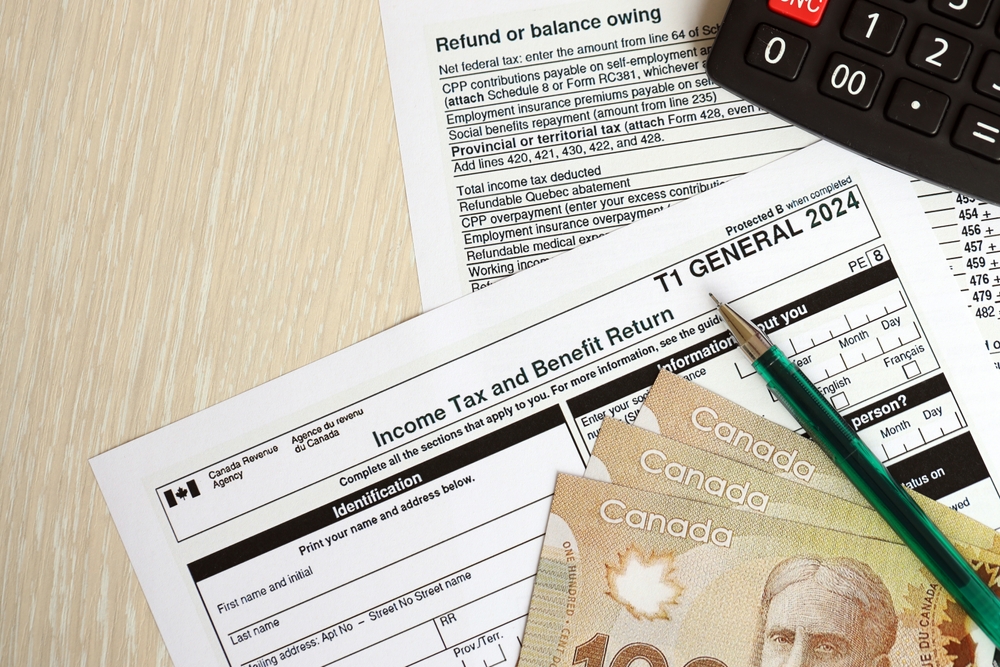
Canadian snowbirds must understand how residency rules affect their taxes. The Canada Revenue Agency (CRA) determines residency based on ties to Canada, such as a home, family, or social connections. Maintaining significant residential ties keeps individuals fully taxable on worldwide income. Secondary ties, like bank accounts or memberships, are also considered. Snowbirds who spend extended periods abroad may still be deemed residents for tax purposes. Knowing your residency status helps avoid surprises when filing taxes. Planning trips and maintaining documentation of your time outside Canada is essential. A proper understanding of residency rules ensures compliance with CRA requirements.
Reporting Worldwide Income to the CRA

Canadian residents must report all worldwide income to the CRA, even if earned in Florida or elsewhere. This includes wages, rental income, dividends, and retirement income. Failure to report foreign earnings can result in penalties and interest. Snowbirds should keep records of foreign income and taxes paid abroad to claim any foreign tax credits. Using CRA forms correctly ensures accurate reporting and prevents double taxation. Staying organized with statements, receipts, and financial records is crucial. Reporting worldwide income is mandatory for Canadian residents, and understanding the rules protects snowbirds from fines and ensures full compliance.
Impact of the 183-Day Rule on Tax Residency
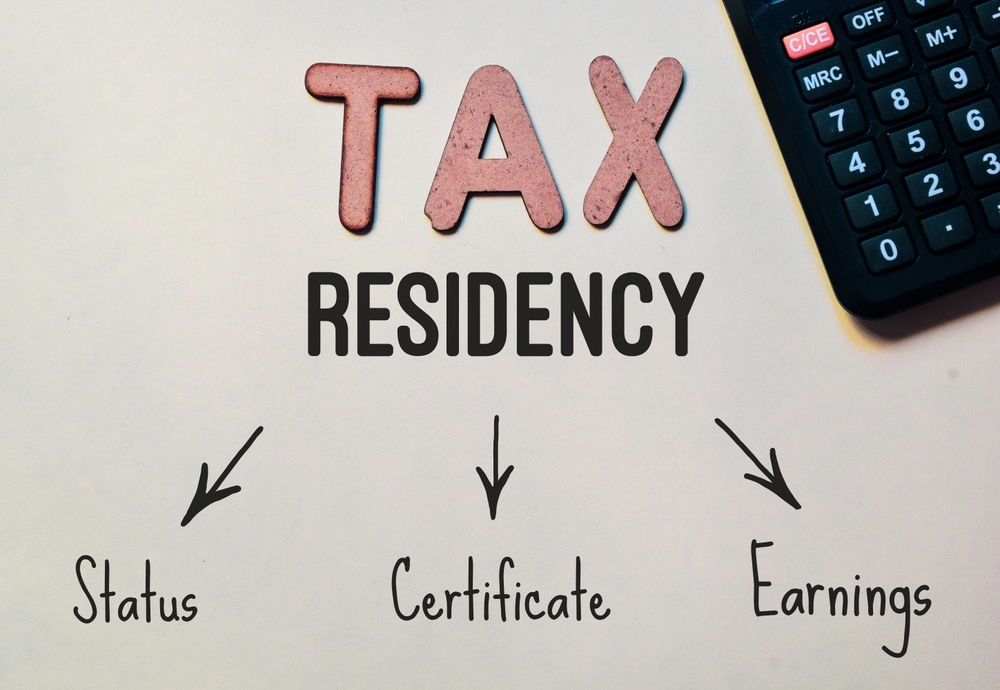
The 183-day rule is key for determining tax residency for Canadian snowbirds. Spending more than 183 days in a foreign country may affect residency status and tax obligations. However, ties to Canada, such as property or family, can keep an individual a tax resident regardless of time spent abroad. Snowbirds must track their days carefully to avoid unintended tax consequences. Consulting CRA guidelines or a tax professional helps interpret residency in complex situations. Understanding the 183-day rule allows snowbirds to plan travel while maintaining compliance. Accurate record-keeping is essential for any CRA review.
How Departure and Arrival Dates Affect Taxes

Departure and return dates are critical for Canadian snowbirds when calculating taxable periods. The day of departure from Canada may determine which portion of income is taxed domestically. Similarly, returning to Canada triggers potential taxation of worldwide income for the remainder of the year. Accurate travel logs, including flights and dates, are necessary to support residency claims. Misreporting dates can lead to CRA audits or reassessments. Planning departures and arrivals strategically helps manage tax obligations. Understanding how timing affects taxes ensures snowbirds can minimize risk while maintaining compliance with Canadian regulations.
Tax Implications of Renting Out Your Canadian Home
Renting out a Canadian home while in Florida impacts snowbirds’ taxes. Rental income must be reported to the CRA and is fully taxable. Homeowners may deduct expenses related to property management, maintenance, and utilities to offset rental income. If renting short-term through platforms like Airbnb, reporting requirements remain the same. Snowbirds should maintain receipts and records to support deductions. Renting the home may also affect eligibility for the principal residence exemption when selling the property. Understanding these rules ensures accurate reporting and prevents penalties while maximizing potential tax benefits.
Reporting Foreign Bank Accounts and Investments
Canadian residents must report foreign bank accounts and investments to the CRA. This includes US accounts, retirement plans, and investment holdings. The Foreign Income Verification Statement (T1135) is required for Canadians holding more than CA$100,000 in foreign property. Failure to report can result in significant fines and penalties. Snowbirds should maintain clear records of balances, interest earned, and dividends. Reporting also allows claiming foreign tax credits to avoid double taxation. Staying organized and understanding filing requirements ensures compliance. Accurate reporting protects Canadians from audits and penalties while enjoying time abroad in Florida or other locations.
Claiming Medical Expenses While Abroad

Canadian snowbirds can claim certain medical expenses incurred outside Canada on their tax returns. Eligible expenses include prescriptions, medical services, and hospital stays not covered by provincial health plans. Receipts and supporting documentation must be kept for CRA verification. Travel insurance premiums may also be partially deductible if they include medical coverage. Maintaining clear records ensures accurate reporting and prevents penalties. Knowing which expenses qualify helps snowbirds maximize allowable claims. Consulting CRA guidelines or a tax professional before filing ensures compliance. Proper documentation is essential to claim foreign medical expenses and reduce taxable income effectively.
Deducting Travel-Related Costs Correctly

Travel expenses for snowbirds may be deductible under specific circumstances. Costs such as flights, accommodations, and transportation related to earning rental or business income abroad can be claimed. Personal vacation expenses are not deductible. Accurate record-keeping, including receipts and travel logs, is critical to support deductions. Consulting CRA guidelines ensures proper categorization of deductible and non-deductible expenses. Filing accurately prevents reassessments and penalties. Snowbirds who combine vacation and income-generating activities must allocate expenses correctly. Understanding which travel costs qualify ensures Canadians remain compliant while reducing taxable income related to foreign earnings.
GST/HST Considerations for Canadian Snowbirds
Snowbirds earning income from Canadian sources while abroad must consider GST/HST obligations. Rental income, business services, or sales may require charging and remitting tax, depending on the situation. Registration thresholds and rules vary by province and type of service. Failure to comply can result in penalties or interest charges. Keeping accurate records of income, sales, and tax collected is essential. Consulting a tax professional ensures snowbirds understand obligations while outside Canada. Proper GST/HST compliance protects Canadians from unnecessary fines and ensures the correct reporting of Canadian-sourced income generated during time abroad.
Pension and RRSP Withdrawal Rules While Away
Snowbirds withdrawing from pensions or RRSPs must follow Canadian rules to avoid unexpected taxation. Withdrawals are generally taxable as income in the year received. Certain withdrawals, like the Home Buyers’ Plan or Lifelong Learning Plan, have specific reporting requirements. Canadians living temporarily in the US or other countries should track their residency status, as it affects withholding taxes and potential double taxation. Consulting CRA guidelines ensures accurate reporting and compliance. Proper planning helps snowbirds minimize tax liability while maintaining access to retirement funds. Understanding withdrawal rules avoids penalties and ensures income is reported correctly.
Tax Obligations on Canadian Investment Income

Canadian residents must report all investment income to the CRA, including interest, dividends, and capital gains. Snowbirds earning dividends from Canadian stocks or interest from savings accounts must include these amounts on tax returns. Proper reporting allows claiming foreign tax credits for any taxes paid abroad. Misreporting or omitting investment income can result in penalties and reassessments. Maintaining clear records of transactions and receipts ensures accuracy. Snowbirds should also track the cost basis of investments for capital gains calculations. Accurate reporting of investment income protects Canadians from CRA issues while living abroad.
Filing Requirements for Spouses and Dependents
Snowbirds must consider tax filing obligations for spouses and dependents. Family members may impact eligibility for certain credits and deductions. Spousal income affects amounts such as the Canada Workers Benefit or GST/HST credit. Dependents may qualify for child care, medical, or education-related deductions. Filing correctly ensures maximum allowable credits are claimed. Snowbirds should maintain records of dependents’ information and income for CRA verification. Proper reporting reduces the risk of reassessments or penalties. Understanding family filing rules helps Canadians living temporarily abroad stay compliant and take advantage of benefits for all household members.
Avoiding Double Taxation With the US

The Canada-US tax treaty helps snowbirds avoid being taxed twice on the same income. Canadian residents earning US-based income may claim foreign tax credits to offset US withholding taxes. Proper documentation and reporting are required for CRA verification. Treaty provisions differ for pensions, investments, and business income. Understanding the rules ensures snowbirds pay the correct amount of tax in each country. Consulting a tax professional familiar with cross-border taxation can prevent mistakes. Following treaty guidelines protects Canadians from overpayment and ensures compliance while spending extended periods in Florida or other US locations.
Understanding the Canada-US Tax Treaty
The Canada-US tax treaty is essential for snowbirds who spend time in both countries. It prevents double taxation by allocating taxing rights for different types of income. Pensions, dividends, and rental income may be treated differently under the treaty. Snowbirds must understand residency rules and reporting requirements to apply treaty benefits correctly. Misinterpretation can lead to overpayment or penalties. Keeping clear documentation of income and taxes paid abroad supports claims for treaty relief. Consulting CRA guidance or a cross-border tax professional ensures compliance. Understanding the treaty helps Canadians manage US income while avoiding double taxation.
Reporting US-Based Income to the CRA

Canadian residents must report US-based income to the CRA, even if taxes were withheld in the US. This includes wages, pensions, dividends, and rental earnings. Proper reporting allows claiming foreign tax credits to offset US withholding taxes. Accurate documentation, including statements and forms like the US 1040 or 1099, is essential. Misreporting can result in penalties or audits. Snowbirds should maintain organized records and track dates of income receipt. Understanding reporting requirements ensures Canadians comply with tax obligations in both countries and prevents double taxation while living or working temporarily in the US.
Handling Property Taxes on Canadian Real Estate

Snowbirds owning Canadian property must continue paying municipal property taxes even while abroad. Unpaid taxes can accrue interest and penalties, affecting future tax bills. Homeowners renting out their property must report rental income on their tax returns. Expenses such as maintenance, repairs, and property management fees can reduce taxable income. Keeping clear records of property payments and related expenses is critical for CRA compliance. Snowbirds should review deadlines and consider prepayment or tax deferral programs. Proper handling of property taxes ensures Canadian homeowners remain compliant and avoid unnecessary financial stress while spending extended periods abroad.
Provincial Tax Differences for Snowbirds
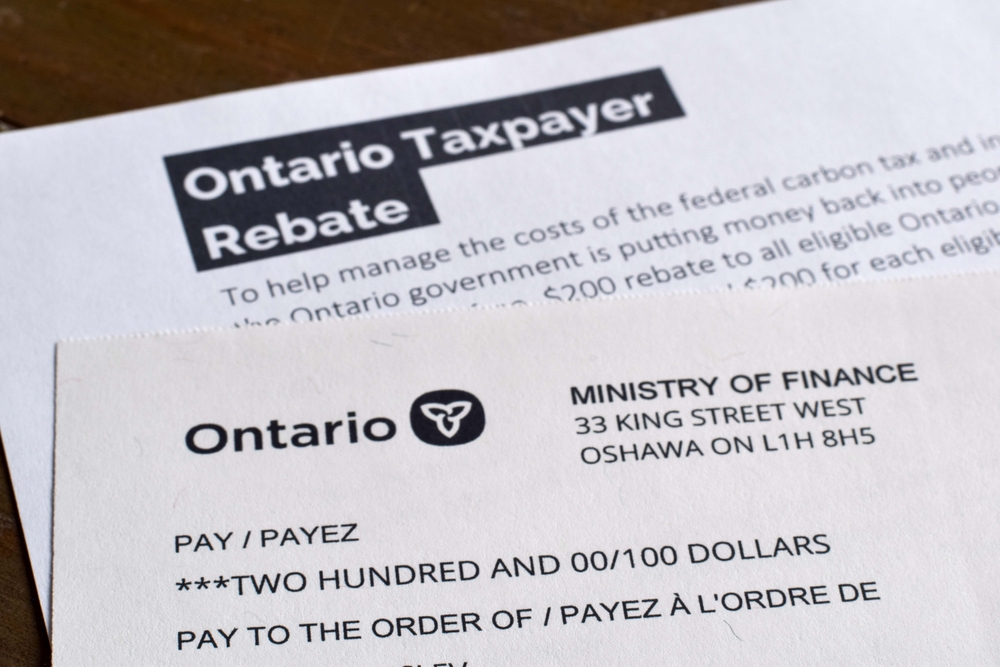
Canadian snowbirds must be aware of provincial tax rules, which vary across the country. Provincial residency affects income tax rates, credits, and benefits eligibility. Time spent abroad can influence which province has taxing authority. For example, moving temporarily but maintaining a home and family in one province may result in full provincial tax obligations. Snowbirds should track days in each province and maintain documentation. Consulting provincial tax guidance ensures correct reporting. Understanding provincial differences helps Canadians plan finances effectively while avoiding overpayment or errors in provincial tax filings during extended stays outside Canada.
Social Security and CPP Contributions While Abroad

Snowbirds must consider contributions to the Canadian Pension Plan (CPP) and the US Social Security while living abroad. Residency and income source affect whether contributions continue or are exempt. Canadians working in the US may have mandatory Social Security deductions, which can be credited toward CPP under totalization agreements. Proper planning ensures eligibility for retirement benefits and avoids gaps in coverage. Maintaining records of employment, earnings, and contributions supports CRA and US Social Security reporting. Understanding cross-border contribution rules allows snowbirds to plan retirement income accurately while remaining compliant in both countries.
Using Tax Professionals for Cross-Border Advice

Snowbirds often rely on tax professionals for cross-border advice. Canadian and US tax rules differ, and mistakes can be costly. Professionals help navigate residency, reporting requirements, and treaty applications. They can assist with foreign tax credits, income allocation, and deductions. Consulting experts ensures snowbirds comply with both CRA and IRS rules while maximizing allowable credits. Proper guidance reduces the risk of audits and penalties. Snowbirds should keep all documentation, including professional advice records. Using tax professionals provides peace of mind and helps Canadians manage complex cross-border taxation while enjoying time in Florida or other foreign destinations.
Planning for Early or Late Tax Payments

Timing tax payments is crucial for Canadian snowbirds. Early payments prevent interest and penalties on property or income taxes. Conversely, planning late payments within allowable deadlines can help manage cash flow. Prepaying property taxes or income taxes may provide peace of mind while living abroad. Snowbirds must track deadlines, keep payment records, and consider currency conversion if paying from foreign accounts. Proper planning avoids unexpected fees and ensures compliance with CRA requirements. Canadians who manage payment timing carefully maintain financial stability and reduce stress while spending extended periods in Florida or other destinations.
Consequences of Non-Compliance While Away

Failing to comply with Canadian tax rules can result in serious consequences for snowbirds. Penalties, interest charges, and reassessments may be applied by the CRA. Misreporting income, failing to file foreign accounts, or neglecting residency rules can trigger audits. In some cases, repeated non-compliance may lead to legal action. Staying informed and organized prevents unnecessary fines and protects financial stability. Snowbirds should maintain documentation, report all income, and follow CRA guidance while abroad. Understanding potential consequences ensures Canadians take their tax obligations seriously and avoid long-term financial or legal challenges while spending extended periods in Florida.
Record-Keeping Tips for Snowbirds

Good record-keeping is essential for Canadians living abroad. Snowbirds should track travel dates, income earned, expenses, and tax payments. Receipts, invoices, bank statements, and foreign tax documents should be organized for easy reference. Digital backups are recommended to prevent loss of important records. Maintaining detailed records supports deductions, credits, and CRA audits. Homeowners renting property or earning income in the US should document all transactions accurately. Clear and organized records reduce the risk of errors and simplify filing. Canadians who prioritize record-keeping are better prepared to meet CRA requirements and protect themselves from penalties while spending time in Florida.
Common Mistakes Canadians Make on Taxes While in Florida
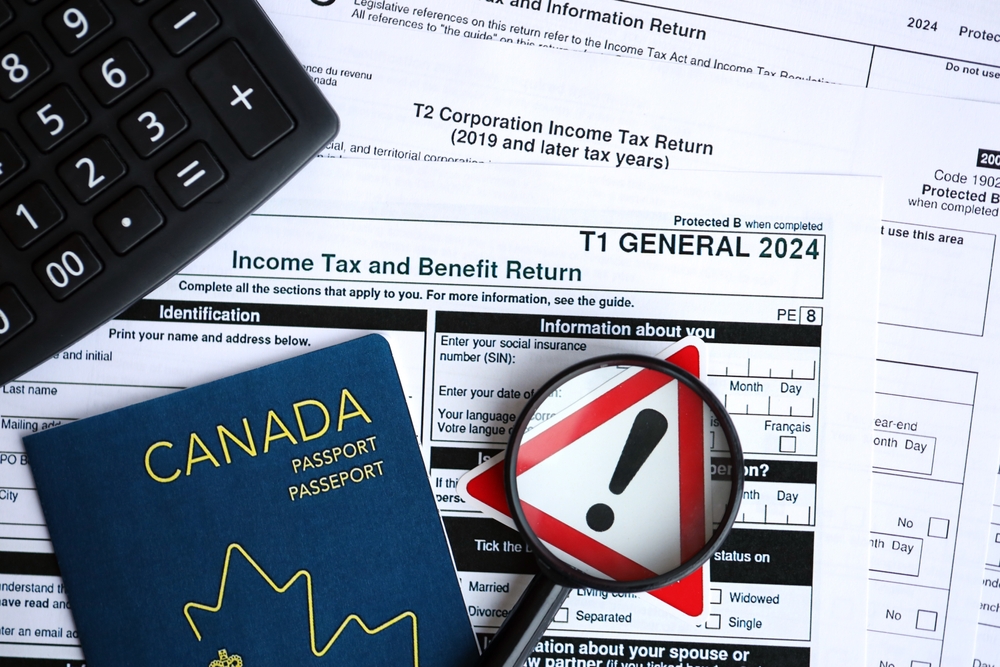
Many snowbirds make avoidable mistakes on taxes while in Florida. Common errors include misreporting days spent abroad, failing to report foreign income, and neglecting residency status. Others omit rental income, foreign bank accounts, or investment earnings. Incorrectly claiming deductions or not understanding the Canada-US tax treaty can increase tax liability. Snowbirds may also miss deadlines for prepayments, exemptions, or foreign tax credits. Consulting CRA guidance and keeping detailed records helps prevent these mistakes. Awareness of common pitfalls allows Canadians to comply with rules while enjoying extended stays in Florida without incurring penalties or unnecessary taxes.
22 Groceries to Grab Now—Before another Price Shock Hits Canada

Food prices in Canada have been steadily climbing, and another spike could make your grocery bill feel like a mortgage payment. According to Statistics Canada, food inflation remains about 3.7% higher than last year, with essentials like bread, dairy, and fresh produce leading the surge. Some items are expected to rise even further due to transportation costs, droughts, and import tariffs. Here are 22 groceries to grab now before another price shock hits Canada.
22 Groceries to Grab Now—Before another Price Shock Hits Canada
This Options Discord Chat is The Real Deal
While the internet is scoured with trading chat rooms, many of which even charge upwards of thousands of dollars to join, this smaller options trading discord chatroom is the real deal and actually providing valuable trade setups, education, and community without the noise and spam of the larger more expensive rooms. With a incredibly low-cost monthly fee, Options Trading Club (click here to see their reviews) requires an application to join ensuring that every member is dedicated and serious about taking their trading to the next level. If you are looking for a change in your trading strategies, then click here to apply for a membership.