
35,000+ smart investors are already getting financial news, market signals, and macro shifts in the economy that could impact their money next with our FREE weekly newsletter. Get ahead of what the crowd finds out too late. Click Here to Subscribe for FREE.
Property taxes are a major concern for Canadian homeowners, especially as municipalities consider increases. Planning can help families reduce financial strain and take advantage of available programs. From reviewing assessments and exemptions to refinancing or making energy-efficient upgrades, homeowners are exploring multiple strategies. Small adjustments in budgeting, ownership structures, and property use can also lower costs. Here are 17 smart moves Canadians are making before the next property tax hike.
Reviewing Current Property Tax Assessments
17 Smart Moves Canadians Are Making Before the Next Property Tax Hike
- Reviewing Current Property Tax Assessments
- Applying for Exemptions or Credits
- Paying Off Outstanding Property Taxes Early
- Refinancing to Lock in Lower Interest Rates
- Downsizing to a Smaller Property
- Renting Out Part of the Property
- Investing in Energy-Efficient Upgrades
- Contesting Recent Property Reassessments
- Consulting a Tax Professional for Advice
- Exploring Municipal Tax Deferral Programs
- Adjusting Long-Term Budgeting Plans
- Considering Relocation to Lower-Tax Municipalities
- Reviewing Legal Structures for Ownership
- Pooling Resources in Family Trusts
- Taking Advantage of Prepayment Options
- Keeping Detailed Records of Renovations and Improvements
- Monitoring Municipal Announcements and Policy Changes
- 22 Groceries to Grab Now—Before another Price Shock Hits Canada

Canadians are examining their current property tax assessments before the next hike. Assessments determine how much homeowners pay annually. Many municipalities send updated property valuations that may not reflect recent market changes. Reviewing these assessments helps identify errors or discrepancies that could reduce taxes owed. Homeowners should compare assessed values with similar properties nearby. If values seem inflated, filing a formal review request with the municipal property assessment office is an option. Understanding how assessments are calculated gives Canadians more control over their property taxes. Accurate assessment review is the first step in smart tax planning.
Applying for Exemptions or Credits
Homeowners in Canada are exploring exemptions and credits to reduce property tax burdens. Seniors, veterans, and low-income households may qualify for specific municipal exemptions. Some provinces offer credits for energy-efficient home upgrades or primary residences. Filing for these programs requires proper documentation, including proof of eligibility. Missing deadlines or incomplete applications can prevent tax savings. Reviewing eligibility each year ensures Canadians claim available benefits. Taking advantage of exemptions and credits can offset anticipated increases, keeping tax bills more manageable. Understanding local programs and applying proactively helps homeowners reduce financial strain before property tax hikes occur.
Paying Off Outstanding Property Taxes Early

Some Canadians are paying outstanding property taxes early to avoid penalties and interest. Municipalities may charge late fees on unpaid taxes, which can accumulate quickly. Paying in full or in installments before deadlines can save money. Early payments also help homeowners avoid financial stress if tax rates increase. Municipal offices often offer prepayment options for the year ahead. For those with variable income, spreading payments across months may provide flexibility. Maintaining clear records of all payments ensures compliance and prevents future disputes. Early payment is a simple strategy to reduce costs and stay ahead of tax increases.
Refinancing to Lock in Lower Interest Rates

Refinancing a mortgage can help Canadians prepare for rising property taxes. Lower interest rates reduce monthly payments, freeing up funds to cover higher taxes. Homeowners may negotiate longer or shorter terms depending on their financial goals. Refinancing also allows access to home equity for improvements that can increase property value or qualify for energy-related tax credits. Banks and credit unions require updated appraisals and income verification. Homeowners should compare rates and fees from multiple lenders to ensure savings outweigh costs. Proper refinancing can improve cash flow and reduce stress when property tax hikes occur.
Downsizing to a Smaller Property

Downsizing is a strategy some Canadians use to reduce property taxes. Smaller homes often carry lower assessments and municipal tax bills. Retiring homeowners or those with empty nests may move to condos or smaller houses in the same city. Downsizing can also free up equity for savings or investment. Moving to a different neighbourhood with lower tax rates is another option. Homeowners should consider relocation costs, lifestyle changes, and future needs before selling. Planning ensures the transition reduces expenses effectively. Downsizing helps Canadians manage rising property taxes while maintaining financial flexibility.
Renting Out Part of the Property

Renting out a portion of a home can offset higher property taxes. Canadians can lease basement suites, accessory dwelling units, or spare rooms to generate additional income. This income may help cover municipal taxes or mortgage payments. Landlords must comply with local zoning rules, rental regulations, and tax reporting requirements. Proper documentation of rental income and expenses is essential to avoid CRA issues. Renters can also help maintain the property and share utility costs. Renting part of a property is a practical strategy to ease financial pressure while keeping the home in use.
Investing in Energy-Efficient Upgrades

Canadians are making energy-efficient upgrades to reduce property taxes and utility costs. Some municipalities offer tax credits or rebates for improvements like solar panels, insulation, or energy-efficient windows. These upgrades can lower long-term expenses and increase home value. Documenting installation costs and applying for incentives ensures homeowners receive maximum benefit. Beyond financial savings, energy efficiency can reduce monthly utility bills and improve comfort. Homeowners should research local programs and eligibility requirements before starting projects. Planning improvements strategically allows Canadians to offset potential property tax increases while making environmentally responsible choices that benefit both finances and the home.
Contesting Recent Property Reassessments

Homeowners are reviewing and contesting property reassessments to avoid paying higher taxes. Municipalities update assessed values regularly, and errors can result in inflated tax bills. Property owners should compare assessments with similar properties in the neighbourhood. If values appear incorrect, a formal appeal can be submitted to the municipal assessment office. Supporting documentation such as recent appraisals, photographs, or sales data strengthens the case. Contesting reassessments can reduce the taxable value and save significant money. Homeowners must follow deadlines and submission rules to ensure the appeal is considered. Proactive action helps Canadians maintain fair property taxes.
Consulting a Tax Professional for Advice

Many Canadians are consulting tax professionals to plan for the next property tax hike. Experts provide guidance on exemptions, credits, prepayments, and appeal processes. They can review current assessments and suggest strategies to minimize tax obligations. Tax professionals also help document renovations, rental income, and deductions to ensure compliance. Homeowners benefit from understanding local municipal policies and deadlines. Proper advice prevents mistakes that could result in penalties or missed savings. Engaging a professional provides clarity and confidence, helping Canadians make informed decisions. Planning with expert advice is a smart approach to managing rising property taxes.
Exploring Municipal Tax Deferral Programs

Some municipalities offer tax deferral programs to help homeowners manage rising property taxes. Eligible individuals, such as seniors or low-income residents, can defer part or all of their property tax payments. Deferred amounts may be repaid upon sale of the property or at a later date specified by the municipality. This strategy provides temporary relief without penalties if used correctly. Homeowners must apply and meet eligibility criteria. Understanding program rules, interest rates, and repayment obligations is critical. Tax deferral programs allow Canadians to maintain cash flow while preparing for potential property tax increases in the coming years.
Adjusting Long-Term Budgeting Plans
Canadians are adjusting long-term budgets to prepare for higher property taxes. Incorporating anticipated increases into monthly and yearly financial planning ensures homeowners are not caught off guard. Budget adjustments may include cutting discretionary spending, increasing savings, or reallocating investments. Homeowners may also plan for future maintenance, renovations, or mortgage changes that affect property tax calculations. Monitoring municipal announcements and tax rate forecasts helps maintain accuracy. By integrating property tax considerations into household budgets, Canadians can maintain financial stability. Thoughtful planning ensures families can absorb hikes without financial strain, keeping other priorities intact.
Considering Relocation to Lower-Tax Municipalities

Some Canadians are exploring relocation to municipalities with lower property tax rates. Smaller towns or suburbs often charge less than large urban centres. Downsizing or moving to a region with more affordable taxes can reduce annual expenses. Homeowners should weigh relocation costs, commuting needs, and lifestyle impacts before deciding. Tax savings may offset some moving expenses over time. This strategy also offers potential for improved financial flexibility. Evaluating property values, local amenities, and municipal services helps make an informed decision. Relocation can be a proactive approach to managing rising property taxes while maintaining quality of life.
Reviewing Legal Structures for Ownership

Canadians are reviewing how their properties are legally owned to reduce property tax exposure. Ownership structures, such as joint tenancy, tenancy in common, or corporate ownership, can influence tax obligations. Certain structures may provide eligibility for exemptions or deferral programs. Homeowners should consider future estate planning, inheritance, and potential resale implications when reviewing ownership. Consulting a lawyer or tax professional ensures decisions comply with municipal and provincial regulations. Adjusting legal ownership may help families manage tax responsibilities more effectively. Understanding ownership structures allows Canadians to plan proactively for property tax increases and align strategies with broader financial goals.
Pooling Resources in Family Trusts

Some homeowners are using family trusts to manage property taxes and protect assets. Family trusts can hold property collectively, allowing multiple members to share tax responsibilities. This strategy may provide opportunities for tax exemptions or deferrals in certain provinces. Proper legal guidance is necessary to set up a trust that complies with municipal and CRA rules. Pooling resources can help families cover large tax bills without financial strain. Trusts also assist in long-term estate planning and transferring property between generations. Canadians considering this approach should weigh legal costs and benefits carefully before implementation.
Taking Advantage of Prepayment Options
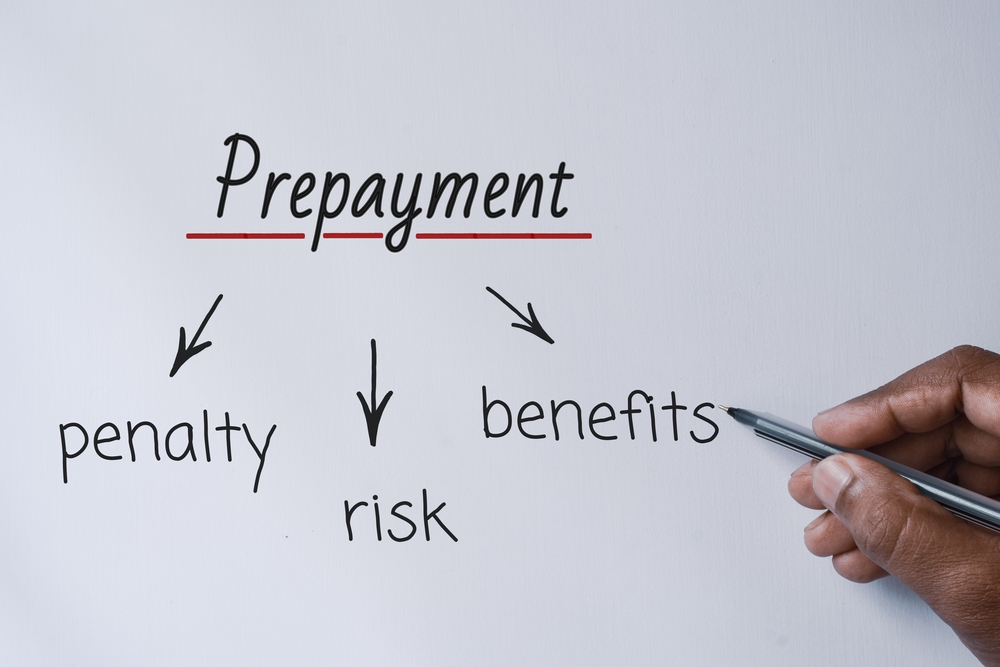
Municipalities often allow Canadians to prepay property taxes before due dates. Prepayment can reduce stress if rates increase and may prevent penalties. Homeowners can spread payments across the year to manage cash flow. Prepaying also ensures timely compliance and keeps records clean for future assessments. Some municipalities may offer discounts or interest savings for early payments. Prepayment strategies help families plan finances around property taxes. Reviewing deadlines and payment options with local tax offices ensures homeowners maximize benefits. This approach provides certainty, reduces risk, and helps Canadians prepare for anticipated hikes in property taxes.
Keeping Detailed Records of Renovations and Improvements

Maintaining records of renovations and improvements is crucial for Canadians facing property tax increases. Upgrades that add value may affect assessments, so documenting costs, dates, and permits is essential. Proper records support appeals if property assessments seem inflated. Receipts, contractor agreements, and before-and-after photos strengthen documentation. Keeping organized records also helps track eligibility for municipal or provincial tax credits. Well-documented renovations make reassessments more transparent and ensure homeowners pay only what is fair. Canadians who maintain detailed records are better prepared to contest high assessments or take advantage of deductions related to home improvements.
Monitoring Municipal Announcements and Policy Changes

Homeowners are keeping a close watch on municipal announcements to prepare for property tax changes. Cities and towns regularly update rates, exemptions, and assessment rules. Staying informed helps Canadians plan payments, appeal assessments, or apply for new programs. Subscribing to municipal newsletters, attending council meetings, and checking official websites ensures timely awareness. Early knowledge allows proactive steps to reduce tax liabilities and adjust household budgets. Tracking policy changes also helps anticipate long-term financial impacts. Canadians who monitor updates can respond quickly to increases or new rules, protecting their finances and minimizing surprises from future property tax hikes.
22 Groceries to Grab Now—Before another Price Shock Hits Canada

Food prices in Canada have been steadily climbing, and another spike could make your grocery bill feel like a mortgage payment. According to Statistics Canada, food inflation remains about 3.7% higher than last year, with essentials like bread, dairy, and fresh produce leading the surge. Some items are expected to rise even further due to transportation costs, droughts, and import tariffs. Here are 22 groceries to grab now before another price shock hits Canada.
22 Groceries to Grab Now—Before another Price Shock Hits Canada
This Options Discord Chat is The Real Deal
While the internet is scoured with trading chat rooms, many of which even charge upwards of thousands of dollars to join, this smaller options trading discord chatroom is the real deal and actually providing valuable trade setups, education, and community without the noise and spam of the larger more expensive rooms. With a incredibly low-cost monthly fee, Options Trading Club (click here to see their reviews) requires an application to join ensuring that every member is dedicated and serious about taking their trading to the next level. If you are looking for a change in your trading strategies, then click here to apply for a membership.