
35,000+ smart investors are already getting financial news, market signals, and macro shifts in the economy that could impact their money next with our FREE weekly newsletter. Get ahead of what the crowd finds out too late. Click Here to Subscribe for FREE.
Summer vacations often look affordable at the planning stage, then slowly become more expensive through small charges that barely stand out on their own. A checked bag here, a roaming day pass there, a parking surcharge at the hotel, and suddenly the trip costs far more than expected.
For Canadian travellers, the problem is rarely one dramatic bill. It is the quiet stacking of fees across flights, hotels, rental cars, parks, attractions, mobile plans, and payment methods. These 22 small fees show how quickly a summer vacation budget can lose its breathing room before the trip is even over.
Checked Bag Fees
22 Small Fees That Can Ruin a Canadian Summer Vacation Budget
- Checked Bag Fees
- Carry-On Upgrade Fees
- Seat Selection Charges
- Overweight Baggage Charges
- Airport Improvement Fees
- Air Travellers Security Charge
- Online Booking Fees
- Hotel Parking Fees
- Resort and Destination Fees
- Municipal Accommodation Taxes
- Early Check-In Fees
- Late Checkout Fees
- Short-Term Rental Cleaning Fees
- Car Rental Airport Surcharges
- Additional Driver Fees
- Young Driver Fees
- Fuel Service Charges
- Toll Transponder and Road Charges
- Roaming Day Pass Fees
- Foreign Transaction Fees
- Dynamic Currency Conversion Fees
- ATM Withdrawal Fees
- 19 Things Canadians Don’t Realize the CRA Can See About Their Online Income

Checked bag fees can turn a bargain fare into a much pricier trip, especially for families flying within Canada, to the United States, or to sun destinations. A fare that looks manageable during booking may not include a suitcase, and the cost often rises if the bag is added later at check-in or at the airport. A family of four taking one checked bag each can face a bill large enough to cover a restaurant meal or an extra activity.
The trap is that summer travel often requires bulkier packing: sandals, rain jackets, sports gear, sunscreen, dress clothes, and backup outfits for children. A traveller leaving Toronto for Vancouver may think one checked bag is harmless, but the return trip doubles the fee. When airlines price bags differently by route, fare class, and purchase timing, the cheapest-looking ticket is not always the cheapest trip.
Carry-On Upgrade Fees

Carry-on fees are especially frustrating because many travellers still assume a small rolling bag is automatically included. Some lower-cost or basic fares restrict carry-on baggage, allowing only a personal item that fits under the seat. When a passenger shows up with a standard carry-on at the gate, the fee can be higher than it would have been during booking.
This matters during summer because short trips are often booked quickly, with less attention paid to fare conditions. A couple heading to Montreal for a long weekend may choose the lowest fare, thinking they are travelling light, only to discover that their small suitcases are not permitted without an added charge. The fee feels small compared with airfare, but it can erase the savings that made the basic fare attractive in the first place.
Seat Selection Charges

Seat selection charges can feel optional until a family or group realizes that sitting together may require paying extra. Canadian air passenger rules require airlines to help seat children under 14 near an accompanying adult at no additional charge, but that does not always mean the exact preferred seats will be available. Travellers who want window seats, aisle seats, or seats together across multiple rows may still face add-ons.
For summer vacations, this fee often appears when anxiety is already high. A parent travelling with two children may pay to avoid uncertainty, even when the flight is only a few hours long. A group heading to a wedding or cruise may do the same to keep everyone together. The charge is not always huge per person, but multiplied across both directions, it can become a meaningful budget leak.
Overweight Baggage Charges

Overweight baggage charges are among the easiest fees to underestimate because they are often discovered only at the airport scale. Many airlines set standard checked baggage weight limits around 23 kilograms, and bags that go over the limit can trigger steep charges. A suitcase packed with shoes, toiletries, books, and souvenirs may cross the line faster than expected.
The summer version of this problem often happens on the way home. A family visiting relatives in Calgary or Halifax may return with gifts, local snacks, beach towels, or outlet-mall purchases. At that point, repacking in the terminal is stressful and embarrassing, and the fee can feel unavoidable. A small luggage scale at home costs far less than a surprise overweight charge at the counter.
Airport Improvement Fees

Airport improvement fees are usually baked into the final ticket price, which makes them easy to overlook when comparing fares. They help fund airport infrastructure, but from a household budget perspective, they are still part of the cost of flying. Travellers may notice them only when reviewing the fare breakdown and wondering why the total is much higher than the advertised base fare.
The impact becomes clearer on multi-city summer trips. A family flying from Winnipeg to Vancouver, then onward to another destination, may see several layers of taxes, charges, and airport-related fees inside the ticket total. These are not optional extras that can be declined at checkout, but they still matter when comparing flying with driving, taking the train, or choosing a closer destination.
Air Travellers Security Charge

The Air Travellers Security Charge is another government-imposed cost that can quietly lift the final price of Canadian air travel. It helps fund air travel security, and it applies to many chargeable departures from Canadian airports. Because it appears inside the ticket total, travellers may focus on airline fees while missing the broader stack of mandatory charges.
This fee is not something a traveller can negotiate away, but it affects vacation math. A couple booking a summer getaway may start with a base fare that looks affordable, only to see the total climb once taxes and security charges are included. For families, every passenger adds another layer. The lesson is not to avoid the fee, but to compare final all-in prices rather than headline fares.
Online Booking Fees

Online booking fees can appear on travel reservations, attraction tickets, entertainment purchases, and even some transportation bookings. They are often small enough to seem harmless, but they are exactly the kind of charge that adds up during a summer itinerary. A museum visit, a ferry booking, a theatre ticket, and a guided tour can each carry separate checkout fees.
Canada’s competition rules have put more attention on drip pricing, where an advertised price is not realistically attainable because mandatory fees appear later. Still, travellers often encounter service charges, convenience fees, or processing fees while booking activities. A family planning a week in Niagara Falls, Banff, or Quebec City may pay several of these before leaving home. The budget damage comes from repetition, not size.
Hotel Parking Fees

Hotel parking fees can surprise travellers who assume that a room outside a major downtown area includes a place to leave the car. In many Canadian cities and resort towns, parking is charged separately, especially at full-service hotels, airport hotels, and properties near attractions. Even a modest nightly charge becomes expensive over a four- or five-night stay.
This fee can feel particularly unfair on road trips, where the car is central to the vacation. A family driving from Ottawa to Toronto may choose a hotel based on room price, then discover parking adds a substantial amount to the stay. In busy summer destinations, cheaper street parking may be unavailable or limited by time restrictions. The room rate is only useful if parking is part of the comparison.
Resort and Destination Fees

Resort fees and destination fees can be confusing because they may cover amenities travellers never asked for, such as fitness rooms, bottled water, local calls, pool towels, or activity credits. In Canada, destination marketing fees and similar hotel-imposed charges may appear in some markets, while municipal accommodation taxes are government-imposed in others. The names can blur together at checkout.
The practical problem is that these fees make comparison shopping harder. One hotel may advertise a lower room rate but add a nightly destination charge, while another may include more in the base price. A traveller booking a summer stay in a tourist-heavy city can end up paying more than expected even before meals, parking, or attractions. Clear all-in pricing matters more than a low first impression.
Municipal Accommodation Taxes

Municipal accommodation taxes are charged by various Canadian municipalities on short-term stays, and the rate depends on the location. Toronto, for example, temporarily increased its municipal accommodation tax rate for transient accommodations from June 2025 through July 2026. Travellers may not think about local hotel taxes until the final checkout screen or the hotel bill arrives.
This matters because summer trips often involve multiple overnight stops. A couple driving through Ontario or Quebec may stay in several cities, with each room night carrying its own tax structure. The charge may be legitimate and mandatory, but it still changes the total. When hotel search results emphasize nightly room rates, travellers can underestimate what the stay will actually cost after taxes and local accommodation charges.
Early Check-In Fees

Early check-in fees can catch travellers between flights, road schedules, and hotel policies. A room may not officially be available until mid-afternoon, but summer flights often arrive early in the day. After a red-eye or a long drive with children, paying extra to access the room can feel less like a luxury and more like a survival tactic.
The fee is not always advertised during booking because it depends on hotel availability and policy. A family landing in Vancouver at 9 a.m. may face hours of waiting with luggage unless the hotel stores bags or allows early access. Some properties waive the charge when rooms are ready, while others treat it as a paid upgrade. Either way, it is a small fee worth anticipating when planning arrival times.
Late Checkout Fees

Late checkout fees work the same way in reverse. A hotel stay may technically end at 11 a.m., while the return flight leaves in the evening or a train departs after dinner. Travellers often ask for a later checkout casually, only to learn that the property charges by the hour or requires an additional half-day rate.
This fee shows up most often on the final day, when vacation fatigue is already setting in. A family with beach gear, medicine, snacks, and tired children may pay just to keep access to showers and a secure room. Sometimes the better solution is luggage storage, a lounge, or booking a flight closer to checkout time. Without that planning, the last day of a trip can become unexpectedly expensive.
Short-Term Rental Cleaning Fees

Short-term rental cleaning fees can make a nightly rate look much cheaper than the final bill. A cabin, condo, or city apartment may appear affordable in search results, but the cleaning charge can be substantial, especially for short stays. A two-night booking is where the math hurts most because the fixed cleaning cost is spread over fewer nights.
This can affect Canadian summer travel in cottage areas, national park gateway towns, and festival cities where hotel rooms sell out quickly. A group may book a rental thinking it saves money because there is a kitchen and more space, then discover service fees, cleaning fees, and local taxes change the comparison. The fair question is not whether the cleaning fee is justified, but whether the total still beats a hotel.
Car Rental Airport Surcharges
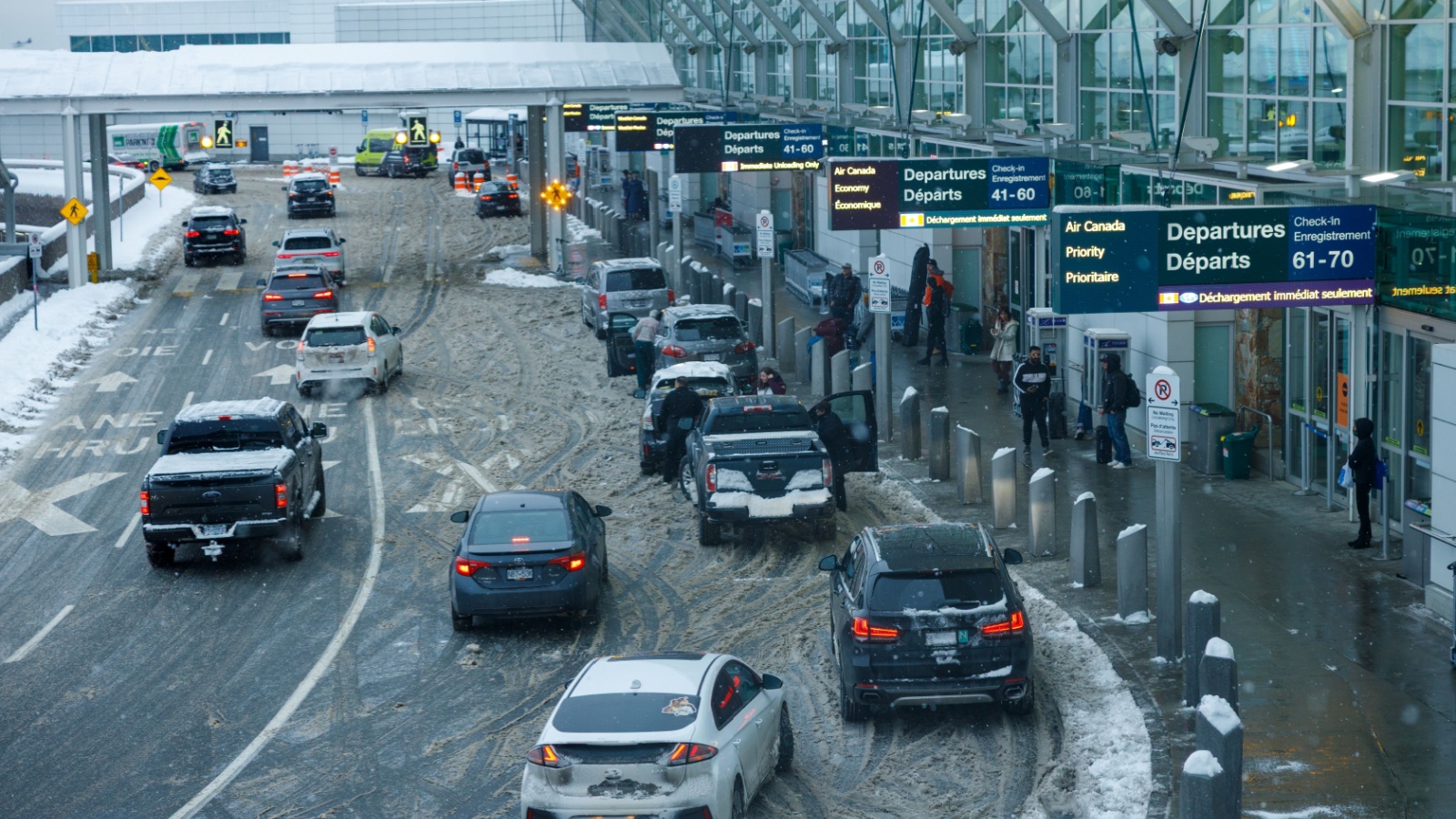
Car rental airport surcharges can make airport pickup more expensive than an off-airport location. Rental companies may pass along concession, facility, or premium-location costs connected to operating at airports. The convenience is real, especially after a flight, but the extra charges can be significant over a week-long rental.
Summer travellers often accept the fee because airport pickup feels easiest. A family landing in Halifax or Calgary with luggage and children may not want to take a taxi to an off-site branch. Still, comparing the airport location with a nearby city location can reveal a meaningful difference. The cheaper option is not always better once transportation is added, but the airport counter should not be assumed to be the default bargain.
Additional Driver Fees

Additional driver fees can surprise couples and families who plan to share road trip duties. Rental companies may charge daily fees for drivers beyond the main renter, although policies vary by company, loyalty program, relationship, jurisdiction, and booking channel. On long Canadian drives, the ability to switch drivers can be more safety need than convenience.
A seven-day rental through the Rockies, Atlantic Canada, or the Okanagan can make a modest daily fee feel much larger. Some travellers skip adding a second driver to save money, but that can create insurance and contract problems if the unlisted person drives. The better move is to price the fee before booking and check whether memberships or loyalty programs waive it in specific circumstances.
Young Driver Fees

Young driver fees can hit summer budgets when adult children, students, or younger relatives rent cars for festivals, camping trips, or post-graduation travel. Rental companies often impose extra charges on drivers below a certain age threshold, commonly under 25, because of risk and insurance considerations. The daily add-on can make a cheap compact car much less affordable.
The fee is easy to miss because younger travellers may focus on the advertised base rental price. A 23-year-old flying from Toronto to St. John’s for a week may discover that the total jumps once age is entered. Some membership programs, employer codes, or university-related discounts may help, but not always. For groups, assigning the rental to an older eligible driver can sometimes reduce the overall cost.
Fuel Service Charges

Fuel service charges happen when a rental car is returned with less fuel than required under the contract. The charge is often based on a refuelling rate higher than nearby gas stations, plus possible service costs. The fee is avoidable, but it appears when travellers are rushed, lost, or trying to make a flight.
This is a classic end-of-trip budget leak. A family returning a rental at Pearson, Trudeau, or Vancouver International may decide that finding a gas station is too stressful. That convenience can cost far more than the missing fuel. Prepaid fuel options are not always a bargain either, especially if the tank is not nearly empty. The simplest protection is locating a nearby station before the final travel day.
Toll Transponder and Road Charges
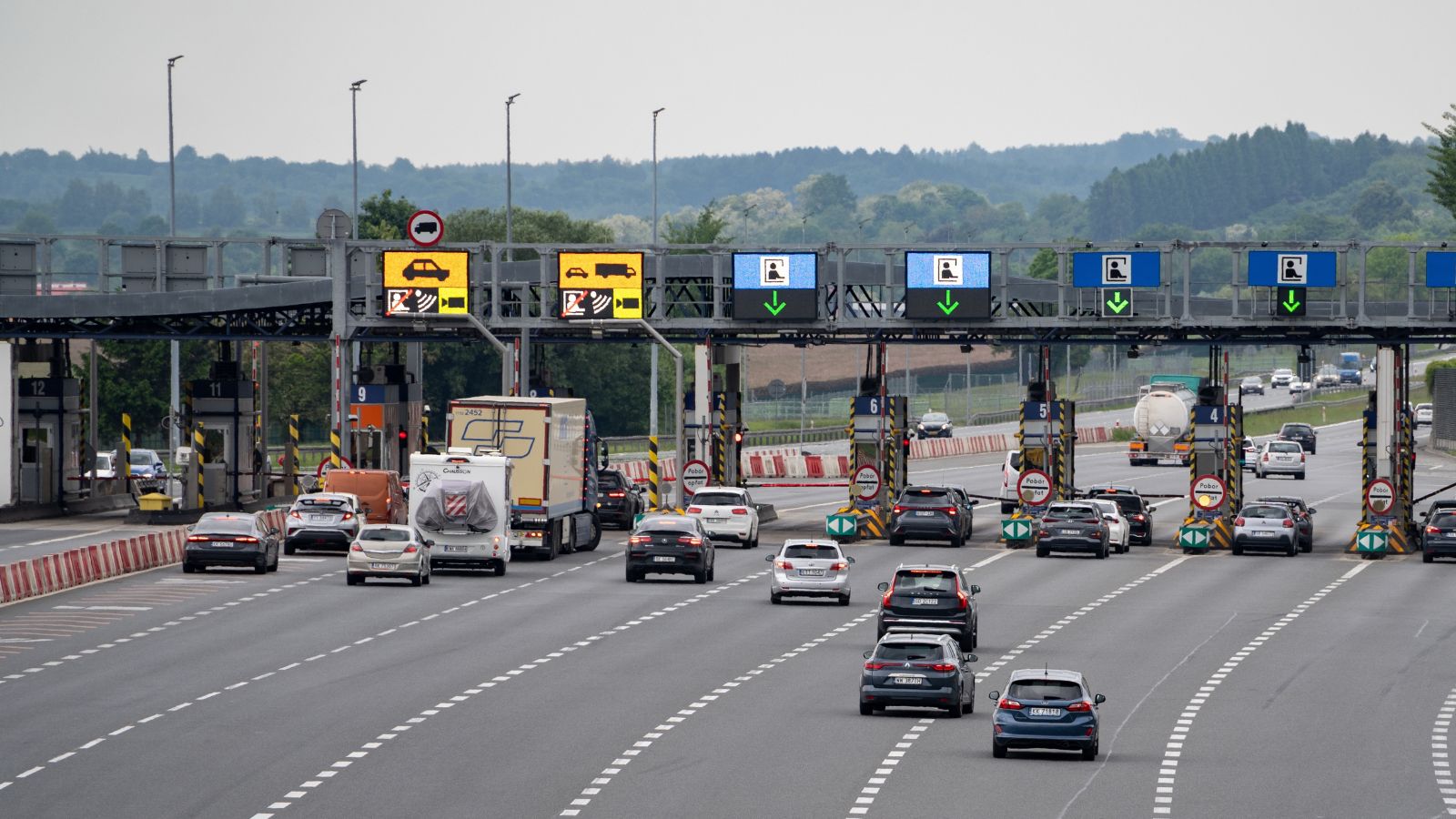
Toll charges can become more expensive when a rental company adds administrative or transponder fees. A toll itself may be modest, but the processing charge can turn a short drive into a larger bill. This is especially relevant around toll roads, bridges, express lanes, and cashless systems where visitors may not understand the payment process.
Summer road trips often involve unfamiliar routes. A traveller relying on navigation apps may be directed onto a toll route to save time, then receive charges later through the rental company. Avoiding tolls entirely can add time, but using them without understanding the billing method can add cost. The smartest approach is to ask at pickup how tolls are handled and whether a transponder fee applies per day or per use.
Roaming Day Pass Fees

Roaming day pass fees are convenient, but they can turn a phone into one of the most expensive travel accessories. Canadian wireless providers often offer daily roaming options that let travellers use their domestic plan abroad for a set fee. That sounds simple until each day of light use triggers another charge.
The Government of Canada warns that mobile devices may use data abroad even when a traveller is not actively using them. Map updates, messaging apps, email syncing, and background activity can all create usage. The CRTC’s Wireless Code includes roaming charge protections, but travellers can still rack up meaningful costs before caps or notifications matter. A week in the United States with multiple phones can easily become a line item worth planning.
Foreign Transaction Fees

Foreign transaction fees are easy to ignore because they appear after the purchase, not at the cash register. Many Canadian credit cards charge an added percentage when purchases are made in a foreign currency. A hotel deposit, restaurant meal, theme park ticket, or rental car hold can all become slightly more expensive once converted to Canadian dollars.
The fee feels small on a single transaction, but vacations are built from many transactions. A family spending abroad for a week may use a card dozens of times. The Financial Consumer Agency of Canada notes that financial institutions calculate foreign currency charges in different ways, which makes the final cost harder to estimate. A no-foreign-transaction-fee card or careful cash planning can reduce this quiet drain.
Dynamic Currency Conversion Fees

Dynamic currency conversion happens when a merchant, restaurant, hotel, or ATM offers to charge a Canadian traveller in Canadian dollars instead of the local currency. It may sound helpful, but it often uses a less favourable exchange rate and may include extra fees. The Government of Canada advises travellers to choose the local currency when given the option abroad.
This fee is sneaky because it presents itself as clarity. Seeing a bill in Canadian dollars feels reassuring, especially after a long travel day. But the convenience can cost more than letting the card network and issuer handle the conversion. A traveller paying for dinner in euros, U.S. dollars, or pesos may not notice the difference immediately. Across a full trip, repeated currency conversion choices can quietly inflate the budget.
ATM Withdrawal Fees

ATM withdrawal fees can stack in several layers: the foreign ATM operator may charge a fee, the Canadian bank may charge a foreign withdrawal fee, and the exchange rate may include a spread. Cash is still useful for tips, markets, transit, and small businesses, but frequent small withdrawals can become expensive.
The summer travel pattern makes this worse. A traveller withdraws a little cash on arrival, then again for a taxi, then again for a beach vendor or local tour. Each transaction looks minor, but the fees repeat. Some bank packages or partner ATM networks reduce the cost, while larger planned withdrawals can reduce the number of transactions. The goal is not to carry too much cash, but to avoid treating ATMs like free convenience machines.
19 Things Canadians Don’t Realize the CRA Can See About Their Online Income

Earning money online feels simple and informal for many Canadians. Freelancing, selling products, and digital services often start as side projects. The problem appears at tax time. Many people underestimate how much information the CRA can access. Online platforms, banks, and payment processors create detailed records automatically. These records do not disappear once money hits an account. Small gaps in reporting add up quickly.
Here are 19 things Canadians don’t realize the CRA can see about their online income.
This Options Discord Chat is The Real Deal
While the internet is scoured with trading chat rooms, many of which even charge upwards of thousands of dollars to join, this smaller options trading discord chatroom is the real deal and actually providing valuable trade setups, education, and community without the noise and spam of the larger more expensive rooms. With a incredibly low-cost monthly fee, Options Trading Club (click here to see their reviews) requires an application to join ensuring that every member is dedicated and serious about taking their trading to the next level. If you are looking for a change in your trading strategies, then click here to apply for a membership.