35,000+ smart investors are already getting financial news, market signals, and macro shifts in the economy that could impact their money next with our FREE weekly newsletter. Get ahead of what the crowd finds out too late. Click Here to Subscribe for FREE.
Summer car rentals can look simple until the counter conversation begins: insurance choices, fuel rules, airport fees, deposits, tolls, child seats, and vehicle upgrades all arrive at once. In Canada, the busiest travel months often bring tighter availability, higher daily rates, and more pressure to accept extras without reading the fine print.
These 17 things Canadians should know before renting a car this summer focus on the details that can turn a convenient booking into an expensive surprise. A well-planned rental can still be a smart way to reach cottages, national parks, family events, and airport hotels, but the best experience usually starts before the keys are handed over.
Book Early, But Compare the Final Price
17 Things Canadians Should Know Before Renting a Car This Summer
- Book Early, But Compare the Final Price
- Airport Pickups Can Cost More Than They Look
- Insurance Choices Need a Calm Read Before the Counter
- Credit Card Coverage Often Has Conditions
- A Debit Card May Not Work the Same Way as a Credit Card
- Young Drivers Should Budget for Surcharges
- Additional Drivers Need to Be Listed
- Fuel Policies Can Turn Convenience Into a Markup
- Mileage Limits Still Matter
- Tolls and Camera Billing Can Arrive Later
- Child Seats Should Be Reserved and Checked
- Accessibility Requests Deserve Advance Confirmation
- National Park Trips May Require More Than a Car
- Vehicle Size Should Match Roads, Luggage, and Parking
- Inspect the Car Before Leaving the Lot
- Roadside Assistance May Not Cover Every Situation
- Cross-Border and One-Way Rules Need Written Permission
- 19 Things Canadians Don’t Realize the CRA Can See About Their Online Income

Summer demand can make rental cars feel like concert tickets: the first listed price is rarely the full story, and the best options often disappear before long weekends. Canadian travel volumes remain substantial, with Statistics Canada reporting tens of millions of resident trips during recent spring and summer travel quarters. That kind of movement means airport counters, resort towns, and national park gateways can tighten quickly.
The practical move is to compare the total payable amount, not just the daily rate. A compact car that looks cheap at first may end up costing more after airport recovery charges, location fees, taxes, winter equipment removal quirks, or limited-mileage conditions. For example, a family flying into Calgary before driving toward Banff may find a lower base rate at one counter, but a better total price at another once shuttle access, fuel policy, and second-driver rules are included.
Airport Pickups Can Cost More Than They Look
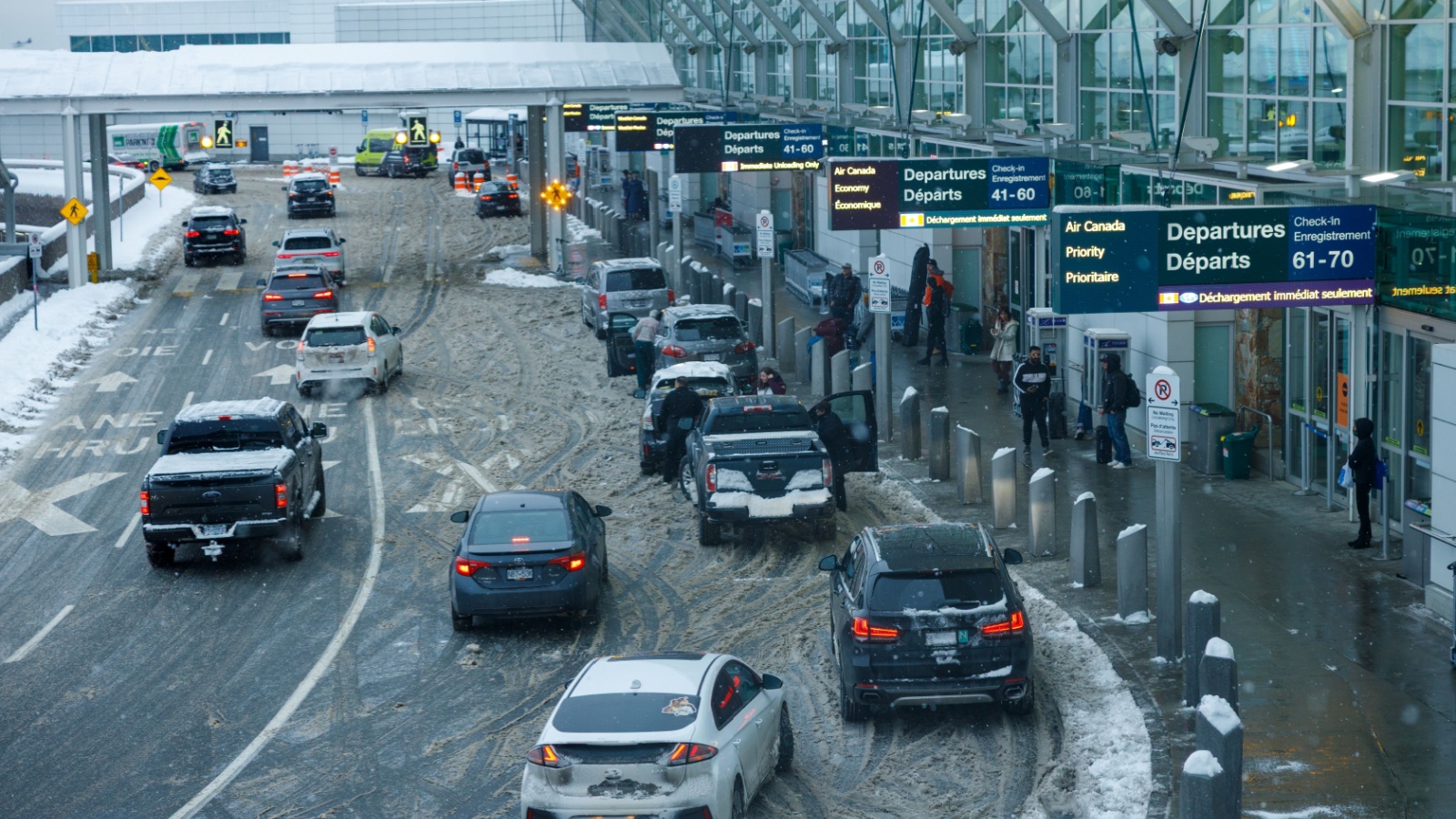
Airport rental counters are convenient, especially after a delayed flight or a late arrival with luggage. That convenience can come with concession recovery fees or similar charges tied to operating at the airport. These are not always obvious when travellers focus only on the headline daily rate, and they can make a rental from a terminal location more expensive than one picked up nearby.
Off-airport locations are not automatically better, though. A cheaper neighbourhood branch may close earlier, have fewer vehicles, or require a taxi or rideshare from the terminal. A traveller arriving at Toronto Pearson at 10 p.m. might save on the daily rate outside the airport, then lose the savings through extra transportation and stress. The better comparison is door-to-door cost: pickup access, return timing, fees, and the risk of missing a flight if the return location is inconvenient.
Insurance Choices Need a Calm Read Before the Counter

Rental-car insurance conversations can feel rushed because the counter agent may be asking questions while a line forms behind the customer. In Canada, renters may already have some protection through a personal auto policy, a credit card, or optional coverage sold by the rental company. The problem is that these layers do not always cover the same risks.
A collision damage waiver or loss damage waiver is not the same as full auto insurance. It generally shifts responsibility for damage to the rental vehicle under certain conditions, but exclusions can apply. Liability, personal accident coverage, and personal effects coverage are separate questions. A driver using a rental for a family cottage trip should know whether their existing policy extends to rentals, whether the credit card covers the vehicle class, and whether a gravel-road detour could create problems.
Credit Card Coverage Often Has Conditions

Many Canadian credit cards advertise rental-car collision or loss damage coverage, but the benefit is usually conditional. Common requirements include paying for the full rental with the eligible card and declining the rental company’s damage waiver. Some cards also exclude certain vehicle types, longer rental periods, expensive models, trucks, luxury vehicles, motorcycles, or rentals in specific countries.
This matters because the counter decision can accidentally cancel the benefit. A traveller who books with a rewards card but pays with another card at pickup may lose the expected coverage. Someone upgrading from a compact car to a large SUV may also step outside the card’s permitted vehicle category. Before travelling, the cardholder should check the certificate of insurance, not just the marketing summary. The most useful phone call is often to the card insurer before leaving home.
A Debit Card May Not Work the Same Way as a Credit Card

Payment rules can surprise renters who assume a debit card with enough money is equivalent to a credit card. Some rental companies accept debit cards for payment at the end of the rental but require a credit card for the pickup deposit or credit identification. Others may place a large authorization hold, which can reduce available funds during the trip.
That hold can matter during a summer vacation. A renter budgeting for hotels, gas, meals, and park passes may not expect several hundred dollars to be temporarily unavailable. One missed detail can create a very human problem: a family has the car but less spending room for the rest of the week. The safer approach is to read the local branch’s payment rules, confirm whether the card must match the renter’s name, and leave enough credit room for the deposit.
Young Drivers Should Budget for Surcharges

Drivers under 25 can often rent a vehicle in Canada, but the privilege may come with a daily young-renter fee. Major rental companies publish minimum age rules and under-25 fees that vary by location, vehicle class, and brand. A fee that looks small on one day can become a major add-on over a week-long trip.
The cost is especially relevant for students, new graduates, and younger workers planning road trips. A 23-year-old booking a six-day rental for a wedding weekend or festival run may focus on the base rate, then discover a surcharge at pickup. Vehicle choice can also be restricted, with premium, specialty, or larger vehicles sometimes unavailable to younger renters. The best move is to price the rental with the driver’s actual age entered, not with default adult-driver assumptions.
Additional Drivers Need to Be Listed

A common road-trip mistake is assuming a spouse, sibling, or friend can simply take a turn behind the wheel. Rental agreements usually require every authorized driver to be listed, and extra-driver fees can apply depending on the company, location, membership program, or relationship to the renter. Unlisted drivers can create serious problems if there is damage or a collision.
The issue often appears during long summer drives. Someone rents in Vancouver, plans to drive through the Okanagan, and expects passengers to share the wheel after a few hours. If those drivers were not added at pickup, the agreement may not protect the renter the way they expect. The better habit is to list all planned drivers before leaving the lot, ask whether any fee is waived, and keep the printed or digital agreement accessible.
Fuel Policies Can Turn Convenience Into a Markup

Fuel is one of the easiest places to overpay because the decision sounds minor at pickup. Prepaid fuel can be convenient for rushed returns, but it only pays off when the car comes back close to empty. Returning a car with half a tank after prepaying usually means gifting unused fuel back to the company. Choosing “return full” is often cheaper, but only if there is time to refuel nearby.
Summer travel adds complications. Gas stations near airports, ferry terminals, and resort corridors may be more expensive or busy during peak return periods. A traveller returning to Halifax Stanfield or Vancouver International may intend to fill up nearby, then run short on time after traffic. The practical safeguard is to identify a nearby station before the return day, keep the receipt, and photograph the fuel gauge when dropping off the vehicle.
Mileage Limits Still Matter

Unlimited mileage is common in many Canadian rentals, but not guaranteed. Some specialty vehicles, promotional rates, local rentals, long-term rentals, or cross-border arrangements may have mileage caps. Extra kilometres can become expensive on routes that look modest on a map but add up quickly in real life.
This is particularly important in Canada because distances can be deceptive. A loop from Calgary to Lake Louise, Jasper, and back can become hundreds of kilometres before side trips, scenic stops, and hotel detours are counted. A Maritime itinerary that hops between beaches, small towns, and ferry points can grow the same way. Before booking, renters should compare the planned route against the allowed distance, then add a buffer for weather detours, restaurant runs, and wrong turns.
Tolls and Camera Billing Can Arrive Later
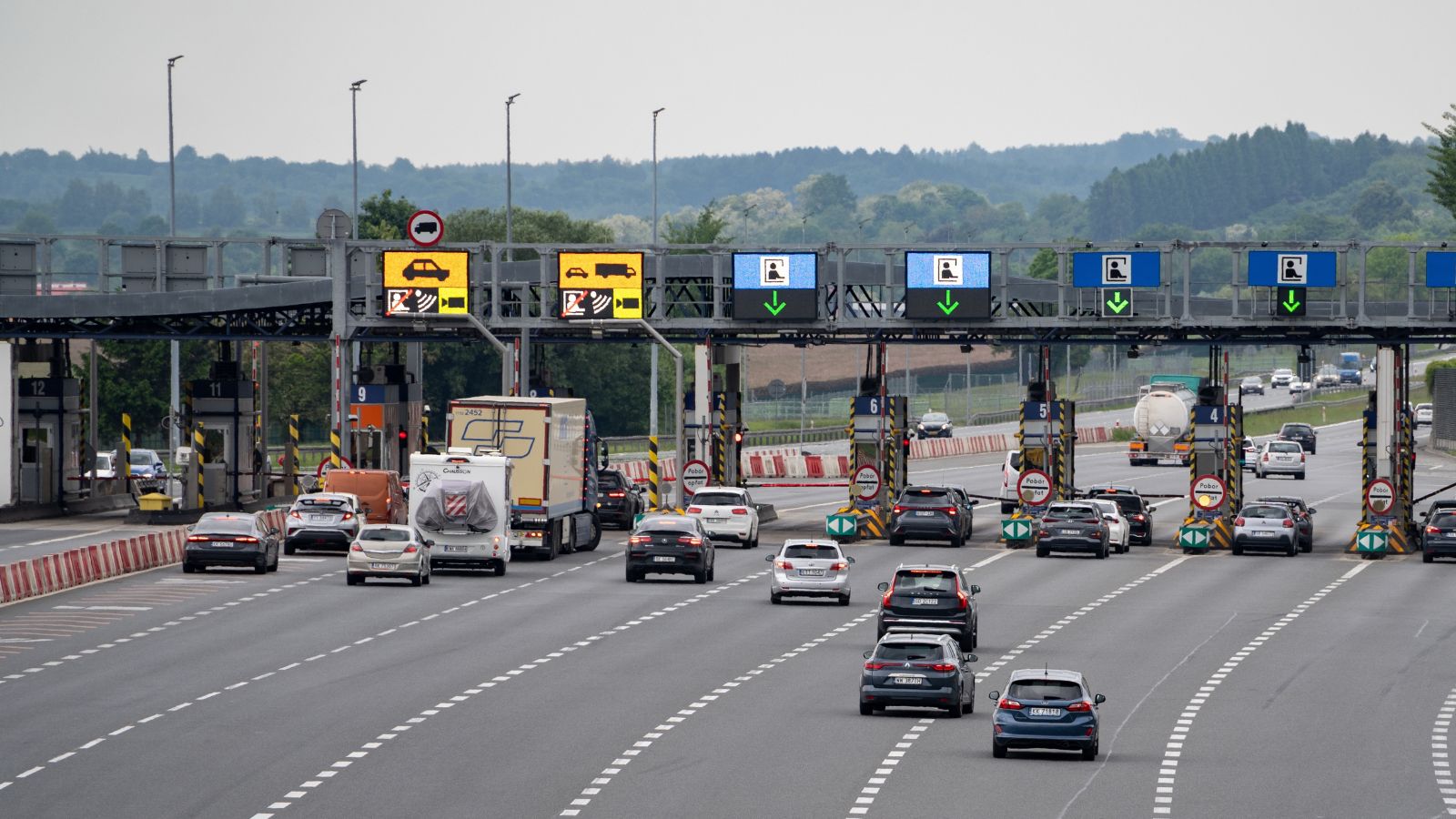
Toll roads can create delayed charges, especially where licence-plate cameras or electronic systems bill the registered owner of the vehicle. In Ontario, Highway 407 ETR uses electronic tolling, and rental customers may face tolls plus rental-company convenience or administration charges. These charges may not appear until after the trip, which can make the final vacation cost feel unsettled.
The mistake is assuming a short toll-road segment is too minor to matter. A driver trying to save time around the Greater Toronto Area may use the 407 once or twice, then later see both toll and service charges. For some trips, paying the toll is worth the time saved. For others, setting navigation to avoid tolls is smarter. The key is deciding intentionally before the road sign appears.
Child Seats Should Be Reserved and Checked

Families renting with young children should treat car seats as a safety item, not just an add-on. Transport Canada explains that children move through rear-facing seats, forward-facing seats, booster seats, and seat belts based on size, weight, and developmental stage. Provincial rules can also affect when a child may use a booster or regular seat belt.
Rental companies may offer child seats, but availability and condition can vary. A family arriving during a busy school-break weekend could find limited inventory, unfamiliar models, or seats that require careful installation. Bringing a known seat may be inconvenient, but it gives parents more control. If renting a seat, it should be reserved in advance, inspected for obvious damage, checked for the National Safety Mark where applicable, and installed according to the manufacturer’s instructions before leaving the lot.
Accessibility Requests Deserve Advance Confirmation

Accessible rental needs should be confirmed before travel day, especially for hand controls, larger vehicles, swivel seats, or room for mobility devices. Canadian transportation accessibility guidance has recognized that ground transportation at airports can involve specific service expectations, and some airport car-rental arrangements have addressed hand-control availability and fee treatment.
The human side is straightforward: a missed accessibility detail can affect the whole trip, not just the pickup. A traveller who requires hand controls cannot simply switch to any available car if the reserved vehicle is not ready. Calling the branch directly, documenting the request, and confirming timing can reduce the risk of a counter surprise. It is also wise to ask whether installation affects vehicle class, pickup time, insurance terms, or after-hours returns.
National Park Trips May Require More Than a Car
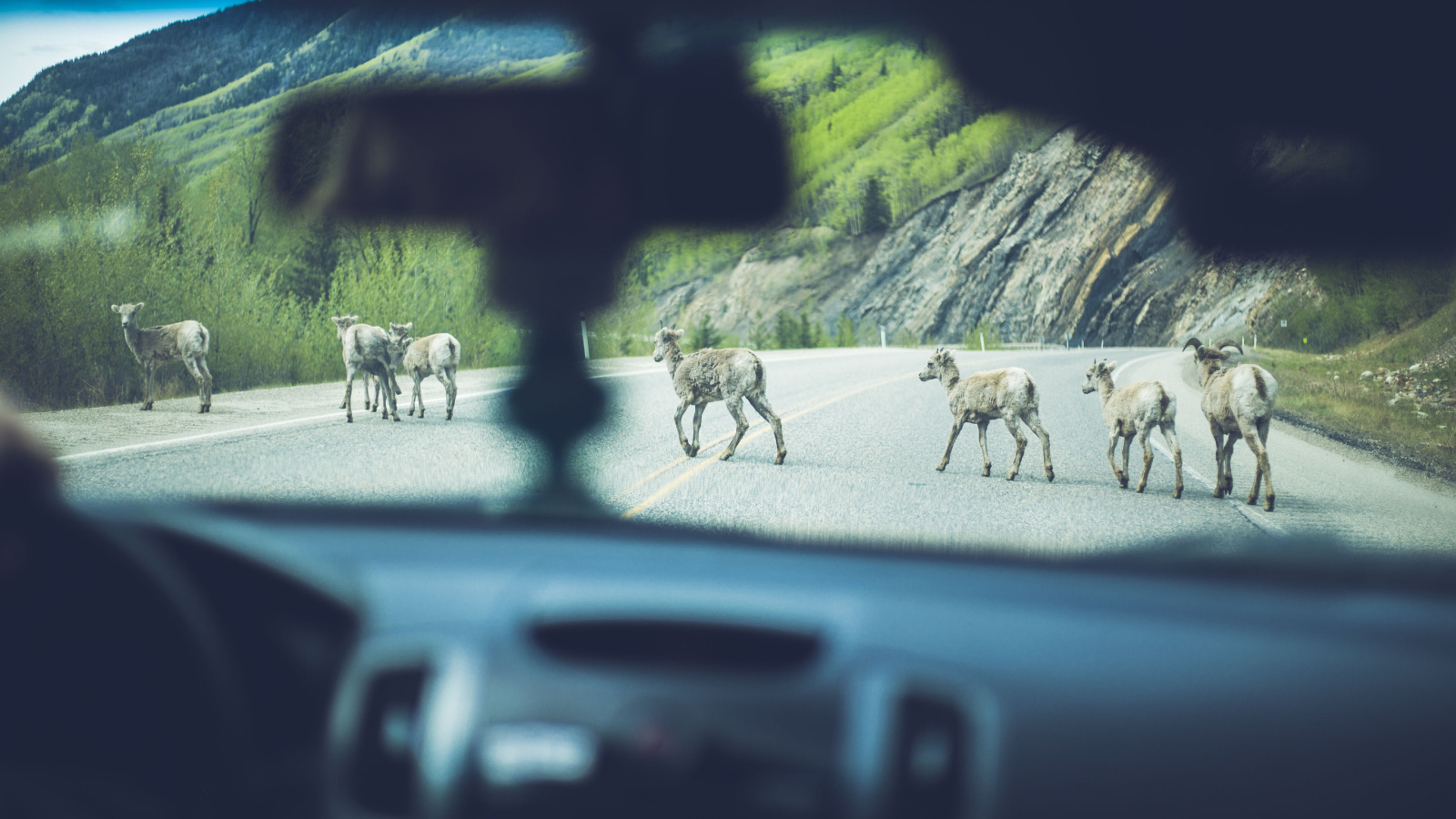
A rental car does not always guarantee access to the most popular summer stops. Parks Canada uses reservations for some high-demand experiences, shuttles, guided hikes, campsites, parking areas, and access points. In Banff, for example, Lake Louise and Moraine Lake access can involve advance shuttle reservations, timed booking windows, and separate national park entry requirements.
This changes the way a rental should be planned. Someone may spend heavily on a larger SUV for a mountain trip, only to discover that parking is limited or shuttle reservations are still required. The smarter sequence is to check destination access first, then book the vehicle around the actual itinerary. In some cases, a smaller car plus shuttle reservations may beat an expensive SUV that mostly sits in a crowded parking lot.
Vehicle Size Should Match Roads, Luggage, and Parking

Bigger vehicles can feel safer or more comfortable for summer travel, but they bring trade-offs. SUVs and minivans usually cost more to rent, can consume more fuel, and may be harder to park in older downtowns, ferry queues, underground garages, and crowded beach towns. A compact car may be cheaper, but it can become miserable if luggage blocks visibility or passengers are squeezed for hours.
The best choice depends on the route. A couple visiting Prince Edward Island beaches may not need a large SUV, while a family carrying camping gear through the Rockies might. Fuel economy also matters over long Canadian distances. A difference of a few litres per 100 kilometres can add up across a 1,500-kilometre trip, especially when fuel prices vary by province and remote-area stations have fewer competitors.
Inspect the Car Before Leaving the Lot

A careful walkaround can prevent a frustrating argument later. Renters should check bumpers, wheels, windshield chips, mirrors, interior stains, tire sidewalls, roof scratches, and the area below the front bumper. Summer rentals often turn over quickly, and small damage can be missed between customers.
Photos and videos are useful because they show the car’s condition at pickup time. A practical routine is to capture the full exterior, odometer, fuel gauge, licence plate, dashboard warning lights, and any existing scratches before driving away. If there is visible damage, it should be marked on the agreement or acknowledged by staff. The same process should happen at return, especially for after-hours drop-offs where no employee signs off immediately.
Roadside Assistance May Not Cover Every Situation
Rental companies often offer roadside assistance packages, but the included services can vary. Some assistance may cover mechanical failure, while optional packages may address lockouts, lost keys, dead batteries caused by customer error, fuel delivery, or tire issues. The distinction matters because summer driving often involves remote areas, gravel pullouts, cottage roads, and long stretches between service stations.
A traveller heading through northern Ontario or rural Newfoundland should not assume help will be quick or free. Cell service can be uneven, tow distances can be long, and a flat tire on a gravel shoulder can derail a day’s plan. Before leaving, renters should ask what number to call, what events are covered, whether tire damage is excluded, and whether driving on unpaved roads affects coverage.
Cross-Border and One-Way Rules Need Written Permission

Some Canadian renters plan to drive into the United States, return to a different city, or take a ferry as part of the trip. These choices can be allowed, restricted, or priced differently depending on the rental company and location. One-way rentals can carry significant drop fees, while cross-border travel may require advance disclosure and specific documentation.
The risk is assuming that because the vehicle can physically cross a border, the rental agreement allows it. A renter picking up in Montreal and returning in Boston, or driving from Vancouver into Washington State, should confirm the rule before booking. Ferry travel can also raise questions about coverage and recovery if the vehicle is damaged or delayed. Written confirmation is better than a verbal counter comment.
19 Things Canadians Don’t Realize the CRA Can See About Their Online Income

Earning money online feels simple and informal for many Canadians. Freelancing, selling products, and digital services often start as side projects. The problem appears at tax time. Many people underestimate how much information the CRA can access. Online platforms, banks, and payment processors create detailed records automatically. These records do not disappear once money hits an account. Small gaps in reporting add up quickly.
Here are 19 things Canadians don’t realize the CRA can see about their online income.
This Options Discord Chat is The Real Deal
While the internet is scoured with trading chat rooms, many of which even charge upwards of thousands of dollars to join, this smaller options trading discord chatroom is the real deal and actually providing valuable trade setups, education, and community without the noise and spam of the larger more expensive rooms. With a incredibly low-cost monthly fee, Options Trading Club (click here to see their reviews) requires an application to join ensuring that every member is dedicated and serious about taking their trading to the next level. If you are looking for a change in your trading strategies, then click here to apply for a membership.