
35,000+ smart investors are already getting financial news, market signals, and macro shifts in the economy that could impact their money next with our FREE weekly newsletter. Get ahead of what the crowd finds out too late. Click Here to Subscribe for FREE.
Most Canadians track their rent, groceries, and gas. Those costs are obvious. The problem is the quiet charges hiding in plain sight. They show up as small line items and auto-renewals. You barely notice them until your balance feels tight. A few dollars here and there do not seem serious. Over a year, those charges can drain hundreds. Some are avoidable. Others can be reduced with one phone call. If your budget feels stretched, start here. Here are 22 “Hidden” fees Canadians are paying every month (Check These First).
Bank Account Maintenance Fees
22 “Hidden” Fees Canadians Are Paying Every Month (Check These First)
- Bank Account Maintenance Fees
- ATM Withdrawal Fees
- Credit Card Annual Fees
- Credit Card Interest on Small Balances
- Overdraft Protection Fees
- Cell Phone Plan Add-ons
- Streaming Service Auto Renewals
- Gym Membership Fees
- Subscription Boxes
- Insurance Installment Fees
- Investment Account Management Fees
- Foreign Transaction Fees
- Delivery App Service Fees
- Paper Statement Fees
- Rental Application Fees
- Parking Subscription Fees
- Cloud Storage Upgrades
- Late Payment Fees
- Ticket Service Fees
- Energy Usage Charges
- Digital News Subscriptions
- Loyalty Program Membership Fees
- 22 Groceries to Grab Now—Before another Price Shock Hits Canada

Many chequing accounts charge monthly maintenance fees. The amount often ranges from $4 to $30. Some banks waive fees if you keep a minimum balance. Miss that balance by a few dollars, and the charge applies. Students and seniors may qualify for discounts. Others may not realize they switched account types years ago. Review your account package details online. You might be paying for features you never use. A no-fee online bank could be an option. Even saving $15 monthly adds up over a year. That is money back in your pocket.
ATM Withdrawal Fees
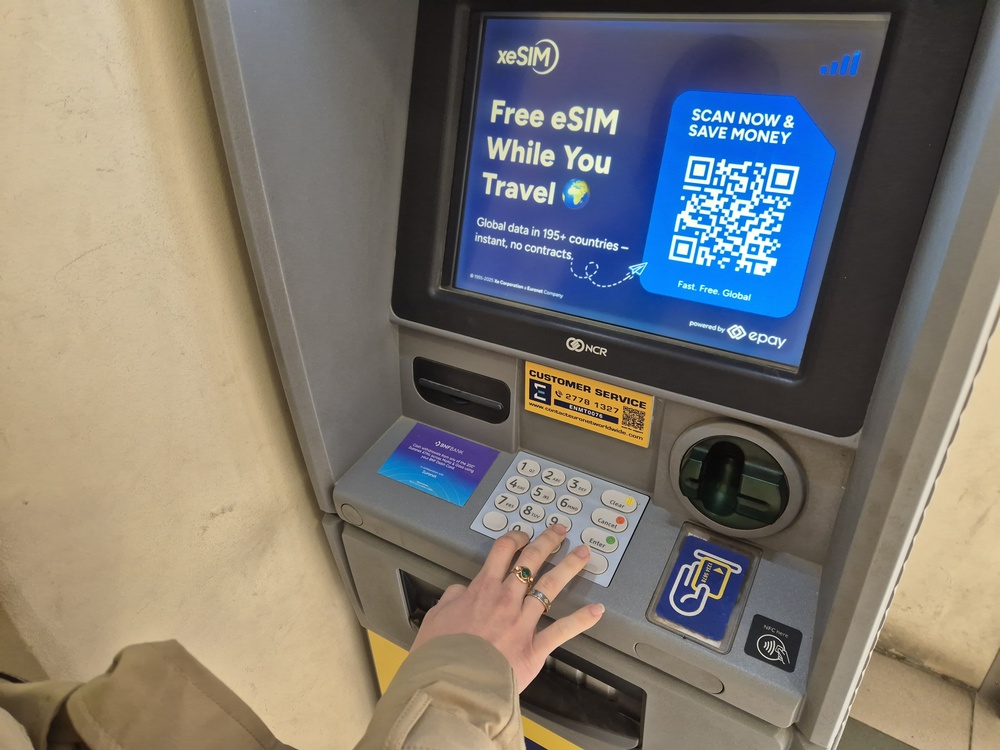
Using an out-of-network ATM can trigger two fees. Your bank may charge one. The ATM provider often adds another. One quick cash withdrawal can cost $3 to $5. Do that weekly, and it becomes expensive. Many people grab cash without checking the screen details. Plan withdrawals at your own bank when possible. Some accounts reimburse ATM charges each month. Others do not. Credit unions often have shared networks with fewer fees. A small habit change can cut this cost completely. Those quick withdrawals are not as harmless as they seem.
Credit Card Annual Fees

Premium credit cards often carry annual fees. These can range from $99 to $150 or more. The perks may look attractive at first. Travel points and lounge access sound useful. If you are not using those perks, the fee becomes wasted money. Many Canadians forget when the annual charge posts. It is easy to miss a long statement. Call your issuer before renewal. Ask about a downgrade or retention offer. Sometimes the fee can be reduced or waived. Paying for rewards you do not use makes little sense.
Credit Card Interest on Small Balances
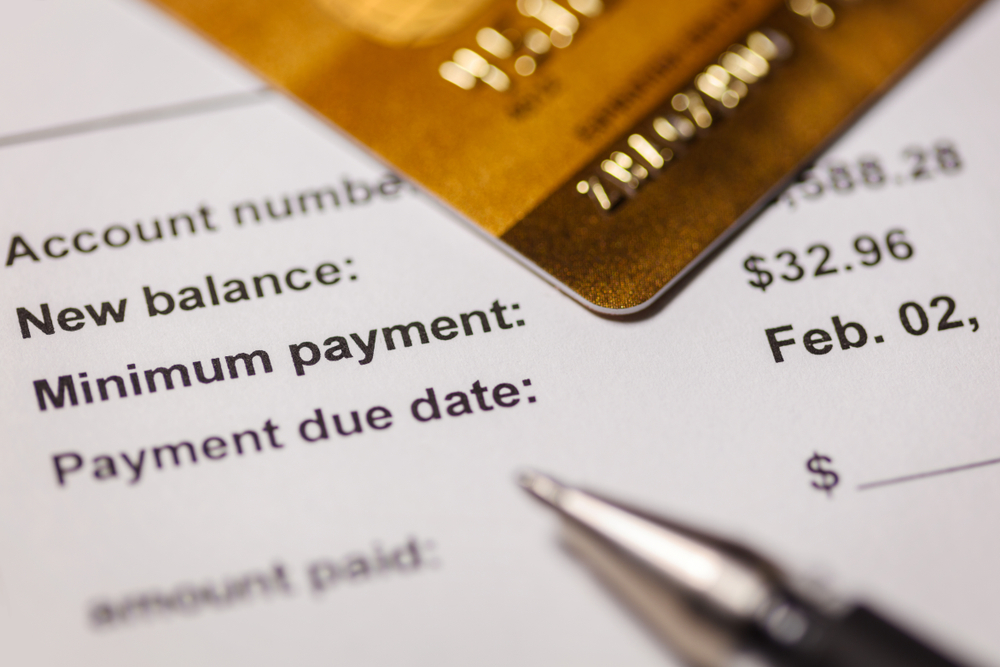
Carrying even a small balance can be costly. Interest rates often sit above 19 percent. A $200 balance can quietly grow each month. Many people assume small amounts do not matter. Interest compounds quickly when only minimum payments are made. Check your statement for interest charges. If you see them regularly, that is a red flag. Consider automatic full payments from your bank account. A balance transfer card may also help temporarily. Interest is one of the most expensive hidden costs in personal finance. It rarely feels urgent until it grows.
Overdraft Protection Fees

Overdraft protection sounds helpful. It prevents declined transactions at checkout. The service often comes with a fee. Banks may charge a monthly amount or a per-use fee. Some also add daily interest. A small mistake can cost $45 or more. Many Canadians forget they opted in years ago. Review your banking settings online. You might prefer to turn it off. Linking a savings account can be cheaper. Avoiding overdraft fees starts with tracking your balance more closely. Those convenience charges can stack up fast.
Cell Phone Plan Add-ons

Mobile plans often include extras you did not request. Device protection, premium voicemail, and extra data packs are common. Each add-on may cost $5 to $20 monthly. Sales representatives sometimes include them during upgrades. Many customers never remove them. Log in to your carrier account and review the breakdown. Compare your usage with your data limit. You might be paying for more than you need. Switching plans can also reduce costs. Telecom bills are full of small extras that slip under the radar.
Streaming Service Auto Renewals
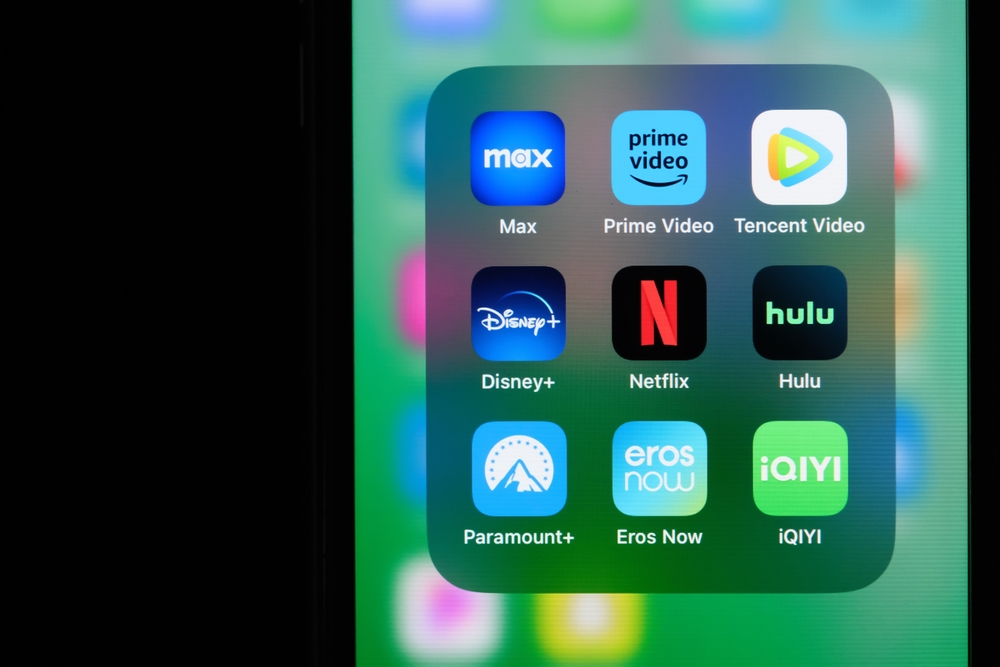
Streaming platforms make signing up easy. Cancelling requires more effort. Canadians often juggle several services at once. Each one may cost $10 to $20 monthly. You might not even remember them all. Free trials convert to paid plans quietly. Review your credit card statement for recurring charges. Decide which platforms you actually watch. Rotate subscriptions instead of keeping them year-round. One or two cancellations can free up serious cash. Entertainment should not feel like a fixed bill.
Gym Membership Fees

Gym memberships are easy to forget. Especially if you stop going. Monthly fees can range from $30 to over $100. Some contracts include annual maintenance charges. Cancelling may require notice or paperwork. Many Canadians keep paying out of guilt. Review your attendance over the last few months. If you rarely go, consider alternatives. Home workouts and community centres cost less. Fitness matters, but unused memberships drain your budget. That automatic debit deserves attention.
Subscription Boxes

Meal kits, beauty boxes, and snack deliveries feel convenient. They also come with recurring charges. Prices often start around $40 weekly. Delivery fees may be extra. Discounts apply only for the first few weeks. After that, the full cost returns. Many Canadians forget to skip weeks. Boxes pile up in the fridge. Review how often you use the service. If it creates stress, pause it. Convenience should save time and money, not add clutter and expense.
Insurance Installment Fees

Paying insurance monthly often costs more than an annual payment. Companies may add installment fees. The difference can be $5 to $10 monthly. Over a year, that adds up. Many people choose monthly payments for convenience. Ask your insurer about paying in one lump sum. If possible, it may lower your total premium. Compare quotes from other providers as well. Insurance costs vary widely across Canada. Small payment structures can hide extra charges.
Investment Account Management Fees

Mutual funds and managed accounts charge fees. These are often expressed as percentages. A two percent fee may not sound large. On a $20,000 investment, that is $400 yearly. Fees reduce long-term growth significantly. Many Canadians do not review their fund expense ratios. Check your account statements carefully. Consider low-cost index funds as alternatives. Even small percentage differences matter over time. Investment fees rarely show up as a bill. They quietly reduce your returns instead.
Foreign Transaction Fees

Using your credit card in another currency can trigger fees. Many cards charge around 2.5 percent. That applies even to online purchases. A small foreign subscription can cost more than expected. Check your card’s terms and conditions. Some travel cards waive these fees. If you shop from U.S. websites often, this matters. A better card could save you money monthly. Currency conversion costs are easy to overlook. They show up only after the statement closes.
Delivery App Service Fees

Food delivery apps break down costs into small charges. You see the meal price first. Then come service fees, delivery fees, and taxes. Some orders also include small order surcharges. A $25 meal can easily cost $40. Many Canadians order during busy weeks without checking totals. Doing this once a week adds up fast. That could mean over $80 monthly in added charges alone. Compare prices with direct restaurant pickup. Some places offer in-house delivery for less. Convenience feels harmless, but these layered fees quietly stretch your food budget every month.
Paper Statement Fees

Some banks, credit cards, and utilities still charge for paper statements. The fee may range from $2 to $5 monthly. Many customers do not notice it. The charge appears as a small line item. Over a year, that could cost $60 or more. Switching to electronic statements is usually free. Most providers allow the change through online banking. Seniors and long-time customers are often enrolled in paper billing by default. Review your latest statement carefully. Paying to receive mail is rarely necessary today. That simple setting change can remove an ongoing monthly charge.
Rental Application Fees

Searching for housing can trigger repeated application fees. Landlords may charge $25 to $50 for each credit check. In competitive cities, applicants apply to several units at once. Those fees stack up quickly. Many renters pay without questioning the process. Ask whether a recent credit report can be reused. Some provinces have limits on what landlords can charge. Research local rules before submitting payments. These charges often feel unavoidable during a move. Still, understanding your rights may reduce the total. Rental application costs can quietly chip away at your savings before you even sign a lease.
Parking Subscription Fees

Monthly parking passes are common in larger Canadian cities. Costs can exceed $100 depending on location. Many people signed up before hybrid work became normal. If you now commute fewer days, the math changes. Paying for full-time parking for part-time use wastes money. Check if your provider offers flexible options. Some garages allow shared passes or reduced schedules. Public transit may cost less overall. Review your recent usage honestly. Parking fees often run automatically on your card. When routines change, subscriptions should change too. Otherwise, you are paying for empty spots most of the week.
Cloud Storage Upgrades

Phone and computer storage fills quickly with photos and backups. Companies offer paid upgrades starting around $1.99 monthly. That seems minor, but it continues year after year. Many Canadians upgrade without reviewing usage. You may be storing duplicate files or old videos. Cleaning your library can reduce the need for extra space. Check each platform linked to your email. Some families pay for multiple storage plans unknowingly. Free tiers may be enough once clutter is removed. Small tech subscriptions blend into statements easily. Reviewing digital storage once a year can eliminate a recurring expense.
Late Payment Fees

Missing a due date can trigger instant penalties. Credit cards often charge $25 or more. Utilities may add extra fees to the next bill. One late payment can also raise your interest rate. Many Canadians juggle several billing cycles each month. It is easy to forget one. Setting automatic payments reduces that risk. Calendar reminders also help. Review recent statements for any penalty charges. Late fees provide no benefit. They simply punish oversight. Avoiding them requires simple organization. Over a year, even three missed payments can cost nearly $100. That money could stay in your account instead.
Ticket Service Fees

Buying concert or sports tickets online includes extra charges. Service fees and processing fees inflate the total quickly. A $60 ticket may end up costing $75 or more. Many buyers focus on the listed price first. The final screen reveals the full amount. These platforms rely on convenience. Few people compare alternatives. Check whether the venue sells tickets directly. Some box offices charge lower fees. Buying in person may also help. Ticket service charges rarely reflect added value. They simply increase revenue for the platform. Frequent eventgoers can spend hundreds yearly on these hidden additions.
Energy Usage Charges
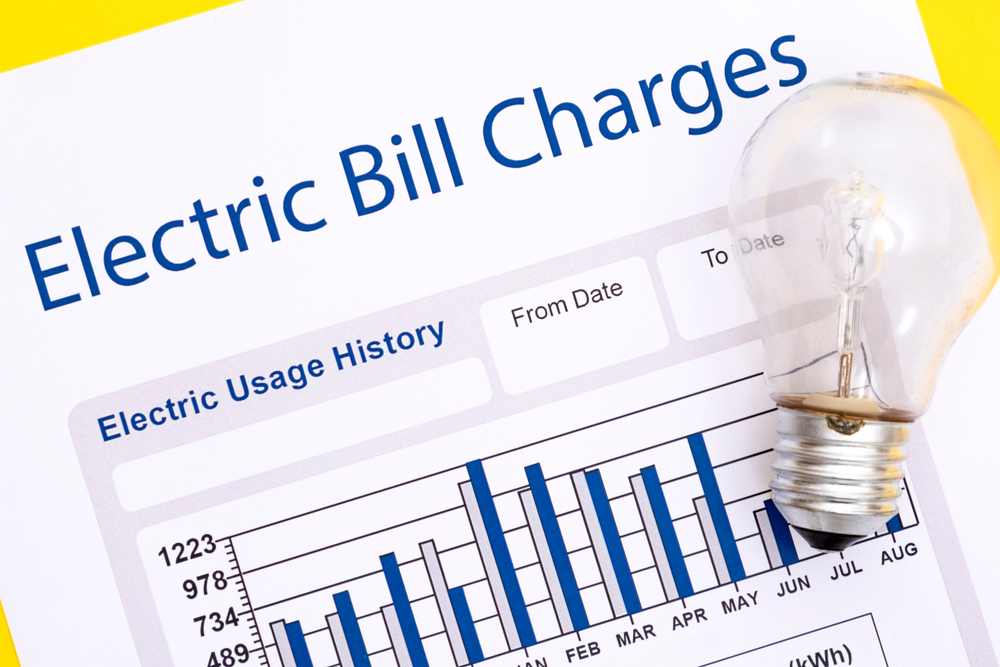
Utility bills include more than electricity or gas usage. Delivery charges and regulatory fees appear monthly. Even when consumption drops, totals may stay high. Many Canadians glance only at the amount due. The detailed breakdown tells a fuller story. Compare past bills to track patterns. Some provinces allow plan comparisons between providers. Small changes at home also reduce overall charges. Lowering thermostat settings and unplugging devices helps. Energy fees feel fixed, but usage still matters. Understanding your bill gives you more control. Without review, these layered costs quietly remain part of every monthly payment.
Digital News Subscriptions

Online news sites now operate behind subscription walls. Introductory offers often start at low prices. After a few months, the cost increases automatically. Many Canadians forget about the renewal email. You might be paying for multiple outlets at once. Each one may charge $10 to $25 monthly. Review your reading habits honestly. If you rarely log in, cancel before the next billing cycle. Public libraries often provide free digital access. News matters, but duplicate subscriptions may not. These small monthly charges blend into your card statement. Over time, they add up more than expected.
Loyalty Program Membership Fees

Some retailers and travel brands now charge membership fees. They promise exclusive discounts and early sales access. The annual cost may seem reasonable at first. If you rarely shop there, the value drops quickly. Many Canadians join during a promotion and forget later. Review how often you used the benefits last year. Compare your savings against the membership price. Cancel before renewal if the numbers do not work. Loyalty programs should reward regular customers. Paying for access without real savings defeats the purpose. These memberships can quietly renew and drain money every single year.
22 Groceries to Grab Now—Before another Price Shock Hits Canada

Food prices in Canada have been steadily climbing, and another spike could make your grocery bill feel like a mortgage payment. According to Statistics Canada, food inflation remains about 3.7% higher than last year, with essentials like bread, dairy, and fresh produce leading the surge. Some items are expected to rise even further due to transportation costs, droughts, and import tariffs. Here are 22 groceries to grab now before another price shock hits Canada.
22 Groceries to Grab Now—Before another Price Shock Hits Canada
This Options Discord Chat is The Real Deal
While the internet is scoured with trading chat rooms, many of which even charge upwards of thousands of dollars to join, this smaller options trading discord chatroom is the real deal and actually providing valuable trade setups, education, and community without the noise and spam of the larger more expensive rooms. With a incredibly low-cost monthly fee, Options Trading Club (click here to see their reviews) requires an application to join ensuring that every member is dedicated and serious about taking their trading to the next level. If you are looking for a change in your trading strategies, then click here to apply for a membership.