
35,000+ smart investors are already getting financial news, market signals, and macro shifts in the economy that could impact their money next with our FREE weekly newsletter. Get ahead of what the crowd finds out too late. Click Here to Subscribe for FREE.
Canada has strict wildlife laws that many people are unaware of until a ticket arrives in the mail. Rules cover everything from feeding animals to picking up antlers in the woods. Some fines reach thousands of dollars. Others come with court dates or even criminal charges. These laws apply in national parks, provincial parks, and private land. Tourists and residents face the same penalties. Wildlife officers patrol year-round, including during hunting and camping season. Here are 21 wildlife rules Canadians don’t know exist (fines are steep).
Feeding Wild Animals Is Illegal in Many Parks
21 Wildlife Rules Canadians Don’t Know Exist (Fines Are Steep)
- Feeding Wild Animals Is Illegal in Many Parks
- Approaching Wildlife Too Closely Can Trigger Fines
- Removing Antlers from the Wild Is Restricted
- Taking Natural Souvenirs from National Parks Is Prohibited
- Harassing Wildlife Is a Criminal Offense
- Keeping Wild Animals as Pets Is Largely Banned
- Destroying Bird Nests Is Illegal
- Using Bait in Certain Hunting Zones Is Prohibited
- Transporting Firewood Across Regions Is Restricted
- Off-Road Vehicles Are Limited in Wildlife Areas
- Fishing Without Proper Tags Leads to Heavy Penalties
- Relocating Wildlife Is Against the Law
- Collecting Endangered Plants Is Illegal
- Drone Use Near Wildlife Is Restricted
- Feeding Bears Can Result in Criminal Charges
- Importing Wildlife Parts Requires Permits
- Hunting on Private Land Without Permission Is Illegal
- Disturbing Marine Mammals Is Strictly Regulated
- Night Hunting with Spotlights Is Banned in Many Areas
- Collecting Feathers Without Authorization Is Illegal
- 22 Groceries to Grab Now—Before another Price Shock Hits Canada

Feeding wildlife is banned in most national and provincial parks. That includes tossing bread to birds or offering snacks to deer. Parks Canada issues fines that can exceed several hundred dollars. Feeding changes animal behavior and increases human contact. Animals that lose fear of people often become aggressive. Some are euthanized after repeated incidents. Even leaving food scraps unattended counts as feeding. Campers must store food in sealed containers or vehicles. Garbage must stay locked away at all times. A simple apple core can attract bears within minutes.
Approaching Wildlife Too Closely Can Trigger Fines

There are minimum distance rules for animals like bears, moose, and elk. In many parks, you must stay at least 100 meters from bears. For other large mammals, 30 meters is common. Getting closer for photos can lead to fines. Officers can charge visitors who block animal paths. Using drones near wildlife is also restricted. Animals may charge if they feel cornered. Moose cause serious injuries every year in Canada. Keeping distance protects both people and animals. That selfie is rarely worth the risk.
Removing Antlers from the Wild Is Restricted
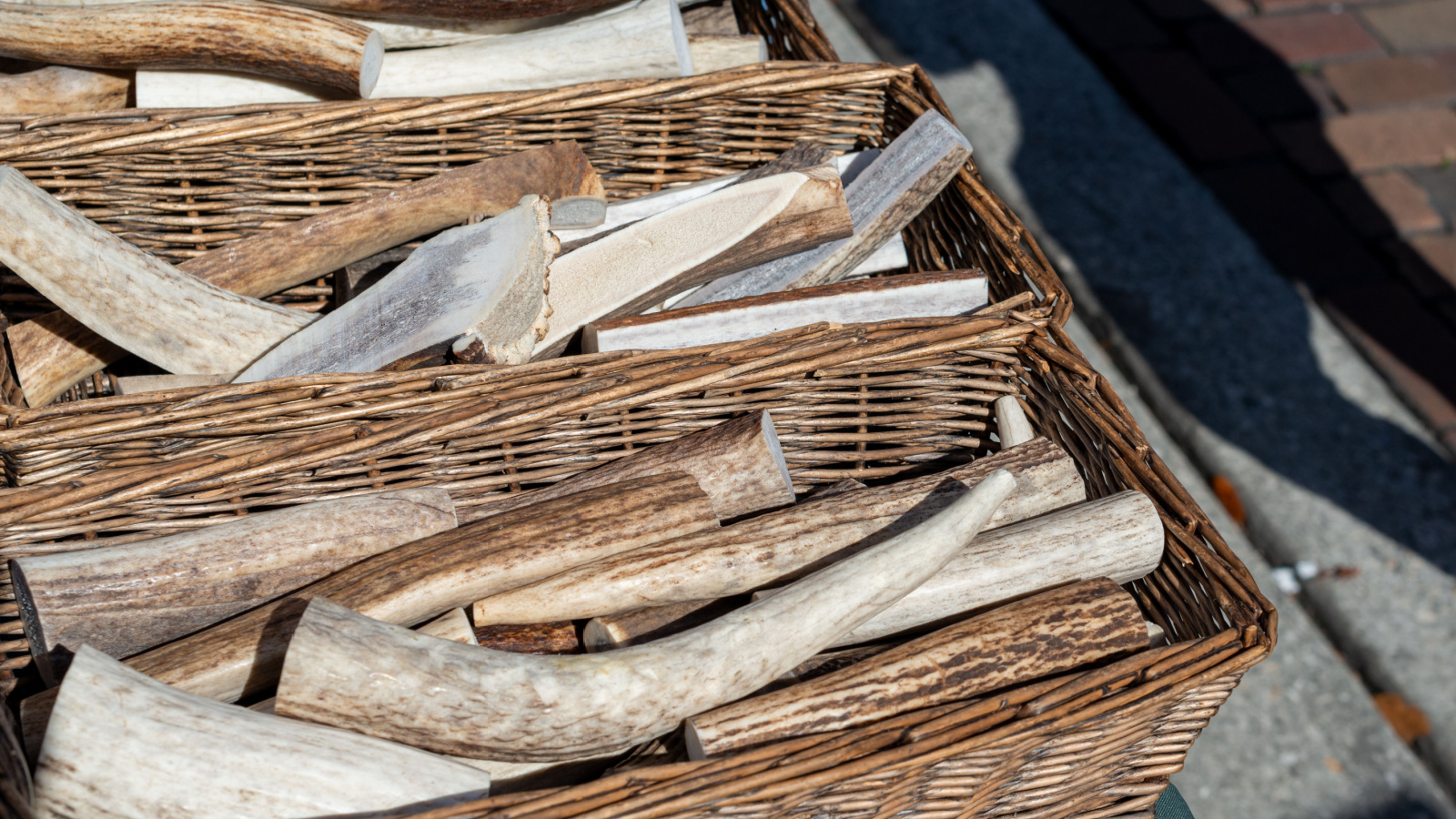
Many provinces regulate the collection of shed antlers from forests. In some areas, picking them up without a permit is illegal. British Columbia and Alberta have seasonal closures. The goal is to reduce stress on wildlife in winter. People searching for antlers often disturb feeding grounds. Disturbance during cold months can harm deer and elk. Fines vary by province and can reach thousands. Some areas ban antler collection entirely. Always check local regulations before taking anything home. What seems harmless can break conservation rules.
Taking Natural Souvenirs from National Parks Is Prohibited

Visitors cannot remove rocks, plants, fossils, or driftwood from national parks. Even small items fall under federal protection laws. Parks Canada treats natural objects as protected resources. Taking them home can result in fines or charges. The rule applies to shells, feathers, and bones. Cultural artifacts are also protected. Officers conduct spot checks during busy seasons. Signs warn visitors at most entrances. These rules help preserve landscapes for future generations. Leave everything where you found it.
Harassing Wildlife Is a Criminal Offense

Chasing, yelling at, or throwing objects at wildlife is illegal. This includes trying to make animals move for photos. Harassment disrupts natural behavior and increases stress. Under federal and provincial laws, offenders face heavy fines. Charges may apply under the Criminal Code in serious cases. Snowmobilers and boaters are often warned about this rule. Disturbing nesting birds can lead to separate penalties. Wildlife officers rely on witness reports and photos. Respectful distance is required at all times.
Keeping Wild Animals as Pets Is Largely Banned

Most provinces restrict keeping native wildlife as pets. That includes raccoons, foxes, and many reptiles. Permits are rare and usually limited to rehabilitation centers. Capturing wildlife without authorization is illegal. Fines can include seizure of the animal. Some species fall under federal laws as well. Exotic animals face separate restrictions. Even injured wildlife must be reported to licensed rehabilitators. Trying to care for them at home can lead to charges. Wildlife belongs in the wild.
Destroying Bird Nests Is Illegal
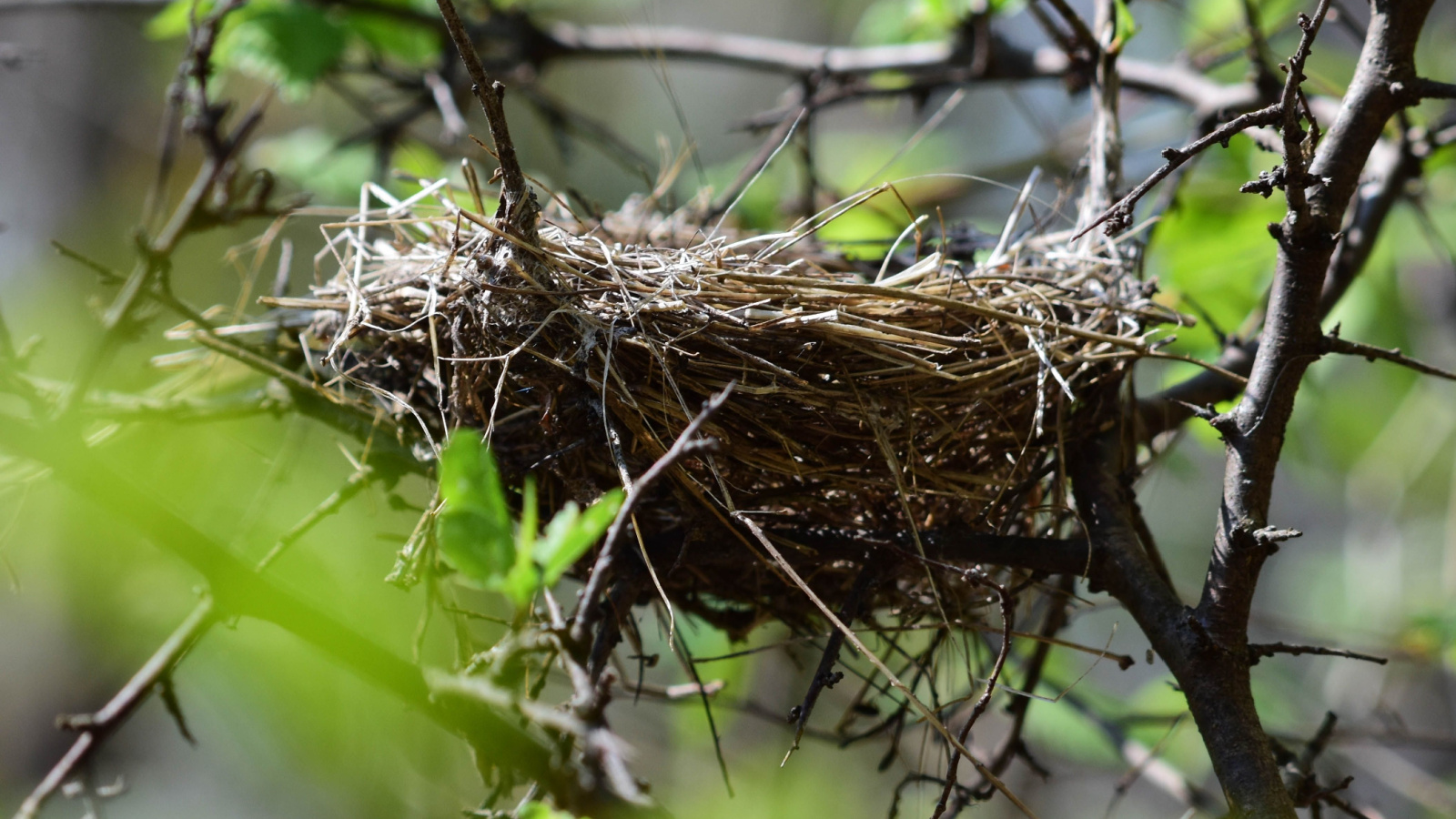
The Migratory Birds Convention Act protects many bird species. Destroying active nests is illegal across Canada. That includes removing nests from trees or buildings. Property owners must check before trimming branches. Construction crews face serious penalties for violations. Some species receive year-round protection. Fines can reach tens of thousands of dollars. Businesses have faced prosecution for nest destruction. Always confirm whether a nest is active. Professional guidance may be required before removal.
Using Bait in Certain Hunting Zones Is Prohibited
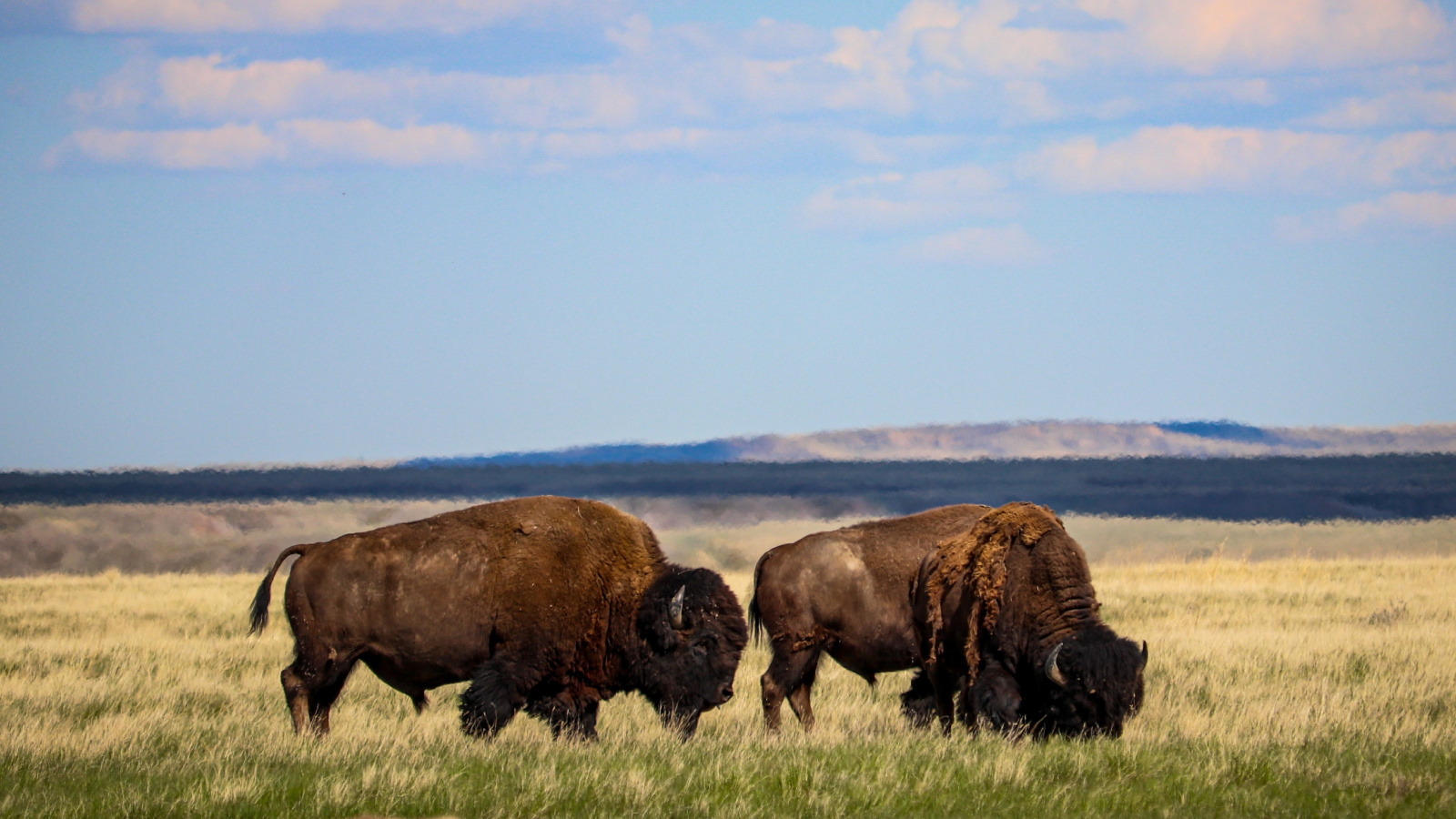
Some provinces restrict baiting for hunting certain species. Rules differ by region and season. Using bait where banned can void hunting licenses. Conservation officers conduct inspections during hunting season. Violations may lead to equipment seizure. Baiting alters animal movement patterns. It can also increase disease transmission. Hunters must review annual regulation summaries carefully. Ignorance does not excuse violations. Penalties often include significant fines and suspensions.
Transporting Firewood Across Regions Is Restricted

Moving firewood between regions spreads invasive pests. Emerald ash borer has damaged forests nationwide. Many parks prohibit outside firewood entirely. Some provinces restrict transport across boundaries. Fines apply for noncompliance. Campgrounds often sell approved firewood onsite. Signs warn drivers near park entrances. Invasive insects can hide under bark. One load of wood can introduce new infestations. Always buy firewood locally when camping.
Off-Road Vehicles Are Limited in Wildlife Areas
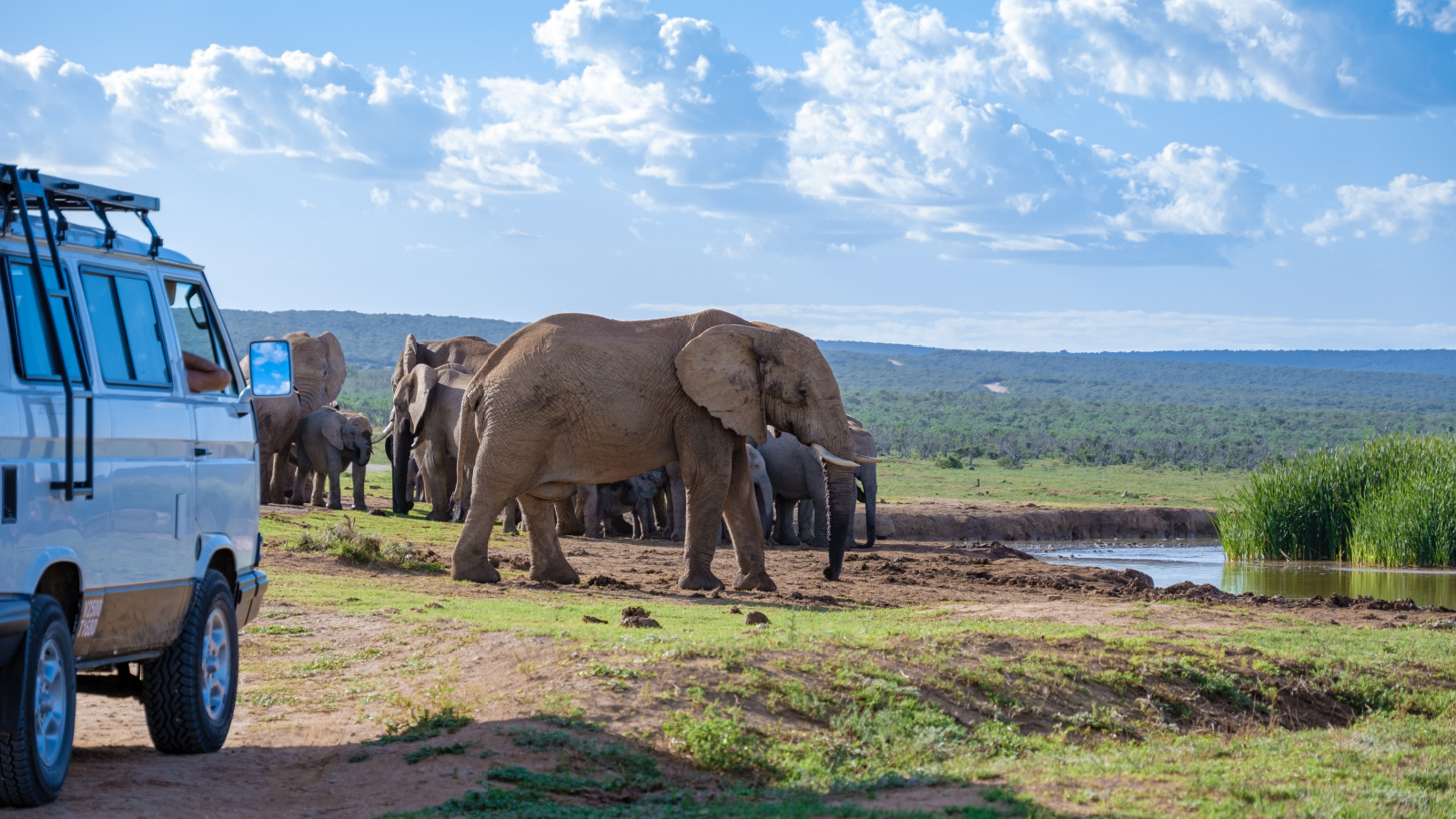
ATVs and dirt bikes face strict trail restrictions. Many wildlife areas ban motorized vehicles completely. Driving off designated trails damages habitats. Wetlands are particularly vulnerable. Fines vary by province and can be steep. Conservation officers patrol during peak seasons. Tire tracks in protected areas can lead to charges. Riders must respect posted signage. Access rules change throughout the year. Check maps before entering sensitive zones.
Fishing Without Proper Tags Leads to Heavy Penalties

Fishing licenses are mandatory across Canada. Some species require additional conservation tags. Catch limits apply daily and seasonally. Officers conduct random checks at lakes and rivers. Exceeding limits can trigger large fines. Illegal possession counts even if the fish were caught elsewhere. Barbless hook requirements exist in some areas. Regulations change yearly. Anglers must review updated summaries before trips. Keeping undersized fish is also illegal.
Relocating Wildlife Is Against the Law

Moving wildlife to another location without approval is illegal. People sometimes relocate raccoons or squirrels themselves. This practice spreads disease and disrupts territories. Provinces regulate wildlife control strictly. Licensed professionals must handle removal. Releasing animals outside approved zones leads to fines. Relocation rarely solves human-wildlife conflicts. Many animals attempt to return and die in transit. Contact local authorities for proper assistance.
Collecting Endangered Plants Is Illegal
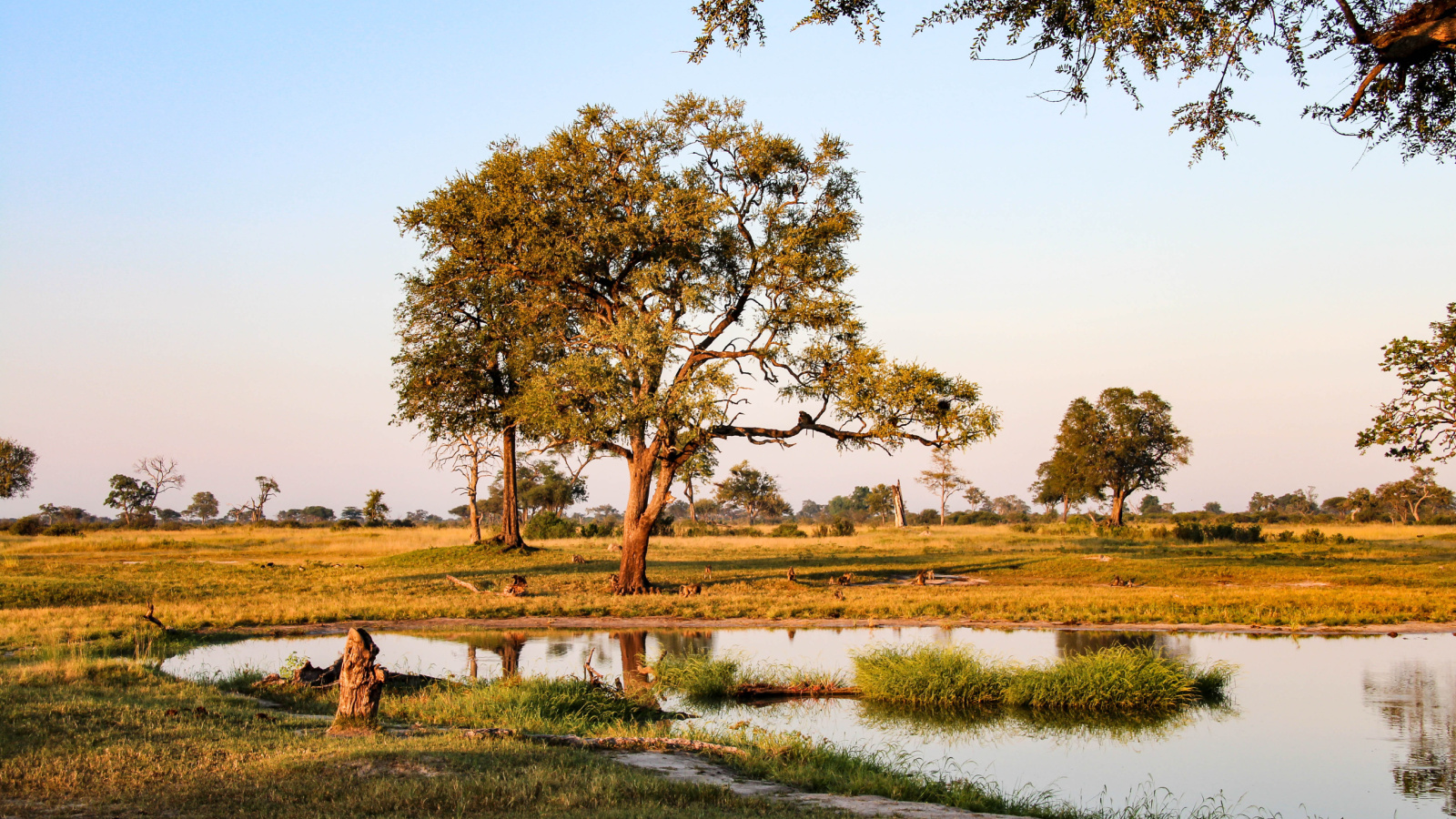
Endangered and threatened plants receive legal protection. Removing them from public land is prohibited. Some species also receive protection on private property. Conservation laws vary by province. Penalties can include large fines. Rare orchids and prairie grasses are common targets. Even digging up seeds can violate regulations. Plant poaching harms fragile ecosystems. Always verify species status before harvesting anything wild.
Drone Use Near Wildlife Is Restricted

Drones disturb animals and nesting birds. Parks Canada bans recreational drone use without permits. Provincial parks have similar restrictions. Flying near wildlife can lead to immediate fines. Drones cause stress responses in many species. Some animals abandon nests after repeated disturbance. Operators must follow Transport Canada guidelines as well. Violations may involve multiple agencies. Always confirm drone rules before launching.
Feeding Bears Can Result in Criminal Charges

Feeding bears carries severe penalties in many provinces. British Columbia has specific laws addressing attractants. Leaving garbage unsecured can count as feeding. Officers may issue large fines. Repeat violations can lead to court appearances. Bears that associate humans with food become dangerous. Many are destroyed after incidents. Communities post strict garbage guidelines. Securing food protects neighborhoods and wildlife.
Importing Wildlife Parts Requires Permits
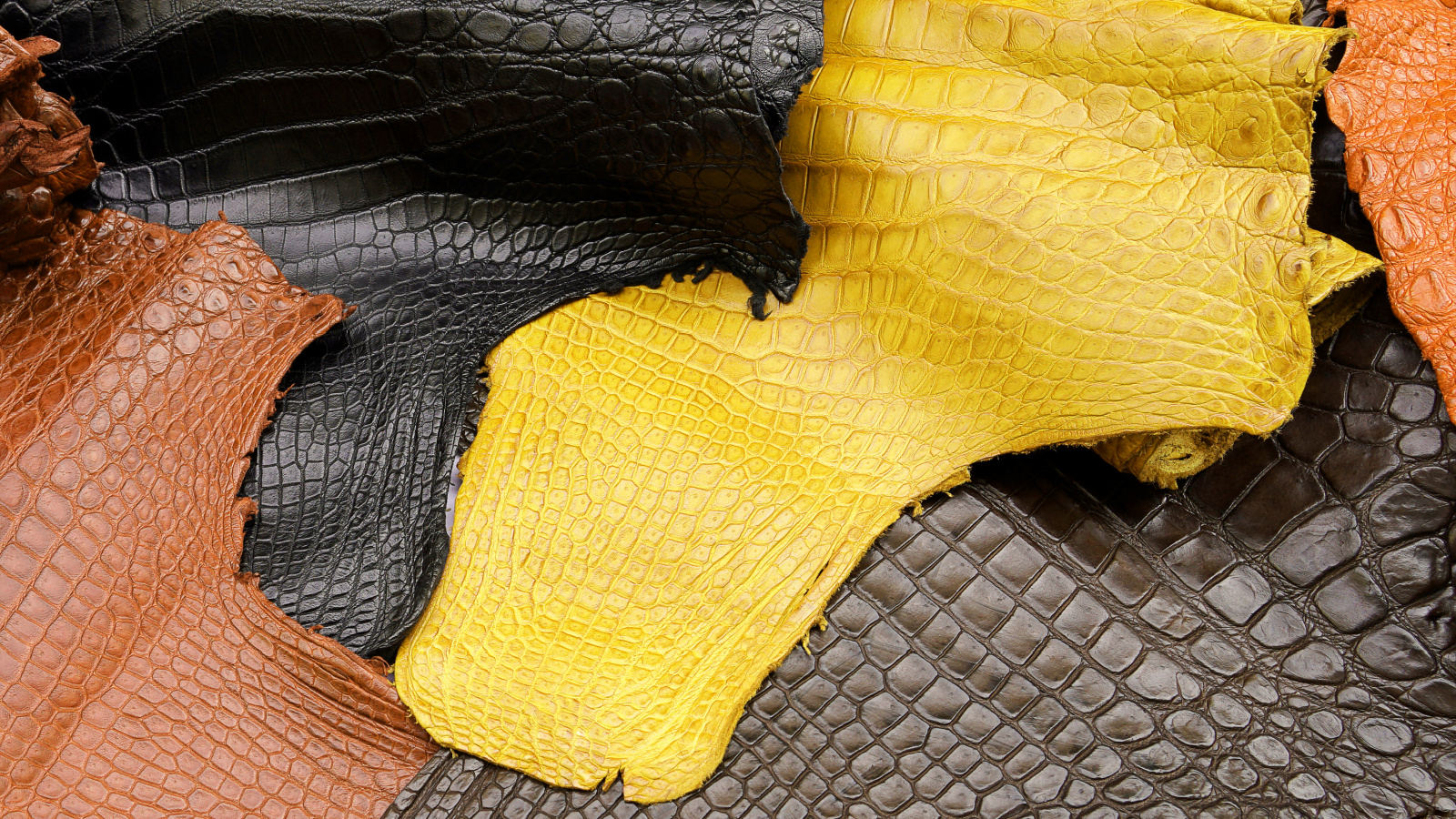
Bringing wildlife products across borders requires proper permits and declarations. This includes ivory, animal skins, coral, and certain shells. Canada follows international conservation agreements that restrict trade. Border officers routinely inspect luggage for undeclared wildlife items. Even legally purchased souvenirs from abroad may be prohibited here. Failing to declare these products can lead to seizure and fines. In serious cases, criminal charges apply. Always review federal import rules before traveling. When in doubt, declare the item and ask questions at customs.
Hunting on Private Land Without Permission Is Illegal

Hunters must secure permission before entering private property. Verbal approval may not be enough in some provinces. Written consent is sometimes required during hunting season. Trespassing laws apply alongside wildlife regulations. Entering land without consent can lead to fines and license suspension. Landowners often report unauthorized access quickly. Officers respond fast during peak hunting months. Respecting property lines is part of ethical hunting. Check maps carefully before setting up. When unsure, contact the landowner directly to avoid penalties.
Disturbing Marine Mammals Is Strictly Regulated
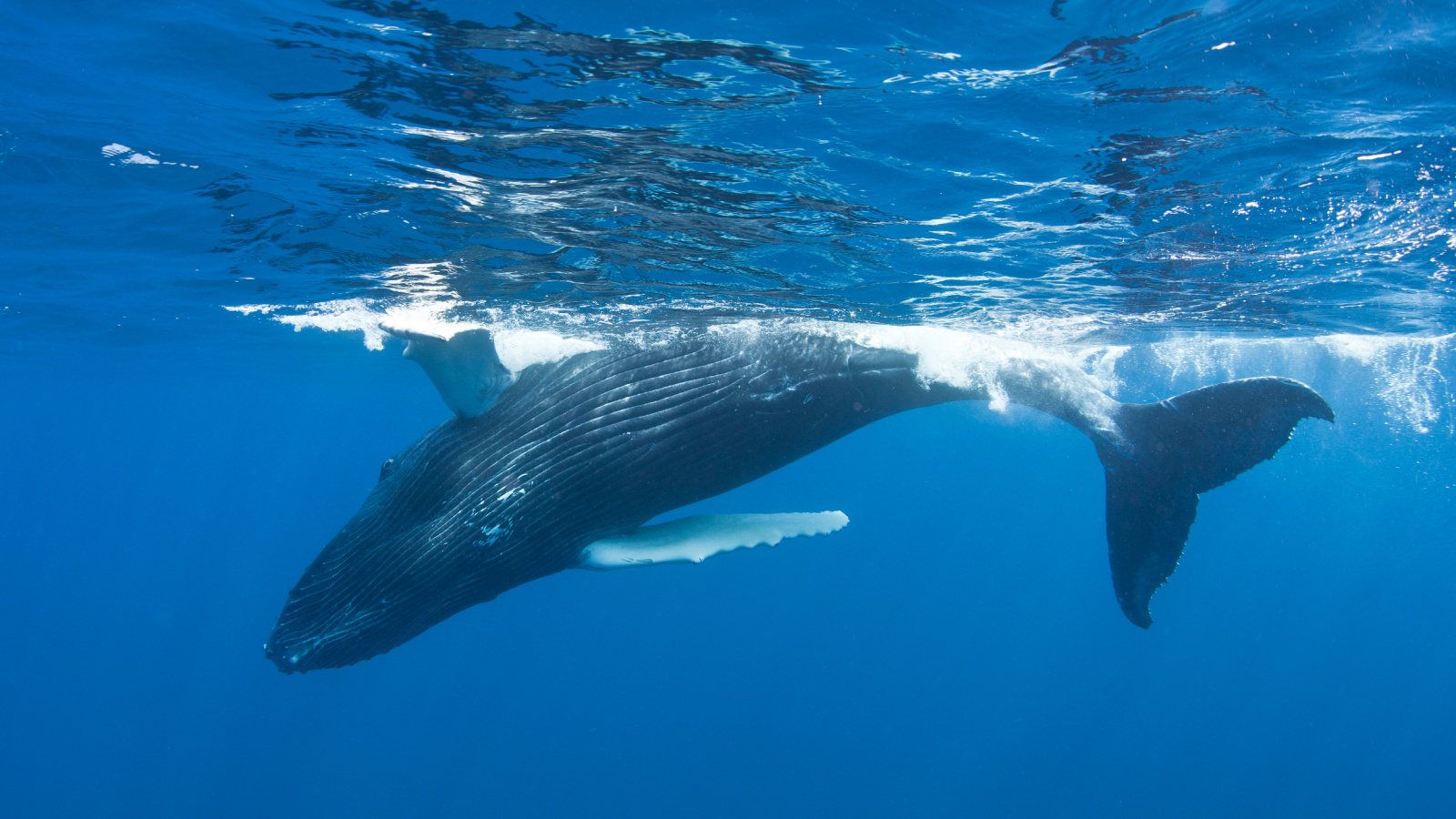
Whales, seals, and dolphins are protected under federal law. Boats must maintain minimum approach distances in Canadian waters. Rules apply to kayaks, paddleboards, and tour vessels. Approaching too closely can trigger large fines. Feeding or attempting to swim with marine mammals is prohibited. Noise disturbance may also violate regulations. Fisheries officers patrol busy coastal regions. Violations can result in court appearances and vessel restrictions. Always follow posted marine wildlife guidelines. Keeping distance protects fragile migration and feeding patterns.
Night Hunting with Spotlights Is Banned in Many Areas
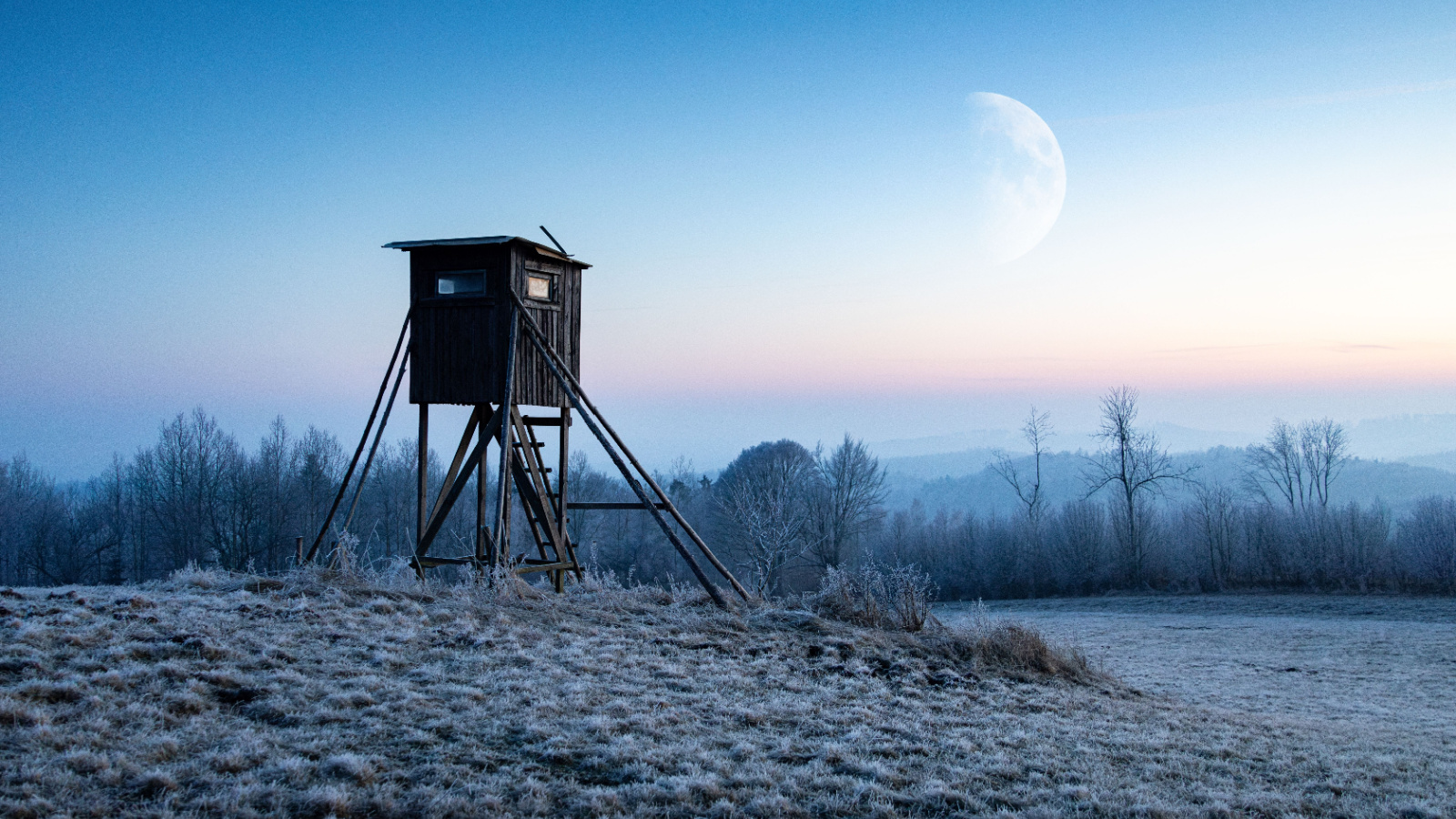
Using spotlights to locate wildlife at night is illegal in many provinces. Artificial light can disorient animals and create safety risks. Authorities often treat spotlighting as suspected poaching activity. Conservation officers patrol rural roads after dark. Charges may include weapon seizure and license suspension. Even shining lights into fields from vehicles can raise suspicion. Rules vary by hunting zone and species. Always review local regulations before nighttime activity.
Collecting Feathers Without Authorization Is Illegal

Many bird species in Canada are protected under federal law. Collecting feathers without authorization is generally prohibited. The rule applies even if the feather is found on the ground. Laws aim to discourage illegal hunting and trade. Officers treat possession of protected feathers seriously. Cultural and educational permits exist but require documentation. Fines can be substantial for violations. Never assume common birds are exempt from protection. When uncertain, leave feathers where they are and avoid legal trouble.
22 Groceries to Grab Now—Before another Price Shock Hits Canada

Food prices in Canada have been steadily climbing, and another spike could make your grocery bill feel like a mortgage payment. According to Statistics Canada, food inflation remains about 3.7% higher than last year, with essentials like bread, dairy, and fresh produce leading the surge. Some items are expected to rise even further due to transportation costs, droughts, and import tariffs. Here are 22 groceries to grab now before another price shock hits Canada.
22 Groceries to Grab Now—Before another Price Shock Hits Canada
This Options Discord Chat is The Real Deal
While the internet is scoured with trading chat rooms, many of which even charge upwards of thousands of dollars to join, this smaller options trading discord chatroom is the real deal and actually providing valuable trade setups, education, and community without the noise and spam of the larger more expensive rooms. With a incredibly low-cost monthly fee, Options Trading Club (click here to see their reviews) requires an application to join ensuring that every member is dedicated and serious about taking their trading to the next level. If you are looking for a change in your trading strategies, then click here to apply for a membership.