35,000+ smart investors are already getting financial news, market signals, and macro shifts in the economy that could impact their money next with our FREE weekly newsletter. Get ahead of what the crowd finds out too late. Click Here to Subscribe for FREE.
Warehouse stores can feel especially appealing in summer, when barbecues, cottage weekends, camping trips, family gatherings and thirsty households create reasons to buy almost everything in larger quantities. Yet an oversized cart does not automatically produce oversized savings. Bulk packaging, seasonal promotions, membership costs and warm-weather food handling can all change the calculation. A seemingly sensible purchase can become expensive when half the berries spoil, frozen food warms during the drive home or a giant package simply encourages faster consumption. These 21 mistakes Canadians make when shopping warehouse stores in summer show why the smartest trip is often less about filling the cart and more about comparing quantities, planning storage, understanding retailer policies and protecting perishable food once it leaves the building.
Assuming the Biggest Package Must Be the Best Deal
21 Mistakes Canadians Make When Shopping Warehouse Stores in Summer
- Assuming the Biggest Package Must Be the Best Deal
- Comparing Sticker Prices Instead of Unit Prices
- Buying More Perishable Food Than the Household Can Finish
- Picking Up Frozen and Refrigerated Food Too Early
- Arriving Hungry and Letting the Cart Grow
- Treating Seasonal Displays and Samples Like a Shopping List
- Buying Summer Produce Without a Storage Plan
- Filling the Refrigerator Beyond What It Can Handle
- Forgetting That Membership Has a Cost
- Assuming Every Purchase Can Be Returned Whenever
- Driving Too Far Just to Save a Little on Gas
- Treating a Best-Before Date as an Automatic Safety Deadline
- Assuming “Expiration Date” Means the Same Thing
- Ignoring Food Recalls Because the Product Came From a Major Store
- Packing Raw Meat Beside Ready-to-Eat Food
- Leaving the Groceries in a Hot Car While Running More Errands
- Heading to the Cottage Without Enough Cooler Space
- Assuming Giant Snack Packages Have No Effect on Consumption
- Assuming the Online Price Matches the Warehouse Price
- Stopping Price Comparisons Because the Store Is a Warehouse
- Walking In Without a List, Meal Plan or Spending Target
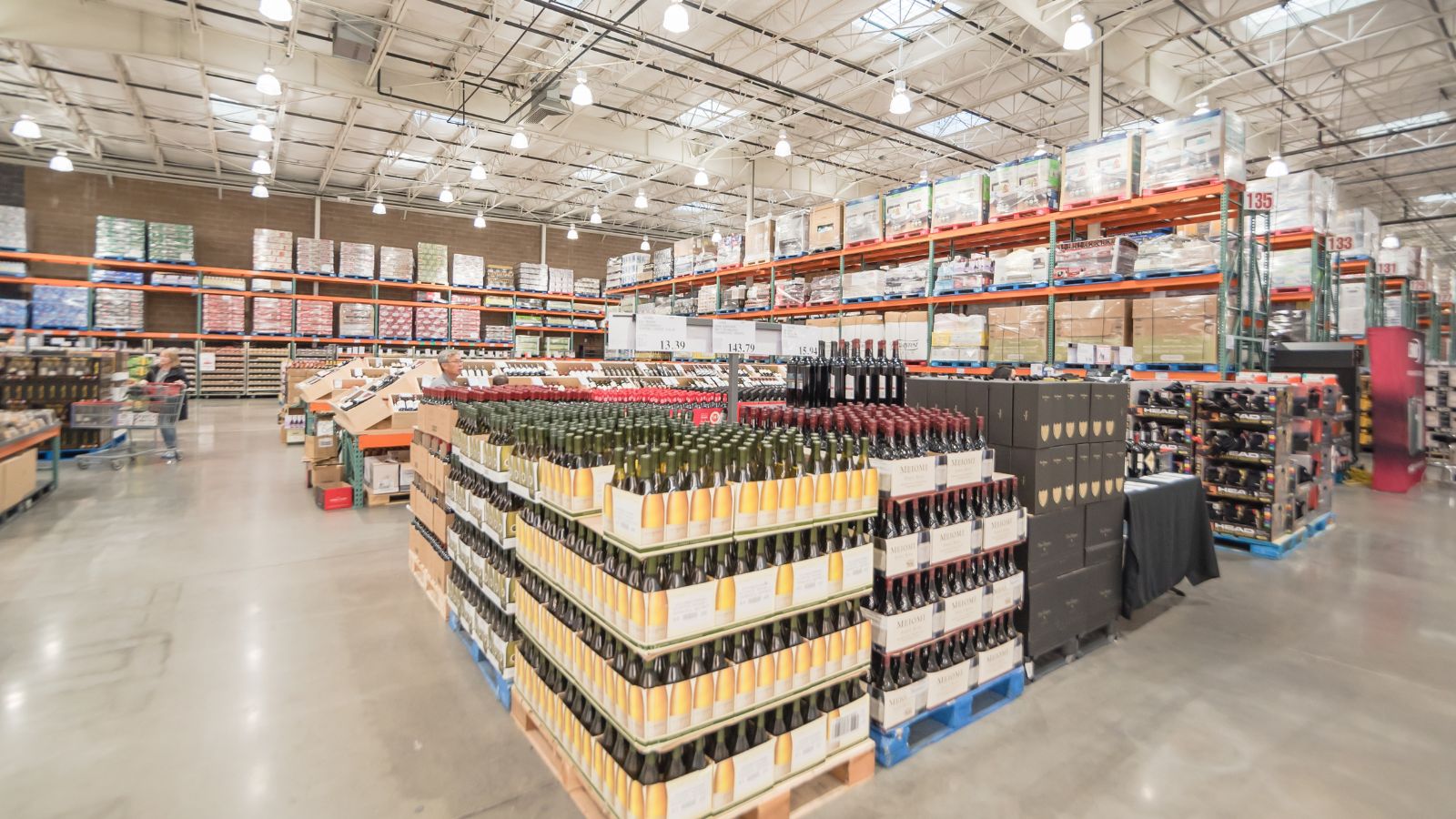
The warehouse-store formula encourages a simple mental shortcut: bigger package, lower price. That assumption can be costly. Canada’s Competition Bureau specifically highlights unit pricing as a useful way to compare products sold in different package sizes. A family-size box costing more overall may offer a lower price per kilogram, litre or item—but the package size itself proves nothing. Regular supermarkets can also run promotions that change the comparison considerably.
Summer makes the calculation more important because shoppers often buy for barbecues, cottage trips and visiting relatives. A 24-pack of something may look economical beside a six-pack, but savings disappear if a third of it remains unused. Before treating the largest package as the winner, divide the price by weight, volume or count. Warehouse shopping works best when quantity and consumption actually match; otherwise, shoppers may simply be converting a low unit price into a high total bill.
Comparing Sticker Prices Instead of Unit Prices
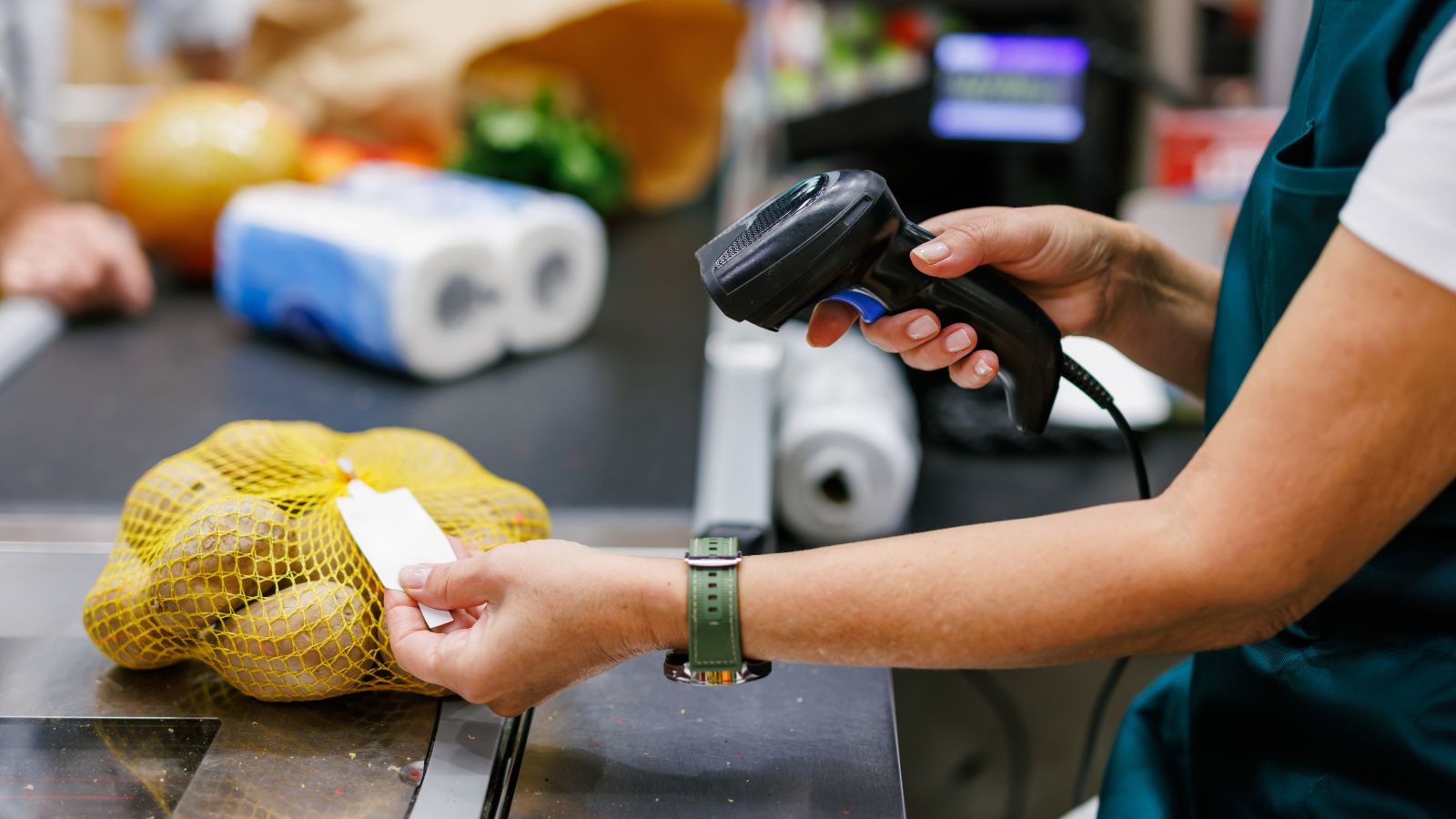
A $14 package beside a $10 package can make the cheaper-looking choice seem obvious, even though the containers may hold dramatically different quantities. This is exactly why unit pricing matters. The Competition Bureau has said that unit prices help Canadians compare similar groceries offered in different package sizes without relying on mental arithmetic. Warehouse stores, where packages frequently differ from conventional grocery-store formats, make this comparison particularly valuable.
Consider coffee, cheese, cereal or laundry products. One retailer may sell 1.2 kilograms while another sells 900 grams, making the shelf prices difficult to compare fairly. Concentrated products can complicate the calculation further because the cheapest price per bottle may not equal the cheapest price per use. Summer stock-up trips often involve dozens of products, so these small differences accumulate. Checking dollars per kilogram, litre, 100 grams or individual unit provides a better measure of value than simply deciding that the warehouse-sized package “looks like more for the money.”
Buying More Perishable Food Than the Household Can Finish
A giant package only saves money if enough of it gets eaten. Environment and Climate Change Canada identifies over-purchasing, insufficient meal planning and limited grocery-list use among the causes of avoidable household food waste. The problem becomes particularly noticeable with warehouse-sized fresh products: salad greens, berries, bakery items, cheese, deli foods and prepared meals can arrive home in quantities larger than an ordinary household’s weekly routine requires.
Summer can make overbuying easier to justify. A family may imagine several backyard dinners or spontaneous visitors and purchase accordingly, only for plans to change. The bargain-sized container then becomes a race against spoilage. A useful test is to decide before checkout exactly how the food will be used, frozen or shared. If a household normally finishes one container of strawberries in a week, buying three simply because the price per kilogram is attractive is not automatically economical. Waste is still money that left the grocery budget.
Picking Up Frozen and Refrigerated Food Too Early
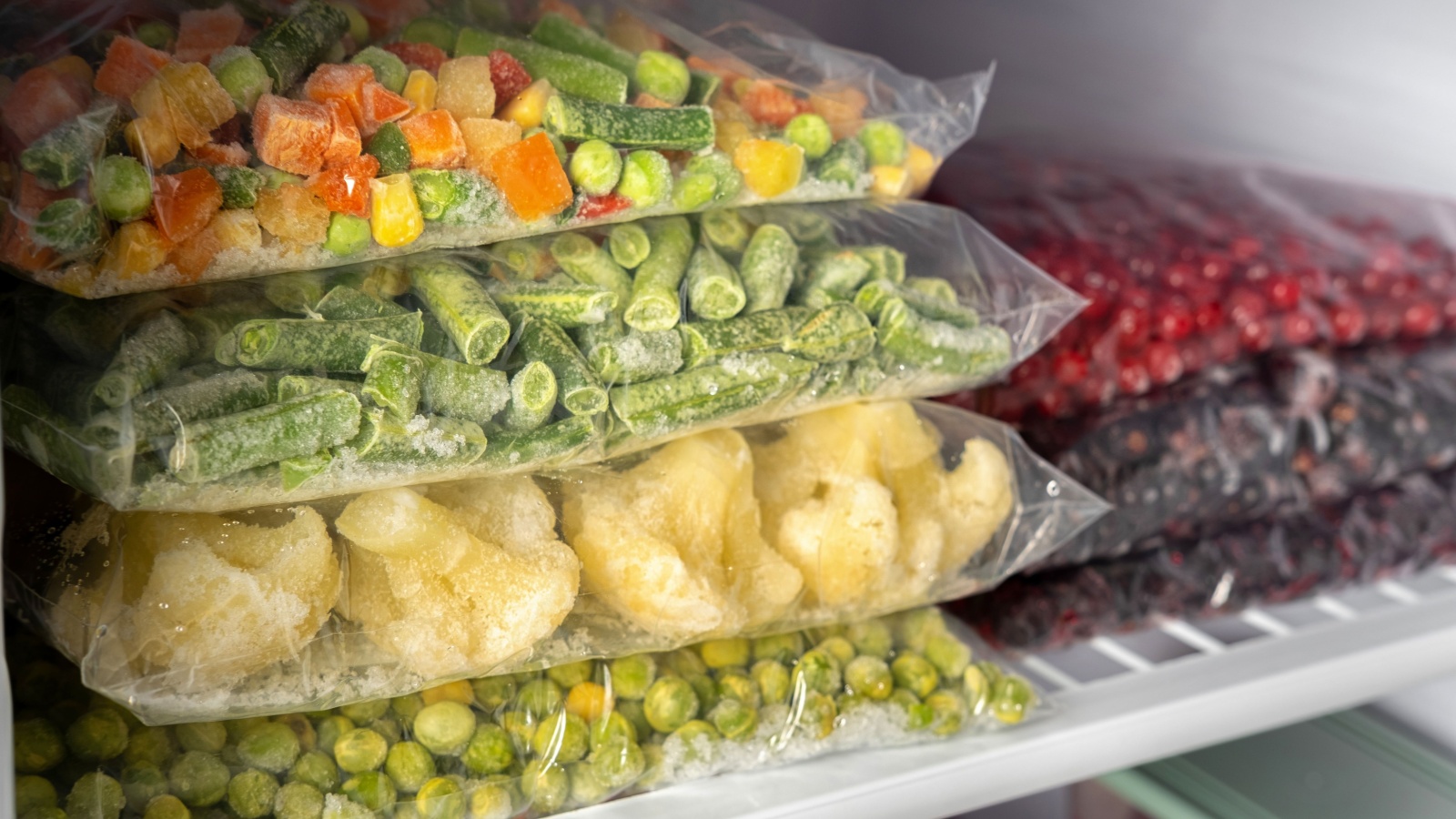
A leisurely warehouse trip can last considerably longer than expected once shoppers browse seasonal merchandise, clothing, electronics or household goods. That makes it a mistake to begin with ice cream, frozen meat or refrigerated products. Health Canada advises shoppers to select cold and frozen foods near the end of the shopping trip and to refrigerate or freeze them promptly after arriving home.
Temperature control matters because Canada’s food-safety guidance identifies 4°C to 60°C as the temperature “danger zone” in which bacteria can grow quickly. During summer, the journey from freezer case to home freezer can include checkout lines, a hot parking lot and another errand on the way home. A better routine is to shop shelf-stable and non-food aisles first, then produce, meat, dairy and frozen products. Bringing insulated bags or a cooler adds protection when the drive home is lengthy. Browsing patio furniture can wait; melting groceries cannot.
Arriving Hungry and Letting the Cart Grow
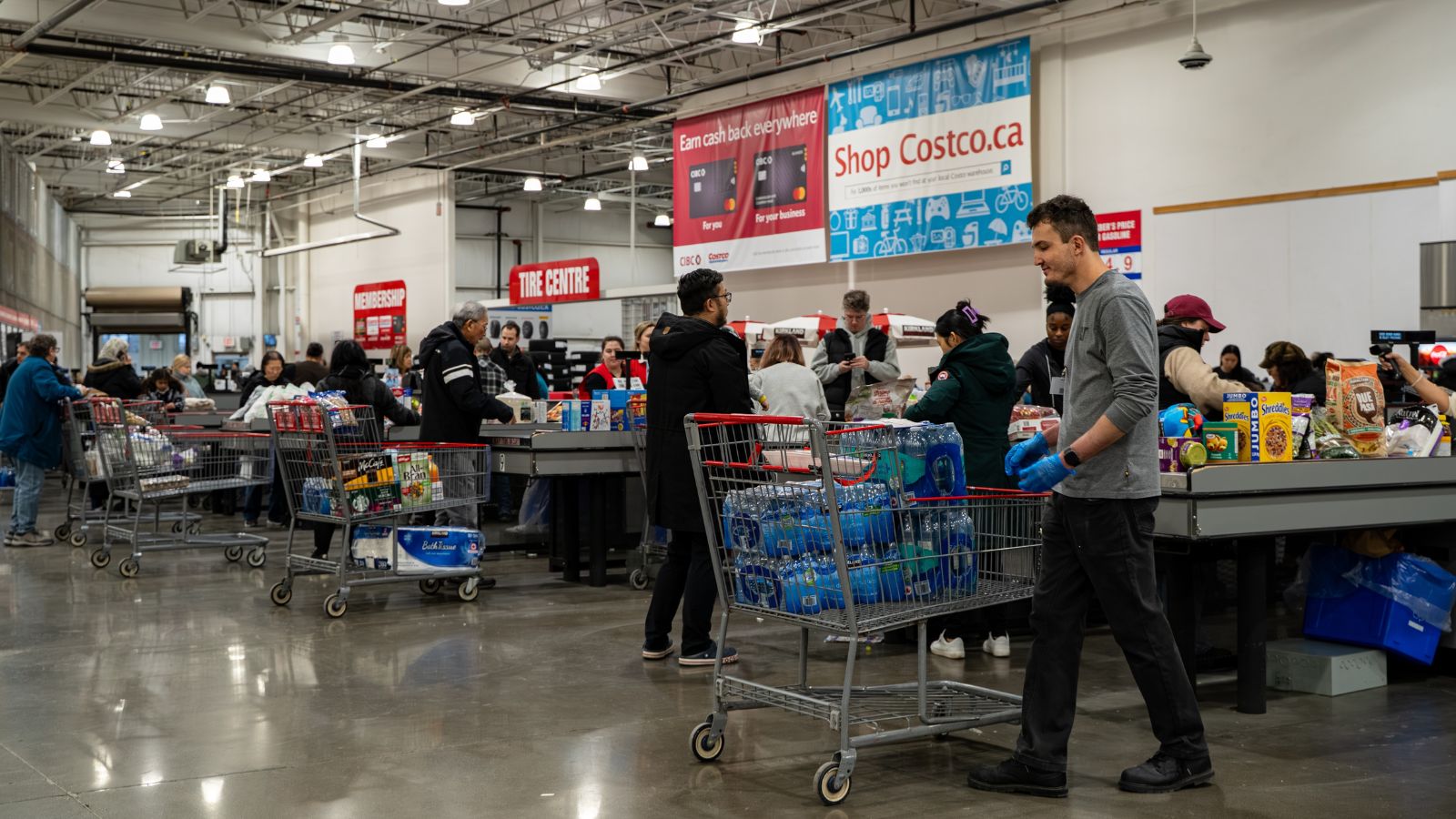
Warehouse carts are large, packages are generous and food displays are designed to be noticed. Adding hunger to that environment can make restraint difficult. Canada’s Food Guide specifically advises people not to grocery shop on an empty stomach, noting that hunger may lead shoppers to buy foods they do not need. That recommendation carries particular weight where a single impulsive choice might mean purchasing 20 servings rather than two.
Summer shopping adds temptation through barbecue foods, cold drinks, desserts, snacks and convenient prepared meals. A hungry shopper may picture every oversized package being useful at the next picnic, even when no picnic is actually scheduled. Eating beforehand does not eliminate impulse buying, but it removes one powerful reason for putting extra food in the cart. A written list can help as well. The difference between an unplanned $5 snack and an unplanned $25 bulk package is significant, especially when several spontaneous additions appear during the same warehouse trip.
Treating Seasonal Displays and Samples Like a Shopping List
The entrance to a warehouse store can quickly turn summer into a shopping occasion. Patio accessories, coolers, outdoor games, barbecue equipment and seasonal food promotions can make items feel timely even when they were never part of the household budget. Health Canada advises consumers to notice how marketing affects grocery choices and specifically identifies free samples, promotional items, product placement and colourful packaging as influences that can affect purchases.
None of those tactics makes a product a bad purchase. The mistake is allowing the display to create the need. Someone who arrived for groceries can easily leave with a beach shelter, party-size snacks and grilling accessories because each item seemed useful in isolation. A practical approach is to distinguish planned seasonal purchases from discoveries. When an unexpected $80 or $150 item appears, taking a photograph or noting the product number and reconsidering it later can prevent an attractive display from becoming an expensive decision made in minutes.
Buying Summer Produce Without a Storage Plan
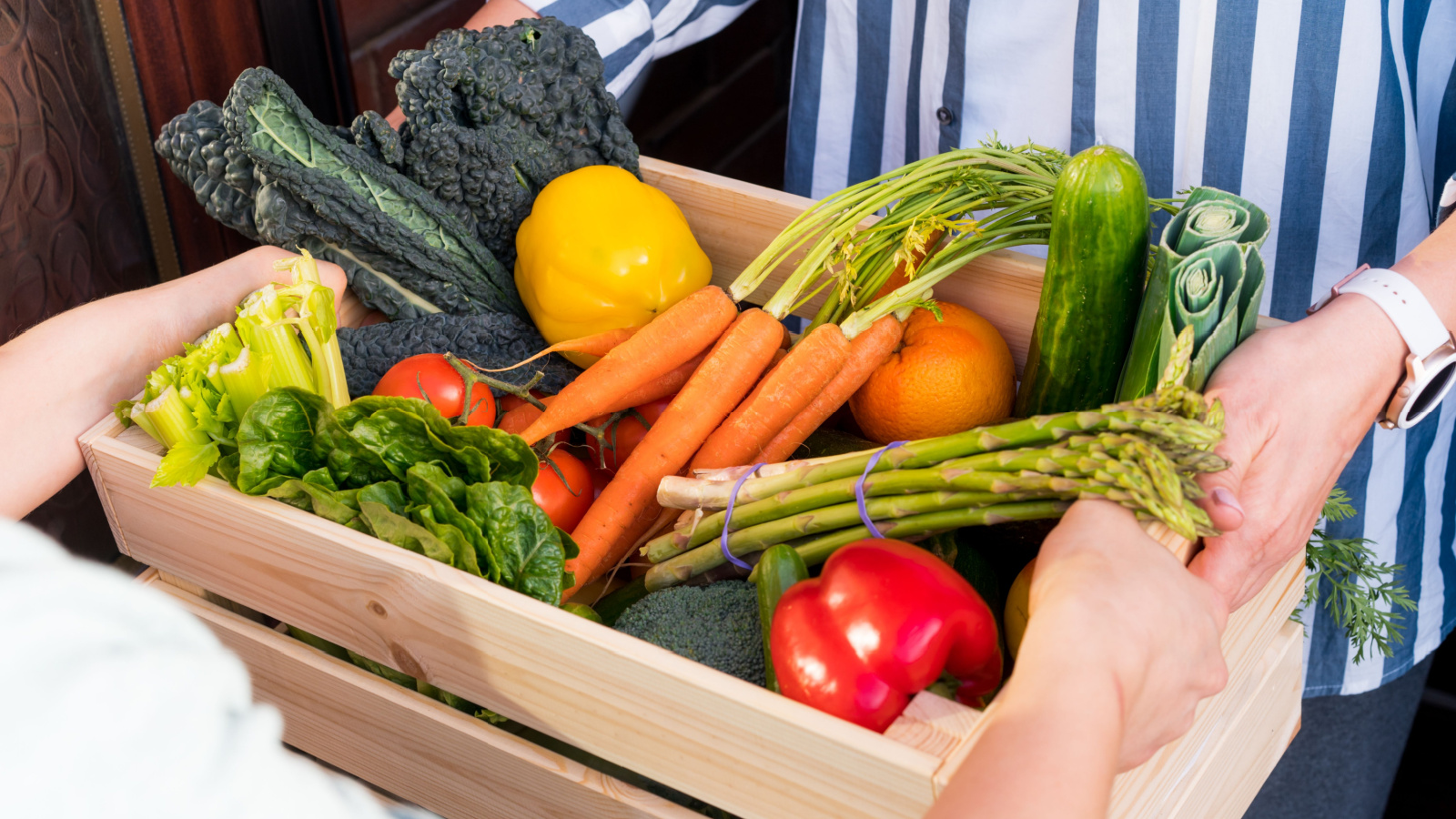
Cases of peaches, oversized berry containers and large bags of vegetables can be among the most inviting summer purchases in a warehouse. They can also become some of the fastest to deteriorate. Health Canada advises consumers to examine produce for bruising or damage and provides specific storage guidance for different fruits and vegetables. Its Food Guide notes that many fruits and vegetables can be frozen successfully, in some cases for up to 12 months when properly prepared and stored.
The key is deciding what happens after the package reaches the kitchen. A household buying several kilograms of berries might refrigerate enough for the next few days and freeze the remainder immediately for smoothies or baking. Vegetables could be incorporated into planned meals or prepared for freezing where appropriate. Without that plan, abundance turns into pressure to eat everything quickly. Buying seasonal produce in quantity can be excellent value, but only when refrigeration, freezing, preserving or sharing is part of the purchase decision rather than an afterthought.
Filling the Refrigerator Beyond What It Can Handle
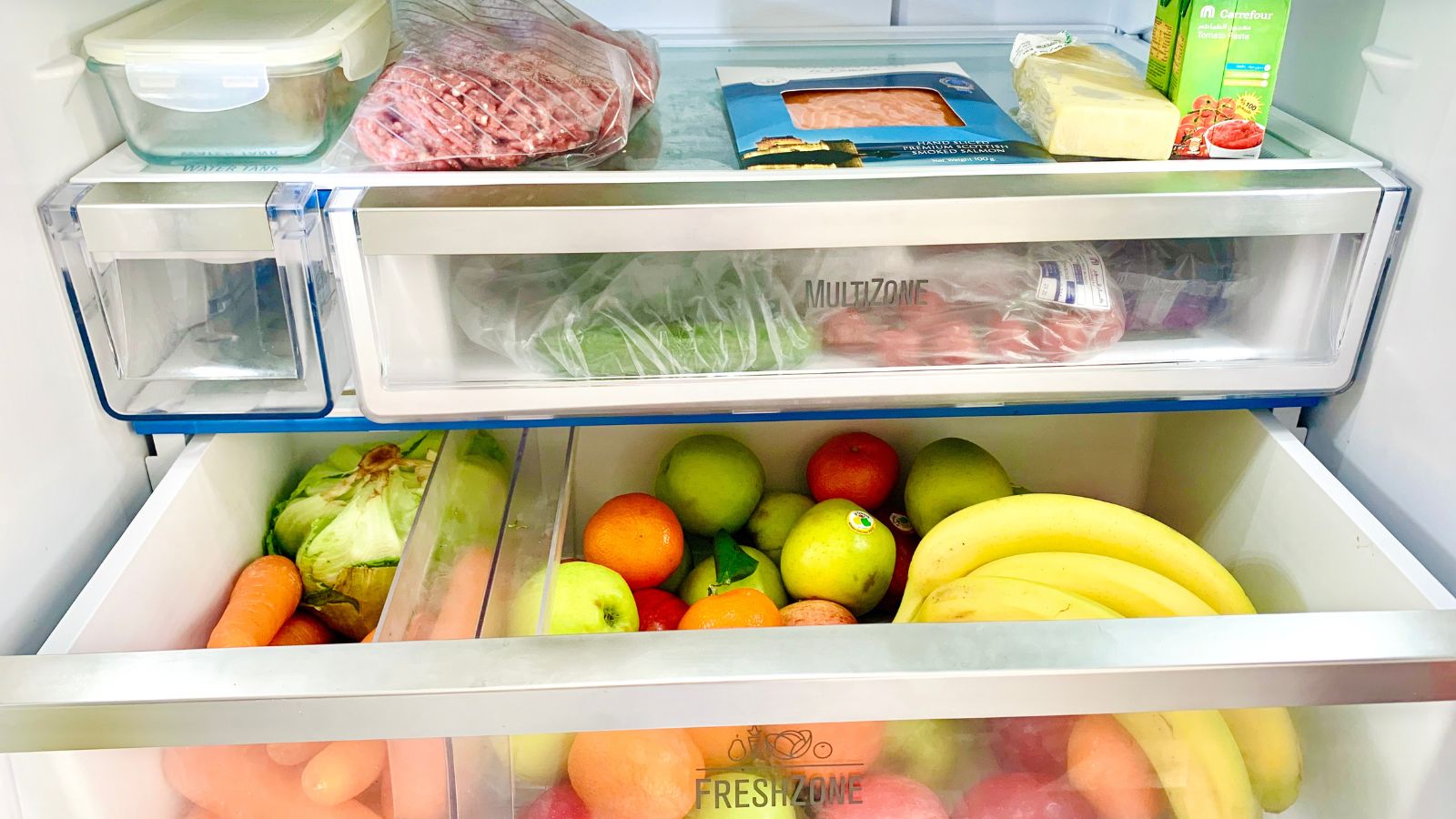
Warehouse shopping often ends with a refrigerator that looks impressively full. That appearance can hide a practical problem: cold air still needs room to circulate. Health Canada advises against overstocking refrigerators because proper circulation helps maintain appropriate cooling. It also recommends keeping refrigerators at 4°C or below and freezers at -18°C or below. Those guidelines matter when a summer stock-up brings home multiple trays of meat, dairy products, produce and prepared foods at once.
Storage capacity should therefore be checked before the trip, not after unloading the car. A bargain on refrigerated food is less useful when shelves are already crowded with leftovers, drinks and condiments. Freezer plans deserve similar attention; buying several large frozen packages only to discover there is nowhere to put them can force immediate cooking or redistribution. A quick fridge-and-freezer inventory before leaving home helps determine how much bulk food the household can realistically accommodate and keeps savings from creating a storage problem.
Forgetting That Membership Has a Cost

Savings at a membership warehouse should be measured after the membership itself is considered. Costco Canada, for example, currently lists its Gold Star membership at C$65 annually before applicable taxes and its Executive membership at C$130. The Executive level offers an approximately 2% annual reward on eligible purchases, subject to conditions and exclusions. Those numbers make membership value something that can be calculated rather than assumed.
A household spending C$1,000 a year at a warehouse store has a different value equation from one spending C$8,000. Fuel, travel products and other services may also have separate reward rules, so simply multiplying every dollar spent by a reward percentage can be misleading. Summer is when occasional shoppers sometimes join for vacations, parties or seasonal purchases, making it a good time to estimate likely annual use. Membership can deliver excellent value, but the relevant question is not how much one trip saved. It is whether total annual savings and benefits exceed the annual cost.
Assuming Every Purchase Can Be Returned Whenever

Generous return policies can make a warehouse purchase feel unusually risk-free, but generous does not mean unlimited. Costco Canada, for example, provides a broad satisfaction guarantee while maintaining specific exceptions. Many electronics and major appliances have a 90-day return period, and other categories—including certain gift cards, tickets, precious metals and customized products—carry restrictions or may be non-refundable.
That distinction becomes important during summer, when warehouse stores sell higher-priced seasonal merchandise such as electronics, outdoor equipment and appliances alongside groceries. A shopper might buy an item for a cottage or family event while assuming there will always be plenty of time to reconsider. The safer approach is to read the policy applicable to the exact product before purchase, particularly when the item costs hundreds or thousands of dollars. Keeping receipts, packaging and warranty information can also simplify problems later. A strong retailer guarantee is valuable, but it should not replace checking the conditions attached to the particular purchase.
Driving Too Far Just to Save a Little on Gas

Warehouse fuel stations can be attractive, but a special trip has costs of its own. Natural Resources Canada notes that fuel consumption is affected by driving behaviour and that unnecessary idling uses fuel; it estimates that ten minutes of idling can burn roughly 0.25 to 0.50 litres. That makes the full economics of a fuel run more complicated than simply comparing the posted cents-per-litre difference.
Imagine a driver making an extra 15-kilometre round trip specifically to fill a relatively small tank, then spending additional time idling or crawling through traffic. Part of the pump discount is consumed getting there. The calculation looks much better when the fuel stop is attached to a warehouse trip already being made. Canadians can compare the expected dollar saving on a fill-up with the fuel and time required for the detour. A lower pump price remains a benefit, but travelling significantly farther solely to obtain it can turn an apparent bargain into marginal savings.
Treating a Best-Before Date as an Automatic Safety Deadline
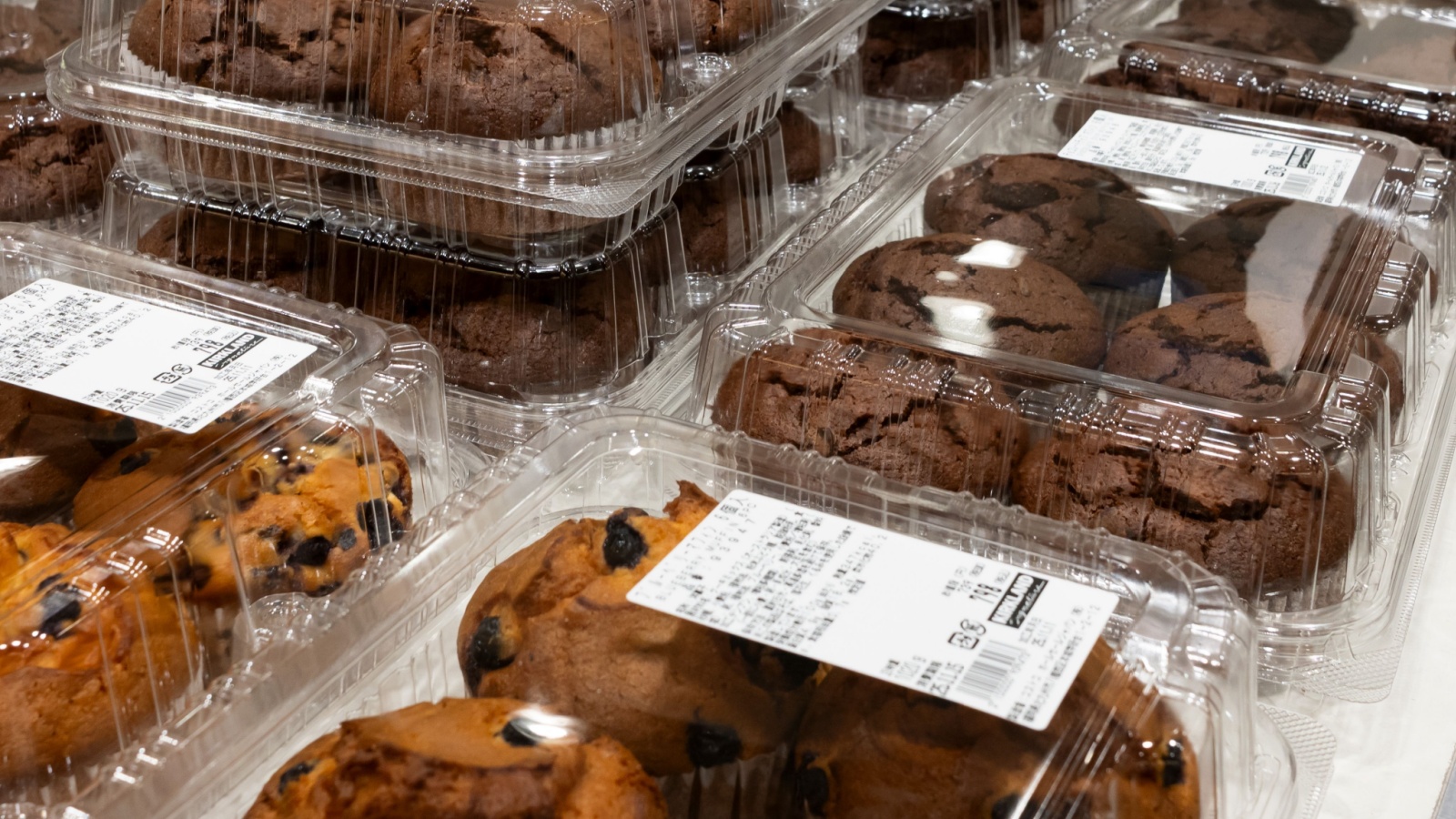
Large food packages make date labels particularly important, yet best-before dates are widely misunderstood. The Canadian Food Inspection Agency states that best-before dates relate primarily to freshness and quality, not food safety, and apply to unopened products. Food may lose flavour, texture or nutritional quality after that date without automatically becoming unsafe. Proper storage and signs of spoilage still matter.
Misunderstanding this can make warehouse shopping more wasteful. Someone might buy a multipack of yogurt, crackers or another dated product and throw out every unopened package as soon as the printed date arrives. At the other extreme, a best-before date should not be treated as a guarantee that mishandled food remains safe until that day. The sensible approach is to understand what the label means, store the product correctly and consider how quickly the household will use the quantity purchased. When a large package is close to its best-before date, the discount only helps if there is a realistic plan to consume it.
Assuming “Expiration Date” Means the Same Thing

The opposite date-label mistake can be more serious: treating an actual expiration date as though it were merely a suggestion about peak quality. In Canada, expiration dates are used on a limited group of products with specific nutritional requirements, including infant formula, meal replacements and certain nutritional products. The Canadian Food Inspection Agency says food should not be bought, sold or consumed once its expiration date has passed.
Warehouse quantities can make this relevant because products may be purchased several units at a time. A large multipack is poor value if the household cannot use it before an applicable expiration date. This is especially worth checking when shopping for specialized nutritional products rather than conventional shelf-stable groceries. Canadians should therefore distinguish “best before” from “expiration” instead of treating every date label identically. One concerns expected freshness and quality under proper storage; the other carries a different regulatory meaning. Understanding that difference can reduce needless waste without encouraging unsafe use of genuinely expired products.
Ignoring Food Recalls Because the Product Came From a Major Store

Large retailers have sophisticated supply chains, but no food system has zero risk. The Canadian Food Inspection Agency reports that it oversees an average of about 155 food recall incidents annually and conducts thousands of food-safety investigations. For the 2025–26 fiscal year, the agency recorded 185 recall incidents and 504 total food recalls, with that unusually high recall total partly connected to a complex Salmonella investigation involving pistachios and related products.
Bulk buying increases the amount of a recalled product that might be sitting in one household. A package can also remain in a pantry or freezer long after the original shopping trip, making recall notices easy to miss. Canadians can check federal recall information when an alert appears and compare the brand, package size, UPC, lot or container code and distribution area with the item at home. A warehouse receipt or digital purchase history can help identify products later. Familiar packaging and a major retailer are not substitutes for recall awareness.
Packing Raw Meat Beside Ready-to-Eat Food
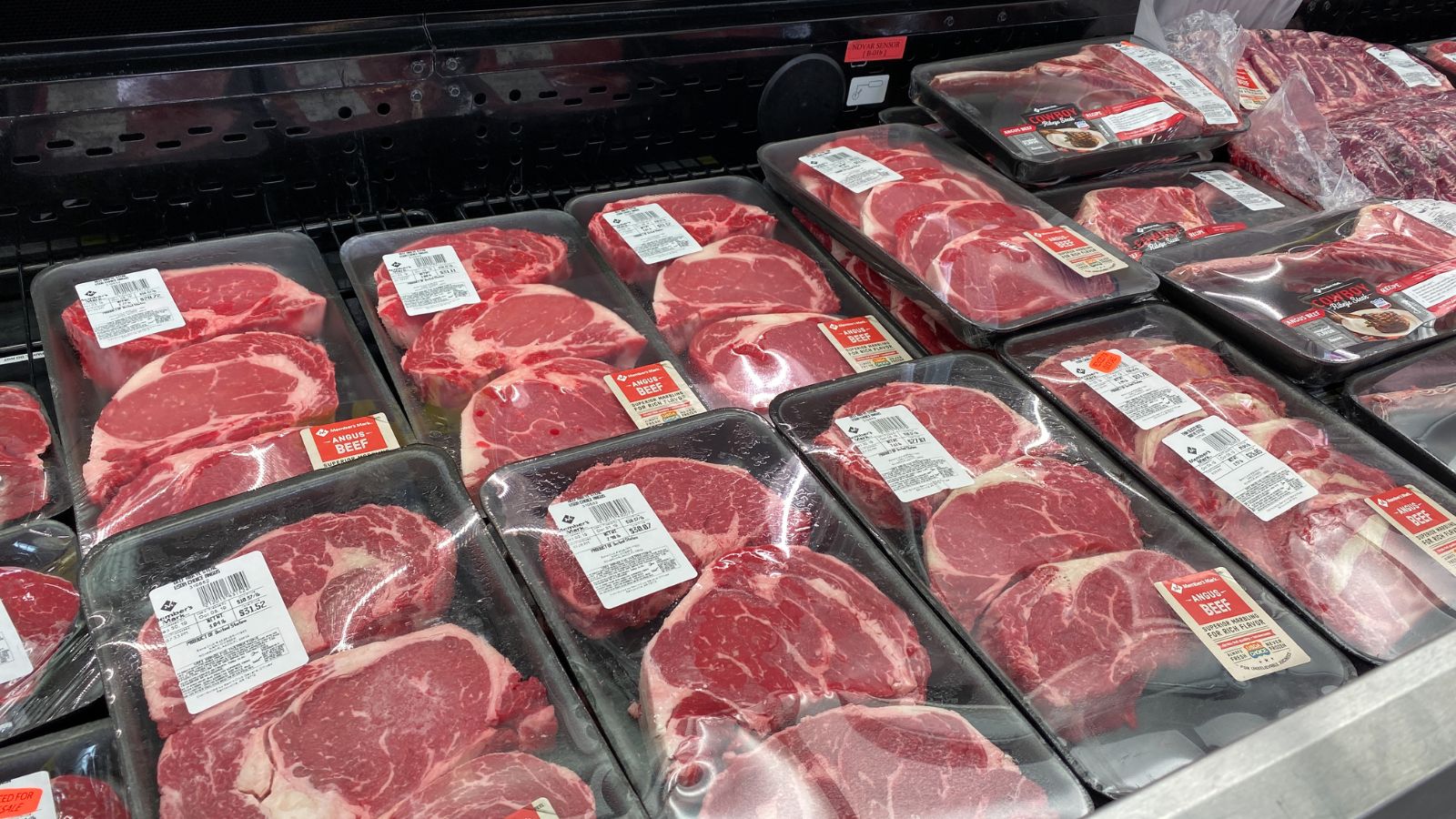
Summer warehouse trips often include large trays of burgers, chicken, steaks or seafood for the barbecue. Putting those packages directly beside fruit, bread or prepared foods creates an unnecessary cross-contamination risk if anything leaks. Health Canada advises keeping raw meat, poultry, fish and seafood separate from other groceries and recommends using designated bags or bins for those items.
The same separation should continue after checkout. A reusable tote used for raw chicken should not later become the bag for buns and produce unless it has been properly cleaned. At home, raw meat should be stored in sealed containers or bags so juices cannot drip onto other food. The scale of warehouse packages makes this particularly relevant: a family-size tray can contain more liquid and occupy more space than a normal grocery package. A simple routine—bag raw products separately, keep them cold, and place them securely during transport—protects both the bulk purchase and everything packed around it.
Leaving the Groceries in a Hot Car While Running More Errands
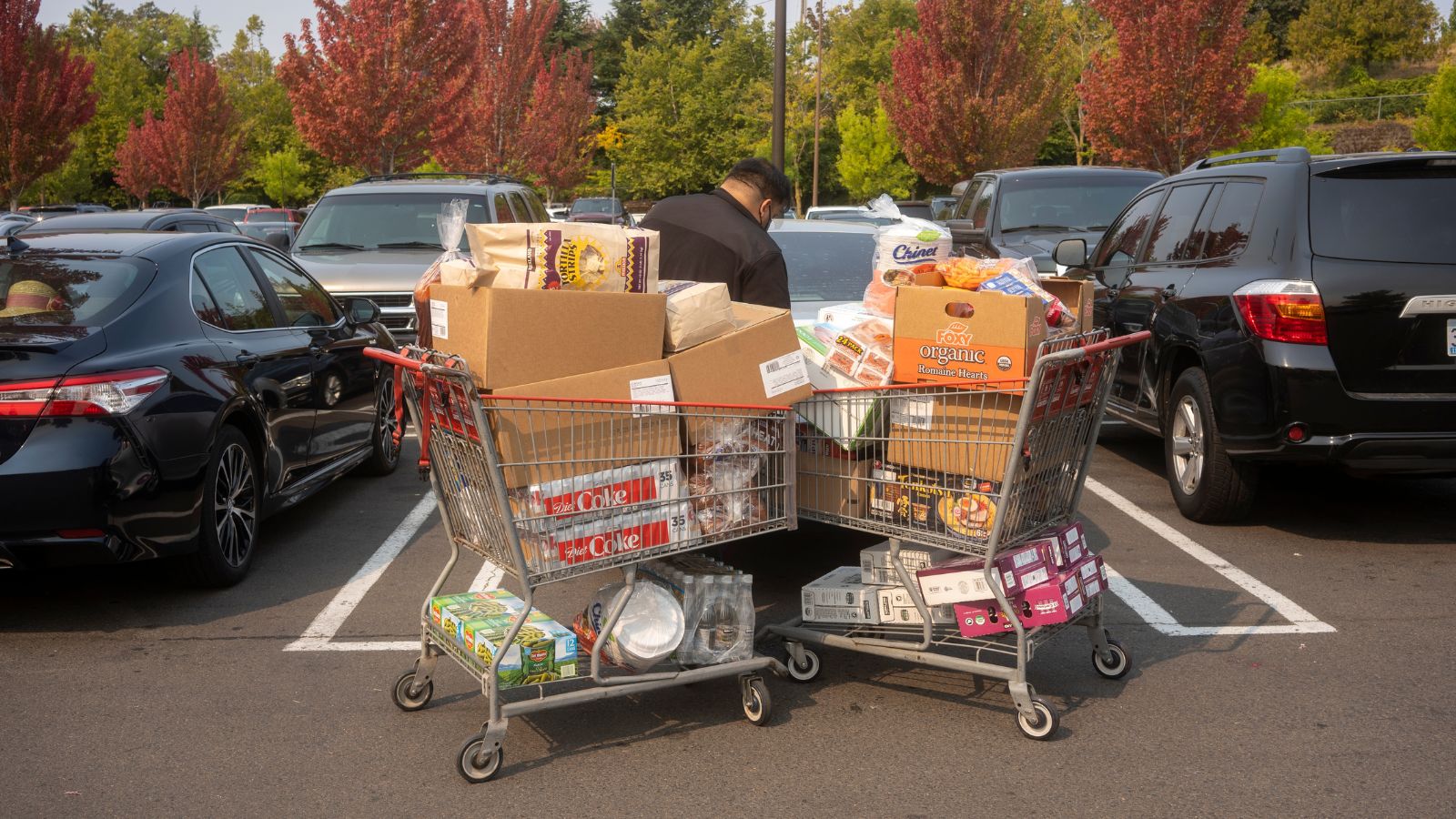
A warehouse trip often becomes one stop in a longer Saturday schedule. In summer, that can be a food-safety mistake. Health Canada advises refrigerating or freezing perishable foods promptly and says that on hot summer days, food should not remain at room temperature for more than one hour. Cold foods should generally be kept at 4°C or below.
That makes the common “one more stop” decision worth reconsidering when the car contains meat, dairy, prepared salads or frozen goods. A vehicle sitting in the sun is not refrigerated storage, even when the air conditioning was running during the drive. The easiest strategy is to make the warehouse the final stop before home or bring insulated containers with sufficient ice packs. If a family is travelling a long distance from the warehouse, cold-storage planning becomes part of the shopping trip itself. Saving several dollars on bulk groceries is meaningless when warm-weather handling makes expensive food unsafe to keep.
Heading to the Cottage Without Enough Cooler Space
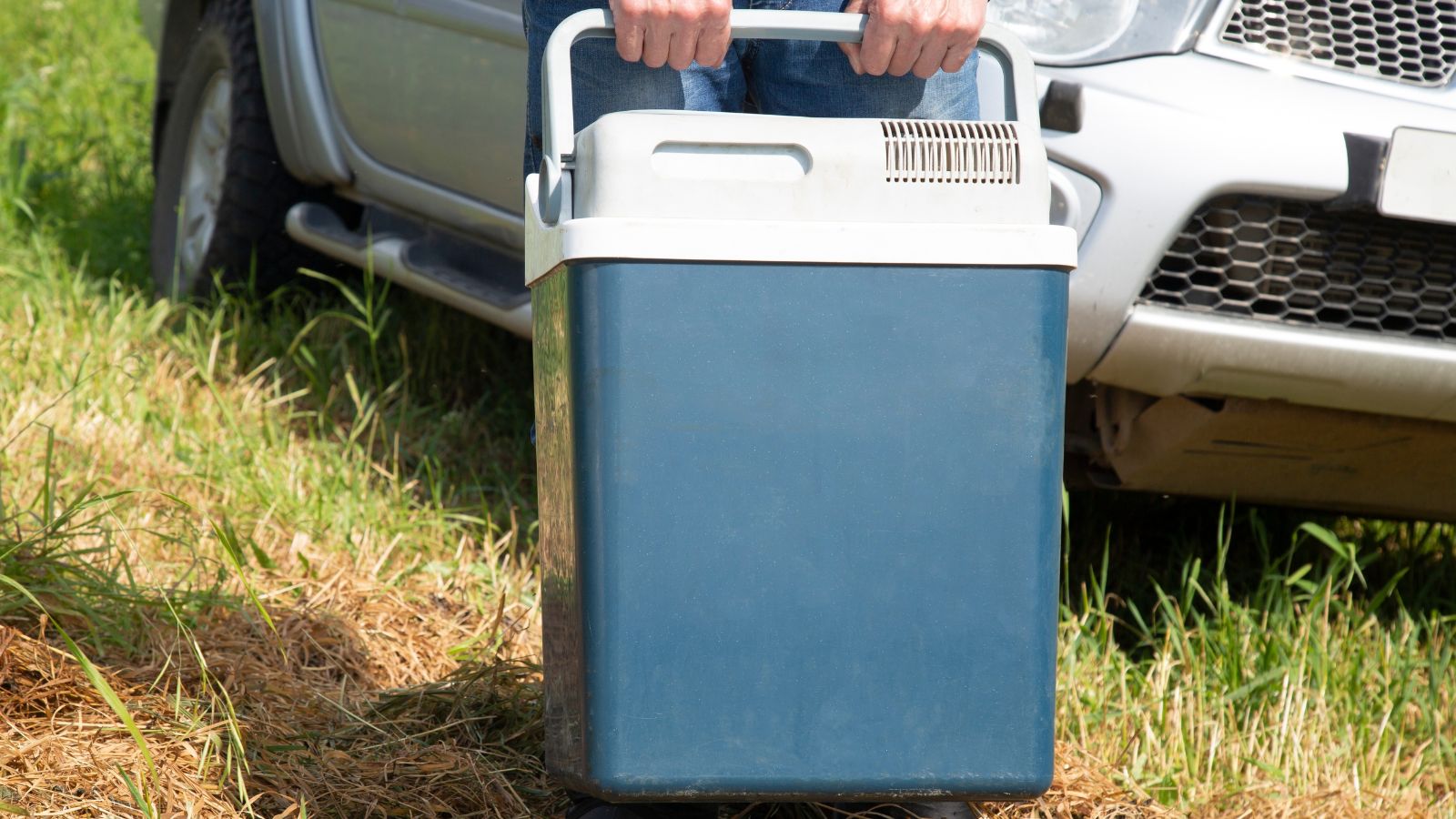
Warehouse stores are natural staging points for cottage and camping weekends, but buying several days of food requires more than trunk space. Health Canada recommends using a cooler filled with ice packs for perishable foods while travelling and keeping the cooler at or below 4°C. It also advises keeping coolers out of direct sunlight and opening them as little as possible; separate drink and food coolers can help because beverage coolers are typically opened more frequently.
That guidance matters when a warehouse cart contains large meat trays, deli foods, cheese, dips and pre-cut produce for a long drive. A cooler that was adequate for lunch may not be large enough for an entire weekend’s groceries. Before buying, shoppers can estimate cooler capacity and decide which foods truly need continuous refrigeration. Frozen products can sometimes help maintain cold temperatures during transport, provided everything is packed safely. Cottage buying should start with storage capacity, not with how much food fits into the shopping cart.
Assuming Giant Snack Packages Have No Effect on Consumption

Bulk snacks are inexpensive per serving only when the household actually manages those servings. Research examining portion and package size has repeatedly found that larger portions or packages can increase how much people consume. A major systematic review of randomized studies concluded that people consistently consumed more food and drink when offered larger portions, packages or tableware, while other controlled research has found similar effects with large snack containers.
That does not mean every family automatically overeats warehouse-sized snacks. It does mean that a two-kilogram bag sitting open on the counter creates a different environment from individually planned portions. Summer road trips, pool days and gatherings can make those products disappear remarkably quickly. Shoppers who buy large packages can divide them into smaller containers, freeze suitable foods or store extras out of immediate reach. The point of warehouse buying is to reduce the cost of expected consumption—not to increase consumption simply because an enormous amount suddenly became conveniently available.
Assuming the Online Price Matches the Warehouse Price

Checking a retailer’s website before leaving home is useful, but the displayed online price may not be the price waiting inside the warehouse. Costco Canada explicitly says products sold on Costco.ca can have different pricing from the same products in its warehouses because online pricing can include shipping and handling. Its grocery-delivery information also says delivery prices are generally higher than warehouse prices, with additional surcharges possible on certain smaller orders.
The reverse lesson is equally important: a shopper should not assume an online offer will automatically be available at the same price or under the same conditions in store. Summer purchases such as patio equipment, appliances, snacks or vacation supplies can involve meaningful dollar differences when several items are ordered. Comparing the final delivered price with the in-warehouse price provides a fairer picture of convenience costs. Online shopping may still be worthwhile, especially when it saves a long drive, but treating digital and warehouse prices as interchangeable can distort the savings calculation.
Stopping Price Comparisons Because the Store Is a Warehouse

Membership and large packaging can create a powerful assumption that comparison shopping is no longer necessary. Canadian government budget guidance still recommends comparing prices and shopping sales. The Competition Bureau likewise emphasizes unit pricing because package size can make straightforward price comparisons difficult. Warehouse stores can be extremely competitive on many products without being automatically cheapest on every product, every week or every package size.
Summer makes outside comparisons particularly worthwhile for seasonal produce, barbecue ingredients and beverages because conventional supermarkets may be running short-term promotions while local markets may have abundant in-season produce. The objective is not to visit five stores to save fifty cents. It is to recognize the categories where the household spends heavily and compare them occasionally. A phone photo of a warehouse shelf tag can be checked against flyers or other retailers before the next trip. Loyalty to the warehouse format should not replace arithmetic; the best bargain can change with package size, promotion and season.
Walking In Without a List, Meal Plan or Spending Target

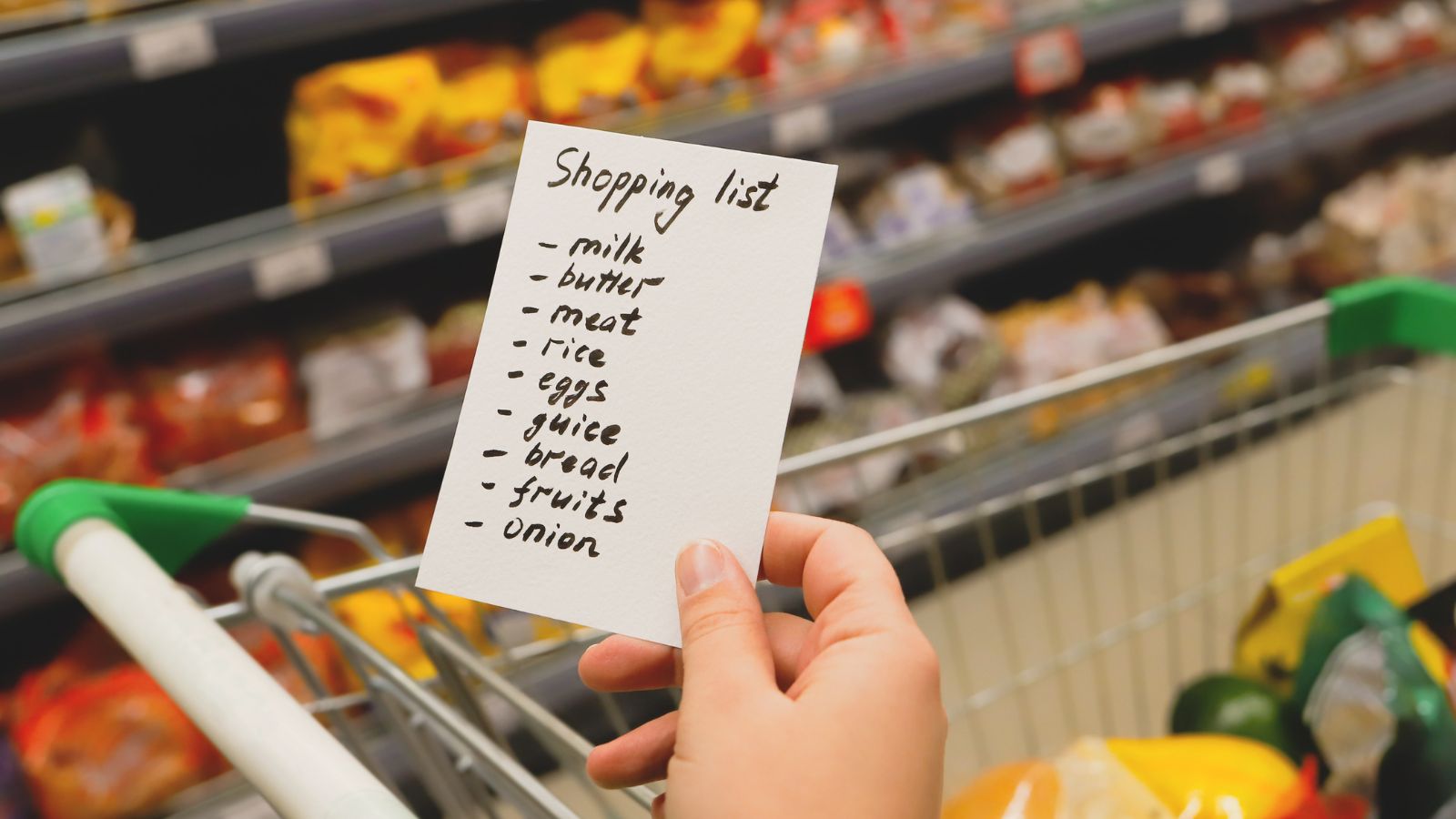
The most expensive warehouse-shopping mistake may be the simplest: arriving with no clear definition of what is actually needed. Canada’s Food Guide recommends planning ahead and shopping with a grocery list, noting that doing so can save time and money and help households purchase only the foods they need. Environment and Climate Change Canada similarly identifies lack of meal planning, limited grocery-list use and over-purchasing among contributors to household food waste.
Warehouse stores magnify the consequences because an impulse decision often comes in a much larger package. A summer list can go beyond product names by noting quantities and intended uses: two barbecue dinners, one cottage breakfast, school-lunch snacks to freeze, or beverages for a specific gathering. Checking the pantry, refrigerator and freezer first prevents duplicates. Setting a spending target adds another useful boundary. Bulk shopping is most effective when shoppers enter knowing what they need, how much they can store and approximately what they intend to spend before the seasonal displays start making alternative suggestions.
This Options Discord Chat is The Real Deal
While the internet is scoured with trading chat rooms, many of which even charge upwards of thousands of dollars to join, this smaller options trading discord chatroom is the real deal and actually providing valuable trade setups, education, and community without the noise and spam of the larger more expensive rooms. With a incredibly low-cost monthly fee, Options Trading Club (click here to see their reviews) requires an application to join ensuring that every member is dedicated and serious about taking their trading to the next level. If you are looking for a change in your trading strategies, then click here to apply for a membership.