
35,000+ smart investors are already getting financial news, market signals, and macro shifts in the economy that could impact their money next with our FREE weekly newsletter. Get ahead of what the crowd finds out too late. Click Here to Subscribe for FREE.
Buy now, pay later can make a purchase feel smaller without making it any cheaper. The instalments may look harmless, particularly when a plan advertises 0% interest, but the obligation still competes with groceries, housing, bills, savings and other debts when future payments arrive. Canadian regulators describe BNPL as a form of credit and warn that missed payments, fees, over-borrowing and impulsive spending can turn convenience into financial strain.
The problem becomes especially clear when short-lived purchases are still being paid for long after their value has disappeared. From everyday necessities to discretionary treats, these 18 things Canadians should never put on a buy now, pay later plan are categories where postponing payment can create more problems than it solves.
Groceries and Pantry Staples
18 Things Canadians Should Never Put on a Buy Now, Pay Later Plan
- Groceries and Pantry Staples
- Rent or Mortgage Payments
- Electricity, Heating and Other Utility Bills
- Credit Card and Loan Payments
- Payday Loan Repayments
- CRA Tax Balances
- Restaurant Meals and Food Delivery
- Insurance Premiums
- Vacations and Non-Refundable Travel
- Concert and Festival Tickets
- Holiday and Birthday Gifts
- Trend-Driven Clothing and Accessories
- Cosmetics and Short-Lived Beauty Purchases
- Elective Cosmetic Procedures
- Final-Sale or Hard-to-Return Purchases
- Impulse Buys Triggered by a Sale
- Several Small BNPL Purchases at the Same Time
- Anything That Requires the Next Paycheque to Arrive Perfectly on Time
Groceries may be necessary, but that is precisely why financing them repeatedly can become dangerous. Food is consumed quickly, while BNPL instalments remain on the household budget after the groceries themselves have disappeared. FCAC’s Canadian research confirms that modern BNPL services can be used for groceries and household essentials, illustrating how instalment credit has expanded far beyond furniture and other traditional large purchases.
Consider a household that finances a $160 grocery run over several payments. By the time later instalments are withdrawn, another grocery trip is already necessary. Repeat the process and several weeks of food spending can overlap. Instead of smoothing expenses, the arrangement can shift part of one month’s food bill into the next. For recurring necessities such as milk, produce, bread and household basics, that pattern is a warning that ordinary expenses have exceeded available cash flow rather than a problem that another short-term credit obligation can sustainably fix.
Rent or Mortgage Payments
Housing payments deserve the first claim on a household budget, not another layer of consumer borrowing. Bank of Canada research has found that households approaching serious financial distress often increase their reliance on consumer credit well before falling behind on mortgages. That makes borrowing to keep housing current an important warning signal rather than a routine financial strategy.
Imagine covering part of a rent or mortgage payment with short-term credit because payday is still several days away. The housing bill may technically be dealt with, but the shortage has simply moved forward. The next month brings another full housing payment plus repayment of the previous borrowing. If that pattern repeats, the household’s future income becomes committed before ordinary expenses have even been paid. Canadians experiencing difficulty with housing costs are generally better served by addressing the underlying budget gap, contacting the lender or landlord where appropriate, and seeking legitimate financial counselling rather than turning a permanent monthly obligation into rotating short-term debt.
Electricity, Heating and Other Utility Bills

Hydro, natural gas, water, phone and internet charges return month after month. Putting routine utility costs on BNPL therefore creates the same mismatch as financing groceries: a bill from the previous period can still be demanding money when the next bill arrives. FCAC includes unpaid utility accounts among debts Canadians should account for when building a repayment plan.
The Bank of Canada has also found that financially pressured households often begin using more consumer credit to cover obligations such as utilities before more serious delinquencies appear. That makes repeated borrowing for household bills useful as an early warning sign. A $240 winter heating bill divided into instalments may initially feel easier than paying the entire balance, but another bill may arrive before those instalments are finished. Canadians facing unaffordable utility costs should first investigate provider payment arrangements, equal-billing programs, conservation measures or available assistance. Adding retail-style credit to a recurring household service can disguise a persistent cash-flow problem without actually solving it.
Credit Card and Loan Payments
Using one form of credit to repay another rarely eliminates debt. It usually rearranges it. FCAC recommends identifying all debts, including credit cards, loans, lines of credit and BNPL balances, when developing a repayment strategy. Borrowers should look at interest rates, minimum payments and affordability as part of one financial picture rather than treating each obligation independently.
The danger becomes clearer when a nominally interest-free BNPL balance is ultimately paid using a credit card that is not cleared in full. Research examining BNPL transactions charged to credit cards has raised concerns about consumers effectively refinancing short-term interest-free debt with revolving debt carrying much higher interest. A household might feel relieved after moving a $300 obligation away from one account, yet the total amount owed has not disappeared. Canadians struggling with existing balances should instead speak with creditors about reduced payments, lower rates or consolidation options where suitable. Debt payments themselves should never become an excuse to create another unplanned debt.
Payday Loan Repayments

A payday loan is already one of the more expensive forms of short-term consumer borrowing. Adding BNPL or another instalment obligation to repay it risks creating a chain in which each debt is replaced by the next. FCAC notes that payday lending costs are regulated in several provinces and, where those rules apply, the maximum borrowing cost can still reach $14 for every $100 borrowed.
That price illustrates why layering debt deserves caution. A person short of money before payday may borrow, use the next paycheque to repay that loan, then discover there is not enough left for normal expenses. Financing another purchase simply frees cash temporarily while establishing yet another repayment schedule. The cycle can become difficult to see because each transaction may appear manageable on its own. Canadians facing repeated payday borrowing should focus on stopping the rollover of shortages, contacting creditors, examining lower-cost alternatives and seeking reputable credit counselling. BNPL should never function as an indirect way of making room to repay high-cost credit.
CRA Tax Balances
Tax debt can be intimidating, but Canadians do not necessarily have to turn to checkout-style financing to spread the cost. The Canada Revenue Agency provides formal payment-arrangement options for eligible debts. Individuals unable to pay immediately may be able to schedule a series of payments through their CRA account or speak with the agency about an arrangement based on what they can reasonably afford.
That distinction matters. A private financing plan creates an additional creditor and another set of terms, while a CRA arrangement deals directly with the organization owed the money. For example, someone facing a $2,000 personal income-tax balance might be tempted to move other spending onto BNPL so cash can be redirected toward the CRA. That merely hides the financing cost elsewhere in the household budget. A clearer approach is to contact the CRA promptly, review income and expenses and establish an affordable repayment structure where available. Tax debt should be managed as tax debt, not indirectly transformed into scattered consumer instalment balances.
Restaurant Meals and Food Delivery
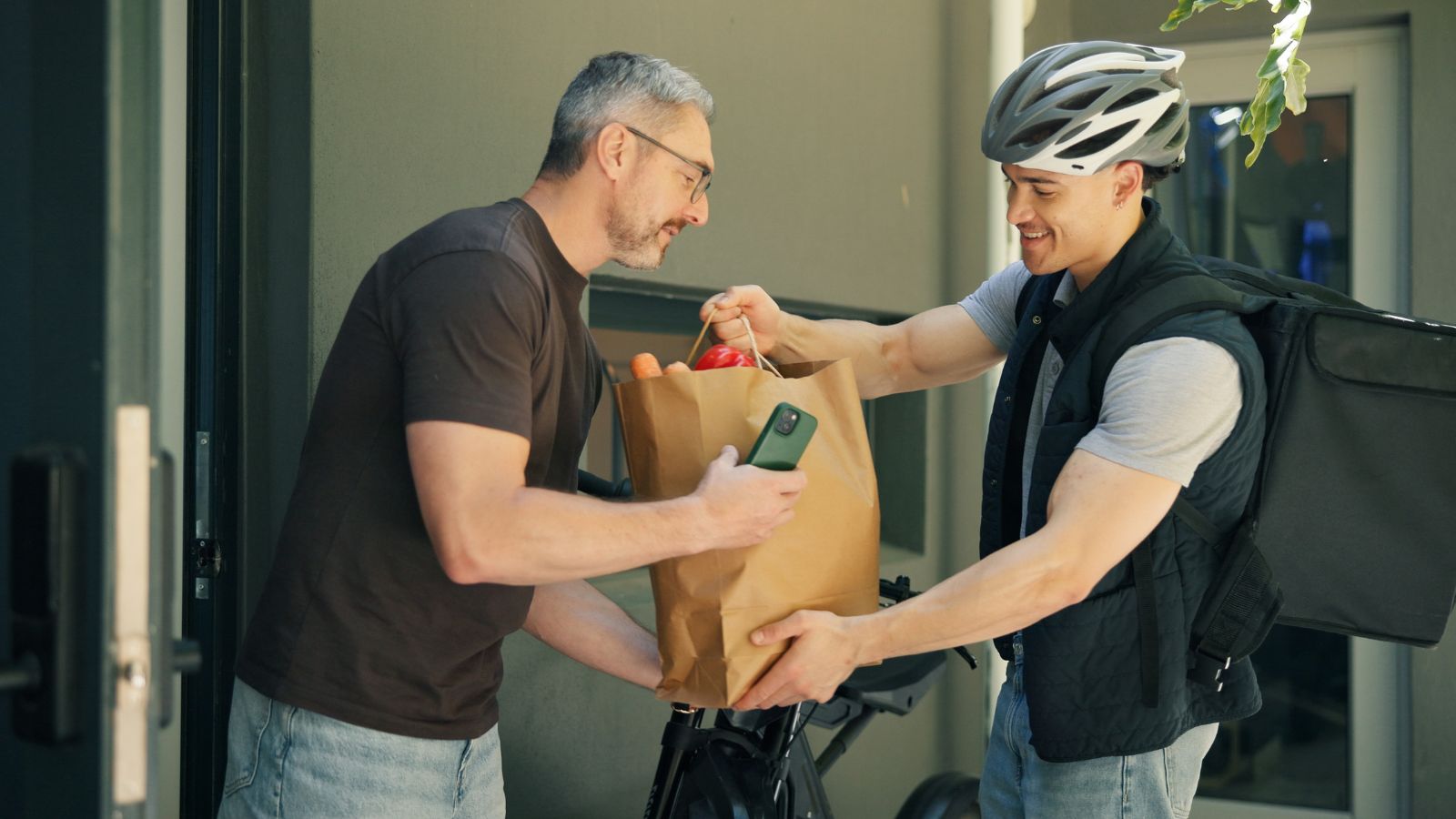
There is something particularly uncomfortable about still making payments on a meal that disappeared in 20 minutes. BNPL has expanded into low-value, short-lived purchases internationally, including restaurant spending and food delivery. Recent Federal Reserve data from the United States found that groceries or food delivery represented one category used by BNPL customers, showing how far instalment borrowing has moved into everyday consumption.
A $45 delivery order might look trivial when presented as several smaller charges. Yet splitting the price changes only the timing, not the total expenditure. Add another dinner later in the week and several restaurant bills can begin landing on the same future paycheques. Research on BNPL also indicates that dividing prices into instalments can encourage greater spending because the immediate payment appears less painful. For Canadians trying to control discretionary food costs, paying at the time of purchase provides valuable feedback: if the full meal feels unaffordable today, financing dinner generally does not make it genuinely affordable.
Insurance Premiums

Home, tenant, automobile and other insurance premiums protect against risks that can have enormous financial consequences. They also represent predictable household obligations that should ideally be incorporated into the regular budget. Using short-term consumer credit to make room for an insurance payment can signal that fixed expenses and available income are no longer comfortably aligned.
Bank of Canada research examining households before mortgage delinquency found increasing reliance on consumer credit to meet obligations including insurance and utility bills. The important lesson is not that insurance should be skipped; adequate coverage can be essential. Rather, routinely borrowing to keep premiums current can be an early symptom of broader financial stress. Many insurers already provide their own monthly-payment options, although terms and fees vary, making a separate BNPL layer unnecessary in many situations. Canadians facing unaffordable premiums can compare coverage, deductibles and providers while ensuring required protection remains intact. Financing ordinary premiums through unrelated instalment credit merely shifts today’s affordability problem into tomorrow’s budget.
Vacations and Non-Refundable Travel
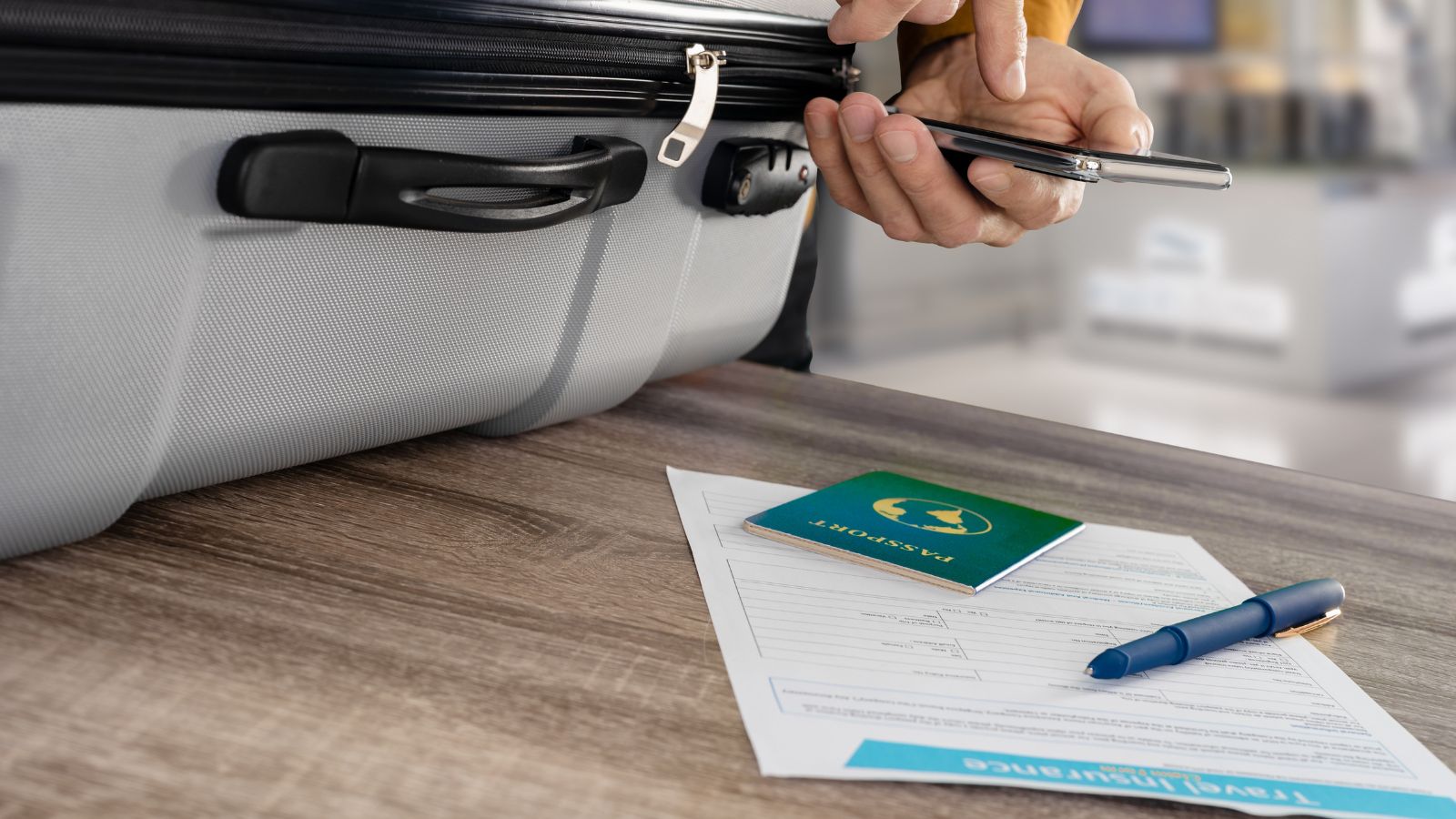
A holiday can produce lasting memories, but the financing can last longer than the excitement. Travel is already a category in which cancellations, schedule changes and refund rules can become complicated. Adding a BNPL provider means there may be separate relationships with the airline, hotel or travel seller and the company financing the transaction.
FCAC explains that BNPL generally involves both a purchase agreement and a financing agreement. If something goes wrong, a customer may need to deal with the retailer or service provider as well as the lender. That complexity matters for a non-refundable flight or resort booking costing thousands of dollars. International consumer data also show travel has become a meaningful BNPL category. Canadians saving for a trip can establish a dedicated travel fund and book when sufficient money is available. Returning home to several vacation instalments can turn an enjoyable discretionary expense into pressure on rent, groceries and other obligations that cannot be postponed.
Concert and Festival Tickets

Entertainment tickets are another poor match for borrowing because their value disappears at a fixed moment. Once the concert, game or festival is finished, the payments may not be. The temptation is understandable: a small initial payment can make a $400 or $600 event feel surprisingly accessible, especially when tickets are scarce and buyers fear missing out.
Large music events have already demonstrated how popular payment plans can become. In 2025, reporting around California’s Coachella festival said roughly 60% of general-admission buyers used its payment-plan option, compared with a much smaller share when the program began years earlier. The example does not describe Canadian spending, but it shows how effectively instalments can change perceptions of an expensive ticket. Canadians should judge entertainment by its full price, including travel, accommodation and food, rather than by the first payment displayed at checkout. If the experience requires months of future income to justify today’s purchase, saving beforehand provides the same instalment discipline without creating debt afterward.
Holiday and Birthday Gifts

Gifts carry emotional pressure that ordinary purchases often do not. Holidays, birthdays, weddings and graduations can make spending feel like a measure of generosity, which makes a low initial BNPL payment especially persuasive. Yet a recipient receives the gift immediately while the buyer can remain responsible for it long afterward.
Holiday seasons have become an important period for BNPL use internationally, and consumer advocates have repeatedly warned that deferred payment can make overspending easier. FCAC similarly cautions that BNPL may encourage spending beyond one’s means and impulsive purchases. A Canadian household buying $800 worth of gifts across several retailers could easily create four or five separate instalment schedules with different withdrawal dates. January then arrives with ordinary costs plus December’s generosity still being collected. A predetermined cash gift budget, sinking fund or lower-cost celebration preserves the intention without transferring seasonal pressure into future paycheques. Generosity is easier to enjoy when it does not create months of financial cleanup.
Trend-Driven Clothing and Accessories

Clothing can be necessary, but fashion purchases driven by trends, social media or limited-time drops are different from replacing a worn winter coat. International Federal Reserve data for 2025 showed clothing and accessories were the most commonly reported BNPL purchase category among American users, at 49%. That makes apparel a useful example of how naturally instalments fit into discretionary online shopping.
Research published in the Journal of Retailing found BNPL adoption was associated with higher online spending, with particularly strong effects for lower-ticket products. That matters when the cart contains several $40 or $70 items rather than one major purchase. The instalment shown beside each product can make the total wardrobe refresh feel smaller than it really is. Canadians should be especially cautious about financing fast-changing styles that may be worn only a handful of times. If a shirt, handbag or pair of shoes is likely to lose its appeal before the final payment clears, waiting, saving or buying second-hand usually produces a healthier financial outcome.
Cosmetics and Short-Lived Beauty Purchases

Makeup, skincare, fragrance and similar products are consumed, expire or go out of favour. Financing ordinary beauty purchases therefore creates an awkward timeline: the product may be half empty while payments continue. BNPL providers have increasingly expanded beyond large durable goods into categories such as clothing and beauty, making small discretionary spending easier to divide into instalments.
The problem is rarely one $60 purchase. It is repetition. Someone financing a skincare set this week may encounter a cosmetics promotion next week and a fragrance offer after that. Each plan appears small, yet all of them eventually draw from the same bank account. FCAC warns that BNPL users may misjudge total purchase costs or borrow beyond what their budgets can support, while academic research has linked BNPL availability with increased consumer spending. For Canadians who enjoy beauty products, a monthly cash allowance creates a natural limit. If the product needs financing simply to fit into that month’s spending, the purchase can usually wait until the money exists.
Elective Cosmetic Procedures

Necessary medical treatment can involve difficult financial decisions and should be evaluated according to individual circumstances. Elective cosmetic procedures are different. Treatments chosen primarily for appearance can cost thousands of dollars, and financing offers can make an optional procedure appear more affordable by emphasizing the monthly payment rather than the full obligation.
The expansion of BNPL into elective healthcare is already visible internationally. Reuters reported that Affirm had increased its relationships with elective medical merchants offering services such as cosmetic treatments and dental procedures, with many purchases costing around $2,000 or more. Longer-term instalment products can also carry interest depending on the provider and applicant. A Canadian considering an elective procedure should therefore compare the complete financed price with the cash price, assess possible follow-up costs and avoid committing essential future income to something optional. Saving first also creates valuable thinking time. A procedure that still feels worthwhile once the full amount has been accumulated is easier to evaluate without a lender shaping the decision.
Final-Sale or Hard-to-Return Purchases

Returns can already be frustrating. Add a third-party lender and the process may involve another company, another account and another timeline. FCAC notes that BNPL typically creates separate agreements with the retailer and the financing provider, meaning a complaint may require communication with more than one party depending on the circumstances.
The potential scale of this problem is not theoretical. U.S. Consumer Financial Protection Bureau research found that more than 13% of transactions in data from major BNPL providers involved a return or dispute, representing $1.8 billion in disputed or returned purchases in 2021. Canadian consumer-protection rules are not identical to American rules, but the operational lesson still applies: financing something with uncertain return rights adds unnecessary complexity. Furniture bought sight unseen, final-sale electronics, unfamiliar online brands and clothing with restrictive return policies deserve particular caution. If the merchant refund is delayed while instalments continue, cash flow can tighten even though the product is already on its way back.
Impulse Buys Triggered by a Sale

A 40% discount does not create savings if it persuades someone to spend money that otherwise would have stayed in the bank. BNPL can strengthen that effect because the shopper sees both a discounted sticker price and an even smaller instalment amount. The combination can make an optional purchase feel almost inconsequential.
FCAC explicitly lists impulsive purchasing and spending beyond one’s means among potential disadvantages of BNPL. Academic research supports that concern: studies have found that instalment presentation can increase spending and purchase likelihood by reducing the immediate feeling of financial constraint. Consider a $300 item marked down to $210 and then presented as four payments. The relevant question is not whether each payment looks affordable; it is whether the buyer would willingly spend the full $210 without the financing prompt. Canadians can reduce impulse borrowing by leaving the cart overnight and checking the complete price against an existing budget. A genuine bargain survives a cooling-off period. An unnecessary purchase often does not.
Several Small BNPL Purchases at the Same Time

One $25 instalment can look harmless. Six $25 instalments hitting within the same week look very different. This is the danger of “loan stacking”—carrying several BNPL obligations simultaneously. FCAC notes that consumers may be able to maintain multiple instalment plans, while warning that BNPL can lead to over-borrowing when debt no longer fits the budget.
Large-scale U.S. research gives the risk some perspective. The Consumer Financial Protection Bureau found that about 63% of BNPL borrowers in its 2022 dataset had multiple simultaneous BNPL loans at some point during the year, and 33% borrowed from multiple BNPL lenders. Those figures are American and should not be treated as Canadian usage rates, but they illustrate why scattered payment schedules are difficult to track. Canadians who already have one instalment plan should calculate all remaining payments before opening another. The important number is not today’s down payment; it is the total amount already claimed from upcoming paycheques.
Anything That Requires the Next Paycheque to Arrive Perfectly on Time
The clearest warning sign is a purchase that works only if nothing goes wrong. If a future instalment depends on the next paycheque arriving on schedule, with no unexpected expense appearing first, the purchase is already stretching available cash flow. FCAC advises consumers to consider whether they can actually afford BNPL obligations and whether missed payments or fees would create additional problems.
Automatic withdrawals can make that risk immediate. FCAC notes that insufficient funds may result in both missed-payment charges from a financing provider and NSF charges from a financial institution, depending on the arrangement. Recent U.S. Federal Reserve data provide another cautionary example: 11% of BNPL users reported that a payment triggered an overdraft or NSF fee during 2025. Canadian fees and products differ, but the cash-flow mechanics are the same. If one delayed paycheque, car repair or prescription would cause an instalment to fail, the safest decision is usually to wait until the purchase can survive ordinary financial surprises.
This Options Discord Chat is The Real Deal
While the internet is scoured with trading chat rooms, many of which even charge upwards of thousands of dollars to join, this smaller options trading discord chatroom is the real deal and actually providing valuable trade setups, education, and community without the noise and spam of the larger more expensive rooms. With a incredibly low-cost monthly fee, Options Trading Club (click here to see their reviews) requires an application to join ensuring that every member is dedicated and serious about taking their trading to the next level. If you are looking for a change in your trading strategies, then click here to apply for a membership.