
35,000+ smart investors are already getting financial news, market signals, and macro shifts in the economy that could impact their money next with our FREE weekly newsletter. Get ahead of what the crowd finds out too late. Click Here to Subscribe for FREE.
Buying school supplies early can feel like a small victory over September chaos, but timing matters almost as much as the shopping list. Across Canada, school requirements, retailer promotions, return policies, taxes and product-safety considerations can all change whether an early purchase saves money or creates another errand later. The smartest approach is rarely to fill the cart in one trip. It is to buy dependable basics when the value is clear, wait on specialized items until requirements are confirmed, and keep enough flexibility for late-summer changes. These 16 things Canadians should know before buying school supplies early cover the practical details that can protect a household budget while helping students arrive prepared, comfortable and equipped with items they will actually use.
The Official Supply List Is Worth Waiting For
16 Things Canadians Should Know Before Buying School Supplies Early
- The Official Supply List Is Worth Waiting For
- Start by Shopping the House
- Early Does Not Automatically Mean Cheapest
- Bulk Packs Need a Little Math
- The Shelf Price May Not Be the Final Price
- Return Windows Matter More When Shopping Early
- Technology Is Better Bought After Requirements Are Known
- Not Every Calculator Is School-Approved
- Backpack Fit Matters More Than the Design
- Art Supplies Deserve a Safety Check
- Used Supplies Can Save Money, but Recalls Still Matter
- Labels Can Prevent Surprisingly Expensive Replacements
- Families May Not Be Responsible for Every Classroom Material
- “Eco-Friendly” Does Not Automatically Mean Better Value
- Shoes and Other Size-Sensitive Items Need Different Timing
- The Best Strategy Is Usually to Buy in Stages
- 16 Costco Canada Habits That Could Be Costing Shoppers More Than They Save
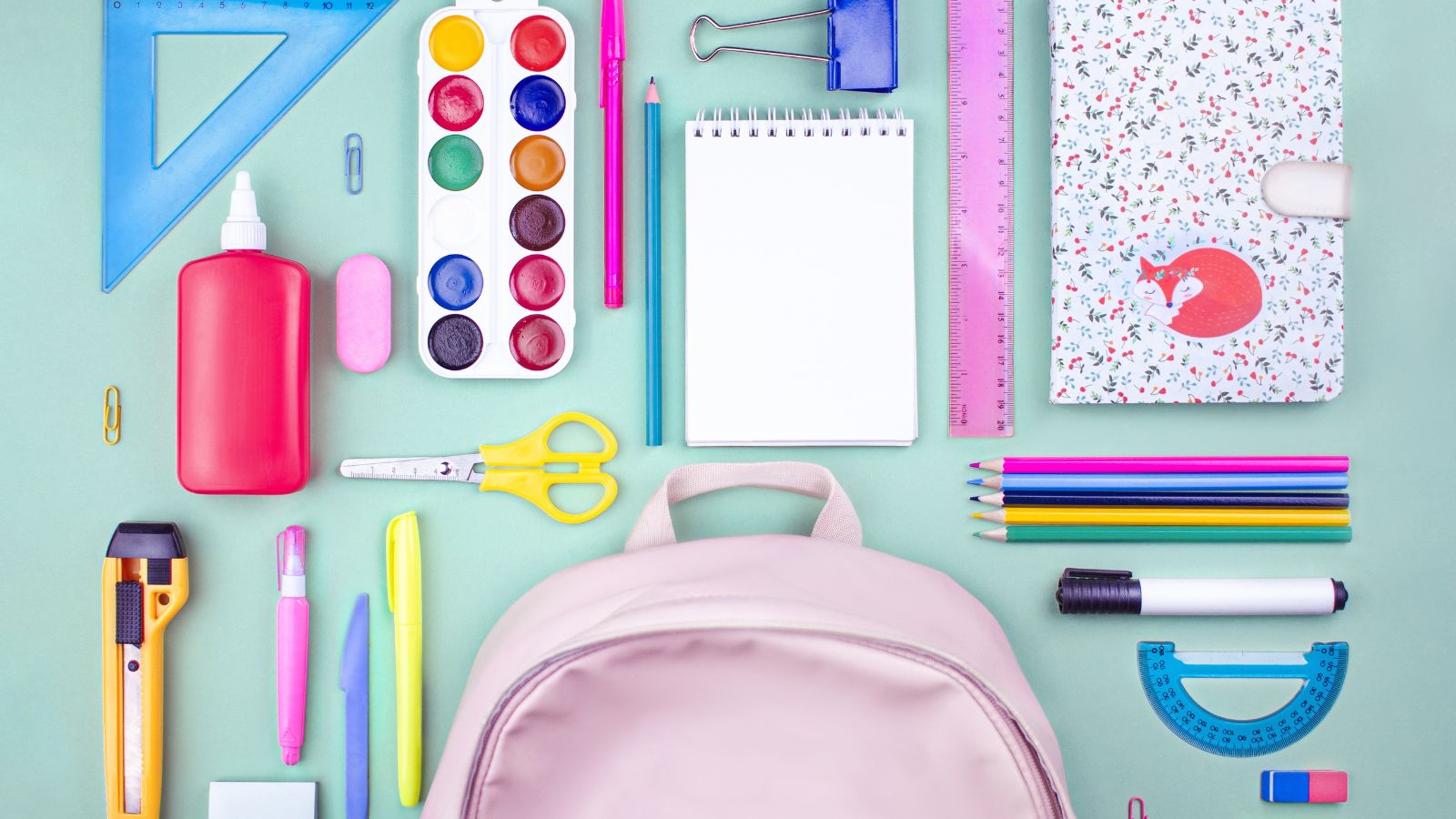
Buying in June or July can feel organized, but the safest first purchase is no purchase until the school or teacher list arrives. Supply expectations can differ by grade, classroom and program, and retailers now build tools around teacher-created lists rather than assuming every student needs the same bundle. In Ontario, school guidance also distinguishes between materials required to meet curriculum expectations and personal, non-curricular items families may be asked to provide.
That difference matters. A family that buys five binders, specialty notebooks and a particular pencil case early may discover in late August that the teacher prefers duotangs, a different binder size or shared classroom materials. The practical compromise is to buy only universally useful basics early—pencils, erasers and perhaps lined paper—then wait for the exact list before purchasing specialized items. Early shopping works best when it reduces stress, not when it creates a second shopping trip.
Start by Shopping the House

Before adding anything to a cart, Canadians can save money by doing a quick inventory at home. Partly used notebooks, unopened glue sticks, pencil crayons, rulers and binders often survive the previous school year. Environment and Climate Change Canada specifically recommends reusing school supplies instead of automatically buying new ones, and its school waste-prevention guidance encourages collecting unused supplies for the next year.
The budget logic is straightforward. If two children each need ten common items and six usable items are already in a desk drawer, the family has eliminated roughly 30 per cent of planned purchases before comparing a flyer. Reuse also prevents the September problem of discovering duplicate scissors, calculators or geometry sets after fresh versions have been opened. A simple “have, need, wait” checklist can keep early shopping disciplined. The goal is to ensure new purchases replace a genuine shortage rather than something already sitting at home.
Early Does Not Automatically Mean Cheapest
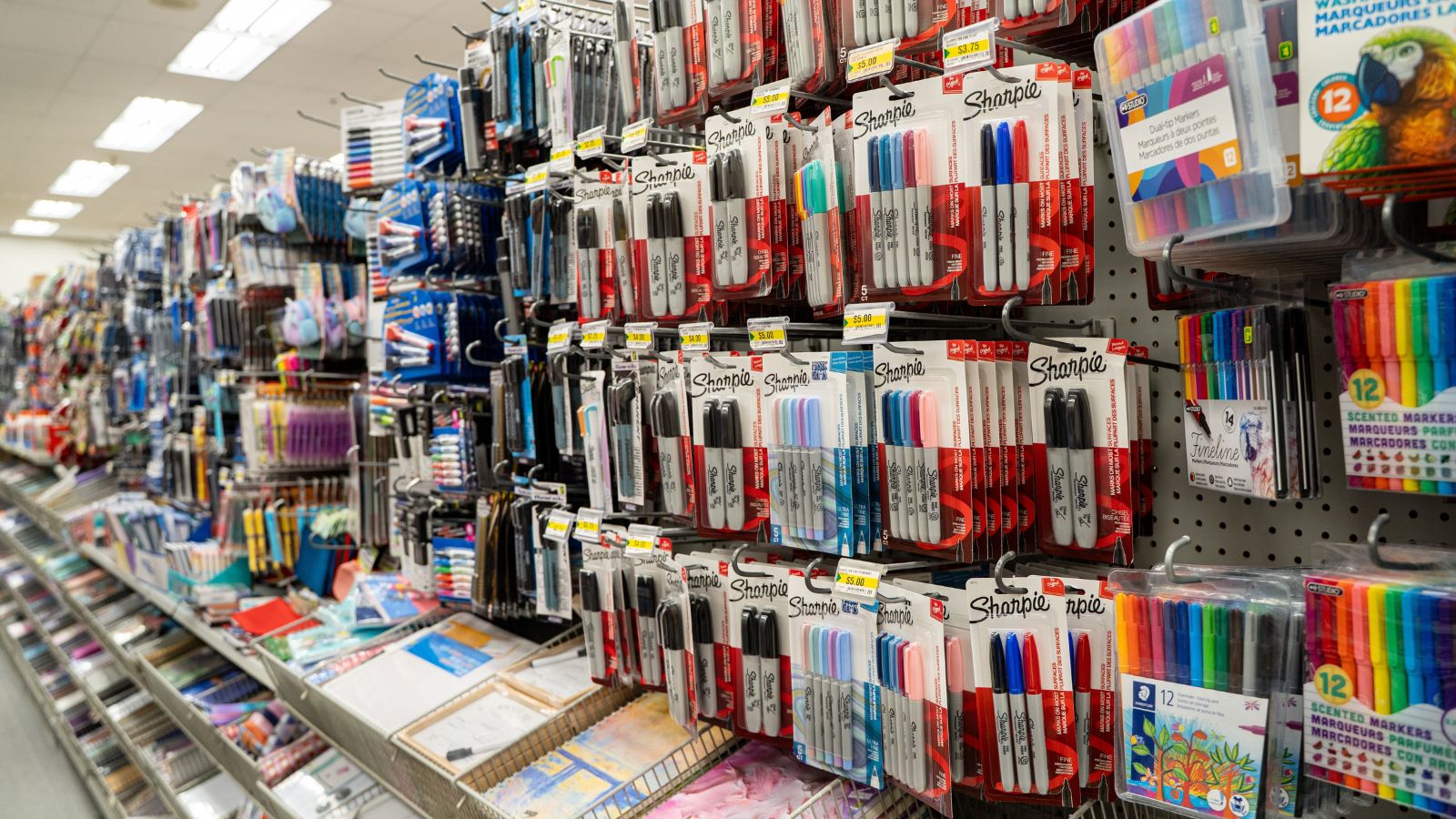
Buying early does not automatically mean buying at the lowest price. Back-to-school promotions change as summer progresses, and retailers may run different online, in-store or teacher-list offers. Staples Canada, for example, notes that online pricing can differ from in-store pricing, while its school-shopping program advertises curated packages and seasonal value offers. That makes timing part of the price comparison, not just a convenience decision.
There is also evidence that education-related costs have been moving. Statistics Canada’s Consumer Price Index includes a specific category for school textbooks and supplies, and its July 2026 release provides monthly and year-over-year price movement for that category. Families do not need to forecast inflation to shop sensibly; they simply need to avoid assuming the first summer discount is the final one. For expensive items, saving a screenshot or flyer price and checking again closer to school can reveal whether “early” actually produced a real bargain.
Bulk Packs Need a Little Math
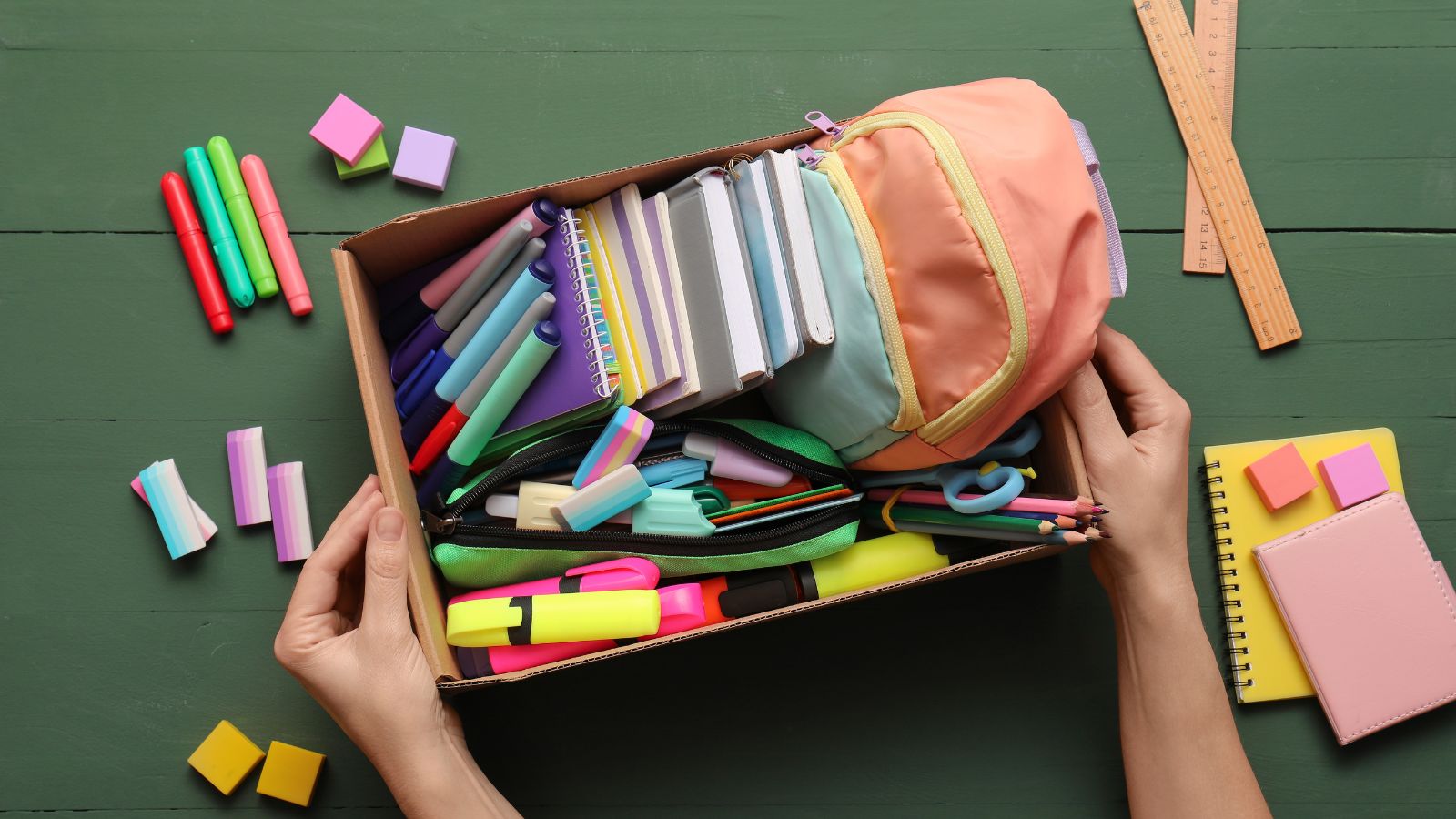
Bulk packs can look cheaper because the package appears generous, but the useful comparison is cost per item. A 24-pack of pencils at $6 works out to 25 cents each, while a 12-pack at $4 costs about 33 cents each. The larger pack is cheaper per pencil—but only if those extra pencils will be used. The logic applies to glue sticks, notebooks, markers and paper.
Canada’s Competition Bureau has promoted unit pricing as a tool that helps consumers compare value because per-unit information cuts through package-size differences. School-supply aisles do not always display unit prices as clearly, so families may easily calculate them. Early shoppers should also separate “lower unit cost” from “lower total spending.” Buying 100 pens for a household that needs 20 may win the unit-price contest while losing the budget contest. Bulk purchasing works best for high-use basics or when several children can share the pack.
The Shelf Price May Not Be the Final Price
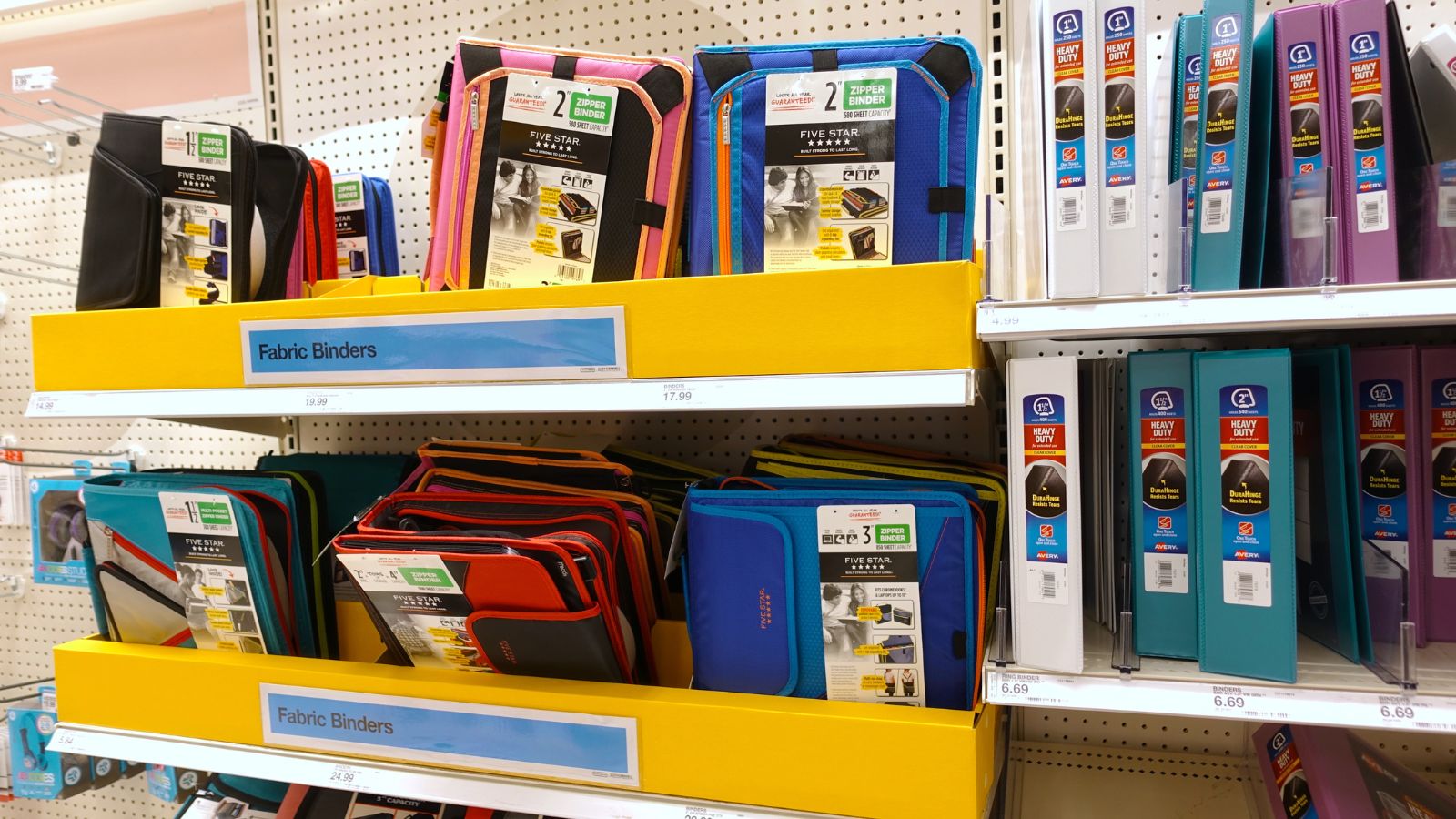
Sticker prices are not always the final amount leaving a household budget. GST or HST applies to taxable supplies according to the place of supply, and provincial sales taxes may also apply outside the harmonized system. The Canada Revenue Agency lists HST at 13 per cent in Ontario, 14 per cent in Nova Scotia and 15 per cent in New Brunswick, Newfoundland and Labrador, and Prince Edward Island.
That can make an early-shopping budget too optimistic. A $200 basket of taxable items does not necessarily remain a $200 checkout, and online orders may include delivery charges depending on retailer and location. The simplest habit is to budget from the checkout total rather than the shelf total. This is especially useful when comparing a local store with an online order: one option may have a lower advertised price but a different tax, delivery or pickup outcome once the transaction is calculated.
Return Windows Matter More When Shopping Early

The earlier a family buys, the more important the return window becomes. A backpack purchased six weeks before school may still have tags attached when a teacher list or student preference changes. Canadian Tire currently says unopened items in original packaging can generally be returned with a receipt within 90 days, while Staples commonly gives 30 days for many products and 14 days for computers, laptops, tablets and certain electronics.
That difference can turn an early purchase into a non-refundable mistake. Keeping receipts, packaging and tags together in one envelope or folder makes it easier to reverse a decision before the deadline. Electronics deserve extra caution because the return clock may expire before classes begin. Early shopping is safest for standardized supplies with low mismatch risk. For backpacks, calculators, headphones and devices, a return policy can be as important as the sale price, especially when school requirements are not finalized.
Technology Is Better Bought After Requirements Are Known

Technology is one category where “buy now, figure it out later” can be expensive. Provincial and school rules can limit when personal devices may be used, and schools may also provide equipment. In Ontario, students in Grade 6 and below may not use cellphones or other personal mobile devices during the school day without educator permission, while students in Grades 7 to 12 face restrictions during instructional time unless use is allowed.
That does not mean a laptop, tablet or phone is never useful for school. It means the device should match a need. A family considering a $700 laptop is better served by confirming operating-system requirements, software access, charging expectations and whether a device is available. Health Canada also advises buyers of school electronics to look for Canadian electrical certification marks such as CSA, cUL or cETL. Waiting for specifications can protect the budget and student from carrying technology.
Not Every Calculator Is School-Approved
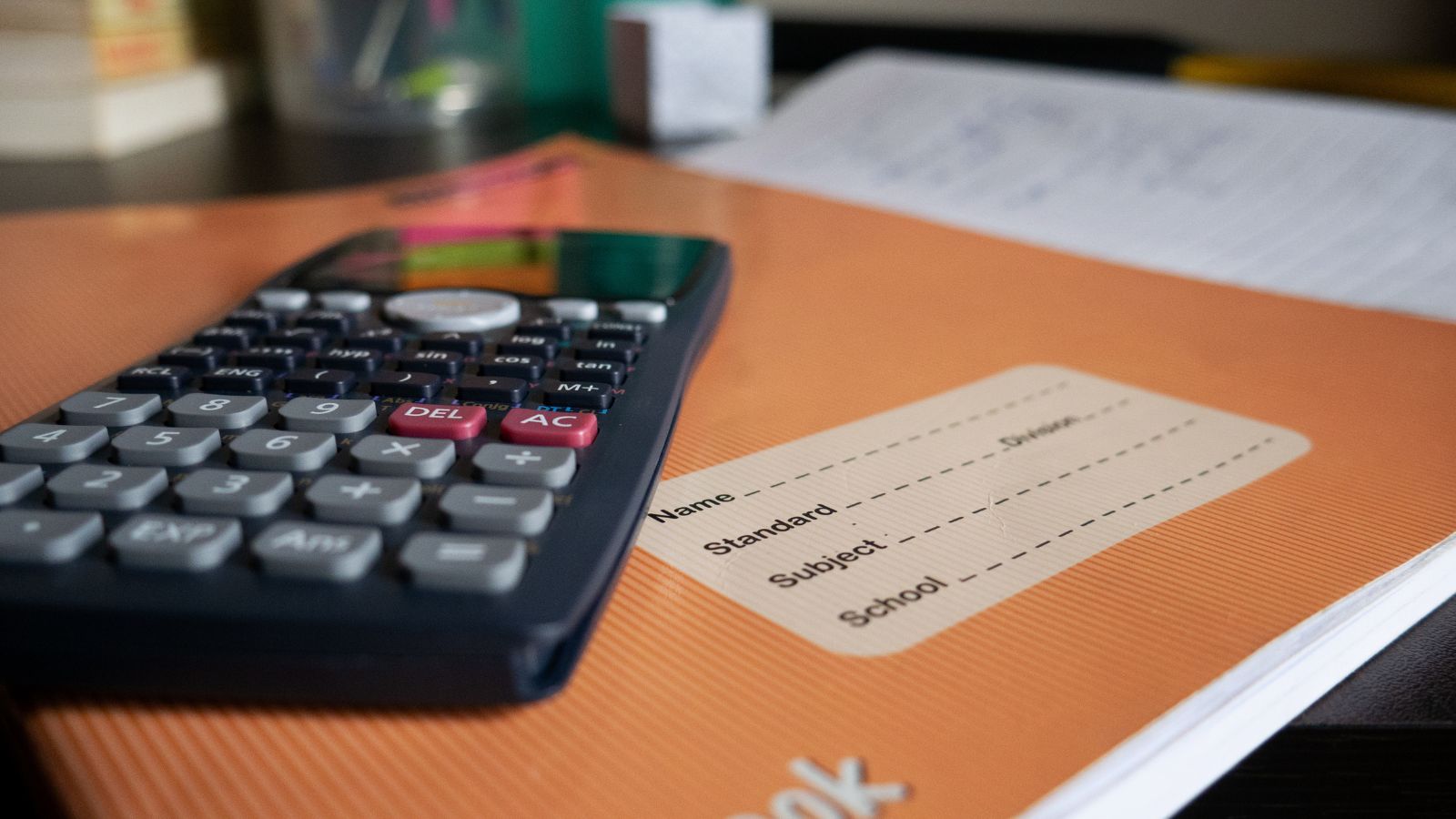
An advanced calculator can still be the wrong calculator for a course or exam. Alberta’s diploma-exam rules are an example: students writing mathematics and science diploma exams may use only approved and properly configured calculators, and the province publishes rules about prohibited capabilities. Its 2025–26 guidance says the approved graphing-calculator list is updated annually, while some scientific models are not permitted because of functions exceeding exam rules.
That is a strong reason not to buy a calculator because it appears on a back-to-school display. Secondary students should confirm course, teacher and assessment requirements first. A model acceptable for homework may need to be cleared or configured for an exam, and another may not be allowed. The lesson extends beyond Alberta: specialized tools are worth delaying until specifications are known. Spending later on the calculator is better than spending early on a model that cannot be used when it matters.
Backpack Fit Matters More Than the Design

Backpacks are easy to buy early because they are displayed, but fit and load matter more than colour or character design. The American Academy of Pediatrics advises that a backpack should not exceed 15 per cent of a child’s body weight and recommends watching for signs such as leaning forward, difficulty walking or straps digging into shoulders. Recent back-to-school reporting has emphasized keeping loads as light as practical for each child.
That makes oversized bags a questionable “grow into it” purchase. A backpack invites extra books, devices, water bottles and clothing, which add weight. Families can test a bag with a load before removing tags: lunch container, notebook, water bottle and any device the student is expected to carry. Wide straps, compartments and a size that sits comfortably on the child’s back are priorities. An early bargain is not much of a bargain if the backpack becomes uncomfortable by October.
Art Supplies Deserve a Safety Check
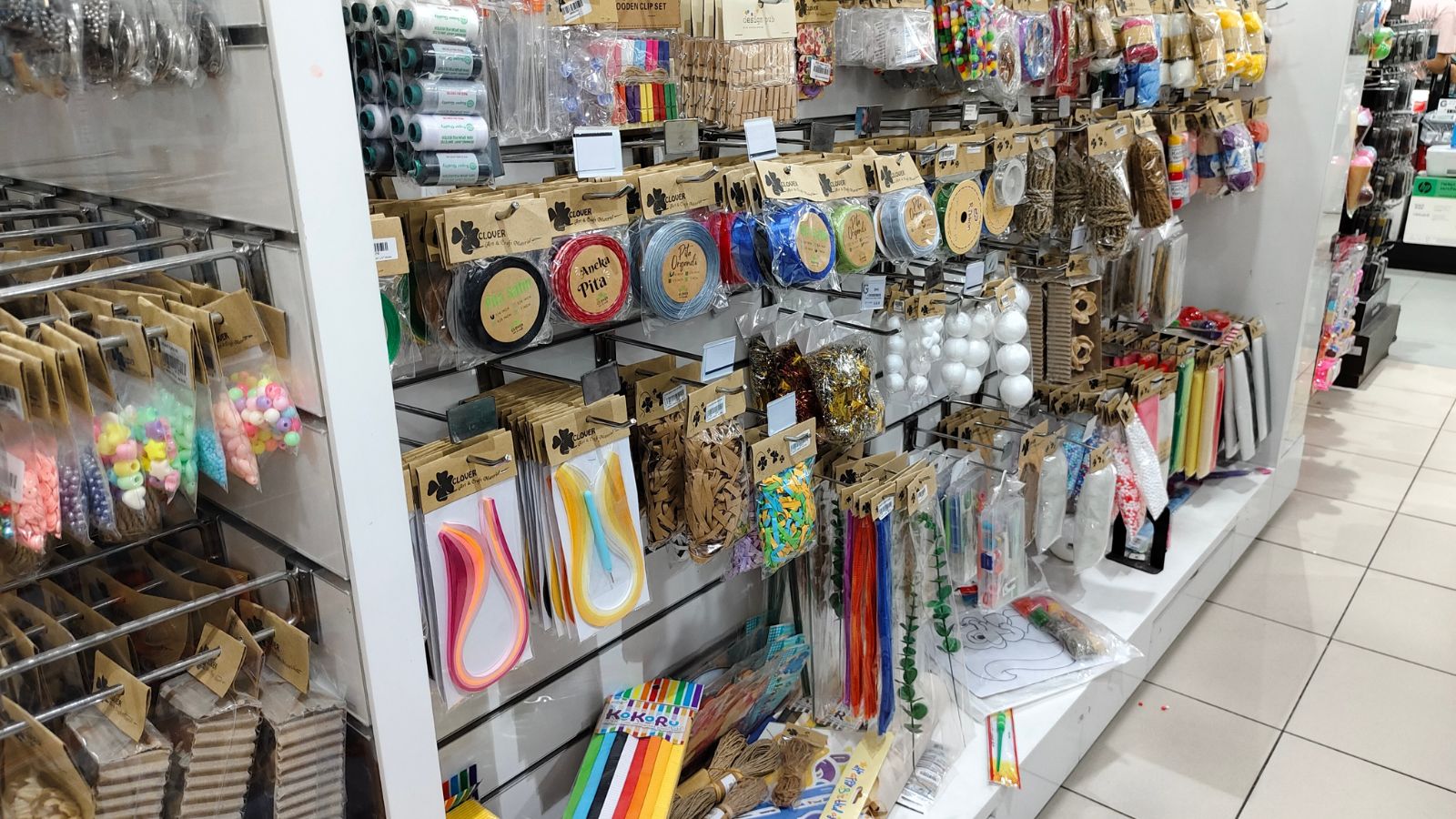
Markers, paints and glue deserve more scrutiny than their packaging suggests, particularly for younger children. Health Canada’s back-to-school guidance recommends choosing products labelled for children’s use, avoiding products with hazard symbols or warnings such as “danger” or “caution,” and favouring water-based, unscented markers, paints and glue. It also notes that young children often get art materials on their hands and may put objects in their mouths.
Here, buying the cheapest mystery bundle online can create uncertainty for families. Families can check the label before purchase, keep packaging and match the product to the child’s age. Health Canada also explains that some art materials carry ACMI labels: an AP seal indicates the product has been evaluated as non-toxic, while a CL seal signals that caution and handling instructions apply. Safety information is more useful than a giant colour count. Twenty-four suitable markers can be a better purchase than sixty unfamiliar ones.
Used Supplies Can Save Money, but Recalls Still Matter

Second-hand and refurbished school gear can stretch a budget, but used does not mean exempt from safety checks. Health Canada advises consumers to check with the manufacturer and federal recalls database before buying or using a second-hand product. Its 2026 back-to-school guidance also tells shoppers to check recalls because children’s products can be recalled for issues ranging from excess lead to accessible batteries or flammability problems.
For ordinary binders and pencil cases, the risk is low. The advice becomes more important for electronics, light-up accessories and sports equipment. A used tablet, for example, may be attractive, but its charger should be compatible and carry Canadian electrical certification. Early buyers have an advantage: there is time to look up a model number, inspect the product and replace a questionable charger rather than making a rushed purchase before school. Early shopping should create time for due diligence, not just time for deals.
Labels Can Prevent Surprisingly Expensive Replacements
A permanent marker or name label can protect more value than a coupon. Toronto District School Board’s Cornell Junior Public School says it has many items in lost and found and advises families to label backpacks, lunch bags, shoes, boots and clothing. The school notes that unclaimed possessions are donated at the end of each term, showing how school gear can separate from its owner.
The point is broader. Many school supplies are nearly identical, especially black pencil cases, water bottles, indoor shoes and backpacks. A child may recognize an item at home but struggle to distinguish it in a pile of similar objects. Families buying early can label durable goods before the first hectic morning, ideally with a name and another contact method appropriate for the child’s age. Spending $30 on a replacement lunch bag in October can erase several small August discounts; preventing the loss is often cheaper.
Families May Not Be Responsible for Every Classroom Material

Families should not assume every classroom item must be purchased personally. Ontario guidance cited by the Toronto District School Board says materials required to meet curriculum expectations are to be provided, and fees cannot be charged for required materials such as workbooks, art supplies, science supplies, lab kits and safety goggles. Parents may still be asked to provide personal supplies such as pencils, paper, rulers, binders, clothing or footwear.
That distinction can prevent unnecessary early spending. A parent seeing “art” or “science” on a timetable may imagine specialized materials, but the school may already supply what is needed for lessons. Suggested classroom additions may be voluntary. Policies differ by province and board, so families should check local rules rather than treating the Ontario example as universal. Identify who is expected to supply each item before buying it. Asking the school office before shopping can prevent needless duplicate household supply spending.
“Eco-Friendly” Does Not Automatically Mean Better Value

“Eco-friendly” school supplies may strongly appeal, but environmental language should not replace comparison shopping. Canada’s Competition Bureau says environmental claims can raise issues under the Competition Act and consumer-labelling laws when they are misleading. Environment and Climate Change Canada places prevention and reduction ahead of reuse, recycling and disposal in the waste hierarchy. The greenest notebook may be the half-used one already in the desk.
Early shoppers can separate features from vague marketing. Recycled content percentages, refillability, replaceable parts and useful life are easier to evaluate than broad words such as “green” or “planet friendly.” A refillable mechanical pencil used for several years may make more sense than buying novelty pens if refills are readily available and it will be used. Sustainability and thrift often overlap: buying fewer durable items, reusing what remains serviceable and avoiding unnecessary bundles can reduce household spending and waste without relying on a premium label.
Shoes and Other Size-Sensitive Items Need Different Timing

Footwear and size-sensitive school items deserve a different timeline from pencils and paper. Some schools have expectations easy to miss when shopping months ahead. Cornell Junior Public School in Toronto says students should keep indoor shoes at school and that running shoes are necessary for gym classes. Another TDSB elementary school lists indoor shoes among everyday school needs. Those needs may not match whichever shoes happen to be on sale in early summer.
The safest practical approach is to confirm whether the school wants indoor shoes, non-marking soles, gym shoes, outdoor footwear or a particular bag before committing. Keeping size-sensitive items returnable is also wise. Even without trying to predict a child’s growth, fit can vary widely between brands and styles. Buying pencils three months early carries little fitting risk; buying footwear does. The best early-shopping schedule therefore varies by product category rather than treating every item as equally urgent.
The Best Strategy Is Usually to Buy in Stages

The strongest early-shopping strategy is staggered rather than all-or-nothing. Buy reusable basics after checking what is already at home, wait for the teacher list before purchasing specialized items, and delay technology until specifications are confirmed. This leaves room for later promotions without forcing families into a busy shopping weekend. Staples’ school tools let families search teacher-created lists and note that delivery options depend on teacher and school setup, while school-supply drives continue through the season.
Families under budget pressure should check what support exists locally before assuming they must assemble everything alone. The Toronto District School Board says a $50 contribution to its backpack and school-supplies drive can equip a backpack with essential supplies, illustrating the scale of support programs schools and community partners may organize. Early preparation is most valuable when it creates choices: time to compare, reuse, ask questions, find assistance and purchase only what will be used.
16 Costco Canada Habits That Could Be Costing Shoppers More Than They Save

The Executive Membership can feel like an obvious upgrade because the 2% annual reward sounds straightforward. For households that spend heavily at Costco Canada, the extra fee may be easy to justify. But the habit becomes costly when shoppers upgrade first and calculate later. A Gold Star Membership costs less, while Executive costs more and only pays off if eligible annual spending is high enough to offset the difference.
16 Costco Canada Habits That Could Be Costing Shoppers More Than They Save
This Options Discord Chat is The Real Deal
While the internet is scoured with trading chat rooms, many of which even charge upwards of thousands of dollars to join, this smaller options trading discord chatroom is the real deal and actually providing valuable trade setups, education, and community without the noise and spam of the larger more expensive rooms. With a incredibly low-cost monthly fee, Options Trading Club (click here to see their reviews) requires an application to join ensuring that every member is dedicated and serious about taking their trading to the next level. If you are looking for a change in your trading strategies, then click here to apply for a membership.