
35,000+ smart investors are already getting financial news, market signals, and macro shifts in the economy that could impact their money next with our FREE weekly newsletter. Get ahead of what the crowd finds out too late. Click Here to Subscribe for FREE.
Turning thirty often changes how money feels. Income may be steadier, but responsibilities increase just as fast. Housing costs rise, debt lingers, and long-term planning starts feeling urgent. Many Canadians in their 30s notice financial stress despite working hard. Small warning signs appear quietly before bigger problems surface. These red flags often go unnoticed until they limit choices. Recognizing them early helps reset habits and priorities. Here are 21 financial red flags every Canadian in their 30s is suddenly worried about.
Living Paycheque to Paycheque Despite Stable Income
21 Financial Red Flags Every Canadian in Their 30s Is Suddenly Worried About
- Living Paycheque to Paycheque Despite Stable Income
- Carrying Credit Card Balances Month After Month
- Falling Behind on Retirement Savings
- Having No Emergency Fund
- Rising Housing Costs Outpacing Income Growth
- Relying on Buy Now Pay Later Services
- Increasing Use of Lines of Credit
- Student Loan Balances That Are Not Shrinking
- Lifestyle Inflation Eating Up Raises
- Lack of Clear Financial Goals
- Missing Employer Retirement Benefits
- Poor Credit Score Trends
- Delaying Major Life Decisions Due to Money
- Dependence on Variable Interest Rates
- Minimal Insurance Coverage
- Ignoring Investment Charges
- Difficulty Saving While Paying Down Debt
- No Long-Term Financial Plan
- Frequent Financial Stress or Anxiety
- Relying on Future Income Increases
- Not Reviewing Finances Regularly
- 22 Groceries to Grab Now—Before another Price Shock Hits Canada

Living paycheque to paycheque despite a stable income raises a serious financial warning. Many Canadians in their 30s earn consistent salaries yet struggle monthly. Fixed expenses like rent, groceries, insurance, and transport absorb most income. Small discretionary costs then quietly fill the remaining space. Saving becomes inconsistent or absent. Unexpected expenses immediately create stress. Credit often bridges gaps instead of savings. Over time, this pattern limits flexibility and future choices. Stable income hides cash flow problems. Without adjustments, progress stalls despite earning potential. This situation signals a need for tighter tracking and clearer spending priorities.
Carrying Credit Card Balances Month After Month
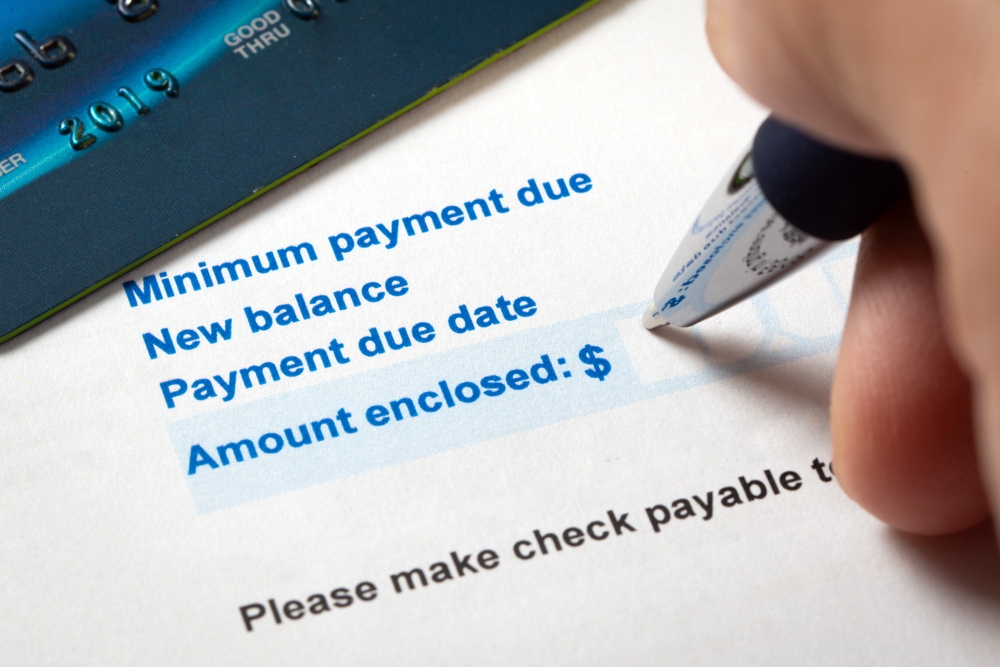
Carrying credit card balances month after month creates long-term financial drag. Credit cards in Canada charge high interest rates. Minimum payments barely reduce the balance. Interest grows faster than repayments. Many people accept this as normal. Over time, more income goes toward interest alone. Savings and investing get delayed. Credit utilization may affect borrowing ability. Cash flow tightens further each month. Clearing balances requires discipline but frees income quickly. Persistent balances often reflect spending beyond means. This pattern becomes harder to break the longer it continues.
Falling Behind on Retirement Savings

Falling behind on retirement savings causes growing concern in your 30s. Early savings benefit most from compounding growth. Delaying contributions reduces future options. Rising living costs push retirement lower on priority lists. Some Canadians rely mainly on CPP and OAS. Employer plans often go unused. Missed years require larger future contributions. Catching up later feels stressful. Retirement may seem distant, but time moves quickly. Even small regular savings help. Falling behind now increases pressure later and limits long-term financial independence.
Having No Emergency Fund
Having no emergency fund leaves finances vulnerable to disruption. Unexpected costs appear without warning. Car repairs, health expenses, or job gaps cause immediate strain. Without savings, credit becomes the fallback. Interest then adds another layer of pressure. Many Canadians underestimate how often emergencies occur. Even one month of expenses provides relief. An emergency fund protects other goals. It prevents using retirement savings or high-interest debt. Starting small still improves stability. No buffer turns minor issues into major setbacks over time.
Rising Housing Costs Outpacing Income Growth

Rising housing costs outpacing income growth create steady financial stress. Rent or mortgage payments consume larger portions of income. Property taxes, utilities, and maintenance add pressure. Wage growth often lags behind these increases. Many Canadians reduce their savings first to cope. This quietly delays financial progress. Housing becomes the dominant expense. Flexibility disappears as fixed costs rise. Long-term goals feel harder to reach. When housing absorbs income growth, other priorities suffer. This imbalance becomes difficult to reverse without structural changes.
Relying on Buy Now Pay Later Services

Relying on buy now, pay later services introduces hidden financial risk. Small installments feel manageable at first. Multiple purchases spread payments across months. Tracking total obligations becomes difficult. Missed payments may trigger fees or penalties. Spending increases without an immediate impact. Many Canadians use these services for everyday items. Future income gets committed quietly. Cash flow tightens unexpectedly. Savings plans get pushed aside. Convenience replaces awareness. Frequent use often hides deeper budgeting issues. Over time, flexibility decreases while obligations quietly grow.
Increasing Use of Lines of Credit

Increasing use of lines of credit signals growing dependence on borrowing. Lines of credit offer lower rates than credit cards. This makes balances feel manageable. Over time, borrowing becomes routine. Interest accumulates each month steadily. Many Canadians use credit to cover cash shortfalls. Clear repayment plans often remain missing. Variable rates add uncertainty to balances. Rising usage reduces future borrowing room. Tools meant for emergencies become daily support. Persistent reliance suggests spending and income no longer align comfortably.
Student Loan Balances That Are Not Shrinking
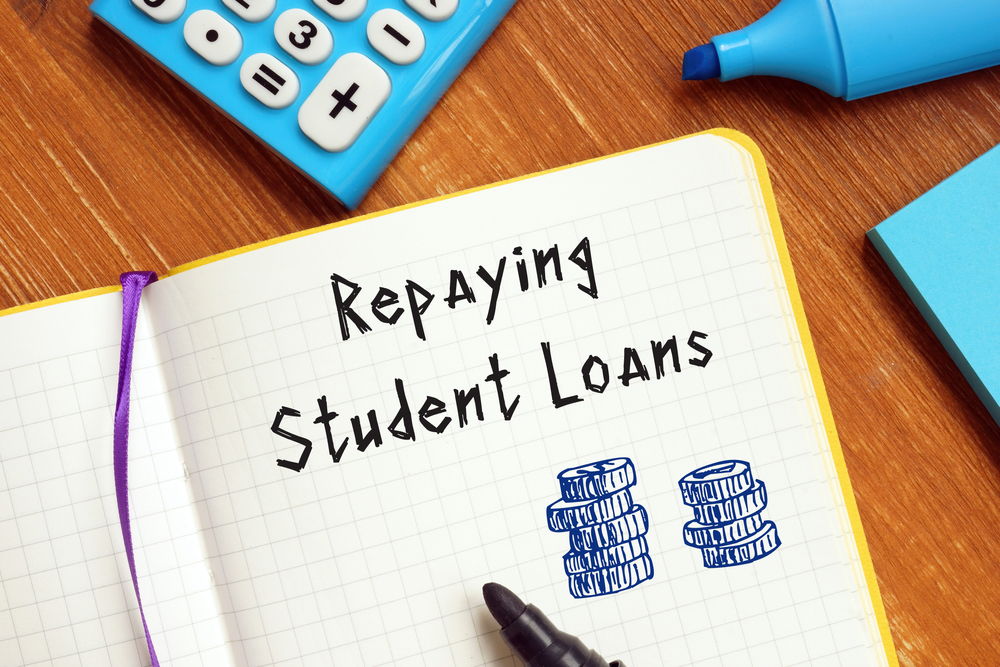
Student loan balances that are not shrinking cause growing concern in your 30s. Many Canadians continue making payments without seeing progress. Interest often offsets monthly contributions. Extended repayment terms stretch debt longer than expected. Other financial priorities delay aggressive repayment. Some rely on minimum payments for flexibility. This keeps balances stable instead of declining. Lingering student debt affects borrowing capacity for homes or investments. It also limits monthly cash flow. When balances stall for years, it signals the need for a revised repayment strategy and clearer prioritization.
Lifestyle Inflation Eating Up Raises
Lifestyle inflation quietly blocks financial progress. Salary increases often lead to higher spending instead of higher savings. Upgraded housing, travel, dining, or subscriptions absorb extra income. Expenses rise alongside earnings without notice. Many Canadians expect lifestyle improvements after raises. Savings rates remain unchanged or decline. Long-term goals get postponed despite higher pay. Raises lose their impact quickly. Without intention, progress stalls. Lifestyle inflation feels natural but delays stability. Redirecting part of every raise toward goals helps preserve momentum and build long-term security.
Lack of Clear Financial Goals
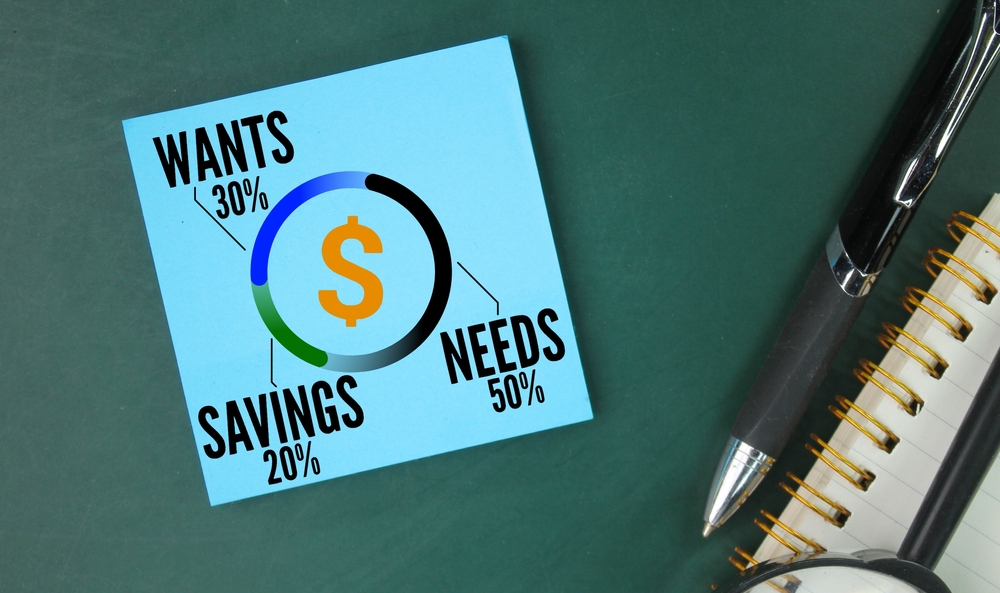
Lack of clear financial goals creates directionless money decisions. Without goals, saving feels optional and inconsistent. Spending fills gaps instead. Many Canadians manage month to month without a plan. Short-term comfort replaces long-term thinking. Progress becomes hard to measure. Motivation drops without defined targets. Retirement, home ownership, or debt freedom feel abstract. Decisions get delayed repeatedly. Clear goals guide priorities and trade-offs. They also reduce impulsive spending. Without goals, finances drift rather than move forward with purpose.
Missing Employer Retirement Benefits

Missing employer retirement benefits leaves long-term gaps. Many Canadian employers offer RRSP matching or pension plans. Not enrolling means leaving compensation unused. Some delay participation due to cash flow concerns. Others underestimate the value of matching contributions. Over time, missed benefits compound into large losses. Retirement savings grow more slowly without employer support. Catching up later requires higher personal contributions. Benefits often come with tax advantages. Ignoring them weakens future security. Participation usually offers one of the strongest returns available to employees.
Poor Credit Score Trends
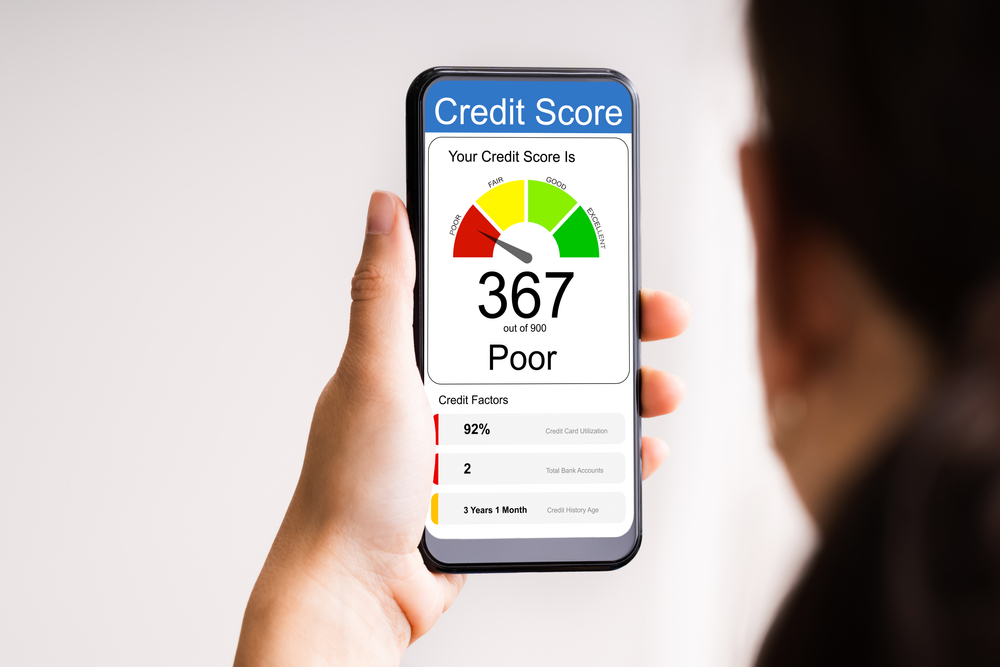
Poor credit score trends signal growing financial strain. Late payments, high balances, and frequent borrowing affect scores. Many Canadians notice gradual declines without clear reasons. Credit impacts borrowing rates and approval chances. Lower scores increase interest costs over time. This affects mortgages, car loans, and lines of credit. Recovery takes time and consistency. Ignoring trends makes fixes harder later. Credit reflects financial habits over months and years. Declining scores often point to cash flow issues that need attention sooner rather than later.
Delaying Major Life Decisions Due to Money

Delaying major life decisions due to money creates emotional and financial pressure. Many Canadians postpone buying homes, starting families, or changing careers. Financial uncertainty drives hesitation. Debt, housing costs, and savings gaps play a role. Delays may feel responsible but carry hidden costs. Opportunities pass while waiting for stability. Stress builds as timelines stretch. Money becomes a constant decision filter. Without a plan, delays repeat. Financial clarity supports confident choices. Prolonged indecision often signals deeper planning issues rather than temporary setbacks.
Dependence on Variable Interest Rates

Dependence on variable interest rates increases financial vulnerability. Many Canadians rely on variable mortgages or credit products. Rate increases raise payments quickly. Budgets tighten without warning. Planning becomes harder during volatility. Some choose variable rates for lower initial costs. Long-term exposure often gets overlooked. Rising rates reduce cash flow and savings capacity. Stress increases during economic shifts. Fixed costs become unpredictable. Heavy reliance on variable rates requires strong buffers. Without them, financial stability depends on factors outside personal control.
Minimal Insurance Coverage

Minimal insurance coverage exposes Canadians in their 30s to serious financial risk. Many carry basic health or auto insurance only. Life, disability, or critical illness coverage often gets delayed. People assume coverage can wait until later. Unexpected illness or injury can disrupt income quickly. Without protection, savings and investments get drained. Debt may increase during recovery periods. Dependents face a greater risk without coverage. Insurance supports financial continuity, not just emergencies. Gaps remain unnoticed until problems arise. Minimal coverage signals vulnerability that can undo years of careful financial effort.
Ignoring Investment Charges
Ignoring investment charges quietly erodes long-term returns. Many Canadians focus on performance but overlook costs. Management fees reduce growth every year. Small percentages compound into large losses over decades. Fees apply even during poor market performance. Some products carry layered charges that remain unclear. Without review, money leaks steadily. Higher fees require stronger returns to break even. Long-term goals get delayed silently. Understanding fee structures improves outcomes without added risk. Ignoring costs means working harder for smaller results over time.
Difficulty Saving While Paying Down Debt
Difficulty saving while paying down debt creates ongoing frustration. Many Canadians feel forced to choose one goal. High debt payments reduce available cash. Savings get postponed repeatedly. This leaves no buffer for emergencies. Debt repayment feels endless without visible progress. Motivation drops over time. Balanced approaches often work better. Even small savings provide stability. Without savings, new debt replaces old debt. This cycle delays financial confidence. Struggling to save while repaying debt signals the need for better prioritization and pacing.
No Long-Term Financial Plan
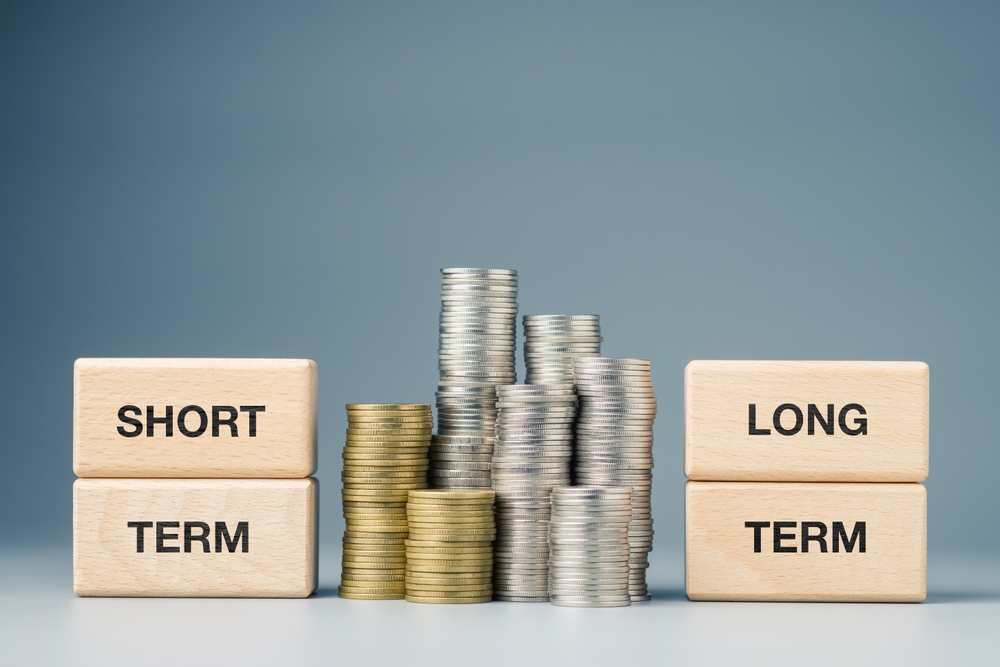
No long-term financial plan leads to reactive money decisions. Without a plan, goals remain vague. Spending responds to immediate needs only. Savings lack direction or consistency. Retirement, housing, and lifestyle goals feel disconnected. Progress becomes hard to measure. Unexpected changes cause stress. Many Canadians delay planning due to complexity. Simple frameworks still provide clarity. A long-term plan guides trade-offs and timing. Without it, finances drift year after year. Lack of planning often results in missed opportunities and slower wealth building.
Frequent Financial Stress or Anxiety

Frequent financial stress or anxiety reflects underlying money issues. Constant worry affects daily decisions and sleep. Bills, debt, and savings gaps create mental strain. Even stable earners may feel pressure. Uncertainty fuels overthinking and avoidance. Stress reduces confidence in planning. Emotional fatigue builds over time. Money becomes a source of tension rather than security. Persistent anxiety signals imbalance. Addressing root causes improves both finances and well-being. Ignoring stress allows problems to deepen quietly and affect the overall quality of life.
Relying on Future Income Increases

Relying on future income increases creates risky expectations. Many Canadians assume raises or promotions will fix problems. Current spending remains unchanged. Savings get postponed. Income growth is never guaranteed. Job markets shift unexpectedly. Delayed action compounds missed progress. Expenses often rise alongside income. Planning based on future money weakens discipline. Financial stability depends on present habits. Waiting for higher income delays control. Building systems around current earnings creates resilience regardless of future changes.
Not Reviewing Finances Regularly

Not reviewing finances regularly allows problems to grow unnoticed. Bills, subscriptions, and interest rates change over time. Without reviews, inefficiencies remain. Many Canadians manage their finances only during times of stress. Small leaks add up across months. Goals drift without tracking. Opportunities to adjust get missed. Regular reviews support awareness and control. Even brief check-ins improve clarity. Financial habits stay aligned with priorities. Avoiding reviews leads to reactive decisions. Consistent monitoring supports long-term stability and confidence.
22 Groceries to Grab Now—Before another Price Shock Hits Canada

Food prices in Canada have been steadily climbing, and another spike could make your grocery bill feel like a mortgage payment. According to Statistics Canada, food inflation remains about 3.7% higher than last year, with essentials like bread, dairy, and fresh produce leading the surge. Some items are expected to rise even further due to transportation costs, droughts, and import tariffs. Here are 22 groceries to grab now before another price shock hits Canada.
22 Groceries to Grab Now—Before another Price Shock Hits Canada
This Options Discord Chat is The Real Deal
While the internet is scoured with trading chat rooms, many of which even charge upwards of thousands of dollars to join, this smaller options trading discord chatroom is the real deal and actually providing valuable trade setups, education, and community without the noise and spam of the larger more expensive rooms. With a incredibly low-cost monthly fee, Options Trading Club (click here to see their reviews) requires an application to join ensuring that every member is dedicated and serious about taking their trading to the next level. If you are looking for a change in your trading strategies, then click here to apply for a membership.