
35,000+ smart investors are already getting financial news, market signals, and macro shifts in the economy that could impact their money next with our FREE weekly newsletter. Get ahead of what the crowd finds out too late. Click Here to Subscribe for FREE.
Many middle-class Canadians earn steady incomes yet still feel financially stretched. The problem often is not one big expense. It is small, repeated habits that quietly drain money over time. These habits feel harmless because they fit into daily routines. Subscriptions, convenience spending, and credit use slowly reduce flexibility. Over months and years, stress builds without a clear cause. Recognizing these patterns helps explain where money actually goes. Here are 17 “small” money habits making middle-class Canadians feel broke.
Treating Pay Raises as Spending Permission
17 “Small” Money Habits Making Middle-Class Canadians Feel Broke
- Treating Pay Raises as Spending Permission
- Ignoring Monthly Subscriptions and Auto-Renewals
- Relying on Credit Cards for Everyday Expenses
- Not Tracking Where Money Goes Each Month
- Using Food Delivery Apps Too Often
- Carrying Small but Persistent Credit Balances
- Upgrading Phones and Plans More Often Than Needed
- Financing Purchases That Could Be Saved For
- Letting Bank Fees Go Unchecked
- Not Adjusting Budgets After Life Changes
- Using Lines of Credit for Non-Essentials
- Skipping Savings Because Amounts Feel Too Small
- Paying Convenience Costs Without Question
- Ignoring Insurance Deductibles and Coverage Gaps
- Treating Refunds and Bonuses as Free Money
- Avoiding Financial Reviews Until Problems Appear
- Normalizing Financial Stress as Part of Life
- 22 Groceries to Grab Now—Before another Price Shock Hits Canada

Treating pay raises as spending permission quietly weakens financial progress. Many middle-class Canadians celebrate raises by upgrading their lifestyles immediately. Higher rent, newer cars, or frequent dining absorb extra income fast. Savings rates often stay unchanged. The raise feels gone within months. This habit creates the feeling of working harder without moving ahead. Income growth should create breathing room, not pressure. Redirecting part of every raise toward savings or debt changes outcomes. Without intention, raises only maintain the same stress at a higher cost level, leaving people feeling broke despite earning more.
Ignoring Monthly Subscriptions and Auto-Renewals
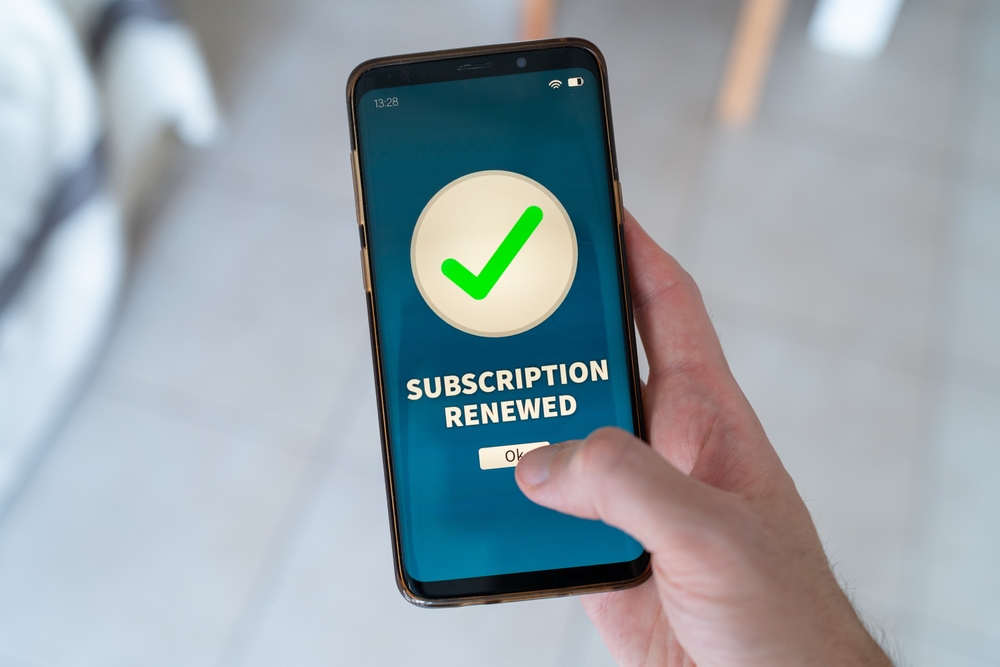
Ignoring monthly subscriptions and auto-renewals drains money silently. Streaming services, apps, memberships, and software renew automatically. Each charge feels small on its own. Together, they add up every month. Many Canadians forget why they signed up. Payments continue even when usage stops. Auto-renewals reduce awareness and control. Over time, these costs crowd out savings. Cancelling unused subscriptions often frees up quick cash flow. Regular reviews restore visibility. This habit makes finances feel tighter than they need to be, especially when income remains steady but expenses creep upward unnoticed.
Relying on Credit Cards for Everyday Expenses
Relying on credit cards for everyday expenses creates ongoing pressure. Groceries, fuel, and small purchases get charged for convenience. Balances carry forward month after month. Interest quietly eats future income. Many Canadians normalize this pattern. Minimum payments hide the real cost. Cash flow feels tight even with stable earnings. Credit cards stop being tools and become support systems. This habit reduces flexibility and increases stress. Paying daily expenses with available cash restores control. Persistent reliance on credit for basics often explains why people feel broke without clear reasons.
Not Tracking Where Money Goes Each Month
Not tracking where money goes each month leads to constant confusion. Income arrives and disappears without clarity. Small expenses feel harmless in isolation. Together, they create gaps that feel unexplainable. Many Canadians rely on memory instead of records. This makes budgeting ineffective. Without tracking, adjustments stay guesswork. Overspending hides in plain sight. Tracking does not require complex tools. Simple reviews reveal patterns quickly. Awareness alone often changes behavior. When money flow remains unclear, stress increases. Feeling broke often comes from not knowing where money leaks are consistently happening.
Using Food Delivery Apps Too Often

Using food delivery apps too often strains budgets quietly. Delivery fees, service charges, and tips inflate costs fast. Meals cost far more than cooking at home. Convenience replaces planning during busy weeks. Many Canadians underestimate monthly totals. Small orders feel justified individually. Over time, spending rivals major expenses. This habit reduces savings without an obvious warning. Food delivery becomes routine rather than occasional. Cutting back even slightly creates relief. Frequent use explains why paycheques vanish quickly, leaving the feeling of being broke despite a steady income.
Carrying Small but Persistent Credit Balances
Carrying small but persistent credit balances keeps finances stuck. Balances feel manageable, so urgency disappears. Interest continues accumulating every month. Minimum payments barely reduce debt. Many Canadians live with these balances for years. Cash flow stays restricted longer than expected. Small balances multiply across cards or accounts. Progress feels slow or nonexistent. Clearing them provides immediate relief. Persistent balances create constant drag on finances. This habit alone can explain why middle-class earners feel broke. Interest quietly consumes money that could support savings or stability.
Upgrading Phones and Plans More Often Than Needed
Upgrading phones and plans more often than needed adds steady pressure to budgets. New devices feel affordable through monthly financing. Higher data plans often follow upgrades. Small increases combine into long-term costs. Many Canadians replace phones before performance declines. Contracts reset and extend payments repeatedly. This keeps bills elevated year after year. The true cost hides behind manageable monthly amounts. Older devices often meet real needs just fine. Delaying upgrades frees cash quickly. Frequent upgrades explain why expenses stay high even without major lifestyle changes.
Financing Purchases That Could Be Saved For

Financing purchases that could be saved for increases financial strain. Installment plans make spending feel painless. Payments stretch across months or years. Interest or fees often apply quietly. Many Canadians finance furniture, electronics, or appliances unnecessarily. Savings goals get postponed as payments pile up. Cash flow tightens with overlapping commitments. What felt affordable becomes restrictive later. Saving first builds flexibility and control. Financing should solve timing problems, not replace planning. Frequent financing creates the feeling of being broke despite a stable income.
Letting Bank Fees Go Unchecked
Letting bank fees go unchecked drains money without notice. Monthly account fees, transaction charges, and overdraft costs add up. Many Canadians accept fees as unavoidable. Changes in balances can trigger new charges. Paper statements and ATM usage also cost extra. Over time, fees consume hundreds of dollars. These costs provide no real value. Reviewing accounts often reveals cheaper options. Switching plans or banks reduces waste. Ignoring fees keeps money leaking steadily. Feeling broke often comes from small, recurring losses that go unnoticed.
Not Adjusting Budgets After Life Changes

Not adjusting budgets after life changes creates an ongoing imbalance. Income, expenses, and priorities shift over time. Moves, raises, children, or debt changes alter needs. Many Canadians keep old budgets out of habit. Spending patterns no longer match reality. Shortfalls appear without clear reasons. Savings targets become unrealistic or ignored. Regular updates restore accuracy. Budgets should reflect current life stages. Without adjustment, finances feel tight even when income rises. This habit quietly keeps people feeling broke during periods of transition.
Using Lines of Credit for Non-Essentials
Using lines of credit for non-essentials weakens financial stability. Lower interest rates make borrowing feel safer. Purchases like travel, gadgets, or upgrades get justified easily. Balances grow slowly but persist. Repayment often lacks urgency. Interest accumulates month after month. Lines meant for emergencies become spending tools. This reduces future borrowing capacity. Cash flow stays restricted longer. Non-essential borrowing delays progress toward goals. Regular use explains why finances feel stretched despite reasonable income levels.
Skipping Savings Because Amounts Feel Too Small
Skipping savings because amounts feel too small delays progress unnecessarily. Many Canadians wait to save until amounts feel meaningful. Small contributions get dismissed. This habit prevents momentum from building. Consistency matters more than size. Small savings add up over time. They also build confidence and discipline. Waiting for perfect conditions rarely works. Missed months compound into missed years. Starting small creates habit strength. Feeling broke often persists because saving never begins. Small steps still move finances forward steadily.
Paying Convenience Costs Without Question

Paying convenience costs without question increases everyday expenses. Express shipping, premium seating, quick services, and add-ons feel harmless. Each choice saves time but costs money. Repeated often, these charges add up. Many Canadians prioritize speed without reviewing impact. Convenience becomes default behavior. Savings shrink quietly. Cash flow feels tighter over time. Questioning convenience restores balance. Not every shortcut needs paying for. This habit explains why money feels scarce despite moderate spending. Small choices shape overall financial comfort more than expected.
Ignoring Insurance Deductibles and Coverage Gaps

Ignoring insurance deductibles and coverage gaps creates hidden financial exposure. Many Canadians focus only on monthly premiums. Deductibles and exclusions often get overlooked. When claims arise, out-of-pocket costs surprise households. Coverage gaps may leave key risks unprotected. Health, auto, home, and tenant insurance all carry limits. Choosing lower premiums often increases deductibles. Without awareness, emergency costs hit savings hard. This stress feels sudden but builds quietly. Reviewing policies prevents shocks. Feeling broke after emergencies often traces back to misunderstood coverage rather than bad luck.
Treating Refunds and Bonuses as Free Money

Treating refunds and bonuses as free money weakens financial progress. Tax refunds, work bonuses, or rebates feel unexpected. Many Canadians spend them quickly. These funds often represent delayed income or overpayments. Using them for short-term wants feels rewarding. Long-term needs stay unmet. Debt, savings gaps, and future expenses remain unchanged. This habit repeats annually. Redirecting windfalls toward goals creates relief. Even partial allocation helps. When extra money disappears fast, finances feel stuck. Free money thinking prevents real improvement in stability and control.
Avoiding Financial Reviews Until Problems Appear
Avoiding financial reviews until problems appear increases stress later. Many Canadians check their finances only during crises. Bills, subscriptions, and interest rates change quietly. Small issues grow without attention. Missed adjustments reduce flexibility. Reviewing finances feels uncomfortable for some. Avoidance delays solutions. Regular reviews catch leaks early. They also build confidence and clarity. Even brief check-ins help. Waiting for problems makes fixes harder. Feeling broke often results from long periods of inattention rather than sudden mistakes. Consistent reviews keep finances aligned with real-life changes.
Normalizing Financial Stress as Part of Life

Normalizing financial stress as part of life hides real issues. Many middle-class Canadians accept constant worry as normal. Stress becomes background noise. This mindset delays action. Budget gaps, debt, and uncertainty remain unaddressed. Emotional fatigue builds over time. Financial stress affects sleep, health, and decisions. Accepting it removes urgency for change. Stability should not feel impossible. Reducing stress starts with small steps. Questioning constant pressure opens space for improvement. Feeling broke often persists because stress gets treated as unavoidable rather than fixable.
22 Groceries to Grab Now—Before another Price Shock Hits Canada

Food prices in Canada have been steadily climbing, and another spike could make your grocery bill feel like a mortgage payment. According to Statistics Canada, food inflation remains about 3.7% higher than last year, with essentials like bread, dairy, and fresh produce leading the surge. Some items are expected to rise even further due to transportation costs, droughts, and import tariffs. Here are 22 groceries to grab now before another price shock hits Canada.
22 Groceries to Grab Now—Before another Price Shock Hits Canada
This Options Discord Chat is The Real Deal
While the internet is scoured with trading chat rooms, many of which even charge upwards of thousands of dollars to join, this smaller options trading discord chatroom is the real deal and actually providing valuable trade setups, education, and community without the noise and spam of the larger more expensive rooms. With a incredibly low-cost monthly fee, Options Trading Club (click here to see their reviews) requires an application to join ensuring that every member is dedicated and serious about taking their trading to the next level. If you are looking for a change in your trading strategies, then click here to apply for a membership.