
35,000+ smart investors are already getting financial news, market signals, and macro shifts in the economy that could impact their money next with our FREE weekly newsletter. Get ahead of what the crowd finds out too late. Click Here to Subscribe for FREE.
Winter energy bills feel heavier every year. Cold snaps last longer. Homes work harder. Many Canadians assume higher bills are unavoidable. They are not. Small choices inside your home quietly shape monthly costs. Utilities rarely explain these details clearly. Builders often skip them. Many tips never reach average households. Here are a few overlooked habits, billing quirks, and system settings. None requires major renovations or lifestyle changes. They rely on timing, settings, and awareness. Here are 17 winter energy bill tricks the average Canadian has never heard of.
Reset Your Thermostat’s Recovery Setting
17 Winter Energy Bill Tricks the Average Canadian Has Never Heard Of
- Reset Your Thermostat’s Recovery Setting
- Wash Winter Laundry with Cold Water Only
- Reverse Ceiling Fans Even in Small Rooms
- Use Zoned Heating Without a Smart System
- Schedule Appliances Outside Utility Peak Hours
- Lower Water Heater Temperature Slightly
- Insulate Electrical Outlets on Exterior Walls
- Use Heavy Curtains Strategically, Not Constantly
- Clean Furnace Filters More Often in Winter
- Seal Basement Rim Joists With Temporary Insulation
- Use Space Heaters to Supplement, Not Replace, Heat
- Turn Off Bathroom Fans Immediately After Use
- Check Billing Estimates Versus Actual Usage
- Reduce Dryer Use with Indoor Air Drying
- Lower The Thermostat Slightly Before Sleeping
- Use Window Plastic Film Only on Drafty Windows
- Monitor Real-Time Usage With Utility Apps
- 22 Groceries to Grab Now—Before another Price Shock Hits Canada
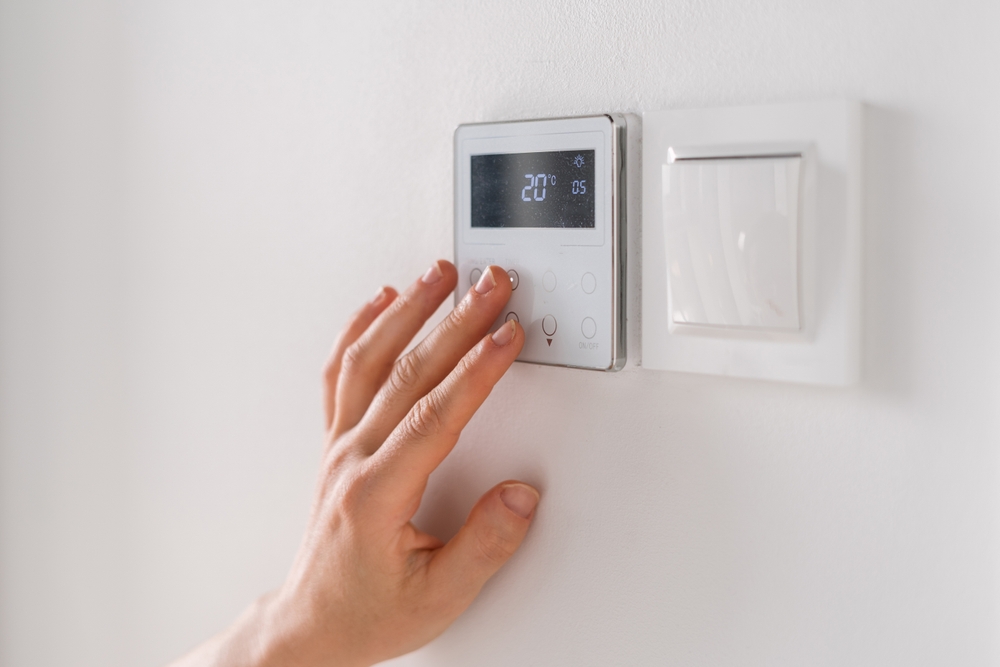
Most programmable thermostats use recovery modes by default. This setting starts heating earlier than scheduled. The system runs longer to hit target temperatures on time. Many people never notice this behavior. Disabling recovery allows gradual warming instead. The house reaches a temperature later, not sooner. That delay reduces peak energy use. Utilities often charge more during high-demand periods. Recovery settings quietly push usage into those windows. Manual adjustments can lower costs without discomfort. Morning routines rarely need instant warmth. Layering clothing helps during short transitions. Check the manual or app for recovery controls. Many models hide the option deep in menus. Turning it off saves energy all winter.
Wash Winter Laundry with Cold Water Only
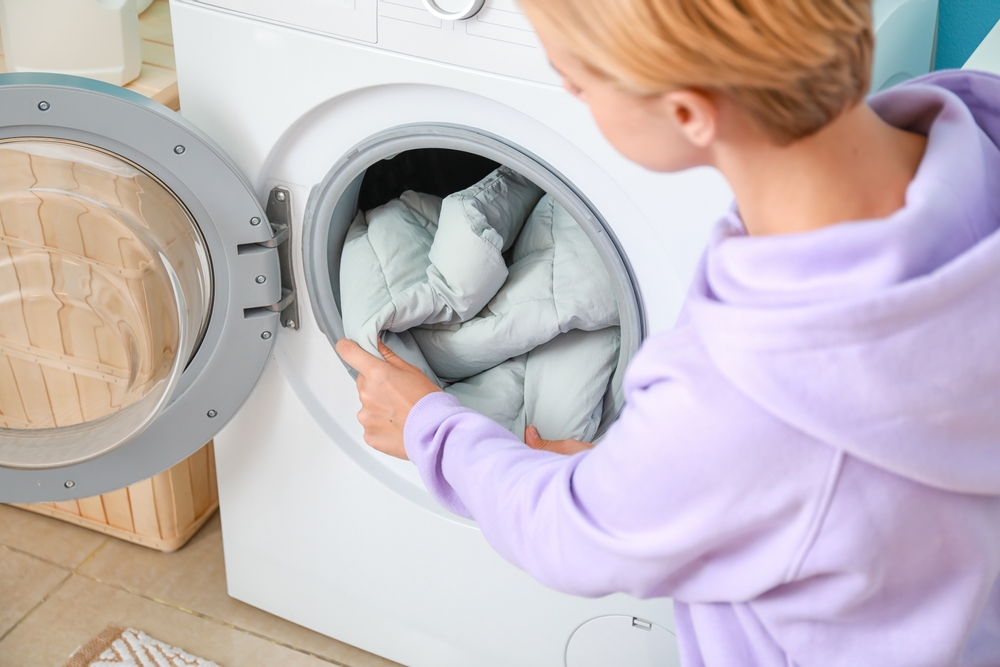
Cold water works better than most people expect. Modern detergents clean effectively without heat. Hot water adds significant energy costs per load. Winter clothing is often heavier and washed more frequently. That increases heating demand further. Cold washes protect fabrics and reduce wear. They also shorten dryer time slightly. Shorter drying means lower electricity use. Some stains still need warm water. Spot treat those items separately. Avoid default warm cycles for everyday loads. Front-load washers benefit most from cold settings. Over a season, savings quietly add up. Families with frequent laundry notice the biggest change. The habit requires no equipment or upgrades. It simply requires consistency during the winter months.
Reverse Ceiling Fans Even in Small Rooms
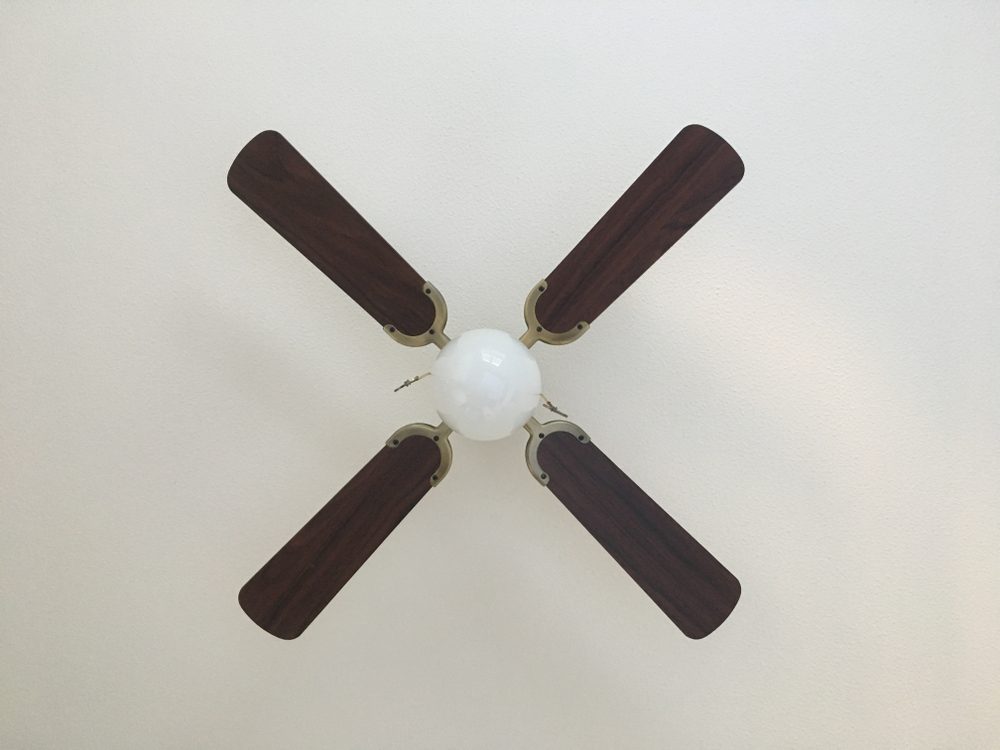
Ceiling fans are not only for summer. Most models include a reverse switch. In winter, reversed blades push warm air downward. Heat naturally rises toward ceilings. Without circulation, warmth stays trapped above. Rooms feel colder than they are. People raise thermostats unnecessarily. Fan reversal spreads existing heat evenly. This reduces furnace run time. Even small rooms benefit from improved airflow. Fans use minimal electricity compared to heaters. Run them at low speed only. High speed creates drafts and discomfort. Many forget this feature entirely. Check fan housings for direction switches. Use reversed fans consistently throughout winter. The comfort improvement often surprises homeowners and renters alike.
Use Zoned Heating Without a Smart System
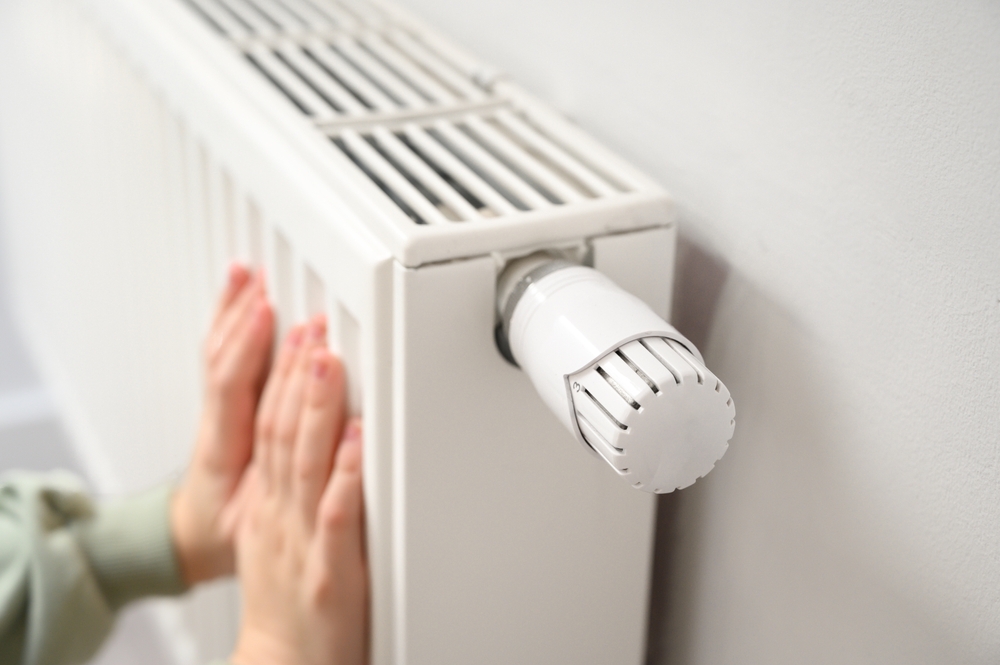
Zoned heating sounds expensive and complex. Many homes already have basic zoning options. Closing vents in unused rooms shifts heat elsewhere. This works best for short periods. Keep at least one vent partially open per room. Completely closing vents can strain systems. Focus on spaces used daily. Spare bedrooms need less heat during weekdays. Basements often require different settings. Adjust vents weekly based on routines. Combine vent control with door management. Close doors to limit heat spread. This manual zoning mimics smart systems. It requires attention but no new equipment. Done carefully, it reduces wasted heating. Many households overlook this simple control all winter.
Schedule Appliances Outside Utility Peak Hours

Utilities often charge more during peak demand times. These hours usually occur mornings and evenings. Dishwashers, dryers, and ovens add load during those windows. Running appliances later lowers overall costs. Many plans include time-based pricing. Even flat rates respond to grid strain. Off-peak use supports system efficiency. Delayed start features make scheduling easy. Set dishwashers before bed. Dry clothes midday when possible. Avoid electric cooking during peak hours. Slow cookers use less power over longer periods. Check your utility’s peak schedule online. Awareness changes behavior quickly. Shifting appliance timing feels minor. Over winter, it trims bills steadily without reducing comfort.
Lower Water Heater Temperature Slightly
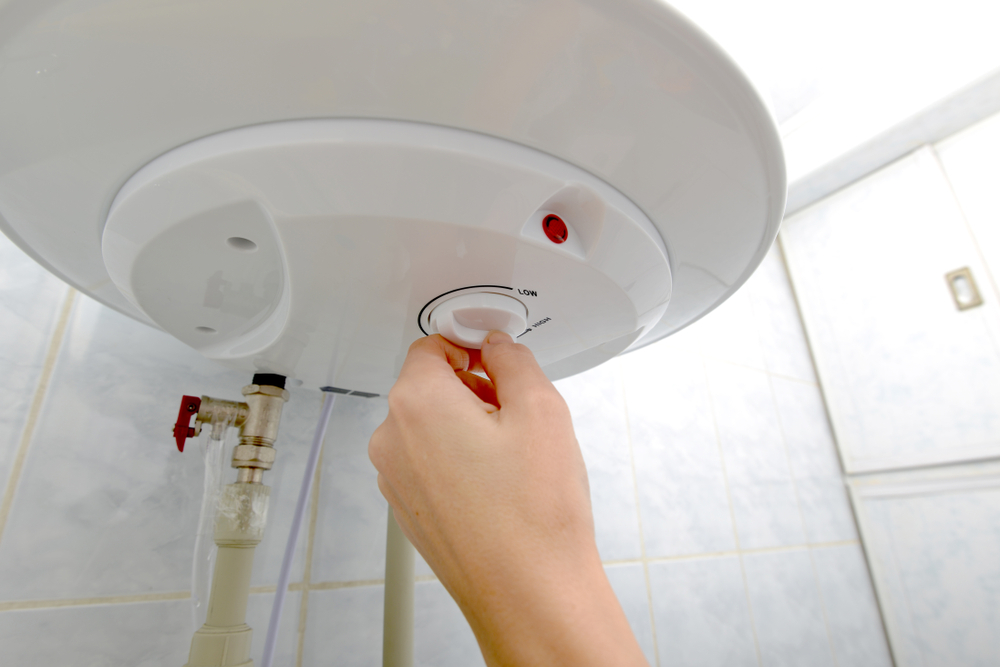
Water heaters often run hotter than necessary. Factory settings exceed typical household needs. Reducing the temperature by a few degrees saves energy. Hot water demand rises during winter. Longer showers feel comforting. Small adjustments matter more during cold months. Lower settings reduce standby heat loss. Pipes retain warmth longer with insulation. Most homes function well at lower temperatures. Test changes gradually to maintain comfort. Avoid dropping below safe sanitation levels. Many heaters include clear dials or digital controls. Adjustments take minutes. Few people ever revisit this setting. The savings continue quietly every day. Over a winter season, water heating costs drop noticeably with no lifestyle change.
Insulate Electrical Outlets on Exterior Walls
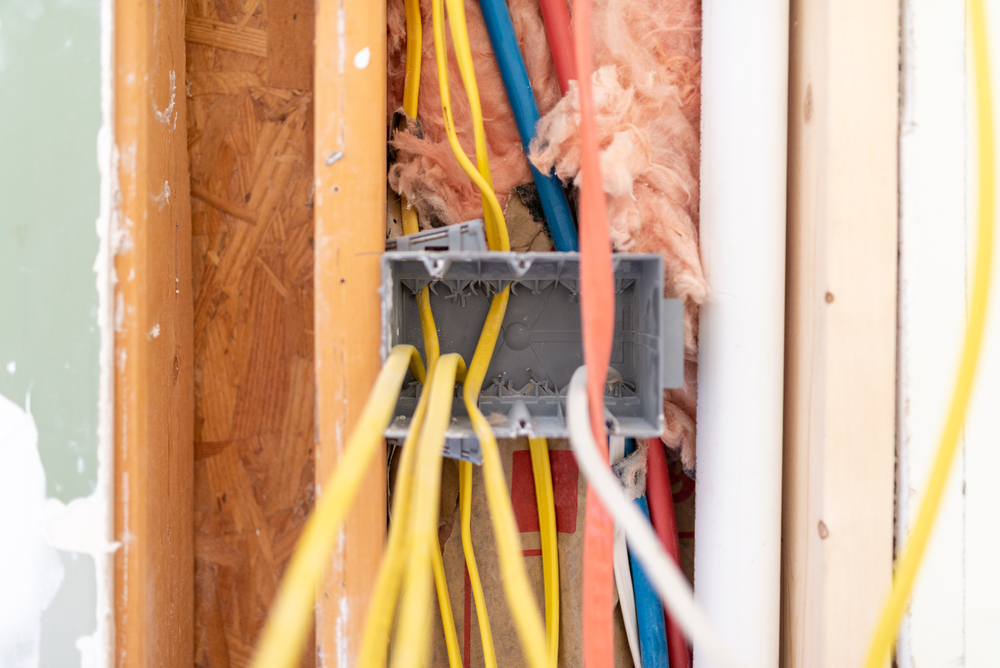
Exterior wall outlets allow cold air leakage. Gaps exist behind cover plates. These leaks feel minor but add up. Cold drafts force heaters to work harder. Foam outlet gaskets block airflow cheaply. Installation takes minutes per outlet. No wiring changes are needed. Hardware stores sell kits affordably. Renters can install and remove them easily. Focus on outlets near floors first. Switch plates also benefit from insulation. Combined leaks across rooms increase heat loss. Many homes lack these gaskets entirely. The fix is simple and overlooked. After sealing outlets, rooms feel less drafty. Furnaces cycle less often. This small fix offers steady winter savings.
Use Heavy Curtains Strategically, Not Constantly
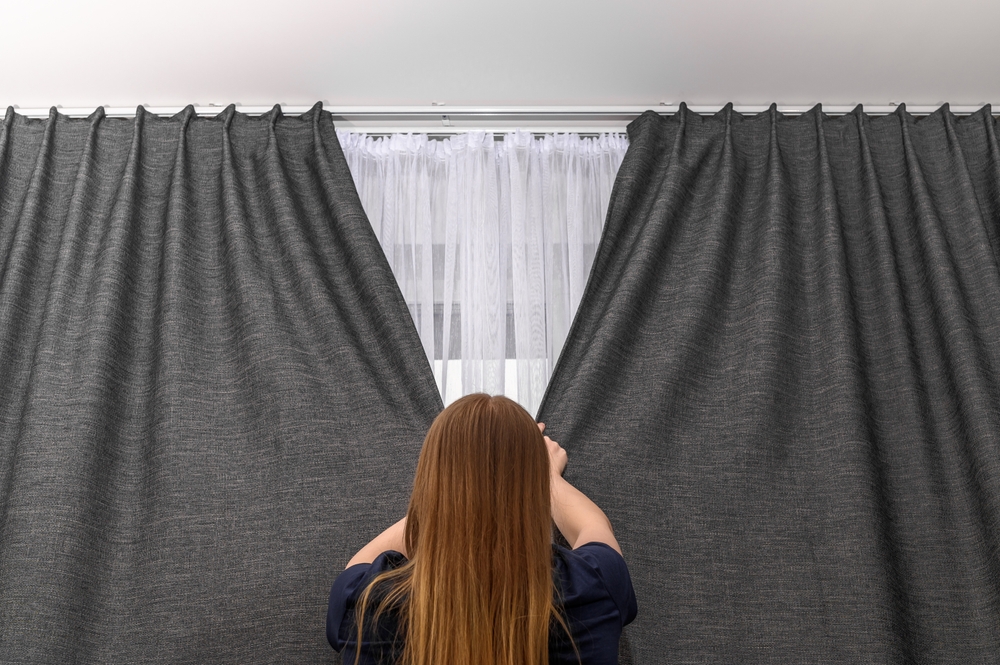
Heavy curtains trap warmth when used correctly. Keeping them closed all day blocks sunlight. Open curtains during daylight hours. Sunlight provides free heat. Close them at dusk to retain warmth. This daily rhythm improves comfort. North-facing windows benefit most from insulation. South-facing windows gain heat naturally. Thermal curtains work best when sealed tightly. Ensure edges reach the floor. Avoid blocking heat vents behind curtains. That traps warmth uselessly. Many households leave curtains unchanged. Strategic opening and closing save energy. It requires habit, not expense. Over time, heating systems run less often. The difference becomes noticeable during long winter stretches.
Clean Furnace Filters More Often in Winter
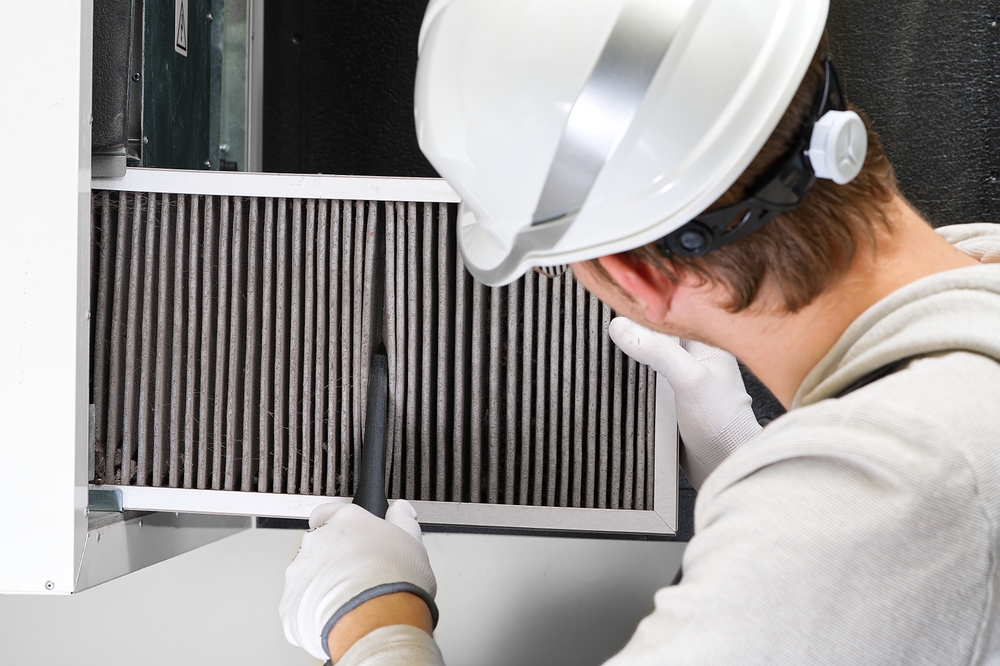
Dirty filters restrict airflow significantly. Restricted airflow forces furnaces to work harder. Winter dust buildup happens faster indoors. Windows stay closed longer. Pets shed more inside. Filters clog quickly during heavy use. Check filters monthly in winter. Replace or clean as needed. Clean filters improve efficiency immediately. Warm air circulates more evenly. Systems reach target temperatures faster. This shortens run cycles. Shorter cycles mean lower energy use. Many people change filters only seasonally. Winter requires closer attention. The task takes minutes. The payoff continues all season. Proper airflow protects equipment and reduces heating costs quietly.
Seal Basement Rim Joists With Temporary Insulation
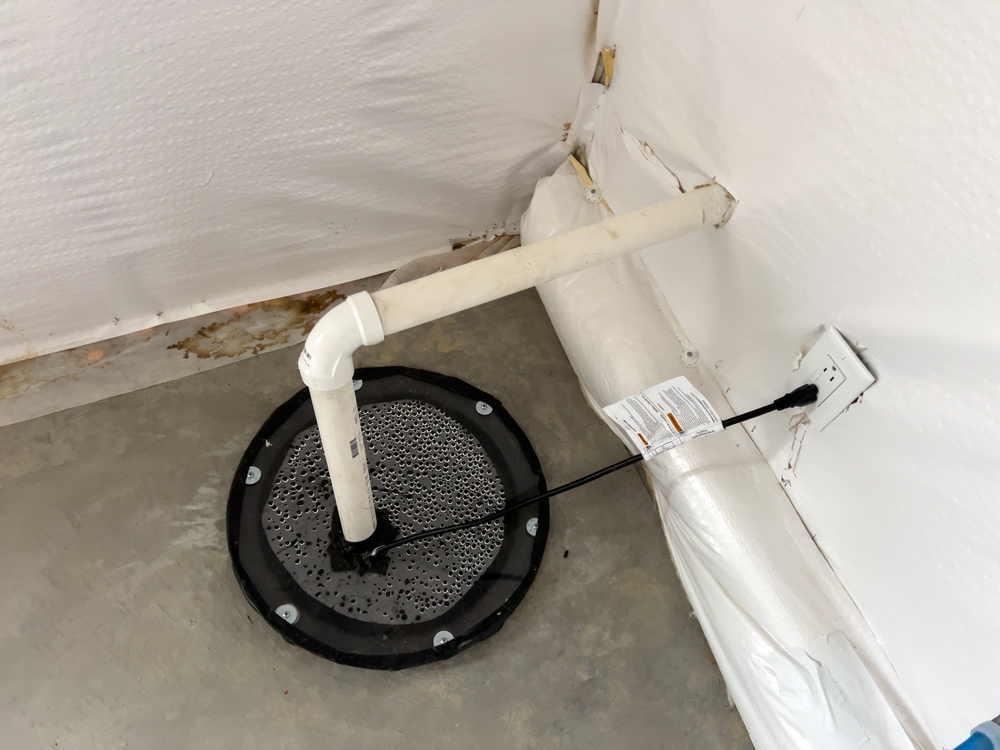
Basement rim joists leak heat aggressively. These areas sit above foundation walls. Cold air enters through small gaps. Professional sealing costs money. Temporary foam boards offer a cheaper option. Cut boards to fit snugly. Place them during the winter months only. Remove them in warmer seasons. This method blocks drafts effectively. Basements feel warmer quickly. Floors above become more comfortable. Heating systems cycle less often. Materials cost little and install easily. Many homes never address this leak point. The improvement surprises homeowners each winter. Temporary insulation offers a flexible solution. It works especially well in older houses with unfinished basements.
Use Space Heaters to Supplement, Not Replace, Heat

Space heaters get a bad reputation. Used poorly, they waste energy. Used strategically, they save money. Heat only occupied rooms briefly. Keep the central heat slightly lower. Use heaters during short activities. Home offices benefit most from this approach. Avoid running heaters continuously. Choose models with timers and thermostats. Safety features matter greatly. Close doors to contain warmth. This prevents whole-house heating increases. Electric heaters cost less when targeted. Many households overheat entire homes unnecessarily. Supplementing allows lower base settings. The result feels comfortable without excess usage. Used wisely, space heaters reduce winter bills instead of raising them.
Turn Off Bathroom Fans Immediately After Use

Bathroom fans remove moisture and heat together. Leaving them running wastes warm air. Winter air replacement requires reheating. Many fans run longer than necessary. Use them only during and shortly after showers. Install timers if available. Timers automate shutoff reliably. Warm air escapes quickly through vents. Excess fan use increases heating demand. Condensation control does not require long operation. Five to ten minutes often suffices. Teach household members consistent habits. Small changes add up across bathrooms. Fans are often forgotten devices. Reducing their runtime lowers heat loss. Over winter, this simple habit quietly cuts energy waste without affecting comfort.
Check Billing Estimates Versus Actual Usage

Utilities sometimes bill based on estimates. Estimates may exceed actual usage. Winter estimates can be especially high. Meters may be inaccessible due to snow. Check statements carefully each month. Look for estimated usage notes. Submit meter readings when possible. Online portals simplify submissions. Corrections apply to future bills. This prevents long-term overpayment. Many people never review billing details. Errors persist unnoticed for months. Awareness protects your budget. Confirm rates match your plan. Billing mistakes happen more often than expected. Winter costs deserve closer attention. Reviewing statements takes minutes. Catching errors once can offset other seasonal expenses entirely.
Reduce Dryer Use with Indoor Air Drying
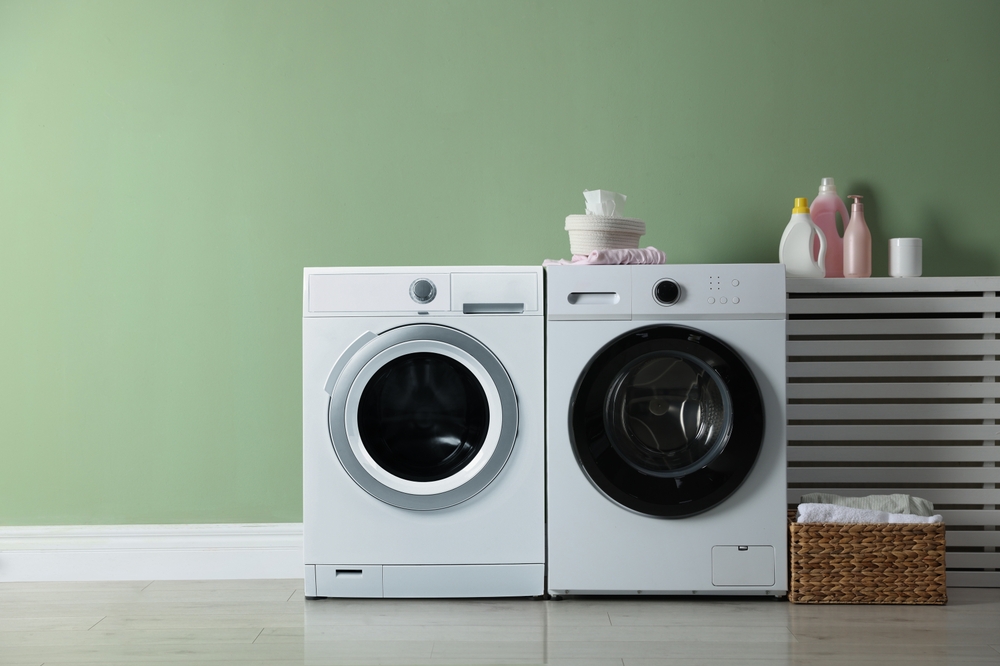
Dryers consume large amounts of electricity. Winter laundry increases dryer reliance. Indoor air drying offers an alternative. Drying racks work well in heated rooms. Moisture added to the air improves humidity. Higher humidity makes rooms feel warmer. That allows lower thermostat settings. Place racks near vents, not on them. Avoid overloading racks. Clothing dries overnight in many cases. This reduces dryer cycles significantly. Fewer cycles save energy and extend appliance life. Many dismiss air drying in winter. It works well indoors. The combination of lower dryer use and improved comfort delivers steady savings through colder months.
Lower The Thermostat Slightly Before Sleeping
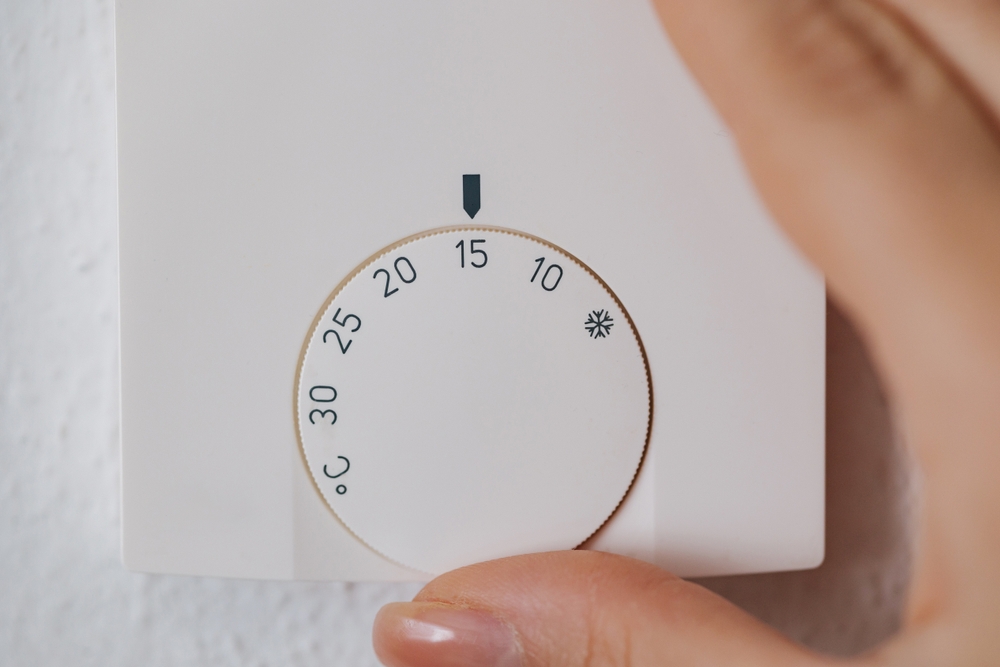
Sleeping bodies generate warmth naturally. Heavy blankets add insulation. Lowering the thermostat overnight saves energy. Even small reductions matter over long hours. Programmable schedules simplify this habit. Manual adjustments work too. Cooler air improves sleep quality for many. Morning recovery can be gradual. Avoid sharp temperature increases. Consistent overnight settings reduce heating strain. Homes lose less heat while occupants sleep. Many people maintain daytime settings all night. That wastes energy unnecessarily. Try lowering by one or two degrees. Comfort often remains unchanged. Over winter, nighttime reductions produce meaningful savings with no daily effort beyond initial setup.
Use Window Plastic Film Only on Drafty Windows
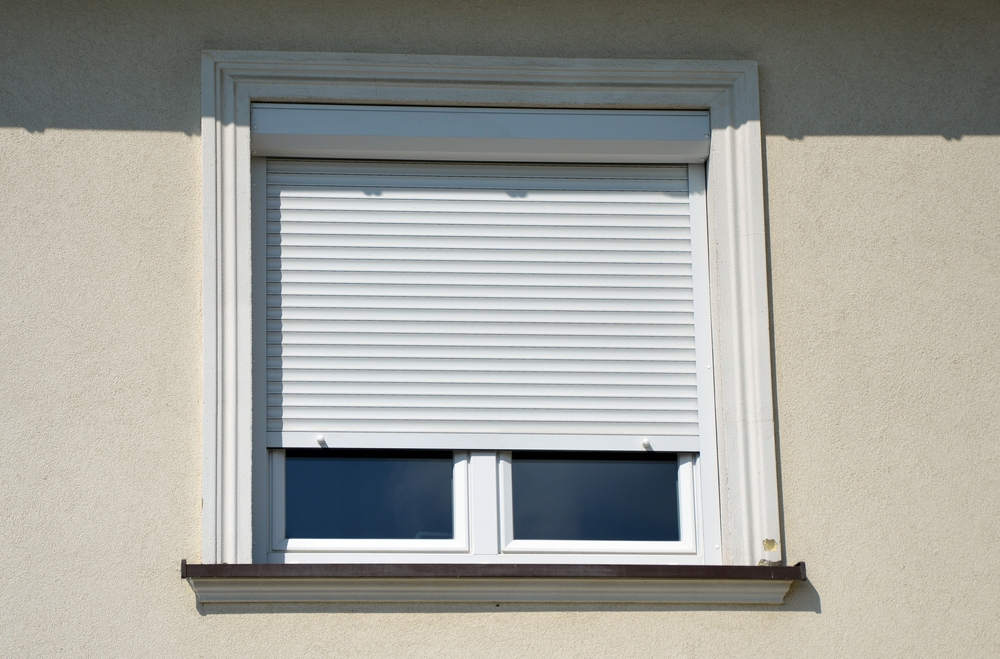
Plastic window film improves insulation temporarily. Applying it everywhere is unnecessary. Focus on draft-prone windows only. Test for drafts using a hand or tissue. Covering leaky windows blocks cold air. Overuse traps moisture and reduces ventilation. Selective application balances comfort and air quality. Kits are inexpensive and easy to install. Removal in spring is simple. Target older frames and basement windows first. Sealing these areas yields noticeable warmth. Heating systems respond quickly. Many homes waste heat through a few weak points. Addressing only those spots saves energy efficiently without overdoing insulation or affecting daily routines.
Monitor Real-Time Usage With Utility Apps
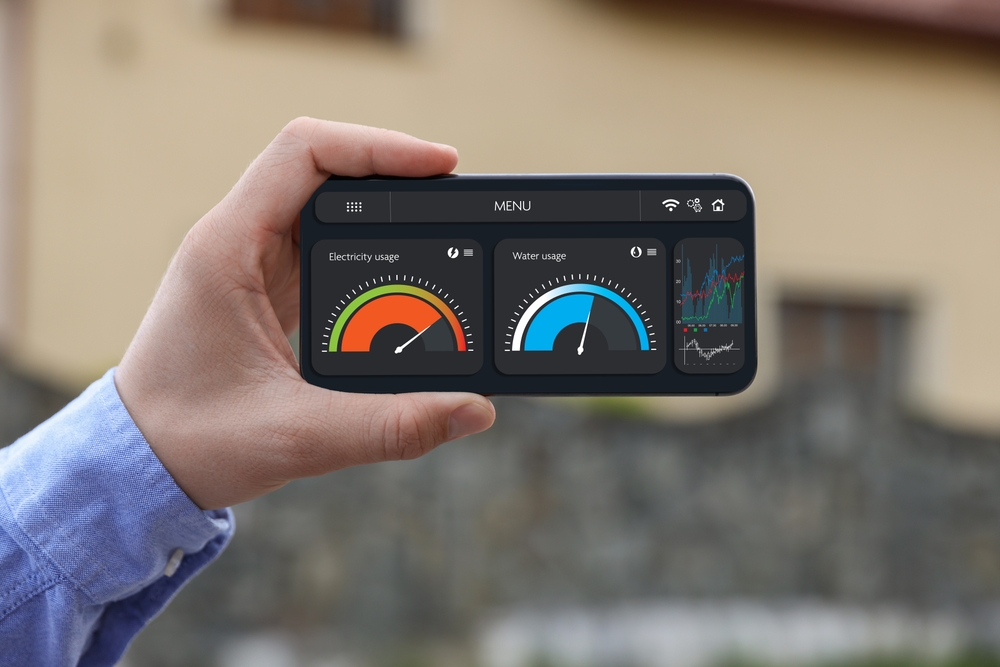
Many utilities offer real-time usage tracking. Few customers use these tools. Apps show daily and hourly consumption. Patterns become obvious quickly. Spikes reveal costly habits. Adjustments feel more meaningful with data. Seeing immediate changes reinforces better behavior. Tracking helps compare days and weeks. Weather impacts become clearer. This awareness guides smarter choices. Users often reduce consumption unintentionally. Simply watching usage changes habits. Apps also alert users to unusual spikes. Early detection prevents surprises. Winter monitoring proves especially useful. Heating adjustments show results within days. Knowledge changes behavior faster than advice. Utility apps turn abstract energy costs into visible feedback.
22 Groceries to Grab Now—Before another Price Shock Hits Canada

Food prices in Canada have been steadily climbing, and another spike could make your grocery bill feel like a mortgage payment. According to Statistics Canada, food inflation remains about 3.7% higher than last year, with essentials like bread, dairy, and fresh produce leading the surge. Some items are expected to rise even further due to transportation costs, droughts, and import tariffs. Here are 22 groceries to grab now before another price shock hits Canada.
22 Groceries to Grab Now—Before another Price Shock Hits Canada
This Options Discord Chat is The Real Deal
While the internet is scoured with trading chat rooms, many of which even charge upwards of thousands of dollars to join, this smaller options trading discord chatroom is the real deal and actually providing valuable trade setups, education, and community without the noise and spam of the larger more expensive rooms. With a incredibly low-cost monthly fee, Options Trading Club (click here to see their reviews) requires an application to join ensuring that every member is dedicated and serious about taking their trading to the next level. If you are looking for a change in your trading strategies, then click here to apply for a membership.