
35,000+ smart investors are already getting financial news, market signals, and macro shifts in the economy that could impact their money next with our FREE weekly newsletter. Get ahead of what the crowd finds out too late. Click Here to Subscribe for FREE.
Canadian households face unique financial pressures during colder-than-normal winters. Extreme temperatures increase heating costs, fuel consumption, and home maintenance expenses across provinces like Alberta, Ontario, and British Columbia. Families also spend more on winter clothing, groceries, and transportation, while unexpected disruptions affect childcare, deliveries, and travel. These challenges can quickly strain monthly budgets, emergency funds, and savings plans. Understanding the potential financial impacts helps Canadians plan and reduce surprises. Here are 20 ways a colder-than-normal winter could wreck your budget this year.
Higher Heating Costs for Homes in Alberta and Ontario
20 Ways a Colder-Than-Normal Winter Could Wreck Your Budget This Year
- Higher Heating Costs for Homes in Alberta and Ontario
- Increased Utility Bills Across Canada
- Greater Fuel Consumption for Canadian Drivers
- Rising Grocery Prices Due to Supply Chain Disruptions
- Additional Spending on Winter Clothing and Gear
- Increased Home Maintenance Costs
- Higher Insurance Premiums for Property and Vehicles
- More Frequent Car Repairs From Cold Weather Wear
- Increased Heating Oil or Propane Costs in Rural Areas
- Strain on Emergency Funds for Unexpected Expenses
- Delays in Public Transportation Leading to Extra Costs
- Higher Childcare Expenses Due to School Closures
- Increased Cost of Home Deliveries and Shipping
- Elevated Medical Expenses for Cold-Related Illnesses
- Costly Travel or Accommodation Changes During Storms
- Increased Snow Removal or Landscaping Fees
- Higher Interest on Short-Term Loans Due to Extra Spending
- Strain on Budgeted Entertainment and Activities
- Reduced Savings Contributions for Winter Months
- Potential Impact on Year-End Tax Planning
- 22 Groceries to Grab Now—Before another Price Shock Hits Canada
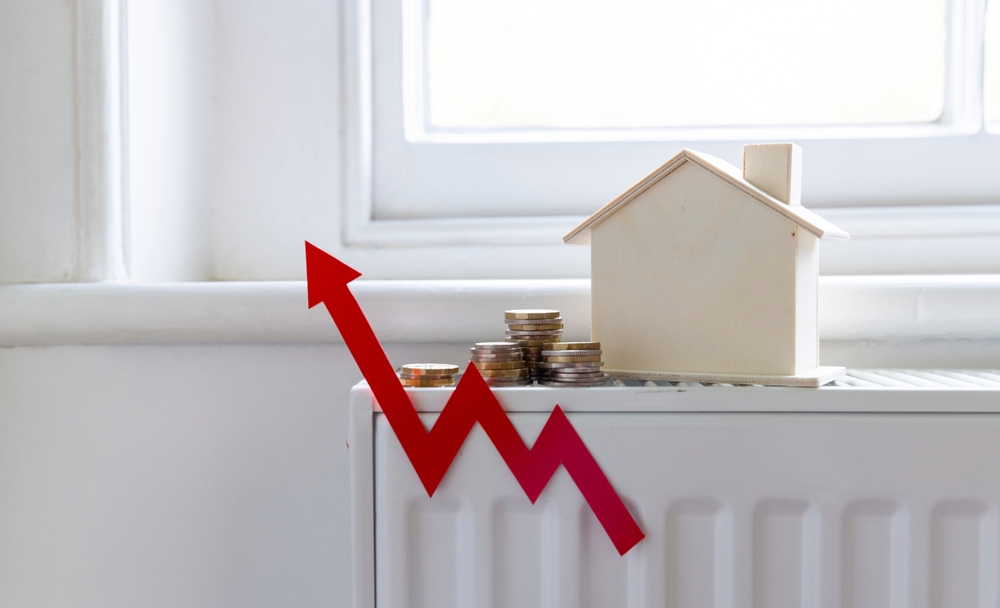
A colder-than-normal winter directly increases heating expenses in provinces like Alberta and Ontario. Homes using natural gas, electricity, or heating oil face higher monthly bills. Older homes or poorly insulated properties see even larger spikes in energy consumption. Many families may need to adjust budgets to cover the added cost. Homeowners might also invest in energy-efficient upgrades to reduce long-term expenses. Being proactive helps prevent surprises in monthly payments. Canadians should monitor their heating usage and explore rebates or programs offered by utility companies to help offset increased costs during extremely cold winters.
Increased Utility Bills Across Canada

Cold weather affects utility costs nationwide. Electricity and gas usage rise as families heat homes and stay indoors longer. Even provinces with milder winters, such as British Columbia or Quebec, see increased utility bills. Canadians who track usage carefully can plan budgets to absorb extra charges. Those with older heating systems or insufficient insulation face higher spikes. Small adjustments, like programmable thermostats and energy-efficient appliances, can reduce the impact. Understanding seasonal trends in utility bills helps families manage finances more effectively. Colder winters increase these costs, affecting households across the country, not just in traditionally frigid regions.
Greater Fuel Consumption for Canadian Drivers
Frigid temperatures increase fuel consumption in vehicles. Cold engines take longer to reach optimal efficiency, leading to higher gasoline or diesel usage. Snow, ice, and slippery roads require slower driving, more braking, and sometimes detours. Drivers may also use idling to warm vehicles, further increasing fuel costs. Canadians commuting long distances or traveling in rural areas feel the financial impact more sharply. Planning routes, carpooling, or using public transit when possible can help reduce spending. A colder-than-normal winter means Canadian drivers need to budget for extra fuel to cover everyday commutes and unexpected trips safely.
Rising Grocery Prices Due to Supply Chain Disruptions
Colder winters can disrupt transportation and supply chains, causing grocery prices to rise. Delays in trucking and shipping affect perishable foods like fruits, vegetables, and dairy products. Remote or northern communities often experience larger increases due to additional transport challenges. Canadians may also see price spikes for imported items as weather affects ports and shipping schedules. Families might adjust shopping habits, buy in bulk, or choose seasonal local produce to control costs. Unexpected grocery price increases are a direct effect of prolonged cold, forcing Canadians to reallocate household budgets to cover essential food expenses.
Additional Spending on Winter Clothing and Gear

Extreme cold requires Canadians to upgrade their winter wardrobes. Coats, boots, gloves, hats, and thermal layers may need replacing more frequently in colder winters. Children outgrow winter gear quickly, adding to household expenses. Families also spend on snow tires, shovels, and winter sports equipment. Even casual outdoor activities, like walking or commuting, require warm clothing, increasing spending. Canadians may need to allocate additional funds in their seasonal budgets to cover essential gear. Being prepared with the right clothing and equipment ensures safety and comfort, but it also adds extra costs during unusually cold winters across the country.
Increased Home Maintenance Costs

Colder winters increase the need for home maintenance. Frozen pipes, ice dams, and roof damage are common problems during extreme cold. Snow removal from roofs, gutters, and driveways may require professional services. Heating systems work harder, increasing wear and tear and the risk of breakdowns. Older homes face higher maintenance costs due to outdated insulation or plumbing. Canadians may need to budget for emergency repairs or seasonal maintenance more carefully. Planning with preventive measures, such as pipe insulation or regular furnace checks, can reduce unexpected expenses during a harsher-than-normal winter.
Higher Insurance Premiums for Property and Vehicles

Cold weather can lead to higher insurance costs for homes and vehicles. Property damage from ice, snow, or frozen pipes can trigger claims, which may affect premiums. Winter driving increases accident risk, influencing auto insurance rates. Some provinces adjust rates annually based on historical claims and weather patterns. Canadians may find higher premiums when renewing policies after a particularly harsh winter. Monitoring coverage and discussing risk mitigation with insurers can help manage costs. Families should anticipate these increases in seasonal budgets, as extreme winter conditions have direct financial consequences on both home and vehicle insurance.
More Frequent Car Repairs From Cold Weather Wear

Cold temperatures increase the strain on vehicles. Batteries, tires, brakes, and engines experience extra wear during winter. Salt and sand used on roads accelerate rust and corrosion, leading to more repairs. Canadians may also face damage from icy roads or collisions caused by slippery conditions. Regular maintenance, winter tires, and vehicle checks can reduce repair frequency, but costs still rise. Families should budget for additional auto expenses in colder-than-normal winters. Preparing for potential mechanical issues ensures transportation remains safe and reliable, but it also increases household spending during extended periods of extreme cold.
Increased Heating Oil or Propane Costs in Rural Areas
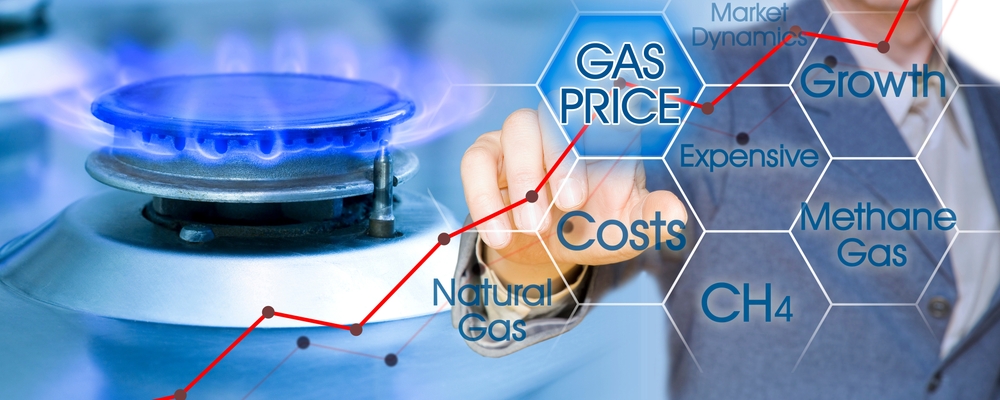
Rural homes using heating oil or propane face higher costs during colder winters. Deliveries may be delayed, and prices often rise due to increased demand. Homes in remote locations rely heavily on these fuels, making budgets more sensitive to temperature fluctuations. Families may need to refill tanks more frequently, adding both cost and logistical challenges. Advanced planning and bulk purchases can reduce risk, but unexpected cold snaps still increase winter expenses. Canadians living in rural or off-grid areas must account for these elevated energy costs when preparing their household budgets for harsher-than-normal winters.
Strain on Emergency Funds for Unexpected Expenses
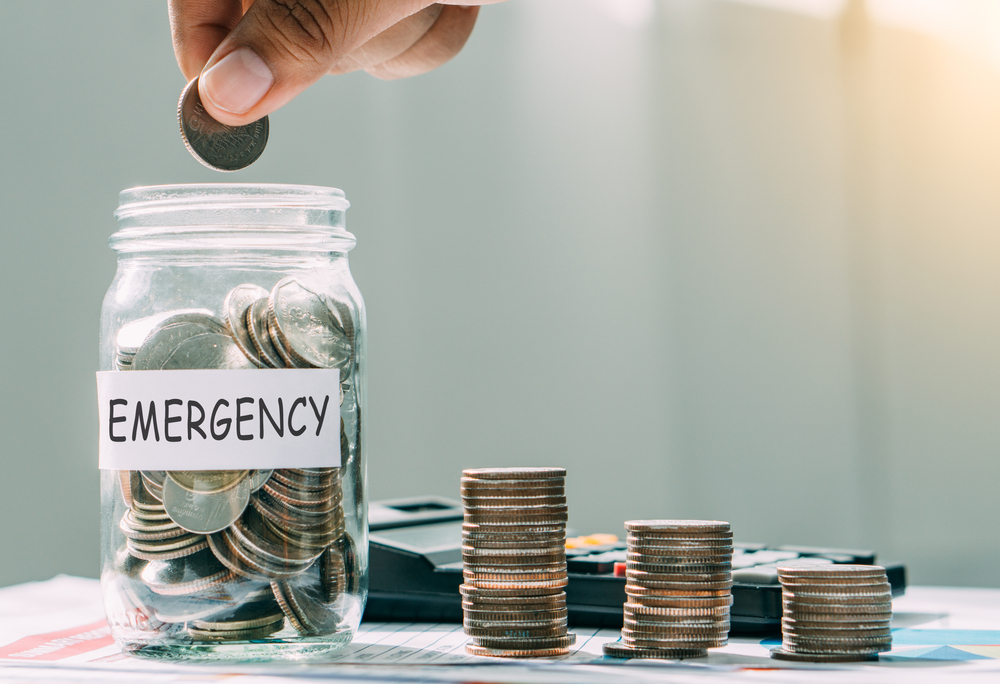
Colder winters often result in unplanned costs, placing pressure on emergency funds. Repairs for heating systems, vehicles, or homes can arise suddenly. Medical bills may also increase if illnesses related to cold weather occur. Canadians with limited savings may struggle to cover these expenses without impacting their regular budgets. Building or maintaining an emergency fund becomes more critical during harsh winters. Families should plan to avoid borrowing or using credit for sudden costs. Unexpected expenses from cold weather can significantly disrupt household finances if emergency reserves are insufficient.
Delays in Public Transportation Leading to Extra Costs

Colder-than-normal winters can disrupt public transportation in Canadian cities. Snowstorms and icy conditions lead to delayed buses, trains, and commuter services. Commuters may spend extra on taxis, rideshares, or alternative transport to reach work or school on time. These additional costs add up over the winter months. Families relying on public transit must plan for potential disruptions in their budgets. Delays can also reduce productivity and increase stress. Canadians in urban centres should monitor transit advisories and consider backup options, as extreme winter weather can create financial and logistical challenges throughout the season.
Higher Childcare Expenses Due to School Closures
Colder winters can lead to unexpected school closures or delayed openings. Parents may need to arrange additional childcare or take unpaid time off work. Before- and after-school programs may also have limited availability, increasing reliance on paid services. For families in Alberta, Ontario, and other provinces, extended winter breaks can create high extra costs. Budgeting for additional childcare during harsh winter months helps prevent financial strain. Canadians should monitor local school closures and have contingency plans in place. These expenses can accumulate quickly when winter is longer or colder than normal.
Increased Cost of Home Deliveries and Shipping

Colder-than-normal winters affect shipping and delivery schedules across Canada. Snowstorms and icy roads cause delays, which may result in extra shipping fees or rush charges. Online shopping, grocery delivery, and parcel services can become more expensive. Remote or northern communities experience larger impacts due to longer transport routes. Canadians relying on home deliveries should account for these seasonal increases in household budgets. Planning orders early and consolidating shipments can reduce costs. Winter weather disruptions make home delivery and shipping a more costly necessity, especially during extended periods of cold and snow.
Elevated Medical Expenses for Cold-Related Illnesses

Extreme cold increases the risk of illnesses such as flu, colds, frostbite, and hypothermia. Doctor visits, prescriptions, and over-the-counter medications can add to household expenses. Families with children, seniors, or pre-existing conditions may face higher medical costs during harsh winters. Travel to medical appointments may also increase fuel or transit expenses. Canadians should budget for these seasonal health-related expenses. Preventive measures, such as vaccinations, layered clothing, and proper home heating, help reduce risk but do not eliminate costs. Colder winters can significantly impact medical spending across households in Canada.
Costly Travel or Accommodation Changes During Storms

Winter storms can disrupt travel plans, forcing Canadians to pay for last-minute accommodation or change fees. Flight cancellations, delays, and road closures are common in harsh winters. Families traveling for work, school, or leisure may face unexpected lodging and transport costs. Insurance coverage may offset some expenses, but not all. Canadians should monitor forecasts and plan for contingencies to avoid financial strain. Colder-than-normal winters increase the likelihood of weather-related disruptions, making travel budgeting more challenging. Unexpected costs during trips can significantly impact household finances if contingency plans are not in place.
Increased Snow Removal or Landscaping Fees
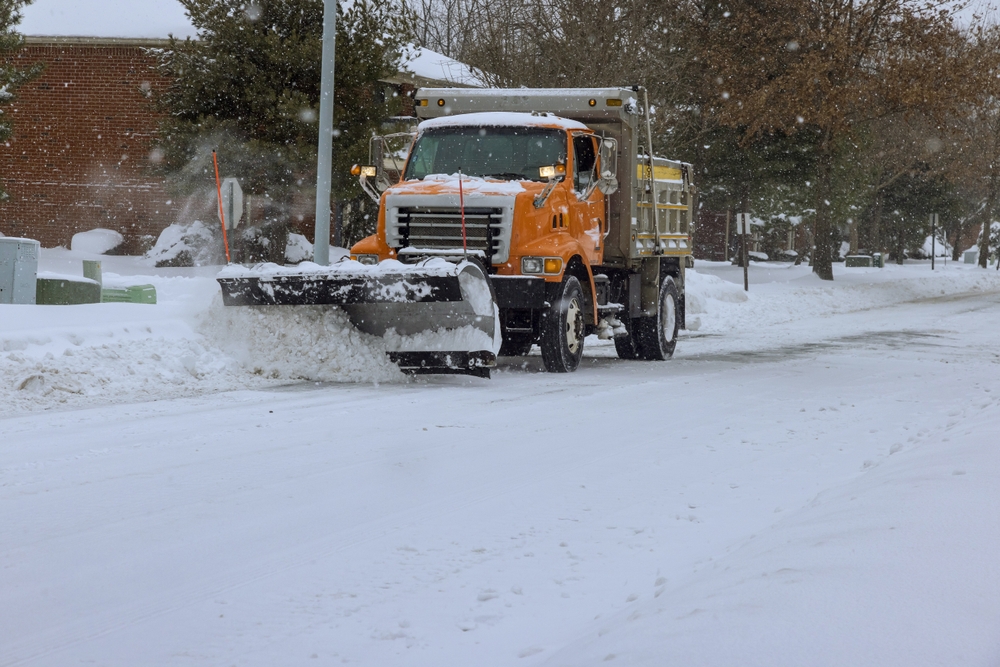
Snow removal becomes more frequent and costly during extended cold periods. Homeowners may hire contractors for driveway and walkway clearing. Lawn care and landscaping may also require winter maintenance, particularly for suburban homes. Equipment wear, salt, and de-icing materials add to expenses. Canadians living in Alberta, Ontario, and other snowy regions face higher costs when snow accumulates quickly or repeatedly. Planning for these seasonal services ensures safety but can strain household budgets. Families should anticipate these fees and consider early agreements with service providers to reduce costs during harsh winter conditions.
Higher Interest on Short-Term Loans Due to Extra Spending
Unexpected winter costs may lead Canadians to rely on short-term loans or credit cards. Higher interest rates increase the overall expense of borrowing. Heating bills, repairs, snow removal, and childcare can push families to temporarily use credit. Without careful budgeting, debt accumulates quickly. Canadians should consider emergency funds and low-interest options to avoid paying more during a cold winter. Being aware of seasonal financial pressures helps prevent long-term debt growth. Colder-than-normal winters often trigger extra spending that impacts interest payments and overall household financial stability.
Strain on Budgeted Entertainment and Activities

Colder winters can disrupt regular entertainment and activities Canadians budget for. Outdoor events, sports, or social gatherings may be canceled or postponed due to snowstorms or extreme cold. Families may also spend more on indoor activities, such as movies, games, or subscriptions, to stay occupied. Extra energy usage for heating and lighting during these activities increases costs further. These small but frequent expenses can strain monthly budgets. Canadians should consider adjusting their entertainment spending in the winter months and seek lower-cost alternatives to stay within budget while maintaining family routines and social engagement.
Reduced Savings Contributions for Winter Months

Unexpected winter costs often force Canadians to reduce contributions to savings accounts, retirement plans, or emergency funds. Extra spending on heating, fuel, groceries, and home maintenance can limit disposable income. Families may prioritize immediate expenses over long-term savings goals. Consistently diverting funds away from savings can affect financial security and delay wealth accumulation. Planning for seasonal fluctuations in income and expenses can help mitigate this impact. Canadians should consider flexible budgeting strategies to maintain some contributions even during colder-than-normal winters, ensuring that short-term pressures do not compromise long-term financial stability.
Potential Impact on Year-End Tax Planning
A harsher winter can affect Canadian year-end tax planning. Extra expenses on heating, home repairs, childcare, and medical costs may create opportunities for deductions or credits, but only if tracked properly. Overspending or unplanned borrowing can reduce the ability to contribute to RRSPs, TFSAs, or other tax-advantaged accounts before deadlines. Canadians may also face cash flow challenges when balancing winter costs with required tax payments. Staying organized, keeping receipts, and monitoring seasonal spending allows for more accurate year-end planning. Colder-than-normal winters can disrupt standard tax strategies, requiring extra attention to maximize deductions and avoid penalties.
22 Groceries to Grab Now—Before another Price Shock Hits Canada

Food prices in Canada have been steadily climbing, and another spike could make your grocery bill feel like a mortgage payment. According to Statistics Canada, food inflation remains about 3.7% higher than last year, with essentials like bread, dairy, and fresh produce leading the surge. Some items are expected to rise even further due to transportation costs, droughts, and import tariffs. Here are 22 groceries to grab now before another price shock hits Canada.
22 Groceries to Grab Now—Before another Price Shock Hits Canada
This Options Discord Chat is The Real Deal
While the internet is scoured with trading chat rooms, many of which even charge upwards of thousands of dollars to join, this smaller options trading discord chatroom is the real deal and actually providing valuable trade setups, education, and community without the noise and spam of the larger more expensive rooms. With a incredibly low-cost monthly fee, Options Trading Club (click here to see their reviews) requires an application to join ensuring that every member is dedicated and serious about taking their trading to the next level. If you are looking for a change in your trading strategies, then click here to apply for a membership.