
35,000+ smart investors are already getting financial news, market signals, and macro shifts in the economy that could impact their money next with our FREE weekly newsletter. Get ahead of what the crowd finds out too late. Click Here to Subscribe for FREE.
Many Canadians do not realize how small, hidden fees quietly reduce their bank balances. From monthly account maintenance charges to credit card annual fees, each cost adds up over time. Everyday banking activities, such as online transfers, foreign purchases, or paper statements, can carry fees that go unnoticed. Even routine financial management tools may include extra service charges. Here are 16 hidden fees draining Canadian bank accounts while you sleep.
Monthly Account Maintenance Fees
16 Hidden Fees Draining Canadian Bank Accounts While You Sleep
- Monthly Account Maintenance Fees
- Overdraft Fees on Chequing Accounts
- Interac e-Transfer Fees
- ATM Withdrawal Charges Outside Your Bank Network
- Foreign Transaction Fees on Debit Cards
- Pre-Authorized Payment Processing Fees
- Inactivity or Dormant Account Fees
- Paper Statement Fees
- Credit Card Annual Fees
- Late Payment Charges on Credit Cards
- Balance Transfer and Cash Advance Fees
- Foreign Currency Conversion Fees
- NSF (Non-Sufficient Funds) Fees
- Early Account Closure Fees
- Account Upgrade or Premium Service Fees
- Hidden Service Charges on Online Banking Tools
- 22 Groceries to Grab Now—Before another Price Shock Hits Canada
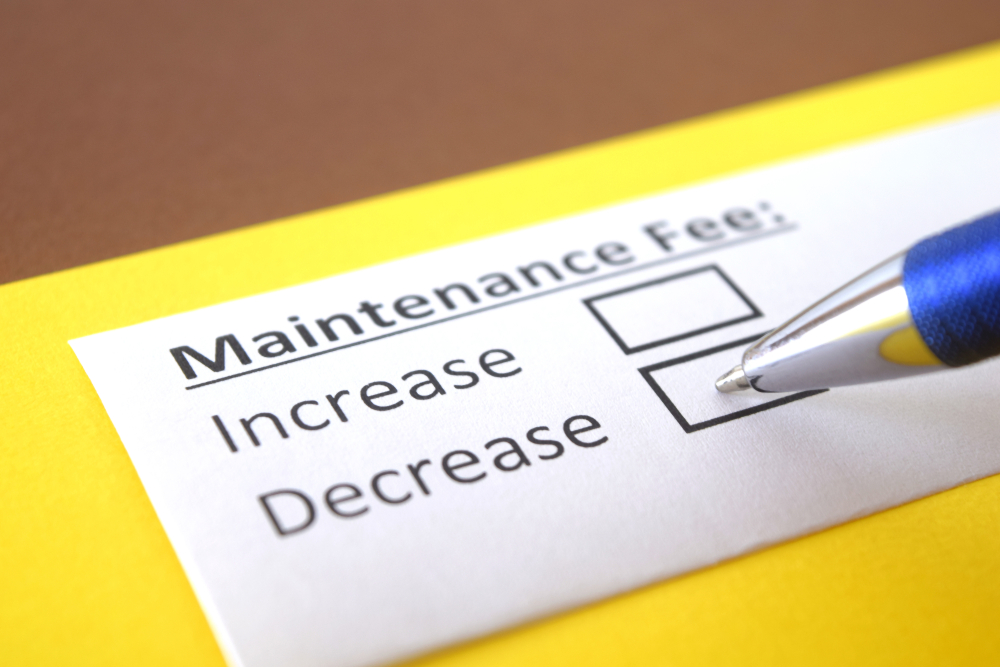
Many Canadian banks charge monthly maintenance fees for chequing and savings accounts. These fees range from a few dollars to over $15 per month, depending on the account type. Some banks waive the fee if you maintain a minimum balance or set up direct deposits. Customers who do not monitor these charges may find them quietly reducing their balances over time. Reviewing account terms and switching to low- or no-fee accounts can help avoid unnecessary charges. Canadians should track monthly statements carefully to ensure they are not paying more than needed for routine account services.
Overdraft Fees on Chequing Accounts

Overdraft fees occur when a chequing account balance goes below zero. Most Canadian banks charge between CA$5 and CA$45 per transaction, with multiple charges accumulating quickly. Some accounts offer overdraft protection programs, but these often come with additional fees or interest. Small, unmonitored purchases can trigger expensive overdraft penalties. Canadians should track spending closely and use alerts or mobile banking tools to avoid overdraft situations. Understanding how fees are applied and setting up safeguards can prevent unexpected charges that quietly drain bank accounts over the course of the month.
Interac e-Transfer Fees
Sending or receiving Interac e-Transfers often comes with hidden costs. Some banks charge CA$1 to CA$1.50 per transfer, especially for business accounts or frequent users. Even free personal accounts may have limits before fees apply. Certain financial institutions also charge for receiving transfers if limits are exceeded. Canadians who frequently send money to friends, family, or contractors may notice these costs adding up. Comparing banking plans and opting for accounts with unlimited e-Transfers can reduce fees. Monitoring transfer activity ensures Canadians are not paying for small, regular transactions that could be avoided with a better account choice.
ATM Withdrawal Charges Outside Your Bank Network
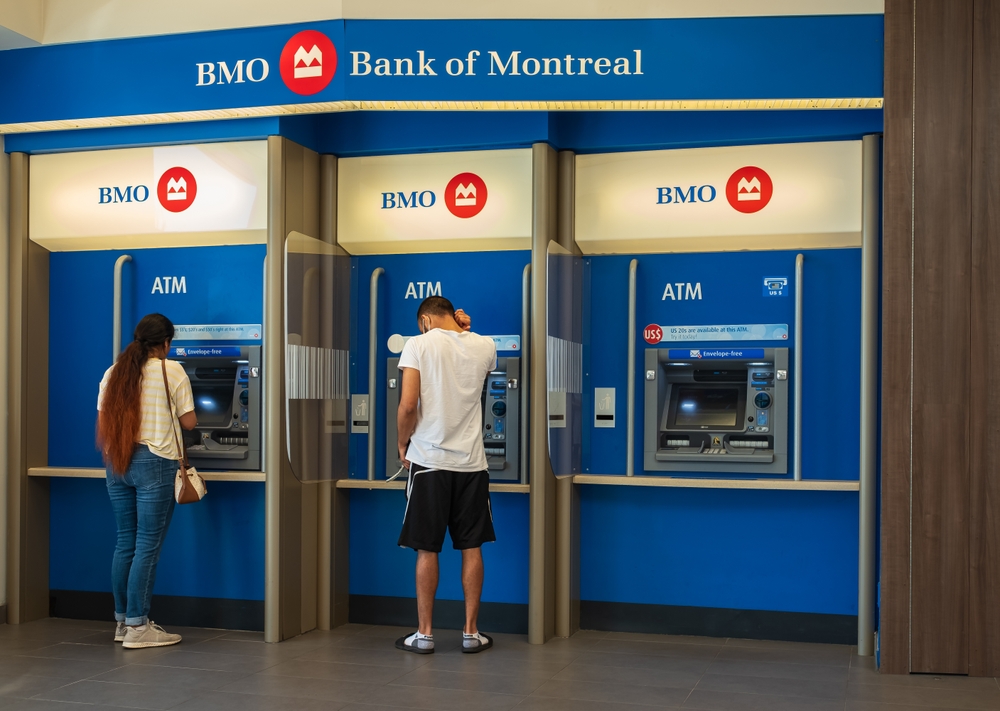
Using ATMs outside your bank’s network in Canada can lead to two sets of fees. The ATM operator may charge a fixed fee, and your bank may add “foreign ATM” fee. These charges typically range from CA$2 to CA$5 per transaction. Frequent travelers or Canadians in rural areas without their bank’s ATMs are most affected. Reducing fees can involve using in-network ATMs, planning cash withdrawals, or choosing banks with larger ATM networks. Unmonitored, these small, repeated charges quietly erode account balances over time. Awareness and planning help prevent unnecessary losses.
Foreign Transaction Fees on Debit Cards

Using a Canadian debit card outside the country can trigger foreign transaction fees. Banks typically charge 2.5% on purchases made in US dollars or other currencies. Even minor daily purchases can accumulate high costs over time. Some cards do not offer favorable exchange rates, further increasing expenses. Canadians traveling internationally or buying online from foreign retailers should review card terms. Alternative solutions include using credit cards with no foreign transaction fees or multi-currency accounts. Being aware of these hidden charges ensures Canadians avoid unnecessary deductions from their bank accounts while spending abroad.
Pre-Authorized Payment Processing Fees
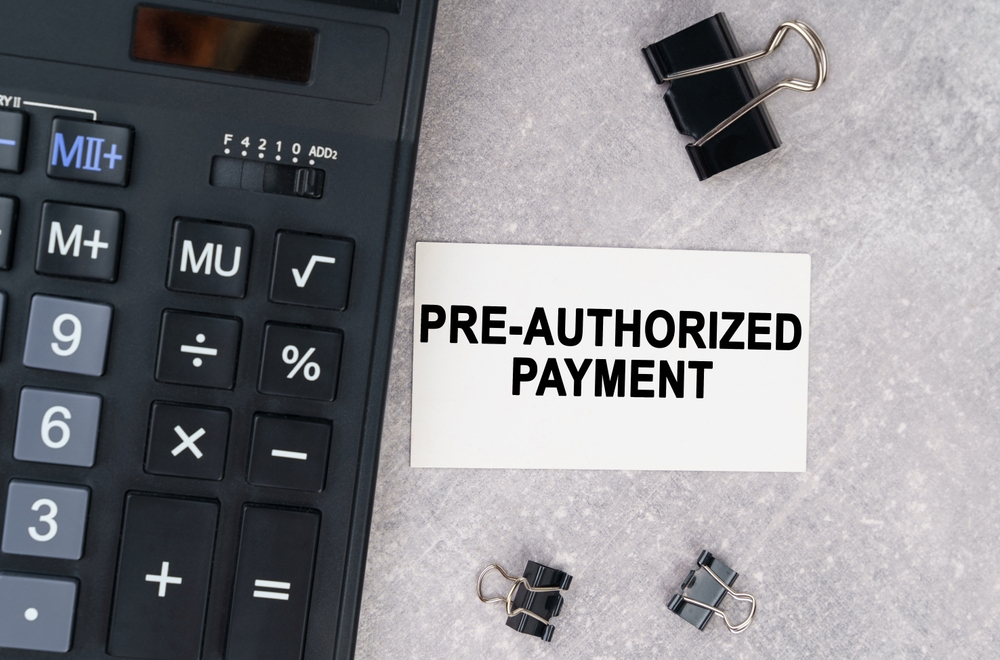
Some Canadian banks charge fees for pre-authorized payments. This can include bill payments, automatic subscriptions, or recurring transfers. Even small charges, often CA$0.50 to CA$2 per transaction, accumulate over time. Many customers are unaware of these costs because they appear as minor deductions on statements. Reviewing which payments are set up and consolidating subscriptions can reduce fees. Canadians should also check if their bank waives fees for certain accounts or automatic payments. Being proactive about pre-authorized transactions ensures hidden charges do not quietly reduce account balances throughout the year.
Inactivity or Dormant Account Fees

Banks in Canada may charge fees for accounts that remain inactive. Dormant accounts are typically defined as having no transactions for 12 months or more. Monthly fees can range from CA$2 to CA$10, gradually lowering balances over time. Canadians who open secondary accounts or rarely use accounts are most at risk. Monitoring account activity and either closing unused accounts or consolidating funds can prevent unnecessary charges. Understanding inactivity rules helps Canadians avoid fees that silently drain funds from accounts while providing no benefit or service in return.
Paper Statement Fees
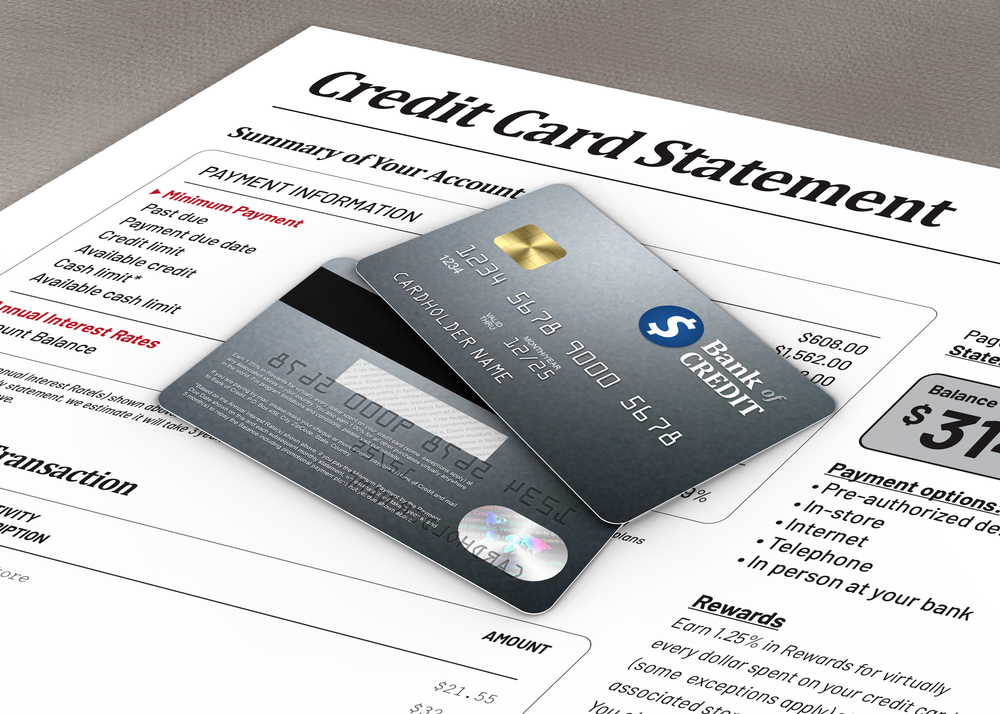
Some banks charge for paper statements, usually around CA$2 to CA$3 per month. Customers who receive monthly statements by mail instead of digital copies may pay this fee automatically. Over a year, this can amount to CA$24 to CA$36 for each account. Canadians who prefer physical records may not realize these small costs are adding up. Switching to electronic statements or reviewing account options for free statement delivery reduces unnecessary spending. Tracking statement delivery methods ensures hidden fees do not quietly erode bank balances while providing the same account information digitally.
Credit Card Annual Fees

Credit cards often charge annual fees ranging from CA$60 to over CA$200, depending on rewards and perks. Many Canadians pay these fees automatically without evaluating the benefits. Cards with rewards, travel points, or premium services may justify the cost, but low-use cards can drain accounts unnecessarily. Comparing card options and considering lower-fee or no-fee alternatives can save significant money over time. Canadians should also review whether benefits like insurance, purchase protection, or cashback rewards are actually being used. Annual fees remain a consistent, sometimes unnoticed expense affecting bank balances if not monitored carefully.
Late Payment Charges on Credit Cards

Late payments on credit cards result in fees that typically range from CA$29 to CA$45 per incident. Interest charges also increase when payments are delayed, compounding costs. Canadians who manage multiple cards or have irregular income may face recurring charges. Setting up automatic payments or reminders can reduce the risk of late fees. Even occasional missed payments can quietly erode savings and increase overall debt. Monitoring due dates and maintaining sufficient account balances ensures Canadians avoid these costly penalties while protecting their credit scores.
Balance Transfer and Cash Advance Fees

Using credit card balance transfers or cash advances incurs additional charges. Balance transfers often cost 1% to 3% of the transferred amount, while cash advances can include flat fees and higher interest rates. Canadians using credit cards for short-term liquidity may face unexpected costs. Understanding these fees and exploring alternative financing, such as personal lines of credit or low-interest loans, can reduce expenses. Being aware of balance transfer and cash advance costs prevents hidden charges from quietly draining bank accounts while increasing the debt burden over time.
Foreign Currency Conversion Fees
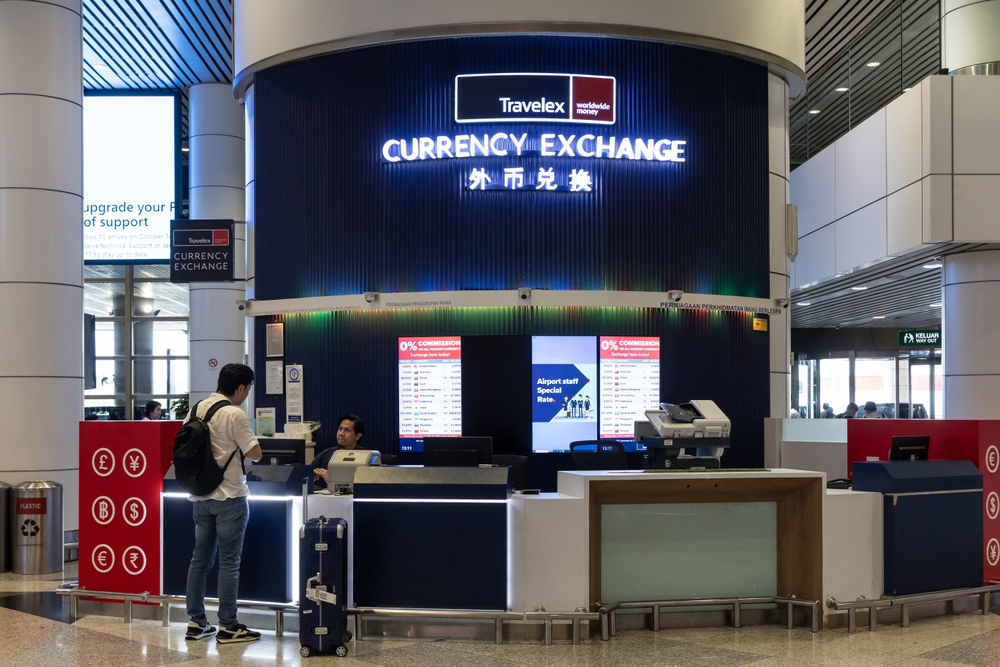
Canadians using debit or credit cards for international purchases often face foreign currency conversion fees. Banks typically charge 2.5% of the transaction amount when converting to Canadian dollars. Even small online purchases from US or European retailers can add up over a month. Travelers using cards abroad are particularly affected. Some financial institutions offer cards with no foreign transaction fees or lower conversion costs. Canadians should review card terms before international spending. Awareness and planning reduce hidden costs and prevent small fees from quietly eroding bank balances while making everyday purchases outside Canada.
NSF (Non-Sufficient Funds) Fees

Non-sufficient funds (NSF) fees occur when a transaction exceeds available account balances. Canadian banks usually charge CA$45 per incident, and multiple transactions can compound fees quickly. NSF charges can apply to pre-authorized payments, cheques, or online purchases. These fees not only drain accounts but may also affect credit standing. Canadians should monitor balances closely and set up alerts to prevent accidental overdrafts. Using overdraft protection or maintaining a buffer in accounts can reduce the risk. NSF fees are a common, often unnoticed cost that quietly impacts finances when funds are low.
Early Account Closure Fees

Closing a bank account within a short period, often 90 to 180 days, can trigger early closure fees. Canadian banks typically charge CA$25 to CA$50 for closing accounts prematurely. These fees affect customers switching banks or consolidating accounts quickly. Planning account openings carefully and understanding terms can prevent unexpected costs. Canadians should confirm any minimum usage requirements or timing restrictions before opening new accounts. Avoiding early closure fees ensures funds remain available for essential expenses and prevents small charges from quietly reducing bank balances while transitioning between financial institutions.
Account Upgrade or Premium Service Fees

Many Canadian banks offer premium account features or upgrades that come with higher fees. These may include enhanced debit cards, concierge banking, or additional transaction limits. Customers sometimes accept upgrades automatically without evaluating the benefits. Monthly charges can range from CA$10 to over CA$30, quietly reducing balances. Canadians should review account features to determine if the cost aligns with actual usage. Switching to lower-fee options or waiving unnecessary services helps prevent hidden fees from accumulating. Being selective about premium services ensures Canadians maintain control over bank account expenses while avoiding unnecessary monthly charges.
Hidden Service Charges on Online Banking Tools

Some Canadian banks charge fees for online services, including wire transfers, bill payments, or foreign currency conversions within online banking platforms. These charges are often small but frequent, adding up over time. Customers using multiple online tools may not realize the cumulative impact. Reviewing account terms and opting for free digital services where available can reduce hidden costs. Canadians should monitor online banking statements carefully to identify any unexpected fees. Staying informed about service charges helps prevent small deductions from quietly draining bank balances while taking advantage of digital banking convenience.
22 Groceries to Grab Now—Before another Price Shock Hits Canada

Food prices in Canada have been steadily climbing, and another spike could make your grocery bill feel like a mortgage payment. According to Statistics Canada, food inflation remains about 3.7% higher than last year, with essentials like bread, dairy, and fresh produce leading the surge. Some items are expected to rise even further due to transportation costs, droughts, and import tariffs. Here are 22 groceries to grab now before another price shock hits Canada.
22 Groceries to Grab Now—Before another Price Shock Hits Canada
This Options Discord Chat is The Real Deal
While the internet is scoured with trading chat rooms, many of which even charge upwards of thousands of dollars to join, this smaller options trading discord chatroom is the real deal and actually providing valuable trade setups, education, and community without the noise and spam of the larger more expensive rooms. With a incredibly low-cost monthly fee, Options Trading Club (click here to see their reviews) requires an application to join ensuring that every member is dedicated and serious about taking their trading to the next level. If you are looking for a change in your trading strategies, then click here to apply for a membership.