
35,000+ smart investors are already getting financial news, market signals, and macro shifts in the economy that could impact their money next with our FREE weekly newsletter. Get ahead of what the crowd finds out too late. Click Here to Subscribe for FREE.
Benefit day can appear straightforward: a date arrives, a deposit lands, and the household budget moves forward. Behind that payment, however, are tax returns, eligibility periods, income calculations, banking records, family changes, and program-specific schedules. A small administrative detail can change an amount, delay a deposit, or create an unexpected repayment request months later.
These 19 points explain what Canadians should check before the next federal benefit payment arrives, including major 2026 changes affecting the Canada Child Benefit, the Canada Groceries and Essentials Benefit, workers’ benefits, disability payments, and public pensions. Understanding which department manages the payment—and which information it used—can prevent unnecessary worry and make genuine problems easier to resolve.
Know Which Calendar Applies
19 Things Canadians Should Know Before Their Next Benefit Payment Arrives
- Know Which Calendar Applies
- July Can Change the Amount
- Tax Filing Keeps Payments Moving
- Both Partners Usually Need to File
- The GST/HST Credit Has a New Name
- Children’s Ages Can Shift the CCB
- Update Banking Details Before Closing an Account
- CRA and Service Canada Are Separate
- A Missing Deposit Has a Waiting Period
- The Online Notice Explains More Than the Bank
- An Address Change Still Matters With Direct Deposit
- Relationship Changes Must Be Reported Promptly
- Shared Custody Uses Its Own Formula
- Report When a Child Leaves Care
- One Deposit May Include Provincial Support
- Government Debt Can Reduce a Payment
- Workers’ Benefit Advances Are Not Monthly
- Tax Treatment Depends on the Program
- Benefit Messages Are a Favourite Scam
- 19 Things Canadians Don’t Realize the CRA Can See About Their Online Income

A benefit payment is not one national deposit arriving on one universal date. In 2026, the Canada Child Benefit generally lands monthly, with the July payment scheduled for July 20. The Canada Groceries and Essentials Benefit is quarterly, with 2026 instalments on July ceries and Essentials Benefit is quarterly, with 2026 instalments on July 3 and October 5 after earlier GST/HST credit payments in January and April. Advanced Canada Workers Benefit payments follow yet another timetable, including July 10 and October 9. CPP and Old Age Security normally arrive near the end of the month.
That distinction matters when a household is waiting on money for groceries, rent, medication, or school costs. A parent expecting the CCB on the date used for a quarterly credit may assume a payment is missing when it is simply not due. The safest habit is to identify the exact program name shown in the government account or previous deposit description, then check the official calendar for that program rather than relying on a date shared online.
July Can Change the Amount

A different deposit in July is often a recalculation, not a processing error. The CRA runs major income-tested benefits on payment years that begin in July and end the following June. For the July 2026 to June 2027 period, Canada Child Benefit and Canada Groceries and Essentials Benefit amounts are generally based on information from 2025 tax returns. A raise, job loss, new deduction, or reassessment reported for that base year can therefore show up months later in the July payment.
This timing can feel disconnected from real life. A family whose income increased during 2025 may see a smaller benefit in July 2026, even if current expenses have also risen. Another household may receive more after a lower-income year. Before treating the change as a banking problem, recipients should read the latest benefit notice and compare the adjusted family net income used by the CRA with the figures on both partners’ assessed returns. An amended or reassessed return can trigger another recalculation later.
Tax Filing Keeps Payments Moving

Many federal benefits depend on a filed income tax and benefit return, even when no tax is owed. The CRA states that people should file every year to receive or continue receiving income-tested payments, including the Canada Child Benefit and the Canada Groceries and Essentials Benefit. This rule also applies when income was zero or tax-exempt. For most individuals, the 2025 return was due April 30, 2026; a later filing can interrupt or delay payments while the return is assessed.
The practical lesson is that “nothing to report” is still information the benefit system needs. Consider a parent who stayed home for the year and earned no employment income. Skipping the return may look harmless, yet it removes the current income record used to calculate the next benefit period. Filing late can restore eligibility where the other conditions are met, but the household may spend weeks without expected cash flow. Keeping the notice of assessment and filing confirmation also makes it easier to trace a delay.
Both Partners Usually Need to File

In a married or common-law household, one completed tax return may not be enough to keep family benefits flowing. The CRA uses adjusted family net income, which generally draws on information from both partners. Its guidance for child and family benefits says each spouse or common-law partner must file every year, even if one person had no income. When one return is missing, the agency may be unable to calculate the household’s correct entitlement and payments can stop.
This catches couples who assume the higher earner’s return contains everything the government needs. For example, a working spouse may file early while a partner with no income postpones filing because no refund is expected. The family can still face a benefit interruption in the new payment year. The fix is not to estimate the missing income over the phone; it is usually to file the outstanding return and allow it to be assessed. Couples should check the status of both returns before the next expected payment, especially around the July recalculation.
The GST/HST Credit Has a New Name
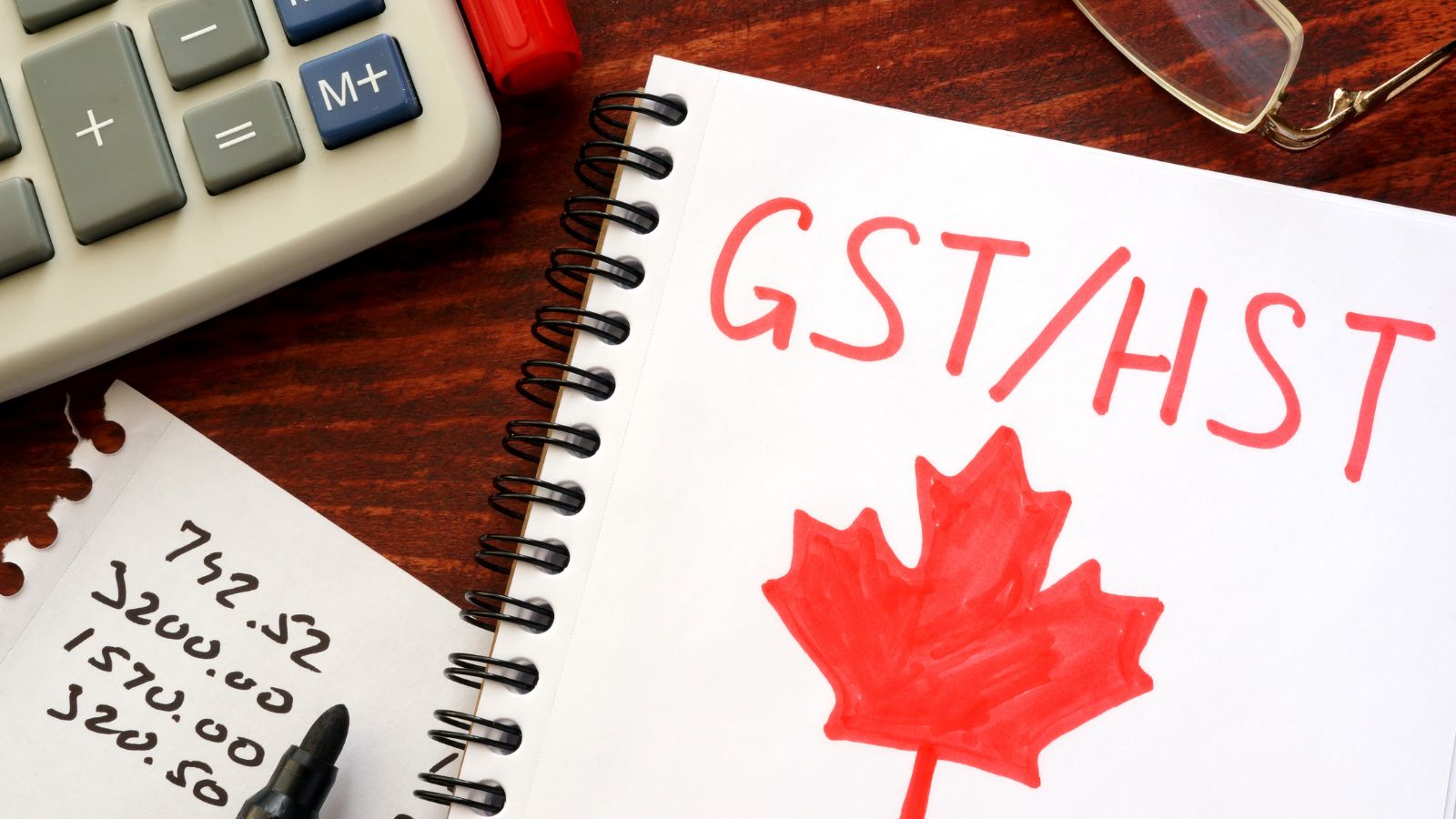
Canadians looking for a familiar GST/HST credit deposit may now see the Canada Groceries and Essentials Benefit instead. The federal government replaced the old name in July 2026 while keeping the basic quarterly structure and income-tested approach. For the July 2026 to June 2027 payment period, official guidance lists annual maximums of up to $679 for a single individual, $890 for a married or common-law couple, and $234 for each eligible child under 19, subject to income and eligibility rules.
The renamed payment can create confusion in online banking, especially after the one-time June 2026 top-up and the first regular payment under the new name on July 3. A different label does not automatically mean a second, unrelated program was added or that the previous credit disappeared without replacement. Recipients should compare the amount with the CRA benefit notice rather than searching only for “GST.” The CRA account keeps earlier GST/HST credit details and current Canada Groceries and Essentials Benefit information in the benefits area.
Children’s Ages Can Shift the CCB

Canada Child Benefit amounts are tied not only to family income but also to the number and ages of eligible children. For the July 2026 to June 2027 benefit year, the maximum annual amount is $8,157 for a child under six and $6,883 for a child aged six through 17, before income-based reductions. When a child turns six, the lower age-band rate begins the next month. When a child turns 18, the payment for that child ends after the month of the birthday.
That can make a routine birthday produce a noticeable household-budget change. A family with a child turning six in August, for example, may receive the under-six rate for August and the six-to-17 rate beginning in September. The change is built into the program rather than caused by a missed document. Families should also remember that the Child Disability Benefit may be included when a child is approved for the disability tax credit, creating another amount within the same monthly deposit. The benefit notice shows the calculation.
Update Banking Details Before Closing an Account

Direct deposit is faster and less vulnerable to postal delays, but changing banks requires a careful handoff. The CRA says online direct-deposit changes made through a CRA account or participating financial institution are generally updated by the next business day after consent is provided. It also warns recipients not to close the old bank account until the first payment has successfully arrived in the new one. Mailed enrolment changes can take far longer.
A common problem occurs when someone switches banks on payday week, closes the old account immediately, and assumes every government system has already caught up. If the change was not processed before the payment file was created, the deposit may be rejected and returned, delaying access to the money. The better approach is to update the information early, save confirmation, and keep the former account open with enough time for one successful government deposit to reach the new account. Banking details should never be changed through a link in an unsolicited text or email.
CRA and Service Canada Are Separate
Updating direct deposit with one federal organization does not necessarily update every federal payment. CRA-administered benefits include the Canada Child Benefit, the Canada Groceries and Essentials Benefit, and the Advanced Canada Workers Benefit. CPP, Old Age Security, the Guaranteed Income Supplement, and the Canada Disability Benefit are administered through Service Canada. Government guidance notes that people receiving multiple payments may need to contact more than one department to change banking information.
That separation explains why one payment can reach a new account while another still goes to the old one. A retiree who updates CPP information through My Service Canada Account, for instance, should not assume the CRA has automatically changed the account used for a tax refund or quarterly credit. The reverse is also true. Before closing an account, recipients should list every federal payment they receive, identify the department responsible, and confirm each update independently. This small administrative check is especially important for households combining pensions, disability payments, child benefits, and tax credits.
A Missing Deposit Has a Waiting Period
A payment that is not visible first thing in the morning is not automatically lost. Financial institutions can post deposits at different times, and government programs use different follow-up instructions. Canada Child Benefit guidance tells recipients to wait five business days after the scheduled date before calling the benefit line. For programs such as the Canada Groceries and Essentials Benefit and Advanced Canada Workers Benefit, CRA payment-date guidance generally instructs recipients to wait 10 working days.
During that window, the useful checks are straightforward: confirm the official payment date, review the benefit status in the appropriate government account, and verify that the bank account remains open. Weekends and federal holidays do not count as business days. A Friday payment followed by a long weekend can feel much later than the calendar suggests. If the account shows that a payment was issued but the applicable waiting period has passed, the recipient should contact the administering department rather than filing a new benefit application.
The Online Notice Explains More Than the Bank

A bank statement confirms that money moved, but it rarely explains how the government calculated it. CRA My Account provides personalized benefit information, including payment dates, amounts, notices, and statements of account. That makes it the first place to investigate a smaller deposit, a stopped payment, or an unexpected adjustment. The annual or recalculation notice can reveal the base year, family income, eligible children, and other factors used in the decision.
This matters because deposits can combine federal and provincial components under one transaction. A banking app might show a single amount with a shortened description, while the government notice separates the entitlement behind it. For example, a monthly child-benefit deposit may include a provincial child payment without a second bank entry. Saving the notice as a PDF or printing it gives the household a record to compare against later reassessments. Anyone who cannot access the account should use official registration or contact channels, not a search result or message link claiming to open a benefit statement.
An Address Change Still Matters With Direct Deposit

Moving without updating the CRA can disrupt benefits even when every payment normally goes straight to the bank. Official guidance warns that benefit and credit payments may stop when an address is not kept current, and this can happen even if the bank account itself has not changed. The address is part of the recipient’s identity and eligibility record, not merely a place for mailing cheques.
The consequences can be easy to miss. A family may continue watching the same bank account while an important validation letter or notice goes to an old home. If the CRA needs information and does not receive a response, the payment problem can grow beyond one delayed deposit. Updating the address promptly also helps keep provincial or territorial components calculated using the correct place of residence. Because government departments do not always share personal-information changes, someone receiving both CRA and Service Canada payments should review each account after moving. Mail forwarding is useful, but it is not a substitute for updating the official record.
Relationship Changes Must Be Reported Promptly

Marriage, a new common-law relationship, divorce, widowhood, or a qualifying separation can change adjusted family net income and therefore change benefit amounts. The CRA requires a marital-status update by the end of the month after the change. For separation, the agency generally requires the couple to have lived apart for at least 90 consecutive days because of a relationship breakdown before the status is reported; the effective date then goes back to when the separation began.
Waiting until the next tax season can produce months of incorrect payments. A newly combined household may be overpaid if only one partner’s income remains in the calculation, while a newly separated parent may receive too little if the old family income continues to be used. Once notified, the CRA recalculates benefits beginning with the month after the status changed and may identify either an underpayment or an amount owing. Keeping the exact date and supporting records helps if the agency later asks for confirmation. The update should also be made separately with other departments that pay benefits.

For Canada Child Benefit purposes, shared custody is not handled by simply sending the full payment to whichever parent the family chooses. CRA guidance generally treats a child as being in shared custody when the child lives with each parent between 40% and 60% of the time. Each eligible parent receives 50% of the amount they would have received if the child lived with them full time, calculated using that parent’s own adjusted family net income.
That means the two half-payments do not necessarily add up to the exact full-custody amount one parent previously received. Suppose one parent has a lower family income and the other has a higher one. Each person’s theoretical full-custody benefit is calculated separately before being halved, so the results can differ. Private agreements cannot instruct the CRA to use a 70–30 split when the agency considers the arrangement shared custody. Parents should report custody changes promptly and keep schedules, school records, or other documents that can support the actual living arrangement if the CRA asks for validation.
Report When a Child Leaves Care

Benefit eligibility changes when a child no longer lives with or is no longer primarily cared for by the recipient. The CRA instructs people to report when a child leaves their care, stops living with them, or dies. Entitlement generally stops in the month after the child is no longer in that person’s care. Continuing to receive payments without reporting the change can create an overpayment that must later be repaid.
This rule matters in ordinary family transitions, not only permanent ones. A teenager may move to the other parent’s home, a relative may assume full-time care, or a shared-custody arrangement may become full custody. The bank deposit can continue briefly because the CRA has not yet received the new facts, but that does not make the amount permanently theirs to keep. Using the “End care of child” or custody-change functions in the CRA account creates a dated record. Families should also check whether the change affects related provincial payments or the child amount included in the Canada Groceries and Essentials Benefit.
One Deposit May Include Provincial Support

Some provincial and territorial benefits are administered by the CRA and delivered together with a federal payment. The Canada Child Benefit can include the Child Disability Benefit and related provincial or territorial programs. In Ontario, for example, the Ontario Child Benefit is paid with the CCB in a single monthly payment. Other provinces use their own combinations and schedules, so the description visible in a bank account may not show every component separately.
This can make a payment increase or decrease look mysterious after a move or annual recalculation. A household relocating between provinces may remain eligible for a federal benefit while the provincial portion changes because residence and program rules changed. Likewise, a parent may think a provincial payment is missing when it is already embedded in the larger federal deposit. The most reliable comparison is the detailed entitlement notice, not the number of transaction lines in online banking. Recipients should review the program page for their province or territory and avoid assuming that another province’s amounts or dates apply nationally.
Government Debt Can Reduce a Payment

An expected benefit can be redirected to an outstanding government debt. The CRA says tax refunds and certain benefit or credit payments may be automatically applied to balances owing, including tax debts and previous benefit overpayments. This process is commonly called an offset or set-off. A recipient may therefore see a smaller deposit—or none—despite still meeting the underlying eligibility rules for the benefit.
The first clue is usually a notice or account entry showing how the amount was applied. Ignoring it does not restore the payment. Someone facing financial hardship can contact the CRA to discuss the debt, and payment arrangements may be available for balances that cannot be paid at once. For example, a household that received too much after an unreported marital-status change may later have a quarterly credit applied to that overpayment. Keeping personal information current reduces that risk, but reassessments can still create debts. Recipients should distinguish between “not eligible,” “payment stopped,” and “entitlement used against debt,” because each requires a different response.
Workers’ Benefit Advances Are Not Monthly

The Advanced Canada Workers Benefit follows a three-payment schedule rather than a monthly cycle. For 2026, official dates include January 12, July 10, and October 9. The advance is connected to the refundable Canada Workers Benefit claimed through the tax system, which supports eligible workers and families with lower incomes. The CRA determines entitlement using information reported through the income tax and benefit return.
A worker who received a July payment should not expect another one in August or September. The next scheduled 2026 advance is October 9, provided the person remains entitled. Filing timing also matters: CRA guidance says the return must be received before November 1 of the benefit period for advance payments. Income, marital status, province of residence, disability eligibility, and family circumstances can affect the calculation. Because the CWB rules differ in Alberta, Quebec, and Nunavut, national examples may not match every return. The notice of assessment and CRA account are better guides than a coworker’s deposit amount.
Tax Treatment Depends on the Program

Not every government payment belongs in the same tax category. The Canada Child Benefit and Canada Groceries and Essentials Benefit are non-taxable, as is the federal Canada Disability Benefit. By contrast, the Canada Pension Plan retirement pension is taxable income, and Old Age Security is also taxable. The Guaranteed Income Supplement is generally tax-free, although recipients still need to file income information to maintain income-tested eligibility.
This difference affects budgeting. A parent does not set aside income tax from a CCB deposit, but a retiree receiving CPP and OAS may choose to request tax deductions or prepare for tax payable when filing. A bank account label such as “federal payment” does not identify the tax treatment. Recipients should match each deposit to the program and keep the appropriate tax slips where issued. The absence of a slip can also be meaningful: the Canada Disability Benefit page states that no tax slip is issued because the payment is non-taxable. When several benefits arrive in one household, a simple year-end list can prevent reporting mistakes.
Benefit Messages Are a Favourite Scam

Periods around scheduled payment dates are attractive to scammers because recipients are already watching for government money. The CRA states that it does not send texts or emails about benefits or tax credits containing links that ask people to click. It also does not send or collect payments through Interac e-Transfer. Genuine CRA payments are issued by direct deposit or cheque, and account changes should be completed through official sign-in channels.
A message claiming that a missed benefit can be released after entering banking details is therefore a warning sign, even when it mentions a real program or correct payment date. Scammers often borrow current names such as the Canada Groceries and Essentials Benefit to appear credible. The safer response is to close the message, open the government account independently, and check for a notice. Suspicious messages can be reported through official fraud-reporting channels. No legitimate benefit deadline requires a recipient to act through an unsolicited link within minutes, pay a fee, buy gift cards, or provide a one-time banking code.
19 Things Canadians Don’t Realize the CRA Can See About Their Online Income

Earning money online feels simple and informal for many Canadians. Freelancing, selling products, and digital services often start as side projects. The problem appears at tax time. Many people underestimate how much information the CRA can access. Online platforms, banks, and payment processors create detailed records automatically. These records do not disappear once money hits an account. Small gaps in reporting add up quickly.
Here are 19 things Canadians don’t realize the CRA can see about their online income.
This Options Discord Chat is The Real Deal
While the internet is scoured with trading chat rooms, many of which even charge upwards of thousands of dollars to join, this smaller options trading discord chatroom is the real deal and actually providing valuable trade setups, education, and community without the noise and spam of the larger more expensive rooms. With a incredibly low-cost monthly fee, Options Trading Club (click here to see their reviews) requires an application to join ensuring that every member is dedicated and serious about taking their trading to the next level. If you are looking for a change in your trading strategies, then click here to apply for a membership.