35,000+ smart investors are already getting financial news, market signals, and macro shifts in the economy that could impact their money next with our FREE weekly newsletter. Get ahead of what the crowd finds out too late. Click Here to Subscribe for FREE.
Summer grocery trips rarely stay limited to the original list. A carton of berries suggests dessert, burgers call for buns and toppings, and a long weekend can transform an ordinary restock into a full entertaining shop. Canadian grocers understand that warm-weather buying is driven by more than hunger: convenience, local produce, outdoor cooking, loyalty rewards and the pressure to be ready for guests all shape what lands in the cart.
These 16 tactics show how stores use layout, displays, promotions, package sizes, digital tools and seasonal urgency to encourage bigger baskets. Many offer genuine convenience or value, but they also make extra purchases feel timely, practical and almost inevitable—especially when summer occasions are assembled one tempting item at a time.
Summer Starts at the Entrance
16 Ways Canadian Grocery Stores Push Bigger Summer Baskets
- Summer Starts at the Entrance
- Large Carts Remove the Natural Stopping Point
- Endcaps Turn Passing Interest Into Purchases
- Barbecue Pairings Build an Entire Meal
- Multi-Buy Deals Encourage Stocking Up
- Points Thresholds Make One More Item Feel Rational
- Loss Leaders Pull Shoppers Into a Bigger Trip
- Family Packs Reframe Volume as Value
- Prepared Foods Sell Time Along With Dinner
- Samples Convert Curiosity Into Commitment
- Eye-Level Shelves Win the Fast Decision
- Checkout Displays Capture the Final Impulse
- Short Seasons Create Urgency
- Flyers and Apps Pre-Load the Basket
- Online Recommendations Keep Adding to the Cart
- Atmosphere Encourages a Slower Lap
- 19 Things Canadians Don’t Realize the CRA Can See About Their Online Income
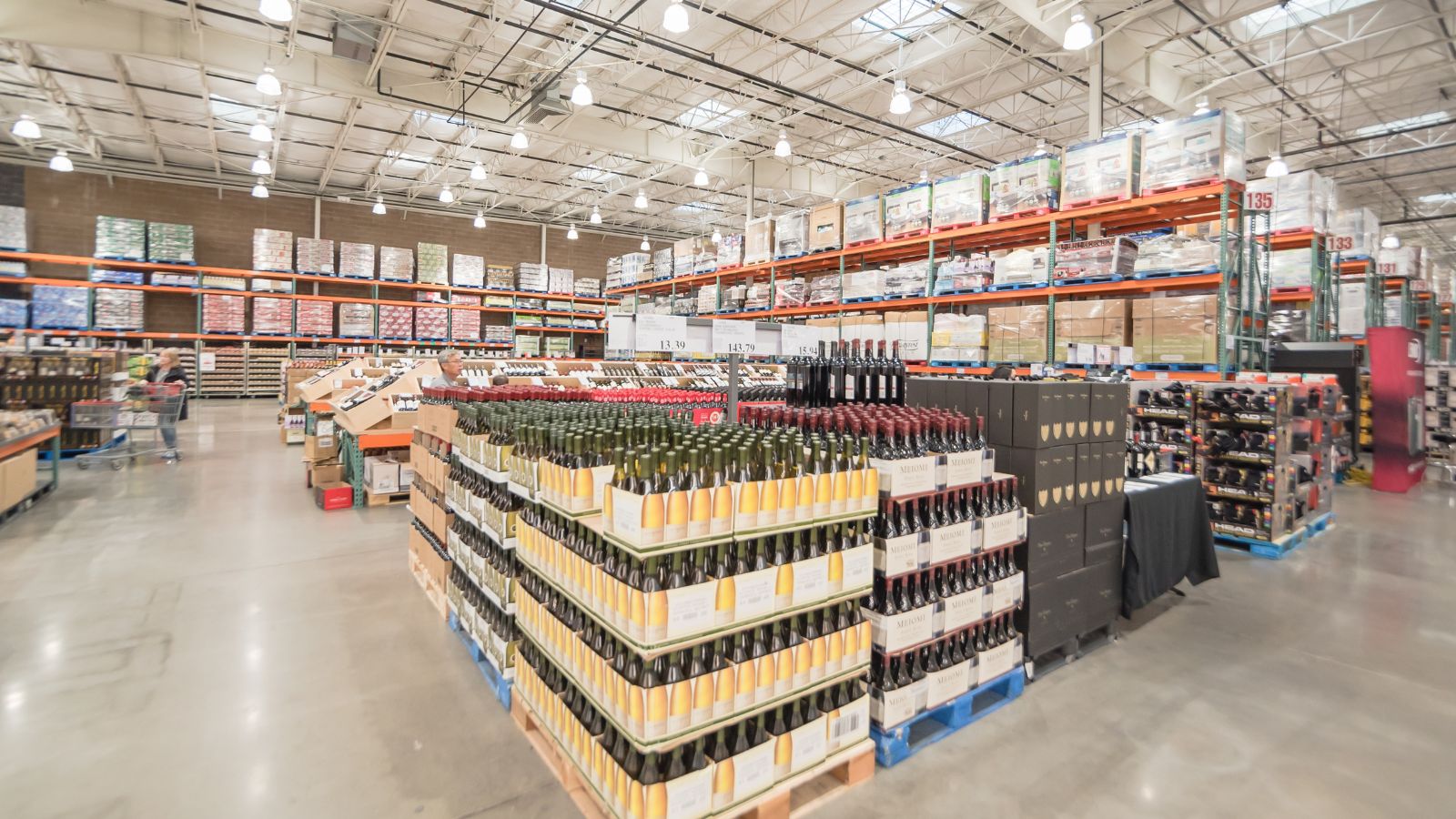
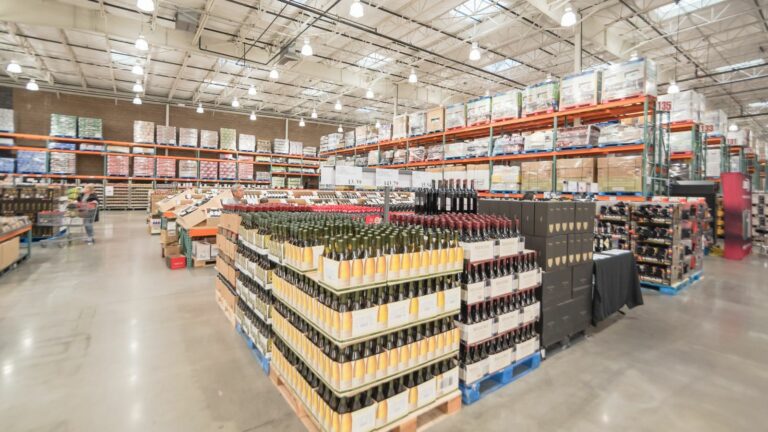
The first few metres of a grocery store often establish the mission for the entire trip. In summer, that space may shift from staples to displays of berries, corn, buns, coolers, sparkling drinks and barbecue supplies. The effect is visual and practical: shoppers are reminded that a routine restock can become a patio meal, picnic or weekend gathering. Canadian industry guidance has encouraged vibrant local-produce displays during season.
A shopper who entered for milk and vegetables may suddenly picture eight people around a backyard table. That imagined occasion creates new needs—extra protein, snacks, beverages, ice and dessert. Retailers reinforce the idea with farm stories, “local” signs and ready-made themes. In 2026, Canadian Grocer reported that consumers tend to cook more meals at home during sunny months and that potluck-style “carry from home” occasions rise, giving stores a timely reason to frame summer shopping around hosting rather than simple replenishment.
Large Carts Remove the Natural Stopping Point
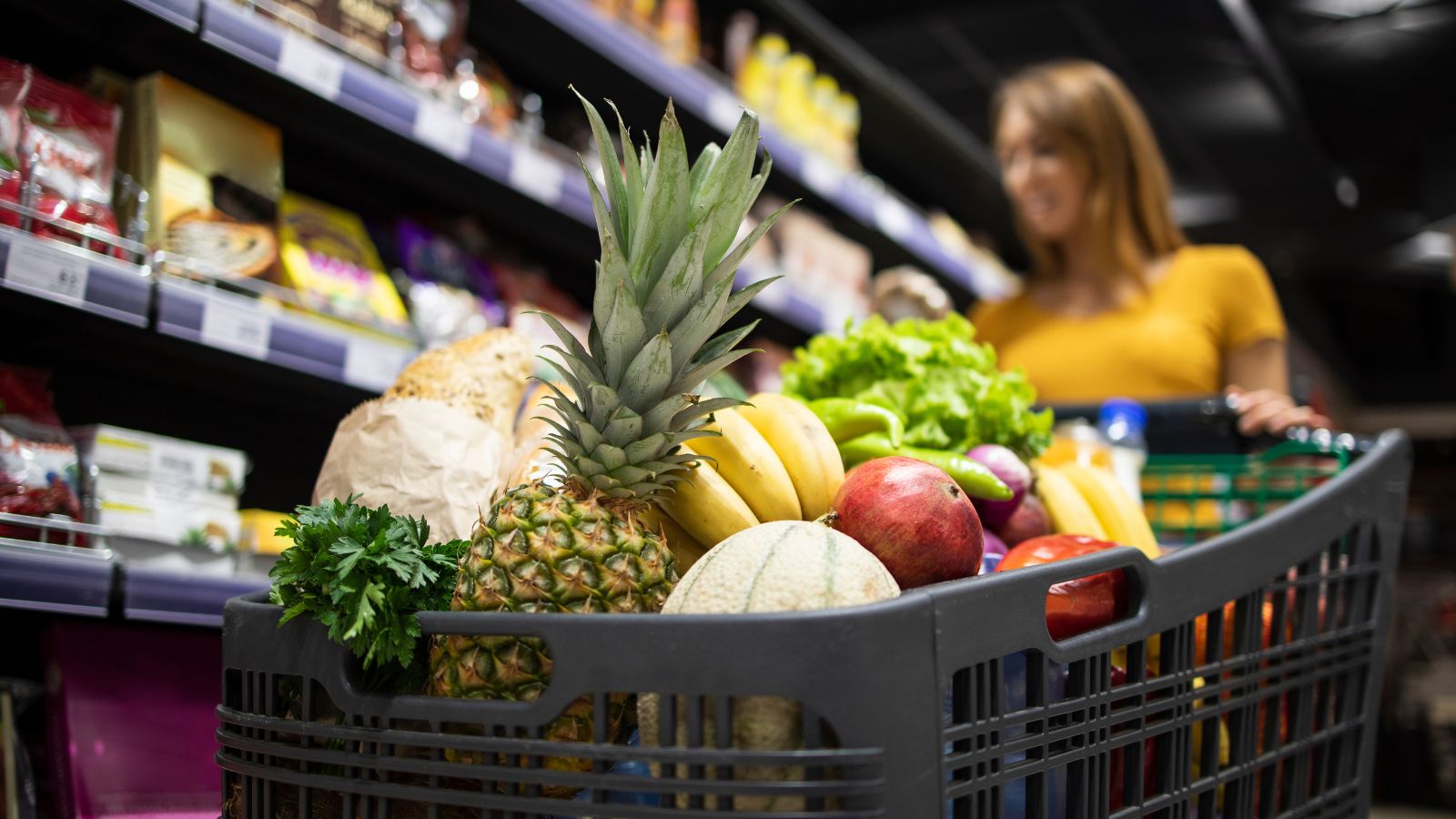
A handheld basket becomes heavy quickly, creating a natural signal to stop. The shopping cart, introduced in 1937, was tied to a retailer’s desire to let customers carry more than baskets allowed. Today’s carts add child seats, racks and roomy wells that make bulky summer goods—watermelon, drink cases, charcoal and family packs—easy to combine in one trip.
The influence is partly physical and partly visual. Ten items can look modest in a cart, even when they represent a substantial bill. Research has shown that cart design and the way shoppers grip or push it can affect purchasing behaviour. During summer, when trips include awkward products and entertaining supplies, a cart feels convenient. That convenience changes the ceiling on the shop: instead of deciding what can be carried, the customer decides what might be useful, leaving substantially more room for unplanned additions during an ordinary weekly grocery shopping trip.
Endcaps Turn Passing Interest Into Purchases

End-of-aisle displays sit where shoppers naturally slow, turn and scan. They do not require a trip down the aisle, making them powerful locations for seasonal products. A summer endcap can stack chips, soft drinks, condiments or paper plates into one visual message: the weekend is coming, and these items belong in the basket. Discounts and signs make the display feel like a destination rather than ordinary shelf space.
A 2022 retail study comparing display types found that front endcaps had the strongest effect on whether shoppers bought from a category, while shelf displays were especially influential in brand choice. The same research found that price discounts strengthened display effects. That combination explains why a signed tower of barbecue sauce can outperform the same bottles sitting quietly in their usual aisle. The display captures attention first; the promotional price then supplies a reason to act before the shopper carefully compares alternatives.
Barbecue Pairings Build an Entire Meal
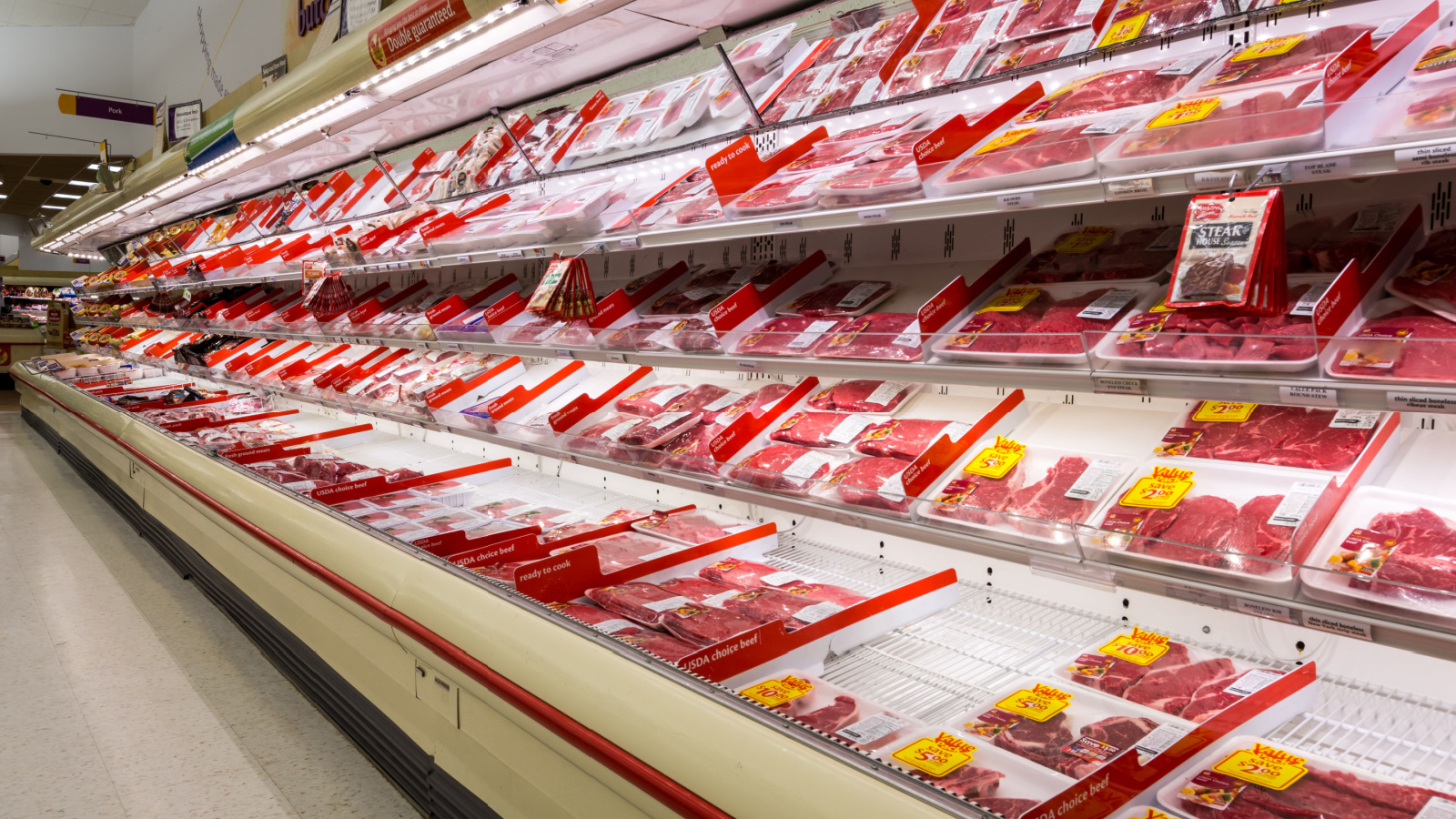
Cross-merchandising places complementary products together so one choice triggers several others. In summer, meat may be surrounded by marinades, buns, sliced cheese, skewers, prepared salads and plant-based alternatives. Canadian retailers have described placing sauces near meat, portobello mushrooms beside steaks and sausages, and local produce inside ready-to-build barbecue boxes. The arrangement does more than save time—it turns separate departments into one complete meal plan.
The commercial value can be substantial. Canadian Grocer reported research suggesting that grilling shoppers delivered 2.5 times more dollars than the average grocery shopper. That makes the barbecue occasion worth expanding. Someone choosing burgers may not have planned to buy pickles, cheese, corn and dessert, but the grouped display removes the need to remember each item independently. It also reduces the effort of planning for guests. The basket grows because the retailer has converted a single product decision into a complete, convenient summer dining occasion.
Multi-Buy Deals Encourage Stocking Up
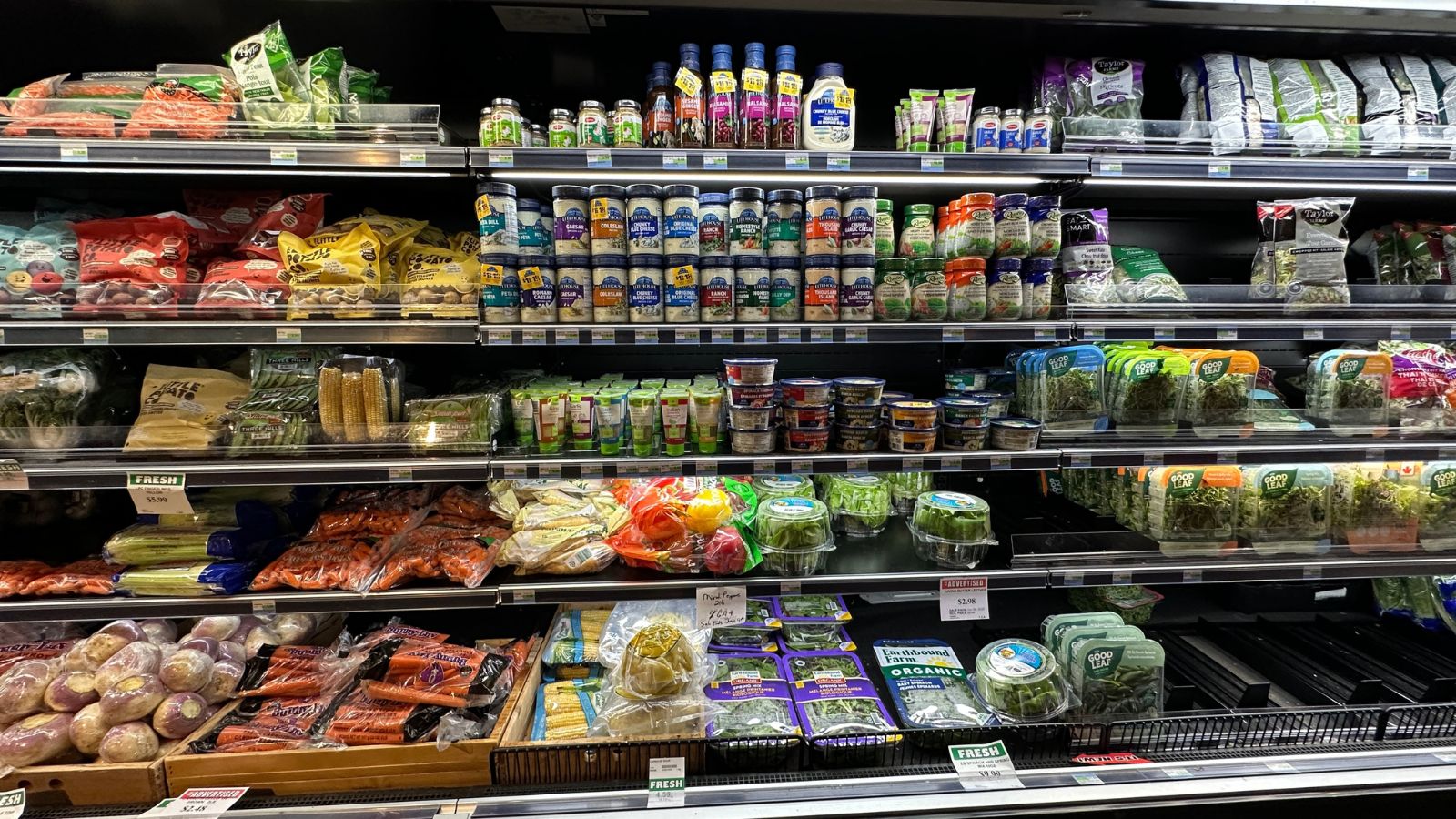
Promotions such as “two for” or “buy three, save” change the question from whether to purchase an item to how many to take. The arithmetic compels for drinks, snacks, frozen treats and condiments used during summer gatherings. Even when a household needs only one package, the higher quantity can feel prudent because the discount is visible and the products seem easy to store.
Research on stockpiling shows why the effect can continue after checkout. Studies have found that larger inventories make convenient products more noticeable at home and can increase how often they are consumed. That matters for chips, soda or ice cream, which require little preparation. A household may use the extra supply faster than expected and return sooner. For grocers, the promotion expands the current basket and may accelerate the next purchase cycle. The customer sees savings per unit; the retailer sees more units moving through the cart.
Points Thresholds Make One More Item Feel Rational
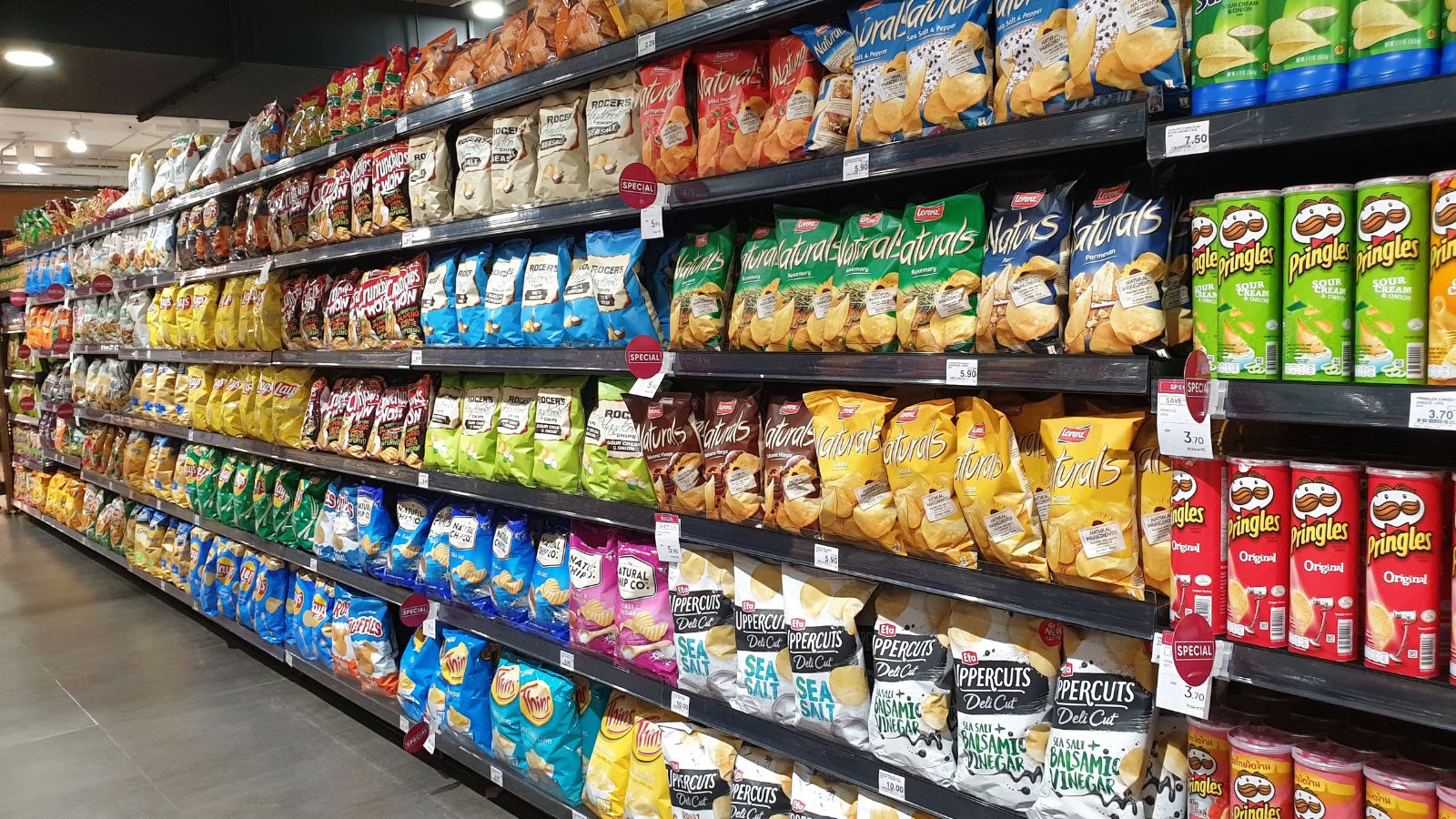
Loyalty offers often set a visible target: spend a certain amount, earn bonus points or receive a future reward. When the basket sits just below that line, adding another product can feel more sensible than leaving the reward unclaimed. Summer categories are ideal gap-fillers because cold drinks, fruit, snacks, sunscreen and disposable tableware are easy to justify as useful extras rather than splurges.
Behavioural research on reward programs has documented a goal-gradient effect: people increase effort as they approach a reward. In one field setting, customers bought more frequently as they moved closer to completing a coffee reward card. Grocery thresholds apply the same principle to one transaction. A shopper at $72 on a “spend $75” offer is not simply evaluating a $4 item; the item is mentally bundled with the promised points. The store shifts attention from the total toward the smaller distance remaining to the advertised spending target.
Loss Leaders Pull Shoppers Into a Bigger Trip
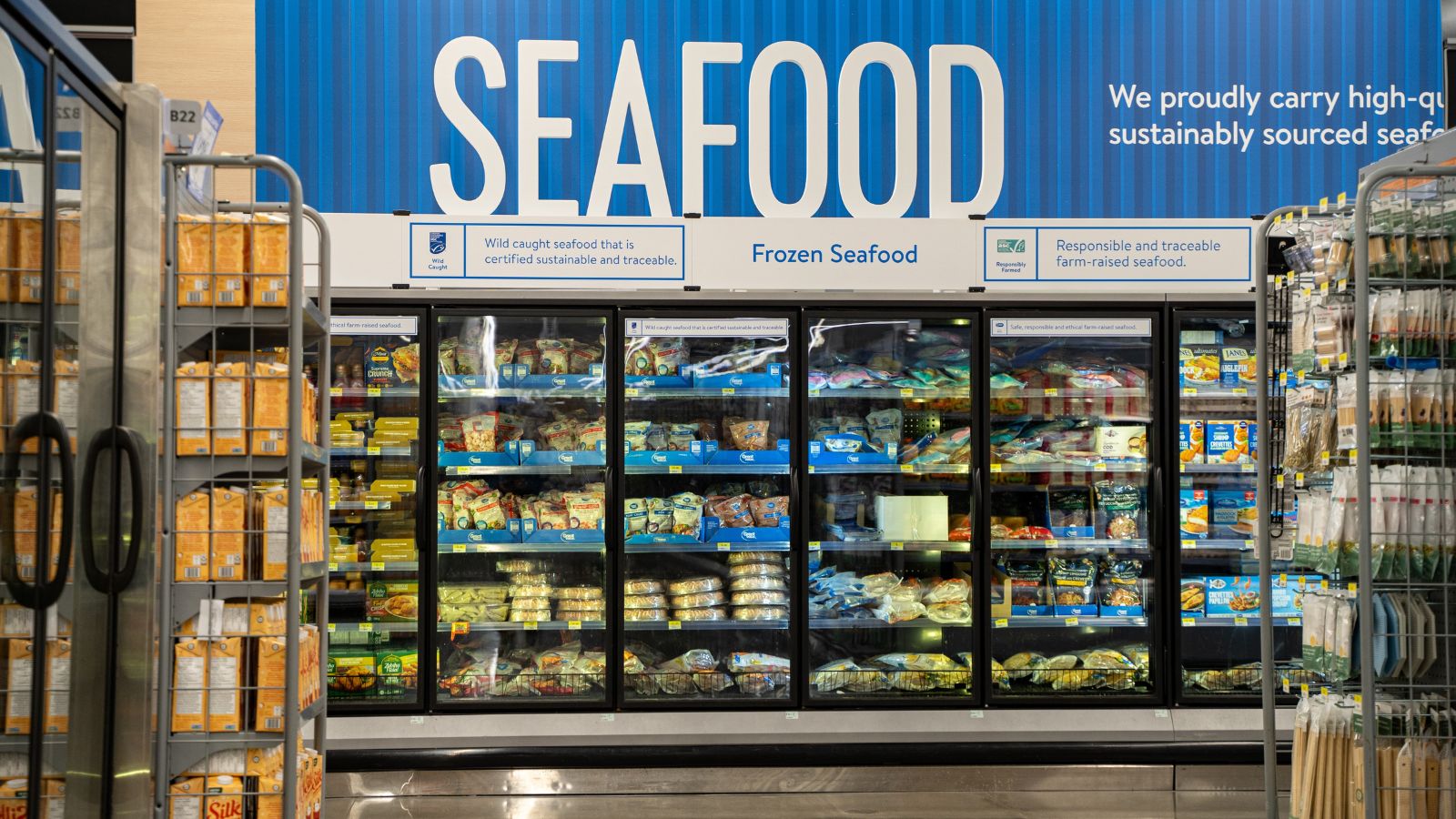
A deeply discounted headline item can make one store appear cheaper than another, even though the household will buy dozens of products at different margins. In summer, the traffic-builder might be chicken, ground beef, corn, watermelon or drinks. The low price gets attention in the flyer, but its larger purpose is to bring the customer through the doors for a complete shop.
Economic research describes loss-leader pricing as a strategy used to lure shoppers into stores. Once inside, the bargain sits alongside regular-priced buns, sauces, sides, snacks and household goods. The discount may save money on the featured item, yet the final bill depends on everything added around it. This is especially relevant in Canada’s concentrated grocery market, where the Competition Bureau has argued that stronger competition could improve prices and choice. A dramatic special can shape price perception more strongly than a careful comparison of the entire full basket.
Family Packs Reframe Volume as Value

Club packs and oversized beverage formats are visible before long weekends and cottage trips. Their appeal rests on this promise: more product for a better unit price. The package also matches the story of summer—more guests, more grilling and fewer store trips. Canadian coverage described a brewer promoting a 568-millilitre can as more than 20% larger than the traditional 473-millilitre format, presenting size as added value.
The risk is that perceived value can outrun need. Research on package size and stockpiling has found that larger quantities influence purchase and consumption, particularly when shoppers believe the unit cost is lower. A family pack of burgers may be sensible for a reunion, but the same format can enlarge an ordinary shop because the smaller option looks comparatively poor. By making volume the reference point, stores encourage customers to judge the deal per gram or serving rather than by the final bill.
Prepared Foods Sell Time Along With Dinner
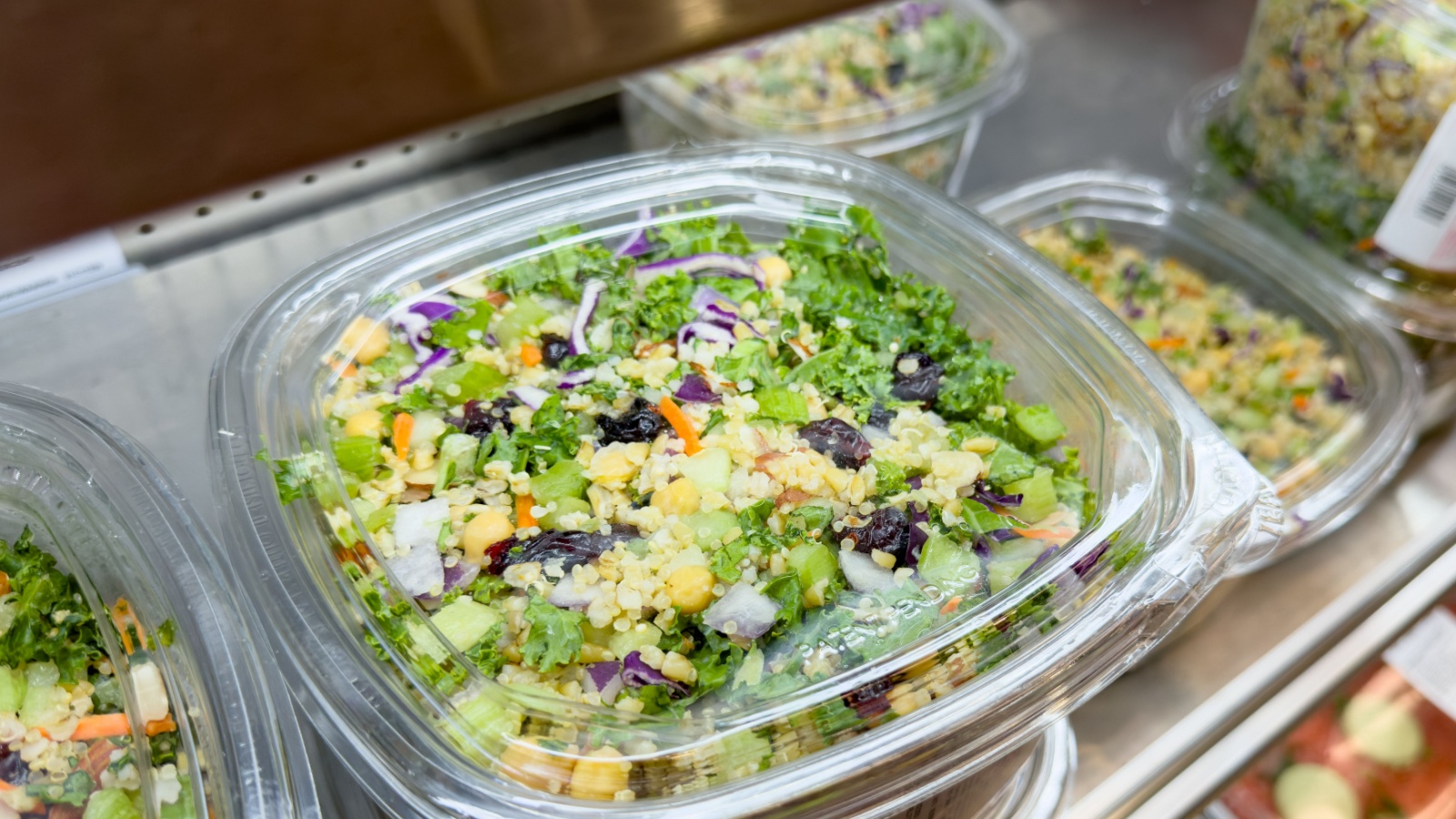
Summer entertaining creates tension between wanting a memorable meal and not wanting to spend the afternoon preparing it. Grocery stores answer with pre-marinated kebabs, cut fruit, deli salads, burger kits, dips and ready-to-grill vegetables. These products cost more than basic ingredients, but they reduce planning, preparation and cleanup. The customer is not only buying food; the customer is buying back part of the day.
Canadian grocers have identified convenience as a major summer demand. In 2026, industry reporting highlighted pre-marinated meat as a time-saving category, while earlier examples described placing ready-made pasta salad beside recipes and ingredients. That presentation captures both kinds of shopper: the person who wants inspiration and the person who wants an immediate solution. A basket that began with raw chicken can gain seasoned vegetables, prepared sides and premium dips because the store has made the upgraded meal feel achievable with almost no extra kitchen preparation work.
Samples Convert Curiosity Into Commitment

A tasting station lowers the risk of trying an unfamiliar sauce, cheese, fruit or prepared dish. Instead of asking shoppers to imagine a flavour, the store gives them direct evidence. Summer is particularly suited to sampling because retailers introduce seasonal marinades, dips, beverages and local produce while customers search for something new to serve at gatherings.
The effect can last beyond the tasting moment. A peer-reviewed analysis examined six store-level scanner datasets across four product categories and found that in-store sampling produced both immediate and sustained sales effects. Sampling can also encourage brand switching, trial and purchases elsewhere in the category. A shopper who enjoys a spoonful of dip may buy the container, then add crackers, vegetables or bread needed to serve it. The first bite reduces uncertainty; the nearby display supplies the rest of the occasion. What feels like a complimentary snack becomes a low-friction path to several additions.
Eye-Level Shelves Win the Fast Decision
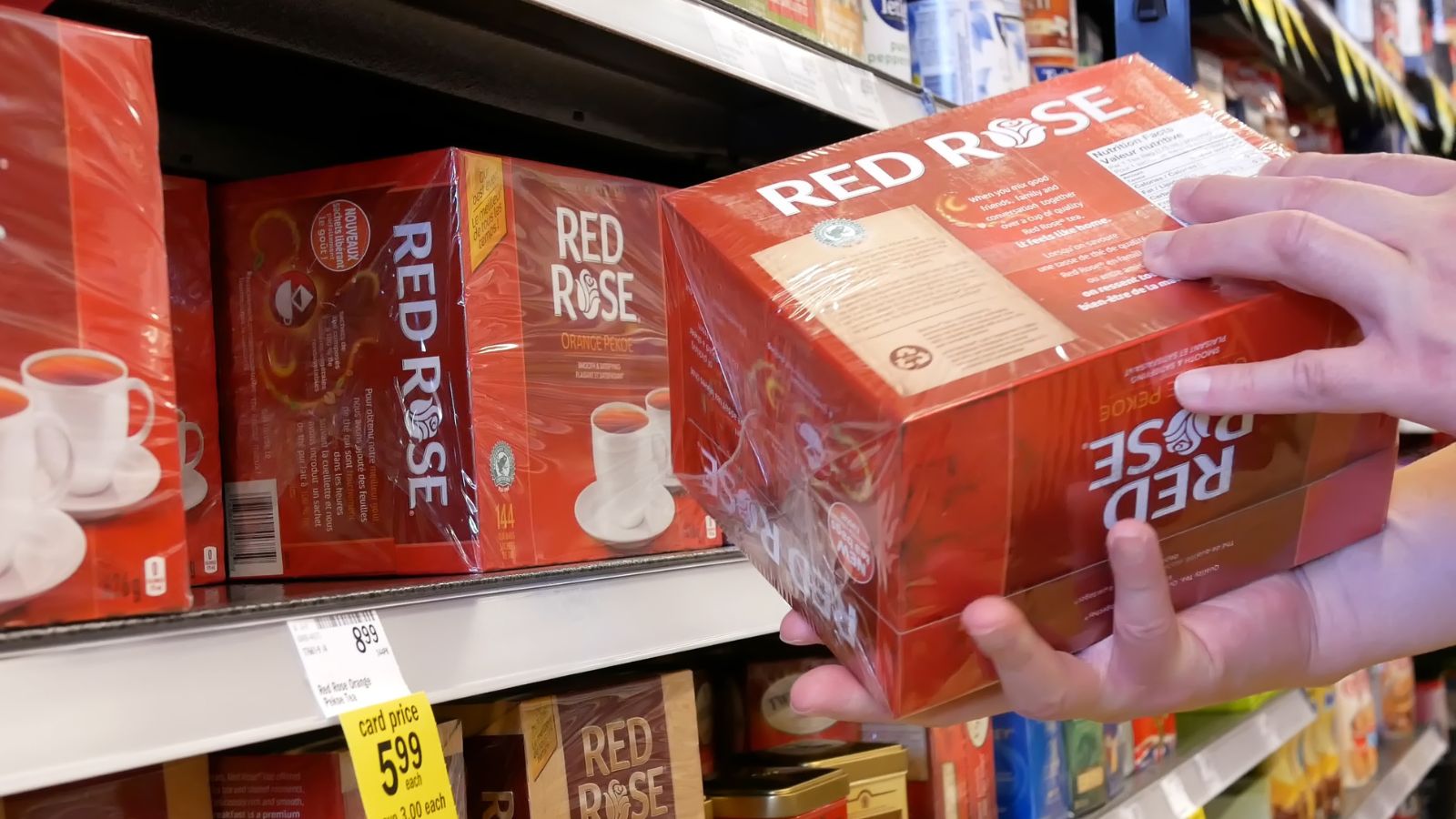
Shoppers rarely study every shelf from top to bottom. They scan, recognize and reach, during a busy trip before a long weekend. Products placed around the middle of the display gain an advantage because they require less effort to notice and compare. Premium condiments, branded snacks and seasonal beverages can occupy that zone while lower-priced or store-brand alternatives sit above or below.
An in-store experiment on potato chips found that shelf height affected purchases, adding evidence to the principle that placement changes choice. The effect does not mean every eye-level item is expensive or every bargain is hidden. It means visibility becomes part of the product’s competitive position. In summer, when flavours and barbecue launches crowd the aisle, the easiest package to see can become the default. A shopper focused on getting home before guests arrive may choose it without checking the bottom shelf, lifting the basket’s average price.
Checkout Displays Capture the Final Impulse
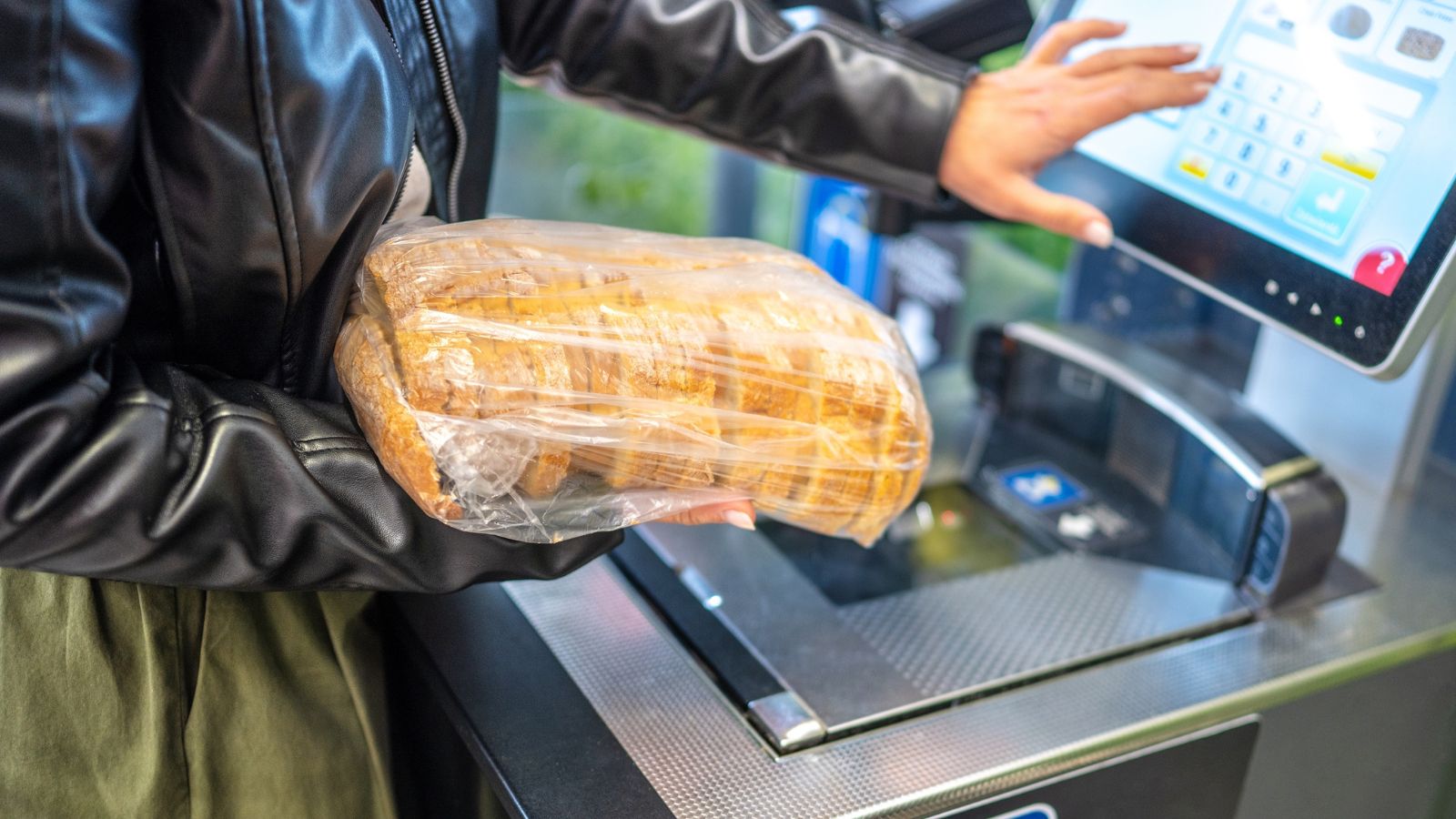
The checkout is the one part of the store where nearly every shopper pauses with the basket assembled. Small drinks, candy, gum, batteries and travel-size goods sit within reach while customers wait or scan purchases. Because each item appears inexpensive beside a large grocery total, adding one more can feel irrelevant, even when repeated impulse buys raise annual spending.
Research confirms how heavily checkout areas are stocked with tempting products. A 2021 study documented widespread availability of candy, snack foods and sugary drinks in checkout lines, while intervention studies have shown that changing checkout assortments can alter what sells there. Summer makes the zone effective: a cold beverage answers immediate thirst, and small treats can be rationalized for the drive home or children in the car. The retailer gets a final chance to add units after the shopper has stopped comparing prices and mentally concluded the main grocery shopping trip.
Short Seasons Create Urgency
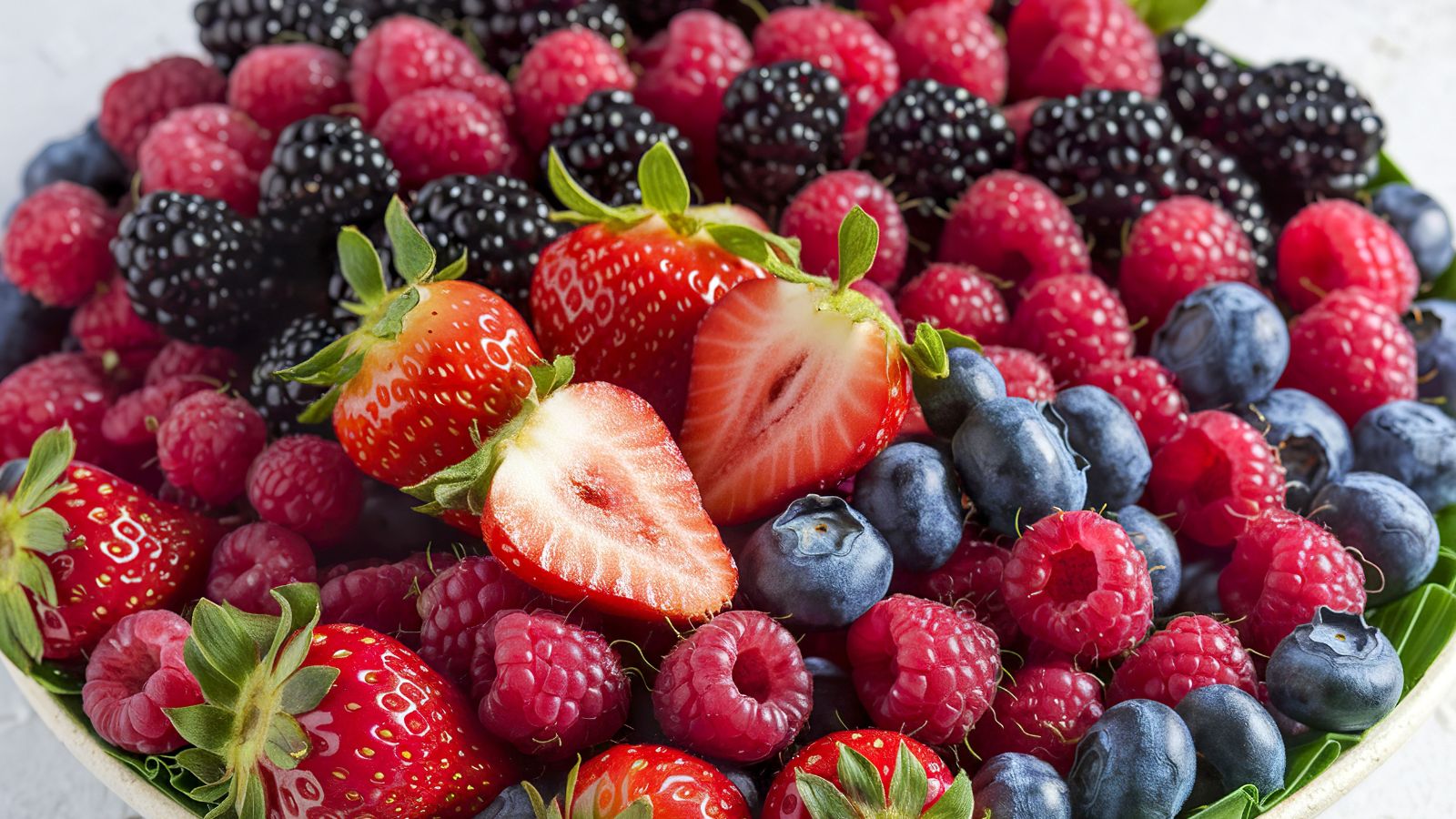
Canadian summer produce carries a built-in deadline. Cherries, peaches, field tomatoes and local corn appear for limited periods, and retailers emphasize that window with farm names, regional signs and large displays. The message is not only that the food is fresh; it is that the opportunity may disappear soon. Scarcity turns a routine purchase into a seasonal event.
Canadian Grocer has described British Columbia’s cherry campaign running from July 15 to August 15 and noted that the crop’s brief store presence creates excitement and traffic. The same logic applies to limited-edition ice cream flavours, summer beverages and holiday-themed bakery items. Shoppers may buy larger quantities because waiting until next week feels risky. A family that planned one basket of peaches may take two for preserving, desserts or guests. Real seasonality drives the purchase, but the display amplifies urgency and encourages customers to secure the experience before the calendar moves on.
Flyers and Apps Pre-Load the Basket
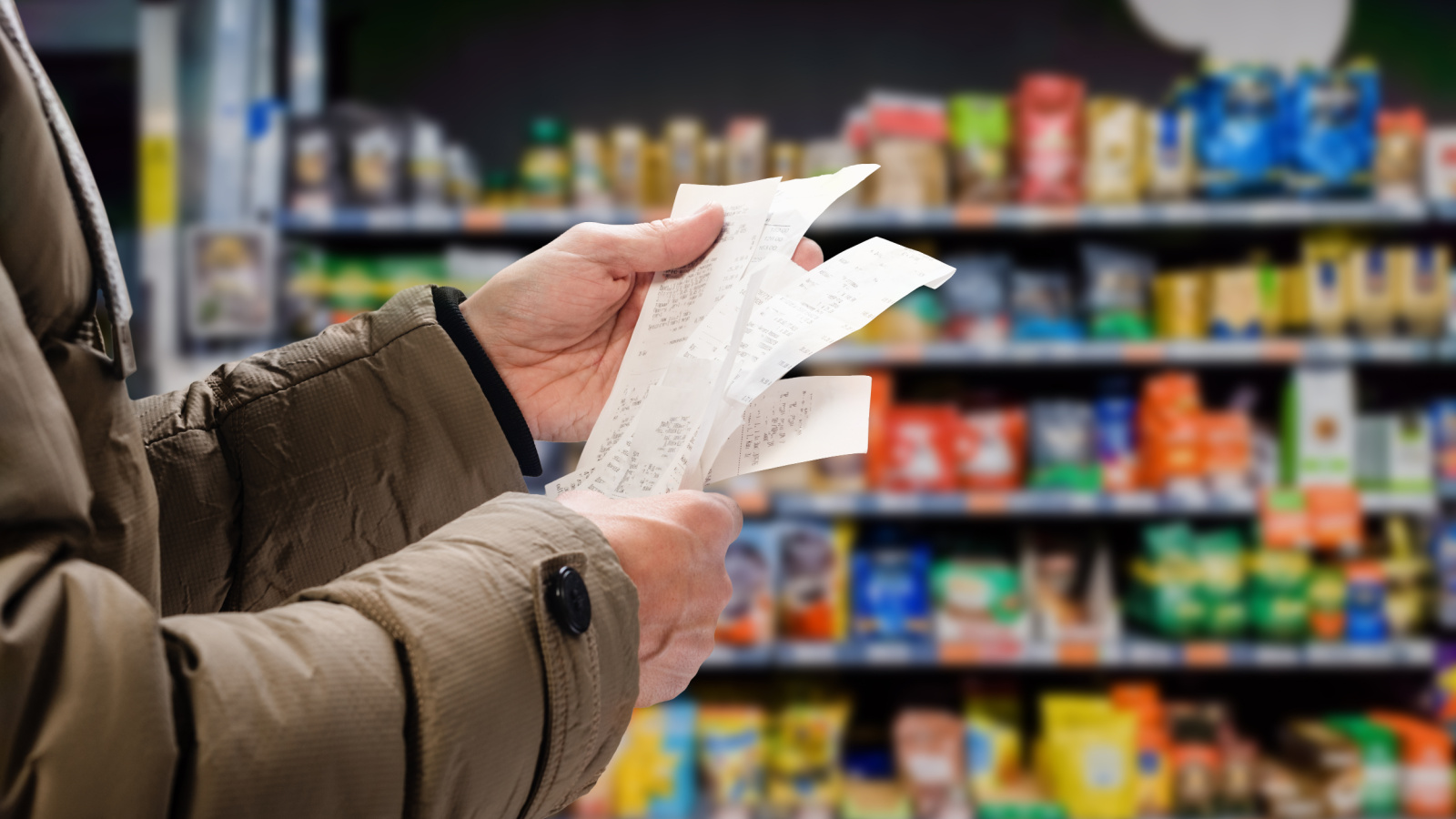
The grocery trip often begins before anyone enters the store. Weekly flyers, app notifications and digital coupons present discounted products and suggested occasions. Summer campaigns can cluster burgers, berries, beverages and paper goods on one screen, making them feel like a coordinated plan. By the time the shopper arrives, several additions have already been mentally approved.
Promotional technology increases that influence. A large-scale supermarket field experiment covering 101 consumer-goods brands found that in-store coupons tripled sales of promoted brands on average and produced category expansion rather than merely shifting purchases between brands or weeks. Personalized systems can go further by using loyalty data to select offers matching past behaviour. A household that regularly buys sparkling water may receive a bonus offer before a long weekend. The discount is useful, but it also directs attention toward a category that might otherwise have been skipped during a focused, carefully list-driven grocery trip.
Online Recommendations Keep Adding to the Cart
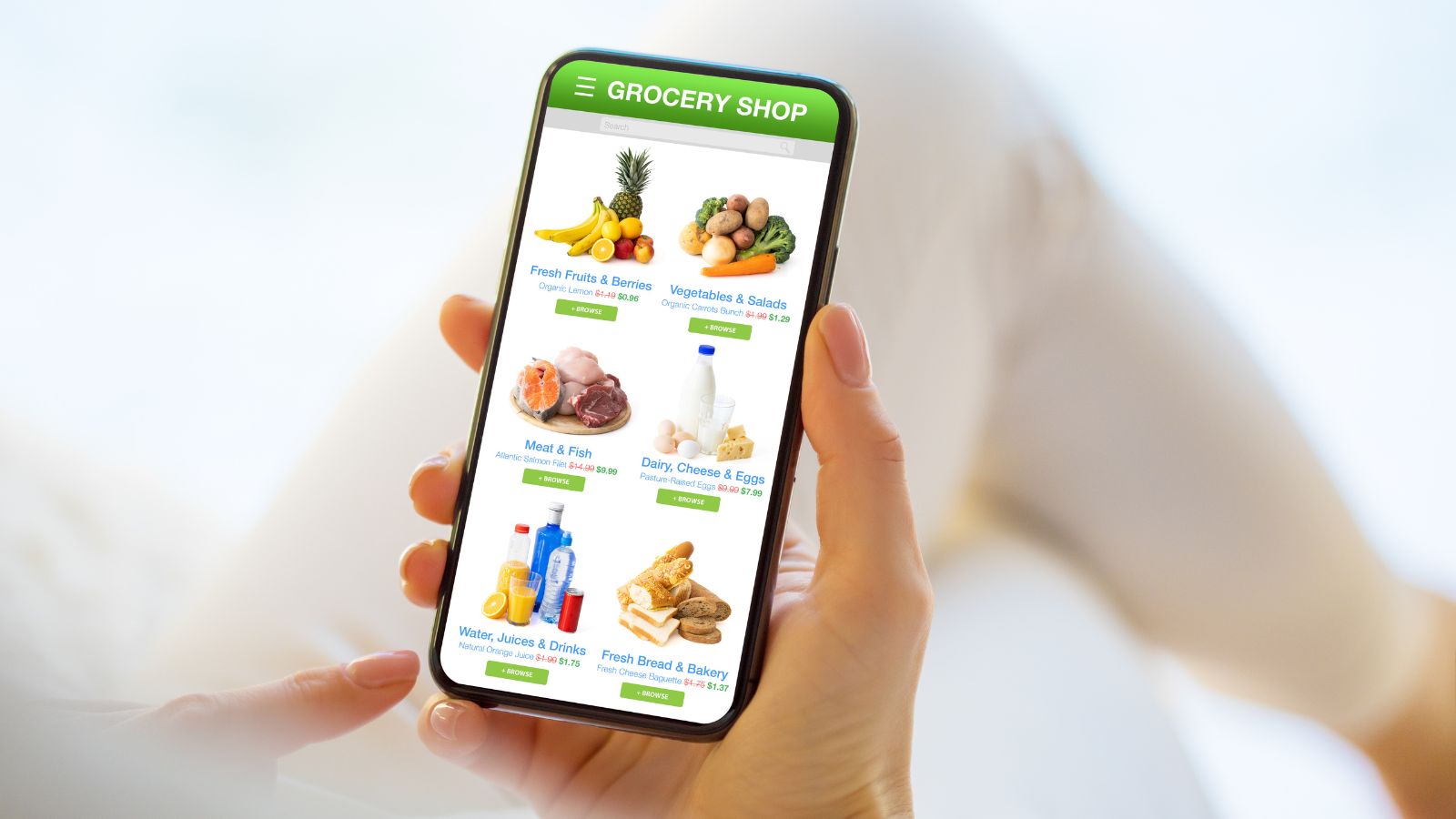
Digital grocery platforms replace physical endcaps with recommendation rows: “frequently bought together,” “you may also need” and reminders based on previous orders. Summer baskets generate rich pairings. Selecting hamburger patties can trigger suggestions for buns, cheese, condiments and salad; adding berries may produce whipped cream, shortcake or yogurt. Each prompt removes search effort and makes omission feel like a mistake.
Field evidence shows that recommendation design can increase results. One randomized e-grocery experiment found that a longer personalized ranking reduced information overload and produced a 7% revenue uplift. Another production system for real-time grocery recommendations reported higher average basket size after deployment. These tools can improve convenience by reminding shoppers about forgotten staples. Yet convenience and upselling are intertwined: the algorithm is designed to surface relevant products while the basket is open. A few accepted suggestions can turn a focused order into a full summer hosting shop for invited guests.
Atmosphere Encourages a Slower Lap

A pleasant store makes browsing feel less like a chore. Bright produce, bakery aromas, themed signs and familiar music can keep shoppers comfortable long enough to notice more products. In summer, colourful fruit, chilled drinks and grilling imagery create a sense of abundance and leisure. The environment does not need to pressure anyone directly; it only needs to make another aisle feel worthwhile.
A classic supermarket field study found that background-music tempo significantly affected both customer traffic pace and sales volume. Slower movement creates more opportunities to encounter displays, remember forgotten items and reconsider the shopping list. Research on unplanned purchasing has also found that unintended additions can rise later in a trip. The result is familiar: a customer arrives for a fast restock, hears a favourite song, pauses at the seasonal aisle and leaves with dessert, drinks and patio supplies. Time in the store becomes another subtle merchandising tool.
19 Things Canadians Don’t Realize the CRA Can See About Their Online Income

Earning money online feels simple and informal for many Canadians. Freelancing, selling products, and digital services often start as side projects. The problem appears at tax time. Many people underestimate how much information the CRA can access. Online platforms, banks, and payment processors create detailed records automatically. These records do not disappear once money hits an account. Small gaps in reporting add up quickly.
Here are 19 things Canadians don’t realize the CRA can see about their online income.
This Options Discord Chat is The Real Deal
While the internet is scoured with trading chat rooms, many of which even charge upwards of thousands of dollars to join, this smaller options trading discord chatroom is the real deal and actually providing valuable trade setups, education, and community without the noise and spam of the larger more expensive rooms. With a incredibly low-cost monthly fee, Options Trading Club (click here to see their reviews) requires an application to join ensuring that every member is dedicated and serious about taking their trading to the next level. If you are looking for a change in your trading strategies, then click here to apply for a membership.