
35,000+ smart investors are already getting financial news, market signals, and macro shifts in the economy that could impact their money next with our FREE weekly newsletter. Get ahead of what the crowd finds out too late. Click Here to Subscribe for FREE.
Global shipping disruptions may feel distant, but their effects reach Canadian households quickly. Canada depends heavily on international supply chains for everyday goods. When ports slow down or routes change, prices respond almost immediately. Groceries, fuel, housing materials, and consumer products all feel the impact. These changes rarely arrive one at a time. They stack across budgets and businesses. Many costs rise quietly before becoming obvious. Understanding these consequences helps explain sudden price spikes. Here are 17 consequences for Canadians if global shipping chaos sends prices soaring again.
Higher Grocery Prices Across Canada
17 Consequences for Canadians If Global Shipping Chaos Sends Prices Soaring Again
- Higher Grocery Prices Across Canada
- Rising Costs for Imported Household Goods
- Increased Prices for Electronics and Appliances
- Delays in Product Availability and Stock Shortages
- Higher Transportation and Fuel Costs
- Increased Costs for Small Canadian Businesses
- Pressure on Canadian Manufacturing Supply Chains
- Rising Prices for Clothing and Footwear
- Higher Costs for Building Materials and Home Repairs
- Slower Delivery Times for Online Purchases
- Increased Inflation Pressure on Everyday Spending
- Reduced Purchasing Power for Households
- Higher Operating Costs for Retailers
- Increased Prices for Auto Parts and Vehicles
- Greater Financial Strain on Remote and Northern Communities
- Wage Pressure Without Matching Income Growth
- Shift Toward Local and Alternative Supply Sources
- 22 Groceries to Grab Now—Before another Price Shock Hits Canada
Higher grocery prices across Canada would rise quickly if shipping chaos returns. Canada relies heavily on imported food and ingredients. Delays increase spoilage and handling costs. Retailers pass these costs to shoppers fast. Staples like produce, cooking oils, and packaged foods feel the impact first. Northern and remote areas face even sharper increases. Supply gaps reduce competition on shelves. Promotions disappear during shortages. Families adjust portions and brands to cope. Grocery bills climb without warning. Shipping disruptions turn everyday food shopping into a larger monthly expense for Canadian households.
Rising Costs for Imported Household Goods

Rising costs for imported household goods would affect daily life quickly. Many basic items come from overseas suppliers. Furniture, kitchenware, and cleaning products depend on shipping stability. Delays increase storage and transport fees. Retailers raise prices to recover losses. Replacement items become more expensive than expected. Choices narrow when shipments arrive late. Canadians postpone purchases or settle for higher prices. Sales become less frequent. Household budgets tighten quietly. Shipping issues make simple home needs cost more across provinces.
Increased Prices for Electronics and Appliances

Increased prices for electronics and appliances often follow shipping disruptions. Canada imports most electronics and large appliances. Delays raise warehousing and logistics costs. Short supply increases prices further. Items like laptops, phones, and refrigerators feel immediate hikes. Repairs cost more when parts arrive late. Consumers delay upgrades or replacements. Financing terms may worsen. Stock shortages reduce choice. Backorders grow common. Shipping chaos quickly turns technology and appliance purchases into higher and less predictable expenses for Canadian consumers.
Delays in Product Availability and Stock Shortages

Delays in product availability and stock shortages disrupt everyday planning. Shipping slowdowns interrupt restocking schedules. Retailers struggle to keep shelves full. Popular items disappear without notice. Seasonal goods arrive late or miss demand entirely. Canadians spend more time searching for basics. Alternatives often cost more. Businesses limit promotions due to uncertainty. Online orders face long wait times. Backorders frustrate buyers. These delays increase stress and spending. Shipping chaos replaces convenience with unpredictability across Canadian retail markets.
Higher Transportation and Fuel Costs
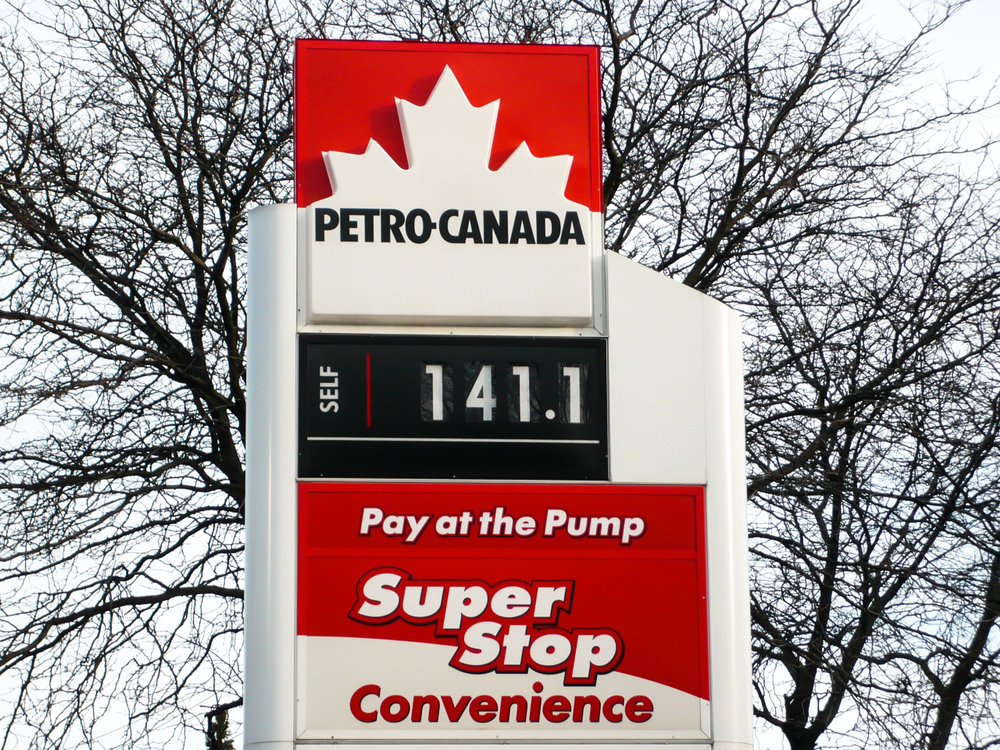
Higher transportation and fuel costs ripple through the economy during shipping disruptions. Rerouted shipments increase distance and fuel use. Port congestion forces trucks to idle longer. These costs raise freight rates nationwide. Fuel surcharges appear quickly. Retailers and suppliers pass increases forward. Remote regions feel the impact first. Delivery fees rise for consumers. Public transit costs may follow. Transportation inflation affects nearly every product. Shipping chaos pushes fuel-related expenses higher across Canada.
Increased Costs for Small Canadian Businesses

Increased costs for small Canadian businesses follow shipping chaos closely. Small firms lack bargaining power with carriers. Delays disrupt inventory planning and cash flow. Emergency sourcing costs more. Storage fees eat into margins. Price increases the risk of losing customers. Some businesses absorb costs temporarily. Others reduce product lines. Restocking becomes unpredictable. Financing needs increase under pressure. Shipping instability hits small businesses harder, forcing tough choices that affect pricing, staffing, and long-term survival across Canada.
Pressure on Canadian Manufacturing Supply Chains

Pressure on Canadian manufacturing supply chains increases sharply when global shipping chaos returns. Many manufacturers depend on imported components and raw materials. Delays interrupt production schedules and reduce output efficiency. Idle time raises per-unit costs across operations. Companies pay more for expedited shipping to meet deadlines. Alternative suppliers often charge higher prices. Inventory planning becomes difficult without reliable delivery timelines. Smaller manufacturers feel the strain faster due to limited buffers. Contract penalties may apply for missed commitments. These disruptions push costs downstream. Manufacturing pressure eventually reaches consumers through higher prices and reduced product availability.
Rising Prices for Clothing and Footwear

Rising prices for clothing and footwear follow shipping disruptions quickly. Canada imports most apparel and shoes. Freight delays increase transport and storage costs. Seasonal inventory arrives late, reducing sales windows. Retailers recover losses by raising prices. Discounts become less frequent. Limited stock reduces choice for consumers. Replacement items cost more than expected. Children’s clothing feels the impact strongly due to frequent sizing needs. Import congestion affects both budget and premium brands. Shipping chaos turns routine clothing purchases into higher-cost necessities for Canadian households.
Higher Costs for Building Materials and Home Repairs
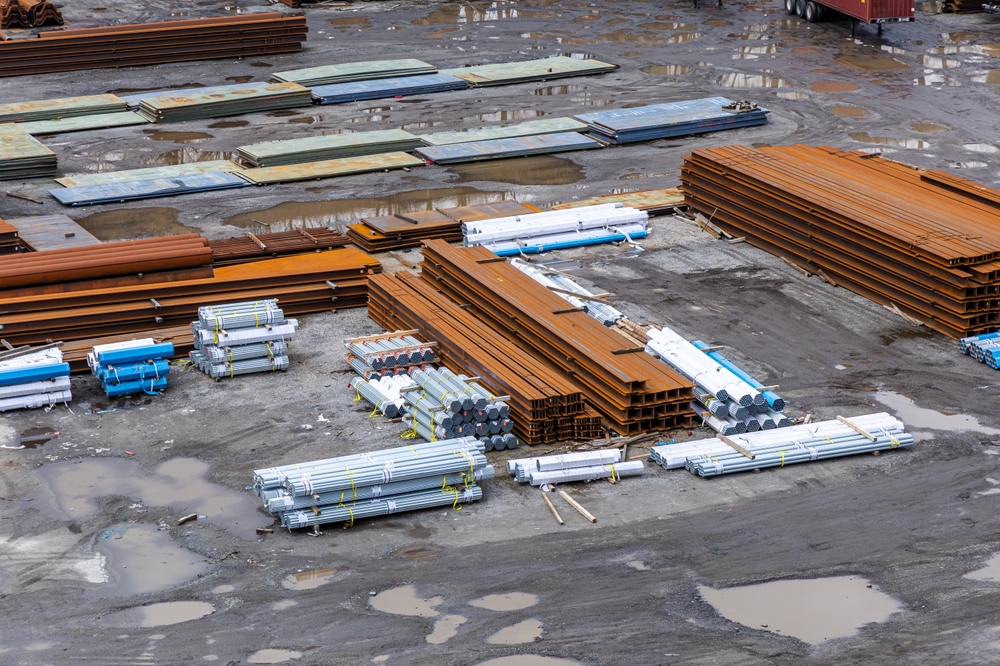
Higher costs for building materials and home repairs appear quickly during shipping disruptions. Many materials rely on international supply chains. Delays reduce availability and raise wholesale prices. Contractors face uncertainty when quoting projects. Repair timelines extend as parts arrive late. Emergency fixes become more expensive. Renovations often get postponed or downsized. Insurance repairs face added delays. Labour costs rise alongside material shortages. Homeowners pay more for routine maintenance. Shipping instability makes property upkeep unpredictable. These higher costs quietly strain household budgets across Canada.
Slower Delivery Times for Online Purchases

Slower delivery times for online purchases change consumer expectations. Shipping congestion delays imports reaching warehouses. Popular items go out of stock longer. Backorders become common across categories. Promised delivery dates repeatedly. Express shipping loses reliability. Retailers remove guaranteed timelines. Returns and refunds take longer to process. Consumers reorder alternatives at higher prices. Rural areas experience the longest delays. Convenience disappears during disruption periods. Shipping chaos replaces speed with uncertainty, making online shopping less predictable and more costly for Canadians.
Increased Inflation Pressure on Everyday Spending

Increased inflation pressure on everyday spending builds quickly during shipping chaos. Transportation costs rise first. Retail prices adjust soon after. Groceries, household items, and services increase together. Promotions decline as retailers protect margins. Budget planning becomes difficult. Fixed-income households feel pressure sooner. Shoppers change brands or quantities to cope. Price increases stack across categories. Inflation expectations shift behavior. Shipping disruptions amplify cost pressure, making daily spending noticeably more expensive across Canada.
Reduced Purchasing Power for Households
Reduced purchasing power for households follows widespread price increases. Wages rarely rise as fast as costs. Essentials take a larger share of income. Savings rates decline. Discretionary spending shrinks quickly. Some households rely more on credit. Price comparisons become routine. Quality trade-offs increase. Delayed purchases are growing common. Confidence drops as budgets tighten. Shipping-driven price surges erode purchasing power steadily, leaving Canadians able to afford less even with unchanged income levels.
Higher Operating Costs for Retailers

Higher operating costs for retailers increase during global shipping disruptions. Freight surcharges raise inventory costs. Warehousing fees grow when goods arrive late. Staffing costs rise to manage delays and shortages. Stock planning becomes inefficient. Shrinkage increases under rushed logistics. Retailers either raise prices or accept lower margins. Smaller retailers feel pressure first. Promotions decrease to protect cash flow. Customer service costs rise with complaints. Shipping chaos raises business costs across Canada, influencing pricing throughout the retail sector.
Increased Prices for Auto Parts and Vehicles

Increased prices for auto parts and vehicles appear quickly when global shipping becomes unstable. Canada relies heavily on imported vehicles and components. Delays reduce the availability of new cars and replacement parts. Dealership inventories shrink. Repair shops wait longer for components. Labour time increases when parts arrive late. These delays raise service costs. Vehicle prices climb due to limited supply. Used vehicle demand also rises, pushing prices higher. Financing terms may worsen as costs increase. Shipping disruption turns vehicle ownership and maintenance into a more expensive and unpredictable expense for Canadian households.
Greater Financial Strain on Remote and Northern Communities

Greater financial strain on remote and northern communities intensifies during shipping disruptions. These regions depend more on long supply chains. Delays increase freight costs significantly. Food, fuel, and household goods become more expensive. Fewer suppliers limit price competition. Stock shortages last longer than in urban areas. Transportation alternatives remain limited. Residents absorb higher prices quickly. Local businesses struggle with restocking delays. Household budgets stretch further. Shipping chaos magnifies existing cost challenges, making daily living noticeably more expensive for Canadians living far from major distribution hubs.
Wage Pressure Without Matching Income Growth

Wage pressure without matching income growth affects workers during price surges. Employers face higher operating costs from shipping delays. Many limit wage increases to manage margins. Prices rise faster than pay. Employees feel the gap immediately. Purchasing power declines even with steady employment. Cost-of-living adjustments often lag behind inflation. Households reduce discretionary spending. Debt reliance may increase. Job switching becomes harder during uncertainty. Shipping-driven inflation creates pressure on workers without providing income relief, leaving many Canadians feeling financially stretched despite stable wages.
Shift Toward Local and Alternative Supply Sources

A shift toward local and alternative supply sources often follows shipping chaos. Businesses seek reliability over distance. Local suppliers reduce transport risk but may cost more. Production scales remain limited. Prices may not drop immediately. Some goods remain unavailable locally. Consumers see changes in product selection. Seasonal availability becomes more noticeable. Businesses invest in new relationships and logistics. Transition periods raise costs temporarily. While diversification improves resilience, the shift does not eliminate price increases. Canadians may pay more as supply chains adjust away from global dependence.
22 Groceries to Grab Now—Before another Price Shock Hits Canada

Food prices in Canada have been steadily climbing, and another spike could make your grocery bill feel like a mortgage payment. According to Statistics Canada, food inflation remains about 3.7% higher than last year, with essentials like bread, dairy, and fresh produce leading the surge. Some items are expected to rise even further due to transportation costs, droughts, and import tariffs. Here are 22 groceries to grab now before another price shock hits Canada.
22 Groceries to Grab Now—Before another Price Shock Hits Canada
This Options Discord Chat is The Real Deal
While the internet is scoured with trading chat rooms, many of which even charge upwards of thousands of dollars to join, this smaller options trading discord chatroom is the real deal and actually providing valuable trade setups, education, and community without the noise and spam of the larger more expensive rooms. With a incredibly low-cost monthly fee, Options Trading Club (click here to see their reviews) requires an application to join ensuring that every member is dedicated and serious about taking their trading to the next level. If you are looking for a change in your trading strategies, then click here to apply for a membership.