
35,000+ smart investors are already getting financial news, market signals, and macro shifts in the economy that could impact their money next with our FREE weekly newsletter. Get ahead of what the crowd finds out too late. Click Here to Subscribe for FREE.
35,000+ smart investors are already getting financial news, market signals, and macro shifts in the economy that could impact their money next with our FREE weekly newsletter. Get ahead of what the crowd finds out too late. Click Here to Subscribe for FREE.
Smartphones now manage banking, work, health, and private conversations. Many popular apps quietly collect far more data than users expect. Others drain battery life through constant tracking, background refreshes, or aggressive notifications. In Canada, privacy rules exist, but enforcement often lags behind app behaviour. By 2026, storage limits, slower phones, and rising data costs make bloated apps harder to justify. Deleting certain apps can reduce background activity, extend battery life, and lower exposure to unnecessary data. Here are 19 apps Canadians should delete in 2026 (data-hungry, battery-draining).
19 Apps Canadians Should Delete in 2026 (Data Hungry, Battery Drainers)
- Facebook Messenger
- TikTok
- Snapchat
- X (formerly Twitter)
- Amazon Shopping App
- Temu
- Weather Apps with Ads
- Flashlight Apps
- Battery Saver Apps
- Free VPN Apps
- QR Code Scanner Apps
- Old Games You No Longer Play
- Pre-Installed Carrier Apps
- Fitness Apps You Stopped Using
- Coupon And Deal Apps
- Old Photo Editing Apps
- Survey And Reward Apps
- 22 Groceries to Grab Now—Before another Price Shock Hits Canada

Facebook continues to track activity even when not actively used. Location data, browsing behaviour, and device details are collected regularly. Background refresh runs often, especially on Android devices. Many users keep the app installed even though they rarely post. The mobile browser version performs most core functions with fewer permissions. Notifications also increase screen time without adding value. Battery drain is noticeable on older phones. Data sharing across Meta services remains broad. Canadians concerned about privacy should review permissions carefully. Deleting the app does not delete the account. It simply reduces constant background activity and tracking.
Facebook Messenger

Messenger runs independently from Facebook and maintains constant background connections. It frequently accesses contacts, microphone permissions, and notification services. Even when idle, it consumes memory and battery. Message previews sync across devices without clear limits. Many users only receive occasional messages but keep the app installed. The web version works for infrequent use. Alternative messaging apps require fewer permissions. Messenger also links data across Meta platforms. Battery usage spikes during poor network conditions. For light users, deletion often improves phone performance. Fewer background processes also reduce data usage during travel.
TikTok
TikTok records extensive device information beyond basic analytics. Usage patterns, keystroke timing, and location signals are collected. The app refreshes content aggressively, keeping screens active longer. Battery drain increases during short viewing sessions. Data usage is increasing rapidly due to high-resolution video streaming. Many Canadians underestimate background activity when the app is idle. Notification prompts encourage frequent reopens. Privacy policies allow wide data sharing with partners. If usage is casual, deleting the app reduces both data exposure and daily screen time. Browser viewing limits, tracking, and autoplay behaviour.

Instagram constantly refreshes content to keep feeds current. Background data usage continues even when notifications are disabled. Camera and microphone permissions remain active unless restricted manually. Battery drain increases with story previews and reels. Many users open the app out of habit rather than for a specific purpose. Meta account linking allows cross-app data sharing. Storage fills quickly due to cached media. Web access supports posting, messages, and browsing. Deleting the app reduces impulse usage and background processing. It also limits cross-tracking across Meta-owned services on mobile devices.
Snapchat

Snapchat relies heavily on location services and camera access. Snap Map runs continuously unless disabled manually. Background activity increases battery drain during the day. Notifications encourage frequent checking without meaningful interaction. Cached lenses and filters consume storage quickly. Data usage spikes when videos auto-load. Many users outgrow daily use but never uninstall. The app also closely tracks usage patterns. For infrequent communication, standard messaging apps are better suited. Removing Snapchat improves standby battery life and reduces constant location polling on smartphones.
X (formerly Twitter)

X refreshes content aggressively to maintain real-time feeds. Background sync runs even when notifications are limited. Media-heavy posts increase data usage quickly. Battery drain is noticeable during scrolling sessions. The app also tracks engagement patterns closely. Privacy settings are limited for analytics collection. Many users browse without posting or interacting. The mobile web version offers similar access with fewer permissions. Removing the app reduces distraction and background data pulls. It also limits exposure to targeted ads tied to browsing behaviour.
Amazon Shopping App

The Amazon app tracks browsing, purchases, and location signals. Push notifications trigger frequent background checks. Image-heavy listings increase data usage. Battery drain rises during passive browsing sessions. Many users shop only a few times each month. The mobile browser works well for occasional orders. App permissions often exceed basic shopping needs. Background activity continues even when idle. Deleting the app reduces tracking between searches and purchases. It also limits impulse buying triggered by notification-based promotions.
Temu

Temu collects extensive device and usage data. The app requests broad permissions beyond shopping needs. Background refresh runs often to update deals. Notifications are frequent. Battery drain increases even when not browsing. Data usage grows due to constant image loading. Privacy concerns have been raised globally. Many users install Temu for one-time purchases. Web access is available without full app permissions. Removing the app reduces exposure to aggressive tracking and constant promotional alerts.
Weather Apps with Ads
Many free weather apps rely heavily on advertising data. Location tracking runs continuously to deliver local forecasts. Background refresh checks the weather frequently. Battery drain increases during idle periods. Data is often shared with multiple ad partners. Several apps collect more data than required for forecasts. Built-in phone weather services use fewer permissions. Web forecasts also provide accurate information. Deleting ad-heavy weather apps reduces constant location polling. It also limits third-party data sharing tied to geographic movement.
Flashlight Apps
Modern phones include built-in flashlight tools. Third-party flashlight apps often request unnecessary permissions. Some access location, contacts, or network data. Background ads consume battery and data. Many flashlight apps run trackers quietly. The feature itself requires minimal resources. Keeping these apps installed offers no added benefit. Deleting them improves privacy immediately. It also reduces background advertising activity. Built-in flashlight controls work faster and without data collection. This is one of the simplest apps to remove safely.
Battery Saver Apps
Battery saver apps often worsen battery performance. They run continuously while monitoring usage. Background processes increase the drain instead of reducing it. Many display ads or collect analytics data. Built-in phone settings already manage power efficiently. Some apps restrict necessary background tasks, causing glitches. Permissions are often broad and unclear. Deleting battery saver apps simplifies system behaviour. Native operating systems handle power management better. Removing these apps can improve battery stability and reduce unnecessary background monitoring.
Free VPN Apps

Many free VPN apps monetize through data collection. Connection logs and browsing activity may be stored. Background services remain active at all times. Battery drain increases during encrypted traffic routing. Some free VPNs inject ads or trackers. Privacy policies are often vague. Paid reputable services provide clearer limits. Casual users often install free VPNs temporarily. Forgetting to uninstall leaves constant background activity. Removing free VPN apps reduces data exposure and improves network performance on mobile devices.
QR Code Scanner Apps
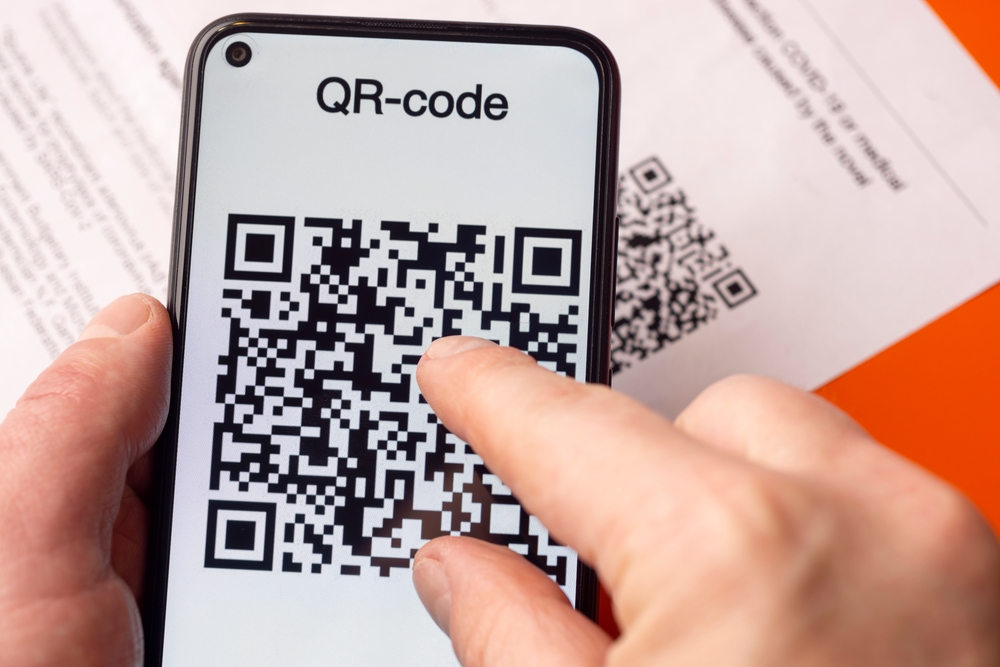
Phones now scan QR codes using the camera app. Third-party scanners often include ads and trackers. Permissions may include network access and storage. Background activity continues even when unused. Battery drain increases due to ad loading. Many users installed these apps during the pandemic. Keeping them now serves no purpose. Built-in scanners are faster and safer. Deleting QR scanner apps reduces unnecessary permissions. It also removes ad networks tied to simple utility functions.
Old Games You No Longer Play

Unused games often continue background activity. Some check for updates or ads daily. Notifications prompt re-engagement without interest. Cached graphics consume storage space. Battery drain occurs during background checks. Data usage continues silently. Many games include analytics trackers. Keeping unused games offers no value. Deleting them frees space and reduces background load. Phones perform better with fewer active apps. Regular app reviews help identify games that no longer justify their presence.
Pre-Installed Carrier Apps
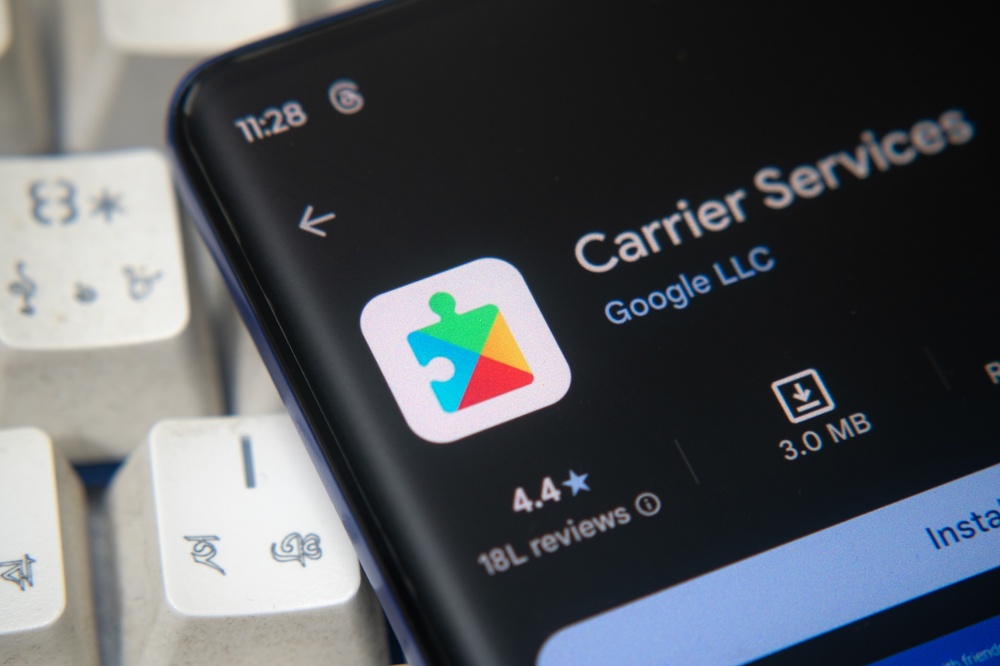
Carrier apps often duplicate existing phone features. Many run background services constantly. Usage data is collected for analytics. Notifications promote plans or upgrades. Battery drain increases despite low user interaction. Some apps cannot be fully removed but can be disabled. Others remain active after plan changes. Canadians rarely need daily carrier app access. Account management works through browsers. Disabling or deleting these apps reduces background processes. It also limits unnecessary data sharing with service providers.
Fitness Apps You Stopped Using

Fitness apps track location, movement, and health data. Background sensors remain active even when idle. Battery drain increases due to constant monitoring. Many users abandon apps after short periods. Permissions remain active long after usage stops. Data syncing continues silently. Storage fills with cached workout data. Deleting unused fitness apps protects sensitive health information. Built-in phone health tools may suffice. Regularly reviewing app permissions helps reduce unnecessary background tracking and battery use.
Coupon And Deal Apps

Deal apps rely on constant notifications to drive engagement. Location tracking targets nearby offers. Background refresh checks promotions frequently. Battery drain increases during idle time. Data sharing with advertisers is common. Many users open these apps rarely. Browser-based deals work just as well. Keeping deal apps installed increases exposure to tracking. Deleting them reduces notification clutter. It also limits behavioural profiling tied to shopping habits and physical movement patterns.
Old Photo Editing Apps

Photo editing apps often store cached images. Background uploads may continue without notice. Some include analytics trackers and ads. Battery drain increases during background syncing. Many users install editors for one-time use. Built-in phone editors now offer advanced tools. Keeping unused editors adds little value. Storage usage grows silently. Deleting old photo apps frees space and reduces background processes. It also limits access to personal images granted through earlier permissions.
Survey And Reward Apps

Reward apps trade small payouts for extensive data access. Usage tracking, location data, and behaviour patterns are collected. Background tasks run to log activity. Battery drain increases despite low rewards. Many apps pay cents for hours of monitoring. Privacy policies allow broad data sharing. Users often forget these apps exist. Removing them reduces data harvesting immediately. Time saved often outweighs minimal rewards earned. Deleting survey apps improves both privacy and overall phone performance.
22 Groceries to Grab Now—Before another Price Shock Hits Canada

Food prices in Canada have been steadily climbing, and another spike could make your grocery bill feel like a mortgage payment. According to Statistics Canada, food inflation remains about 3.7% higher than last year, with essentials like bread, dairy, and fresh produce leading the surge. Some items are expected to rise even further due to transportation costs, droughts, and import tariffs. Here are 22 groceries to grab now before another price shock hits Canada.
22 Groceries to Grab Now—Before another Price Shock Hits Canada
This Options Discord Chat is The Real Deal
While the internet is scoured with trading chat rooms, many of which even charge upwards of thousands of dollars to join, this smaller options trading discord chatroom is the real deal and actually providing valuable trade setups, education, and community without the noise and spam of the larger more expensive rooms. With a incredibly low-cost monthly fee, Options Trading Club (click here to see their reviews) requires an application to join ensuring that every member is dedicated and serious about taking their trading to the next level. If you are looking for a change in your trading strategies, then click here to apply for a membership.