35,000+ smart investors are already getting financial news, market signals, and macro shifts in the economy that could impact their money next with our FREE weekly newsletter. Get ahead of what the crowd finds out too late. Click Here to Subscribe for FREE.
Canadian winters have always carried risks, but many of today’s dangers feel unfamiliar. Cold still exists, yet it behaves differently now. Ice forms faster, melts sooner, and refreezes without warning. Snow arrives heavier, wetter, and harder to manage. Storms change direction quickly. Infrastructure built for older patterns struggles to keep up. People rely on habits that no longer fit the conditions. These changes rarely feel dramatic in isolation. Together, they increase accidents, injuries, and disruptions across the country. Here are 18 ways climate change is quietly making Canadian winters more dangerous.
Freeze-Thaw Cycles Are Happening More Often
18 Ways Climate Change Is Quietly Making Canadian Winters More Dangerous
- Freeze-Thaw Cycles Are Happening More Often
- Warmer Air Is Making Snow Heavier
- Ice Storms Are Becoming Less Predictable
- Sudden Cold Snaps Are Harsher
- Snow Removal Timing Is Less Reliable
- Lake-Effect Snow Is More Intense
- Ice Thickness on Lakes Is Less Trustworthy
- Flooding Is Happening During Winter
- Road Salt Is Less Effective
- Visibility Drops During Mixed Precipitation
- Power Outages Last Longer in Winter
- Buildings Trap Moisture Differently
- Wildlife Behavior Is Less Predictable
- Emergency Response Faces More Overlap
- Heating Costs Fluctuate Sharply
- Outdoor Work Becomes More Hazardous
- Winter Travel Planning Is Less Reliable
- Public Awareness Lags Behind Reality
- 22 Groceries to Grab Now—Before another Price Shock Hits Canada
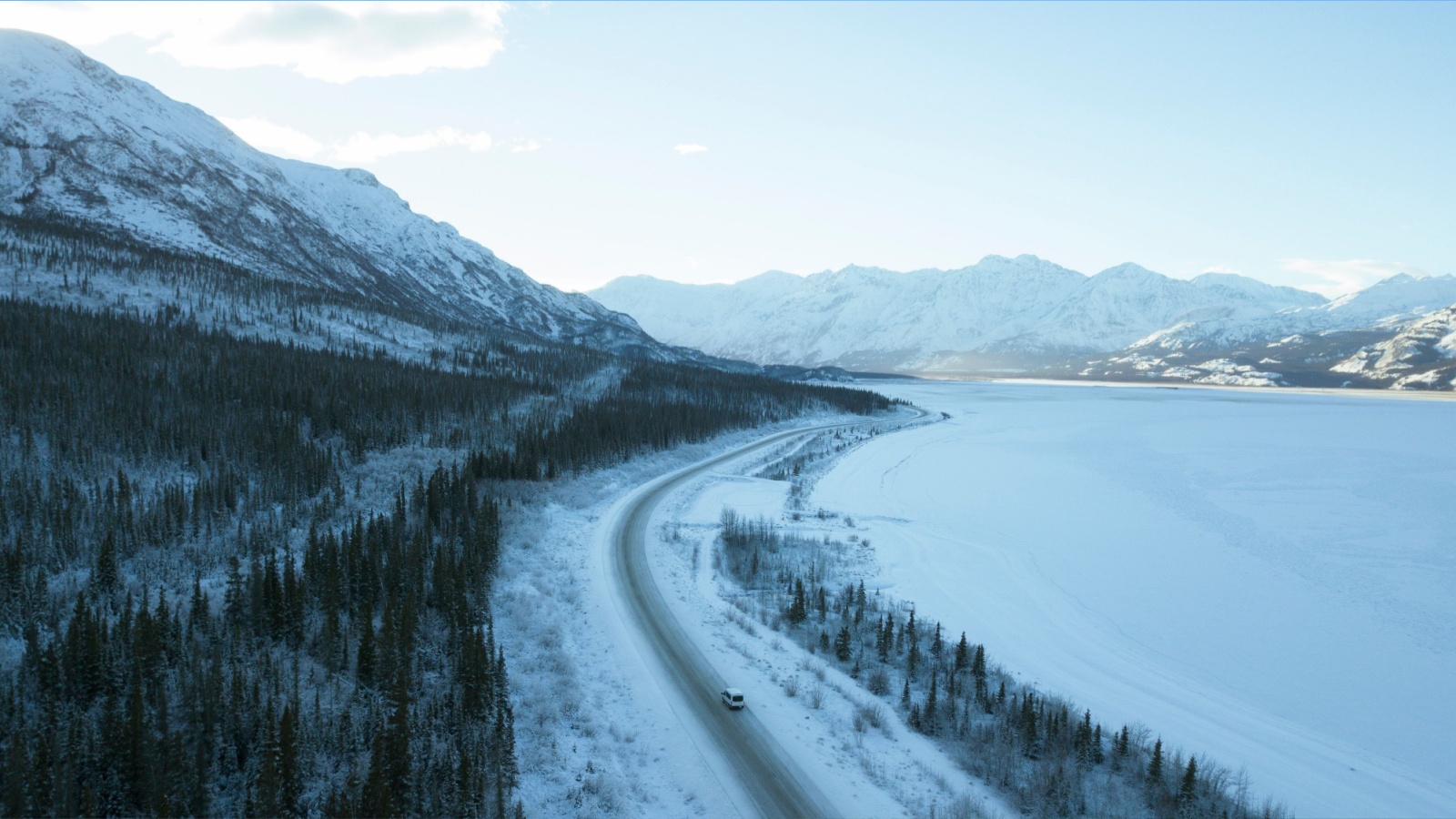
Winter temperatures now cross the freezing mark more frequently. Snow melts during the day, then refreezes overnight. This creates invisible ice on roads, sidewalks, and driveways. Black ice forms even when conditions appear safe. Municipal crews struggle to keep up with constant changes. Salt loses effectiveness when temperatures swing quickly. Pedestrians fall during routine walks. Drivers misjudge traction at intersections. Older adults face higher injury risks from minor slips. These cycles damage pavement, creating cracks that fill with water and freeze again. Each repeat makes the surfaces less predictable. Winter hazards no longer wait for storms. They appear quietly between them.
Warmer Air Is Making Snow Heavier
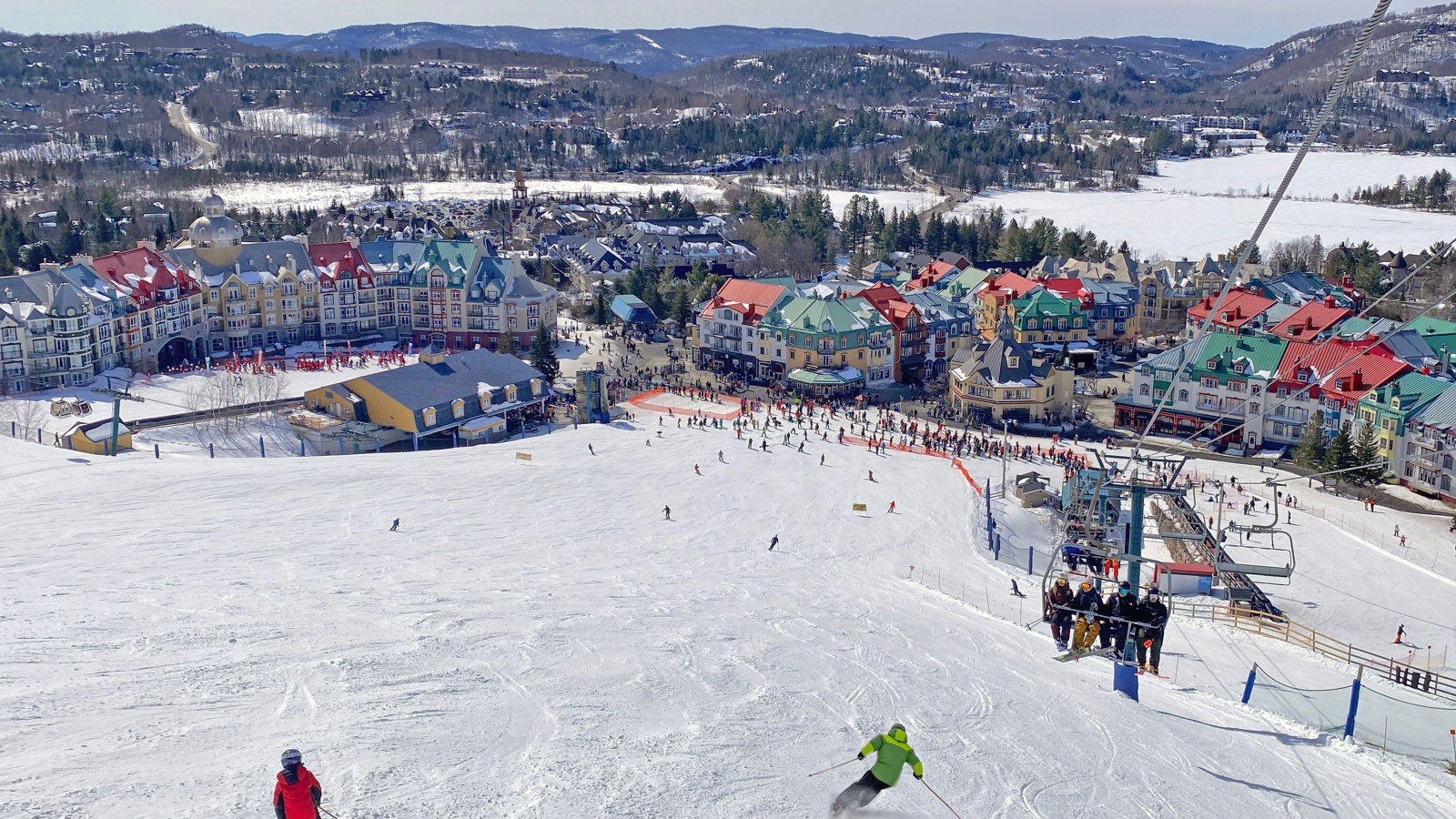
Snow is increasingly wet and dense instead of light and dry. Warmer air holds more moisture during storms. This produces snow that clings to trees, power lines, and roofs. Branches snap under the weight. Power outages last longer during winter storms. Roofs experience stress that they were not designed for. Shoveling becomes more physically demanding. Heart strain increases during snow removal, especially for older residents. Emergency rooms see more winter exertion injuries. Snowbanks grow harder to move once compacted. Clearing paths takes longer and costs more. The danger is not the snow itself. It is the weight carried silently within it.
Ice Storms Are Becoming Less Predictable
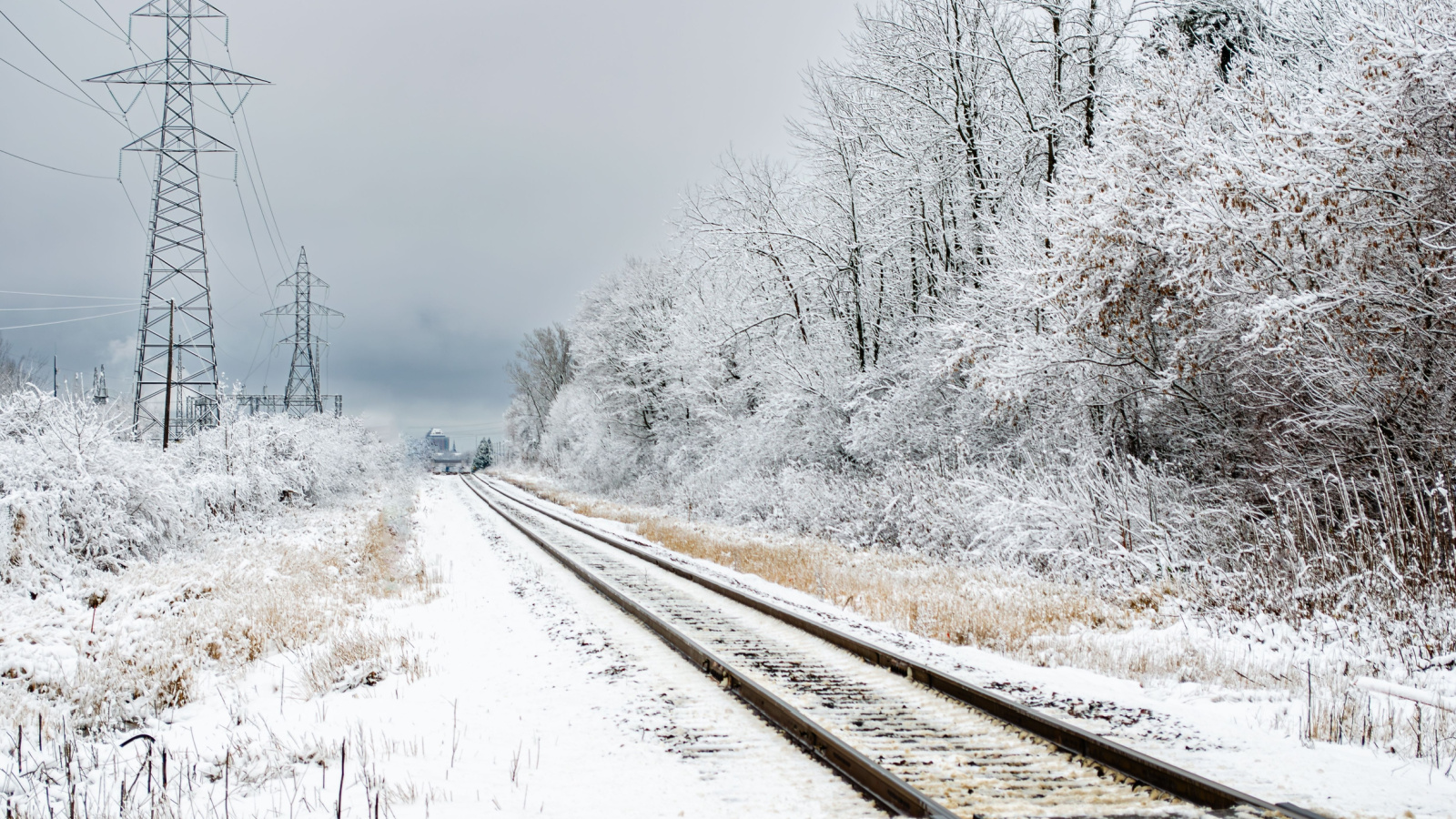
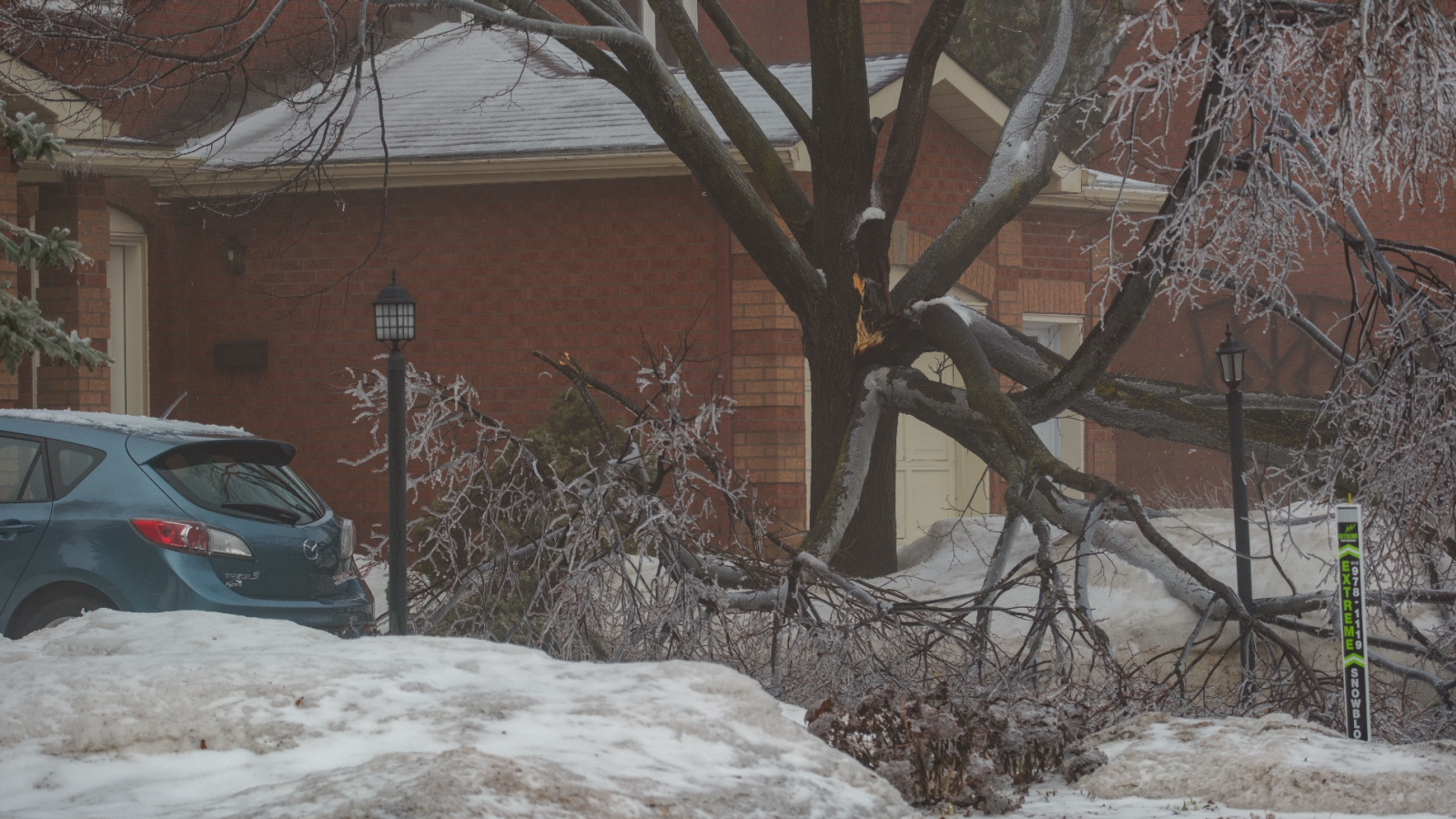
Ice storms no longer follow familiar seasonal patterns. Warmer winters allow freezing rain to fall more often. Roads glaze quickly without heavy snowfall warnings. Trees collect ice until they collapse. Power infrastructure becomes fragile under repeated stress. Repair crews face dangerous working conditions during freezing rain. Travel plans fail with little notice. Rural areas lose access when lines and roads fail together. Ice storms now occur earlier and later in winter. Communities struggle to prepare when timing shifts each year. People underestimate risk because snow feels absent. Ice causes damage quietly, efficiently, and across wide areas. It often arrives before systems can respond.
Sudden Cold Snaps Are Harsher

Average winters may be warmer, but cold snaps remain severe. These temperature drops now arrive faster. Equipment and infrastructure have less time to adjust. Heating systems strain during abrupt demand spikes. Pipes freeze despite shorter cold periods. Vehicles fail when batteries face sudden stress. People caught unprepared face frostbite risks quickly. Shelters experience crowding during unexpected freezes. Outdoor workers face exposure without proper warning windows. Schools and transit systems scramble with limited notice. These cold events feel sharper because they contrast with mild conditions before them. The danger lies in speed, not duration. Rapid shifts leave little margin for human or system error.
Snow Removal Timing Is Less Reliable

Snowfall patterns no longer follow steady accumulation. Storms dump large amounts quickly, then pause. Municipal plowing schedules struggle to adapt. Side streets remain untreated longer than expected. Snow melts partially, then refreezes into rutted ice. Clearing becomes reactive instead of preventive. Pedestrian routes receive less consistent attention. Accessibility worsens for mobility aids and strollers. Businesses face liability risks from uneven clearing standards. Drivers encounter sudden lane changes from shifting snowbanks. Residents assume the streets were cleared already. They misjudge traction and depth. Winter safety once depended on routine timing. That rhythm has weakened, leaving more uncertainty between storms.
Lake-Effect Snow Is More Intense

Warmer lakes release more moisture into the winter air. This fuels heavier lake-effect snow events. Snowfall becomes concentrated over narrow regions. Communities receive extreme accumulation in short periods. Roads close rapidly with little regional warning. Emergency services struggle to reach affected zones. Residents underestimate totals because nearby areas remain clear. Snow piles block visibility at intersections. Roof loads increase quickly in affected neighborhoods. Travel between clear and buried zones becomes dangerous. Plowing resources concentrate in limited areas, leaving others delayed. The intensity creates local crises rather than regional ones. These storms no longer feel gradual. They arrive fast, heavy, and uneven.
Ice Thickness on Lakes Is Less Trustworthy

Frozen lakes no longer freeze evenly. Warmer winters cause inconsistent ice formation. Thick sections sit beside dangerously thin patches. Snow cover hides weak ice areas from view. Traditional knowledge about safe timing becomes unreliable. Ice fishing and winter travel grow riskier. Rescue teams face dangerous conditions during ice emergencies. Vehicles fall through ice during routine crossings. People trust past experience that no longer applies. Thaw periods weaken ice from below. Refreezing masks damage without restoring strength. The surface may appear solid. It often is not. Winter recreation now carries a hidden risk where confidence once guided safe choices.
Flooding Is Happening During Winter
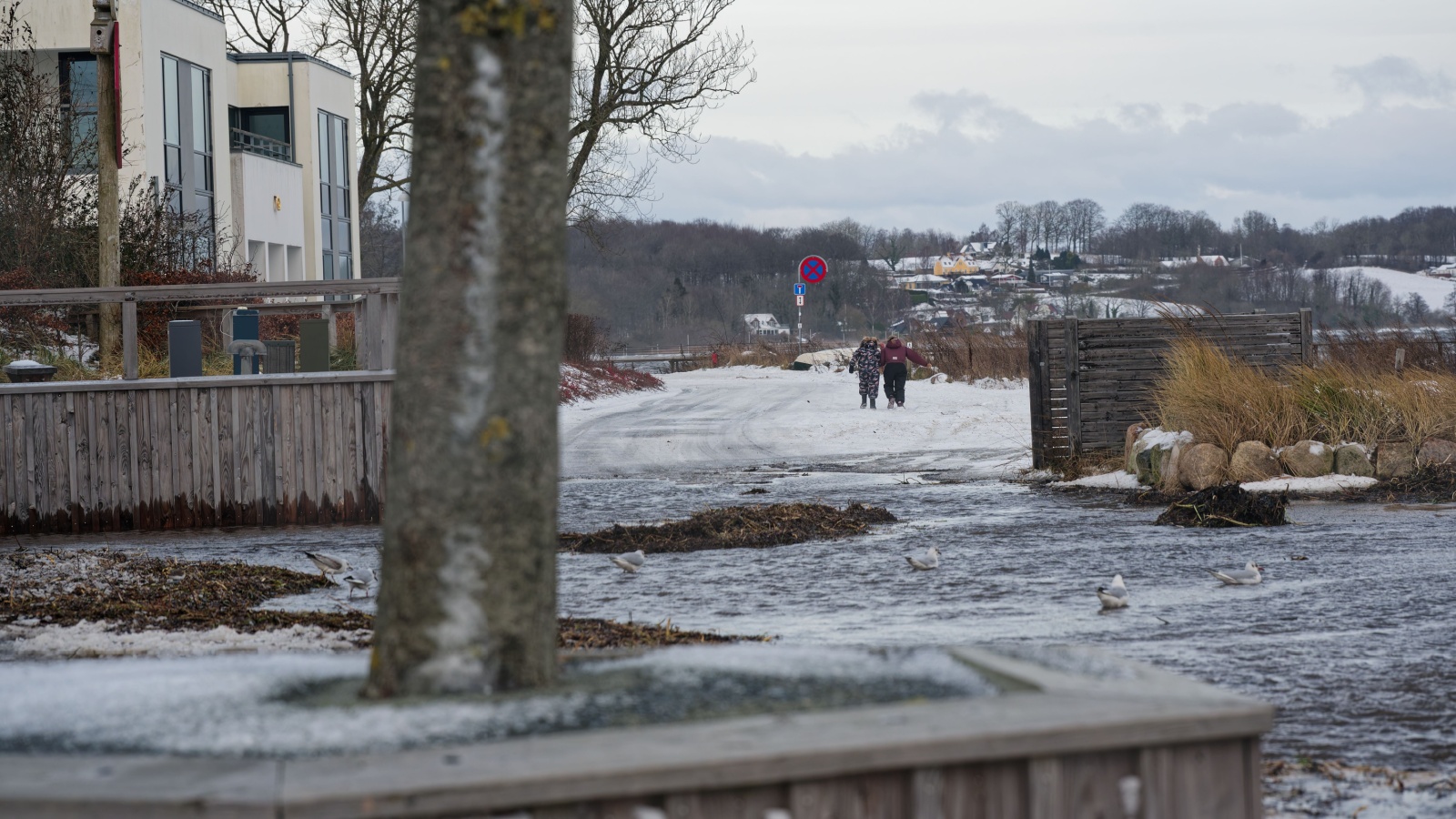
Winter floods now occur more frequently. Rain falls on frozen ground instead of snow. Drainage systems are blocked with ice and debris. Water pools in streets and basements. Freezing temperatures follow, turning flooded areas into ice sheets. Roads become impassable after storms end. Emergency access becomes difficult in affected neighborhoods. Home damage worsens due to repeated freeze exposure. Insurance claims rise from unexpected winter flooding. Sandbags and pumps are less available outside the spring season. People do not expect flooding during the winter months. Preparation lags behind reality. These events blur seasonal boundaries. Danger arrives during months once associated only with snow.
Road Salt Is Less Effective

Road salt works within specific temperature ranges. Warmer winters reduce its reliability. Frequent melting dilutes salt quickly. Refreezing occurs before crews can reapply. Excess salt washes into waterways during thaw periods. Environmental damage increases while safety gains decline. Municipal budgets strain from repeated treatments. Drivers assume salted roads are safe. Ice still forms without warning. Tire traction becomes unpredictable. Alternative treatments remain costly or limited. Road safety depends on timing rather than coverage. This creates gaps in protection. Salt once offered consistency. Changing winter chemistry has weakened that reliability, leaving drivers exposed despite familiar maintenance routines.
Visibility Drops During Mixed Precipitation
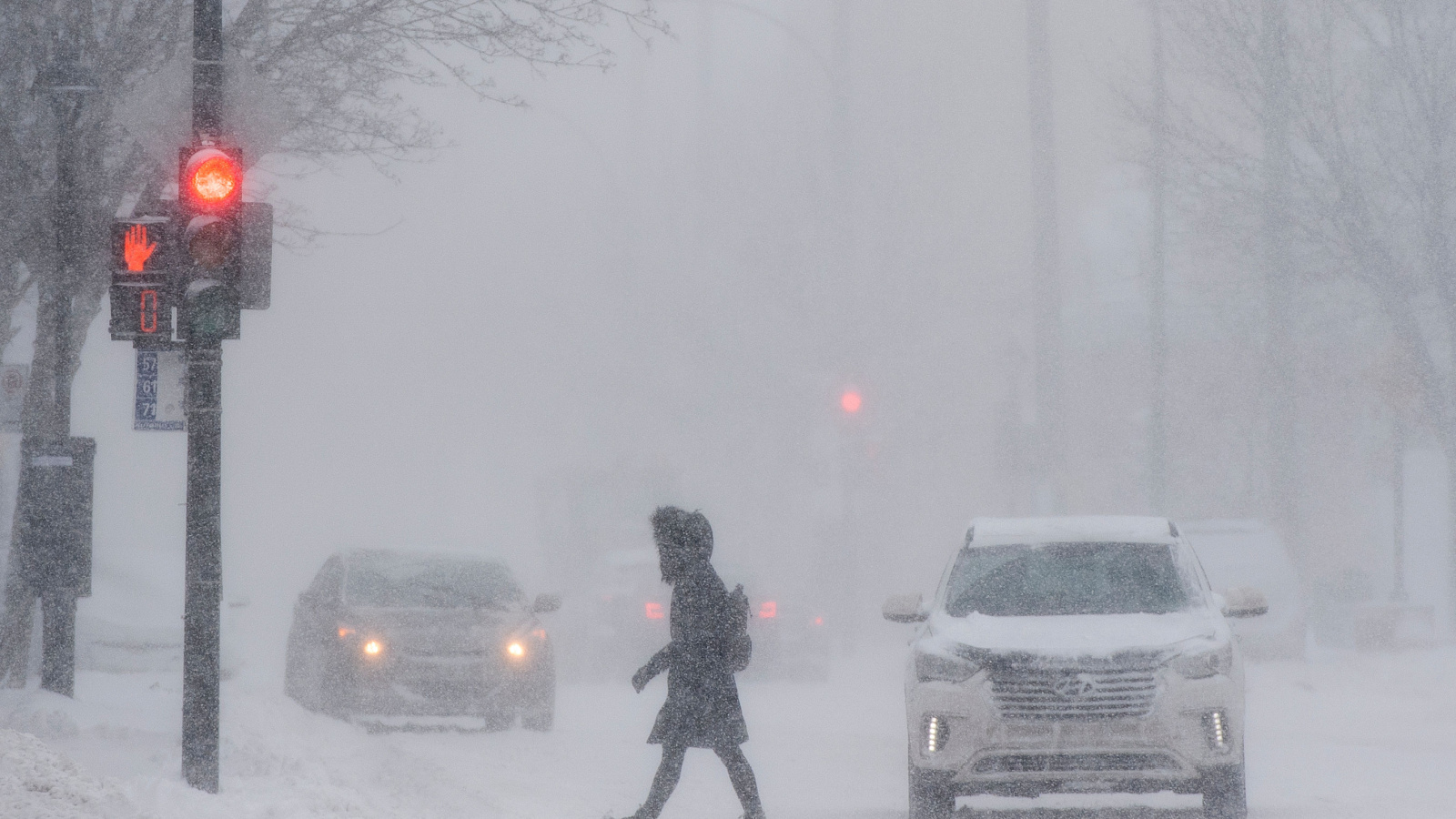
Snow, rain, sleet, and fog now mix more often. Visibility changes rapidly during storms. Drivers struggle to adjust to shifting conditions. Headlights reflect off wet snow differently than dry flakes. Windshields ice over unevenly. Pedestrians misjudge vehicle distance and speed. Traffic accidents rise during transitional weather. Airports face delays from unclear runway conditions. Pilots and crews manage constant surface changes. Winter storms no longer present a single hazard. They combine several at once. This strains human perception. When conditions lack clear signals, people react more slowly. The danger comes from confusion, not just severity.
Power Outages Last Longer in Winter
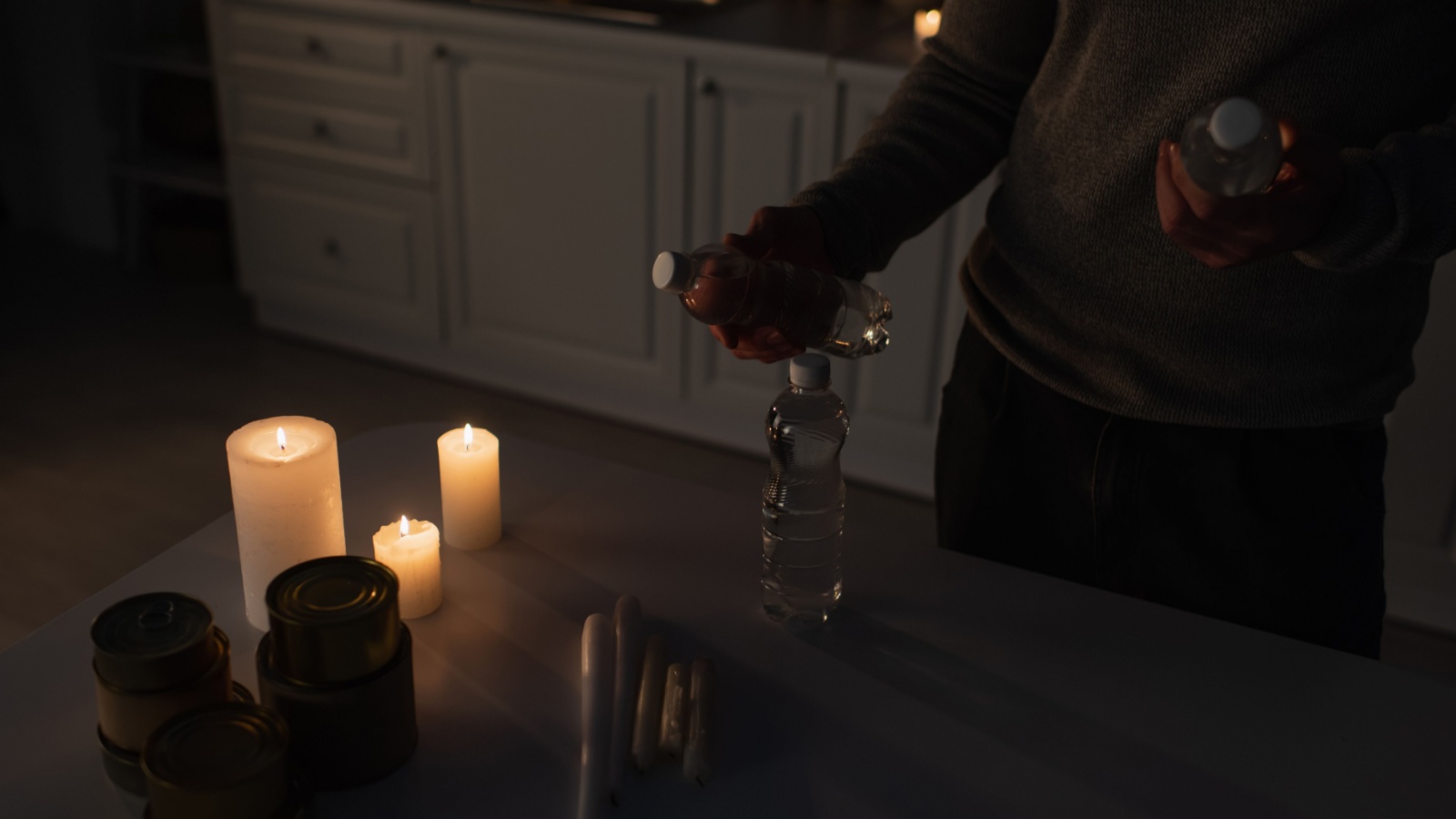
Winter storms increasingly damage power infrastructure. Heavy snow and ice strain aging lines. Repairs take longer during unstable weather. Crews face repeated shutdowns from follow-up storms. Homes lose heat during outages. Backup heating sources pose fire and carbon monoxide risks. Vulnerable residents face cold exposure indoors. Food spoils during extended outages. Communication becomes difficult when batteries fail. Rural areas wait longer for restoration. Winter outages affect survival, not comfort. Preparation often focuses on summer storms instead. Climate-driven winter disruptions expose gaps in emergency planning. Power loss now carries greater winter danger than in past decades.
Buildings Trap Moisture Differently
Milder winters increase indoor humidity. Buildings retain moisture during thaw periods. Condensation forms inside walls and attics. Mold grows unnoticed during colder months. Structural materials weaken from repeated dampness. Insulation performance declines over time. Ice dams form more easily on roofs. Water backs up under shingles during refreezing. Repairs become costly and disruptive. Occupants face air quality issues indoors. These problems develop quietly across seasons. They are not tied to single storms. Winter building safety now depends on moisture control, not just heat. Changing conditions test designs built for colder, drier winters.
Wildlife Behavior Is Less Predictable
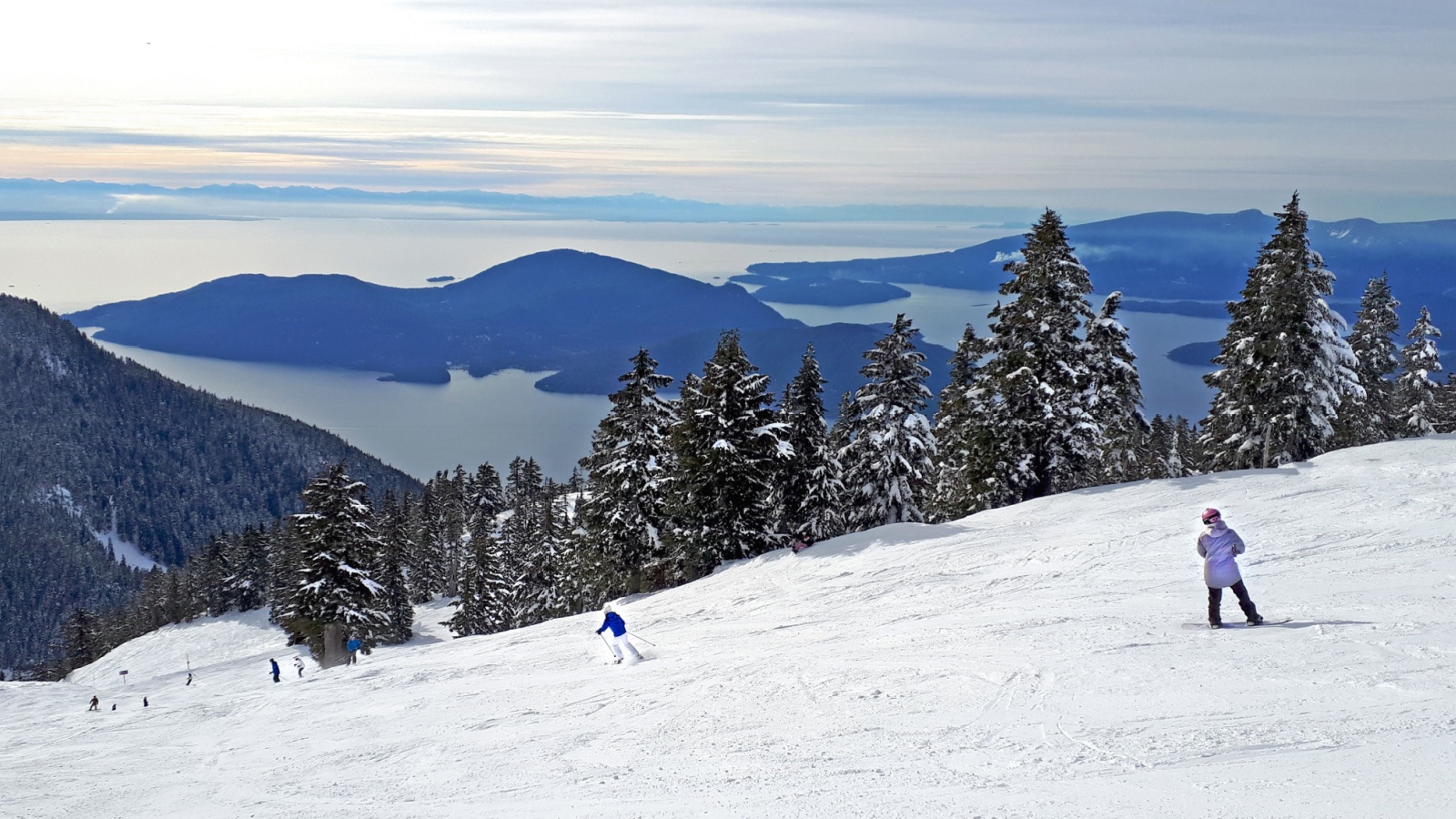
Warmer winters alter wildlife movement patterns. Animals remain active longer into winter. Food sources shift unpredictably. Deer and moose enter roadways more often. Vehicle collisions increase during the winter months. Predators move closer to urban areas searching for food. Ice conditions affect migration routes. Animals fall through weakened ice. These events draw responders into unsafe environments. Residents encounter wildlife in unfamiliar settings. Traditional seasonal expectations no longer apply. Wildlife conflicts now extend deeper into winter. Roads, trails, and yards carry new risks. Climate-driven behavior changes affect both animals and people navigating shared spaces.
Emergency Response Faces More Overlap
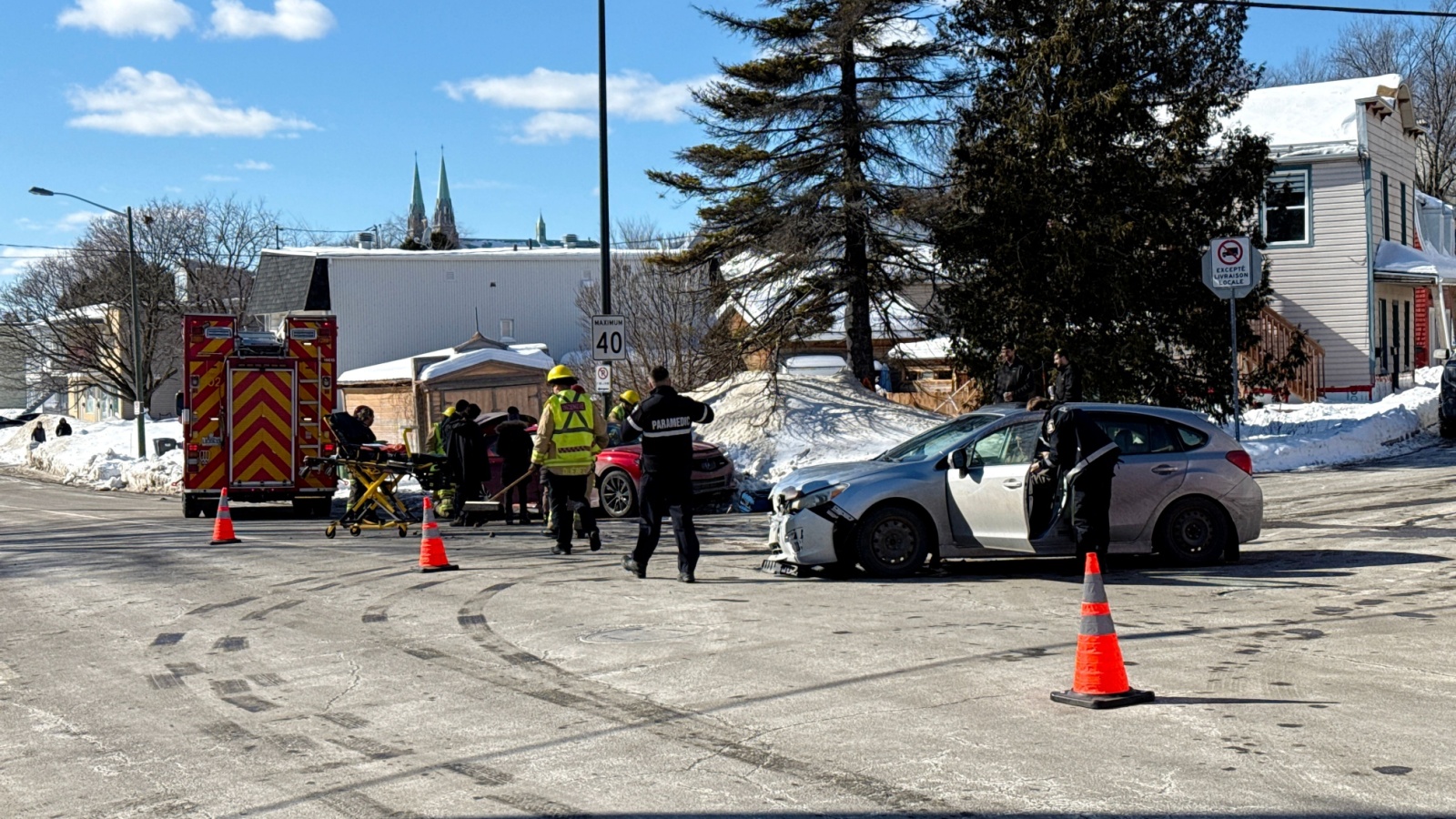
Winter emergencies now overlap more frequently. Flooding, outages, and medical calls occur together. Resources stretch thinner during compound events. Crews respond in hazardous conditions repeatedly. Equipment wears faster from constant deployment. Training based on seasonal separation becomes less useful. Dispatch systems face unpredictable demand spikes. Volunteers and staff face burnout earlier in winter. Response times increase when hazards stack. Communities expect familiar service levels. Reality struggles to meet those expectations. Planning for single-event winters no longer fits current patterns. The danger lies in accumulation. Multiple small crises combine into larger risks without clear breaks between them.
Heating Costs Fluctuate Sharply

Temperature swings cause unpredictable heating demand. Mild periods reduce usage briefly. Sudden cold spikes increase consumption rapidly. Energy systems strain under rapid shifts. Households struggle to budget heating costs. Vulnerable residents delay heating during mild spells. Cold snaps then hit harder indoors. Improvised heating methods raise safety risks. Utilities face peak demand during short windows. Infrastructure designed for steady cold becomes inefficient. Financial stress compounds physical danger. Winter safety depends on consistent warmth. Climate variability disrupts that consistency. People misjudge when heat is necessary, increasing exposure risks during sudden cold returns.
Outdoor Work Becomes More Hazardous
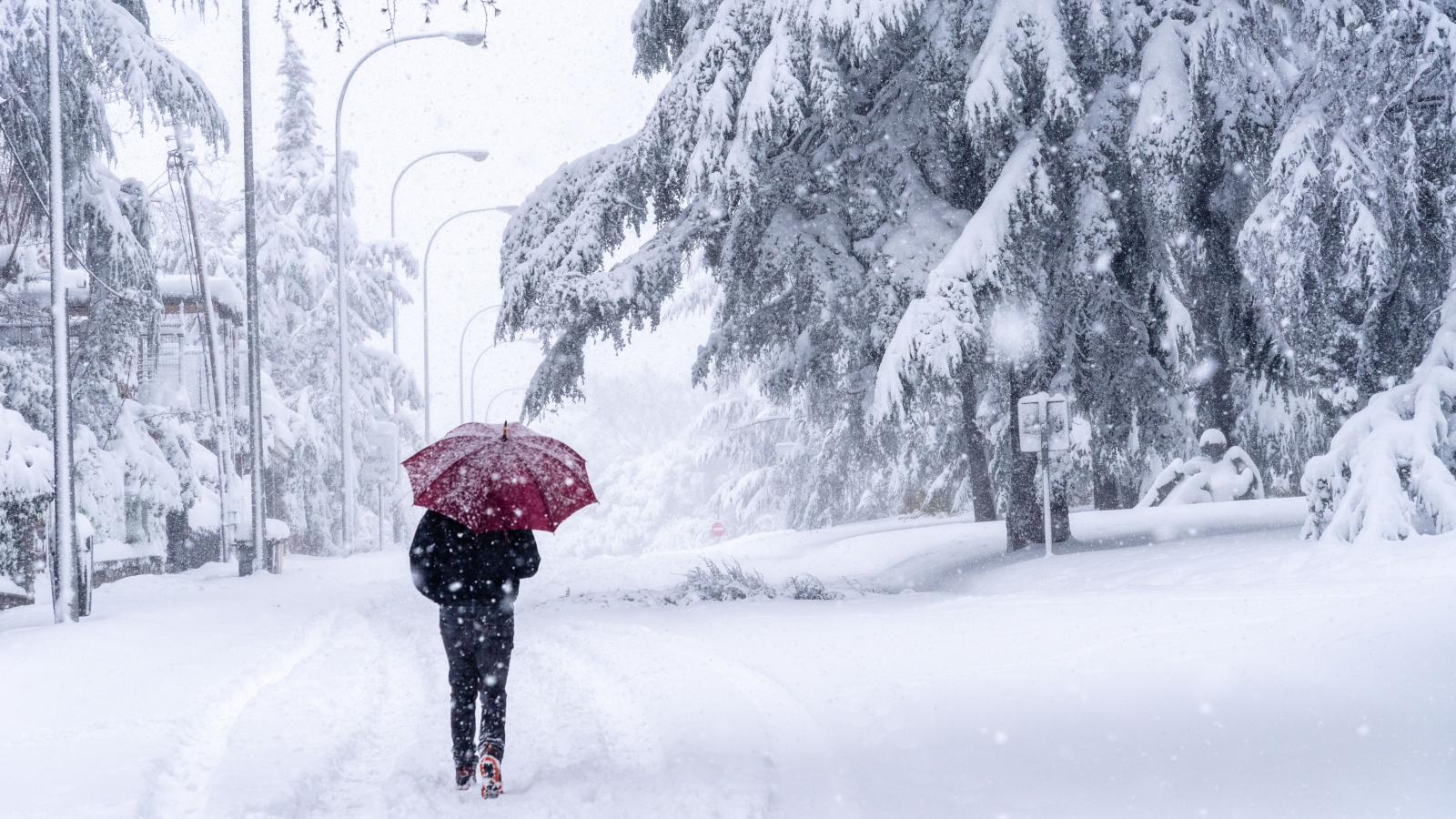
Construction, maintenance, and delivery continue through winter. Weather conditions now change mid-shift. Ice forms where snow was cleared earlier. Equipment loses traction without warning. Workers face mixed precipitation exposure. Protective gear suits cold, not wet conditions. Slips increase on job sites. Scheduling becomes difficult with unstable forecasts. Employers struggle to assess risk accurately. Regulations often lag behind emerging conditions. Workers rely on experience that no longer applies. Safety planning becomes reactive. Winter hazards now hide in transition periods. The most dangerous moments occur between weather states, not during obvious storms.
Winter Travel Planning Is Less Reliable
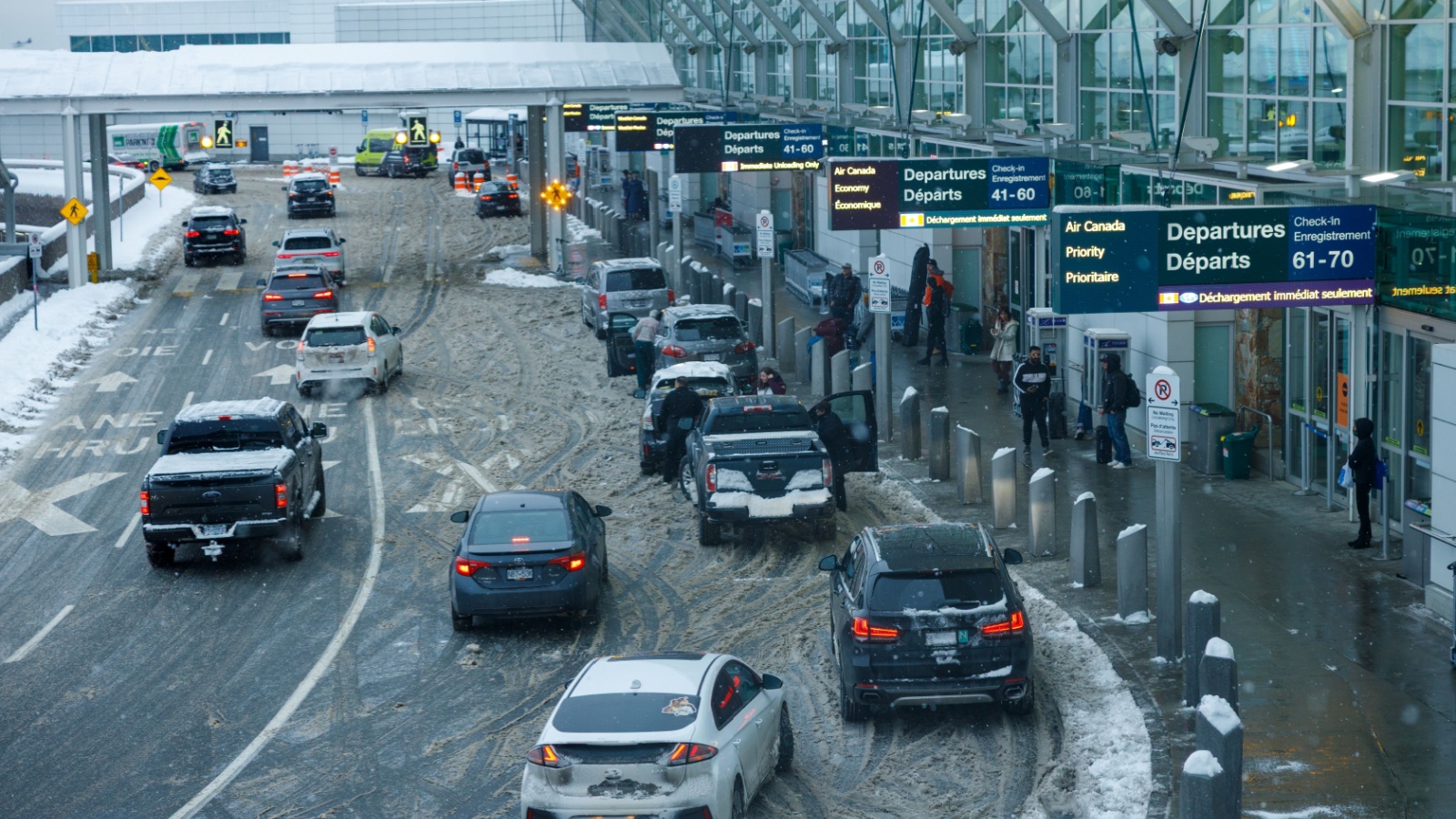
Travel decisions rely on historical patterns. Climate change disrupts those assumptions. Clear forecasts change rapidly. Storms intensify or weaken unexpectedly. Road closures appear with little notice. Alternate routes face different conditions nearby. Rail and air travel experience cascading delays. Travelers become stranded during mild-looking weather. Emergency supplies remain minimal due to false confidence. Rural travel becomes riskier with fewer services available. Winter journeys demand flexibility that many lack. Planning once reduced risk. Now it offers limited protection. Uncertainty increases exposure during routine travel. The danger grows when people trust plans that no longer hold.
Public Awareness Lags Behind Reality
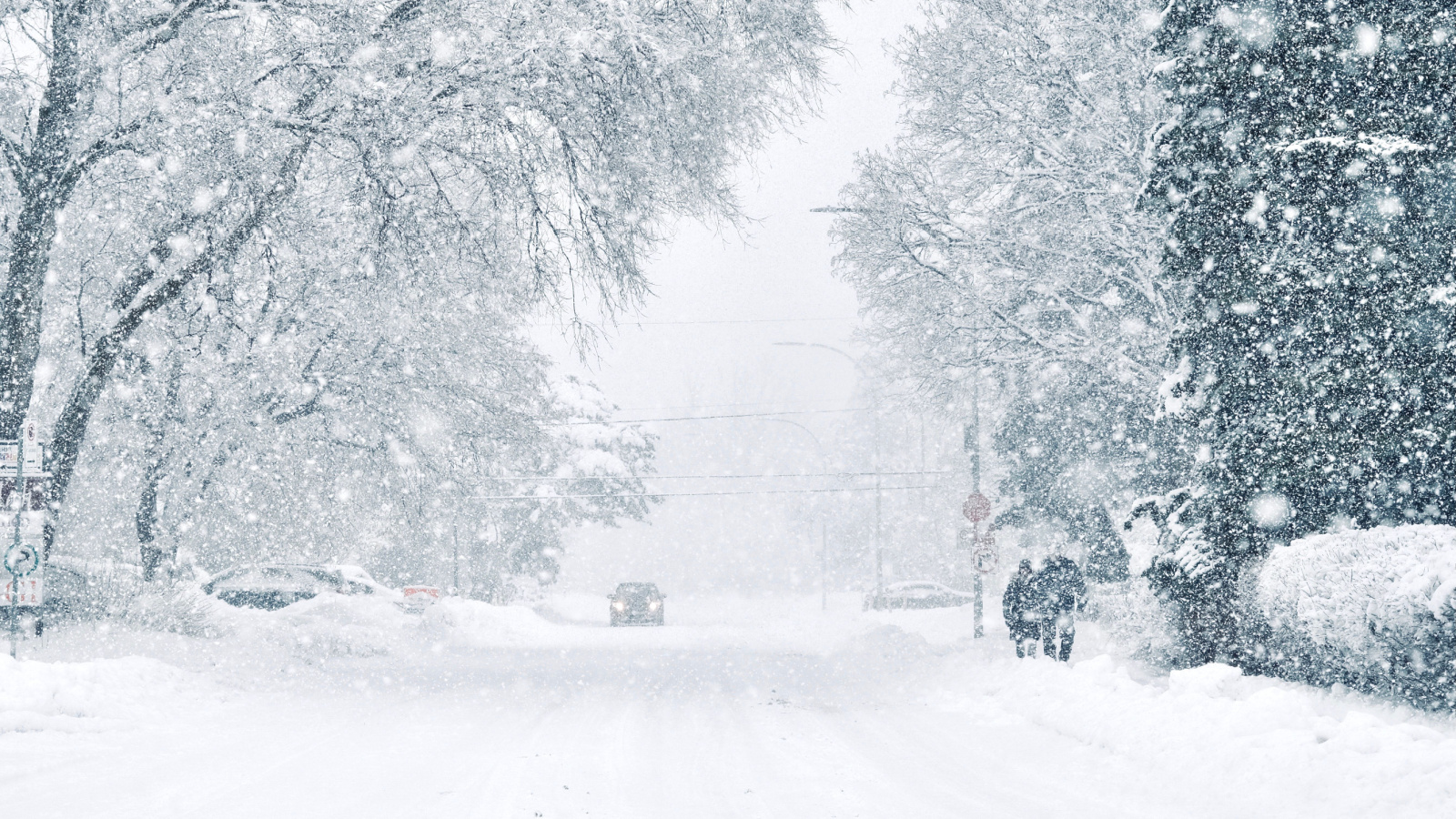
Many winter dangers feel familiar on the surface. People assume they understand the risks. Messaging often focuses on extreme cold alone. Subtle hazards receive less attention. Transitional conditions lack clear warnings. Education lags behind changing patterns. Residents rely on habits formed decades ago. Those habits fail under new conditions. Awareness shapes behavior more than temperature. Without an updated understanding, risk increases quietly. Communities adjust slowly to invisible change. Danger grows through routine decisions made on outdated assumptions. Climate change reshapes winter risk faster than public perception. The gap between reality and awareness remains one of the greatest hazards.
22 Groceries to Grab Now—Before another Price Shock Hits Canada

Food prices in Canada have been steadily climbing, and another spike could make your grocery bill feel like a mortgage payment. According to Statistics Canada, food inflation remains about 3.7% higher than last year, with essentials like bread, dairy, and fresh produce leading the surge. Some items are expected to rise even further due to transportation costs, droughts, and import tariffs. Here are 22 groceries to grab now before another price shock hits Canada.
22 Groceries to Grab Now—Before another Price Shock Hits Canada
This Options Discord Chat is The Real Deal
While the internet is scoured with trading chat rooms, many of which even charge upwards of thousands of dollars to join, this smaller options trading discord chatroom is the real deal and actually providing valuable trade setups, education, and community without the noise and spam of the larger more expensive rooms. With a incredibly low-cost monthly fee, Options Trading Club (click here to see their reviews) requires an application to join ensuring that every member is dedicated and serious about taking their trading to the next level. If you are looking for a change in your trading strategies, then click here to apply for a membership.