
35,000+ smart investors are already getting financial news, market signals, and macro shifts in the economy that could impact their money next with our FREE weekly newsletter. Get ahead of what the crowd finds out too late. Click Here to Subscribe for FREE.
Canadian households are rethinking the everyday items that once went into carts without much thought. With grocery bills, cleaning supplies, personal care products, and pantry basics all competing for room in the same budget, familiar staples are being swapped for humbler substitutes that stretch further.
This look at 18 household staples reflects a wider shift toward store brands, bulk formats, reusable items, simpler ingredients, and less brand loyalty. The goal is not necessarily to give up comfort or quality, but to find alternatives that make the weekly bill feel a little less punishing. Across kitchens, bathrooms, laundry rooms, and lunchboxes, small substitutions are becoming a quiet survival strategy for Canadians trying to keep household spending under control right now.
Name-Brand Breakfast Cereal
18 Household Staples Canadians Are Replacing With Cheaper Alternatives Right Now
- Name-Brand Breakfast Cereal
- Fresh Beef Cuts
- Boneless Chicken Breasts
- Fresh Berries
- Bagged Salad Kits
- Bakery Bread and Specialty Loaves
- Single-Serve Yogurt Cups
- Pre-Shredded Cheese
- Coffee Pods
- Bottled Water and Canned Sparkling Drinks
- Paper Towels
- Laundry Detergent Pods
- Dishwasher Tablets
- Disinfecting Wipes
- Shampoo and Body Wash
- Aluminum Foil and Plastic Wrap
- Disposable Razors
- Packaged Lunch Snacks
- Premium Frozen Meals
- 19 Things Canadians Don’t Realize the CRA Can See About Their Online Income

Breakfast cereal has become one of the easiest items for Canadians to question at the shelf. A family-sized box can disappear in a few mornings, especially in homes with kids, and many popular brands now sit beside store-brand versions that look remarkably similar. When shoppers compare unit prices, the gap can be hard to ignore. That is why more households are replacing name-brand cereal with private-label cereal, bulk oats, or homemade granola.
Oatmeal has become a particularly practical alternative because it is inexpensive, filling, and flexible. A large bag of oats can turn into hot cereal, overnight oats, muffins, or breakfast bars. Canada’s Food Guide lists whole oats and oatmeal among whole grain options, giving shoppers a budget-friendly swap that still fits mainstream nutrition advice. For many families, the change is less about abandoning convenience and more about avoiding the premium paid for a colourful box.
Fresh Beef Cuts

Beef remains a dinner favourite, but it is also one of the first proteins many households reconsider when prices climb. Steaks, roasts, and lean ground beef can quickly push a weekly grocery bill higher, especially when feeding several people. Instead, Canadians are stretching beef with beans, lentils, mushrooms, or switching meals toward chicken, pork, tofu, and legumes. Chili, tacos, shepherd’s pie, and pasta sauce are all easy places to cut the amount of beef without making dinner feel sparse.
The substitution is not just financial. Lentils and beans are shelf-stable, widely available, and cook well in bulk, which helps households plan several meals from one purchase. Canada’s Food Guide encourages choosing protein foods, including plant-based options, more often. The practical result is showing up in everyday cooking: half-beef, half-lentil sauces; bean-heavy soups; and meatless weeknight curries that cost less per serving than a meat-centred plate.
Boneless Chicken Breasts

Boneless, skinless chicken breasts have long been treated as the default “healthy” protein, but their convenience often comes at a premium. Shoppers trying to cut costs are increasingly turning to chicken thighs, drumsticks, whole chickens, frozen chicken portions, or tofu. These alternatives can require slightly more prep, but they often deliver more flavour and better value. A tray of thighs can become sheet-pan dinners, rice bowls, soups, or leftovers for lunches.
The shift also reflects a broader change in how Canadians think about meal planning. Instead of buying the leanest and most convenient cut every time, households are building meals around whatever protein is on sale. Thighs and drumsticks are forgiving in slow cookers and air fryers, making them attractive for families with busy schedules. When the goal is to keep protein on the plate without paying a convenience premium, the old chicken-breast habit is easier to break.
Fresh Berries

Fresh berries can feel like a small luxury in Canadian grocery stores, especially outside peak local growing seasons. Strawberries, blueberries, raspberries, and blackberries are often imported for much of the year, and quality can vary by week. Many households are replacing fresh berries with frozen fruit, apples, bananas, or seasonal produce that offers more servings for the same money. Smoothies, oatmeal, pancakes, and lunchbox snacks still work without paying for delicate fresh berries every trip.
Frozen fruit has become the most natural substitute because it reduces spoilage. A bag can sit in the freezer for weeks, while a plastic clamshell of berries may soften or mould before the household finishes it. That matters when food waste feels like throwing money away. For parents packing lunches or adults trying to keep breakfast simple, frozen blueberries in oats or yogurt can provide the berry flavour without the pressure to use everything immediately.
Bagged Salad Kits

Bagged salad kits offer convenience, but Canadians looking closely at receipts are noticing how quickly that convenience adds up. A kit may include chopped greens, dressing, toppings, and seasoning, yet it usually serves fewer people than expected. Households are replacing them with whole heads of lettuce, cabbage, carrots, cucumbers, and homemade dressing. The prep takes a few extra minutes, but the ingredients can stretch across several meals instead of one rushed dinner.
Cabbage has become a standout replacement because it lasts longer than delicate greens and works in slaws, tacos, stir-fries, soups, and wraps. A single head can anchor several meals, which makes it valuable for shoppers trying to avoid spoilage. Fresh vegetable prices have remained a pressure point, so durability matters. The modern budget salad is less about fancy toppings and more about vegetables that survive the week and do not collapse in the crisper after two days.
Bakery Bread and Specialty Loaves

Fresh bakery bread, brioche buns, naan packs, and specialty loaves can make meals feel polished, but they are increasingly being treated as occasional purchases. Canadians are replacing them with store-brand sandwich bread, bulk tortillas, homemade no-knead bread, or simple flatbreads. The trade-off is especially visible in households that make school lunches, where one premium loaf may vanish almost immediately.
The cheaper alternatives often win because they are versatile. Tortillas can become wraps, quesadillas, breakfast burritos, pizza bases, or freezer-friendly lunch options. Homemade bread has also become more appealing because basic recipes require flour, yeast, salt, and water, not a long list of expensive ingredients. For households that still want bakery-style comfort, baking once or twice a week can replace repeated impulse buys. It turns bread from a premium grocery item back into a basic kitchen staple.
Single-Serve Yogurt Cups

Single-serve yogurt cups are convenient for lunches and quick snacks, but they are another item Canadians are replacing with larger tubs. The reason is simple: individual packaging usually costs more per serving, and families can go through multi-packs quickly. A large tub of plain or vanilla yogurt can be portioned into reusable containers, mixed with frozen fruit, oats, jam, or granola, and customized for different tastes.
This swap also helps households control sweetness and waste. Instead of buying several flavours that may not all get eaten, a large tub becomes a base for breakfasts, smoothies, sauces, and baking. Plain yogurt can stand in for sour cream in tacos, dressings, and dips, adding extra usefulness beyond snacking. When one product covers breakfast, lunches, and dinner prep, it earns its place in the fridge more easily than a collection of small plastic cups.
Pre-Shredded Cheese
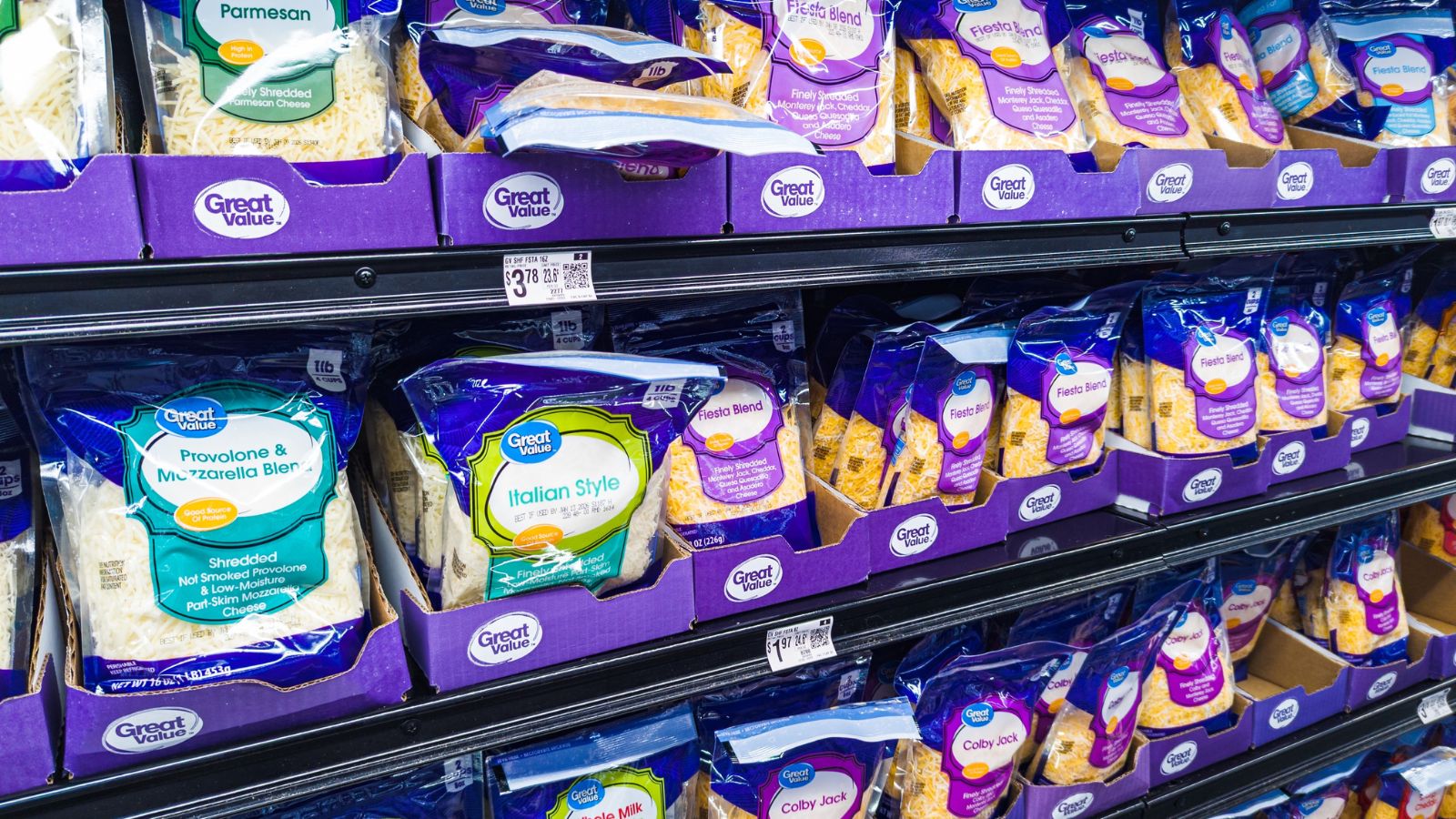
Pre-shredded cheese is a classic convenience product, but budget-conscious shoppers are going back to blocks. A block of cheddar, mozzarella, or marble cheese usually offers more flexibility, and grating it at home avoids paying extra for processing and packaging. It also lets households use cheese more deliberately, slicing some for sandwiches, shredding some for pasta, and cubing some for snacks.
Cheese prices can be unpredictable, so many Canadians now buy blocks only when they are on promotion and freeze portions for later cooking. The swap does not mean giving up cheese; it means treating it like an ingredient rather than a handful topping added automatically. A small amount of strongly flavoured cheese can stretch across casseroles, omelettes, quesadillas, and baked potatoes. The budget lesson is straightforward: the less work done before the product reaches the cart, the more control the household keeps.
Coffee Pods

Single-serve coffee pods still promise speed, but their cost per cup has pushed many Canadians back toward ground coffee, instant coffee, French presses, pour-over cones, or refillable pod systems. The savings become obvious in homes where two adults drink coffee daily. A box of pods can disappear quickly, while a bag of ground coffee can last longer and produce stronger control over serving size.
The change also reflects a return to routine. Brewing a pot in the morning, filling a travel mug, and saving café trips for occasional treats has become a quiet budget strategy. Instant coffee has improved enough that some households keep it for iced coffee, baking, or quick afternoon cups. For those who still like the pod machine, refillable pods offer a compromise. The machine stays, but the expensive disposable format becomes less central to the household’s daily rhythm.
Bottled Water and Canned Sparkling Drinks

Bottled water, flavoured waters, and canned sparkling drinks are easy to toss into a cart, but they are also easy to replace. Many Canadian households are switching to tap water, filtered pitchers, reusable bottles, flavour drops, homemade iced tea, or soda makers. The savings are especially noticeable for families buying multipacks every week. What once felt like a minor convenience can become a recurring line item.
Health Canada notes that responsibility for drinking water safety in Canada is shared by provincial, territorial, municipal, and federal governments, with provinces and territories generally responsible for ensuring drinking water is safe. That does not erase local issues, especially for private wells or communities facing advisories, but it does explain why many urban households are comfortable choosing tap water. Reusable bottles now do more than reduce waste; they protect the grocery budget from a habit that adds weight, storage clutter, and cost.
Paper Towels

Paper towels are being used more carefully, and in many homes, replaced almost entirely by washable cloths, rags, tea towels, and microfiber cloths. The reason is simple: a roll can vanish quickly through spills, counter wiping, lunch cleanup, and pet messes. When households are looking for savings, single-use products become obvious targets because they must be bought again and again.
The replacement does require a small routine change. A basket of clean cloths near the sink and a small laundry bin nearby can make the switch feel manageable. Old T-shirts, worn towels, and inexpensive dishcloths can all extend the life of the system. Paper towels may still stay around for greasy messes or emergencies, but they are no longer the default for every swipe. The practical savings come from changing the habit, not from finding a cheaper roll.
Laundry Detergent Pods

Laundry pods are convenient, pre-measured, and tidy, but that convenience can carry a higher cost per load. Canadians trying to reduce household spending are replacing them with powder detergent, liquid detergent bought on sale, concentrated formulas, or store-brand options. Large households notice the difference quickly because laundry is not optional; every load repeats the expense.
The swap also gives people more control. With liquid or powder detergent, households can use less for smaller or lightly soiled loads instead of dropping in a full pod every time. That matters because many detergents are designed to be effective in small measured amounts. Store-brand detergents have also become more accepted as Canadians grow less loyal to national brands. Laundry is a good example of the new household math: paying less is easier when the alternative still gets the basic job done.
Dishwasher Tablets
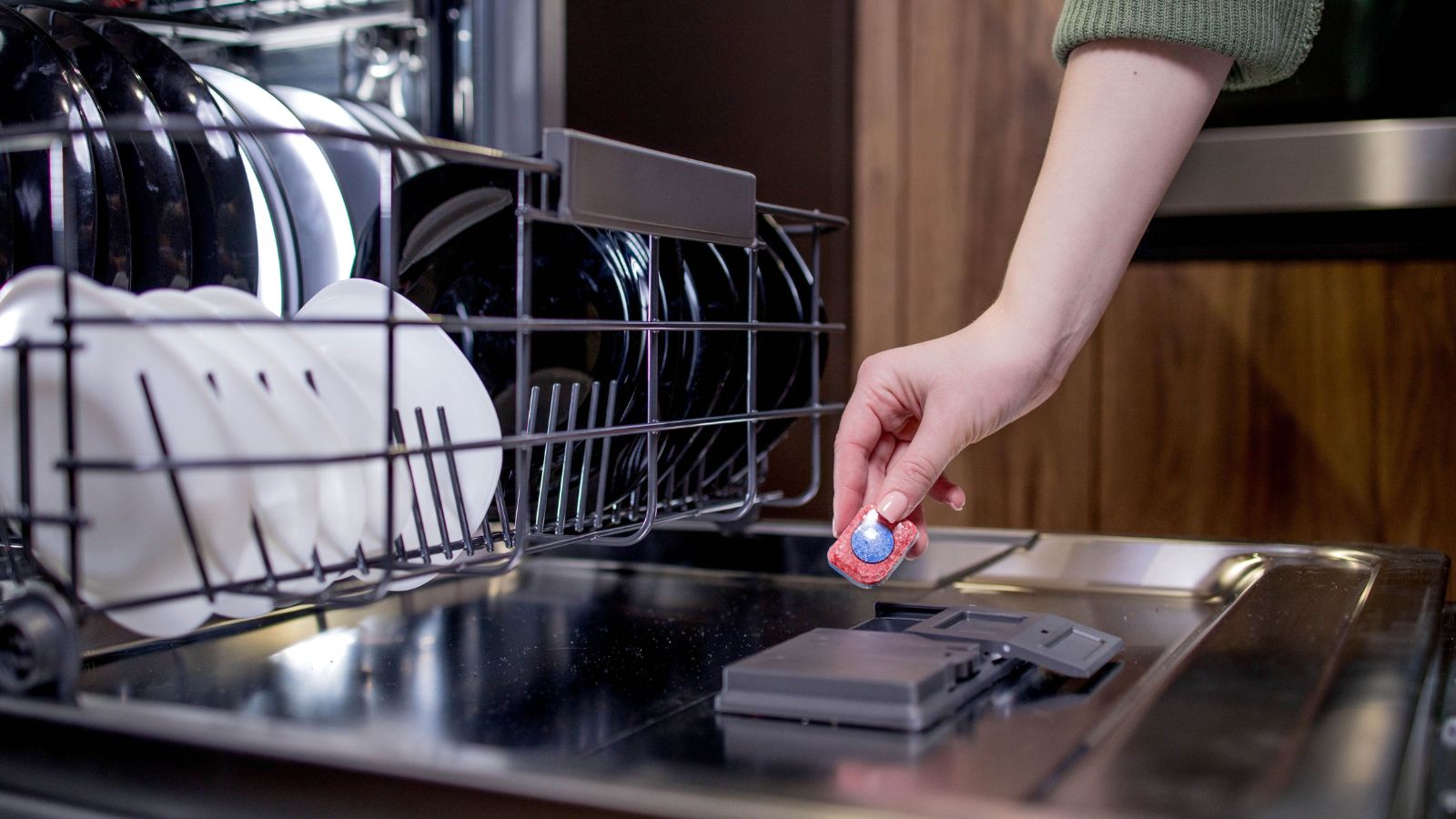
Dishwasher tablets and premium pods have become another convenience product under review. They are simple to use, but the per-load price can be high compared with powder or gel detergents. Canadians who run dishwashers daily are replacing premium tablets with store-brand tablets, powder, gel, or bulk packs purchased on promotion. The biggest shift is from automatic brand loyalty to testing what works in a specific machine and water type.
This swap feels low-risk because dishwashing is easy to evaluate. Plates are either clean or they are not. Households may keep a small pack of premium tablets for heavily soiled loads while using cheaper detergent for everyday dishes. Running full loads also helps reduce waste and cost. The broader pattern is clear: Canadians are not necessarily rejecting convenience, but they are becoming more selective about which conveniences deserve a permanent place in the cupboard.
Disinfecting Wipes

Disinfecting wipes became a household default for many people, but they are expensive when used for routine cleaning. More Canadians are replacing them with spray cleaners, concentrated refills, diluted solutions used according to label directions, and washable cloths. Wipes may still be kept for certain messes, bathrooms, travel, or illness in the household, but they are less likely to be used for every countertop crumb.
The budget-friendly approach separates cleaning from disinfecting. Everyday dirt often needs soap, water, and friction, while disinfecting is more targeted. Concentrated cleaners can also reduce packaging and stretch further when mixed properly. A family that once used several wipes after dinner may now use one cloth and a spray bottle. That small change looks minor in the moment, but over a month it can noticeably reduce the number of cleaning products being replaced.
Shampoo and Body Wash

Personal care aisles are full of premium scents, salon claims, and oversized pump bottles, but many Canadians are trading down. Name-brand shampoo, conditioner, body wash, and shaving products are being replaced by store brands, refill formats, bar soap, shampoo bars, or larger value sizes. The shift is especially common in households where several people use the same bathroom products.
This is one of the easier swaps because the trial cost is usually low. A family can test a store-brand body wash or basic shampoo without changing the entire routine. Bar soap is also making a comeback because it lasts well, stores easily, and avoids paying for water-heavy formulas in plastic bottles. The emotional part is real: personal care products can feel like small luxuries. Still, when the price gap is large, many shoppers are deciding that clean and reliable matters more than a familiar label.
Aluminum Foil and Plastic Wrap

Aluminum foil, plastic wrap, and disposable sandwich bags are being replaced with reusable containers, silicone lids, beeswax-style wraps, washable snack bags, and simple plates over bowls in the fridge. These changes are not new, but higher household costs make them more urgent. Disposable storage products can disappear quickly in homes that pack lunches, store leftovers, or freeze meal portions.
Reusable containers are especially practical because they help organize leftovers and reduce food waste. A clear container makes it easier to see yesterday’s pasta or chopped vegetables before they are forgotten. Some households still keep foil for grilling or heavy-duty cooking, but they use it less casually. The savings come from turning food storage into a system rather than a recurring disposable purchase. Over time, the cupboard shifts from rolls and boxes to containers that earn their keep week after week.
Disposable Razors

Disposable razors are another small purchase that adds up quietly. Canadians looking for cheaper personal care routines are replacing them with safety razors, cartridge handles bought in bulk, electric trimmers, or subscription alternatives only when the math works. The change is not always immediate because a safety razor has an upfront cost, but replacement blades are often far cheaper than packs of disposable razors.
The appeal is partly practical and partly psychological. A bathroom drawer full of half-used plastic razors feels wasteful when budgets are tight. A reusable handle, stored properly, makes shaving supplies feel more controlled. Some households also stretch cartridges longer by drying blades after use and keeping them away from shower moisture. The broader pattern matches other categories: Canadians are not eliminating grooming routines, but they are questioning disposable formats that require frequent replacement.
Packaged Lunch Snacks

Granola bars, fruit snacks, crackers, pudding cups, and mini chip bags are convenient, but they are often among the first lunchbox items to be replaced. Families are switching to bulk popcorn kernels, homemade muffins, banana bread, crackers portioned from large boxes, cheese cut from blocks, and fruit bought by the bag. The goal is to keep lunches easy without relying entirely on individually wrapped snacks.
This swap can be challenging because packaged snacks solve a real time problem. The families making it work usually create a Sunday routine: bake one item, portion crackers, wash fruit, and keep containers ready. Bulk popcorn is a standout because kernels are inexpensive and can be flavoured in different ways. Homemade muffins can use oats, frozen fruit, or overripe bananas that might otherwise be wasted. The lunch still feels complete, but the cost moves away from packaging and marketing.
Premium Frozen Meals
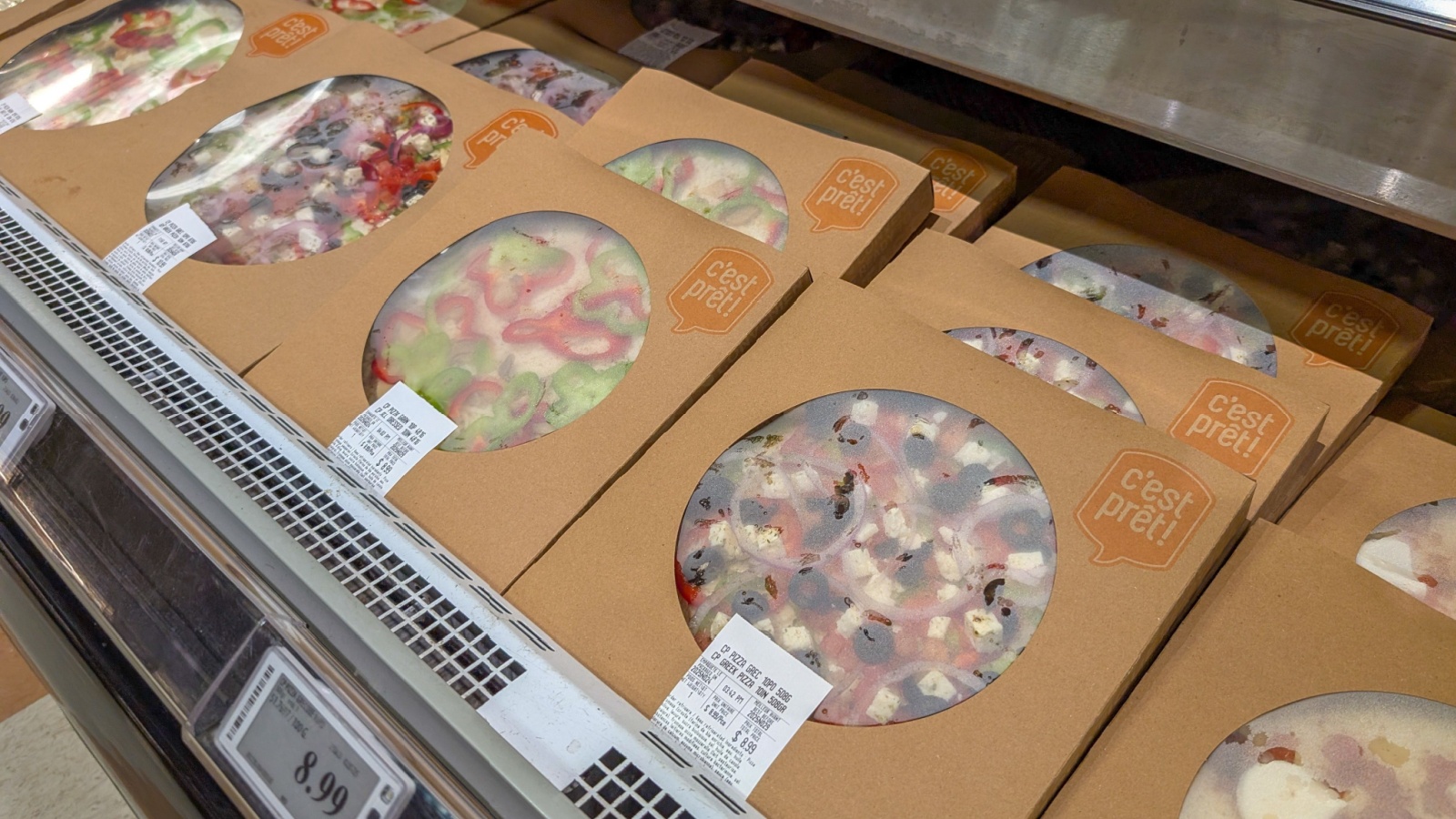
Frozen entrées, skillet meals, and premium pizzas are convenient safety nets, but their prices have pushed many Canadians toward cheaper homemade freezer options. Instead of buying multiple prepared meals, households are freezing chili, soup, pasta sauce, rice dishes, breakfast burritos, or casseroles. Store-brand frozen vegetables and plain frozen proteins often replace complete branded meals.
The alternative works because it preserves the main benefit of frozen food: convenience. A homemade container of soup can still rescue a busy night, but it usually costs less per serving than a premium boxed meal. Batch cooking also lets households control salt, portion size, and ingredients. Frozen meals are not disappearing from freezers, but they are becoming backup items rather than the whole plan. In a cost-conscious kitchen, the freezer is shifting from a place for branded convenience to a place for planned leftovers.
19 Things Canadians Don’t Realize the CRA Can See About Their Online Income

Earning money online feels simple and informal for many Canadians. Freelancing, selling products, and digital services often start as side projects. The problem appears at tax time. Many people underestimate how much information the CRA can access. Online platforms, banks, and payment processors create detailed records automatically. These records do not disappear once money hits an account. Small gaps in reporting add up quickly.
Here are 19 things Canadians don’t realize the CRA can see about their online income.
This Options Discord Chat is The Real Deal
While the internet is scoured with trading chat rooms, many of which even charge upwards of thousands of dollars to join, this smaller options trading discord chatroom is the real deal and actually providing valuable trade setups, education, and community without the noise and spam of the larger more expensive rooms. With a incredibly low-cost monthly fee, Options Trading Club (click here to see their reviews) requires an application to join ensuring that every member is dedicated and serious about taking their trading to the next level. If you are looking for a change in your trading strategies, then click here to apply for a membership.