35,000+ smart investors are already getting financial news, market signals, and macro shifts in the economy that could impact their money next with our FREE weekly newsletter. Get ahead of what the crowd finds out too late. Click Here to Subscribe for FREE.
Grocery shopping in Canada has become a weekly exercise in second-guessing. A cart that once felt predictable can now feel full of tiny traps: smaller packages, confusing deals, loyalty-only prices, and totals that jump faster than expected at the register. With food prices still elevated and many households watching every dollar, checkout frustration is no longer just about inflation itself. It is also about how prices are presented, bundled, promoted, and sometimes obscured. These 14 grocery store tactics help explain why many Canadians leave the store feeling as if the final bill told a different story than the shelf did.
Loyalty-Only Prices That Make Regular Shoppers Pay More
14 Grocery Store Tactics That Make Canadians Feel Played at Checkout
- Loyalty-Only Prices That Make Regular Shoppers Pay More
- Shrinkflation That Hides Price Hikes in Smaller Packages
- Multi-Buy Deals That Punish Smaller Households
- Confusing Unit Pricing That Makes Comparisons Hard
- Sale Tags That Make Discounts Look Bigger Than They Are
- Endcap Displays That Make Impulse Buys Feel Like Deals
- Checkout Lanes Packed With Last-Minute Temptations
- Private Labels That Look Cheaper but Keep Moving Up
- Flyer Deals That Require Too Much Fine Print
- Digital Coupons That Add Extra Steps to Basic Savings
- Scanner Errors That Put the Burden on Shoppers
- Produce Pricing That Changes the Math at the Scale
- “Fresh” Convenience Foods With Hidden Labour Premiums
- Receipt Totals That Make Discounts Hard to Audit
- Limited Competition That Makes Every Tactic Feel Worse
- 19 Things Canadians Don’t Realize the CRA Can See About Their Online Income

Loyalty programs can feel like a reward, but they also create a two-tier checkout experience. A shelf tag might show a bold price in large type, while the smaller print reveals that it applies only to members. For shoppers who forget a card, avoid apps, or do not want to share data, the same product can cost noticeably more. The frustration is not simply that loyalty members save; it is that the “real” price can feel hidden in plain sight.
Canadian grocery competition research has noted that loyalty programs influence where people shop, which can make shoppers feel locked into one chain even when another store has better base prices. A family grabbing cereal, yogurt, and snacks may think it is getting the advertised deal, only to discover at checkout that several discounts never applied. The bill then feels less like a reward system and more like a penalty for not playing by the store’s rules.
Shrinkflation That Hides Price Hikes in Smaller Packages
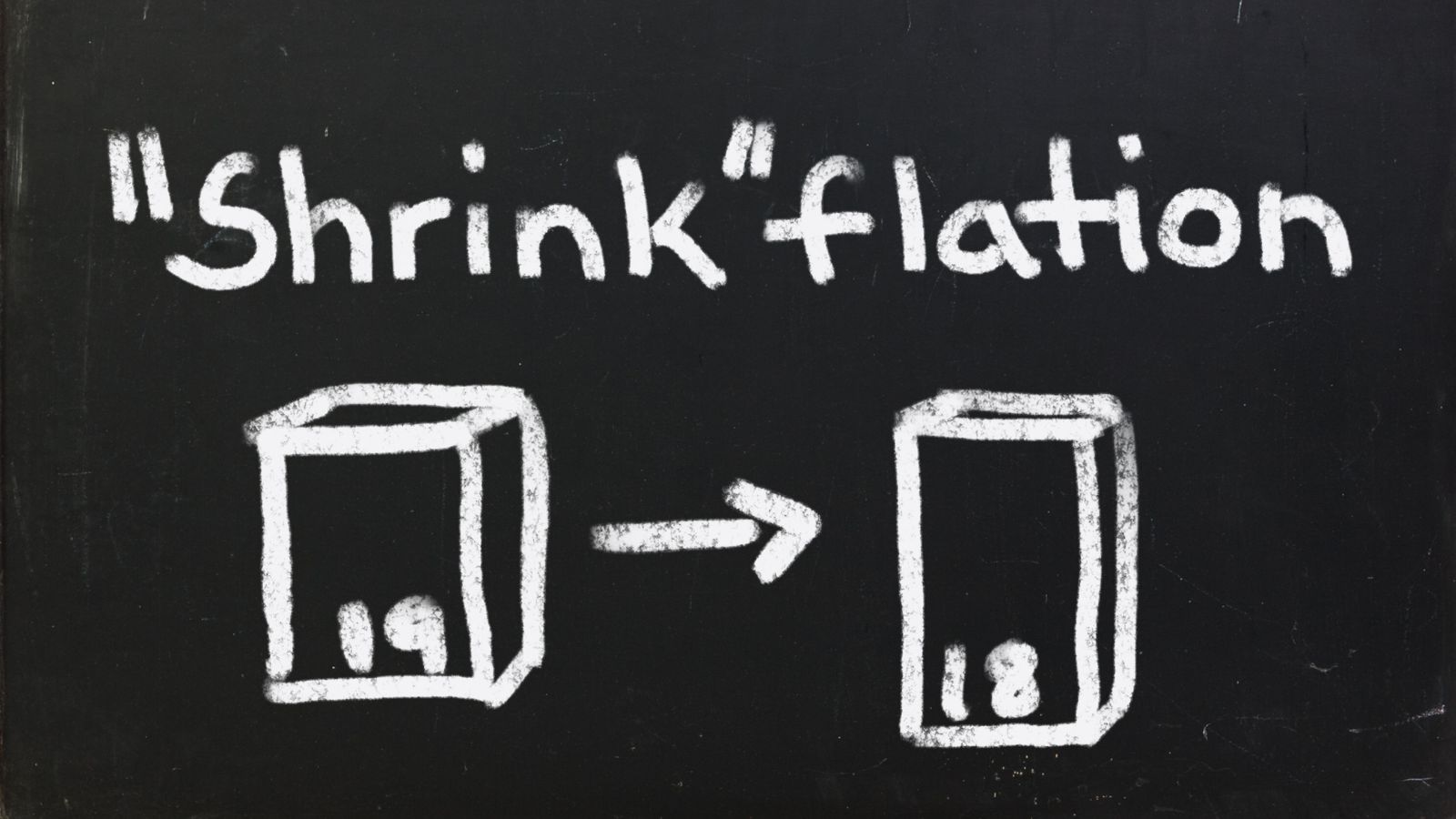
Shrinkflation works because the shelf price may stay familiar while the package quietly gets smaller. A box of crackers, bag of chips, tub of yogurt, or package of frozen fruit can look nearly identical at a glance, but contain fewer grams than before. Canadians often notice only after the product runs out faster at home. The checkout total may not look dramatically higher, yet the cost per serving has gone up.
Statistics Canada has documented shrinkflation in grocery items tracked through the Consumer Price Index, showing that package-size reductions are not just shopper paranoia. This tactic feels especially irritating because it shifts the work onto consumers. Instead of comparing one price to another, shoppers must compare grams, millilitres, servings, and past package sizes from memory. That is a lot to ask during a busy after-work grocery run.
Multi-Buy Deals That Punish Smaller Households

“Two for $7” or “buy three and save” promotions can look helpful, but they often pressure shoppers to buy more than they need. For a large household, the math may work. For a student, senior, single parent, or couple, the extra item may sit in the fridge until it spoils. The deal then becomes less about savings and more about nudging a bigger basket.
The tactic feels particularly sharp with perishables such as salad kits, berries, bread, and dairy. A shopper may buy the required quantity to unlock the lower unit price, only to throw away part of it days later. Grocery affordability is not just about sticker prices; it is also about how much paid-for food actually gets eaten. When the “deal” depends on overbuying, checkout savings can turn into household waste.
Confusing Unit Pricing That Makes Comparisons Hard
Unit pricing should help shoppers compare value, but it often becomes one of the most overlooked sources of confusion. One shelf tag may list price per 100 grams, another per kilogram, and another per unit. Similar products can appear cheaper depending on the measurement used. A larger package may not be the better deal, while a smaller one may look expensive until the unit price is checked carefully.
The Competition Bureau has recommended accessible and harmonized unit-pricing requirements because clear comparisons can help shoppers make better choices. Without consistency, Canadians have to do mental math in the aisle while balancing carts, children, lists, and time pressure. That confusion benefits the store because many shoppers default to the familiar brand or the most eye-catching tag rather than the best price.
Sale Tags That Make Discounts Look Bigger Than They Are
A bright red tag can create the feeling of urgency, even when the discount is modest. Some shoppers see “sale” and assume the price is meaningfully lower than usual. But the real question is whether the regular price was truly the ordinary selling price, and whether the discount is large enough to justify buying now. When many items are constantly tagged as “special,” the word loses meaning.
Canada’s Competition Bureau warns that businesses cannot invent a higher regular price to make a discount look better than it is. In a grocery aisle, the issue may be less dramatic than luxury retail, but the psychology is similar. A frozen pizza marked down by 50 cents may pull attention away from a store-brand option that is still cheaper without a sale tag. The shopper feels played when the “deal” was mostly theatre.
Endcap Displays That Make Impulse Buys Feel Like Deals

Endcaps are the displays at the ends of aisles, and they are not accidental. They are premium grocery real estate because shoppers pass them repeatedly. A tower of chips, pop, cookies, or seasonal treats can look like a bargain station, especially when stacked high with bright signage. Yet an endcap item is not always the cheapest option in its category.
Retail research has found that end-of-aisle displays can significantly lift sales, which helps explain why they are so common. The tactic works because it interrupts the shopping routine. A shopper heading for milk suddenly remembers a weekend barbecue, school lunches, or a hockey night snack. By checkout, the cart has gained several “small” extras. None may seem costly alone, but together they help explain why the final total feels inflated.
Checkout Lanes Packed With Last-Minute Temptations

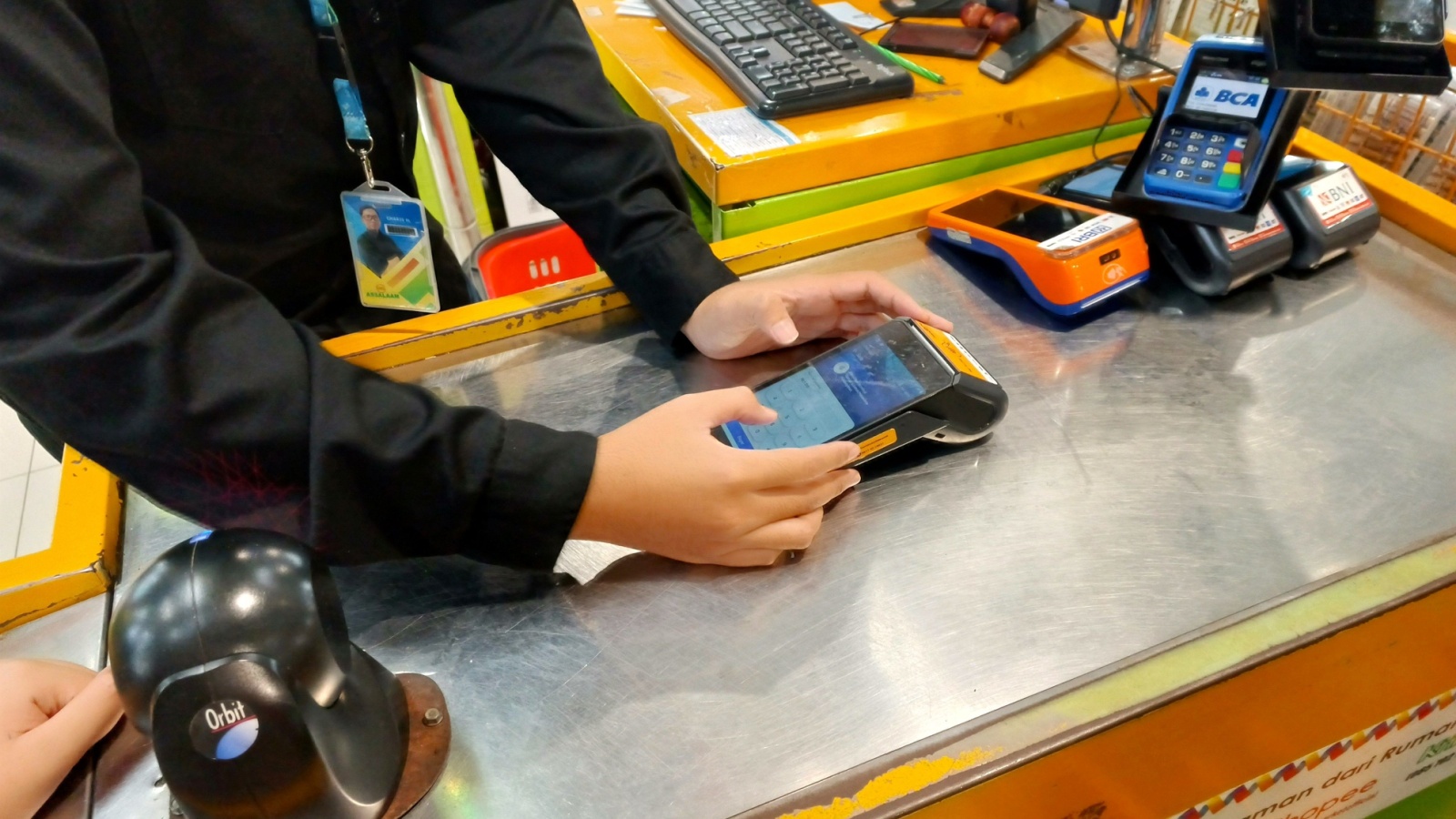
Checkout areas are designed for the moment when shoppers are tired, distracted, and close to finished. Gum, chocolate bars, drinks, magazines, batteries, and small toys sit within easy reach because the decision window is short. Even self-checkout zones often recreate the same temptation with small shelves or bins placed beside the payment station.
This tactic feels minor until it becomes routine. A $2 chocolate bar, $4 drink, or $6 pack of batteries may not seem worth debating after a long shop. For parents, the checkout lane can become a negotiation zone with children who have been patient through the aisles. The store benefits from impulse fatigue. The shopper sees the final receipt and realizes the grocery list was not the only thing that made it into the bag.
Private Labels That Look Cheaper but Keep Moving Up

Store brands often help Canadians save, but their pricing can still feel slippery. When national brands jump in price, a private-label alternative may remain cheaper while quietly moving up too. The shopper still feels like they made the budget-conscious choice, even if the gap between “cheap” and “expensive” has shifted upward over time.
This is especially noticeable in pantry staples such as pasta, canned goods, frozen vegetables, coffee, and snack foods. A store brand may be positioned as the sensible substitute, but once enough shoppers switch, the retailer has more room to adjust its own label pricing. The feeling of being played comes from chasing the affordable option only to watch it become less affordable month by month.
Flyer Deals That Require Too Much Fine Print
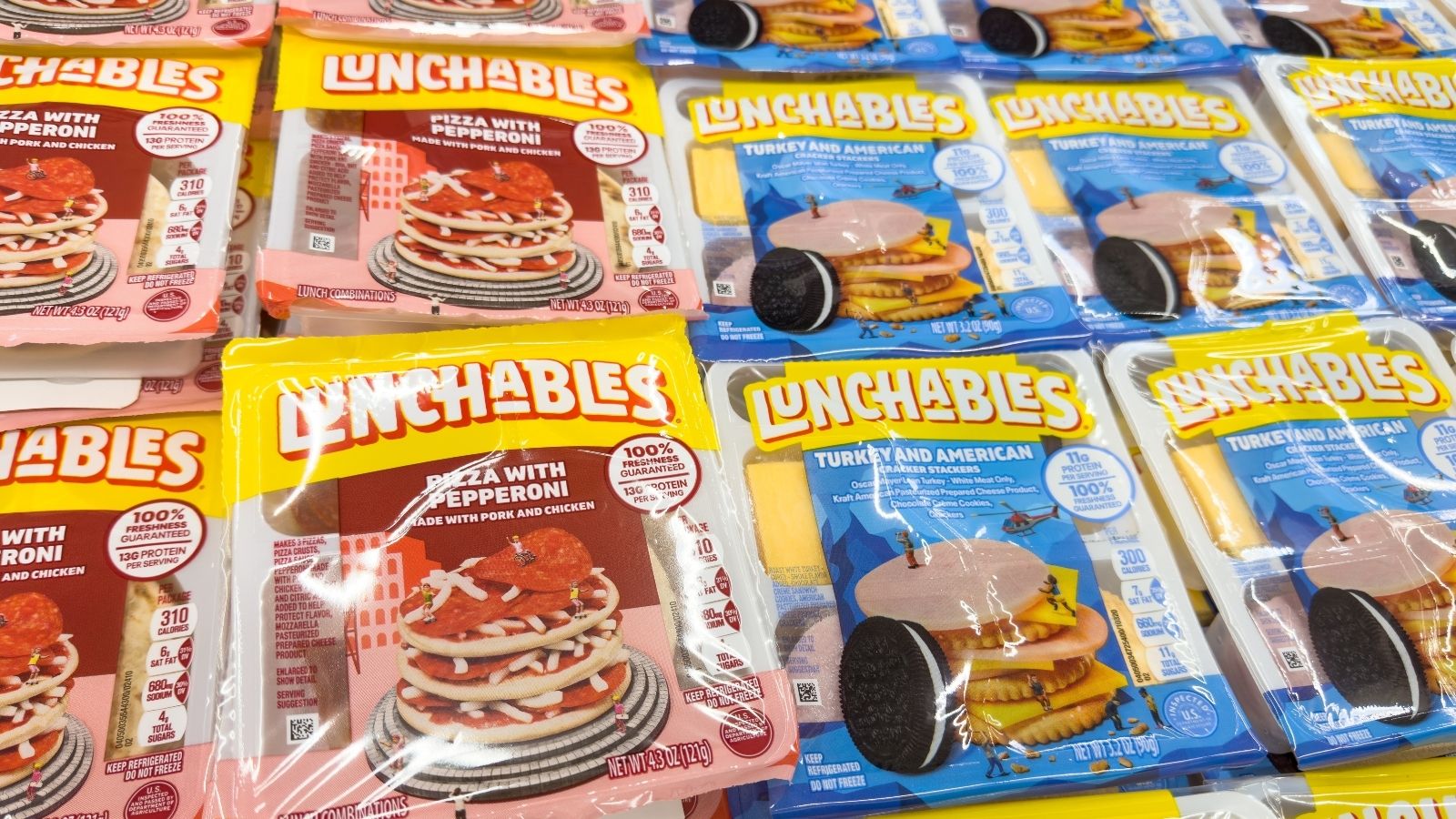
Flyers can save money, but they can also create a maze of dates, sizes, app conditions, limits, and store-specific rules. A deal might apply only from Thursday to Sunday, only to a 675-gram package, only to a digital coupon, or only after buying a certain quantity. Shoppers who miss one condition may arrive at checkout expecting one price and receive another.
This tactic is frustrating because it turns grocery shopping into a compliance test. The shopper did the work: checked the flyer, made a list, went to the store. But one overlooked detail can erase the savings. The more complicated the promotion, the more likely it is that some shoppers will fail to qualify while still buying the product. The store gets the traffic and the sale, even when the advertised bargain never materializes.
Digital Coupons That Add Extra Steps to Basic Savings

Digital coupons can be useful, but they often require shoppers to load offers in an app before reaching the register. The deal may appear in the loyalty account, but it does not apply automatically unless activated. This creates a strange situation where two customers buying the same product with the same loyalty account can pay different prices depending on whether one tapped the right offer beforehand.
The tactic can feel exclusionary for seniors, people without reliable data plans, shoppers who dislike apps, or anyone rushing through a busy store. It also shifts responsibility for the discount onto the customer. When the lower price is advertised, many shoppers assume it will apply at checkout. Discovering afterward that it required an extra digital step can make the savings feel deliberately difficult to claim.
Scanner Errors That Put the Burden on Shoppers
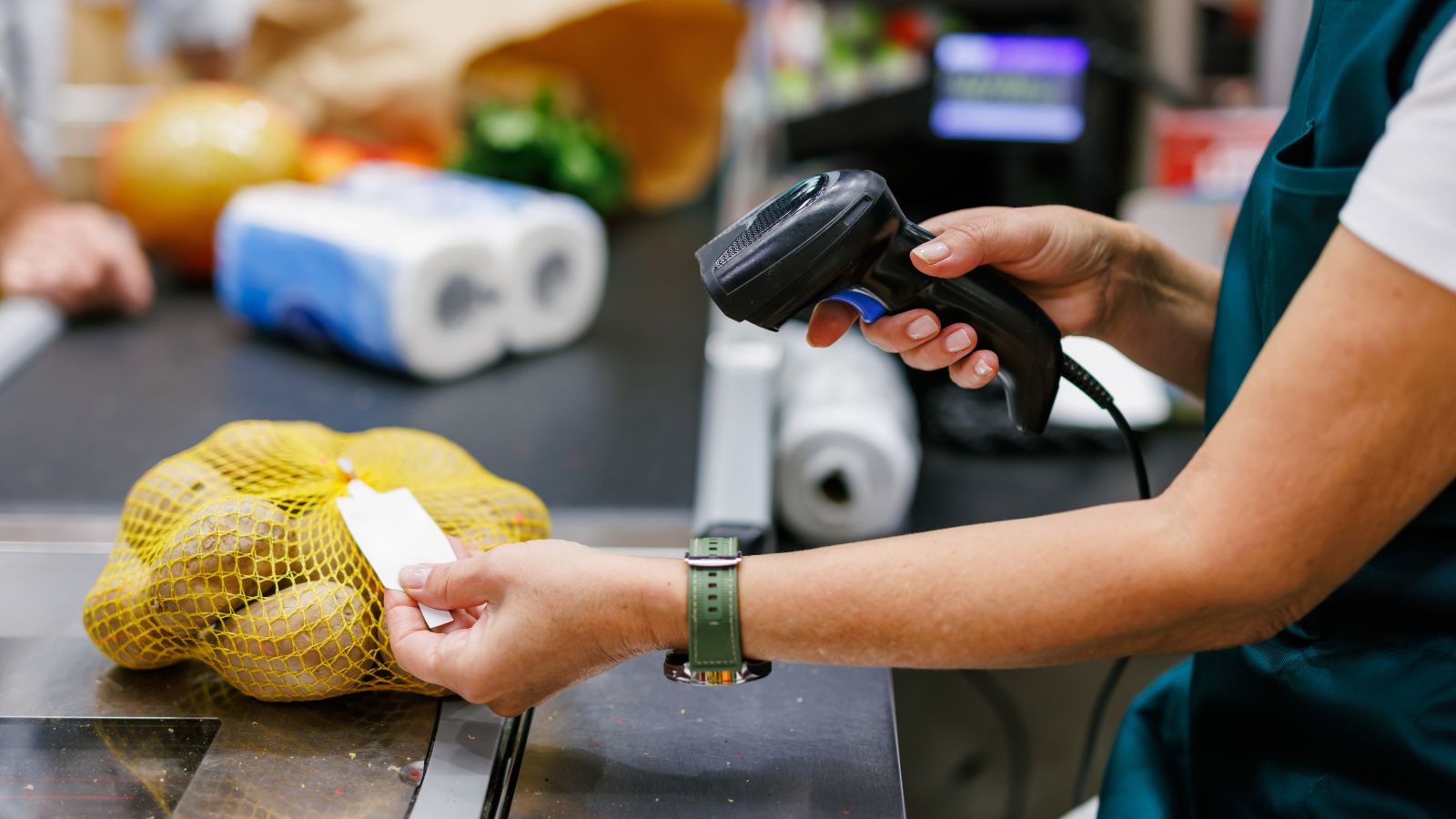
Scanner errors are especially aggravating because they happen at the final step, when shoppers are ready to leave. A shelf tag may show one price while the register scans another. Even when the difference is small, the experience damages trust. Many people do not catch the error until they are home, especially at self-checkout or when bagging quickly.
Canada has a Scanner Price Accuracy Code for participating retailers, and Quebec has its own regulated approach. Under the voluntary code used by many Canadian retailers outside Quebec, certain incorrectly scanned items may qualify for a free item or a discount, depending on the price and circumstances. The problem is awareness. If shoppers do not know the rule, they may pay the higher price without asking for the correction they could have received.
Produce Pricing That Changes the Math at the Scale
Produce can be confusing because some items are priced by weight, some by unit, and some by package. A display may make peppers, apples, grapes, or tomatoes look affordable until the scale reveals the true cost. Imported produce and weather-sensitive vegetables can also swing sharply in price, so shoppers may be surprised by a total that looks out of proportion to the bag.
This tactic is not always deceptive; fresh food pricing genuinely changes with supply, season, and transportation. Still, the presentation can make the total feel less transparent. A large bunch of grapes or a heavy bag of cherries can become one of the most expensive items in the cart. When fresh vegetables and produce categories rise quickly, the scale becomes a moment of checkout shock.
“Fresh” Convenience Foods With Hidden Labour Premiums
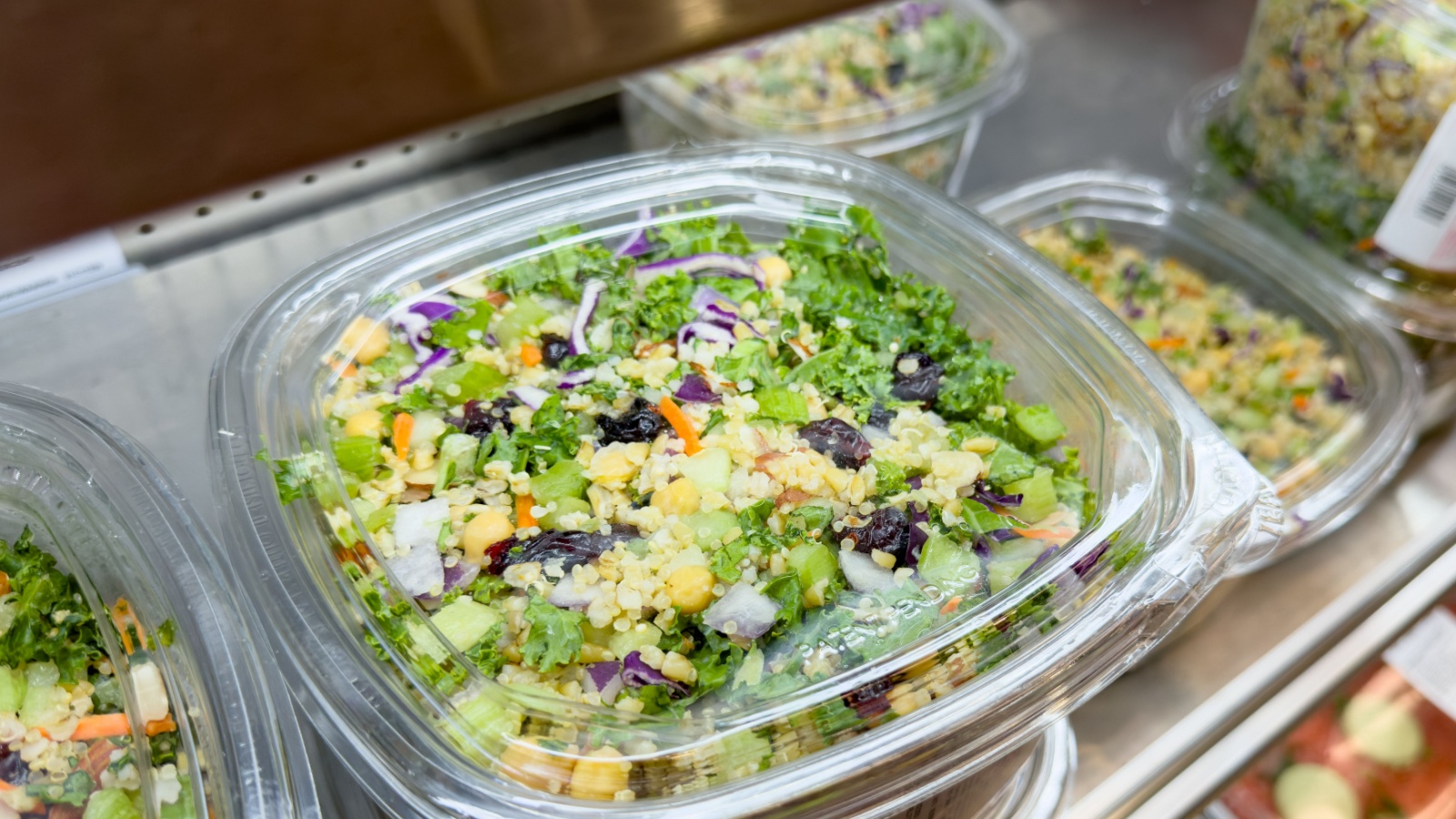
Pre-cut fruit, washed salad kits, marinated meat, shredded cheese, and ready-to-heat meals solve real time problems. They also carry a convenience premium that can be easy to underestimate. The package looks like groceries, not takeout, so shoppers may mentally classify it as a practical home-cooking purchase. At checkout, however, several convenience items can add up like restaurant spending.
The premium is often tied to labour, packaging, spoilage risk, and merchandising. A container of cut pineapple may cost much more than a whole pineapple, while a bagged salad kit may cost more than buying lettuce and toppings separately. For busy households, the trade-off may still be worth it. The frustration comes when convenience pricing is blended into the grocery bill so quietly that shoppers do not realize how much they paid for saved time.
Receipt Totals That Make Discounts Hard to Audit

Modern grocery receipts can be surprisingly difficult to read. Discounts may appear several lines below the item, loyalty offers may be grouped at the bottom, and multi-buy savings may not be obvious. Taxes, deposits, environmental fees, substitutions, and weighted items add more clutter. By the time the receipt prints, many shoppers are already bagging, paying, or trying to leave the lane.
This makes it hard to verify whether every sale price, coupon, points offer, and scanner correction applied properly. A shopper may trust the system because auditing a long receipt in a busy store feels awkward. The result is a checkout experience where the total matters more than the details, even though the details determine whether the shopper actually received the advertised savings.
Limited Competition That Makes Every Tactic Feel Worse
Many checkout frustrations feel sharper because Canadians often believe there are not enough meaningful grocery alternatives nearby. When the same few chains dominate a region, switching stores may not produce dramatic savings. A shopper can compare flyers, load points, avoid impulse buys, and still feel trapped inside a market where the baseline price keeps climbing.
The Competition Bureau has argued that Canada needs more grocery competition and has pointed to barriers such as property controls, limited new entrants, and the need for clearer unit pricing. This broader context matters. A loyalty-only price or confusing sale tag feels less irritating in a highly competitive market where shoppers can easily walk away. In a concentrated market, the same tactic feels like part of a bigger checkout squeeze.
19 Things Canadians Don’t Realize the CRA Can See About Their Online Income

Earning money online feels simple and informal for many Canadians. Freelancing, selling products, and digital services often start as side projects. The problem appears at tax time. Many people underestimate how much information the CRA can access. Online platforms, banks, and payment processors create detailed records automatically. These records do not disappear once money hits an account. Small gaps in reporting add up quickly.
Here are 19 things Canadians don’t realize the CRA can see about their online income.
This Options Discord Chat is The Real Deal
While the internet is scoured with trading chat rooms, many of which even charge upwards of thousands of dollars to join, this smaller options trading discord chatroom is the real deal and actually providing valuable trade setups, education, and community without the noise and spam of the larger more expensive rooms. With a incredibly low-cost monthly fee, Options Trading Club (click here to see their reviews) requires an application to join ensuring that every member is dedicated and serious about taking their trading to the next level. If you are looking for a change in your trading strategies, then click here to apply for a membership.