35,000+ smart investors are already getting financial news, market signals, and macro shifts in the economy that could impact their money next with our FREE weekly newsletter. Get ahead of what the crowd finds out too late. Click Here to Subscribe for FREE.
Canada’s best-known travel spots can feel completely different before peak summer fully arrives. The same lakes, boardwalks, beaches, historic streets, ferry docks, and lookout points that become packed in July and August often have a calmer rhythm in late spring and early summer, when daylight is generous but the heaviest visitor pressure has not yet settled in.
These 17 Canadian tourist spots stand out because timing changes the experience. Earlier visits can mean easier photos, more relaxed walks, better parking odds, shorter waits, and a stronger sense of place. From mountain lakes and Atlantic cliffs to urban waterfronts and heritage districts, each destination shows why the weeks before peak summer crowds take over can be some of the most rewarding.
Lake Louise and Moraine Lake, Alberta
17 Canadian Tourist Spots That Feel Better Before Peak Summer Crowds Take Over
- Lake Louise and Moraine Lake, Alberta
- Niagara Falls, Ontario
- Old Québec, Québec
- Pacific Rim National Park Reserve and Tofino, British Columbia
- Maligne Lake, Jasper National Park, Alberta
- Whistler, British Columbia
- Gros Morne National Park, Newfoundland and Labrador
- Peggy’s Cove, Nova Scotia
- Hopewell Rocks, New Brunswick
- Cavendish and Prince Edward Island National Park, Prince Edward Island
- The Grotto, Bruce Peninsula National Park, Ontario
- Thousand Islands National Park, Ontario
- Old Port of Montréal, Québec
- The Butchart Gardens, British Columbia
- Cape Breton Highlands National Park and the Cabot Trail, Nova Scotia
- Algonquin Provincial Park, Ontario
- Stanley Park, Vancouver, British Columbia
- 19 Things Canadians Don’t Realize the CRA Can See About Their Online Income
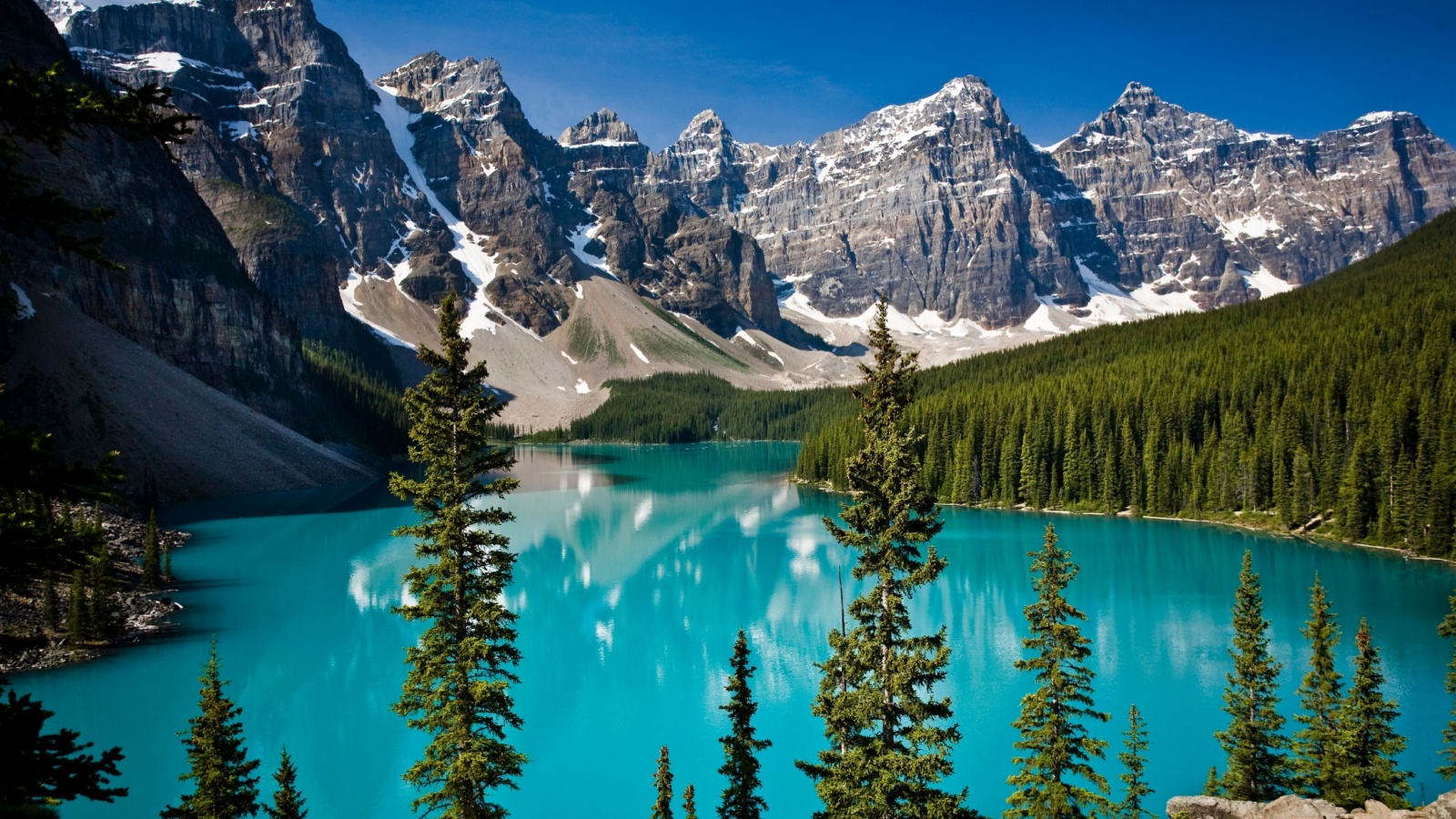
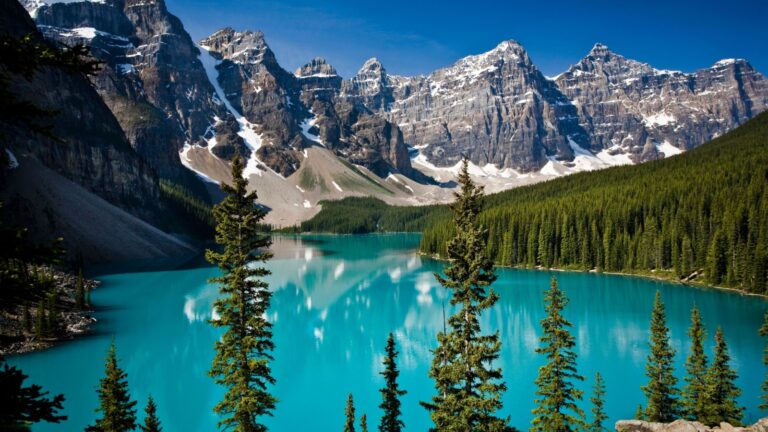
Lake Louise and Moraine Lake are among the most recognizable landscapes in the Canadian Rockies, but their popularity is exactly why the early-season window matters. By midsummer, the combination of tour buses, hikers, photographers, and shuttle bookings can make the experience feel highly scheduled. Before the busiest stretch, the turquoise water, lingering snow on surrounding peaks, and cooler morning air create a more spacious version of the same iconic scene.
The planning still requires attention. Parks Canada requires advance reservations for shuttles in the Lake Louise and Moraine Lake area, and Moraine Lake access is managed carefully because demand routinely exceeds space. That structure is not a drawback so much as a sign of how loved the area has become. Earlier timing can help visitors enjoy the lakes as landscapes rather than logistics, especially when sunrise light catches the peaks and the shoreline paths are not yet shoulder-to-shoulder.
Niagara Falls, Ontario
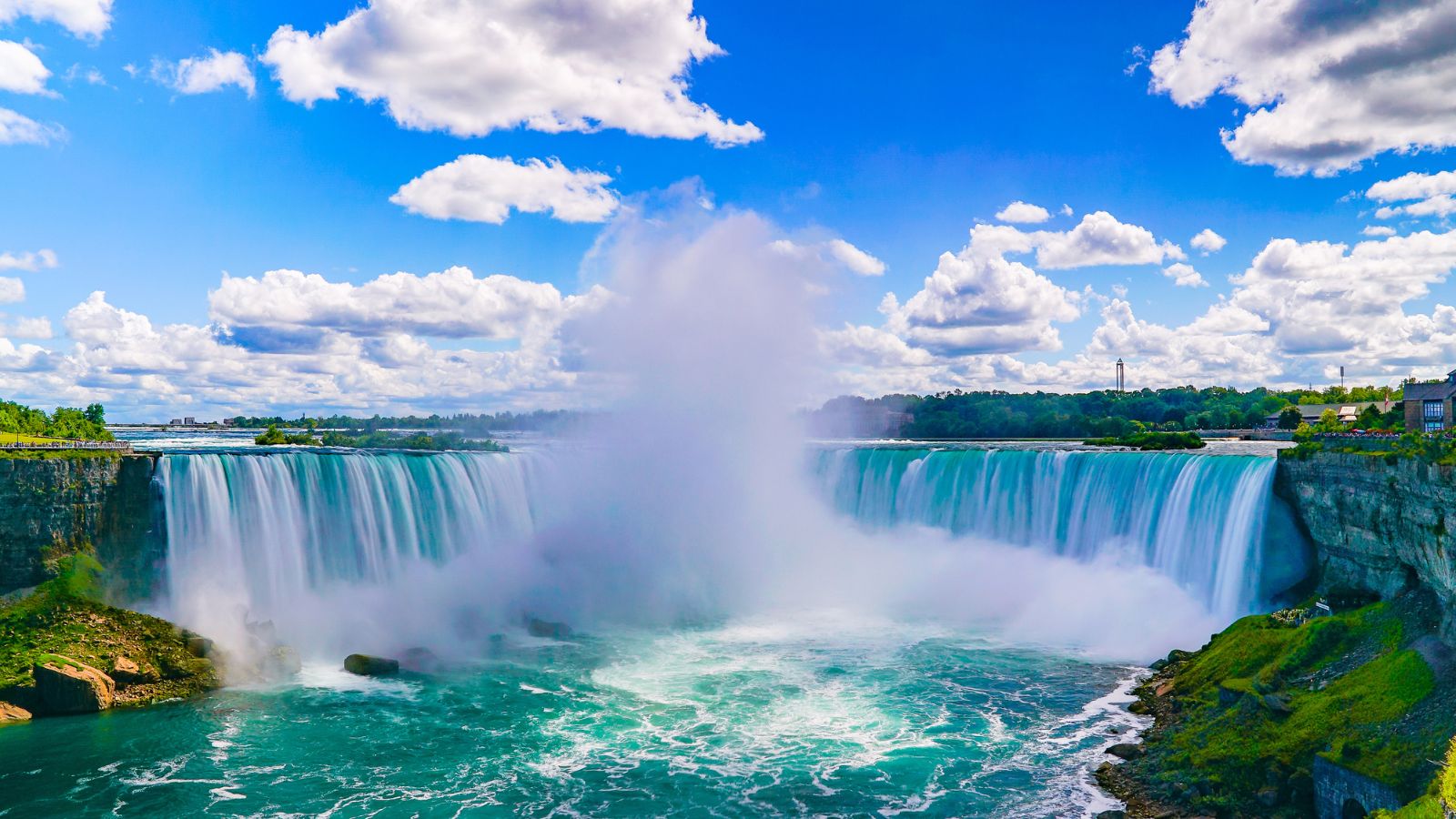
Niagara Falls rarely feels empty, but it can feel noticeably more manageable before the full summer rush. The Horseshoe Falls, Clifton Hill, the promenade, boat tours, and lookout areas all attract a huge volume of visitors once school breaks and peak vacation travel begin. Earlier in the season, the mist is still dramatic, the gardens are waking up, and the experience can feel less like moving through a queue.
The city and region draw millions of visitors annually, which explains why timing has such a major effect on the visit. On quieter days, Niagara’s scale comes through more clearly: the roar is easier to hear, the river views are easier to absorb, and the walk from the brink toward the tourist district feels less compressed. It is still a major destination, but before peak summer, it can offer more of the old-fashioned wonder that made it famous in the first place.
Old Québec, Québec

Old Québec rewards unhurried wandering, and that is harder when peak summer crowds fill the narrow streets around Place Royale, Rue du Petit-Champlain, the fortifications, and the Château Frontenac. Before that surge, the historic district feels more lived-in and textured. Stone walls, church bells, café patios, and early evening light all have more room to breathe when foot traffic is lighter.
The district is a UNESCO World Heritage Site and one of North America’s most important preserved colonial urban landscapes. Its appeal is not just a checklist of landmarks but the atmosphere created by centuries of architecture, French-language street life, and dramatic views over the St. Lawrence River. Visiting before peak summer can make the difference between glancing at the setting and genuinely noticing details: old doorways, uneven stone, quiet courtyards, and the way the city still functions beyond tourism.
Pacific Rim National Park Reserve and Tofino, British Columbia
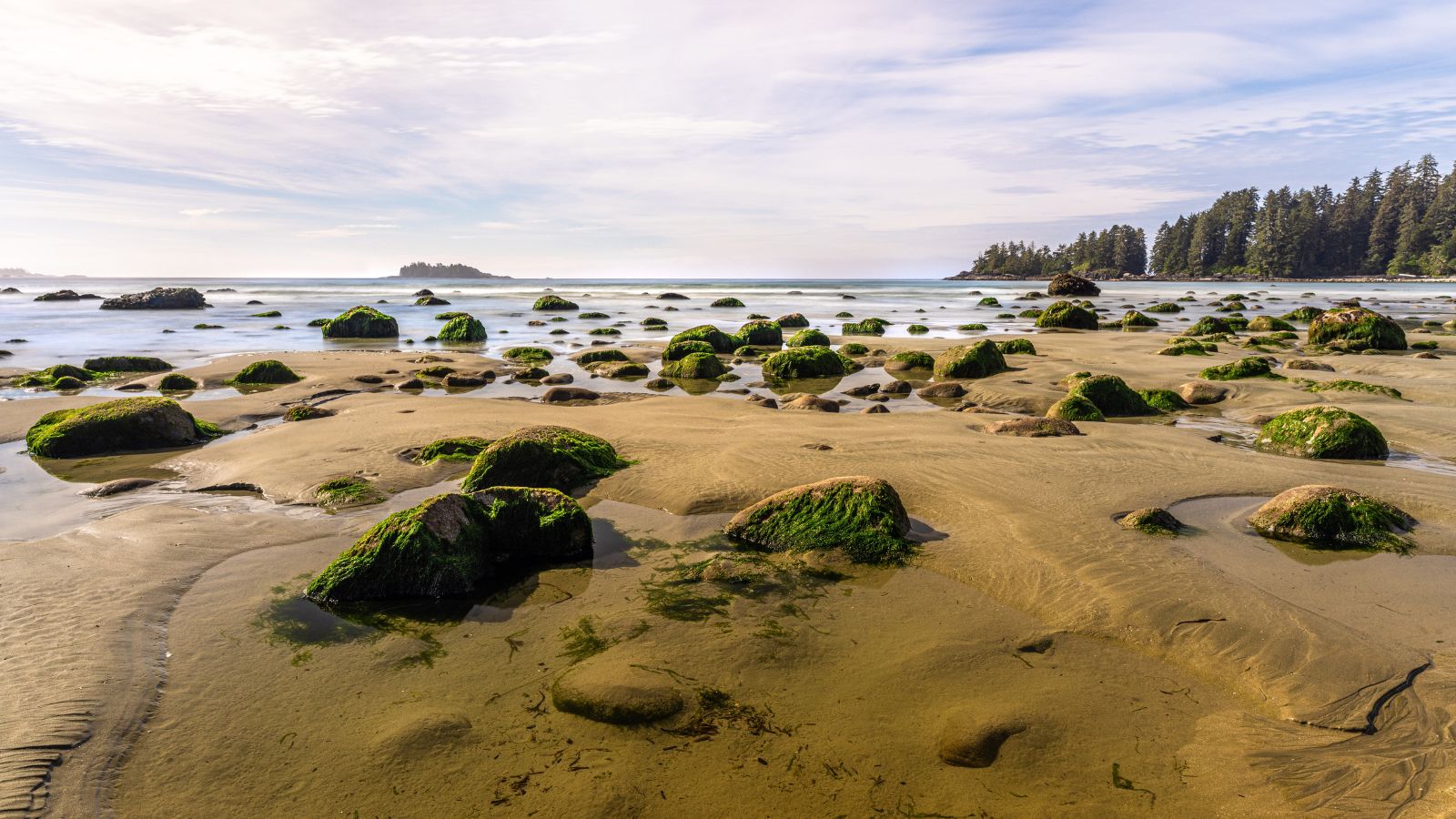
The Tofino area has a powerful pre-summer mood: long beaches, cool surf, cedar forests, and changing skies that can shift from mist to gold in the same afternoon. Pacific Rim National Park Reserve’s Long Beach area is accessible year-round, while major seasonal experiences such as the West Coast Trail and Broken Group Islands run on defined operating windows. That creates a natural build-up toward summer, making the weeks before full crowds especially appealing.
Earlier timing also suits the destination’s character. Tofino is not just about beach weather; it is about tide lines, driftwood, surf lessons, coastal trails, and marine wildlife viewing. When peak summer arrives, accommodation pressure and parking demand can shape the trip. Before that, the coast can feel more elemental. A walk on Long Beach with fewer footprints in the sand often captures what visitors hope to find there: wild Pacific scale without the full high-season crush.
Maligne Lake, Jasper National Park, Alberta
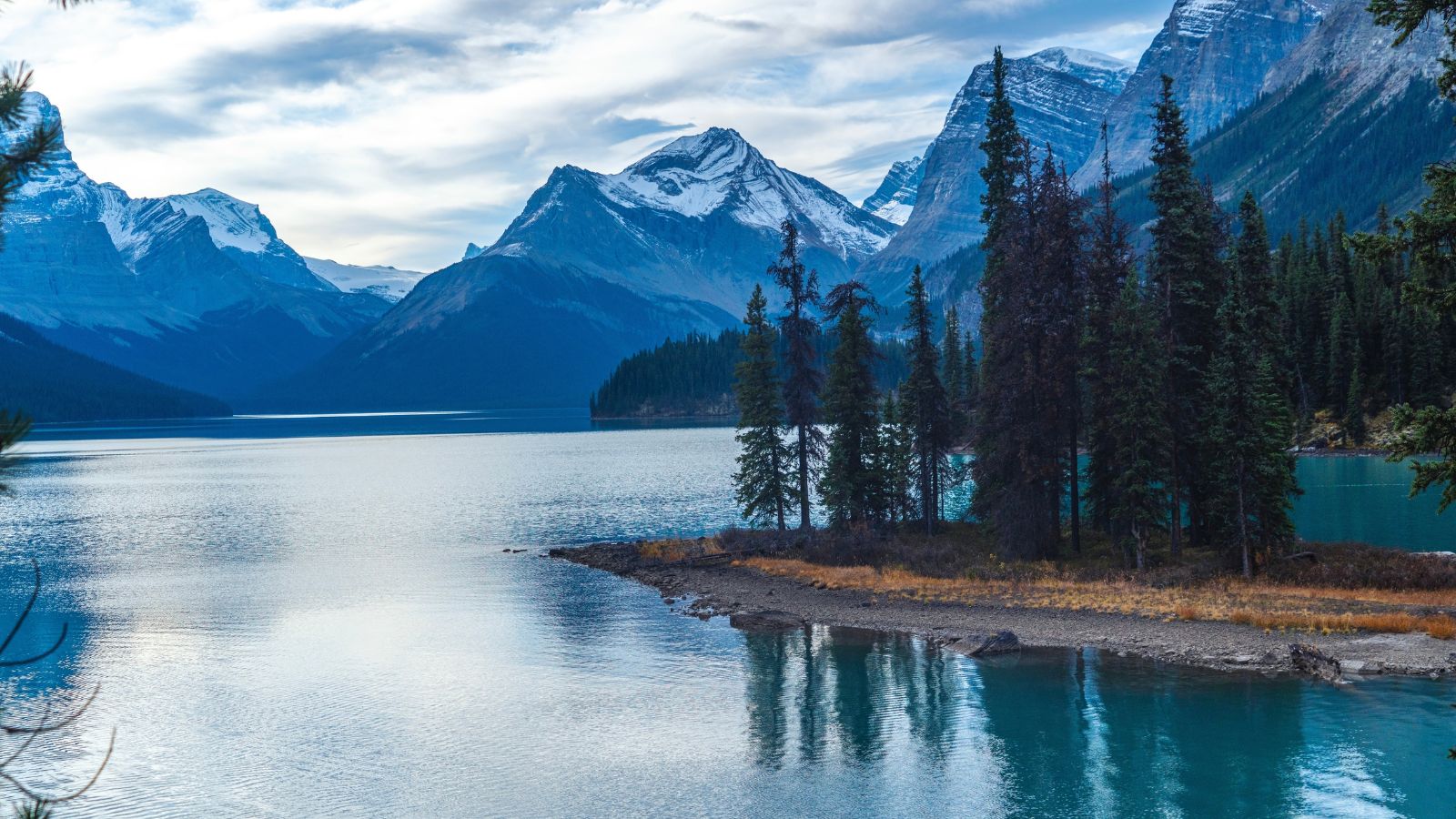
Maligne Lake is one of Jasper National Park’s signature destinations, known for its long glacial-fed waterway, mountain-ringed views, and the famous Spirit Island area. At 22 kilometres long, it has a sense of distance and drama that feels especially strong before the heaviest summer traffic arrives. The road to the lake, forest edges, and lakeshore trails all feel calmer when the season is still gathering momentum.
Early-season conditions should be respected, especially in mountain country where weather, trail access, wildfire recovery, and water conditions can vary. Parks Canada notes that Maligne Lake is cold even in midsummer and that the area supports wildlife such as moose and Harlequin Ducks. Visiting before peak crowds gives the place more silence, but it also asks for patience and preparation. That balance is part of Jasper’s appeal: it feels accessible, yet still unmistakably wild.
Whistler, British Columbia

Whistler is often associated with winter, but summer is a major part of its identity. Mountain biking, hiking, lakeside afternoons, patio dining, sightseeing lifts, and village events bring a different kind of energy once warm weather arrives. Tourism Whistler reports millions of annual visitors, with summer accounting for a large share, so the difference between early season and peak summer can be dramatic.
Before July and August intensity takes over, Whistler can feel more flexible. Trails may be quieter, restaurant waits can be shorter, and the village has more of a local rhythm between spring skiing’s end and full summer operations. The appeal is not only in avoiding crowds; it is in seeing the resort transition. Snow may still linger on high ridges while valley paths and lakes are already busy with bikes, dogs, families, and day-trippers easing into the season.
Gros Morne National Park, Newfoundland and Labrador

Gros Morne feels made for travellers who prefer grandeur with room around it. The park’s glacier-carved fjords, coastal headlands, waterfalls, and Tablelands geology give it a rare mix of beauty and scientific importance. Before peak summer, the landscape can feel even more striking because the trails, viewpoints, and small gateway communities have not yet reached their busiest rhythm.
The Tablelands are especially memorable because they expose rock from Earth’s mantle, a feature that helps explain why Gros Morne is internationally significant. Western Brook Pond, with its freshwater fjord-like setting and towering cliffs, adds another layer of scale. Earlier timing can mean cooler hiking conditions and a more contemplative pace, though weather in Newfoundland remains famously changeable. That unpredictability is part of the place: fog, sunlight, wind, and sea air can turn the same view into several different experiences in one day.
Peggy’s Cove, Nova Scotia

Peggy’s Cove is one of those places where the image is instantly familiar: a white lighthouse with a red cap, smooth granite, Atlantic surf, and a working fishing village nearby. The challenge is that the small scale of the village makes crowding noticeable. Nova Scotia tourism guidance notes that peak visitor hours tend to fall between late morning and mid-afternoon, when parking can be limited.
Before peak summer, Peggy’s Cove often feels closer to its coastal roots. The lighthouse is still photogenic, but the experience is less dominated by people trying to capture the same angle. There is also more time to observe the warning signs and the ocean itself, which can produce dangerous rogue waves even on calm-looking days. A quieter visit makes the place feel less like a postcard stop and more like a rugged Atlantic edge where beauty and caution belong together.
Hopewell Rocks, New Brunswick

Hopewell Rocks is a destination where timing matters in more ways than one. Visitors need to plan around the tides, because the same sandstone formations can be explored from the ocean floor at low tide and seen from a completely different perspective at high tide. The park even allows admission over two consecutive days so visitors have more flexibility to experience both.
Before peak summer, that tidal rhythm can be easier to appreciate without feeling rushed by dense crowds. The Bay of Fundy is famous for extreme tidal change, and Hopewell Rocks turns that natural force into a visible lesson. At low tide, the flowerpot formations tower overhead; at high tide, kayaks can move around areas that were walkable hours earlier. Fewer people on the stairs, trails, and shoreline can make the transformation feel more personal, almost like watching the coast reset itself.
Cavendish and Prince Edward Island National Park, Prince Edward Island
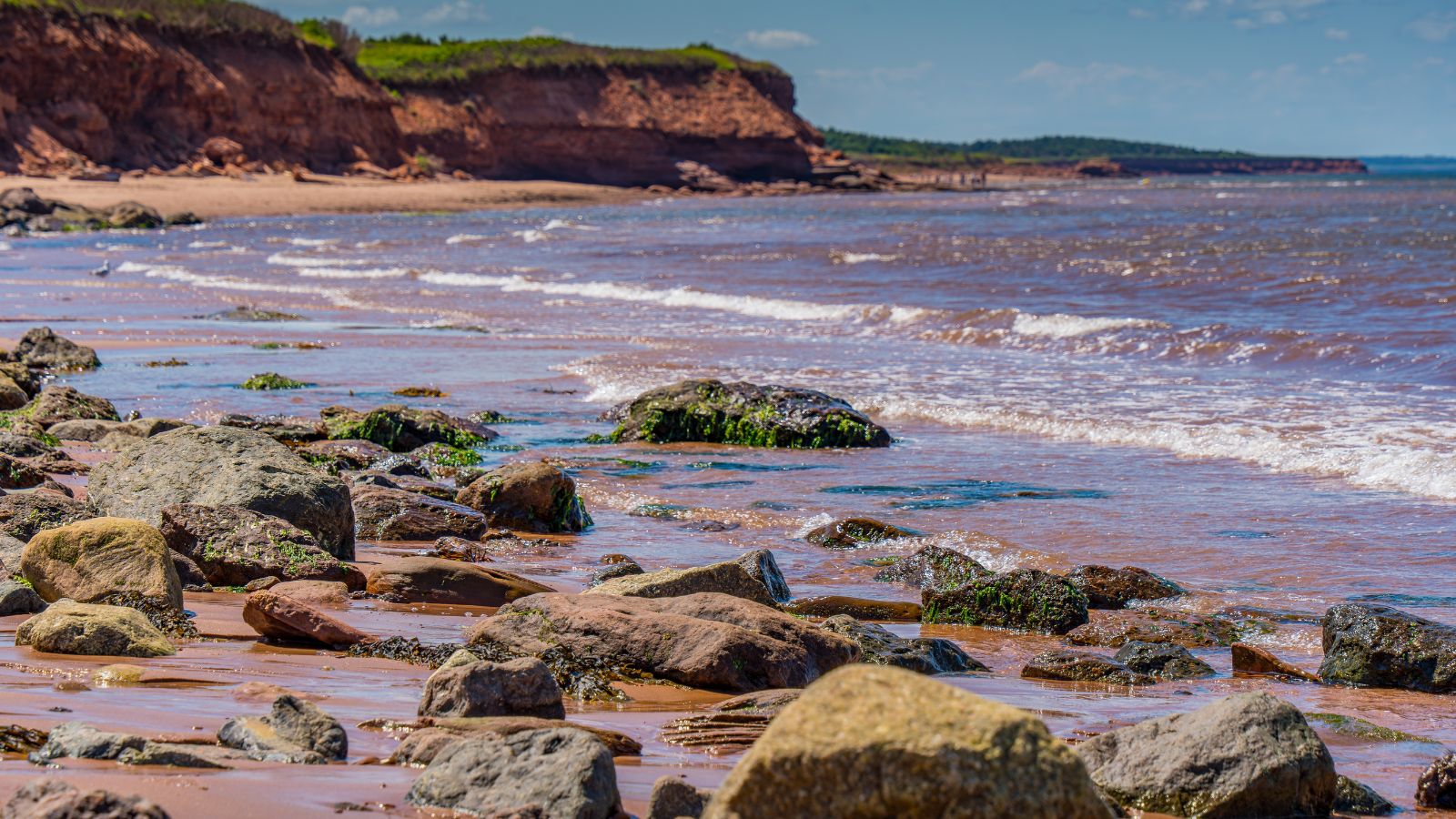
Cavendish sits at the centre of one of Prince Edward Island’s most familiar vacation landscapes: red cliffs, rolling dunes, soft beaches, and family-friendly coastal drives. Prince Edward Island National Park highlights sandy beaches, shorebirds, waterfowl, warblers, red foxes, ponds, lighthouses, and seashore paths. That variety is easier to absorb before the peak family-vacation season fills beach lots and cottage roads.
Earlier visits can also change the feel of Cavendish itself. The area is strongly associated with summer nostalgia, but late spring and early summer bring a gentler pace. The dunes look crisp, the red cliffs stand out against cooler light, and beach walks can be more about space than sunbathing. For visitors interested in both scenery and literature-linked heritage, the wider Green Gables Shore area has more breathing room before the busiest stretch of July and August.
The Grotto, Bruce Peninsula National Park, Ontario
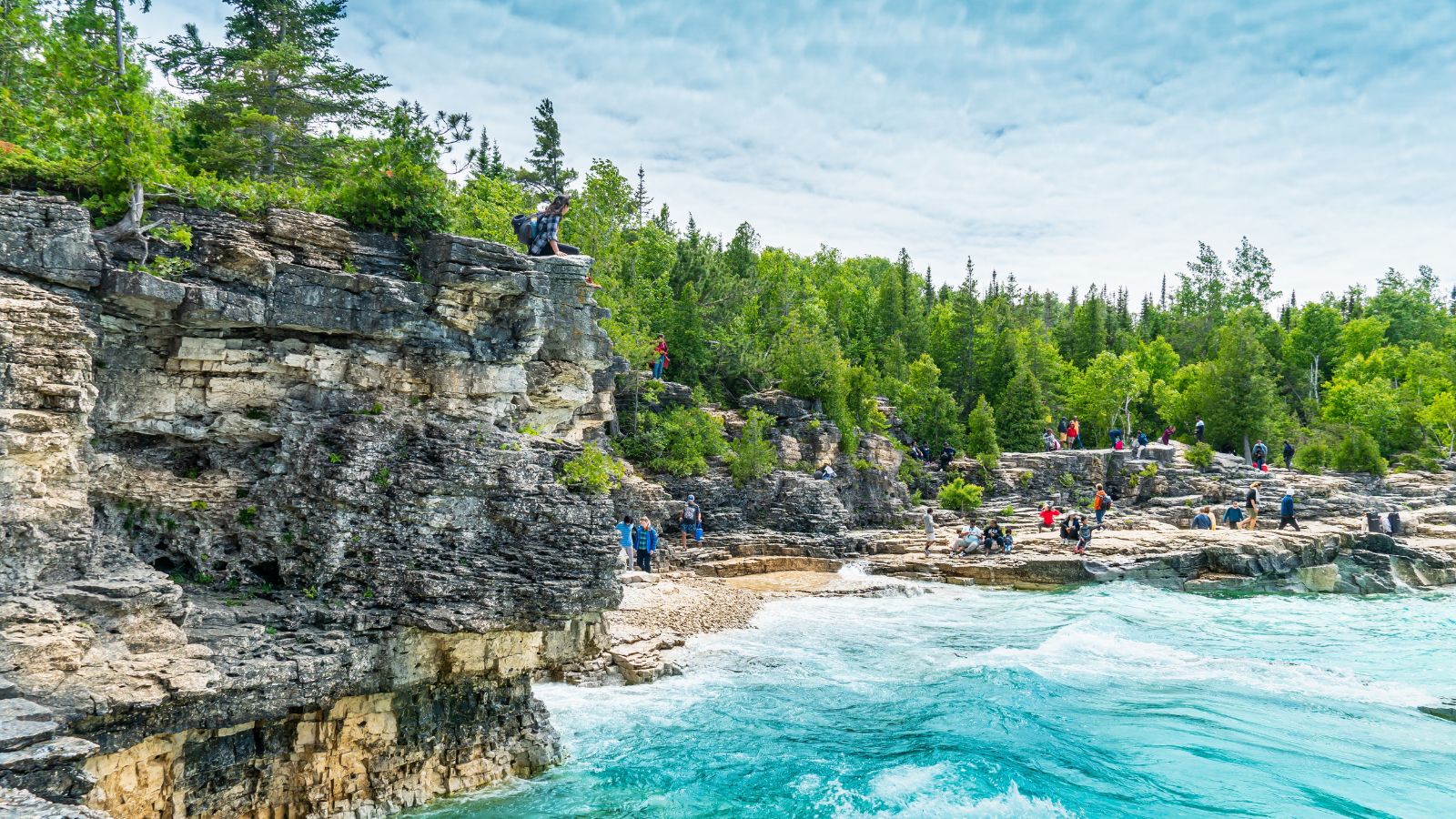
The Grotto is famous for clear blue Georgian Bay water, limestone cliffs, and the natural cave-like pool that appears in countless travel photos. Its popularity has become so intense that Parks Canada requires parking reservations for access during much of the season, including the Grotto from May 1 to October 31. That alone shows why visiting before peak summer crowds can be a major advantage.
This is not a casual “just show up” destination anymore. The Georgian Bay shoreline around the Grotto, Halfway Log Dump, Little Cove, and nearby trails requires planning, and some lots do not operate on a first-come basis during busy periods. Earlier timing can make the hike from Cyprus Lake feel less congested and the shoreline less pressured. The reward is a cleaner experience of the cliffs, cold water, forest, and rock rather than the stress of competing for time and space.
Thousand Islands National Park, Ontario
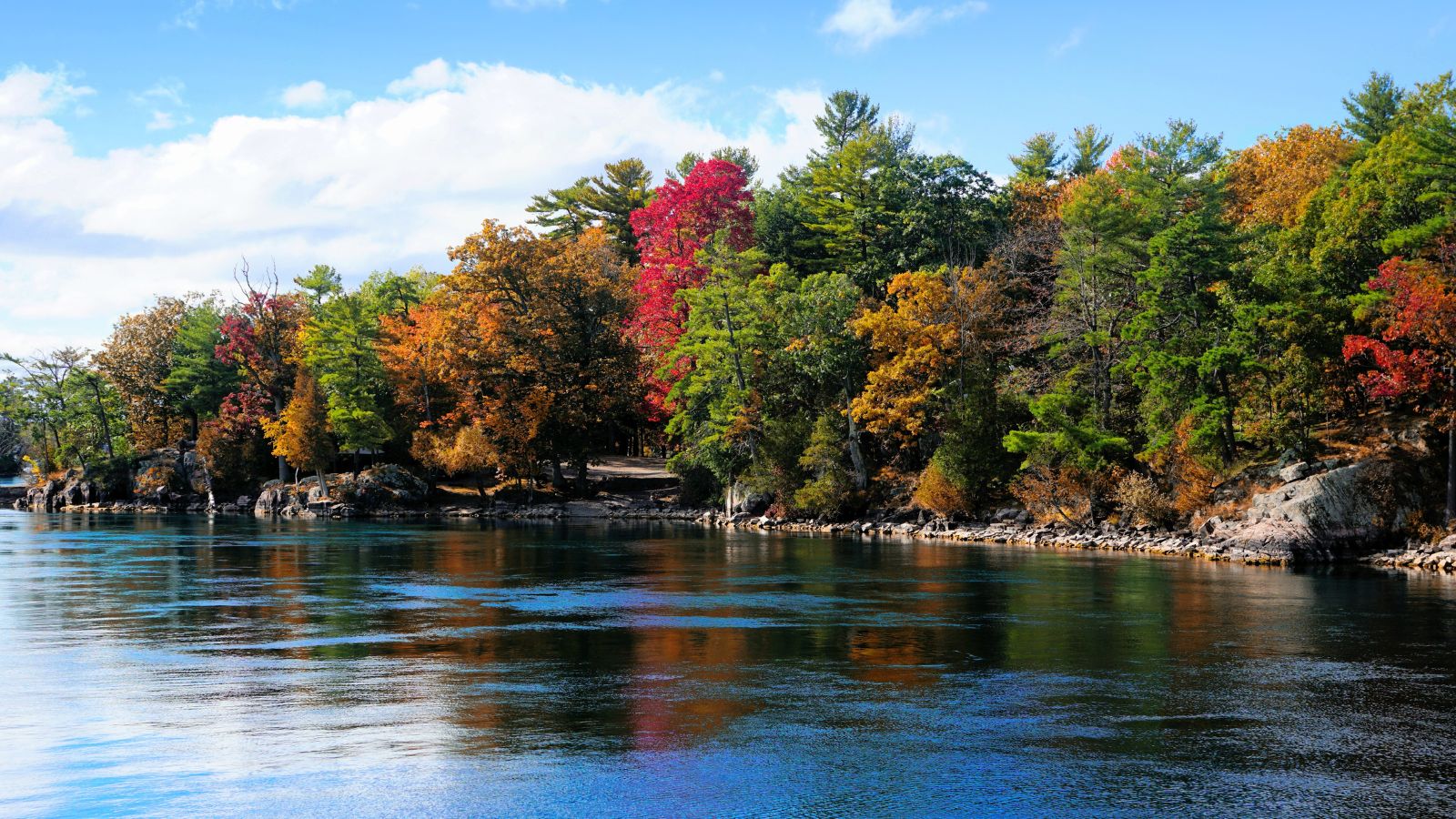
Thousand Islands National Park has a softer kind of drama than Canada’s mountain parks. Granite islands, wooded shorelines, quiet bays, paddling routes, docks, and island campsites create a destination shaped by water movement rather than altitude. Parks Canada describes the area as a place to boat, paddle, hike, camp, and explore the St. Lawrence River’s island landscape.
Before peak summer, the region can feel especially rewarding because the boating season has begun but the river has not yet reached its busiest vacation tempo. Kayakers and boaters may find quieter channels, and mainland trails near Mallorytown Landing, Jones Creek, and Landon Bay can feel less crowded. The appeal is subtle: sun on granite, wind through pine, and the sense that the river is wide enough to slow down time. It is a destination that benefits from less hurry.
Old Port of Montréal, Québec
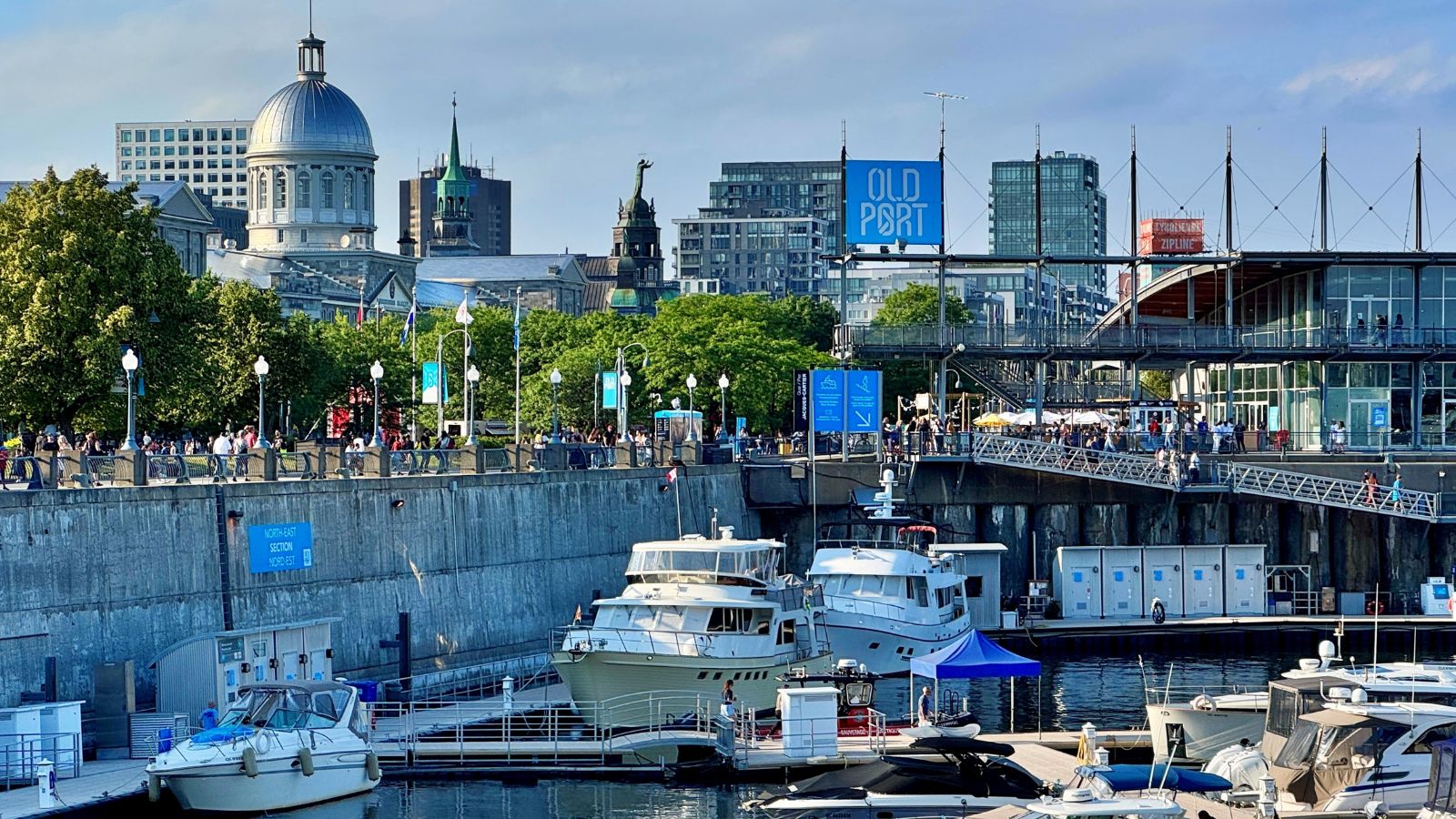
The Old Port of Montréal becomes a full summer playground once warm-weather programming, cruises, food trucks, Clock Tower Beach, terraces, cycling, and waterfront events hit their stride. It is lively in the best way, but that liveliness can also mean crowds, lines, and a more festival-like pace. Before peak summer, the waterfront offers many of the same views with less compression.
The Old Port stretches along the St. Lawrence River beside Old Montréal, making it easy to combine historic streets with open-air riverfront wandering. Earlier timing is especially useful for visitors who want atmosphere without losing mobility. The Ferris wheel, quays, heritage buildings, and river views all feel more relaxed when crowds are thinner. It is also a good time to notice how the area functions as more than a tourist zone: a public waterfront, a gathering place, and a gateway into the city’s older layers.
The Butchart Gardens, British Columbia

The Butchart Gardens near Victoria are built for seasonal change, which makes the pre-peak-summer period especially attractive. The garden covers 55 acres in Brentwood Bay and has been developed over more than a century from the Butchart family’s former industrial landscape into a world-famous display garden. It was designated a National Historic Site of Canada in 2004.
Before the summer entertainment calendar and high-season visitor flow fully intensify, the gardens can feel more intimate. Spring and early summer blooms bring fragrance and colour, while paths through the Sunken Garden, Japanese Garden, Italian Garden, and other spaces invite slower movement. The experience is highly designed, yet it does not feel artificial when crowds are lighter. Earlier timing lets visitors notice transitions between garden rooms, the mature trees, the framed views toward Tod Inlet, and the careful choreography of colour.
Cape Breton Highlands National Park and the Cabot Trail, Nova Scotia
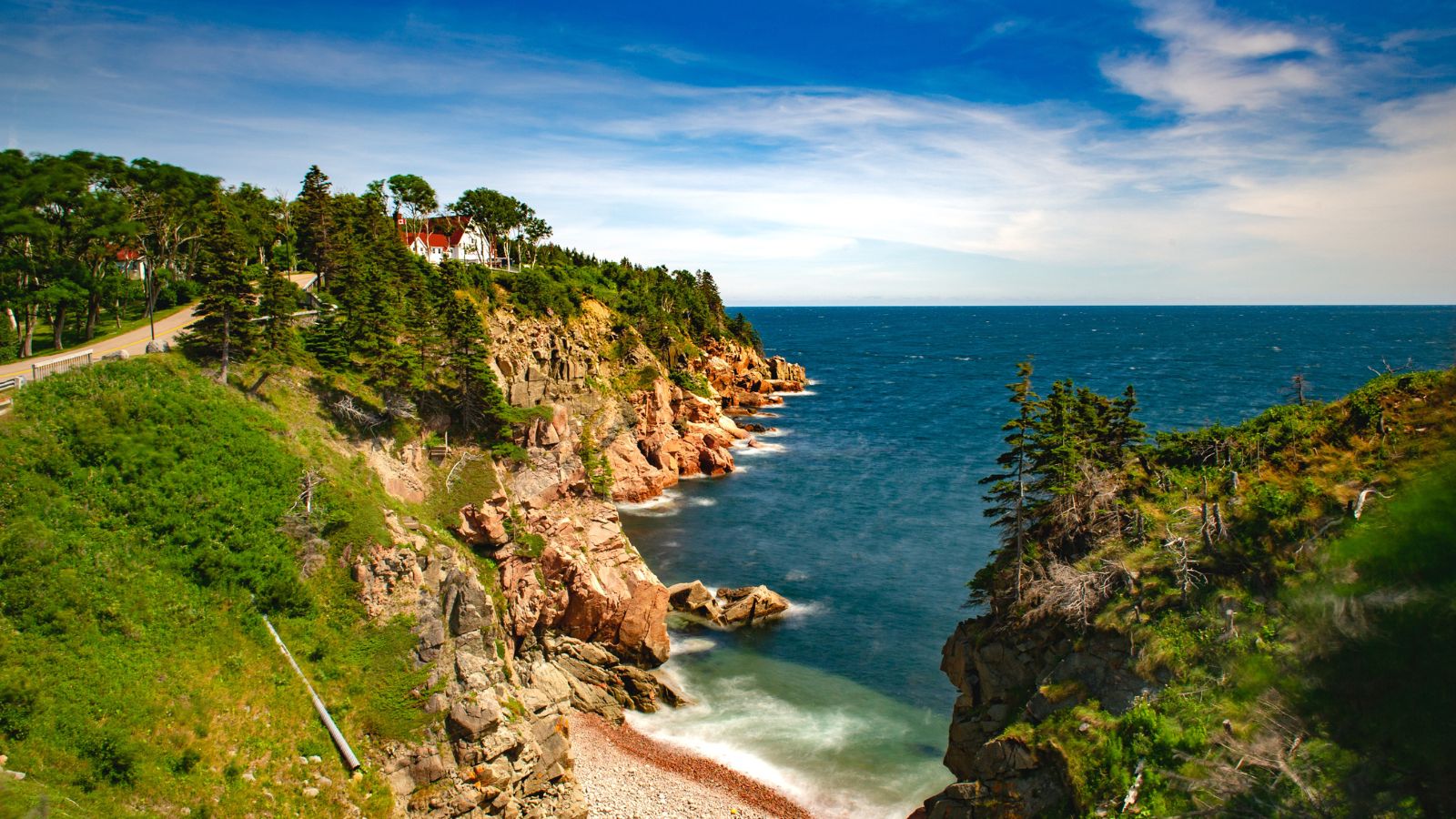
Cape Breton Highlands National Park is closely tied to the Cabot Trail, one of Canada’s great coastal drives. Parks Canada notes that about a third of the world-famous route winds through the national park, where ocean vistas, highland scenery, beaches, hiking trails, and wildlife viewing shape the experience. Before peak summer, the road feels more like a scenic journey and less like a traffic procession.
Earlier timing gives the lookouts and trailheads more room to work their magic. The Skyline Trail, Ingonish-area beaches, Chéticamp approaches, and cliffside pullouts all benefit when parking and photo stops are less competitive. Weather can still be cool and variable, and hikers need to take conditions seriously, but that is part of the Atlantic highlands’ personality. A pre-peak visit offers the best version of the Cabot Trail’s rhythm: slow curves, sudden views, salt air, and room to stop.
Algonquin Provincial Park, Ontario

Algonquin Provincial Park is one of Ontario’s classic nature escapes, especially for campers, paddlers, hikers, and families travelling the Highway 60 Corridor. Ontario Parks highlights eight car campgrounds along that corridor, 14 interpretive trails, educational programming, a visitor centre, a logging museum, and an art centre. Once peak summer begins, those features draw heavy demand from both day visitors and overnight campers.
Before the busiest weeks, Algonquin can feel more like a park than a booking challenge. Loons call across cold lakes, portage routes begin to open into the season, and forest trails carry the energy of early growth. The park’s scale helps disperse people, but popular access points can still fill. Earlier timing gives visitors a better chance to enjoy the interior feeling that made Algonquin famous: water, rock, pine, wildlife signs, and quiet evenings that arrive after the last day-trippers have gone.
Stanley Park, Vancouver, British Columbia
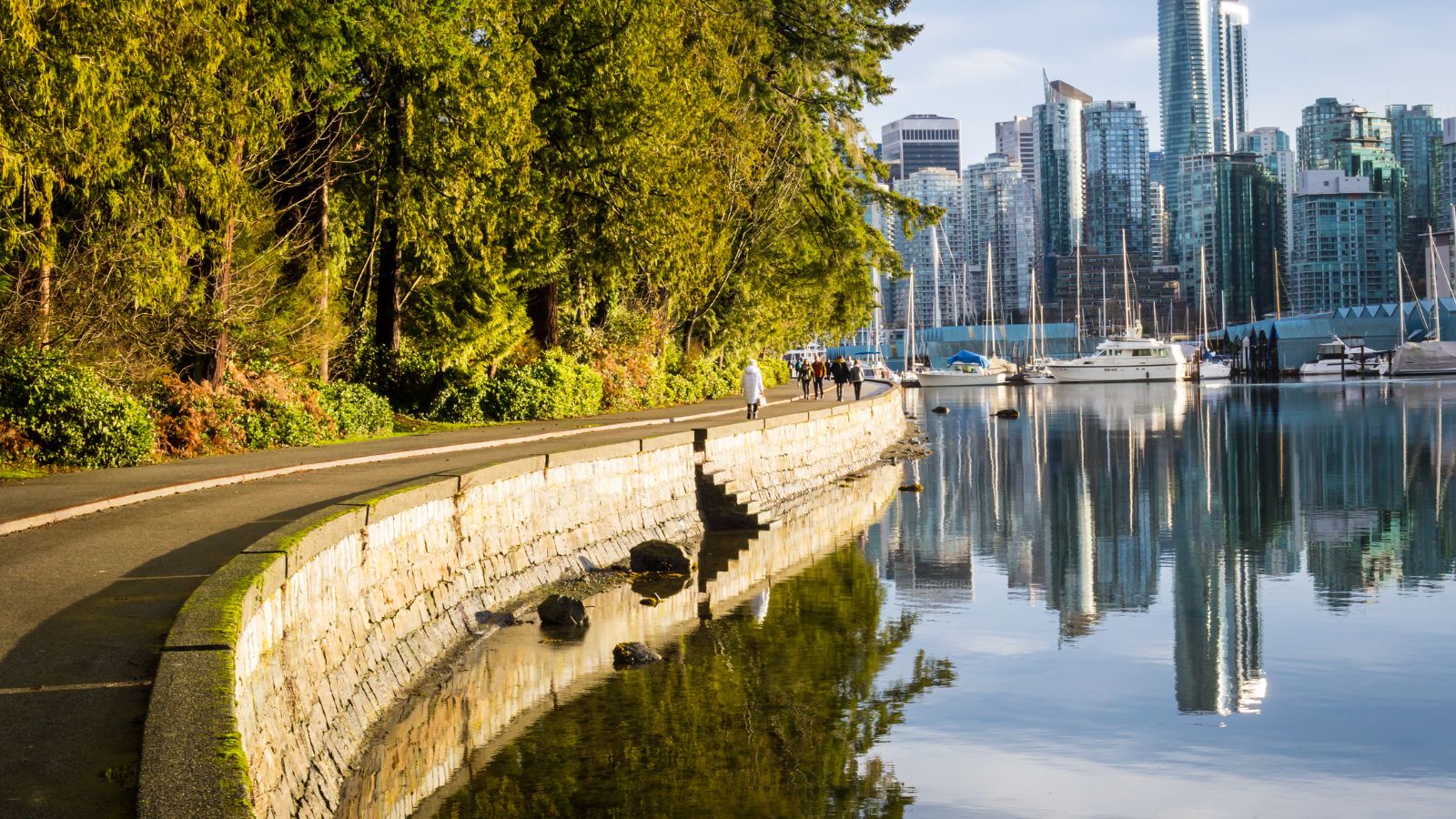
Stanley Park is urban, accessible, and famous, which means crowds are part of its identity in summer. The City of Vancouver describes it as a 400-hectare natural West Coast rainforest with scenic trails, beaches, waterfront views along the Seawall, wildlife viewing, food options, and cultural, historical, and family attractions. Before peak summer, the park’s size feels easier to appreciate.
The Seawall, beaches, aquarium area, forest paths, gardens, and viewpoints all become busier as warm-weather tourism builds. Earlier visits can make a walk or bike ride feel less like traffic management and more like a rare urban-nature experience. The park is not remote, but that is its strength: old trees, harbour views, mountain backdrops, and city skyline all meet in one place. Before peak crowds arrive, Stanley Park shows how a major urban landmark can still feel restorative.
19 Things Canadians Don’t Realize the CRA Can See About Their Online Income

Earning money online feels simple and informal for many Canadians. Freelancing, selling products, and digital services often start as side projects. The problem appears at tax time. Many people underestimate how much information the CRA can access. Online platforms, banks, and payment processors create detailed records automatically. These records do not disappear once money hits an account. Small gaps in reporting add up quickly.
Here are 19 things Canadians don’t realize the CRA can see about their online income.
This Options Discord Chat is The Real Deal
While the internet is scoured with trading chat rooms, many of which even charge upwards of thousands of dollars to join, this smaller options trading discord chatroom is the real deal and actually providing valuable trade setups, education, and community without the noise and spam of the larger more expensive rooms. With a incredibly low-cost monthly fee, Options Trading Club (click here to see their reviews) requires an application to join ensuring that every member is dedicated and serious about taking their trading to the next level. If you are looking for a change in your trading strategies, then click here to apply for a membership.