35,000+ smart investors are already getting financial news, market signals, and macro shifts in the economy that could impact their money next with our FREE weekly newsletter. Get ahead of what the crowd finds out too late. Click Here to Subscribe for FREE.
Oil prices feel distant until they start nudging everyday costs. Canadians often think of fuel first, but oil quietly affects far more. It shapes shipping costs, manufacturing inputs, heating bills, and even food prices. When global oil markets jump, price changes can ripple through stores, utilities, and services faster than expected. Some increases show up immediately. Others arrive weeks later, often without clear explanations at checkout. Here are 18 everyday prices in Canada that could change overnight if oil spikes again.
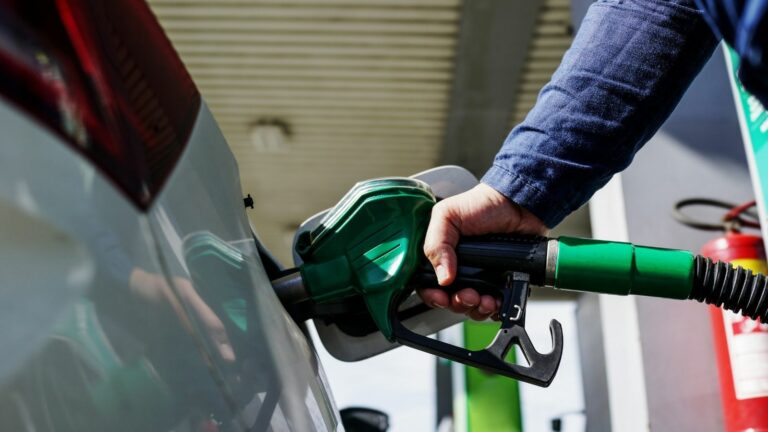
Gasoline at the Pump
18 Everyday Prices in Canada That Could Change Overnight if Oil Spikes Again
- Gasoline at the Pump
- Home Heating Oil
- Diesel Fuel
- Airline Tickets
- Grocery Prices
- Food Delivery Fees
- Public Transit Fares
- Taxi and Ride Share Costs
- Online Shopping Shipping Fees
- Construction Materials
- Road Maintenance Costs
- Plastic Packaged Goods
- Clothing Prices
- Farm Input Costs
- Heating and Cooling Services
- Courier and Parcel Services
- Emergency Services Budgets
- Moving and Storage Costs
- 22 Groceries to Grab Now—Before another Price Shock Hits Canada

Gasoline prices respond quickly when oil spikes because crude oil is their main input. Refineries adjust wholesale prices as markets move. Retail stations usually follow soon after. Taxes and margins stay stable, but oil changes fast. Regional supply also matters, especially in provinces importing fuel. Urban drivers often notice increases first due to higher turnover. Rural stations may lag briefly before matching prices. Even small oil jumps can add noticeable cents per liter. For commuters and commercial drivers, higher pump prices affect daily budgets immediately, with little room to delay or avoid the cost.
Home Heating Oil

Home heating oil prices closely track crude oil movements. Many homes, especially in Atlantic Canada, rely on heating oil. Suppliers adjust prices quickly after oil spikes. Unlike electricity or gas, heating oil offers little price smoothing. Homeowners feel an increase when ordering refills. Winter demand makes spikes more painful. Cold weather forces purchases regardless of price. Even modest oil increases can raise seasonal heating costs by hundreds. Older homes with poor insulation feel the impact most. Timing helps slightly, but sudden oil jumps can erase savings fast for households that depend on heating oil.
Diesel Fuel

Diesel prices often rise faster than gasoline during oil spikes. Freight trucks, buses, trains, and heavy equipment rely on diesel. When diesel costs increase, transport expenses rise across supply chains. These increases spread quietly into retail prices. Farmers and construction firms also feel immediate pressure. Public transit systems face higher operating costs. Budget constraints appear quickly. Because diesel supports commercial activity, its price affects many goods at once. Consumers rarely buy diesel directly, but higher diesel costs shape the prices of food, building materials, and everyday products nationwide.
Airline Tickets

Airline ticket prices are sensitive to oil because jet fuel is refined from crude oil. Airlines hedge fuel costs, but protection expires. When oil remains high, fares increase. Budget carriers often adjust prices faster. Routes with limited competition feel changes first. Fuel surcharges may return quietly. Seasonal travel amplifies the impact. Even domestic flights have become more expensive. Travelers may notice fewer seat sales and higher base fares. Oil volatility makes airfare one of the quickest travel expenses to shift, often with little advance notice for passengers.
Grocery Prices

Oil affects grocery prices through transport, processing, and packaging. Food travels long distances across Canada. Trucks and refrigeration depend on fuel. Fertilizers and farm equipment also rely on energy. When oil spikes, suppliers face higher costs. Grocery stores rarely raise prices immediately. Pressure builds over weeks, then appears unevenly. Produce and imported items often change first. Shoppers see scattered increases rather than uniform hikes. Over time, oil-driven costs raise overall grocery bills, even when shelves appear stocked and stable.
Food Delivery Fees

Food delivery relies heavily on fuel for drivers. When oil spikes, delivery costs rise quickly. Platforms may increase service fees, delivery charges, or minimum order amounts. Driver incentives may change. Promotions often disappear first. Menu prices may stay flat, but totals climb. Urban congestion magnifies fuel costs. Suburban deliveries become less attractive. Consumers feel higher costs without clear explanations. Oil price changes quietly reshape the cost of convenience, making frequent delivery habits more expensive almost overnight.
Public Transit Fares

Public transit systems depend on fuel for buses and support vehicles. Oil spikes raise operating costs quickly. Agencies may delay fare increases, but financial pressure builds. Smaller cities feel the strain faster due to limited reserves. Some systems reduce service before raising fares. Others adjust passes or discounts. Riders may notice longer waits first. Oil prices influence transit budgets even when electricity is used. Over time, higher fuel costs shape fare decisions and service quality for daily commuters.

Taxi drivers and ride-share operators pay fuel costs directly. When oil spikes, expenses rise immediately. Platforms may adjust per-kilometer rates or booking fees. Surge pricing becomes more common. Short trips feel less affordable. Airport and late-night rides increase first. Drivers may avoid low-fare routes. Consumers see higher app totals without announcements. Oil price swings quickly affect demand for transportation, especially in cities where driving distances and traffic increase fuel consumption.
Online Shopping Shipping Fees

Shipping companies rely on fuel for long-distance delivery. When oil spikes, carriers add fuel surcharges. Online retailers may raise shipping fees or adjust free shipping thresholds. Some increase product prices instead. Cross-border shipping reacts fastest. Remote communities feel larger increases. Shoppers may notice fewer discounts rather than clear fees. Oil volatility makes delivery pricing less predictable, especially during busy shopping periods when fuel use rises across distribution networks.
Construction Materials

Construction materials depend on fuel for extraction, processing, and transport. Oil spikes raise costs for moving lumber, cement, and steel. Asphalt prices rise directly because it is oil-based. Contractors face higher expenses quickly. Quotes may change before work begins. Home renovation budgets feel pressure. Infrastructure projects face delays. Smaller builders struggle to absorb costs. Oil price changes ripple through construction faster than many homeowners expect, affecting both private projects and public works.
Road Maintenance Costs

Road maintenance relies on petroleum products like asphalt. When oil spikes, paving costs increase sharply. Municipal budgets face sudden gaps. Projects may be postponed or scaled back. Temporary fixes replace long-term repairs. Drivers notice rougher roads before taxes change. Northern and rural regions face higher transport costs. Oil volatility shapes maintenance schedules across Canada. The impact appears gradually through deteriorating roads rather than immediate price tags.
Plastic Packaged Goods

Plastic packaging is derived from petroleum. When oil prices rise, plastic production becomes more expensive. Manufacturers face higher input costs. Some raise prices directly. Others reduce package sizes quietly. Household goods like cleaners and toiletries change first. Packaging heavy products feels pressure quickly. Consumers may not link increases to oil, but the connection is direct. Oil spikes affect shelves filled with plastic containers across grocery and retail stores.
Clothing Prices

Many clothing items use synthetic fibers made from petroleum. Transport costs also matter. When oil spikes, manufacturing and shipping expenses rise. Fast fashion brands adjust prices faster than premium labels. Imports feel the impact first. Discounts become less frequent. Seasonal collections absorb costs unevenly. Basics often rise before specialty items. Oil price changes slowly reshape clothing affordability, especially for lower-priced apparel that depends on high volume and low margins.
Farm Input Costs

Farm operations rely heavily on fuel at nearly every stage. Tractors, harvesters, irrigation pumps, and transport vehicles all depend on energy prices. Fertilizers and crop treatments are also tied to oil markets through production and shipping. When oil spikes, farmers face higher costs almost immediately. Some delay planting or reduce input use to manage expenses. These decisions affect yields later in the season. Smaller farms feel the pressure first due to thinner margins. Consumers rarely notice the link, but higher oil prices begin influencing food costs long before groceries reach store shelves.
Heating and Cooling Services

Heating and cooling services depend on fuel for service vehicles, tools, and emergency repairs. When oil prices rise, operating costs increase quickly. Contractors may add fuel charges or raise call-out fees. Emergency visits become more expensive, especially during extreme weather. Seasonal demand worsens the impact. Rural households feel larger increases due to longer travel distances. Maintenance plans may exclude fuel adjustments. Homeowners often notice higher bills without explanation. Oil price spikes quietly raise the cost of keeping homes warm in winter and cool in summer.
Courier and Parcel Services

Courier and parcel delivery services rely heavily on fuel efficiency. When oil prices spike, carriers face immediate cost increases. Fuel surcharges often return quickly. Business shipping contracts adjust first. Residential delivery fees follow. Same-day and express options become more expensive. Remote area surcharges increase the most. Small businesses face higher fulfillment costs that affect pricing. Consumers notice fewer delivery promotions and longer timelines. Oil volatility reshapes logistics quickly, influencing how goods move across cities, provinces, and rural regions.
Emergency Services Budgets

Emergency services operate fleets that consume large amounts of fuel. Police cars, fire trucks, and ambulances run continuously. When oil prices spike, operating costs rise fast. Municipal budgets feel strain almost immediately. Fuel spending crowds out other expenses. Equipment upgrades may be delayed. Overtime costs increase as response times stretch. While services remain essential, financial pressure builds behind the scenes. Over time, oil-driven costs show up through higher taxes, deferred investments, or reduced capacity rather than visible price changes.
Moving and Storage Costs

Moving and storage services depend heavily on fuel and transportation. Rental trucks consume large amounts of diesel or gasoline. When oil prices spike, rental rates increase quickly. Long-distance moves become especially expensive. Storage facilities also face higher energy and transport costs. Seasonal demand amplifies price jumps. Quotes may expire sooner or change unexpectedly. Families relocating feel the impact immediately. Oil volatility makes moving costs unpredictable, adding financial stress during housing transitions, job changes, or family relocations across provinces.
22 Groceries to Grab Now—Before another Price Shock Hits Canada

Food prices in Canada have been steadily climbing, and another spike could make your grocery bill feel like a mortgage payment. According to Statistics Canada, food inflation remains about 3.7% higher than last year, with essentials like bread, dairy, and fresh produce leading the surge. Some items are expected to rise even further due to transportation costs, droughts, and import tariffs. Here are 22 groceries to grab now before another price shock hits Canada.
22 Groceries to Grab Now—Before another Price Shock Hits Canada
This Options Discord Chat is The Real Deal
While the internet is scoured with trading chat rooms, many of which even charge upwards of thousands of dollars to join, this smaller options trading discord chatroom is the real deal and actually providing valuable trade setups, education, and community without the noise and spam of the larger more expensive rooms. With a incredibly low-cost monthly fee, Options Trading Club (click here to see their reviews) requires an application to join ensuring that every member is dedicated and serious about taking their trading to the next level. If you are looking for a change in your trading strategies, then click here to apply for a membership.