
35,000+ smart investors are already getting financial news, market signals, and macro shifts in the economy that could impact their money next with our FREE weekly newsletter. Get ahead of what the crowd finds out too late. Click Here to Subscribe for FREE.
A naval clash between the United States and Russia would not stay contained for long. Oceans connect alliances faster than borders do. Canada sits in the middle of that reality through geography, treaties, and shared defense systems. Even if Ottawa avoids direct combat, pressure builds quickly once ships move, warnings escalate, and allies demand support. Arctic waters, Atlantic routes, and Pacific passages all matter here. Here are 14 scenarios where a U.S.–Russia clash at sea Pulls Canada into the fight.
14 Scenarios Where a U.S.–Russia Clash at Sea Pulls Canada into the Fight
- An Arctic Naval Collision Escalates
- A Submarine Standoff Near Canada’s Coast
- NATO Requests Canadian Naval Support
- Russian Challenges to Arctic Shipping Routes
- Missile Tests Trigger Canadian Defense Systems
- A Joint U.S.–Canada Task Group Is Threatened
- Russian Cyber Actions Disrupt Naval Operations
- A Rescue Mission Becomes a Flashpoint
- Russian Aircraft Challenge Canadian Naval Patrols
- Sanctions Enforcement Leads to Confrontation
- NORAD Alert Levels Are Raised
- Canadian Ports Support Allied Fleets
- Domestic Pressure Drives Government Action
- A Single Incident Outpaces Diplomacy
- 22 Groceries to Grab Now—Before another Price Shock Hits Canada
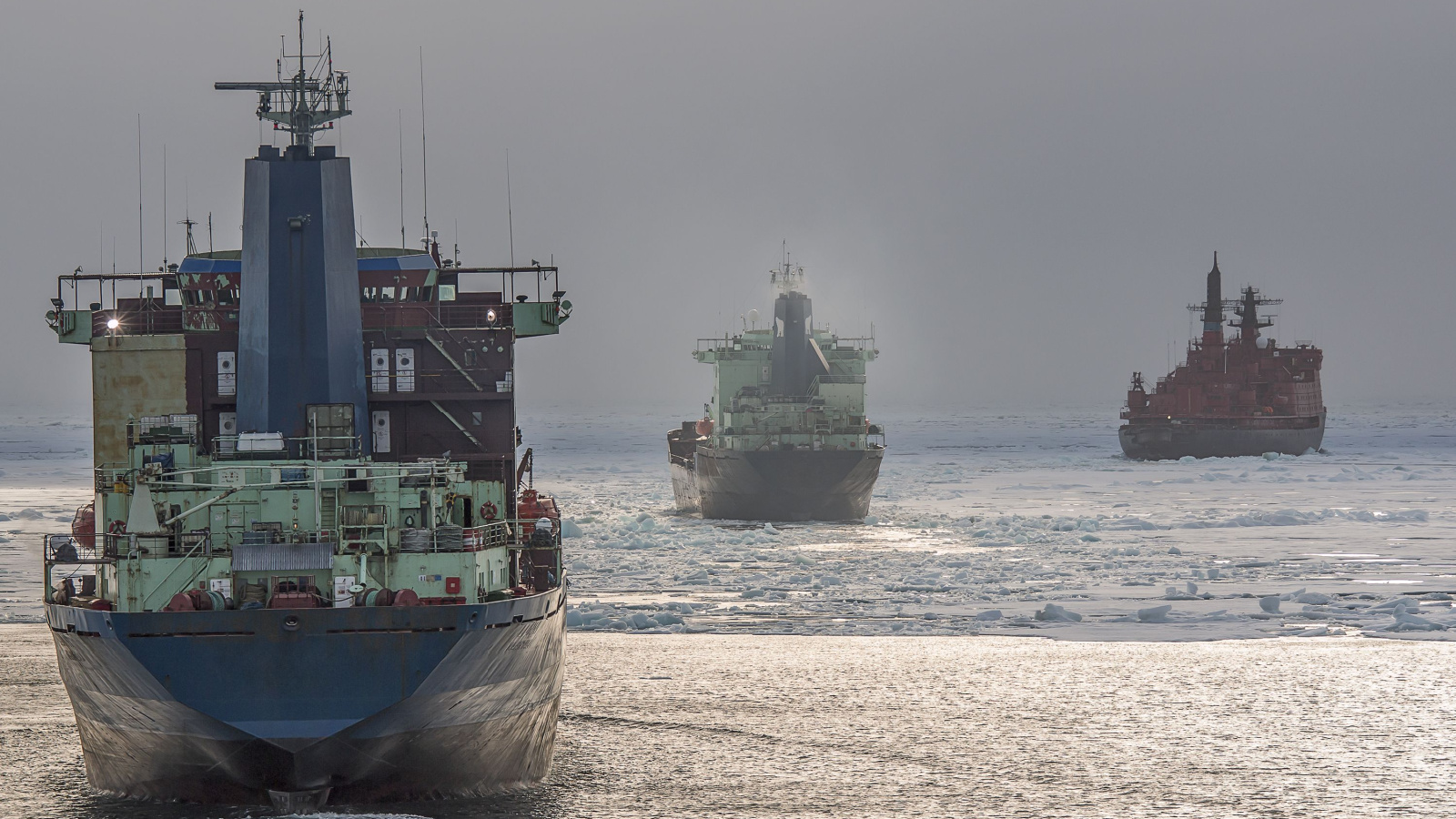
A collision between U.S. and Russian naval vessels in Arctic waters would immediately draw Canada closer. Canadian patrols operate nearby under routine sovereignty missions. Once tensions rise, Ottawa faces pressure to demonstrate its presence. Search and rescue obligations could trigger rapid deployment. Russian maneuvers near claimed waters raise domestic alarm. Parliament and media demand action. Even limited monitoring appears political. Canada shares surveillance data with allies by default. That support influences operational decisions. Arctic conditions magnify errors. Once ships arrive, disengagement looks weak. Escalation often begins through accidents, not intent.
A Submarine Standoff Near Canada’s Coast
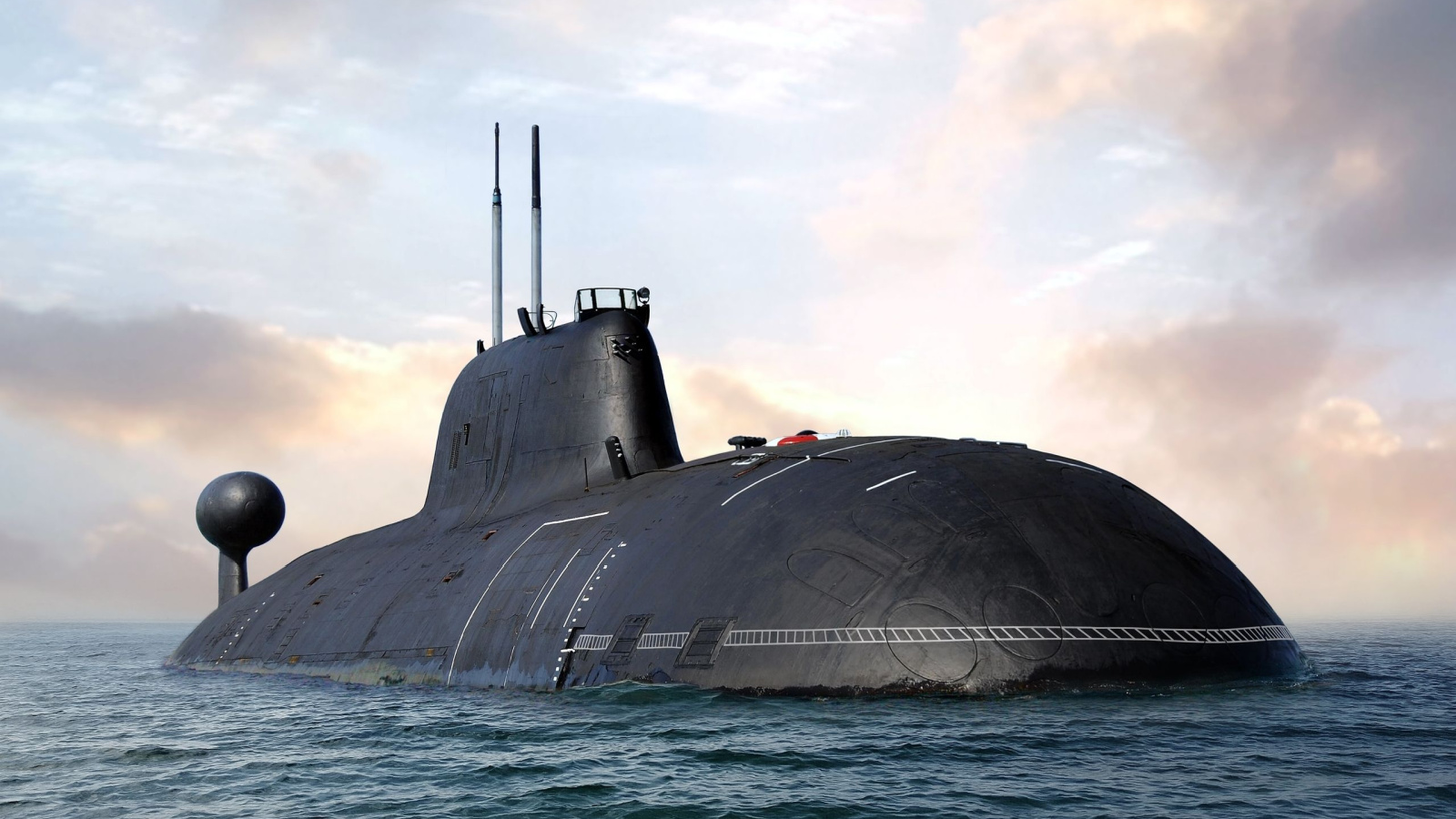
Submarine activity near Canada’s Arctic coastline already receives constant attention. A U.S. and Russian underwater confrontation would heighten that focus instantly. Canadian sensors would detect unusual movement. Intelligence sharing would follow without delay. Helping track submarines carries military consequences. Russia would treat participation as alignment. Ottawa would struggle to stay quiet publicly. Domestic concerns over sovereignty grow louder. Submarines operate in secrecy but provoke strong reactions. Once detection assets activate, neutrality erodes. Even passive monitoring becomes strategic. Underwater encounters rarely stay contained for long.

A serious naval clash would trigger urgent NATO consultations. Canada would receive requests for ships or patrol support. Declining those requests strains alliance credibility. Accepting them increases exposure. Canadian frigates already operate in shared task groups. Deployment timelines compress during crises. Once vessels sail, reversal becomes difficult. Russian planners would adjust responses accordingly. Public debate rarely slows decisions. Participation may begin as deterrence. Deterrence often drifts toward confrontation. Alliance obligations narrow Canada’s options quickly during fast-moving maritime crises.
Russian Challenges to Arctic Shipping Routes

Russia may attempt to restrict access to emerging Arctic shipping lanes. Canada considers those routes economically and politically important. A U.S. naval response would place Canada under pressure to assist. Escorting commercial vessels appears defensive. Russia may view it differently. Canadian ice-capable ships could join patrols. Sovereignty claims amplify tensions. Civilian traffic complicates decision-making. Any incident draws global attention. Protecting trade becomes a security issue. Once patrols begin, Canada becomes part of the standoff regardless of intent.
Missile Tests Trigger Canadian Defense Systems

Naval missile launches during a crisis would be tracked from Canadian territory. Early warning systems automatically collect and share data. That information shapes U.S. responses. Sharing it ties Canada into escalation cycles. Russia would see this as direct involvement. Turning off sensors is unrealistic. Domestic defense protocols activate without political debate. Public disclosure raises anxiety. Even routine tracking becomes controversial. Technology removes distance from conflict. Once systems engage, Canada becomes part of the operational picture, whether intended or not.
A Joint U.S.–Canada Task Group Is Threatened
Canadian ships frequently operate alongside U.S. vessels. A Russian warning or close maneuver could involve both simultaneously. Any hostile action nearby pulls Canada in immediately. Even without damage, threat perception changes posture. Rules of engagement tighten fast. Command authority shifts upward. Media attention increases political pressure. Joint operations blur national boundaries. Russian responses would not distinguish flags closely. Shared formations create shared risk. Once targeted together, Canada cannot claim separation from the confrontation.

Modern naval clashes include cyber pressure. Russian cyber activity targeting maritime systems could hit Canadian networks. Navigation disruptions raise immediate alarms. Attribution often points to state actors. Responding requires coordination with allies. Defensive cyber actions still signal involvement. Public acknowledgment escalates tension. Maritime safety becomes a national security issue. Cyber responses rarely stay limited. Once systems are targeted, distance disappears. Canada becomes involved without firing a shot. Digital interference accelerates escalation quietly but decisively.
A Rescue Mission Becomes a Flashpoint

Canada leads search and rescue across vast northern waters. If a U.S. vessel suffers damage, Canadian responders may arrive first. Russian forces nearby could contest access. Humanitarian missions suddenly face military pressure. Any interference draws an immediate response. Media coverage amplifies the stakes. Escort vessels may be dispatched quickly. Rescue zones turn tense. Neutral intentions matter little during crises. Once protective measures appear, escalation follows. Few governments tolerate threats against rescue crews under any circumstances.

Naval confrontations often extend into the air. Russian aircraft may approach Canadian ships during heightened tensions. Intercepts follow established patterns until one does not. Pilots operate under extreme pressure. Misjudgment risks disaster. Canadian forces must respond visibly. Public silence appears weak. Escort missions escalate readiness. Airspace challenges raise alarm domestically. Once aircraft shadow vessels, conflict feels immediate. Escalation accelerates through seconds-long decisions rather than strategy.
Sanctions Enforcement Leads to Confrontation

Canada participates in maritime sanctions enforcement. During conflict, inspections increase. Russian vessels may resist or delay boarding. That resistance carries consequences. Canadian crews face direct confrontation. U.S. backing strengthens resolve. Moscow may respond aggressively. Law enforcement roles blur into military ones. Legal authority offers limited protection. Any clash gains symbolic weight. Once inspections turn hostile, escalation becomes difficult to control. Maritime law becomes a battlefield rather than a framework.
NORAD Alert Levels Are Raised

Naval clashes can trigger continental defense alerts. NORAD links Canada directly into response planning. Raised alert levels activate Canadian assets immediately. Radar stations increase monitoring. Patrol aircraft deploy rapidly. Command centers shift posture. Even without combat, signals matter. Russia interprets alerts as preparation. Standing down later proves politically difficult. Defense systems rarely scale back quietly. Once alert levels rise, Canada becomes visibly involved regardless of battlefield distance.
Canadian Ports Support Allied Fleets

Canadian ports provide logistics support for allied navies. During conflict, that support expands quickly. Repairs, refueling, and resupply become strategic functions. Russian intelligence tracks these movements closely. Hosting vessels signal alignment clearly. Port security tightens. Civilian operations feel disruption. Local concerns rise. Once ports serve military needs, neutrality disappears. Infrastructure becomes part of the conflict environment. Support roles often matter as much as frontline deployments.
Domestic Pressure Drives Government Action

Public opinion shapes policy during international crises. Canadians expect sovereignty protection and alliance reliability. Political leaders face intense scrutiny. Calls for action grow after each incident. Caution appears indecisive. Opposition voices grow louder. Media cycles accelerate pressure. Symbolic gestures carry weight. Even limited deployments satisfy public expectations. Domestic politics push Canada closer to involvement. Restraint becomes harder once national pride enters the conversation.
A Single Incident Outpaces Diplomacy

Modern crises escalate faster than diplomacy can respond. Images spread instantly online. Statements harden positions within hours. Diplomatic channels lag behind events. Canada may act before talks resume. Early moves lock in trajectories. Reversing course appears weak. Momentum builds quickly. Naval confrontations reward speed over patience. Once actions begin, restraint fades. A single incident can define outcomes before negotiations even start.
22 Groceries to Grab Now—Before another Price Shock Hits Canada

Food prices in Canada have been steadily climbing, and another spike could make your grocery bill feel like a mortgage payment. According to Statistics Canada, food inflation remains about 3.7% higher than last year, with essentials like bread, dairy, and fresh produce leading the surge. Some items are expected to rise even further due to transportation costs, droughts, and import tariffs. Here are 22 groceries to grab now before another price shock hits Canada.
22 Groceries to Grab Now—Before another Price Shock Hits Canada
This Options Discord Chat is The Real Deal
While the internet is scoured with trading chat rooms, many of which even charge upwards of thousands of dollars to join, this smaller options trading discord chatroom is the real deal and actually providing valuable trade setups, education, and community without the noise and spam of the larger more expensive rooms. With a incredibly low-cost monthly fee, Options Trading Club (click here to see their reviews) requires an application to join ensuring that every member is dedicated and serious about taking their trading to the next level. If you are looking for a change in your trading strategies, then click here to apply for a membership.