
35,000+ smart investors are already getting financial news, market signals, and macro shifts in the economy that could impact their money next with our FREE weekly newsletter. Get ahead of what the crowd finds out too late. Click Here to Subscribe for FREE.
Spring in Canada feels like a fresh page. The snow melts, the days get longer, and people start opening windows again. It is also the season when many realize their spending habits drifted over winter. Heating bills climbed. Takeout crept in. Subscriptions multiplied quietly. A full financial overhaul sounds exhausting, but a small reset can fit into one weekend. A few focused tweaks can tidy your budget without turning your life upside down. You do not need a spreadsheet marathon or a finance degree. Here are 17 “Spring Reset” budget tweaks Canadians can do in one weekend.
Cancel One Subscription You Forgot About
17 “Spring Reset” Budget Tweaks Canadians Can Do in One Weekend
- Cancel One Subscription You Forgot About
- Call Your Internet or Phone Provider
- Switch to a High-Interest Savings Account
- Review Your Insurance Policies
- Meal Plan for the Next Two Weeks
- Set a Weekly Spending Cap
- Declutter and Sell a Few Items
- Automate One Savings Transfer
- Check Your Credit Report
- Create a Sinking Fund for Big Expenses
- Audit Your Streaming and Entertainment Habits
- Pack Lunch for the Workweek
- Renegotiate or Review Your Rent or Mortgage Terms
- Start Tracking Every Dollar for Seven Days
- Plan Low-Cost Spring Activities
- Review Automatic Renewals and Annual Fees
- Set One Clear Financial Goal for the Season
- 22 Groceries to Grab Now—Before another Price Shock Hits Canada

Start with your bank or credit card statement. Scroll slowly. Look for recurring charges you barely notice anymore. Streaming services, fitness apps, cloud storage, and old trial memberships. Pick at least one and cancel it. Even ten dollars a month adds up over a year. If you hesitate, ask when you last used it. If you cannot remember, that is your answer. This task takes less than an hour. Set reminders for annual renewals while you are there. One cancellation might not change everything, but it creates momentum. Momentum matters more than perfection.
Call Your Internet or Phone Provider

Telecom bills in Canada are rarely cheap. Spend part of your Saturday morning on the phone. Ask about current promotions or loyalty discounts. Mention competitor offers if needed. Many providers have unadvertised deals for customers who ask directly. Even a small monthly reduction helps over time. If your contract ended, you may have leverage. While reviewing your plan, check your actual data usage. You might be paying for more than you use. This single call can save hundreds across the year. It costs you some patience, not money.
Switch to a High-Interest Savings Account

If your savings sit in a basic chequing account, you are leaving money idle. Research high-interest savings accounts offered by Canadian banks or credit unions. Many online banks provide better rates than traditional branches. The switch usually takes less than an hour. Move your emergency fund first. Keep your daily spending account separate. This makes saving feel more intentional. Even small interest gains compound over time. You do not need to chase every rate change. Just avoid earning almost nothing. A quiet upgrade can work in the background all year.
Review Your Insurance Policies

Insurance renewals often happen automatically. Set aside time to review your home, tenant, or car insurance. Request updated quotes from at least one competitor. Rates shift based on location, driving history, and claims data. You may qualify for discounts you never claimed. Bundling policies can lower premiums. Increasing your deductible may also reduce monthly costs. Make sure coverage still fits your current life. Do not rush through the fine print. This reset is about awareness. Paying less for the same protection feels practical, not dramatic.
Meal Plan for the Next Two Weeks

Groceries are expensive across Canada. A clear meal plan cuts down impulse purchases. Spend Sunday afternoon mapping out simple dinners. Check your pantry before writing your list. Build meals around what you already have. Choose recipes with overlapping ingredients. This reduces waste and saves money. Avoid shopping while hungry. Stick to your list inside the store. Consider store brands for staples. The goal is not gourmet creativity. It is steady, predictable spending. Two weeks of structure can shift your monthly food budget noticeably.
Set a Weekly Spending Cap

A monthly budget feels abstract. A weekly spending cap feels real. Look at last month’s discretionary spending. Divide that number by four. Decide on a lower but realistic weekly target. Use cash, a prepaid card, or a separate account to track it. When the amount runs out, pause non-essential purchases. This method creates boundaries without banning enjoyment. You can still meet friends or order takeout occasionally. You just plan for it. The weekend reset sets the limit. The habit carries forward quietly.
Declutter and Sell a Few Items

Spring cleaning can also generate cash. Walk through your home with honest eyes. Identify clothes, electronics, or small furniture you no longer use. List them on local marketplaces. Price them reasonably to move quickly. Even modest sales add breathing room to your budget. Clear space often changes spending behavior, too. You become more aware of what you bring in. The process takes effort, but it is straightforward. One weekend is enough to photograph, post, and respond to buyers. Extra money from unused items feels earned.
Automate One Savings Transfer

Manual saving relies on willpower. Automation relies on systems. Log in to your bank account and set up an automatic transfer. Choose an amount you can manage comfortably. Schedule it for the day after your paycheque arrives. Start small if needed. The amount can grow later. This simple action shifts saving from optional to expected. You stop debating it every month. Over time, the balance builds without constant attention. A single automated transfer can change your year. It takes minutes to arrange.
Check Your Credit Report
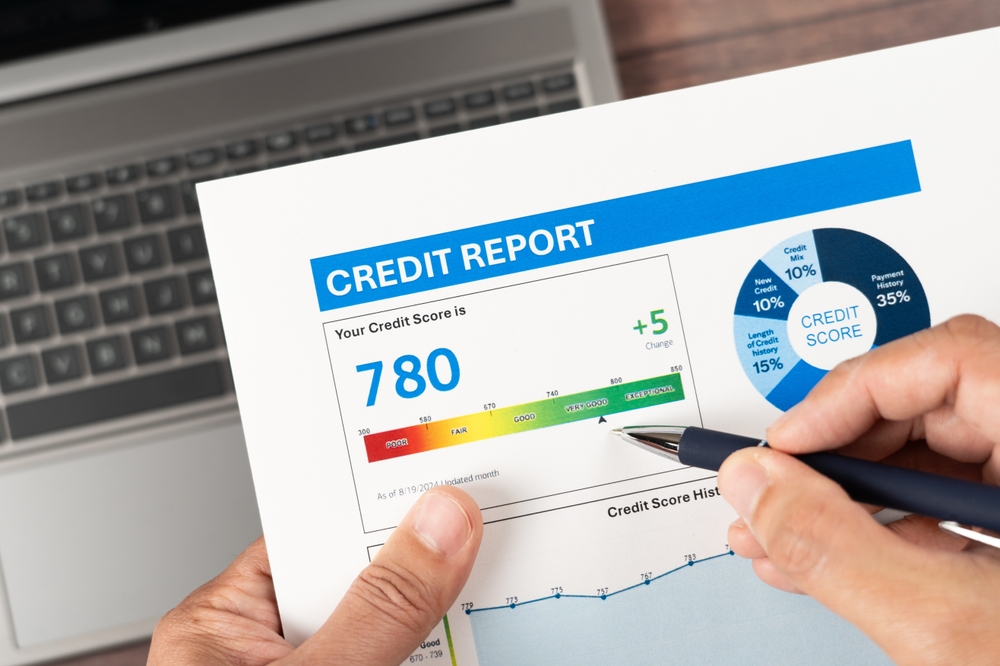
Your credit report affects loan rates and approvals. In Canada, you can request a free copy from major credit bureaus. Review it for errors, outdated accounts, or unfamiliar activity. Dispute inaccuracies promptly. Even small mistakes can impact your score. Understanding your credit position also guides future financial decisions. You might discover room to improve or feel reassured by a solid rating. This step does not cost money. It costs an hour and some focus. Knowledge replaces guesswork.
Create a Sinking Fund for Big Expenses

Some expenses feel sudden but are predictable. Car maintenance, holiday travel, school supplies. Open a separate savings category for one upcoming cost. Estimate the total needed and divide it by the months remaining. Start transferring a portion now. This prevents future stress and credit card use. A sinking fund is simply planned saving with a label. Seeing the balance grow reduces anxiety. You avoid scrambling later. Setting it up over a weekend builds calm into your budget.
Audit Your Streaming and Entertainment Habits

Entertainment spending often spreads across platforms. Track what you actually watch or use. Consider rotating services instead of keeping them all year. Subscribe for one or two months, then cancel and switch. Libraries also offer free digital movies and ebooks in many Canadian cities. Community events often cost little or nothing. This audit is not about cutting joy. It is about matching spending to actual enjoyment. A weekend review can trim recurring charges without reducing downtime.
Pack Lunch for the Workweek

Buying lunch daily adds up quickly. Spend Sunday preparing simple meals for the week. Cook a large batch of soup, pasta, or grain bowls. Portion them into containers. Add easy snacks like fruit or yogurt. This does not require complex recipes. It requires repetition. Even saving ten dollars per day changes your monthly total. You may also eat more balanced meals. The effort happens once on the weekend. The savings repeat through Friday.
Renegotiate or Review Your Rent or Mortgage Terms

Housing is the largest expense for most Canadians. If your lease renewal approaches, research comparable rental prices in your area. Landlords may be open to small negotiations, especially with reliable tenants. For homeowners, review your mortgage rate and renewal date. Speak with your lender or broker about options. Even a minor rate adjustment matters over the years. This step may not yield instant change, but gathering information positions you better. A weekend conversation can shape long-term costs.
Start Tracking Every Dollar for Seven Days

Choose one week to record every expense. Use a notebook, spreadsheet, or budgeting app. Write down coffee purchases, parking fees, and small online orders. Do not judge yourself while tracking. The goal is awareness. Many people underestimate small daily spending. Seeing it written clearly changes behavior. After seven days, review patterns calmly. Decide which habits deserve adjustment. This experiment takes only a week, but the insight lasts longer. It often reveals simple fixes hiding in plain sight.
Plan Low-Cost Spring Activities

Warmer weather brings social invitations. Plan a few affordable activities ahead of time. Picnics in local parks, bike rides, hiking trails, and community festivals. When you already have plans, you feel less pressure to spend impulsively. Invite friends to join. Shared experiences do not require expensive venues. Planning reduces last-minute splurges. Your social life stays active without straining your budget. A short planning session on the weekend sets the tone for the season.
Review Automatic Renewals and Annual Fees

Many services renew annually without much notice. Check for gym memberships, professional dues, software subscriptions, and loyalty programs. Mark renewal dates in your calendar. Decide now whether each service still fits your needs. Cancel those that no longer serve you. For necessary ones, budget for the fee in advance. Spreading the cost monthly prevents surprises. This review reduces financial friction later. It is a simple administration that pays off quietly.
Set One Clear Financial Goal for the Season

A reset works best with direction. Choose one realistic goal for the next three months. It could be building a one-thousand-dollar emergency buffer. It could be paying down a specific credit card. Write the goal somewhere visible. Break it into weekly or biweekly targets. Keep the focus narrow. Trying to fix everything at once often leads to nothing. One defined objective guides daily choices. This final step ties your weekend efforts together.
22 Groceries to Grab Now—Before another Price Shock Hits Canada

Food prices in Canada have been steadily climbing, and another spike could make your grocery bill feel like a mortgage payment. According to Statistics Canada, food inflation remains about 3.7% higher than last year, with essentials like bread, dairy, and fresh produce leading the surge. Some items are expected to rise even further due to transportation costs, droughts, and import tariffs. Here are 22 groceries to grab now before another price shock hits Canada.
22 Groceries to Grab Now—Before another Price Shock Hits Canada
This Options Discord Chat is The Real Deal
While the internet is scoured with trading chat rooms, many of which even charge upwards of thousands of dollars to join, this smaller options trading discord chatroom is the real deal and actually providing valuable trade setups, education, and community without the noise and spam of the larger more expensive rooms. With a incredibly low-cost monthly fee, Options Trading Club (click here to see their reviews) requires an application to join ensuring that every member is dedicated and serious about taking their trading to the next level. If you are looking for a change in your trading strategies, then click here to apply for a membership.